50 Current Student Stress Statistics: 2027 Data, Analysis & Predictions
Audited and Verified:
Our Editorial and Data Verification Process
Research.com uses government datasets, official education statistics and primary institutional information to support its career and degree guides. Our review process checks factual accuracy, occupational definitions, source dates and the requirements associated with the credentials discussed.
How This Article Was Fact-Checked
Our editorial team verifies salary estimates, employment projections, education requirements and program information against original data providers and official organizations. Salary figures are checked against the relevant occupational definitions and reporting periods. Information about licensure, accreditation and required in-person training is reviewed separately.
Fact-checked and verified on:

Co-Founder and Chief Data Scientist
Our idea of what schooling should be is hinged upon a shared goal of preparing young people to face the adult world. This is not only when it comes to trade and career opportunities but also in dealing with other people in ways pertinent to the morals and attitudes of the times. While schools teach and, to a degree, simulate real-world scenarios for students, they also introduce—maybe unintentionally another real-world experience. And, that is student stress. The main reason is that college life imposes numerous adjustments for students leading to increased levels of stress.
Statistics reveal a concerning truth: stress among students is real, and, in some cases, may be on par with adults' stress. To help understand this further, this article aims to discuss statistics about stress in students in K-12 schools, colleges, and universities, and identify some of the underlying causes and how many students are affected. It also hopes to identify if there are sources of relief from stress available in schools or from a student’s immediate social circle.
With this guide, educators, school administrators, and parents can identify the prevalence of student stress in schools, understand the different factors contributing to student stress, and what they can do to address them. It should also give students an idea of how fellow learners are coping with stress.
Student Stress Statistics 2027 Table of Contents
- General Student Stress Statistics 2027
- Stress Among K-12 Students
- Stress Among College and University Students
- Common Student Stress Factors
- Can alternative certifications alleviate student stress?
- Remote Learning and Student Stress Levels
- Can advanced degree programs ease career transition stress?
- How Can Integrated Wellness Programs in Academic Institutions Reduce Student Stress?
- Can Accelerated Degree Programs Help Manage Student Stress?
- Impact of Student Stress on Long-Term Health
- Mental Health Support for Students
- Affordable Education as a Tool to Reduce Student Stress
- Can self-paced learning options help manage student stress?
- Can Enhanced Academic Advising Programs Reduce Student Stress?
General Student Stress Statistics 2027
Several studies indicate that students typically undergo increased levels of stress while attending college in one way or another. Consider the following college students' stress statistics:
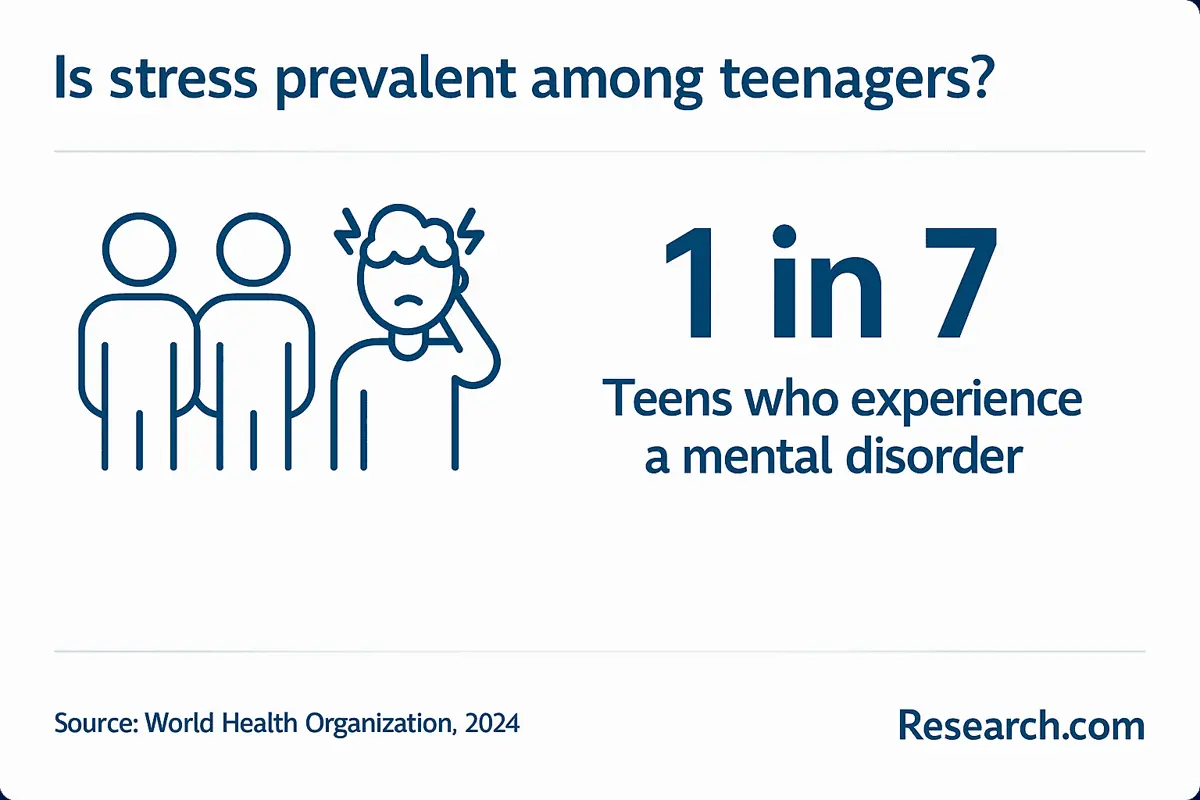
- According to the World Health Organization (2025), one in seven 10- to 19-year-olds experiences a mental disorder, with anxiety, depression, behavioral disorders, and ADHD among the most common conditions.
- Among individuals aged 15 to 29, suicide was the third most common cause of death.
- In a report from the Pew Research Center (Parker & Hurst, 2025), 3 in 10 teenagers aged 13 to 17 confirmed that anxiety and depression were common in their schools.
- Among teens who say anxiety and depression are common at their school, 39% say these problems are more common among girls, 5% say among boys, and 56% say they are about equally common (Parker & Hurst, 2025).
- On bullying, 26% of these teens say it is more common among boys, 22% say among girls, and 51% say it is about equally common.
- 63% of teens from households earning more than $75,000 a year plan to attend a four-year college.
- In contrast, only 23% of teens from households earning less than $30,000 say the same (Parker & Hurst, 2025).
- Many students report high levels of stress during the school year, and many expect it to continue or worsen.
- A report from the Centers for Disease Control and Prevention (2024) found that 4 in 10 (40%) high school students experienced persistent feelings of sadness or hopelessness, highlighting ongoing concerns about youth mental health.
- Moreover, 20% (2 in 10) of them seriously considered attempting suicide, and 9% (1 in 10) attempted to end their lives.
Stress Among K-12 Students
Stress for a middle schooler may be slightly different from those experienced by college students, but it does not mean they have it easier. Dealing with schoolwork, especially for those with dual enrollment meaning, they take college courses for credit, is just the tip of the iceberg. There’s the burgeoning social network, coupled with a body rapidly adjusting to adolescence. All these induce stress. Here are some stress in high school students statistics
- The CDC reported that 34% of kids aged 6 to 14 did not get enough sleep. Moreover, 77% of high school students lacked sleep. The recommended amount of sleep is 9 to 12 hours for children aged 6 to 12 and 8 to 10 hours for kids aged 13 to 17.
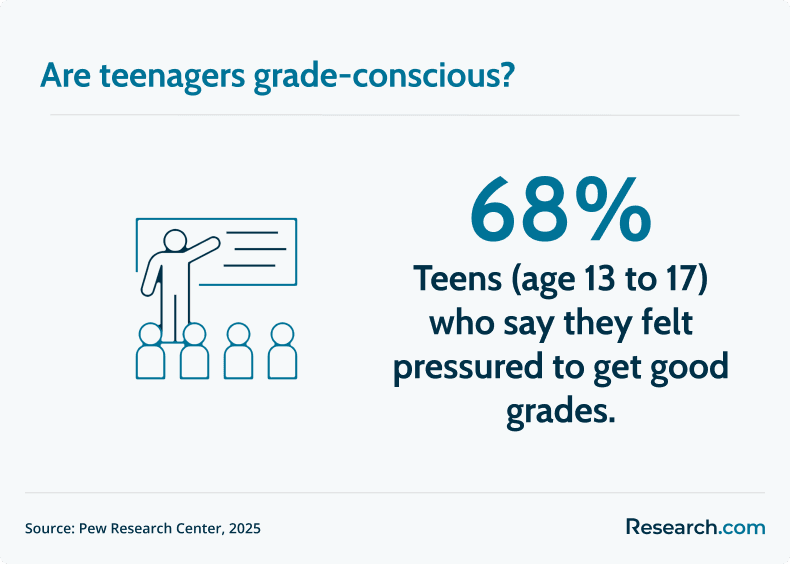
- Pew Research Center's report added that 68% of teens (13–17) felt pressured to get good grades.
- 33% of teenagers believed they were pressured to have extracurricular activities.
- 41% of them also felt compelled to fit in socially.
- Teen girls (55%) were more pressured to look good than boys (39%). In contrast, 43% of teen boys were more obliged to be physically strong than girls (23%).
- Moreover, 58% of girls found it easier to gain emotional support from their friends while only 7% of boys felt this way. Meanwhile, 35% said it is the same for both.
- Among teens who say physical fights happen at their school, 44% say fights are more common among boys, 15% say among girls, and 41% say they are about equally common (Parker & Hurst, 2025).
- Academic pressure remains one of the most common sources of stress for teens, which can negatively affect young people's mental health.
- Peer pressure can also take a toll on teens' mental health.
Stress Among College and University Students
As mentioned earlier, college life is a bit more advanced compared to high school. Students not only have to deal with a bigger academic workload, but they are expected to function socially, plan financially, and deal with living away from home for the first time. Consequently, an American College Health Association survey found that stress has become the most serious academic impediment among students at over a hundred colleges and universities across the U.S. In top universities, students face stress even before they have stepped on the campus, given the stringent acceptance rate in these institutions.
With a fixed time and infinite activities, students often pause midway and realize they might be doing too much with too little.
- According to the American College Health Association's latest study (Fall 2025), 61.3% of undergraduates agreed or strongly agreed that their campus prioritizes student health and well-being.
- Moreover, 33.4% of them received some sort of psychological or mental health service within the last year.
- Among college students in the U.S., a portion was diagnosed with or treated for stress (37.1%), anxiety (31.1%), sleeping difficulties (21.8%), and depression (20.5%).
- On weeknights, most college students (56.2%) slept 7 to 9 hours, yet a fair amount (42.2%) slept less than 7 hours (American College Health Association, 2025).
- 12.3% said they had intentionally injured themselves within the last 12 months (American College Health Association, 2025).
- Furthermore, according to The Trevor Project (2024), 39% of LGBTQ+ young individuals considered attempting suicide seriously in the past year. In addition, 12% of them attempted to take their lives within the past year.
- A huge share of LGBTQ+ young individuals also experienced symptoms of anxiety (66%) and depression (53%).
- Half of these young individuals who wished to receive mental health services were not able to get it.
- Lastly, 90% of them indicated that, due to recent politics, their mental health was negatively impacted.
- Student-athletes also face added pressure from balancing training, competition, and coursework, and many report feeling overwhelmed by their responsibilities.
- Moving on to graduate and professional students, 77.6% reported moderate (49.8%) or high (27.8%) stress in the past 30 days (American College Health Association, 2025).
Common Student Stress Factors
Stress comes in many forms, as the human capacity for worrying is unlimited. Apart from the usual suspects of exams and grades, stress also comes via the inability to adjust to a life outside your comfort zone and dealing with a new social circle far from your childhood friends and family. Other problems designed for adults, such as budgeting, loans, and getting a job, start at high school or college for most people.
Schoolwork
- Procrastination negatively affected the academic performance of almost half of U.S. college students (47.5%) (ACHA, 2024).
- College students' family members (10.9%) and their intimate relationships (10.5%) impacted them more negatively than their professors (5.2%).
- Surprisingly, only 1.1% said that cyberbullying negatively affected their studies.
- Among younger individuals (13–17), girls (71%) were more pressured to do well in school than boys (65%) (Parker & Hurst, 2025).
- In CollegeData's 2026 Transition to College survey, 18% of first-year students said they were unprepared for the academic workload, just over 18% were unprepared for how difficult classes were, and 6% had the most trouble studying effectively.
- In a study by Common Sense Media, Harvard Graduate School, and Indiana University (2024), 56% of U.S. teens felt pressured to have their lives figured out.
- Moreover, 53% of teenagers felt obligated to be exceptional and impressive individuals with good achievements.
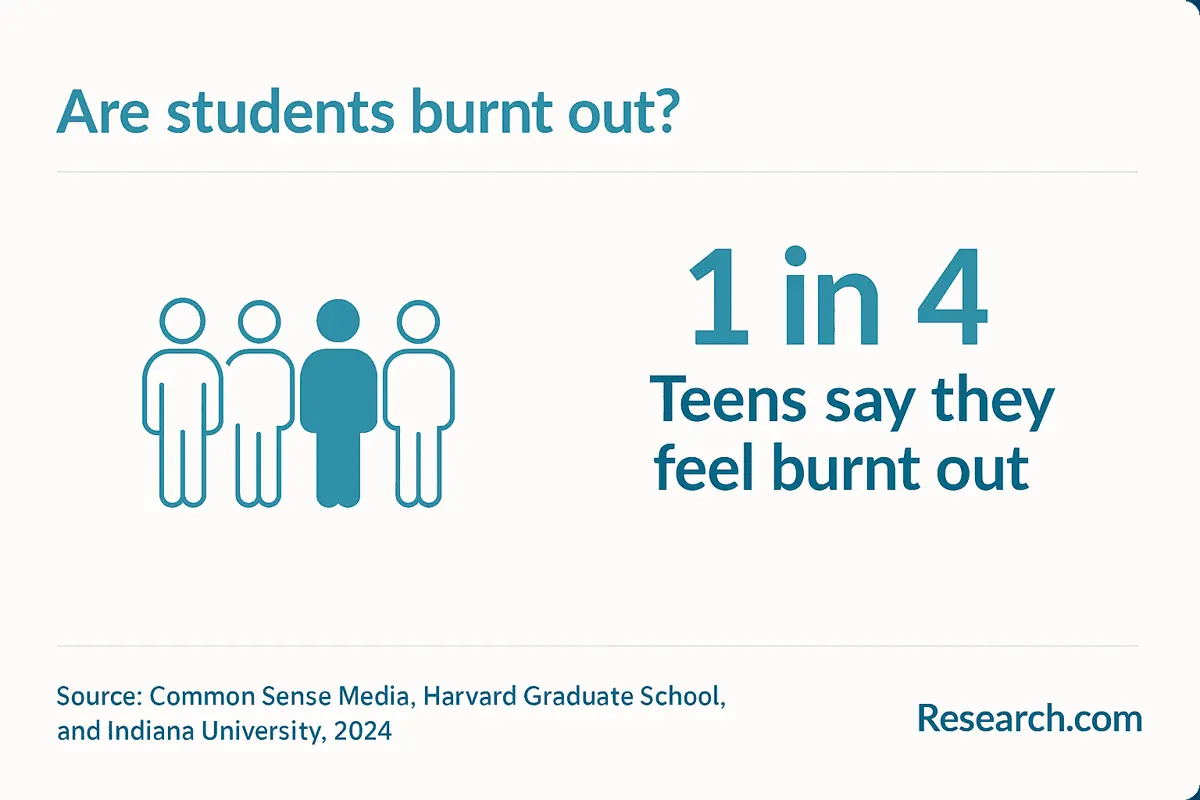
- Lastly, about 27%, or more than 1 in 4 teens, felt burnt out.
Bullying and Social Media
- The European arm of the WHO (2024) found that around 11% of teens have been bullied at school, and 15% have been cyberbullied.
- On average, around 6% of adolescents bully or engage in bullying at school.
- Moreover, in the U.S., 14.5% of students aged 12 to 18 said they were bullied repeatedly (StopBullying.org, n.d.).
- Among students who got bullied, they described that the perpetrators could influence others about what to think of them (56.3%).
- In addition, bullying was more prominent in middle school (26.3%) than in high school (15.7%).
- Among students who were bullied, 21.6% said they were bullied online or by text, and 16% of high school students overall were electronically bullied in the past year (StopBullying.gov, n.d.).
- a. A 2025 study in Frontiers in Psychology found that higher social media use was associated with a greater likelihood of both engaging in and experiencing cyberbullying, suggesting a link between time spent on social platforms and cyberbullying involvement (Ni et al., 2025)
- On average, teens in the U.S. spend 4.8 hours on top social media apps (DeAngelis, 2024).
- Among the heaviest social media users, about 60% of teens with low parental monitoring and weak parent relationships reported poor or very poor mental health, compared with 25% of heavy users with high monitoring and strong relationships (DeAngelis, 2024).
- In addition, a study by the Annie E. Casey Foundation (2024) found that In addition, the Annie E. Casey Foundation (2024) reports that nearly two-thirds of Gen Alphas aged 8 to 10 spend up to four hours a day on social media..
- More than 36 million children aged 0 to 11 were regular internet users in 2024, 11.6 million more than teens aged 12 to 17.
Separation/Distance From Family
- Across two-year and four-year colleges and universities in the U.S., 45.44% of students sometimes felt homesick while 43.66% did not. Only 10.96% often felt homesick (Mowreader, 2024).
- This was echoed by CollegeData's 2026 Transition to College survey: just under 11% of first-year college students often missed home and family, 26% occasionally did, and 63% seldom or never did.
- In addition, Living with a roommate for the first time can be a growth experience, and connecting with roommates can help students settle in.
- Living independently aided college students in developing essential life skills. The most commonly used or desired skills before college included The skills most commonly used or wished for after starting college included time management (72%), stress management and self-care (52%), and keeping a clean living space (52%) (CollegeData, 2026)..
- In another survey from the Policy Analysis for California Education (Hurtt et al., 2024), 9.7% of college students felt very worried about living away from the comfort of their homes. Meanwhile, 17.3% were only somewhat worried, and 27.2% were slightly worried.
Student Loans/Financial Concerns
- The average American public four-year university costs over Average published tuition and fees at public four-year universities range from $11,950 for in-state students to $31,880 for out-of-state students in 2025–26, while private nonprofit four-year institutions charge $45,000 a year (College Board, 2025)..
- Sallie Mae's annual report (2025) showed that family income and savings covered 48% of college costs in 2024–25, followed by grants and scholarships (27%), loans (23%), and friends or extended family (2%).
- 31.1% of U.S. college students worried about not having enough money to pay for their studies (Hurtt et al., 2024). On the bright side, some institutions might offer undergraduate or graduate degrees at a more accessible level like online MSW programs affordable enough that it could reduce student anxiety over the cost.
- Moreover, 27.6% worried about being able to afford their living expenses.
- Among college students who were concerned about affording their studies, 38.5% were American Indian/Alaskan Native/Pacific Islanders, 35.8% were Hispanic/Latinx, 33.3% were Black/African American, and 33% had other ethnicities.
- Additionally, 14.5% of college students said that their finances negatively affected their studies (ACHA, 2024).
Student Mental Health Issues
- ACHA's report showed that, aside from anxiety, depression, and stress, college students were recently treated or diagnosed with ADHD/ADD (12.9%), eating disorders (3.6%), and PTSD (3%).
- Moreover, some of them were at moderate risk from their use of cannabis (15.0%), tobacco or nicotine (14.7%), and alcohol (8.3%) (American College Health Association, 2025).
- The CDC reported that 22% of high school students currently drink alcohol. 17% used marijuana, and 12% misused opioid prescriptions.
- According to KFF (Panchal, 2024), drug overdose deaths in teens doubled from 253 deaths in 2018 to 723 in 2022.
- In recent years, suicide rates among adolescents have shown persistent racial disparities: Suicide rates among adolescents show persistent racial disparities: in 2022, the suicide rate was 22.2 per 100,000 for American Indian and Alaska Native adolescents, compared with 7.2 per 100,000 for White adolescents (Panchal, 2024).. This underscores continued mental health challenges among these groups.
- Suicidal thoughts and attempts were higher among females. However, male adolescents had a higher suicide death rate (8.1 per 100,000) than females (3.8 per 100,000) in 2022.
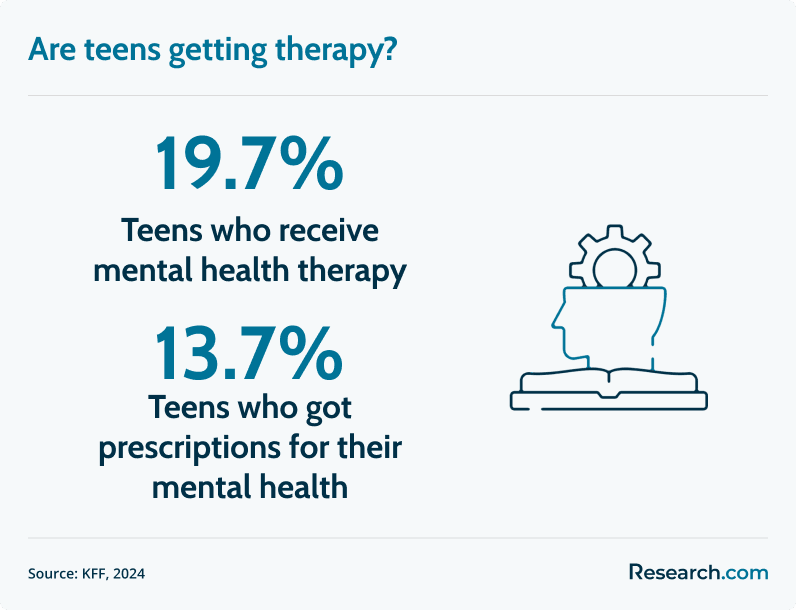
- Among all teens, 19.7% received mental health therapy and 13.7% got a prescription in the past year.
- These figures were higher in LGBTQ+ adolescents, with 34.8% getting therapy and 24.1% having prescriptions.
Health and Safety
- According to ACHA (2025), 84.8% of college students felt their health was good, very good, or excellent.
- Among select chronic illnesses, 29.7% of college students reported a history of allergies, 16.5% had asthma, 11.4% experienced migraines, 7.4% dealt with chronic pain, 5.4% had acid reflux, and 3.3% had diabetes.
- Meanwhile, 86.6% of them felt very safe on their campus during the day and 43.0% at nighttime.
- In contrast, 59.1% felt very safe in the community around their campus during the daytime and 25.1% at nighttime. (American College Health Association, 2025)
- Physical fights are also a concern: 17% of U.S. teens say fights are extremely or very common at their school (Parker & Hurst, 2025).
- Furthermore, 71% of high schools encountered the distribution, possession, or use of illegal drugs on campus at least once.
- A 2026 YouthTruth survey found that 56% of students in grades 6–12 feel safe during the school day, and only 25% feel safe on school buses (YouthTruth, 2026).
- Ahead of the 2024 U.S. elections, U.S. adults identified key stressors in their lives, with 51% citing the environment and 49% citing gun laws and regulations as significant sources of stress (American Psychological Association, 2024).
- In addition, 50% of LGBTQ+ individuals feared for their personal safety, citing it as a significant stressor.
- Federal immigration enforcement and actions against campus activism may also add stress for students, educators, and parents in immigrant families.
Teacher Burnout-Student Stress Link
Looking at the statistics on teacher burnout, we see that 77% of teachers feel stressed out in their jobs frequently while 68% say that it is an overwhelming career (Lin et al., 2024).
While further studies are needed to fully understand the impact of teacher burnout on student well‑being, a 2025 study found that higher levels of teacher burnout were associated with lower student behavioural engagement in physical education classes, demonstrating that teacher exhaustion can negatively influence how actively students participate in learning (Tang et al., 2025).
Moreover, many U.S. public schools reported they still lack adequate resources to help students with mental health needs: in the 2024–2025 school year, about one‑third of schools said they could not effectively provide mental health services, and among those schools, inadequate funding and shortages of mental health providers were the most frequently reported barriers, indicating that limited resources may further exacerbate challenges faced by both educators and students.
Any attempt to address student stress, therefore, should include ways to reduce burnout among teachers if we are to seek a holistic solution.
Can alternative certifications alleviate student stress?
Alternative certifications offer students a flexible pathway to validate skills without the prolonged time and financial commitment of traditional degree programs. These targeted credentials can reduce academic pressure by providing practical, career-oriented options that address the growing anxiety over future employment opportunities. By embracing non-traditional learning routes, students may find relief from the uncertainty and high costs associated with extensive academic programs. For example, pursuing easy certifications to get online offers a streamlined approach to building marketable skills while easing the overall burden of academic stress.
Remote Learning and Student Stress Levels
Remote learning has introduced new stressors for students that weren't as common in traditional classroom settings. The lack of face-to-face interaction with teachers and classmates often isolates students. This isolation can lead to increased anxiety, especially when students struggle to ask for help or clarify concepts through online platforms.
Another major factor is the technology itself. Technical difficulties like unstable internet connections or malfunctioning devices can add stress during important exams or assignments. Additionally, learning from home blurs the line between school and personal life, making it harder for students to find balance. Without the structure of a physical classroom, students often report difficulty managing their time, leading to procrastination and last-minute cramming.
Remote learning also changes the way students are evaluated, with some feeling added pressure from constant online assessments. The shift in learning styles and the need for self-discipline can overwhelm students who are used to the more guided environment of in-person classes. Furthermore, a lack of access to campus resources, such as counseling services or academic support, makes it harder for students to manage the emotional and psychological toll of online learning.
In conclusion, while remote learning offers flexibility, it also brings unique challenges that significantly impact student stress levels. Addressing these issues will require schools and educators to find ways to support students more effectively in the online learning environment.
Can advanced degree programs ease career transition stress?
For many students, uncertainty about future career paths adds an extra layer of stress. In response, some institutions offer advanced degree programs designed specifically to facilitate a smooth transition into new career fields. These programs provide structured guidance, industry-relevant curricula, and networking opportunities that help reduce stress related to career uncertainty. They also offer flexible learning models that allow students to balance academic pursuits with work and personal commitments. For example, pursuing a masters for career change can serve as a strategic step toward achieving both professional development and stress reduction by opening up new career avenues.
How Can Integrated Wellness Programs in Academic Institutions Reduce Student Stress?
Integrated wellness programs that combine physical fitness, mental health initiatives, and academic support foster proactive stress management by creating tailored support systems for students. These programs offer structured mindfulness training, resilience workshops, and personalized counseling services that address specific academic and personal challenges. Enhanced collaboration among faculty, health professionals, and advisory teams allows for early identification of stress triggers and timely intervention, thereby promoting a healthy learning environment. Moreover, continuous professional development in mental health for educators further amplifies the effectiveness of these programs by ensuring that staff can recognize and mitigate stress-related issues promptly. For advanced strategies and flexible learning models in managing stress, consider exploring an online master degree cheap.
Can Accelerated Degree Programs Help Manage Student Stress?
Accelerated degree programs offer a streamlined academic route that can mitigate the pressures associated with prolonged course durations and mounting tuition costs. By compressing the curriculum into a shorter time frame, these programs lessen the uncertainty of future financial obligations and reduce the cumulative stress generated by extended educational commitments. Moreover, they facilitate an earlier transition into the workforce, which may alleviate academic and career-related anxiety. For students considering a faster educational trajectory while managing stress, the fastest way to get an associate's degree can serve as a strategic option. This approach not only fosters academic efficiency but also provides the flexibility needed to balance other life responsibilities.
Impact of Student Stress on Long-Term Health
Chronic stress experienced during school years can have significant, long-term effects on students' physical and mental health. Prolonged exposure to high stress levels can lead to serious health problems, including:
- Mental Health Issues: Students who face chronic stress are at a higher risk of developing anxiety disorders, depression, and other psychological issues. These conditions can persist into adulthood and affect their quality of life, job performance, and relationships.
- Physical Health Problems: High stress levels can contribute to various physical health issues, such as high blood pressure, heart disease, and a weakened immune system. This makes students more susceptible to illnesses and can result in higher rates of absenteeism and lower overall health.
- Sleep Disruptions: Stress often disrupts sleep patterns, leading to poor sleep quality or insomnia. Lack of rest can further exacerbate mental health issues and negatively impact academic performance, creating a cycle of stress and fatigue.
- Substance Abuse: In some cases, students may turn to substances like alcohol or drugs as a coping mechanism, which can lead to addiction and additional health and academic challenges.
- Cognitive Impairments: Chronic stress can affect brain function, impairing memory, concentration, and the ability to learn effectively. This can hinder academic achievement and lead to difficulties in pursuing higher education or career goals.
For those looking to advance their education and career while effectively managing stress, cheap online masters degrees offer flexible learning options to help balance responsibilities without the added pressure of traditional on-campus programs. Promoting stress management and resilience-building strategies from an early age can help mitigate these risks and promote long-term health and well-being. Schools and universities are essential in offering support and resources that foster positive coping mechanisms and a balanced lifestyle.
Mental Health Support for Students
Ideally, schools have designated centers and point persons to help students deal with stress, including any underlying medical or mental health issue. Graduates of a Texas online psychology degree, for instance, can find employment within their chosen university and leverage what they have learned to help today’s students. However, the number of students who have availed of such services is far less than expected, which either means students have developed their own methods of dealing with stress or have eschewed help altogether.
- Among public schools in the U.S. during the 2024–2025 school year, Among public schools in the U.S. during the 2024–2025 school year, about 83% provided individual-based interventions (like one-on-one counseling) and 70% offered case management to help coordinate students' mental health services (Kaiser Family Foundation, 2025). and 70% offered case management to help coordinate students’ mental health services, reflecting how widely schools are implementing these supports (Kaiser Family Foundation, 2025).
- Demand is also growing: 58% of public schools said more students sought school-based mental health services in 2024–25 than in the prior year (Kaiser Family Foundation, 2025).
- Among teens who had a major depressive episode, 48.1% received help from an outpatient setting, and 34.4% utilized telehealth services (Panchal, 2024).
- Unfortunately, not all teens or students were able to receive treatment or access the services they needed. Among all adolescents in a study, 20.2% did not receive their needed mental health therapy or counseling.
Affordable Education as a Tool to Reduce Student Stress
Navigating the world of higher education is inherently stressful, with financial strain often ranking high on the list of challenges for students. Rising tuition costs can exacerbate this stress, leaving many students and their families struggling to manage the financial burden. Opting for more affordable academic programs can alleviate some of this anxiety, allowing students to focus more on learning and personal development rather than financial pressures.
One practical solution lies in exploring cost-effective education pathways, such as online degree programs. These programs not only offer flexibility but also often come with reduced tuition fees. Enrolling in the least expensive online bachelors degree can pave the way for students to achieve their academic goals without the overwhelming financial strain that traditional on-campus education may impose.
Additionally, affordable education options can help students reallocate their resources toward other stress-relief tools, such as better mental health support, fitness programs, or even a savings fund for future goals. Schools and institutions should also work toward broadening access to scholarships, grants, and financial aid packages for students pursuing these budget-friendly degree options.
Ultimately, reducing financial stress is one of the most impactful ways to improve both students' mental health and academic performance. Empowering them with affordable education options provides a stronger foundation for long-term success and well-being.
Can self-paced learning options help manage student stress?
Integrating self-paced learning strategies into academic programs can offer an alternative route to managing rigorous schedules and assignment deadlines. By allowing students to set their own pace, these models provide greater autonomy over the learning process, which can ease anxiety and improve time management. Flexible study plans reduce the pressure of fixed timelines, enabling learners to balance coursework with other personal and professional responsibilities. For institutions seeking innovative approaches to stress reduction, exploring platforms like self-paced online colleges may offer valuable insights into designing curricula that support both academic success and mental well-being.
Can Enhanced Academic Advising Programs Reduce Student Stress?
Effective academic advising offers targeted support by providing personalized course planning, career guidance, and timely intervention for academic hurdles. Such programs empower students to structure their study schedules, align academic goals with career aspirations, and navigate administrative challenges efficiently. Institutions that integrate robust advising practices often observe improvements in overall mental well-being and academic performance, as students feel more equipped to make informed decisions. For instance, advisors can guide learners towards educational paths that balance interest and affordability, addressing concerns both in coursework and long-term career strategies, as covered in our guide What is the easiest degree to get online?, can be a step toward a stress-reduced academic journey.
Stress Is Not Just for Adults
Stress is real. Gone are the days when people were quick to dismiss stress as a normal rite of passage or a necessary evil. The hyper-competitive environment of college applications, the demands of coursework, the outrageous tuition fees, and the general feeling of being away from family and friends for long periods of time, are all designed to filter the most resilient in the class. Unfortunately, in a ranking system, there will always be those at the back of the line. Recognizing that stress happens and is rarely preventable is a big step toward helping address it. It is the start of reaching the goal of scientific psychological interventions.
Information remains the key to helping the most stressed students in the world. Sharing the knowledge that there are facilities available within the campus can help assuage them from feeling they are alone out there. Maybe, simple encouragement to listen to soothing music may help alleviate some stress. At the same time, recognizing students’ concerns about coursework, finance, social anxiety, and general acceptance can help educators come up with programs that are less stress-inducing. Counselors can also introduce relevant scientific studies on reducing stress. Maybe, some students could benefit.
This stress in college students statistics article is by no means complete, but rather shows snippets of how many students are stressed in school and how things are within the university grounds. Updated studies, especially about distance learning student burnout statistics, new ways to support stress-afflicted students, and ways how to develop education programs that reduce unnecessary stress will prove to be valuable tools. If we cannot remove the stress from schoolchildren, we at least have the mandate to reduce its occurrences.
Key Insights
- Prevalence of Student Stress: Stress among students is a significant issue, with many experiencing levels of stress comparable to those faced by adults. Various factors, including academic demands, social pressures, and financial concerns, contribute to this stress.
- Stress in K-12 Students: High levels of stress are also present among younger students. Factors such as schoolwork, social interactions, and physical changes during adolescence contribute to the stress experienced by middle and high school students.
- Stress in College Students: College students face additional challenges such as increased academic workload, social adjustments, financial concerns, and living away from home. These factors contribute to high levels of stress and anxiety, impacting their academic performance and overall well-being.
- Common Stress Factors: Academic pressures, separation from family, financial concerns, bullying, and mental health issues are common stressors for students. These factors can significantly impact their academic and personal lives.
- Mental Health Support: While mental health resources are available in many educational institutions, a significant number of students do not utilize these services. Increasing awareness and accessibility of mental health support can help mitigate student stress.
- Impact of Teacher Burnout: Teacher burnout is linked to increased student stress and lower academic achievement. Addressing teacher burnout is crucial for creating a supportive learning environment for students.
References:
- American College Health Association. (2024). National College Health Assessment III: Undergraduate student reference group executive summary fall 2024. https://www.acha.org/wp-content/uploads/NCHA-IIIb_FALL_2024_UNDERGRADUATE_REFERENCE_GROUP_EXECUTIVE_SUMMARY.pdf
- American College Health Association. (2025). National College Health Assessment III: Graduate/professional student reference group executive summary fall 2025. https://www.acha.org/wp-content/uploads/NCHA-IIIb_FALL_2025_GRADUATE_PROFESSIONAL_REFERENCE_GROUP_EXECUTIVE_SUMMARY.pdf
- American College Health Association. (2025). National College Health Assessment III: Undergraduate student reference group data report fall 2025. https://www.acha.org/wp-content/uploads/NCHA-IIIb_FALL_2025_UNDERGRADUATE_REFERENCE_GROUP_DATA_REPORT.pdf
- American College Health Association. (2025). National College Health Assessment III: Undergraduate student reference group executive summary fall 2025. https://www.acha.org/wp-content/uploads/NCHA-IIIb_FALL_2025_UNDERGRADUATE_REFERENCE_GROUP_EXECUTIVE_SUMMARY.pdf
- American Psychological Association. (2024, October 22). APA poll: Future of nation, economy and presidential election top U.S. stressors. https://www.apa.org/news/press/releases/2024/10/top-us-stressors
- Annie E. Casey Foundation. (2024). The impact of social media and technology on Gen Alpha. https://www.aecf.org/blog/impact-of-social-media-on-gen-alpha
- Centers for Disease Control and Prevention. (2024). Fast stats: Sleep in children. https://www.cdc.gov/sleep/data-research/facts-stats/children-sleep-facts-and-stats.html
- Centers for Disease Control and Prevention. (2024). Fast stats: Sleep in high school students. https://www.cdc.gov/sleep/data-research/facts-stats/high-school-students-sleep-facts-and-stats.html
- Centers for Disease Control and Prevention. (2024). Youth Risk Behavior Survey data summary & trends report: 2013–2023. https://cdc.gov/yrbs/dstr/pdf/YRBS-2023-Data-Summary-Trend-Report.pdf
- College Board. (2025). Trends in college pricing and student aid 2025. https://research.collegeboard.org/media/pdf/Trends-in-College-Pricing-and-Student-Aid-2025-final_0.pdf
- CollegeData. (2026). Transition to college survey results. https://www.collegedata.com/resources/transition-to-college/transition-to-college-survey-results
- DeAngelis, T. (2024, April 1). Teens are spending nearly 5 hours daily on social media. Here are the mental health outcomes. American Psychological Association. https://www.apa.org/monitor/2024/04/teen-social-use-mental-health
- Hurtt, A., Kurlaender, M., Sun, C., & Zhou, B. (2024). The transition to college: Voices from the class of 2023. Policy Analysis for California Education. https://edpolicyinca.org/sites/default/files/2024-03/pb_hurtt-mar2024.pdf
- Kaiser Family Foundation. (2025, September 11). The landscape of school-based mental health services. https://www.kff.org/mental-health/the-landscape-of-school-based-mental-health-services/
- Lin, L., Parker, K., & Horowitz, J. M. (2024, April 4). What's it like to be a teacher in America today? Pew Research Center. https://www.pewresearch.org/social-trends/2024/04/04/whats-it-like-to-be-a-teacher-in-america-today
- Mowreader, A. (2024, February 2). Data: Homesickness affects over half of all students. Inside Higher Ed. https://www.insidehighered.com/news/student-success/health-wellness/2024/02/02/soothing-homesick-college-students-support
- National Center for Education Statistics. (2024, January 17). New schools data examine violent incidents, bullying, drug possession, restorative practices, security. https://ies.ed.gov/learn/press-release/new-schools-data-examine-violent-incidents-bullying-drug-possession-restorative-practices-security
- Ni, J., Fu, H., Zhu, Y., Li, Z., Wang, S., & Su, H. (2025). Social media usage and cyberbullying: The moderating role of tie strength. Frontiers in Psychology, 16. https://doi.org/10.3389/fpsyg.2025.1490022
- Panchal, N. (2024, February 6). Recent trends in mental health and substance use concerns among adolescents. KFF. https://www.kff.org/mental-health/issue-brief/recent-trends-in-mental-health-and-substance-use-concerns-among-adolescents/
- Parker, K., & Hurst, K. (2025, March 13). Problems teens see in their schools. Pew Research Center. https://www.pewresearch.org/social-trends/2025/03/13/problems-teens-see-in-their-schools/
- Parker, K., & Hurst, K. (2025, March 13). The gender gap in teen experiences. Pew Research Center. https://www.pewresearch.org/social-trends/2025/03/13/the-gender-gap-in-teen-experiences/
- Sallie Mae. (2025). How America pays for college 2025 fact sheet. https://s25.q4cdn.com/936990699/files/doc_news/2025/Aug/05/attachments/How-America-Pays-for-College-2025-Fact-Sheet.pdf
- StopBullying.gov. (n.d.). Facts about bullying. https://www.stopbullying.gov/media/facts
- Tang, J., Smith, A., & Lee, M. (2025). How teachers' burnout shapes students' behavioural engagement in physical education: A multilevel perspective. Acta Psychologica. https://doi.org/10.1016/j.actpsy.2025.105627
- The Trevor Project. (2024). 2024 U.S. national survey on the mental health of LGBTQ+ young people. https://www.thetrevorproject.org/survey-2024/
- Weinstein, E., Konrath, S., Lara, E., Tench, B., James, C., Mann, S., & Lenhart, A. (2024). Unpacking grind culture in American teens: Pressure, burnout, and the role of social media. Common Sense Media, Center for Digital Thriving, and Indiana University. https://www.commonsensemedia.org/research/unpacking-grind-culture-in-american-teens-pressure-burnout-and-the-role-of-social-media
- World Health Organization. (2024, March 27). One in six school-aged children experiences cyberbullying, finds new WHO/Europe study. https://www.who.int/europe/news/item/27-03-2024-one-in-six-school-aged-children-experiences-cyberbullying--finds-new-who-europe-study
- World Health Organization. (2025, September 1). Mental health of adolescents. https://www.who.int/news-room/fact-sheets/detail/mental-health-of-adolescents
- YouthTruth. (2026). School safety, security, & emergency preparedness: Understanding and acting on how students experience safety. https://youthtruth.org/resources/schoolsafety-report-2026/
Other Things You Should Know About Current Student Stress Statistics
The coronavirus pandemic has amplified student stress due to disruptions in traditional learning, social isolation, and uncertainty about the future. In 2027, residual effects continue to manifest as students face challenges adapting to hybrid learning environments and dealing with pandemic-induced financial pressures. The need for mental health support remains critical as students navigate the enduring consequences of these stressors.
Stress can negatively impact students' academic performance by causing issues such as lack of sleep, difficulty concentrating, and increased anxiety. This can lead to lower grades, missed deadlines, and even withdrawal from classes.
Students can manage stress by adopting time management techniques, engaging in regular physical activity, seeking support from mental health resources, and practicing mindfulness and relaxation exercises. Finding a balanced lifestyle that includes adequate sleep, proper nutrition, and social connections is also essential to effectively managing stress in 2027.
Stress is highly prevalent among college students. Many report experiencing overwhelming anxiety and depression, with significant numbers feeling inadequately rested and struggling to balance academic and personal responsibilities.
In 2027, financial concerns have significantly contributed to student stress, with over 60% of students citing finances as a major stressor. Rising tuition fees and living expenses have exacerbated these concerns, leading many to seek additional part-time work, which further impacts their academic responsibilities and well-being.
Many schools and universities offer mental health resources such as counseling services, stress reduction programs, and support groups. However, awareness and utilization of these services can vary, and increasing accessibility is important.
Schools can help reduce student stress by providing mental health support, creating a supportive learning environment, offering stress management resources, and addressing factors like teacher burnout. Programs that focus on holistic well-being can also be beneficial.