2027 Respiratory Care Therapy ROI by Institution Type: Public vs Private vs Nonprofit Online Programs

Co-Founder and Chief Data Scientist
Consider a prospective respiratory care therapy student evaluating three online programs that seem identical in curriculum and flexibility but show stark differences in tuition costs, graduation rates, and average debt at graduation. A 2024 National Postsecondary ROI report highlights that students from nonprofit online programs often face lower average debt yet sometimes experience longer completion times, complicating direct cost comparisons. Public institutions commonly offer broader institutional support yet may lag behind nonprofits in career placement effectiveness.
These nuances directly affect the financial and professional trajectory post-graduation, underscoring the critical importance of assessing each institution type's ROI beyond surface metrics. This article examines those distinctions, guiding informed choices among public, private, and nonprofit respiratory care therapy online programs.
Key Things to Know About Respiratory Care Therapy ROI by Institution Type
- Private institutions often yield higher student debt, limiting ROI despite strong employer networks; this tradeoff requires weighing immediate financial strain against potential mid-career advancement opportunities in respiratory care therapy.
- Public programs demonstrate generally higher graduation rates and accreditation stability, signaling workforce readiness that employers value; this enhances job-placement prospects for graduates prioritizing proven completion outcomes.
- Nonprofit online programs offer flexible pacing suited for working adults, but longer time-to-degree can increase total costs, impacting ROI; prospective students must balance access convenience with increased financial exposure over time.
- Key Things to Know About Respiratory Care Therapy ROI by Institution Type Key Things to Know About Respiratory Care Therapy ROI by Institution Type
- What Does ROI Mean for a Respiratory Care Therapy Program and How Is It Measured? Understanding Respiratory Care Therapy Program ROI
- How Do Public, Private, and Nonprofit Online Respiratory Care Therapy Programs Differ in Overall Value? Value by Institution Type
- How Do Tuition Costs Affect the ROI of a Respiratory Care Therapy Program Across Institution Types? Tuition Costs and ROI
- How Do Graduation Rates Influence Respiratory Care Therapy Program ROI? Graduation Rates Impact ROI
- What Role Do Career Outcomes Play in the ROI of a Respiratory Care Therapy Degree? Career Outcomes and ROI
- How Does Student Debt Impact the Long-Term ROI of a Respiratory Care Therapy Program? Debt vs. Long-Term ROI
- How Do Flexibility and Adult Learner Support Affect Respiratory Care Therapy Program Value? Flexibility and Program Value
- How Do Accreditation and Institutional Reputation Influence Respiratory Care Therapy ROI? How Do Accreditation and Institutional Reputation Influence Respiratory Care Therapy ROI?
- How Does Time-to-Degree Affect the ROI of Public, Private, and Nonprofit Respiratory Care Therapy Programs? How Does Time-to-Degree Affect the ROI of Public, Private, and Nonprofit Respiratory Care Therapy Programs?
- How Can You Choose the Best Respiratory Care Therapy Program Based on Your ROI Goals? Choosing Programs by ROI
What Does ROI Mean for a Respiratory Care Therapy Program and How Is It Measured?
Evaluating the return on investment for respiratory care therapy programs online involves balancing total educational costs, including tuition, fees, and lost income, against outcomes such as graduation rates, licensure success, and job placement. For instance, a public institution might offer lower tuition and higher completion rates compared to some private schools, resulting in reduced student debt and a faster path to employment. However, this financial advantage can be offset if the program's clinical training lacks depth, potentially affecting readiness for licensure exams and limiting immediate employability. Measuring the financial value of respiratory care therapy education means factoring in these diverse tradeoffs rather than relying solely on sticker price or median salary projections.
Prospective students must recognize how their personal circumstances-such as existing work commitments or career goals-shape ROI outcomes. Flexible online options can minimize opportunity costs for working adults, yet programs with extended time-to-degree or weaker institutional partnerships may dilute returns despite affordable tuition. Data from the U.S. Department of Education and National Board for Respiratory Care confirm that accredited programs with robust clinical opportunities yield significantly better career outcomes regardless of public, private, or nonprofit status. Those seeking to compare effectively should also consider alternatives like online pharmacist programs, which can offer different cost-benefit profiles within healthcare education pathways.
How Do Public, Private, and Nonprofit Online Respiratory Care Therapy Programs Differ in Overall Value?
Choosing between public, private, and nonprofit online respiratory care therapy programs hinges heavily on balancing cost against educational quality and career outcomes. Public institutions typically offer lower tuition supported by state funding and maintain solid clinical partnerships that enhance hands-on experience, with graduation rates averaging around 65% as reported by the National Center for Education Statistics in 2024. However, the more affordable path often comes with less individualized academic advising compared to private programs, which tend to charge higher tuition and load students with 20-30% more debt on average, according to the Higher Education Research Institute. Nonprofit programs present a hybrid model, focusing on mission-driven education and flexible scheduling, but their variable reputations require students to scrutinize accreditation and alumni success closely, especially since employer preference heavily favors accredited programs demonstrating clear clinical competency rather than institutional type alone.
For many working adults, the decision involves weighing immediate affordability against long-term support and flexibility. Public programs appeal to those prioritizing manageable debt and structured clinical placements funded by the state, while private or nonprofit options may better suit students needing asynchronous schedules or enhanced career services despite higher upfront costs. This tradeoff influences not just financial burden but also the likelihood of timely degree completion and employability outcomes, given that graduates enter a healthcare market increasingly attentive to pragmatic skills over prestige alone. Ultimately, a student's professional ambitions and financial tolerance inform whether the upfront investment in private or nonprofit programs yields sufficient return compared to public offerings.
One prospective student deliberated among three online programs after surveying costs, financial aid, and graduation data. She was drawn to a public university's lower tuition and steady graduation rate but hesitated due to perceived limited personalized support. A private program offered more career counseling but came with significantly higher projected debt. The nonprofit option promised flexible classes fitting her work schedule but had mixed alumni employment reports. After reviewing accreditation details and employer feedback, she chose the public institution, feeling reassured by its strong clinical network and manageable costs, viewing it as the best alignment with her goal of minimizing debt while ensuring practical job readiness.
How Do Tuition Costs Affect the ROI of a Respiratory Care Therapy Program Across Institution Types?
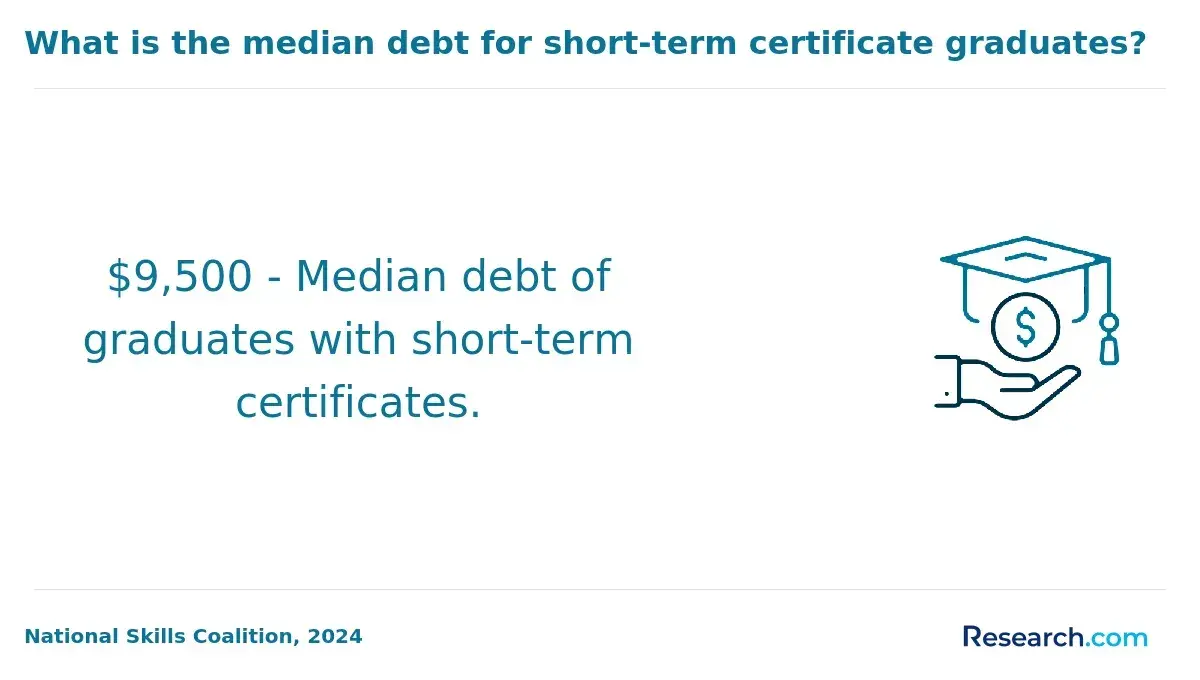
Tuition differences among public, private, and nonprofit online respiratory care therapy programs substantially affect return on investment, but lower costs do not guarantee better long-term value. Public programs typically offer tuition rates 40-60% below private or nonprofit counterparts, reducing initial debt loads and easing early-career financial pressure. However, this cost advantage often coincides with longer completion times or less flexible scheduling, which can delay workforce entry and dampen earnings potential. Graduates from private nonprofit programs, for example, report higher borrowing-with about 65% exceeding $30,000 in loans versus 30% at public institutions-highlighting significant variation in student debt exposure that shapes financial stability well beyond graduation.
Beyond sticker price, program quality, career support, and institutional reputation influence employability and salary trajectories, sometimes justifying higher tuition. Private and nonprofit providers may offer accelerated pathways, better clinical placements, or more robust job services that reduce opportunity costs and enhance professional networks, contributing to improved long-term returns. Students weighing options should consider these tradeoffs carefully, as the cheapest route may mean slower progress and fewer resources, while costlier programs may only pay off if matched with clear career objectives or constraints like scheduling needs. Ultimately, practical decisions about respiratory care therapy education require balancing tuition and debt against program rigor, support systems, and realistic career outcomes in a competitive healthcare labor market.
How Do Graduation Rates Influence Respiratory Care Therapy Program ROI?
Graduation rates significantly shape the return on investment for respiratory care therapy programs, particularly across public, private, and nonprofit online institutions. Higher completion rates often reflect stronger institutional support and effective academic flexibility, which help reduce time-to-degree and lower cumulative education costs. Public institutions typically report higher average graduation rates for respiratory care therapy online programs, partly due to established resources and funding, while private and nonprofit programs often accommodate adult learners juggling work and family obligations, which can extend completion timelines. According to a 2024 report from the National Student Clearinghouse Research Center, graduates of online programs have a 15-20% higher chance of entering the workforce within a year, illustrating how timely graduation impacts employability and overall program ROI.
While graduation rates offer a useful snapshot of institutional effectiveness, they must be interpreted alongside debt levels, enrollment intensity, and employment outcomes to provide a complete ROI picture. Programs with higher completion rates can lower average student debt by limiting prolonged enrollment and course repetition, improving graduates' financial and career stability in the respiratory care field. However, attrition driven by non-academic factors like economic hardship or personal challenges complicates this metric's reliability as a standalone indicator. Cost-conscious students and career changers evaluating program value should also consider academic support quality and flexible scheduling options, as these influence persistence and successful degree attainment. For those seeking alternatives, exploring a nursing school without entrance exam may provide additional pathways aligned with their personal circumstances.
What Role Do Career Outcomes Play in the ROI of a Respiratory Care Therapy Degree?
Career outcomes fundamentally shape the ROI of respiratory care therapy degrees, as employment prospects and workforce alignment directly influence the practical returns on time and financial investment. Public online programs often show advantages in faster job placement due to strong state healthcare partnerships and accessible clinical networks, helping graduates convert their education into income more swiftly while keeping debt manageable. Conversely, private programs may offer more specialized curricula and flexible pacing, valuable for career changers or working adults, but their higher tuition raises the break-even timeline, especially if employer recognition and job placement support are uneven. Nonprofit institutions frequently balance moderate costs with career services that foster professional connections, yet geographic and market demand variability affect how graduates benefit from these networks long term.
According to a 2024 National Board for Respiratory Care report, about 88% of graduates find employment within a year, but this statistic masks nuanced differences in job stability and employer perceptions of program quality that impact sustained career mobility. Programs that emphasize evidence-based clinical skills often smooth transitions into specialized roles, which many employers view as critical for retaining talent and justifying wage growth. For students weighing options, understanding how tuition, time-to-employment, and employer responsiveness interplay across institution types is vital; the highest sticker price may not correspond to the best career leverage, while the quickest path to employment might limit upward mobility in more competitive markets.
A graduate from a nonprofit online respiratory care therapy program recalled initially doubting whether the degree's cost justified the career shift she was making. Though the degree did not immediately lead to a promotion, her employer's recognition of the credential eventually opened doors to internal training programs and expanded responsibilities within two years. She found that direct networking opportunities and a clearly outlined clinical skill set from her institution mattered more in long-term career sustainability than upfront salary increases, underscoring that evaluating ROI involves a complex balance of timing, employer perception, and professional growth rather than simple financial calculation alone.
How Does Student Debt Impact the Long-Term ROI of a Respiratory Care Therapy Program?
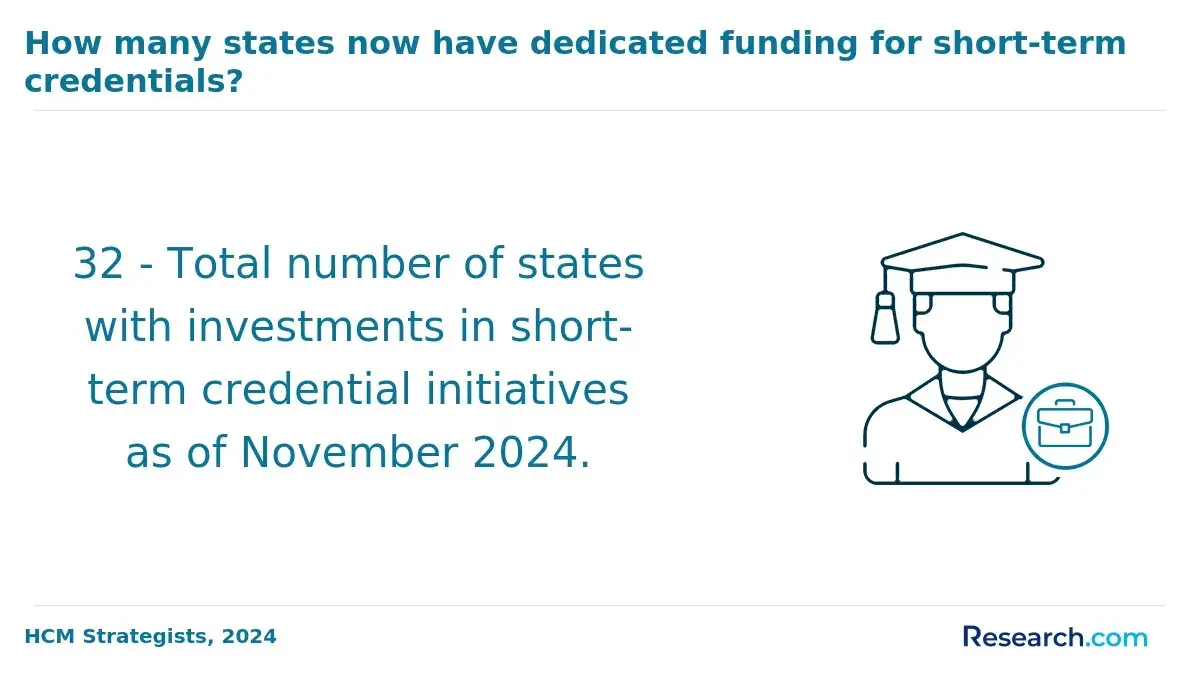
Student debt directly influences the long-term ROI of a respiratory care therapy program by shaping repayment obligations and subsequent financial flexibility. Public institutions usually involve lower tuition costs, enabling students to borrow less and reduce monthly repayment burdens. For example, graduates from public programs often manage $20,000 less in debt than those from private schools, resulting in fewer financial constraints when confronting early career decisions like securing housing or pursuing advanced certifications. Evaluating the impact of student debt on respiratory care therapy ROI requires balancing these borrowing levels against program outcomes, since lower debt alone doesn't guarantee better returns without solid employment prospects.
Private online programs may offer specialized resources or flexible schedules but tend to generate higher average debt-around $38,000 compared to $18,000 at public institutions-leading to increased financial pressure after graduation. Nonprofit programs, occupying a middle ground in tuition and debt, sometimes yield stronger salary outcomes that might offset moderate borrowing costs. Additionally, repayment success often correlates with graduation rates and available financial aid; public schools usually provide broader access to grants, lessening loan dependence and reducing delinquency risks. Adults comparing these paths might also consider related fields and credentials, such as an online masters in healthcare management, which could further influence long-term financial benefits of respiratory care therapy programs.
How Do Flexibility and Adult Learner Support Affect Respiratory Care Therapy Program Value?
The value and return on investment (ROI) of respiratory care therapy programs hinge significantly on their flexibility and level of adult learner support, which can affect persistence and time-to-degree completion. Programs offering asynchronous coursework, part-time options, and transfer-friendly credit policies enable students-especially working adults and parents-to balance multiple obligations without extending educational timelines unnecessarily. For instance, public institutions often provide extensive advising and career services funded by state resources, which help reduce the total cost burden by promoting timely graduation, though this may come with less individualized faculty interaction and motivation challenges for some.
Private and nonprofit programs tend to offer smaller cohorts and more direct faculty engagement, valued by learners needing specialized attention to master complex clinical skills. However, this personalized support usually involves higher tuition, raising questions about debt versus career outcomes unless balanced by accelerated pathways or military-friendly scheduling. According to recent data from the National Center for Education Statistics, online respiratory care programs with comprehensive student supports see up to 15% higher retention rates, signifying that effective advising and responsive communication directly influence long-term ROI. Ultimately, adult learners must weigh these programmatic tradeoffs-between cost, flexibility, and support availability-against workforce demands for practical competencies and employer expectations for credentials attained within optimal timeframes.
How Do Accreditation and Institutional Reputation Influence Respiratory Care Therapy ROI?
Accreditation and institutional reputation critically shape the return on investment for respiratory care therapy graduates, especially when weighing programs across public, private, and nonprofit online formats. Graduates from regionally or CoARC-accredited programs experience more straightforward licensure pathways and enjoy greater employer recognition, which can translate into earlier and more stable employment. For example, employers often prioritize candidates from accredited institutions with proven outcomes over those from non-accredited or lesser-known schools, affecting salary potential and job security despite similar program costs. According to a 2024 report from the Commission on Accreditation for Respiratory Care, accredited online program graduates have a 15% higher credentialing exam pass rate and a 10-12% advantage in employment placement within six months, underscoring how accreditation correlates with tangible career benefits.
Institutional reputation interacts with these factors but plays a more nuanced role, particularly regarding transfer credits and graduate school eligibility, which can impact long-term career flexibility. Public universities, often embedded within regional healthcare networks, may offer better clinical placements and lower tuition, reducing debt burdens while providing solid post-graduation support.
Conversely, some private institutions emphasize accelerated programs and scheduling flexibility but risk placing students with higher debt loads if their reputation does not align with employer expectations. Nonprofit colleges fall between these poles, requiring careful evaluation of academic quality and support services to ensure ROI aligns with cost and career goals. Ultimately, students must scrutinize how accreditation and reputation influence access to licensure, job markets, and advanced education rather than relying on prestige alone when considering respiratory care therapy pathways.
How Does Time-to-Degree Affect the ROI of Public, Private, and Nonprofit Respiratory Care Therapy Programs?
Time-to-degree directly shapes the return on investment for public, private, and nonprofit respiratory care therapy programs by affecting tuition exposure, opportunity costs, and debt accumulation. Public programs often provide more consistent timelines of two to three years for full-time students, which can help control total education expenses and accelerate workforce entry. In contrast, private institutions with higher tuition and part-time or extended pathways may lead to prolonged completion times, increasing debt and deferring potential earnings. For working adults juggling family and job commitments, nonprofit programs often strike a practical balance by accepting transfer credits and offering flexible schedules, improving completion rates and sustaining the net value of the degree despite slightly longer durations.
Decisions about enrollment intensity and program pacing carry real consequences beyond cost. Accelerated paths reduce time-to-degree but require intense commitment that some students cannot maintain without risking dropout, which undermines ROI through lost tuition and stalled career progress. Part-time options extend completion but provide needed flexibility, with the tradeoff of increased total tuition and late career reentry. Higher graduation rates typically correlate with better ROI as they reduce wasted tuition and earnings lost during extended study, underscoring why students must evaluate program completion likelihood within the context of their responsibilities. This nuanced assessment is essential when comparing degree completion speed in public private nonprofit respiratory care therapy programs.
Prospective students must weigh these time, cost, and completion tradeoffs alongside other pathways such as online direct entry MSN programs that offer alternative routes to healthcare careers. Aligning program length with personal capacity, financial realities, and career timelines improves the chance that investment in respiratory care therapy education translates into timely employment and sustainable long-term value.
How Can You Choose the Best Respiratory Care Therapy Program Based on Your ROI Goals?
The highest return on investment (ROI) for respiratory care therapy online programs hinges less on whether an institution is public, private, or nonprofit, and more on how well program features align with a student's unique situation. For example, public institutions often deliver a cost advantage with tuition rates 30-50% below private counterparts, which can significantly reduce student debt burden. Yet, programs that emphasize learner support and flexible scheduling-often found at private and nonprofit schools-can boost on-time graduation rates by around 15%, minimizing the long-term cost of extended education and lost income, according to the Association of Respiratory Care Educators.
Individual circumstances, such as employment status or family responsibilities, shape how factors like program flexibility and career support influence ROI. Some private nonprofit programs build strong employer partnerships that facilitate job placement but come with higher upfront costs, while public program reputations and accreditation vary by region and may affect career outcomes differently. Evaluating total cost of attendance, average student debt, and repayment outcomes against graduation timelines and employment networks helps adult learners, working professionals, and career changers determine which respiratory care therapy program provides the best practical value based on their ROI goals.
Ultimately, comparing tuition and career outcomes of nonprofit respiratory care therapy programs online alongside public and private options is critical. For those exploring additional interdisciplinary pathways, resources like forensic psychology graduate programs online demonstrate how program features and institutional type interplay in shaping ROI across specialized health and behavioral science fields.
References
- Costs and Financial Aid https://www.kumc.edu/school-of-health-professions/academics/departments/respiratory-care-and-diagnostic-science/academics/respiratory-care-degree-programs/respiratory-care-bachelors-degree/costs-and-financial-aid.html
- A profession in motion: Shifting numbers and growing roles in respiratory therapy - CHEST Physician https://www.chestphysician.org/a-profession-in-motion-shifting-numbers-and-growing-roles-in-respiratory-therapy/
- Respiratory Therapist - Schools, Degree Programs & Salary https://www.healthcaredegree.com/physical/respiratory-therapist
- RCP vs. RRT: Understanding The Difference | St. Augustine https://www.staugustine.edu/2024/02/27/rcp-vs-rrt/
- Respiratory Therapist - Explore Healthcare Careers - Mayo Clinic College of Medicine & Science https://college.mayo.edu/academics/explore-health-care-careers/careers-a-z/respiratory-therapist/
- Costs & Tuition - Saint Paul College https://www.saintpaul.edu/programs/respiratory-therapist/costs-tuition/
- Respiratory Therapy | MATC https://www.matc.edu/course-catalog/healthcare/respiratory-therapist.html
- Respiratory Therapy Program Goals | Career Pathways & Programs | West Virginia Northern Community College | You Belong Here https://www.wvncc.edu/career-pathways-and-programs/respiratory-therapy-program-goals/9485
- Respiratory Therapist Jobs, Training, Programs, and More: The Complete Guide https://www.sjvc.edu/guides/guide-to-becoming-a-respiratory-therapist/
- How to Measure ROI on Digital Therapeutic Tools https://www.widetherapy.com/post/how-to-measure-roi-on-digital-therapeutic-tools
Other Things You Should Know About Respiratory Care Therapy
Employers in healthcare primarily value the candidate's certification and clinical competency over the institution type. However, programs with comprehensive clinical practicum components-more common in established public and nonprofit programs-tend to produce graduates who are better prepared for workforce demands. Private online programs, especially newer or less established ones, may face skepticism regarding clinical rigor, potentially affecting hiring competitiveness. Prospective students should prioritize programs that demonstrate robust hands-on training and employer connections rather than focusing solely on institution classification.
Public institutions often offer structured pacing with set semesters, which can help students manage workload predictably but may extend time-to-completion. Many private and nonprofit online programs provide more accelerated or flexible formats but frequently require a higher weekly time commitment. This can be a double-edged sword: faster completion may reduce tuition costs and lost income but can increase stress and risk of burnout, particularly for working adults. Weighing personal capacity for intensive study against program length is critical for maximizing ROI and successful graduation.
Nonprofit and larger public institutions are more likely to offer specialized online tracks or post-graduate certifications tied to niche areas like pediatric or neonatal respiratory care, which can enhance employability and salary potential. Private online programs often focus on general respiratory care therapy training with fewer options for specialization. For students targeting advanced clinical roles or career advancement, selecting an institution with diverse specialty offerings is advisable even if initial costs are higher, as this can improve long-term ROI through better job prospects.
Generally, public online programs provide the most affordable tuition and often state-based residency discounts, which can substantially lower upfront investment. Although they may have longer completion times and more rigid scheduling, these programs offer solid clinical foundations and strong recognition in regional job markets. For students balancing cost sensitivity with stable career outcomes, public programs usually present the best balance of quality and financial efficiency. Private and nonprofit options may justify their higher costs only if their specialized offerings or flexible formats align with individual career needs.