2027 Political Science Salary Trends Report: Are Wages Keeping Up With Tuition and Inflation?

Co-Founder and Chief Data Scientist
Consider a prospective political science student weighing the decision to pursue a degree amid rising tuition costs and living expenses. The challenge lies in determining whether future earnings will justify the financial and time investments. This requires more than a glance at entry-level salaries; it demands an analysis of how wages compare to the pace of tuition inflation and overall cost of living increases. Without this, students risk overestimating the returns of their education in an uncertain economic climate.
Salary growth, education costs, and inflation rarely rise in sync, complicating the assessment of a degree's long-term value. Graduates must evaluate how the purchasing power of their wages evolves after adjusting for these factors. This article examines recent salary trends for political science graduates alongside tuition inflation and broader economic shifts. The discussion explores how these dynamics affect return on investment, affordability, and the enduring financial implications of earning a political science degree.
Key Things to Know About Political Science Salary Trends
- Political science graduate wages have grown by only 2% annually since 2020, lagging behind the 5.5% average inflation rate; this gap signals reduced real income and diminished return on increasing tuition costs.
- Fields like data analytics integrated within political science boost long-term earning potential, implying students should prioritize interdisciplinary skills to offset stagnant base salaries.
- A 2024 labor study shows government-related roles dominate employment but often cap salary growth, emphasizing the need for strategic career paths in private or policy consulting sectors for better pay.
- Key Things to Know About Political Science Salary Trends Key Things to Know About Political Science Salary Trends
- What Is the Current Salary Outlook for Political Science Graduates? Salary Outlook
- Are Political Science Salaries Keeping Up With Inflation? Inflation Impact
- How Do Tuition Costs Compare With Political Science Salary Growth? Tuition vs Salary
- Does a Political Science Degree Deliver a Positive Return on Investment? Degree ROI
- Which Industries Offer the Highest Salaries for Political Science Graduates? Which Industries Offer the Highest Salaries for Political Science Graduates?
- Which States and Cities Offer the Highest Pay for Political Science Professionals? Which States and Cities Offer the Highest Pay for Political Science Professionals?
- How Do Political Science Salaries Grow Throughout a Career? Career Growth
- How Do Political Science Salaries Compare With Similar Degrees? Salary Comparison
- How Is Employer Demand Affecting Political Science Salary Trends? Employer Demand
- How Can Students Maximize Their Lifetime Earnings With a Political Science Degree? Maximizing Earnings
What Is the Current Salary Outlook for Political Science Graduates?
The 2024 political science graduate salary trends reflect a workforce where earnings vary widely based on career choices and geographic factors. Entry-level salaries typically fall between $50,000 and $65,000, but this range can shift notably depending on whether a graduate works in government, consulting, or international relations. For instance, a graduate employed as a legislative assistant in a mid-sized city may start at $55,000, while one entering a consulting firm in a major metropolitan area might earn closer to $70,000. These differences highlight the importance of sector and location in shaping early career earnings and illustrate why two graduates with identical degrees often face distinct financial trajectories.
Interpreting the current earnings outlook for political science majors requires looking beyond starting pay to consider long-term career growth and job market stability. Mid-career professionals often move into roles such as political consultants or intelligence analysts, seeing median salaries between $80,000 and $95,000, with senior-level positions sometimes surpassing $100,000. However, wage growth has not always kept pace with inflation across all regions, and rising tuition costs must be factored into evaluating a political science degree's financial return. Graduates who pursue advanced qualifications or gain specialized experience-similar to those who might explore online social work programs for interdisciplinary skills-tend to have better prospects, balancing modest entry-level pay against steady salary gains over time.
Ultimately, assessing political science socio-economic outcomes in 2024 requires balancing realistic salary expectations with anticipated career progression and labor demand. While financial returns vary, a political science degree continues to open doors in public service, advocacy, and international affairs sectors where expertise and experience drive earning potential upward. The complex interplay of educational investment, local job markets, and skill development means prospective students should carefully weigh immediate salaries against long-term growth opportunities and economic conditions to make informed choices.
Are Political Science Salaries Keeping Up With Inflation?
Nominal wage increases for political science-related occupations have averaged about 3.1% annually, according to the U.S. Bureau of Labor Statistics data from 2024. However, this growth falls short of the roughly 4.2% inflation rate, signaling a reduction in real earnings over time. For a recent graduate entering a government analyst role with a starting salary slightly above the median, this means that despite annual raises, their actual purchasing power steadily declines, making it harder to cover rising living expenses and student loan repayments.
Evaluating political science salary growth versus inflation reveals that wage gains alone do not guarantee improved financial well-being. Tuition costs for related programs have increased even faster than wages, compounding challenges for graduates balancing debt and cost-of-living rises. Prospective students should also consider career sectors where wages show stronger resilience or explore cost-effective educational paths like the cheapest online masters to mitigate tuition inflation's impact.
The relationship between rising wages and inflation involves several factors including government budget constraints, the public versus private sector split, and regional economic conditions. While some roles in policy analysis or public administration may see incremental pay adjustments, these frequently fail to completely offset inflation and education cost increases. Understanding these dynamics helps current and future political science students make informed decisions about the true economic value of their degree investment.
How Do Tuition Costs Compare With Political Science Salary Growth?
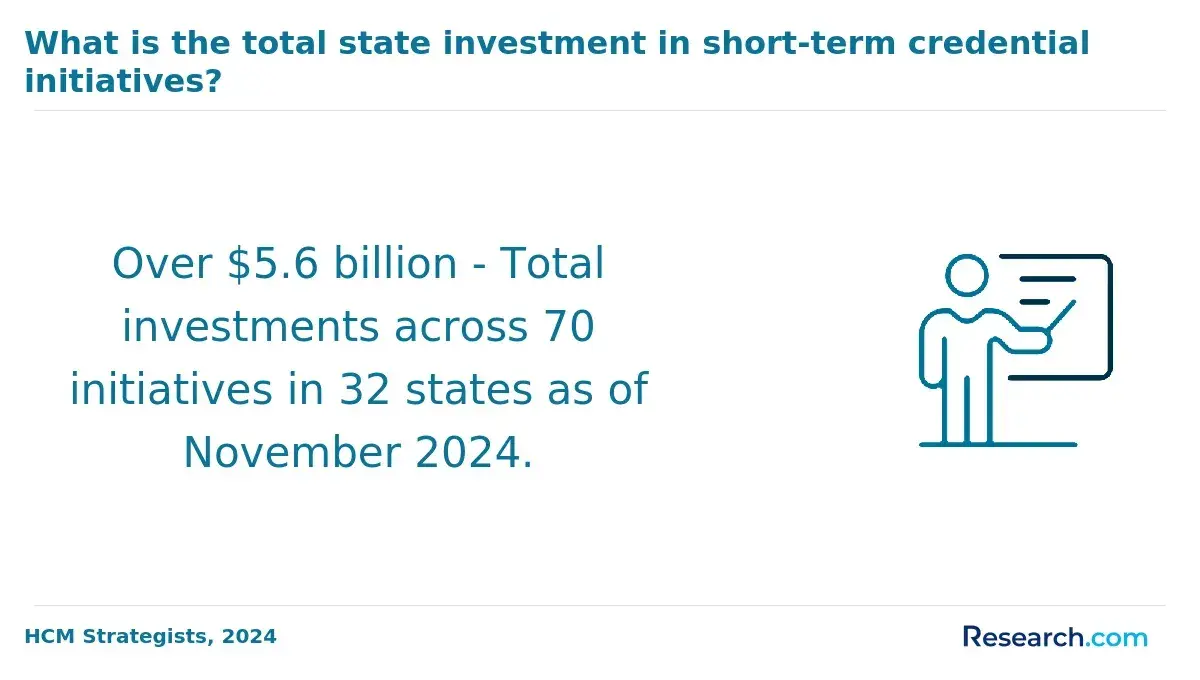
The widening gap between rising tuition fees and the comparatively sluggish growth in political science salaries presents a significant financial consideration for students. While average public university tuition has surged by about 35% over the last decade, entry-level wages for political science graduates typically start around $55,000 to $65,000, with mid-career salaries generally maxing out near $85,000 to $100,000, according to 2024 data from the National Center for Education Statistics and the Bureau of Labor Statistics. Assessing education cost alongside salary trajectories offers a clearer picture of return on investment than isolating either figure. For instance, a student facing rising tuition might find that incremental salary improvements over their career do little to offset initial debt burdens, especially when factoring in inflation and living expenses.
Several variables influence how tuition increases compare to salary growth, including geographic location, sector of employment, and degree level attained. Graduates entering government or consultancy positions in well-resourced environments may experience steadier compensation growth, while those in less funded roles face stagnant wages despite escalating educational debt. This nuanced dynamic makes financial planning essential, as the same tuition cost can impose drastically different outcomes based on individual career paths and market conditions.
One recent political science graduate recounted delaying enrollment at a public university for a year due to rising tuition costs, choosing instead to work full time and save. Although initially hesitant, this decision allowed them to avoid excessive student loans. Upon graduating, they accepted a mid-level government analyst role with a salary just under $70,000. While grateful to sidestep crippling debt, they noted the challenge of balancing loan repayments with cost of living and expressed concern over the limited salary growth relative to what tuition inflation suggested just a few years earlier. Their experience underscores the tension between financial caution and career aspirations when tuition and earnings do not advance in tandem.
Does a Political Science Degree Deliver a Positive Return on Investment?
Assessing the return on investment (ROI) for a political science degree extends beyond initial tuition costs to include the long-term earning potential and career flexibility the degree affords. Unlike many technical fields where starting salaries may be robust, political science graduates often face moderate early earnings that do not immediately offset rising educational expenses or inflation. For example, a graduate investing $40,000 in tuition might initially earn around $50,000 annually, which appears marginal once living expenses and student loan repayments are factored in, especially if wage growth remains slow in the first few years.
However, the broader value of a political science degree lies in its versatility and the potential for career progression across sectors such as government, law, public policy, and international affairs. Data from 2024 by Georgetown University's Center on Education and the Workforce shows that political science graduates typically surpass the national median mid-career salary for bachelor's holders, underscoring a positive trajectory over time. This suggests ROI is heavily influenced by one's career path, potential for advancement, and willingness to supplement the degree with internships or graduate studies that enhance specialization and marketability.
Ultimately, whether a political science degree yields a positive ROI varies substantially depending on individual circumstances and economic context. Factors such as the choice of institution, access to professional networks, geographic location, and sector demand play critical roles in shaping financial outcomes. Recognizing these nuances helps prospective students weigh upfront costs against not just salary figures but also job stability and professional growth prospects, ensuring a more informed decision grounded in realistic expectations.
Which Industries Offer the Highest Salaries for Political Science Graduates?
Political science graduates face a complex job market where salary potential varies widely by industry and role. Rising tuition costs and inflation emphasize the need to prioritize sectors offering substantial long-term financial rewards. According to recent data from the U.S. Bureau of Labor Statistics and the National Association of Colleges and Employers, top paying sectors for political science degree holders include government, consulting, and financial services. Understanding these high-paying industries can inform decisions about education investments and career paths. Below are industries that generally offer the strongest earning potential for political science graduates.
- Federal Government: Roles in intelligence analysis, foreign service, and policy advising provide some of the highest salaries for political science graduates. Departments such as the Department of State and Department of Defense reward specialized expertise with compensation above the median for social science occupations, reflecting strategic responsibilities and security clearances involved.
- Management Consulting: Consulting firms seek political science graduates for their analytical and strategic skills. Positions here often start with salaries competitive with government roles, and the fast-paced, project-driven environment provides rapid professional growth and bonus opportunities.
- Financial Services: Political science graduates in financial firms typically work in risk assessment, regulatory compliance, or market analysis, leveraging their understanding of policy frameworks. These roles are well-compensated due to the high stakes involved in navigating complex regulations and economic risks.
- Legal and Lobbying Firms: Corporate legal departments and lobbying firms value political science expertise for policy interpretation and advocacy. This sector pays well, especially for those with additional qualifications or experience, as success often depends on strategic communication and insider knowledge.
- Technology Companies: Technology firms increasingly hire political science graduates for roles in government affairs, policy strategy, and regulatory compliance. These positions combine policy expertise with tech innovation, offering competitive salaries to navigate emerging legal and ethical challenges.
- Nonprofit and Advocacy Groups: While generally offering lower salaries than government or private sectors, these organizations attract political science graduates passionate about social impact. Salary trade-offs are common as dedication to public service often outweighs financial incentives in these roles.
A typical scenario might involve a graduate weighing entry-level consulting positions against federal government policy roles. While government jobs offer stability and strong benefits, consulting can provide faster salary growth and diverse experiences. Such decisions require balancing immediate earnings against personal goals and lifestyle preferences.
For students also interested in related legal career pathways, exploring online paralegal programs could complement political science degrees with practical credentials, ultimately enhancing employability and earning potential.
Which States and Cities Offer the Highest Pay for Political Science Professionals?
Wages for political science professionals exhibit marked geographic variation, which strongly influences the return on investment after completing a degree in this field. Higher salaries tend to cluster in states and cities with dense government operations, research centers, and nonprofit activity. However, these elevated earnings often correspond with significantly increased living expenses and tuition prices, complicating the net benefit assessment. For example, a graduate targeting a career in policy analysis may earn 20-30% more in California but must weigh this against steep housing costs. Below are the key states and metropolitan areas where political science salaries currently peak.
- California: At the forefront is California, where political science roles pay well above the national average due to a mixture of large public sector budgets and a strong presence of universities and research organizations. Despite the lucrative pay, students and new professionals should carefully consider the state's high cost of living, particularly in urban centers like Los Angeles and San Francisco.
- Washington, D.C.: The nation's capital leads metropolitan areas in compensation, fueled by federal agencies, think tanks, and international institutions. Median salaries often exceed $90,000 annually, making it a magnet for political analysts and policy advisors. However, prospective workers face expensive housing and competitive job markets.
- Massachusetts: Boston's robust academic and nonprofit ecosystems drive higher pay for political science roles. The city offers extensive research opportunities and government-related employment but also demands a premium for tuition and living expenses, requiring careful budgeting by students and recent graduates.
- Washington State: Seattle offers elevated wages tied to government contracting and vibrant nonprofit sectors. The city features a growing tech influence that impacts political consultancy and policy roles, yet rising housing prices challenge affordability.
- New York: New York City's political science professionals benefit from a diverse economy with strong legislative, media, and advocacy sectors. Though pay is attractive, high rent and elevated daily costs temper the financial gains, urging candidates to balance opportunity with expenses.
- Virginia: Northern Virginia's proximity to Washington, D.C., links it to federal jobs and defense contractors, generating strong salaries. While somewhat more affordable than D.C., the region's real estate is still pricey, demanding strategic planning for newcomers.
How Do Political Science Salaries Grow Throughout a Career?
Political science salaries generally begin at moderate levels, with early-career median annual wages ranging from approximately $60,000 to $75,000 according to 2024 data from the U.S. Bureau of Labor Statistics. As professionals gain experience and specialize in areas such as policy analysis, lobbying, or academic administration, incomes typically rise to a $90,000 to $120,000 range by mid-career. However, these increases are often influenced by factors like geographic location, employer type, and degree attainment, with advanced education frequently translating into higher pay. The variation in salary trajectories reflects differing career paths rather than uniform wage growth across the field.
At senior levels, political scientists working as government advisors, university professors, or think-tank leaders may earn upwards of $130,000, with competitive roles exceeding $150,000 annually. Long-term salary growth is typically driven not only by years of experience but also by credentials, publication records, and strategic networking within the field. Consider two Political Science graduates: one who pursues an advanced degree and research roles steadily climbing academic ranks, and another who moves into policy consulting without further formal education. Their salary outcomes can diverge significantly, underscoring how professional development choices and sector shifts directly impact earning potential. While wages do increase over time, these gains sometimes lag behind rising educational expenses and inflation, highlighting the importance of career planning beyond initial job offers.
Reflecting on this dynamic, one graduate shared how early hesitation about committing to additional schooling gave way to urgent decisions after realizing mid-career salary plateaus common in non-research roles. By choosing to pursue a master's degree while balancing part-time work, the individual navigated short-term financial strain but ultimately accessed higher-paying positions in policy analysis. This experience illustrates the subtle tradeoffs political science professionals encounter as they weigh immediate salary concerns against the long-term benefit of advanced qualifications and expanded expertise.
How Do Political Science Salaries Compare With Similar Degrees?
Salaries for political science graduates generally reflect a middle ground in the spectrum of social science earnings, positioned between more technical degrees and broader liberal arts disciplines. When deciding whether to pursue a political science degree, especially amid rising tuition and inflation, it is critical to look beyond starting salaries and consider the trajectory of earnings over time and sector-specific opportunities. Evaluating political science salary comparison with related degrees reveals nuanced differences tied to job markets and skill sets. Below is a comparison highlighting key points for prospective students weighing their options.
- Economics: Graduates with economics degrees typically command higher starting salaries, often in the $55,000 to $60,000 range, reflecting the degree's quantitative rigor and applicability in finance, consulting, and data analysis roles. These fields usually offer faster salary growth due to strong demand for analytical skills.
- Public Administration: Similar to political science in public-sector focus, public administration may offer comparable starting salaries but with slightly higher median pay linked to specialized governmental or nonprofit leadership roles. Salary growth here depends heavily on experience and credentialing.
- Sociology: Sociology graduates earn amounts close to political science alumni, generally between $48,000 and $53,000, reflecting moderate demand in social services and research roles. Both fields face similar constraints on rapid wage escalation.
- International Relations: This area can yield starting salaries slightly above political science, sometimes reaching $57,000, due to roles in diplomacy, international nonprofits, and global business. However, growth often plateaus without advanced qualifications.
STEM degrees remain dominant in salary potential, often exceeding $70,000 at entry, emphasizing a tradeoff for those seeking social science careers. Political science graduates aiming for competitive pay should also evaluate sector choices carefully. For example, pursuing specialized internships or advanced credentials in government agencies or nonprofits can enhance earning power. Additionally, interested students might explore easy MBA programs to get into to bolster salary prospects through business acumen.
How Is Employer Demand Affecting Political Science Salary Trends?
Employer demand significantly shapes salary trends for political science graduates by driving competition among employers for qualified candidates. According to the U.S. Bureau of Labor Statistics in 2024, jobs such as policy analysts and legislative assistants are expected to grow at about 5% over the next decade, a moderate pace that supports steady but gradual wage increases. For example, a recent graduate entering government analytics may find wages rising slowly unless they possess highly sought-after skills like cybersecurity policy expertise, which are in higher demand and offer stronger negotiating leverage. This example reflects how specialized knowledge directly affects compensation strategies amid evolving job market trends for political science graduates.
Major factors influencing employer demand include economic conditions, organizational budgets, and shifts in public policy priorities. While strong demand can accelerate wage growth, earnings also depend on experience and specialization. Notably, research from the American Political Science Association highlights that emerging fields such as international relations and cybersecurity policy occasionally see more competitive salaries, although these gains often do not fully offset increasing tuition or inflation. Prospective students looking to optimize their earning potential might also consider programs like an accelerated cyber security degree online, which align with these high-demand niches within political science-related careers.
How Can Students Maximize Their Lifetime Earnings With a Political Science Degree?
Maximizing lifetime earnings with a political science degree requires deliberate choices beyond simply completing the major. Data from the U.S. Bureau of Labor Statistics and the National Association of Colleges and Employers in 2024 show that graduates combining political science with graduate education and targeted skills gain the most financial benefit. For instance, a graduate who pursues a law degree or an MBA after their bachelor's often experiences sharper salary growth over time compared to those entering the workforce immediately. Below are practical strategies grounded in recent data to guide students aiming for higher lifetime earnings.
- Advanced Education: Pursuing graduate degrees in law, public policy, or business administration can significantly boost earning potential by qualifying graduates for specialized, higher-paying roles.
- Sector Selection: Targeting employment in government agencies, consulting firms, or international organizations places graduates in high-demand fields with stronger compensation trajectories.
- Specialized Skills: Developing expertise in data analysis, cybersecurity, or legislative affairs increases employability and allows for salary premiums in competitive job markets.
- Practical Experience: Engaging in internships, fellowships, or political campaigns builds real-world skills and professional networks that facilitate leadership opportunities and salary advancement.
- Location Choice: Working in metropolitan areas with robust governmental and nonprofit institutions typically results in higher wages compared to less populated regions.
- Cross-Disciplinary Knowledge: Combining political science with economics, statistics, or foreign language skills meets employer demand for versatile professionals and enhances market value.
- Certification Acquisition: Obtaining credentials in project management or policy analysis can differentiate candidates and open doors to roles with greater responsibility and pay.
References
- Does College Pay Off? A Comprehensive Return On Investment Analysis - FREOPP https://freopp.org/whitepapers/does-college-pay-off-a-comprehensive-return-on-investment-analysis/
- Top 12 Jobs After BA Political Science https://internshala.com/blog/best-jobs-after-ba-political-science/
- Political Scientist Career Guide: Salary, Outlook, Employers + MAPP Fit https://www.assessment.com/life-physical-and-social-science-careers/political-scientists
- Political Scientists: Salary, career path, job outlook, education and more - RaiseMe https://www.raise.me/careers/life-physical-and-social-science/political-scientists/
- Is College Worth It? - Public Policy Institute of California https://www.ppic.org/publication/is-college-worth-it/
- 7 Great Jobs You Can Get With a Political Science Degree | UT Permian Basin Online https://online.utpb.edu/about-us/articles/political-science/7-great-jobs-you-can-get-with-a-political-science-degree
- Political Scientist https://www.truity.com/career-profile/political-scientist
- Is College Worth it? | Return on Investment Analysis of College Degree https://educationdata.org/college-degree-roi
- Political Science Degree Jobs: 12+ Career Paths (2026) | Extern https://www.extern.com/post/political-science-degree-jobs-career-guide
- The price of college is rising faster than wages for people with degrees | USAFacts https://usafacts.org/articles/is-college-worth-it-the-price-of-college-is-rising-faster-than-wages-for-people-with-degrees/
Other Things You Should Know About Political Science
Many political science graduates take on adjunct or part-time teaching roles early in their careers, which often offer lower pay and limited benefits compared to full-time positions. While these roles can provide valuable experience and networking opportunities, relying heavily on them can stall income growth and delay career advancement. Prioritizing pathways to full-time or tenure-track positions, or supplementing adjunct roles with related work in policy or research organizations, tends to yield better long-term financial outcomes.
Graduate degrees in political science might improve job prospects but often come with significantly higher tuition and opportunity costs. Considering that salary increases for political science roles with advanced degrees are modest relative to the expenses, students should critically assess the specific skills and networks offered by graduate programs. Prioritizing programs with strong employer connections or applied learning components can help justify the investment, whereas generic advanced degrees may not sufficiently boost earning potential to offset costs.
Specializations like international relations, public policy, or data analysis typically have varying demand and salary norms. Choosing a niche aligned with market needs can enhance employability and wages, but overspecialization risks limiting opportunities in broader political science fields. Graduates should balance passion with pragmatic market assessment, ensuring their expertise remains adaptable to employer expectations and shifting job trends.
Academic positions often provide intellectual fulfillment but tend to offer slower salary growth and require navigating heavy workloads with often uncertain tenure outcomes. In contrast, policy-focused or private-sector roles may provide faster salary increases and clearer advancement paths but can involve high-pressure environments and shorter job security. Candidates should weigh their tolerance for these tradeoffs, prioritizing stability and income potential if financial return is critical, or academic roles if long-term research engagement is the goal.