2027 Pediatric Care Nurse Practitioner Degree Completion Time Report: How Long Students Actually Take to Graduate

Co-Founder and Chief Data Scientist
Students pursuing a pediatric care nurse practitioner degree often face fluctuating timelines shaped by factors beyond curriculum requirements. Work commitments, clinical placement availability, and family responsibilities systematically extend completion periods, reflecting a complex navigation of practical constraints. According to the National Center for Education Statistics 2023 report, part-time enrollment among graduate nursing students rose to 48%, underscoring how external obligations influence academic pacing.
Program design variations and evolving certification standards further affect progression speed. This article examines how long students actually take to graduate, highlighting common influences on timelines while offering a grounded view of realistic completion patterns within pediatric care nurse practitioner education.
Key Things You Should Know About Pediatric Care Nurse Practitioner Degree Completion Time
- Most pediatric care nurse practitioner degree programs take two to three years to complete. Full-time students often graduate within this timeframe, while part-time enrollment, clinical requirements, and work or family responsibilities can extend completion to four years or longer.
- Graduation speed depends on both program structure and personal circumstances. Enrollment status, transfer credits, clinical practicum availability, course sequencing, and online versus campus-based study all influence how quickly students complete their degree.
- Graduating faster isn't always the best path to career success. Although accelerated and online programs may shorten completion time, employers generally place greater value on pediatric clinical experience, advanced practice competencies, and certification readiness than on how quickly a degree was earned.
- What Is the Average Graduation Time for Pediatric Care Nurse Practitioner Students? Average Graduation Timeline
- What Factors Have the Biggest Impact on Graduation Speed? Graduation Timeline Factors
- How Does Full-Time Versus Part-Time Enrollment Affect Graduation Timelines? Full-Time vs. Part-Time Graduation Timeline
- Do Online Pediatric Care Nurse Practitioner Students Graduate Faster Than Campus-Based Students? Do Online Pediatric Care Nurse Practitioner Students Graduate Faster Than Campus-Based Students?
- How Many Months or Years Can Transfer Credits Save? How Many Months or Years Can Transfer Credits Save?
- Do Accelerated Pediatric Care Nurse Practitioner Programs Significantly Reduce Completion Time? Accelerated Program Timeline
- Which Pediatric Care Nurse Practitioner Program Requirements Most Often Extend Graduation Timelines? Factors Extending Graduation Timeline
- Does Taking Longer to Graduate Increase the Cost of a Pediatric Care Nurse Practitioner Degree? Impact on Program Cost
- Does Graduating Faster Improve Career Prospects? Impact on Career Prospects
- Which Scheduling Mistakes Commonly Delay Graduation? Mistakes to Avoid
What Is the Average Graduation Time for Pediatric Care Nurse Practitioner Students?
The average graduation time for pediatric care nurse practitioner students typically spans two to three years for those enrolled full-time, aligning with the expected completion period for master's or post-master's certificate programs focused on pediatric primary care. Part-time students, however, often extend this timeline to four years or more as they juggle academic commitments alongside employment or family responsibilities. This variability in the typical degree completion timeline for pediatric care nurse practitioner students reflects not only student circumstances but also program demands, emphasizing the need to consider enrollment status as a primary factor influencing graduation timelines.
Key drivers behind differences in completion length include the course load per term, program format-whether onsite, online, or hybrid-and the availability of pediatric-focused clinical practicums, which remain a mandatory component that cannot be truncated without compromising certification standards. Transfer credits and prior professional experience can accelerate progression, especially for those in post-master's pathways with nursing licensure, while part-time students experience elongated timelines due to reduced semester credit loads and competing responsibilities. Additionally, a growing share of programs offering flexible pacing responds to the diverse needs of working adults, though securing required clinical placements often delays graduation. These insights reflect broader trends captured by authoritative educational reports highlighting the influence of program design and student situation over mere clock hours.
The timing of graduation carries significant implications for academic and career planning, affecting both financial investment and entry into a competitive healthcare workforce where current certification and recent clinical exposure are heavily weighted by employers. Extended program durations, while sometimes necessary to balance complex personal and professional factors, can impact readiness in a rapidly evolving pediatric healthcare environment. Prospective students may also explore options like the fastest DNP program online to align educational timelines with workforce demand, underscoring the strategic nature of graduation timing in advancing pediatric care nurse practitioner careers.
What Factors Have the Biggest Impact on Graduation Speed?
Graduation speed in pediatric care nurse practitioner degree programs results from a complex interplay of academic planning, enrollment behavior, program design, and external obligations. No single factor operates in isolation; rather, it is the aggregate influence of decisions on course load, enrollment status, and program format that shapes how quickly students finish. Understanding these multiple influences equips prospective and current students to better navigate their educational trajectory amid competing demands.
- Enrollment Status and Course Load: Full-time enrollment generally accelerates graduation by enabling a more concentrated, heavier course load each term. However, about 60% of nurse practitioner students opt for part-time study, extending their program by one to two years as they balance work and family responsibilities. This decision reflects a pragmatic tradeoff between financial and personal constraints versus the desire to graduate faster.
- Prior Academic and Clinical Experience: Students entering with previous graduate-level credits or substantial clinical backgrounds can reduce redundant coursework through advanced standing. This strategic leveraging of prior learning shortens degree requirements and facilitates earlier program completion but depends heavily on institutional policies for credit transfer and recognition.
- Program Format and Delivery: Online and hybrid formats promise flexibility but can introduce variability in pacing due to self-directed study demands and asynchronous schedules. While this flexibility benefits working adults, inconsistent time management or competing obligations may slow progression, particularly when clinical placements require on-site attendance. Traditional, in-person formats impose structured timelines that often promote steadier, predictable progression.
- Financial Pressures and Employment: Economic stressors compel many students to reduce course loads or maintain employment concurrent with schooling. This financial balancing act often prolongs degree timelines by forcing part-time enrollment or slower term-to-term progress. Institutions that actively align financial aid with accelerated pathways can influence this factor positively.
- Clinical Placement Availability: Pediatric care nurse practitioner degrees demand extensive supervised clinical hours, and geographic or market competition for these placements can cause delays in fulfilling requirements. Limited availability sometimes forces students to extend time in the program, making institutional support for placement coordination critical in minimizing graduation delays.
These factors frequently interact; for example, enrollment status impacts how many clinical hours can be completed concurrently, and prior experience may reduce the workload allowing more focus on internships. Navigating these demands requires intentional academic advising and clear policies to avoid unintended extensions. For working adults and transfer students aiming to optimize completion speed, understanding these dynamics within pediatric care nurse practitioner programs is essential. Students may also evaluate alternative degree offerings, such as a nutrition masters degree, which can reflect different structuring and timelines more suited to their circumstances.
How Does Full-Time Versus Part-Time Enrollment Affect Graduation Timelines?
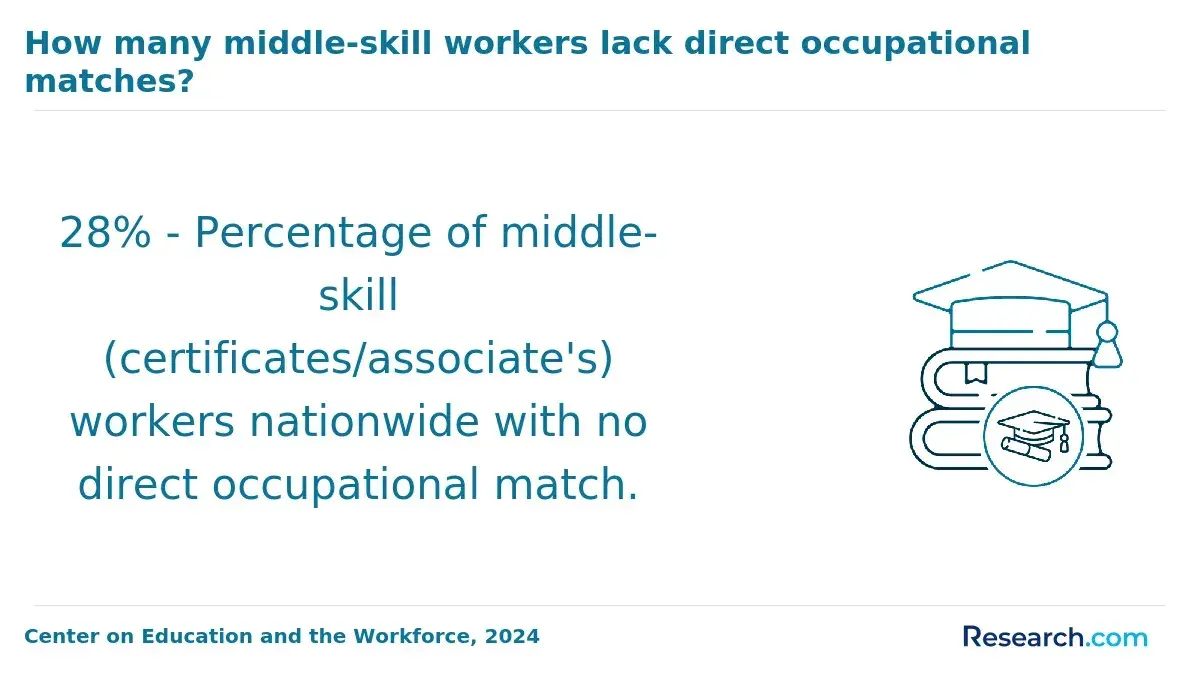
Graduation timelines for pediatric care nurse practitioner degrees differ substantially between full-time and part-time enrollment due to varying academic intensities and scheduling demands. Full-time students generally complete their studies within two to three years by taking 12 to 15 credit hours each semester, enabling focused immersion in both coursework and clinical experiences. Part-time students, balancing fewer credits per term-typically six to nine-often extend their programs to four to six years, reflecting the need to distribute clinical practicum and didactic courses over an extended period. This divergence not only affects time-to-degree but also the continuity of learning, which employers frequently consider in hiring decisions, as demonstrated by recent workforce analyses highlighting the advantage of more current clinical competencies.
The structure of pediatric care nurse practitioner programs, including course sequencing and availability of required clinical rotations, influences how enrollment status shapes completion speed. Programs with flexible scheduling and cohort models may better accommodate part-time students' work and family obligations, yet these accommodations can reduce progression momentum compared to continuous full-time study. External factors such as employment hours and caregiving responsibilities impose additional constraints on part-time learners, which can interrupt or prolong academic progress. Institutional policies on credit load caps and clinical placement timelines further interact with these personal factors, underscoring the complexity behind program duration beyond simple full- versus part-time enrollment categories.
Enrollment choices also have significant implications for financial planning and workforce entry. Faster completion under full-time enrollment can accelerate access to higher salary brackets associated with pediatric care nurse practitioner roles, while part-time pathways often allow for income continuity but postpone earning potential growth. The extended duration of part-time study may increase overall education costs due to prolonged tuition and fees, despite spreading expenses over time. These tradeoffs require students to carefully weigh academic rigor, personal capacity, and long-term career and financial goals when selecting an enrollment pathway in pediatric care nurse practitioner education.
Do Online Pediatric Care Nurse Practitioner Students Graduate Faster Than Campus-Based Students?
Online Pediatric Care Nurse Practitioner students are often perceived to finish their programs more quickly than those attending on campus, but this outcome is far from guaranteed. Data from the National League for Nursing in 2024 shows approximately 62% of online students graduate within three years, slightly higher than the 55% rate among on-campus peers. Still, individual results vary widely based on personal circumstances and program specifics. Rather than modality alone, the difference in graduation speed depends on how students navigate their educational and life commitments alongside institutional constraints.
Graduation timelines in both online and campus-based pediatric care nurse practitioner programs hinge on factors such as course scheduling, enrollment status, and clinical placement availability. Online programs tend to offer asynchronous class formats and flexible pacing, allowing learners to adjust coursework around professional and personal obligations. Conversely, campus-based students may have less latitude in scheduling but benefit from more structured environments and in-person access to resources. Regardless of format, mandatory clinical hours and certification requirements impose similar time demands, making part-time or interrupted enrollment common factors delaying overall completion.
Choosing between online and campus pathways also influences the level of self-discipline and time management essential for timely graduation. Online learners must independently regulate their progress without frequent direct oversight, which can accelerate degree completion for highly motivated students but slow it down for others balancing multiple roles. The modality selected may therefore affect when graduates enter the pediatric care workforce, with implications for career momentum and financial planning that extend beyond mere program length.
One graduate recalled waiting anxiously during the rolling admissions process, unsure whether to apply immediately or delay until clearance of a prerequisite course she had just completed. She "felt a lot of pressure to decide quickly," knowing that deferring might push her start date back months but rushing could risk admission with insufficient preparation. Ultimately, she chose to wait, a decision that added unexpected months to the timeline but allowed her to begin the program feeling more confident and ready to engage fully with the demanding curriculum.
How Many Months or Years Can Transfer Credits Save?
Transfer credits can significantly shorten the duration required to complete a pediatric care nurse practitioner degree, with time savings typically ranging from several months to over a year. This variation depends heavily on the number of accepted credits and how closely they align with the receiving program's curriculum. According to nationally recognized datasets from educational research conducted in 2024, transferring between 6 to 12 credit hours often reduces completion time by about 6 to 12 months. The actual impact ties directly to how foundational courses and specialty theory credits map onto the pediatric care nurse practitioner program requirements, which makes transfer credit time savings for pediatric care nurse practitioner programs highly individualized.
The true extent of time saved through transfer credits is shaped by multiple institutional factors, including accreditation compatibility and course equivalency evaluations. Most programs enforce residency requirements and limit the maximum number of transferable credits, which means not all prior coursework may count toward degree progress. Additionally, clinical practicum hours generally have stricter transfer restrictions due to accreditation standards, limiting their applicability. These policies create variability in how each transfer student benefits from credit time savings, mandating thorough analysis of articulation agreements and institutional policies before enrollment to set realistic expectations about how many months or years can transfer credits save.
Beyond direct time reduction, transfer credits influence academic planning and financial outcomes by allowing students to focus on advanced studies sooner and potentially reduce tuition costs. However, successful application of transfer credits requires sequencing remaining coursework to maintain clinical competencies and certification readiness. As an example of program diversity and student pathways, some prospective students consider alternate degree options linked to healthcare administration, as seen in MHA online programs, to complement clinical practice with leadership skills. Ultimately, the benefits of transfer credits depend on careful alignment with program structure and personal circumstances, emphasizing the importance of detailed credit evaluations within pediatric care nurse practitioner degree pathways.
Do Accelerated Pediatric Care Nurse Practitioner Programs Significantly Reduce Completion Time?
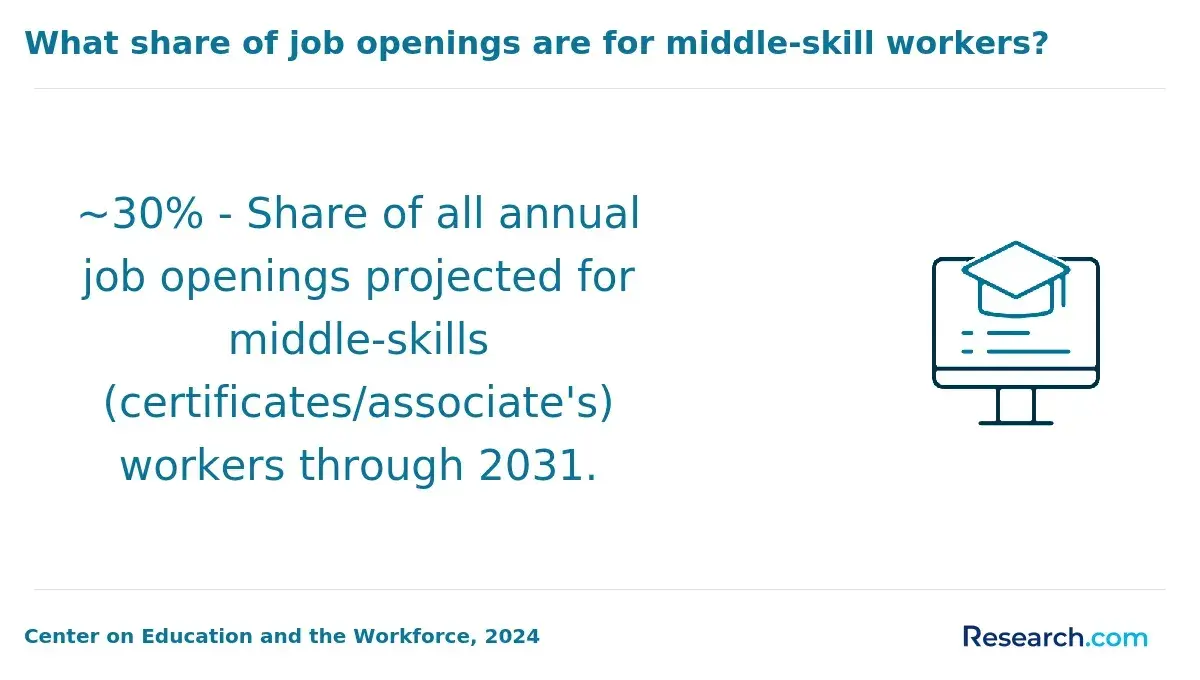
Accelerated pediatric care nurse practitioner programs aim to compress the typical graduate degree timeline by intensifying course schedules and consolidating clinical hours. These programs are structured to enable completion in approximately 2 to 2.5 years, compared to the more standard 3 to 4 years in traditional formats. This is achieved through a denser curriculum with fewer breaks between terms and a streamlined sequence of required courses. The intent is to allow students to enter the workforce faster without extending total credit requirements.
Whether these programs genuinely shorten time to completion depends on several factors beyond the advertised timeframe. The increased credit load per semester can place significant demands on student capacity, especially when clinical placements and internships must be completed within a fixed schedule. Prerequisite coursework and institutional policies may limit flexibility, and in many cases, capstone projects or clinical hours retain the same duration regardless of the program's overall pace. Therefore, while accelerated structures reduce calendar time, students often experience heightened workload intensity, which may impact progression and academic performance.
Trade-offs inherent in accelerated pediatric care nurse practitioner programs include less opportunity for part-time work or extracurricular skill development, due to their compressed nature. Scheduling rigidity can hinder students who require adjustments for personal or professional obligations, potentially increasing stress or burnout risk. These factors affect the depth of learning engagement and networking opportunities, which are more accessible in traditional program timelines that allow for gradual immersion and exploration.
One accelerated program graduate recalled navigating the rolling admissions process with considerable apprehension. Although eager to begin, delay in receiving a final acceptance decision forced hurried preparations for financing and clinical placement. The applicant reflected later that while the shorter program was appealing, the unpredictability of start dates created stress that offset some of the expected time savings. This experience highlighted the importance of early strategic planning and the variable impact of administrative timing on accelerated degree completion.
Which Pediatric Care Nurse Practitioner Program Requirements Most Often Extend Graduation Timelines?
Graduation timelines in pediatric care nurse practitioner programs are frequently extended not simply by overall credit load but by discrete, mandatory curriculum elements that embed professional rigor and clinical competence benchmarks. These components are foundational to ensuring graduates meet escalating healthcare standards but simultaneously introduce inflexible sequencing, scheduling challenges, and amplified academic workloads. As a result, progression speed varies widely depending on how institutions structure these demands and how students manage concurrent personal and work obligations.
- Extensive Clinical Practicum Hours: Programs require between 500 and 1,000 supervised pediatric clinical hours to guarantee practical competence. These hours demand coordination with healthcare facilities, which often limits flexibility and prolongs completion, particularly for working students or those lacking direct access to pediatric settings. Almost half of students report delays linked to securing and completing these placements, underscoring this as a critical bottleneck.
- Diverse Clinical Rotation Requirements: Curriculum designs increasingly mandate experiences across multiple pediatric care environments-such as inpatient, outpatient, and specialty clinics-to develop versatile clinical skills. While essential for comprehensive training, this variety complicates scheduling and travel logistics, frequently causing students to stretch practicum hours over more semesters or reduce course loads to manage time.
- Intensive Advanced Coursework and Capstone Projects: Pediatric care nurse practitioner programs combine deep pharmacological and health assessment instruction with evidence-based practice projects like theses or quality improvement initiatives. The substantial independent workload and research expectations slow progression, especially for part-time students balancing family or employment responsibilities, who may need extended semesters to fulfill academic demands adequately.
- Transfer Credit Evaluation and Prerequisite Alignment: Transfer students face unpredictable timelines due to varied institutional credit acceptance policies. Aligning prior coursework with program prerequisites often leads to retaking foundational classes or supplemental enrollments, adding six to twelve months on average to standard durations according to the U.S. Bureau of Labor Statistics.
- External Life and Work Constraints: Inflexible work schedules, particularly in healthcare, combined with family obligations frequently compel students to reduce enrollment intensity or pause studies intermittently. These external pressures interact with program pacing requirements to further elongate graduation timelines beyond nominal program lengths.
Does Taking Longer to Graduate Increase the Cost of a Pediatric Care Nurse Practitioner Degree?
Taking longer to graduate from a pediatric care nurse practitioner degree program commonly results in higher overall tuition and associated costs, particularly when institutions charge fees per term rather than per credit. Extended enrollment often means recurring tuition payments, additional fees for clinical placements, and repeated costs for certification-related materials. Moreover, many financial aid packages impose time limits on eligibility; thus, exceeding typical completion timelines may reduce or eliminate access to grants or subsidized loans, increasing out-of-pocket expenses. Students who stretch their education to balance work and study or due to course availability constraints implicitly face the financial consequence of paying for living expenses and potential lost income over a longer period, all of which compound the cost impact of extended pediatric care nurse practitioner degree completion as outlined in recent education statistics.
However, cost increases are not always proportional to extended study duration, depending on program structures and enrollment choices. Flat-rate tuition models or part-time pricing options can mitigate financial penalties for slower progress, particularly if students maintain consistent enrollment without triggering additional fees. Employer tuition assistance programs, often with strict time limits, also influence whether prolonging graduation imposes steep financial burdens. Altering course loads can indirectly affect cost accumulation by modifying term count and eligibility status under various aid or pricing schemes. Given the increasing demand across healthcare systems and competitive salaries for pediatric care nurse practitioners reported by sources such as Lightcast, carefully weighing these factors is crucial for managing the financial consequences of delayed pediatric care nurse practitioner graduation. Those interested in accelerated timelines may also explore strategies such as an accelerated exercise science degree online to understand how pacing influences both costs and workforce entry timing.
Does Graduating Faster Improve Career Prospects?
Graduating faster from a pediatric care nurse practitioner degree program can facilitate earlier entry into the workforce, potentially positioning graduates ahead of peers in job market timing. However, speed of completion is rarely evaluated by employers in isolation. Hiring decisions more heavily weigh practical readiness, proven clinical skills, and certifications, meaning accelerated graduation alone does not significantly enhance hiring competitiveness without accompanying credentials or demonstrated expertise. The impact of faster completion on career opportunities thus depends on how well candidates leverage their head start alongside substantive professional qualifications.
The influence of pediatric care nurse practitioner accelerated graduation benefits on actual career outcomes hinges on several key factors beyond timeline compression. Robust clinical exposure, portfolio strength, mastery of specialized pediatric skills, and active professional networking more directly signal employability and job performance potential. Employers prioritize candidates who can demonstrate comprehensive training and clinical competencies that align with complex pediatric care demands. Without sufficient internship experience or continuing education, faster degree completion may limit opportunities and diminish long-term career growth.
The trade-offs between accelerated completion and experiential depth are critical. While reducing student debt and entering the workforce sooner are tangible benefits, too rapid a pace risks compromising critical skill development and employer-valued training. Students and education planners should carefully weigh how program pacing impacts career readiness within evolving labor market dynamics. For those considering degree options, it is also valuable to explore comparable specialized programs, such as the best online CAHIIM accredited health information management degree programs, to understand how different fields balance completion speed with practical expertise.
Which Scheduling Mistakes Commonly Delay Graduation?
Graduation delays in pediatric care nurse practitioner programs frequently arise not from academic challenges alone but from avoidable scheduling and enrollment mistakes. These errors occur across degree levels and program formats, impacting students' ability to maintain consistent academic progress. Understanding how course sequencing, credit management, and enrollment choices interact with program structures is essential to navigating timely degree completion.
- Underestimating Clinical Hour Commitments: Many students fail to accurately balance clinical placement hours with coursework, assuming both can be managed at full capacity simultaneously. This often leads to extended timelines when clinical hours demand more time than anticipated, a factor cited by nearly 35% of delayed graduations in a 2024 National Center for Education Statistics report.
- Course Sequencing Errors: Pediatric care nurse practitioner programs typically enforce prerequisite chains and core course orders. Enrolling in classes out of sequence often results in registration blocks or prerequisite holds, delaying progression until required courses become available again.
- Skipping Summer or Intersession Terms: Some students overlook the strategic value of summer or intersession enrollment, mistakenly viewing these periods as optional. This decision can add significant months, particularly in accelerated or part-time pathways that rely on continuous credit accumulation.
- Inconsistent Enrollment Intensity: Switching between full-time and part-time status without a clear graduation roadmap disrupts academic momentum. Such fluctuations can affect financial aid eligibility and slow credit accumulation, causing nonlinear progress through the pediatric care nurse practitioner curriculum.
Other Things You Should Know About Pediatric Care Nurse Practitioner
Securing pediatric-specific clinical placements often poses a bottleneck that extends completion times, especially in competitive or rural regions. Delays arise when program capacity does not align with student demand or when qualifying preceptors are scarce. Students should prioritize programs with established clinical partnerships or those that offer placement support to minimize prolonged gaps that can stall graduation and disrupt employment plans.
Students often face a tradeoff between allowing more time to absorb complex pediatric care material and accelerating their studies to graduate sooner. Rushing through the program can compromise practical competence and lead to burnout, while pacing studies slower may delay entry into a workforce that values recent clinical experience. Prioritizing manageable course loads with consistent clinical hours usually leads to stronger outcomes and smoother transition into pediatric care roles.
Working professionals frequently extend their degree timelines due to competing demands, particularly when programs lack flexible scheduling or asynchronous options. This can affect course continuity and prolong clinical hours, which employers may view as a sign of resilience if well managed but as inconsistency if drawn out indefinitely. Students with significant outside obligations should choose programs with strong support systems and realistic pacing to maintain steady progress without sacrificing educational depth or personal wellbeing.