2027 Machine Learning Affordability by State: Where Students Pay the Most and Least

Co-Founder and Chief Data Scientist
Choosing between an in-state machine learning program costing $12,000 annually and an out-of-state option priced at $30,000 can define a student's debt burden for years. Beyond tuition, state-level living expenses often negate advertised savings; for example, recent 2024 data show students in higher-cost states borrow up to 40% more, reflecting disparities in regional economic conditions and institutional funding models.
These financial differences shape not only immediate affordability but also long-term earning potential by influencing where students study and network. This article examines machine learning affordability across states, helping students pinpoint where a machine learning degree is economically viable or prohibitively expensive.
Key Things to Know About Machine Learning Affordability by State
- Tuition disparities between in-state and out-of-state machine learning programs often exceed 60%, making residency a critical factor for budgeting and influencing student mobility decisions amid increasingly competitive admissions.
- States with higher private-sector tech density tend to have machine learning graduates facing stronger employer expectations for hands-on experience, emphasizing the need for costlier internships or project fees beyond tuition.
- Analysis of 2024 student borrowing patterns reveals students in lower-tuition states often incur higher total costs due to longer time-to-completion linked to limited course availability, affecting timely workforce entry and debt levels.
- Key Things to Know About Machine Learning Affordability by State Key Things to Know About Machine Learning Affordability by State
- Which States Have the Most Affordable Machine Learning Degree Programs? Most Affordable State Programs
- Which States Have the Highest Machine Learning Degree Costs? Highest State Tuition Costs
- How Much Does a Machine Learning Degree Cost by State? Degree Costs by State
- Why Does Machine Learning Affordability Vary So Much Between States? State Affordability Variations
- How Do In-State and Out-of-State Tuition Rates Affect Machine Learning Affordability? In-State vs. Out-of-State Rates
- How Does the Cost of Living Impact Overall Machine Learning Affordability by State? Living Costs and Affordability
- Which States Offer the Best Value for a Machine Learning Degree? Best Value State Degrees
- What Financial Aid and Scholarship Opportunities Can Reduce Machine Learning Costs? What Financial Aid and Scholarship Opportunities Can Reduce Machine Learning Costs?
- Are Online Machine Learning Degree Programs More Affordable Than On-Campus Options? Are Online Machine Learning Degree Programs More Affordable Than On-Campus Options?
- Is a Machine Learning Degree Worth the Cost Based on Career Outcomes and ROI? Degree ROI and Outcomes
Which States Have the Most Affordable Machine Learning Degree Programs?
States that consistently rank as offering the most affordable machine learning degree programs do so largely because of strategic public investment and pricing policies that prioritize in-state students. For example, in states like Wyoming and Mississippi, robust state funding for public universities allows tuition rates to stay well below national averages, substantially reducing financial barriers for residents. This dynamic is critical when students weigh degree options, as out-of-state tuition can be two to three times higher and dramatically affect both enrollment decisions and the feasibility of completing a program without incurring excessive debt. Additionally, availability of state scholarships and need-based grants in some regions adds an important layer of financial support, making these locations especially attractive for budget-conscious learners assessing best value machine learning degrees by state.
Beyond straightforward tuition costs, regional cost of living and institutional infrastructure also shape affordability. New Mexico exemplifies this blend, where moderate tuition paired with a lower cost of living decreases total attendance expenses-a factor often overlooked by applicants focused narrowly on sticker price. Moreover, residency-based pricing policies significantly influence accessibility, with many institutions using these discounts to promote local enrollment and thus support workforce development aligned with state economic priorities. For students who require flexible learning formats, states expanding online machine learning programs offer pathways that reduce or eliminate housing and commuting costs, further differentiating affordability profiles. Those comparing options across states should consider these practical tradeoffs since the financial implications stretch beyond initial tuition to encompass long-term value and debt impact for diverse student circumstances.
Informed decisions also depend on access to reliable cost data and transparent financial aid information. Recognizing this, many prospective students consult resources like cheapest online colleges that accept FAFSA, which shed light on institutions that facilitate affordability through federally backed aid combined with state policies. While low tuition is pivotal, the broader educational ecosystem, including state-level funding priorities and residency advantages, ultimately governs whether a machine learning degree program represents a financially sustainable investment. Understanding these nuances helps students and their families to navigate the complex landscape and select programs that align with their budget constraints and career ambitions without compromising completion or long-term economic outcomes.
Which States Have the Highest Machine Learning Degree Costs?
The consistently higher costs of earning a machine learning degree in certain states stem from a complex mix of tuition policies, living expenses, and institutional dynamics. States like California and Massachusetts impose steep out-of-state tuition rates-often two to three times higher than in-state fees-compounded by elevated housing and transportation costs in tech-centric urban areas. Reduced public funding in these states shifts more financial responsibility onto students, especially at selective programs concentrated in private or doctoral-level universities. This creates a tangible tradeoff for students weighing whether the local industry connections and educational resources justify such a financial burden compared to more affordable alternatives elsewhere.
Program availability also shapes student choices, as many high-cost states offer limited online or flexible scheduling options, making it difficult for non-residents or working students to reduce expenses. When residency requirements and fewer public subsidies push tuition upward, prospective learners must account for hidden costs beyond tuition, such as relocation and daily living in expensive metropolitan hubs. For some, pursuing machine learning degrees in states with stronger public funding and lower living costs, like Texas or Florida, may yield better return on investment, even if those programs offer less brand prestige. Such geographic cost disparities underscore the importance of strategic financial planning in educational decisions, where the nominal sticker price reflects a broader decision landscape tied to lifestyle, employability networks, and long-term debt implications.
A student considering enrollment in a California tech university recounted spending months comparing private and public institutions across multiple states. Although intrigued by high-profile research and Silicon Valley proximity, the student hesitated over out-of-state fees and steep living expenses that would double their projected budget. After uncovering limited online coursework and strict residency rules, the student leaned toward a public university in a more affordable state with flexible part-time options, despite initial concerns about fewer local tech recruiters. The decision highlighted the practical burden of high tuition combined with living costs, where perceived prestige alone did not outweigh the financial strain and logistical challenges involved.
How Much Does a Machine Learning Degree Cost by State?
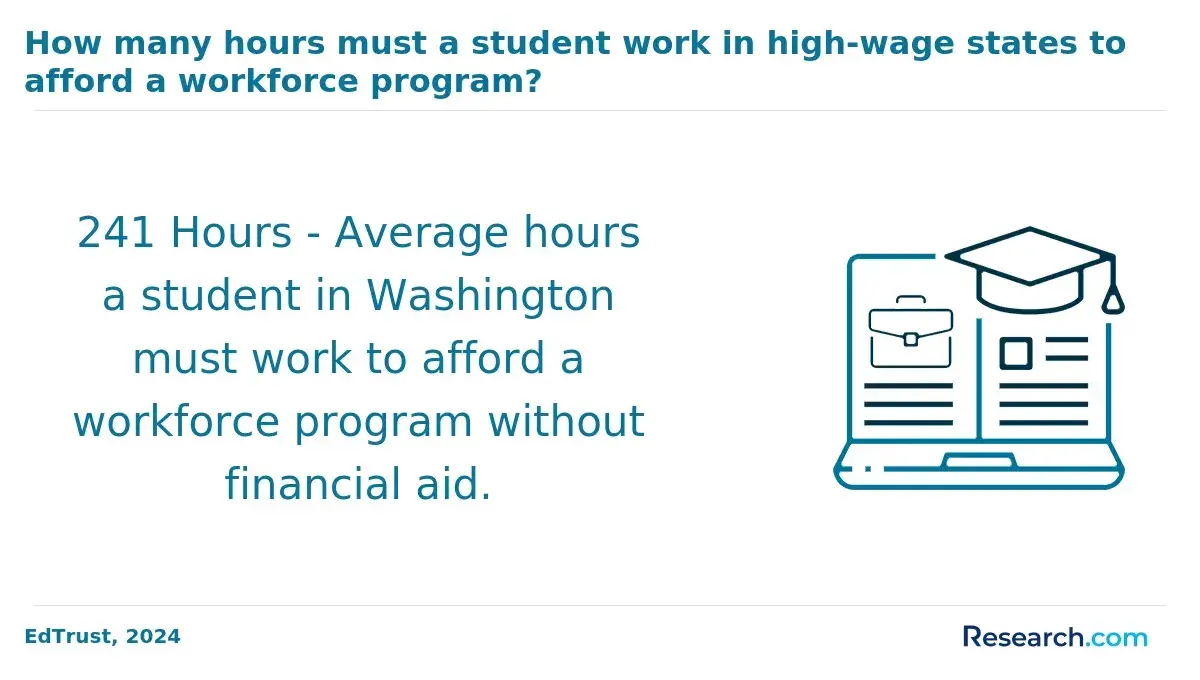
Cost disparities for earning a machine learning degree often hinge on state-driven tuition policies and regional economic factors, profoundly influencing student choices. Public universities typically offer the most affordable route for in-state residents, with 2024 data from the National Center for Education Statistics indicating annual tuition and fees can range from around $5,000 in lower-cost states like Wyoming to over $18,000 in states such as Vermont. However, out-of-state students frequently encounter fees tripling these amounts, while private institutions charge upwards of $30,000 regardless of location, often pushing total costs beyond $50,000 when factoring in housing and living expenses.
For students balancing financial constraints with career prospects, these variations demand strategic planning. For example, a student in Ohio might access equivalent machine learning curricula for significantly less than a peer in California, where higher living costs and premium tuition at elite research universities complicate affordability. Such differences can influence decisions on whether to relocate, study online, or select institutions with strong in-state scholarship programs, directly affecting debt levels and post-graduation financial flexibility. Understanding how state funding priorities and residency rules shape these expenses is crucial for aligning educational pathways with long-term career and financial goals.
Beyond tuition, prospective students must assess the total cost of attendance-including room, board, and ancillary fees-while considering the availability of STEM-focused aid and scholarship opportunities that vary widely by state. While public institutions with robust funding in tech-centric states can offer competitive pricing packages, expensive urban centers often offset these benefits through higher living expenses. This nuanced landscape requires machine learning candidates to weigh immediate cost savings against potential advantages offered by prestigious programs and local employment markets, ensuring that degree investments are sustainable both educationally and economically.
Why Does Machine Learning Affordability Vary So Much Between States?
State funding decisions fundamentally shape Machine learning tuition cost differences across states, with more generous appropriations to public universities typically resulting in lower resident fees. For instance, Wyoming and New Mexico benefit from substantial state subsidies that keep tuition comparatively affordable, directly influencing student enrollment patterns as budget-conscious learners weigh in-state versus out-of-state or private options. In contrast, states like California face higher operational costs due to expensive local living expenses, pushing institutions to raise tuition and fees, especially in urban hubs where housing and transportation add to student financial burdens.
Institutional mix also matters: states with a higher share of private institutions often see market-driven tuition models that lack the cushion of public funding, increasing price variability and complicating affordability assessments. Accessibility to state-funded financial aid programs targeting STEM disciplines can mitigate these disparities but varies widely in eligibility and scope, shaping net costs and influencing long-term educational planning. Many students in populous states confront heightened demand that strains capacity, sometimes encouraging transfers or online enrollment options as cost-saving strategies. For some, exploring alternatives like a masters of psychology online highlights how cross-disciplinary and flexible paths can factor into budgeting decisions.
According to National Center for Education Statistics 2024 data, states allocating higher public resources consistently offer more affordable machine learning pathways, underscoring the tradeoff between political priorities and educational accessibility. Recognizing these dynamics is essential for prospective students who must balance tuition affordability against program quality, geographic preferences, and job market realities in their decision-making process.
How Do In-State and Out-of-State Tuition Rates Affect Machine Learning Affordability?
Tuition disparities between in-state and out-of-state students often dictate the selection of machine learning programs and can substantially affect long-term educational expenses. Public universities typically offer significantly reduced rates for residents, reflecting state subsidies that skew affordability in favor of local applicants. For instance, 2024 data from the National Center for Education Statistics shows average in-state tuition at public universities near $10,400 annually, contrasted with out-of-state charges escalating to roughly $27,100. This gap pushes many prospective students to weigh residency reclassification or regional reciprocity agreements-such as the Western Undergraduate Exchange-as critical financial strategies, especially when relocation costs and living expenses in a new state risk compounding the overall investment.
While private institution tuition is generally uniform regardless of residency, their higher baseline fees often come with stronger financial aid packages, which can partially offset the lack of residency discounts but also introduce more uncertainty in net costs. Online machine learning programs, increasingly offered by public schools, present an alternative by leveling tuition rates across states and potentially reducing the effect of residency on affordability. Yet, some students must balance these savings against employer preferences for on-campus credentials and local networking opportunities, affecting career trajectories and return on investment. For budget-conscious learners, evaluating in-state versus out-of-state cost structures alongside non-tuition factors is crucial for determining program value and long-term feasibility.
A graduate pursuing machine learning recalled struggling with the decision to pay out-of-state tuition after moving states shortly before enrollment. Although the program offered promising training, the sudden spike from an anticipated $12,000 to over $28,000 per year strained their financial plans. They hesitated whether applying for residency reclassification would succeed in time or if leveraging a reciprocal tuition agreement in a neighboring state could reduce expenses. This uncertainty forced a careful reassessment of living arrangements and part-time work to avoid debt, underscoring how residency status can unpredictably shape educational affordability beyond initial expectations.
How Does the Cost of Living Impact Overall Machine Learning Affordability by State?
Housing remains the dominant variable driving regional differences in the cost of living and machine learning degree affordability by state, often outweighing tuition disparities that are more commonly discussed. For example, students enrolled in programs based in California or Massachusetts face substantially higher rent that can double or triple typical expenses found in states like Texas or Ohio. This creates a tradeoff where nominally similar tuition fees may result in very different overall financial burdens, directly influencing a student's capacity to cover living costs, balance work hours, and avoid excessive debt. In high-cost states, securing stable housing without ballooning debt may require longer commutes or tighter budgets, which can affect academic performance and persistence.
Transportation, food, healthcare, and utilities further complicate regional living expenses affecting machine learning education costs and the sustainability of student budgets. States lacking comprehensive public transit systems, such as Arizona and Florida, often force students to rely on private vehicles, increasing daily expenditures on gas, maintenance, and parking. Healthcare costs also vary notably with state policy differences, which may disproportionately impact those managing chronic conditions or insufficient insurance. These expenses must be integrated into educational planning, as they shape financial aid needs, online learning feasibility, and decisions to enroll or maintain residency depending on local economic conditions and institutional offerings. Students evaluating degrees should also consider that even affordable tuition combined with high local inflation or scarce affordable housing stock can diminish the expected cost advantage.
Students weighing degrees such as an affordable office administration degree against machine learning programs must factor in the broader economic context of their potential study location. Regional living expenses affecting machine learning education costs extend beyond tuition to include critical considerations of daily life that influence the total cost of attendance and subsequent debt exposure. A nuanced understanding of these financial dynamics can better guide choices about whether to prioritize in-state programs, remote learning options, or relocation when budgeting for degree completion and employability outcomes.
Which States Offer the Best Value for a Machine Learning Degree?
Evaluating the best state for a machine learning degree requires more than just comparing tuition rates; students must consider how factors like in-state tuition eligibility, overall cost of living, and degree completion rates interact with financial aid availability and local job markets. For instance, a state like Texas, with average in-state tuition below $11,000 and a moderate living cost, offers a practical mix of affordability and outcomes, especially given its tech sector growth and STEM graduation rates over 60%. In contrast, states such as California impose greater upfront costs due to tuition often surpassing $15,000 combined with a higher cost of living, which can undermine short-term financial feasibility despite strong employment prospects for graduates.
Affordability varies significantly because some states have policies that maintain public university funding stability, keeping tuition manageable for residents, while others rely more heavily on higher tuition or private institutions, shifting debt burdens higher. North Carolina exemplifies how consistent funding and regional demand for AI and machine learning talent can enhance value by supporting internships and salary growth that reduce the debt-to-income ratio after graduation. Conversely, students must weigh if relocating or qualifying for residency-based tuition benefits is practical, since attending a cheaper program farther from established job hubs might hinder networking and early career growth-a tradeoff that can outweigh nominal savings.
Ultimately, the cheapest tuition option rarely equates to the best value without solid degree completion rates and access to local markets with robust machine learning opportunities. The 2024 data from the College Scorecard and IPEDS emphasize that optimal choices align moderate tuition and manageable living costs with favorable employment environments and financial aid availability. For budget-conscious students, these layered factors determine not only affordability but their broader return on investment, underscoring the importance of a nuanced, location-specific approach rather than a singular focus on sticker price.
What Financial Aid and Scholarship Opportunities Can Reduce Machine Learning Costs?
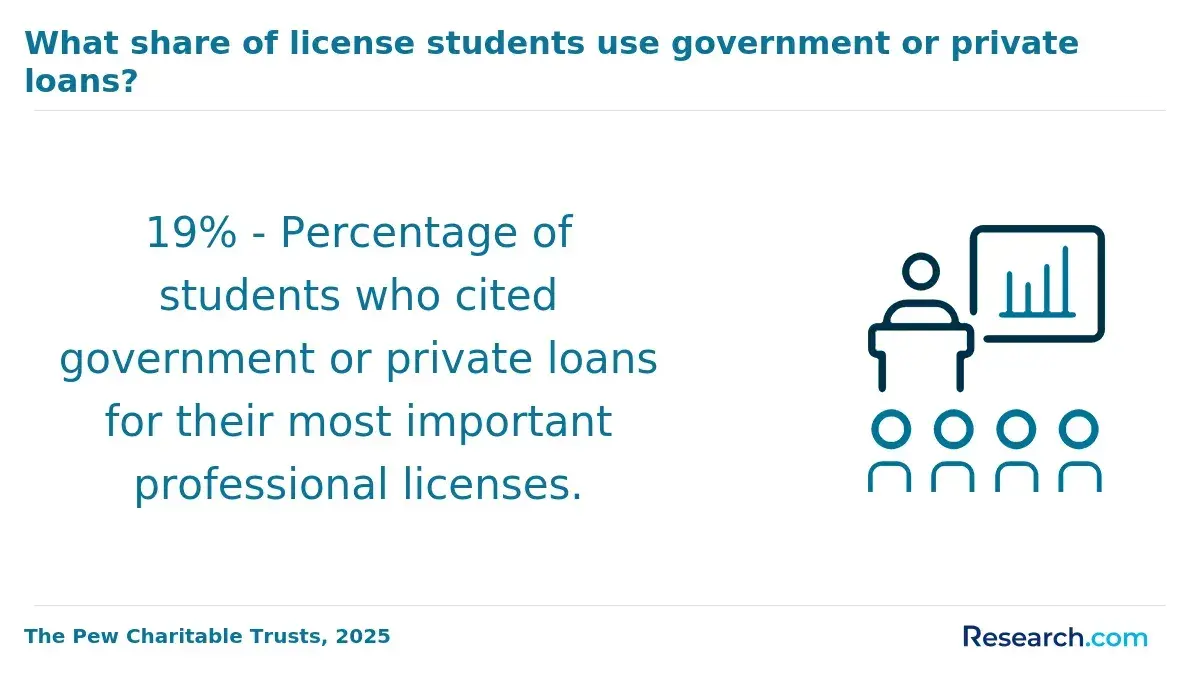
Federal aid programs remain pivotal in reducing the net cost of a machine learning degree, yet their impact varies significantly depending on a student's location and income level. Pell Grants, for example, support about 38% of undergraduates nationwide, providing essential need-based funds that apply regardless of residency but often fall short of covering full tuition, particularly in high-cost states. Students must navigate eligibility windows, renewal stipulations, and income thresholds, which can create gaps if not carefully planned. For instance, a student living near a state border might benefit substantially from tuition reciprocity agreements in states like New York or Wisconsin, where state-funded grants lower costs at neighboring public institutions-advantages unavailable in states without such policies, thus affecting where a prospective machine learning student might choose to enroll based on budget constraints.
Institutional scholarships and merit awards introduce another layer of complexity, rewarding academic or program-specific excellence but frequently imposing stricter criteria such as minimum GPA or test scores, which can limit accessibility. A recent National Center for Education Statistics report found merit awards reduce private college costs by an average of 22%, illustrating their potential value for students meeting these benchmarks, while public college recipients see a smaller average reduction of 15%. Employer tuition benefits further alter affordability calculations but depend heavily on industry, company size, and workforce strategies, posing a variable benefit predominantly for working learners able to juggle employment and study commitments. Given these intertwined factors-state residency rules, aid stacking limitations, and institutional policies-students must weigh financial aid sources carefully, as their interplay decisively shapes both immediate affordability and long-term debt exposure when pursuing a machine learning degree.
Are Online Machine Learning Degree Programs More Affordable Than On-Campus Options?
Online machine learning degree affordability comparisons reveal that while online tuition can be 15% to 30% lower than on-campus programs, this advantage is not universal and depends heavily on residency status, program fees, and living expenses. For example, a student living out-of-state may find online options financially preferable due to flat tuition rates that eliminate costly out-of-state premiums common in traditional campus programs. However, technology costs and generally reduced federal grant aid for online students can offset the sticker price gap, making it essential to evaluate net costs rather than tuition alone when weighing affordability.
Beyond tuition, the difference in total expenses is influenced by factors such as housing, transportation, and meal plans that are typically associated with on-campus learning, often adding over $12,000 annually. Conversely, students pursuing online degrees benefit from flexibility that might allow full-time employment, thus reducing opportunity costs. These practical tradeoffs affect program value and financial feasibility differently based on a learner's personal situation, underscoring the importance of analyzing cost differences between online and on-campus machine learning programs within the context of employment potential, residency benefits, and access to financial aid.
It is also worth considering broader workforce implications, as employer perceptions and networking opportunities tied to campus attendance can impact returns on investment. Prospective students grappling with whether to pursue a Master's credential, including those wondering do you need a masters to be a librarian, may find that understanding these nuanced cost and value factors is crucial for informed decision-making about online versus on-campus educational paths.
Is a Machine Learning Degree Worth the Cost Based on Career Outcomes and ROI?
Assessing the worth of a machine learning degree through the lens of career outcomes and cost effectiveness of machine learning degrees by state reveals notable disparities that extend beyond tuition sticker price. For instance, California and New York often have programs charging over $40,000 annually, attracting students who must weigh these expenses against delayed earnings due to higher debt burdens, which can sometimes surpass $50,000. In contrast, states like Texas and Florida offer more affordable tuition closer to $15,000 yearly, though this often comes with tradeoffs in access to premium tech job markets and salary premiums tied to geographic hubs. Students must thus evaluate potential salary gains alongside cost and completion rates, which are essential for timely workforce entry and overall return on investment in the United States.
Beyond financials, return on investment accounts for factors such as program quality, opportunity costs, and alignment with career objectives, including geographic mobility considerations. Employers increasingly prioritize hands-on experience, so practical portfolio development and internships may influence employability more than degree prestige alone. Geographic differences also shape labor demand, with states like Washington and Massachusetts offering higher wages but elevated living costs that can erode net benefits. Budget-conscious students comparing pathways would benefit from thoroughly analyzing these variables and exploring specialized program tracks akin to the best GIS undergraduate programs that integrate domain skills with machine learning expertise, enhancing versatility and long-term career resilience.
References
- Best Online Machine Learning Degrees: 2025 Rankings & Directory https://www.mastersinai.org/degrees/online-machine-learning-degrees/
- How Much Does it Cost to Learn Machine Learning? https://blog.nobledesktop.com/learn/machine-learning/machine-learning-cost-to-learn
- Scholarships for AI and Machine Learning | 2026 UPDATED List https://abroadin.com/blog/scholarships-for-ai/
- Examining ROI: Is a Master's in Data Science and AI Worth It? https://blog.udallas.edu/tower-thoughts/examining-roi-is-a-masters-in-data-science-and-ai-worth-it
- Most Affordable Machine Learning Programs 2025 https://hakia.com/degrees/machine-learning/most-affordable-programs/
- Machine Learning Programs Abroad: Duration, Cost & Curriculum Explained https://www.gatewayabroadeducations.com/article/machine-learning-course
- Calculating machine learning costs: price factors and estimates from the ITRex portfolio https://itrexgroup.com/blog/machine-learning-costs-price-factors-and-estimates/
- Cost of Studying Machine Learning in Germany | YES Germany https://www.yesgermany.com/cost-of-studying-machine-learning-in-germany/
- The College Affordability Gap: Insights and Impact on Families https://encoura.org/resources/wake-up-call/the-college-affordability-gap-insights-and-impact-on-families
- Is an AI Degree Worth It in 2026? | Find Out the Degree ROI – All Bachelor Degrees https://allbachelordegrees.com/career-paths/ai-degree-roi/
Other Things You Should Know About Machine Learning
States differ not just in tuition rates but in how their machine learning programs are structured, which impacts both cost and time to completion. For example, some states offer accelerated programs or allow more transfer credits, reducing total expenses and opportunity costs. Students should prioritize programs that align with their capacity to study intensively or balance other commitments, as longer durations in higher-cost states can significantly increase total spending beyond base tuition.
Higher tuition in certain states is often linked to stronger local tech job markets and employer connections, but this is not guaranteed. Graduates in lower-cost states with emerging machine learning hubs may find competitive opportunities if they leverage networking and internships effectively. Students should weigh the tradeoff between upfront educational costs and potential regional employer demand rather than assuming higher expense equals better job prospects.
Workload demands vary by program and directly affect affordability through time and stress management. States with programs notorious for heavy coursework or limited flexibility may increase indirect costs, such as lost income or additional tutoring. Budget-conscious students should prioritize programs offering balanced curricula that fit their personal and financial circumstances to avoid hidden affordability pitfalls beyond tuition.
Choosing an out-of-state program with higher tuition might be justified if it provides unique practical advantages like specialized research opportunities, renowned faculty, or established industry partnerships that enhance employability. Students must critically assess whether these advantages sufficiently offset the higher cost and potential relocation expenses. Prioritizing programs with proven career placement success in target industries can be more important than purely selecting based on sticker price.