2027 Information Technology Management Career Outcomes by Degree Level Report: Pay, Employment, and Advancement Patterns

Co-Founder and Chief Data Scientist
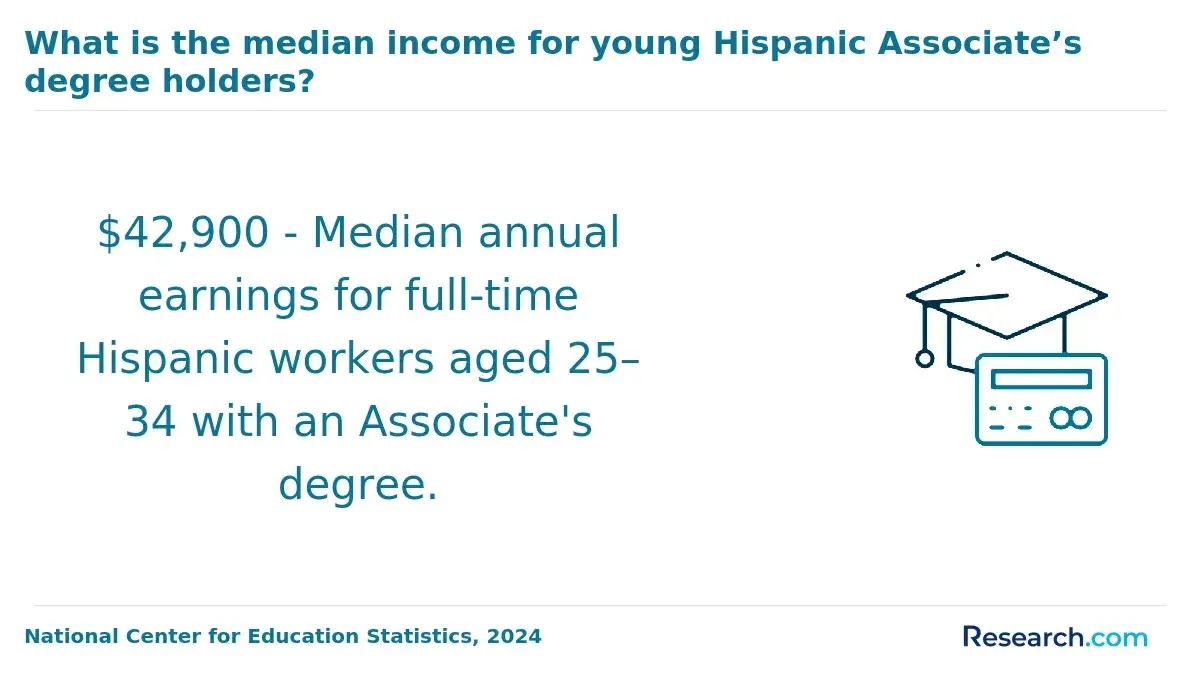
Choosing the right degree level in information technology management often determines how quickly a professional gains meaningful career traction. For example, a working adult without a bachelor's degree might struggle to access roles with significant leadership responsibilities, while those holding advanced credentials tend to report faster promotions. A 2024 study by the National Center for Education Statistics reveals that employment rates climb notably with each successive degree level in IT management, reflecting deeper specialization and employer confidence. Understanding these clear distinctions matters for anyone balancing time, finances, and career ambitions.
This article explores pay differences, hiring trends, and advancement patterns across degree levels, providing a data-driven framework to guide career decisions in information technology management.
Key Things to Know About Information Technology Management Career Outcomes by Degree Level
- Associate degrees often lead to entry-level IT management roles but limit long-term advancement; this tradeoff necessitates careful evaluation of immediate workforce entry versus slower credential progression.
- Employers increasingly expect bachelor's credentials for supervisory roles, reflecting a competitive workforce demanding deeper business-technology integration skills beyond technical expertise.
- Master's degrees, while costly and time-intensive, often accelerate access to strategic leadership positions, highlighting a timing and return-on-investment factor critical for mid-career professionals weighing further education.
- Key Things to Know About Information Technology Management Career Outcomes by Degree Level Key Things to Know About Information Technology Management Career Outcomes by Degree Level
- What Career Outcomes Can Students Expect From Each Information Technology Management Degree Level? Career Outcomes by Degree
- How Much Do Information Technology Management Graduates Earn by Degree Level? Salary by Degree Level
- Which Information Technology Management Degree Level Offers the Strongest Employment Prospects? Best Degrees for Employment
- What Entry-Level Jobs Can You Get With a Information Technology Management Degree? Entry-Level Career Opportunities
- How Do Information Technology Management Degree Levels Affect Career Advancement and Promotion Opportunities? Career Growth by Degree
- Is a Information Technology Management Degree Worth It Based on Salary, Employment, and ROI? Salary, ROI, and Value
- How Do Associate, Bachelor's, Master's, and Doctoral Information Technology Management Degrees Compare? Comparing Degree Levels
- Which Industries and Employers Hire Information Technology Management Graduates by Degree Level? Which Industries and Employers Hire Information Technology Management Graduates by Degree Level?
- What Skills, Credentials, and Experience Improve Information Technology Management Career Outcomes? What Skills, Credentials, and Experience Improve Information Technology Management Career Outcomes?
- Which Information Technology Management Degree Level Is Best for Your Career Goals? Choosing the Right Degree
What Career Outcomes Can Students Expect From Each Information Technology Management Degree Level?
Information technology management degree career outcomes by level demonstrate how credential choices shape employment access and advancement potential in tangible ways. For example, associate degrees typically prepare graduates for technical support or network administration roles, benefiting those seeking quicker entry without extensive prior credits, yet they often encounter a ceiling for leadership opportunities without further education. Bachelor's degrees serve as the standard minimum for supervisory positions, integrating business process understanding with IT strategy, which aligns with employer preferences and a 2024 U.S. Bureau of Labor Statistics insight that highlights enhanced job readiness and advancement compared to lower-level qualifications.
Master's degrees in information technology management cater more to professionals targeting middle to upper management, blending advanced leadership skills and strategic focus that correlate with higher retention and elevated responsibilities noted by the National Center for Education Statistics in 2024. This level can accelerate promotion timelines, particularly in competitive or compliance-heavy sectors, but requires substantial time investment and often builds on prior credits or professional experience. Doctoral credentials, while less common, afford distinct advantages in research, executive influence, or academic careers, representing considerable opportunity cost and specialization. Balancing these factors against alternatives such as certificate programs, which offer targeted skills but limited mobility, proves critical for adult learners, transfer students, and working professionals planning paths that maximize the interplay of credentials, certifications, and experience within evolving industry demands, including roles that reflect distinct employment and advancement patterns for IT management graduates. Many adults also consider pathways like easiest masters degrees to strategically navigate these trade-offs.
How Much Do Information Technology Management Graduates Earn by Degree Level?
Information Technology Management graduates' earnings vary significantly by degree level, but these differences are shaped by multiple practical factors beyond mere credential hierarchy. For example, bachelor's degree holders typically earn median salaries close to $85,000 annually, reflecting a baseline expectation in many mid-level technical and managerial roles; however, associate degree or certificate holders often start considerably lower, around $45,000 to $55,000, which aligns with more entry-level or narrowly specialized positions.
The decision to pursue a master's degree, which often leads to salaries exceeding $110,000, requires weighing not only wage premiums but also the cost of additional study, potential lost income, and timing, especially since advancing in pay and role often depends on relevant work experience, industry focus, and regional job market demand. Employers frequently expect bachelor's credentials at minimum for leadership or strategic responsibilities, underscoring why short-term gains from certificates or associate programs may plateau without subsequent credits or experience that support upward mobility.
Unemployment figures also influence how degree choice impacts career stability; those with bachelor's and advanced degrees often face lower unemployment rates, typically under 3.5%, compared to the 5-6% rates common for those with lower credentials. This translates into less vulnerability to market fluctuations for more highly credentialed individuals but must be considered alongside the time required to earn those qualifications and the realities of transfer credit acceptance or prerequisite chains when contemplating a return to school.
In many cases, working adults and military-affiliated students find balancing education with employment essential, making the tradeoffs between immediate income and longer-term advancement critical. Practical labor market experience, alongside formal education, remains a key differentiator for roles demanding both technical expertise and strategic leadership, especially in competitive metropolitan areas with high living costs.
A recent Information Technology Management graduate shared how comparing local job postings prompted a reassessment of her educational plan. Initially attracted to completing a certificate for swift entry into IT, she discovered most managerial and analyst positions in her area required a bachelor's degree or higher, with advanced roles listing a master's as preferred.
Faced with this, she felt hesitant about committing to a full bachelor's program due to time and financial constraints but recognized the degree's importance after speaking with hiring managers highlighting leadership experience alongside formal education. Her cautious optimism stemmed from targeting a part-time bachelor's plan that allowed her to keep working while accumulating credits transferable toward a future master's, balancing credentials with real-world gains rather than pursuing costly advanced degrees prematurely.
Which Information Technology Management Degree Level Offers the Strongest Employment Prospects?
Employment outcomes for information technology management professionals vary notably by degree level, with a bachelor's degree generally offering the broadest access to stable mid-tier roles like IT project managers or systems analysts. Employers frequently prioritize a bachelor's credential for management-level openings, reflecting a preference for comprehensive education over shorter certifications or associate degrees, which tend to limit candidates to entry-level positions and slower advancement. For example, workers with associate degrees often face tougher market entry barriers and experience higher vulnerability during economic downturns, while bachelor's graduates benefit from a roughly 5% faster job growth projected through 2032 according to the U.S. Bureau of Labor Statistics.
Advancement beyond initial employment frequently requires higher qualifications and relevant experience, making master's degrees advantageous for moving into senior leadership and strategic roles, especially in competitive urban tech markets. These advanced degrees correlate with lower unemployment rates-about 2 percentage points less than bachelor's holders per Integrated Postsecondary Education Data System figures-highlighting improved hiring potential for candidates who combine education with practical expertise.
Doctoral programs, though offering deep specialization and research opportunities, cater to a narrow academic or consultancy niche and rarely translate to broad employer demand outside those sectors. Students weighing whether to enter the workforce earlier, pursue incremental credentials, or invest in graduate study should consider that certificates and associate degrees may offer immediate access but generally at the cost of long-term career flexibility and growth.
What Entry-Level Jobs Can You Get With a Information Technology Management Degree?
Entry-level information technology management roles vary notably depending on degree level and prior experience, influencing both immediate job prospects and longer-term career trajectories. Associate degree holders often access technical support or help desk positions that focus on user issue resolution and foundational system troubleshooting but may encounter limited upward mobility without additional credentials or practical experience. Bachelor's degree graduates typically find openings in systems analysis, project coordination, or junior management roles that require a blend of technical aptitude and communication skills, reflecting the hybrid nature of the degree. Employers increasingly seek candidates who complement academic degrees with internships or certifications like CompTIA A+ or Cisco's CCNA, which can significantly differentiate applicants in competitive job markets.
Data from the National Center for Education Statistics in 2024 highlights a practical advantage: nearly 65% of recent IT management graduates who completed relevant internships secured employment within six months, compared to 47% without such experience. This underscores the tangible impact of real-world exposure on entry-level career opportunities in information technology management, particularly in overcoming the experience gap frequently cited by employers. While remote roles have expanded, geographic clusters like tech hubs still dominate hiring, affecting accessibility and pace of advancement.
Students weighing degree options should consider that while associate degrees may provide quicker entry, bachelor's or higher qualifications often offer broader employment stability, skill diversification, and potential pathways into graduate study or specialized certification programs. For those interested in combining flexible learning with credentialing, exploring an online degree in psychology demonstrates a growing trend of integrating interdisciplinary approaches to workforce readiness within digital education environments.
How Do Information Technology Management Degree Levels Affect Career Advancement and Promotion Opportunities?
Degree level decisively influences career progression and eligibility for leadership roles within information technology management, shaping both the speed and ceiling of advancement. Data from the U.S. Department of Education's National Center for Education Statistics shows that bachelor's degree holders generally secure mid-tier supervisory roles and typically move into management within five years, but progress slows without further credentials. In contrast, those with master's degrees often achieve faster promotions within three to four years, supported by graduate-level training in leadership, strategic decision-making, and project management. Employers increasingly seek candidates who blend technical acumen with managerial skills-a combination more consistently demonstrated by advanced degrees-especially for positions overseeing complex IT operations and cross-functional teams.
This credential distinction also impacts long-term mobility and competitiveness. While certifications improve employability, they rarely substitute for degree requirements in senior or strategic roles. For working professionals or transfer students with experience, investing time and resources to attain a master's can accelerate entry into leadership pipelines but demands tradeoffs between immediate work commitments and educational goals. Many organizations maintain internal promotion policies that privilege higher academic credentials as a baseline, reflecting the practical need for sustained leadership readiness rather than credentials guaranteeing rapid advancement. Consequently, adults weighing degree paths should consider how employer screening practices and role expectations align with their current experience and career timing.
One graduate recalled hesitating over whether to pursue a master's degree after years in a technical role. Initially uncertain if the additional credential would affect promotion opportunities, they found that management roles they aspired to required not only experience but also formal leadership training embedded in graduate programs. Balancing family and work, they viewed the degree as essential to gain confidence and meet employer expectations, noting that without it, progression beyond mid-level roles remained limited despite proven technical capability.
Is a Information Technology Management Degree Worth It Based on Salary, Employment, and ROI?
The decision to pursue an information technology management degree hinges on nuanced tradeoffs between salary potential, employment stability, and timely degree completion. For working adults or transfer students, the total cost and duration of the program can impact opportunity costs significantly, especially when balancing part-time enrollment and job responsibilities. Those holding a bachelor's degree generally enter the field with moderate salaries, but advancing to master's level-with specialized certifications like PMP or CISSP-often accelerates income growth and mobility. However, the incremental financial and time investment of graduate programs may not always yield proportional returns depending on local labor demand and prior experience.
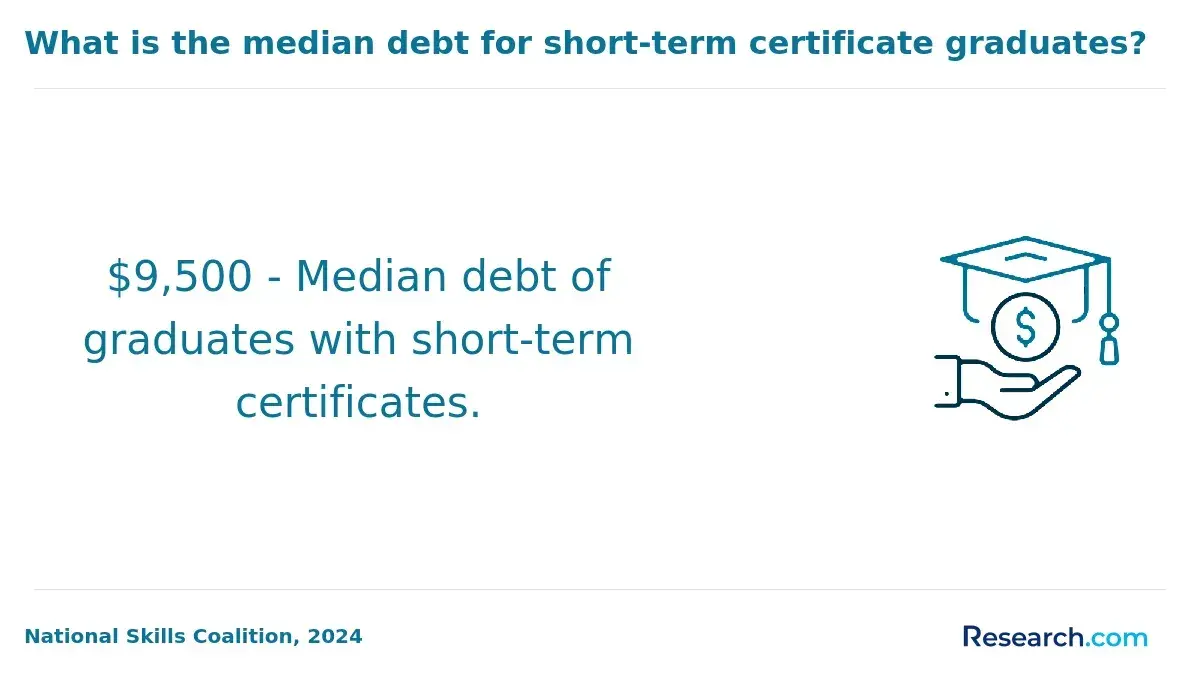
Employment outcomes in IT management remain relatively robust, though regional economic cycles and credential requirements influence stability and advancement. Graduates must continuously upgrade technical skills to meet evolving employer expectations, making ongoing professional development a critical factor in career trajectories. Debt burden also varies, with most IT management graduates carrying sizable student loans that require careful management alongside salary progression. Adult learners and military-affiliated students should particularly weigh the time-to-degree against potential salary increases, as delayed ROI can affect long-term financial health.
Assessing the return on investment for IT management degrees involves realistic analysis of salary trajectories and market conditions rather than assumptions of guaranteed success. Prospective students should consult data on information technology management degree salary and employment outcomes while exploring recognized industry pathways such as best certifications for jobs to supplement degree credentials effectively. The decision ultimately depends on individual circumstances, including cost sensitivity, career goals, and the ability to leverage credentials into meaningful advancement rather than a one-size-fits-all formula.
How Do Associate, Bachelor's, Master's, and Doctoral Information Technology Management Degrees Compare?
Choosing between associate, bachelor's, master's, and doctoral degrees in information technology management has significant implications for employment access, role eligibility, and career trajectory. For example, while associate degrees allow quicker entry into the workforce, they often confine graduates to technical or entry-level positions with limited leadership prospects.
Employers typically expect at least a bachelor's degree for mid-level management roles, reflecting labor market data showing over 90% employment rates for those with bachelor's credentials versus around 75% for associate holders within six months post-graduation, according to the National Center for Education Statistics 2024. The bachelor's degree's broader curriculum, covering project management and business fundamentals, better positions graduates for promotion and strategic responsibilities.
Master's degrees deepen specialization and align with senior leadership or decision-making roles, but the added time and financial investment require careful consideration, especially given the challenges of balancing work and study. Though student debt tends to be higher at this level, the potential for higher earnings and strategic influence often justifies the cost for those targeting executive or specialized technical roles.
Doctoral programs are far less common and generally tailored toward academic research, consultancy, or niche executive tracks; their value in the private sector depends heavily on combining advanced credentials with extensive experience. Credit transfer and stackable credentials further complicate planning, as many students start with associate degrees intending to build upward, making understanding institutional articulation agreements and employer certification expectations crucial for effective, long-term skill accumulation.
Which Industries and Employers Hire Information Technology Management Graduates by Degree Level?
Employment outcomes for information technology management graduates differ significantly by degree level, reflecting varying employer expectations and industry demands. Associate degree holders often find themselves in entry-level technical roles within sectors such as healthcare, retail, and manufacturing, where practical skills and certifications can outweigh formal education, particularly in systems administration or network support. For example, a graduate with an associate degree might secure a stable position maintaining IT infrastructure in a regional hospital but typically faces limited advancement without additional credentials or experience. Employers in these environments prioritize operational competence over strategic leadership abilities.
Bachelor's degree holders access a wider range of mid-level positions across government agencies, technology firms, and financial services, where managing projects and interfacing between technical teams and business units is critical. According to the National Center for Education Statistics, approximately 65% of IT management bachelor's graduates work in mid- to large-sized organizations that value foundational managerial skills and leadership potential. Those pursuing master's degrees commonly transition into senior management and strategic roles in consulting firms or multinational corporations, roles requiring sophisticated enterprise systems knowledge and cross-functional coordination.
Doctoral graduates are rare and primarily engage in academia, research institutions, or policy-making organizations, focusing on emerging challenges like AI governance and technology ethics. Certificates supply targeted competencies responsive to rapid technological shifts but rarely replace the credentialing necessary for sustained career progression. Understanding these distinctions is crucial for students weighing the tradeoffs of faster workforce entry against the broader advancement potential that higher degree levels afford.
What Skills, Credentials, and Experience Improve Information Technology Management Career Outcomes?
Career progression in information technology management hinges on combining technical expertise with credentials and meaningful work experiences tailored to the candidate's degree level. Entry-level roles typically demand foundational skills in systems administration, cybersecurity, and data management, where certifications like CompTIA Security+ and Cisco's CCNA serve as critical filters for employers seeking measurable proof of competence beyond academic achievements.
For example, candidates with internships or cooperative education experience gain applied knowledge that helps them transition more smoothly into demanding roles, addressing a key employer expectation for practical readiness. Prospective students and working professionals evaluating programs must consider how these technical skills and credentials influence not only job access but also initial earning potential and early retention in IT management positions, especially those balancing prior credits or military experience.
At the graduate degree level, the balance shifts toward integrating advanced technical skills with leadership, strategic planning, and communication abilities that align with mid- to senior-level responsibilities. Credentials such as Certified Information Systems Security Professional (CISSP) or Project Management Professional (PMP) often correlate with promotion requirements and reflect crucial employer priorities in larger organizations. Occupational surveys highlight that experiential elements like apprenticeships or military service can substantially improve career mobility by demonstrating adaptability and discipline.
For adult learners and transfer students, portfolio evidence showcasing successful project leadership becomes a strategic asset in mid-career transitions. Individuals weighing degree pathways must evaluate how credential stacking and continuous learning affect long-term advancement rather than focusing solely on initial employment. This assessment aligns closely with key skills and credentials for information technology management careers that employers prioritize.
The practical implications of these dynamics extend to workforce outcomes, with data showing that coupling formal education with industry-recognized certifications and experiential learning increases retention and promotion rates. Students should be discerning about educational offerings that integrate technical training, applied experience, and licensure preparation to meet employer screening criteria effectively.
This focus on integrated learning also underscores the importance of exploring related fields to complement IT management expertise, as seen in interdisciplinary paths like a graphic design degree online where technical skills and creativity intersect. Such interdisciplinary knowledge can enhance a candidate's portfolio and broaden potential career routes within technology-driven environments.
Which Information Technology Management Degree Level Is Best for Your Career Goals?
Entry into IT management roles typically requires at least a bachelor's degree, which balances accessibility with sufficient technical and business knowledge to meet employer expectations. Associate degrees or certificates may fast-track entry and reduce initial costs but often restrict eligibility for mid- to senior-level roles, limiting long-term mobility. For example, a working professional seeking to shift into cybersecurity leadership might find a master's degree essential, given its greater focus on specialization and project management skills emphasized by employers. The Bureau of Labor Statistics notes improved employment stability and growth prospects for those with bachelor's or graduate-level credentials, affirming the practical advantage of advancing beyond entry-level qualifications.
Graduate degrees also open pathways to C-suite roles such as chief information officer, although they require considerable additional investment in time and finances, with College Scorecard highlighting higher average debt burdens for these students. Adult learners and military-affiliated students should weigh transfer-credit acceptance and part-time options carefully, as extended time-to-completion can amplify opportunity costs.
Additionally, advancing beyond mid-level management often depends on combining degrees with certifications like PMP or CISSP, underscoring the employer preference for credentials that blend theory and applied expertise. Students who need tailored specialization may explore graduate programs offering field experience, or even consider a PhD in data science online to gain cutting-edge advantages relevant to emerging IT domains.
Choosing the best information technology management degree for advancement requires aligning educational goals with realistic workforce demands, program rigor, and financial implications. Transfer students or degree completers must assess whether additional education matches their desired advancement trajectory, keeping in mind that higher-level credentials generally correlate with expanded leadership opportunities and competitive pay. Career-focused learners should carefully balance credential level against time commitment and cost, emphasizing practical outcomes over general academic achievement to navigate the evolving IT management degree career outcomes effectively.
References
- Top five career opportunities for computer science and information technology graduates https://gbs.edu.mt/blog/top-five-career-opportunities-for-computer-science-and-information-technology-graduates/
- Information Technology Degree Career Outcomes: Jobs, Salaries & Growth https://hakia.com/degrees/information-technology/career-outcomes/
- Information Technology Degree Jobs: 5 In-Demand Careers to Consider https://www.umassglobal.edu/blog-news/information-technology-degree-jobs-5-demand-careers-consider
- The Future of IT Careers: the Skills and Certifications You Need | Joe The IT Guy https://www.joetheitguy.com/it-careers-future/
- IT Management: What can you do with an IT degree? https://www.mancosa.co.za/blog/information-technology-management-what-can-you-do-with-an-it-degree/
- Which Doctorate Degree Should I Pursue?: Ph.D. vs. D.M. https://www.coloradotech.edu/degrees/studies/business-and-management/articles/difference-between-doctorate-in-management-and-phd-in-management
- What Can You Actually Do With a Degree in Information Technology? https://www.ucumberlands.edu/blog/what-you-can-do-with-an-information-technology-degree
- Technology management salary - What you earn after studying | CBS https://www.cbs.de/en/blog/technology-management-salary
- Building Your Career in IT: Must-Have Skills for Future Employers | TrainSmart Australia https://tsa.edu.au/building-your-career-in-it-must-have-skills/
- Explore the Best IT Management Degree Programs https://www.cyberdegrees.org/listings/it-management/best-programs/
Other Things You Should Know About Information Technology Management
Graduate-level programs often offer more flexible scheduling options, such as evening, weekend, or online classes, which better accommodate working professionals balancing job demands. In contrast, associate and bachelor's degrees frequently require more traditional, full-time attendance that may limit working students' ability to maintain employment concurrently. For those needing to remain employed while studying, prioritizing programs explicitly designed for flexibility can reduce career disruption and foster smoother integration of new skills into current roles.
Employers typically expect bachelor's degree candidates to have foundational industry experience, whereas master's programs often assume or require substantial professional background before enrollment, affecting hiring criteria. This means students pursuing a master's might gain greater recognition for leadership readiness but could face a steeper workload demanding high-level projects with realistic workplace scenarios. Prospective students without solid work experience might find bachelor's degree programs offer a more balanced entry path aligned with employer expectations.
Master's and doctoral programs tend to demand in-depth research, strategic thinking, and advanced project execution, which mirror senior-level job responsibilities and can accelerate promotion trajectories. However, they also require significant time and cognitive investment, which may delay immediate workforce entry. For those prioritizing faster employment over deep specialization, a bachelor's degree could be more practical, while individuals aiming for leadership roles should weigh the long-term benefits of accepting higher academic demands now.
Higher-degree programs generally emphasize strategic management, innovation, and systems integration, better matching mid-to-senior-level roles where adaptability and foresight are critical. Lower-degree programs often concentrate on technical basics and operational skills, which suit entry-level positions but might require continuous upskilling later. Students should assess how well the curriculum aligns with their career timeline and whether advancing to a higher degree might be necessary to remain competitive as industry expectations evolve.