2027 Information Technology Management Salary Trends Report: Are Wages Keeping Up With Tuition and Inflation?

Co-Founder and Chief Data Scientist
Imagine a prospective information technology management student weighing the decision to enroll amid soaring tuition prices and persistent inflation. This individual seeks to understand if the financial returns from earning an information technology management degree will offset these growing costs.
Comparing graduate salaries against tuition and inflation rates becomes critical in assessing whether the degree remains a sound investment. Without this context, salary figures alone can be misleading. Salary growth, education expenses, and inflation often move at different speeds, complicating straightforward evaluations of value.
A clear view of long-term earning potential is necessary to gauge true affordability and return on investment. This article examines recent salary trends, tuition increases, and inflation impacts to provide a nuanced perspective on the financial worth of an information technology management degree over time.
Key Things to Know About Information Technology Management Salary Trends
- Median starting salaries for information technology management graduates increased 4.5% in 2024 but remain below inflation-adjusted tuition growth, signaling a growing gap between educational costs and early-career earnings.
- Specializing in cybersecurity or data analytics within information technology management can raise mid-career salaries by up to 20%, making targeted skills crucial for offsetting rising program expenses.
- Long-term wage growth correlates strongly with leadership roles and continuous certification, emphasizing that degree value depends on post-graduate professional development and strategic career moves.
- Key Things to Know About Information Technology Management Salary Trends Key Things to Know
- What Is the Current Salary Outlook for Information Technology Management Graduates? Salary Outlook
- Are Information Technology Management Salaries Keeping Up With Inflation? Inflation Impact
- How Do Tuition Costs Compare With Information Technology Management Salary Growth? Tuition vs Salary
- Does a Information Technology Management Degree Deliver a Positive Return on Investment? Degree ROI
- Which Industries Offer the Highest Salaries for Information Technology Management Graduates? Highest-Paying Industries
- Which States and Cities Offer the Highest Pay for Information Technology Management Professionals? Highest-Paying Locations
- How Do Information Technology Management Salaries Grow Throughout a Career? Career Growth
- How Do Information Technology Management Salaries Compare With Similar Degrees? Salary Comparison
- How Is Employer Demand Affecting Information Technology Management Salary Trends? Employer Demand
- How Can Students Maximize Their Lifetime Earnings With a Information Technology Management Degree? Maximizing Earnings
What Is the Current Salary Outlook for Information Technology Management Graduates?
The current salary outlook for information technology management graduates reflects steady but cautious growth influenced by various economic factors. According to the U.S. Bureau of Labor Statistics 2024 data, median wages for computer and information systems managers hover around $160,000 annually, signaling solid demand at more advanced career stages.
However, starting salaries for recent graduates typically range from $75,000 to $85,000, with regional variation creating distinct differences for graduates entering tech hubs versus less competitive markets. This disparity is a crucial consideration for new entrants as initial compensation often depends on location, specific industry, and the role they secure immediately after graduation-demonstrating how two graduates with the same degree may experience divergent salary outcomes based on their chosen career paths and geographic placement.
A realistic scenario would involve one graduate accepting a position in Silicon Valley, where high living costs are offset by premium wages and expansive growth opportunities. Alternatively, another graduate choosing a smaller market might earn less upfront but benefit from lower living expenses and potentially broader roles that allow quicker skill diversification.
This illustrates the importance of weighing both salary and cost of living when evaluating the financial value of an information technology management degree early on. Long-term earning potential also hinges on ongoing professional development, such as certifications and specialized skills, which often lead to accelerated wage growth and promotion possibilities amid projected rising demand for IT management expertise.
Prospective students should interpret current wage growth for IT management professionals as one part of a broader career strategy rather than a static figure. Inflation and rising tuition costs complicate the short-term financial calculus, making it essential to consider projected job demand and advancement prospects. Those who plan carefully and invest in continuous learning tend to realize more favorable salary trajectories over time.
For example, informed students exploring credential options like BCBA programs online or other certifications may enhance their competitiveness in an evolving job market, ultimately strengthening the financial return on their degree investment.
Are Information Technology Management Salaries Keeping Up With Inflation?
Nominal wage increases for information technology management professionals often give the impression of steady financial progress, but these gains must be weighed against inflation to understand their real impact. Recent U.S. Bureau of Labor Statistics data show that median annual wages for computer and information systems managers grew by about 4.7% in 2023, while inflation rose by 5.0%.
This slight lag means that despite higher paycheck numbers, the actual purchasing power of these salaries is effectively shrinking, constraining the ability of graduates to maintain or improve their living standards over time. This dynamic underscores the importance of evaluating information technology management salary growth vs inflation rather than relying on nominal figures alone.
Consider a recent graduate who secured an entry-level management role with a 5% salary increase from the previous year. While that raise matches inflation superficially, rising costs in essential areas, especially tuition and housing, may outpace this growth. Tuition inflation alone, frequently around 6% annually at many four-year institutions offering information technology management degrees, adds pressure by increasing debt burdens for students and career changers.
For those trying to balance loan repayments with daily expenses, the reality is that wages not keeping pace with tuition increases can diminish the long-term financial returns of their education. Prospective students might explore alternatives such as psychology degree online cheap to compare cost efficiencies in higher education investment decisions.
Ultimately, whether information technology management salaries keep pace with inflation depends on multiple factors, including geographic location, industry sector, and individual specialization within IT management. Those who strategically develop niche expertise or pursue roles in high-demand markets may experience better compensation growth than the general average.
Yet for many, the interplay of slow real wage growth, escalating tuition fees, and rising living costs presents a complex financial tradeoff that requires careful planning beyond initial salary offers.
How Do Tuition Costs Compare With Information Technology Management Salary Growth?
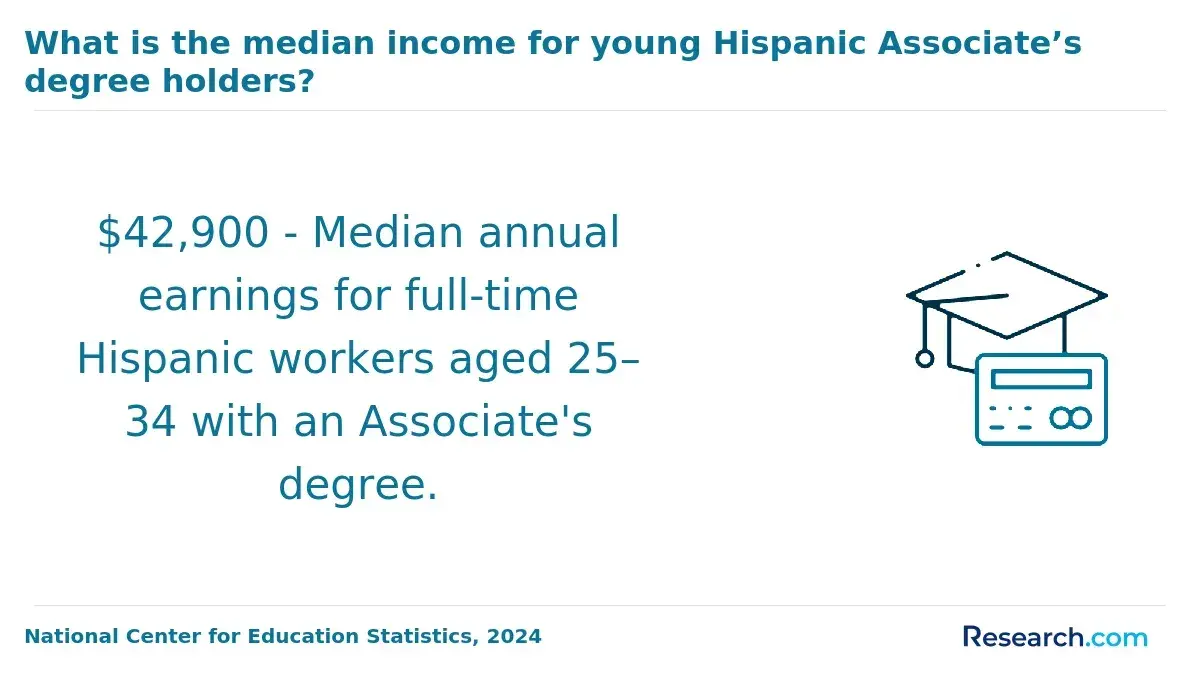
Evaluating tuition costs alongside information technology management salary growth offers a clearer picture of the degree's financial outcome than considering either element alone. Tuition for a public four-year degree averages about $10,500 annually in 2024, while private institutions exceed $38,000, according to the National Center for Education Statistics.
Early-career salaries in this field generally start between $70,000 and $80,000, growing to roughly $110,000 to $130,000 by mid-career based on data from the Bureau of Labor Statistics and PayScale.
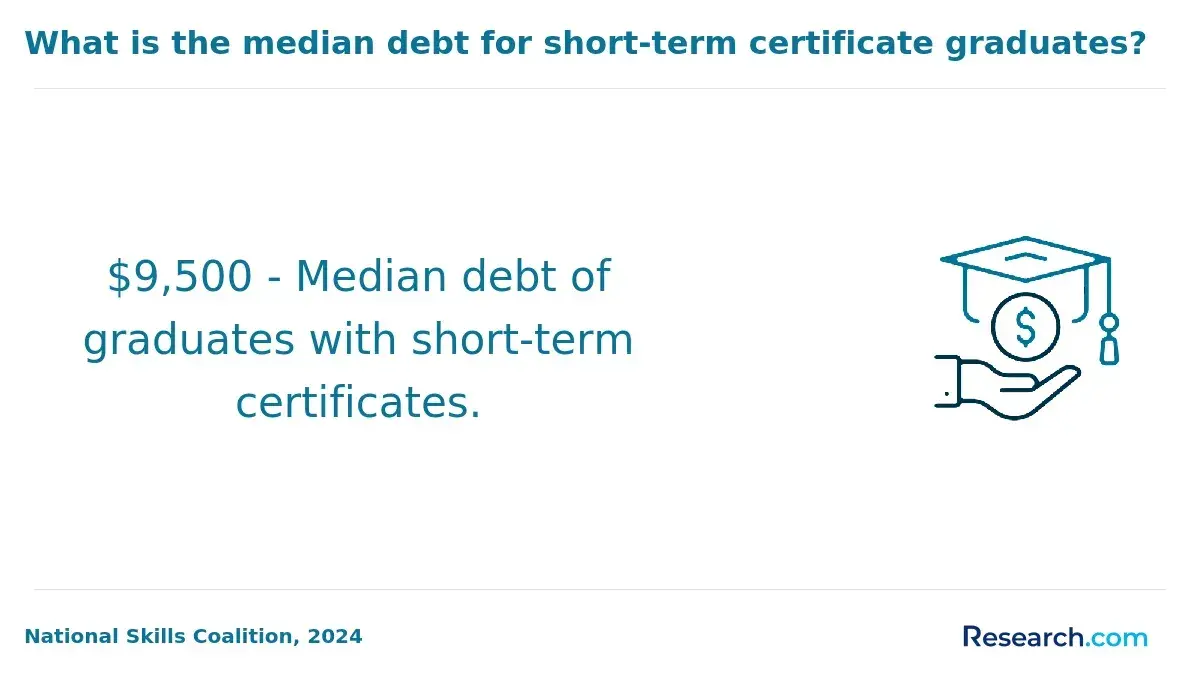
However, tuition costs have risen faster than inflation, and student debt averaging over $30,000 intensifies the financial burden, reducing net income, especially during the crucial early earning years. This disparity means graduates must weigh not only gross salary figures but also debt servicing and cost-of-living increases when judging the true return on investment.
For example, consider two students pursuing an information technology management degree. One attends a public university with relatively moderate tuition expenses, financing most of their education through scholarships and part-time work, while the other enrolls in a private institution with substantially higher costs, relying heavily on loans. Although both may see similar salary growth trajectories after graduation, the latter's nett gains could be substantially diminished by loan repayments, stretching their financial recovery period well beyond initial expectations.
Factors influencing this balance include the choice of institution, financing methods, regional living costs, and the timing of career advancement. Understanding these variables is critical before committing to this educational path, as the interplay between tuition inflation and salary progression shapes long-term financial security.
A graduate who recently completed an information technology management program recalled grappling with these decisions firsthand. Initially optimistic about the salary prospects, they hesitated when confronted with the reality of escalating tuition and mounting loan debt.
Ultimately, choosing a public university and working part-time during studies eased their financial strain, allowing them to start repaying loans earlier and with less stress. Reflecting later, they acknowledged that without careful planning around tuition costs and realistic salary expectations, the presumed benefits of the degree might not have justified the personal financial sacrifice during those pivotal first years.
Does a Information Technology Management Degree Deliver a Positive Return on Investment?
Return on investment in higher education goes beyond initial salary figures, requiring a careful evaluation of educational expenses against long-term earnings, career stability, and professional development. For instance, consider a graduate who incurs $50,000 in tuition debt while earning an average starting salary above the national bachelor's degree median, as reported by the National Center for Education Statistics for 2024.
Over time, with experience and certifications, this individual's earnings can grow substantially, often surpassing inflation and offsetting upfront costs. However, the balance depends heavily on factors like the institution's tuition rates, regional job markets, and one's ability to advance within technology management roles.
Several elements influence whether an information technology management degree delivers a positive return. Tuition inflation has outpaced general inflation in recent years, making initial costs a significant consideration. Nonetheless, data from the Georgetown University Center on Education and the Workforce indicate that median lifetime earnings for graduates in this field tend to exceed the total cost of education when factoring in debt repayment and living expenses.
Furthermore, roles in technology management show resilience during economic downturns, supporting steady wage increases and enhanced job security as highlighted by the Economic Policy Institute. These findings suggest that, while not guaranteed, the degree often leads to a net financial benefit, particularly for individuals who leverage career opportunities and certifications to navigate evolving industry demands.
Which Industries Offer the Highest Salaries for Information Technology Management Graduates?
When evaluating information technology management salary by industry in the United States, it becomes clear that not all sectors provide equal financial returns. Graduates should recognize that industries heavily dependent on digital infrastructure, regulatory compliance, and data security tend to compensate IT management professionals more competitively.
While a degree in information technology management opens many doors, focusing career efforts on high-paying industries can significantly influence long-term earnings and job stability.
The following list identifies key industries with strong salary potential for information technology management graduates.
- Technology Sector: This includes software development, cloud computing, and cybersecurity firms that prioritize digital transformation and data protection. Roles such as IT project managers and security directors are common, requiring advanced technical knowledge and leadership skills that justify elevated pay.
- Financial Services: Banks, investment firms, and insurance companies demand robust IT systems to manage complex transactions and regulatory adherence. Positions like IT compliance managers and infrastructure leads command higher salaries due to the specialized expertise needed to safeguard sensitive financial data.
- Healthcare Industry: Hospitals, pharmaceutical companies, and telemedicine providers rely heavily on electronic health records and patient data systems. IT managers here often specialize in health information management and regulatory compliance, leading to salary premiums influenced by the critical nature of healthcare data privacy.
- Consulting Firms: Firms focused on IT strategy and digital innovation hire information technology management graduates for advisory roles. Compensation tends to be higher as consultants guide diverse organizations through technology upgrades and risk assessments, requiring adaptability and broad technical knowledge.
- Government and Defense: Agencies and contractors in this sector seek IT leaders capable of managing secure communications and infrastructure. Specialized clearances and expertise in cybersecurity increase the earning potential for candidates in these roles.
- Energy and Utilities: Companies in this field integrate IT to manage smart grids and operational technology. IT management professionals with experience in industrial systems and cybersecurity governance often receive competitive salaries due to the sector's critical infrastructure status.
It's important to assess these opportunities in context. For example, an IT manager at a financial services company overseeing compliance systems may earn significantly more than a counterpart in a smaller startup, reflecting the scale and complexity of the work.
For students comparing educational investments, researching salary outcomes alongside programs that balance affordability and quality, such as those listed among the best AACSB online MBA programs, can offer crucial guidance in maximizing return on investment.
Which States and Cities Offer the Highest Pay for Information Technology Management Professionals?
Compensation for information technology management professionals varies markedly across the United States, shaped by regional industry concentrations, cost of living, and local economic dynamics.
While some coastal hubs report average annual salaries well above $160,000, the financial benefits there can be tempered by high tuition costs and living expenses. Emerging tech cities with moderate living costs may offer a more sustainable return on investment over time despite lower headline salaries.
Below are some key states and metropolitan areas where pay tends to be highest, along with critical factors to weigh beyond the numbers.
- California Silicon Valley: This tech powerhouse leads in pay due to the dense presence of top-tier technology firms and startups competing for talent. Salaries here often exceed national averages, but steep housing prices and education costs can erode net income gains. Students should consider whether the premium salary offsets the substantial cost of living and debt.
- Seattle, Washington: Home to major tech giants, Seattle offers high wages driven by strong demand in cloud computing, software, and IT leadership roles. However, rising local costs mirror those in Silicon Valley, requiring prospective graduates to balance salary offers against living expenses and long-term career growth potential.
- Boston, Massachusetts: This city's blend of healthcare, finance, and tech innovation supports competitive salaries above $150,000 annually for experienced IT managers. Tuition costs are notably high, though steady demand in diverse sectors provides resilience. Graduates should evaluate potential earnings alongside regional cost inflation.
- New York City, New York: NYC's financial services and media industries create lucrative IT management opportunities, often enhanced by bonuses and equity. The city's high cost of living substantially impacts disposable income, making strategic budgeting essential for recent graduates pursuing roles here.
- Austin, Texas: A growing tech hub with comparatively affordable housing, Austin offers lower salary ranges near $110,000 to $130,000 but compensates through a lower cost of living and expanding job market. This city exemplifies how balancing salary with expenses can yield better net financial outcomes.
- Columbus, Ohio: Emerging as a midwestern technology center, Columbus provides moderate salaries yet benefits from a cost structure that promotes higher real income after expenses. Prospective students focusing on long-term affordability and gradual career advancement may find this market advantageous.
How Do Information Technology Management Salaries Grow Throughout a Career?
Salary progression in information technology management commonly reflects not just tenure but strategic career choices and continued skills development. Entry-level positions, often secured with a bachelor's degree and foundational technical skills, typically offer median salaries between $70,000 and $90,000.
Within five years, salary increments of 10% to 25% are attainable for those who earn certifications or take on leadership responsibilities, according to 2024 data from the Computing Technology Industry Association. Mid-career professionals with 5 to 10 years of experience frequently see salaries rise to $100,000-$130,000 as they advance into roles like project or department managers, where accountability and strategic influence deepen, driving one of the most significant salary spikes in the field.
The most substantial earnings growth often occurs at senior levels, where individuals with 10 to 20 years of experience, especially IT directors and senior managers, can earn more than $150,000 annually. Those pursuing advanced credentials such as an MBA or specialized master's degrees in IT management often experience wage growth that outpaces peers, sometimes exceeding 5% annual increases.
Executive roles like CIOs or CTOs typically command compensation packages exceeding $200,000, combining base salary and performance-related bonuses, though recent inflation trends have complicated the real value of these gains. Thus, the strongest factors influencing long-term salary growth include continuous education, leadership development, and specialization aligned with industry demand.
Consider two graduates with the same information technology management degree. One quickly pursues certifications and steps into managerial roles within five years, steadily increasing their salary to the mid-six figures as they specialize in cybersecurity.
Meanwhile, the other remains in technical roles without seeking additional qualifications, experiencing slower salary growth that plateaus well below senior managerial pay levels. This scenario illustrates how proactive professional development and role selection critically shape earnings trajectories, underscoring that degree attainment alone does not guarantee top-tier compensation in this field.
How Do Information Technology Management Salaries Compare With Similar Degrees?
Salary comparison data from trusted sources like the U.S. Bureau of Labor Statistics and the National Association of Colleges and Employers reveal that graduates with an information technology management degree tend to secure higher starting salaries compared to those in closely related fields.
This difference reflects a market premium placed on professionals who combine technical IT knowledge with organizational management skills. For students weighing the value of this degree, understanding these distinctions can clarify the long, term earning potential and influence decisions, especially in a climate of rising tuition and inflation.
Below are key comparisons illustrating how information technology management salaries stack up against related disciplines.
- Computer Science: Typically, computer science graduates begin with median salaries around $70,000, primarily focused on software development and technical roles. The narrower technical scope and high competition can limit initial earning potential compared to information technology management, where hybrid roles command premium salaries.
- Information Systems: Entry-level information systems professionals earn close to $72,000 on average, working at the intersection of IT infrastructure and business processes. While similar in bridging tech and business, information technology management degrees tend to emphasize leadership roles, often resulting in higher compensation.
- Business Administration: Graduates with business administration degrees usually see starting salaries between $65,000 and $75,000, reflecting broader management training with less specialized IT capability. This generalist approach often translates to lower starting pay, though it can suit those targeting non-technical leadership tracks.
For example, a recent graduate who combines IT and strategic management may more readily qualify for roles like IT project manager, which can exceed $120,000 mid-career, outpacing purely technical or business-focused counterparts. Prospective students should also explore degrees for felons if background barriers exist, as available options and outcomes vary.
Ultimately, understanding these nuanced salary differences helps clarify whether the investment in an information technology management degree aligns with individual career goals and financial expectations.
How Is Employer Demand Affecting Information Technology Management Salary Trends?
Employer demand directly shapes salary trends for information technology management professionals by intensifying competition among organizations looking to attract qualified candidates. For example, a healthcare company expanding its digital infrastructure may face pressure to offer higher pay to secure experienced IT management leaders capable of navigating complex cybersecurity challenges.
This dynamic leads to stronger bargaining positions for candidates with targeted skills, especially in specialized sectors such as finance and technology, where digital transformation demands remain high. However, wage growth also depends on factors like experience, specialization, and broader economic conditions, which means not all segments of the job market benefit equally from increased demand.
Data from the U.S. Bureau of Labor Statistics' 2024 Occupational Outlook reveals that demand for IT management roles is growing faster than average, driving a 4% increase in starting salaries for information technology management degree holders according to the National Association of Colleges and Employers.
Yet, these salary gains have only partially offset the rising tuition and inflation costs, complicating the real return on investment for prospective students. Individuals considering an information technology management degree should also factor in how evolving employer demand in their chosen industry or geographic region might affect long-term earnings.
Understanding the nuances of employer demand impact on IT management salaries requires attention to changing organizational priorities, such as the push for cloud computing and cybersecurity expertise. Those willing to engage in continual learning and secure niche skills can often command premium compensation, which underscores why education pathways like a bachelor's degree in project management may complement IT management capabilities.
While strong demand can accelerate wage growth, prospective and current students must weigh these opportunities against the uneven salary trends and economic challenges that characterize today's job market.
How Can Students Maximize Their Lifetime Earnings With a Information Technology Management Degree?
Maximizing lifetime earnings with an information technology management degree requires strategic decisions beyond obtaining the credential. Graduates who blend technical expertise with management skills often accelerate their career trajectories, particularly when combined with practical experience and recognized certifications.
For example, a graduate specializing in cybersecurity who secures internships in the healthcare sector, known for rapid salary growth, can significantly out-earn peers who take a more generalist path. Data from the U.S. Bureau of Labor Statistics and the National Association of Colleges and Employers in 2024 confirm that targeted specialization, credentials, and geographic mobility strongly correlate with higher compensation.
Key strategies include:
- Targeted Specialization: Focus on high-demand fields such as cybersecurity, cloud computing, or data analytics to enter competitive salary brackets and leadership tracks more quickly.
- Early Practical Experience: Secure internships or cooperative education roles in growth industries, enabling higher starting salaries and faster wage escalation.
- Professional Certifications: Obtain credentials like PMP, CISSP, or ITIL alongside your degree to command premium salaries and validate expertise.
- Geographic Mobility: Relocate to tech hubs where demand and pay scales are robust, enhancing income potential throughout your career.
- Continuous Learning: Engage with industry communities and pursue ongoing training to remain competitive amid evolving technologies and management practices.
- Advanced Education: Consider MBA or specialized master's programs to leverage executive-level opportunities and strategic roles.
References
- IT Career Path Guide [Roles, Progression, Skills, Salaries, & More] - Cultivated Culture https://cultivatedculture.com/it-career-path-guide/
- June 2026 Jobs Report https://www.dice.com/hiring/recruitment/reports/dice-tech-job-report
- Tech Wage Inflation: What Staffing Firms Should Know https://qxglobalgroup.com/recruitment-news/tech-wage-inflation-strains-corporate-finances-what-staffing-companies-should-know/
- Information Technology Salary Guide 2026 | Ashdown Group https://www.ashdowngroup.com/salary-guide/informationtechnology
- IT Salary Trends CIOs Need to Know in 2026 - Auxis https://www.auxis.com/it-salary-trends/
- Information Technology Degree ROI: Is It Worth the Investment? https://hakia.com/degrees/information-technology/salary-roi/
- The ROI Of IT + Software – Cloud Ratings https://cloudratings.com/roi-of-it-software/
- Careers in IT: Lucrative Fields for Recent Grads https://www.onlinemastersdegrees.org/careers/information-technology-it/
Other Things You Should Know About Information Technology Management Salary Trends
Students need to recognize that higher salaries in information technology management often correlate with more intensive programs that demand strong technical and leadership skills. It's crucial to assess whether the program's curriculum realistically prepares graduates for these expectations, including workload and soft skills development, rather than focusing solely on potential earnings. Programs that balance practical experience with theory tend to yield better long-term career resilience, even if initial salaries appear modest relative to tuition.
Mid-career plateaus can significantly affect lifetime earnings, particularly when inflation persists and tuition debt remains. Professionals facing stagnant wages must consider continuous upskilling or strategic lateral moves, such as transitioning into emerging tech roles or specializing in high-demand niches. Prioritizing ongoing education and certifications often pays off more than relying on static roles, since salary growth in information technology management is increasingly tied to adaptability and evolving expertise.
Graduates should weigh total compensation-including benefits like remote flexibility, health insurance, and professional development opportunities-over base salary alone. Accepting a lower salary at a company with strong career growth paths or work-life balance may lead to better job satisfaction and upward mobility. Prioritizing roles aligned with personal career goals rather than immediate pay can also facilitate skill acquisition that drives longer-term wage increases.
With rising tuition, the decision to pursue advanced degrees must factor in not just potential salary increases but also the opportunity costs of time and debt. In many cases, targeted certifications or shorter professional courses may offer better returns than expensive master's programs unless the degree is specifically required for senior roles. Candidates should critically evaluate whether the program's network, mentorship, and experiential learning components justify higher costs amid unclear salary premiums.