2027 Hospitality Management Career Outcomes by Degree Level Report: Pay, Employment, and Advancement Patterns

Co-Founder and Chief Data Scientist
Determining the tangible career benefits of pursuing a hospitality management degree versus certifications or work experience remains a critical challenge for adult learners and transfer students. Recent 2024 data reveal that bachelor's degree holders in hospitality management experience significantly higher job placement rates within top-tier hotel chains compared to associate degree completers, highlighting disparities in career mobility.
This trend underscores the need to carefully weigh upfront time investment against long-term advancement potential amid a competitive job market. This article analyzes pay scales, employment dynamics, and promotion patterns by degree level to equip learners with precise insights for making informed educational and professional choices.
Key Things to Know About Hospitality Management Career Outcomes by Degree Level
- Associate degrees often lead to quicker entry-level job placement but limit upward mobility since 2024 data shows 60% of managerial roles require at least a bachelor's, underscoring credential thresholds employers enforce.
- Employers increasingly prefer bachelor's or master's holders for strategic hospitality roles, reflecting a workforce shift toward complex operational skills, demanding advanced credentials for meaningful advancement beyond frontline jobs.
- Certificate and doctoral credentials present timing and cost tradeoffs: while certificates accelerate specialization, doctoral programs delay workforce reentry, affecting early career earnings potential but enhancing niche consulting opportunities.
- What Career Outcomes Can Students Expect From Each Hospitality Management Degree Level? Career Outcomes by Degree
- How Much Do Hospitality Management Graduates Earn by Degree Level? Salary by Degree Level
- Which Hospitality Management Degree Level Offers the Strongest Employment Prospects? Best Degrees for Employment
- What Entry-Level Jobs Can You Get With a Hospitality Management Degree? Entry-Level Career Opportunities
- How Do Hospitality Management Degree Levels Affect Career Advancement and Promotion Opportunities? Career Growth by Degree
- Is a Hospitality Management Degree Worth It Based on Salary, Employment, and ROI? Salary, ROI, and Value
- How Do Associate, Bachelor's, Master's, and Doctoral Hospitality Management Degrees Compare? Comparing Degree Levels
- Which Industries and Employers Hire Hospitality Management Graduates by Degree Level? Which Industries and Employers Hire Hospitality Management Graduates by Degree Level?
- What Skills, Credentials, and Experience Improve Hospitality Management Career Outcomes? What Skills, Credentials, and Experience Improve Hospitality Management Career Outcomes?
- Which Hospitality Management Degree Level Is Best for Your Career Goals? Choosing the Right Degree
What Career Outcomes Can Students Expect From Each Hospitality Management Degree Level?
Career outcomes in hospitality management reflect a complex balance of credential level, practical experience, and employer expectations. Degree choice directly shapes access to roles and advancement trajectories.
Certificate holders often enter the workforce quickly in entry-level positions but face limited upward mobility compared to those holding associate or bachelor's degrees. An associate degree's emphasis on operational skills combined with some management coursework creates a stronger foundation for roles like event coordination, especially in regional markets valuing functional expertise.
The U.S. Bureau of Labor Statistics reports that employment stability tends to improve notably with associate degrees, demonstrating that credentials beyond certificates not only enhance job security but also serve as stepping stones for career progression, particularly for adult learners and transfer students employing credits from prior education or military training.
Bachelor's degrees are generally considered the standard for leadership readiness in hospitality management, as they integrate theory with internships and specialization areas such as marketing or finance, which uniquely position graduates for higher levels of responsibility and strategic roles.
Graduates with this credential often access leadership tracks unavailable to those with lower-level certificates or associate degrees, a distinction increasingly emphasized by large corporate employers seeking candidates with proven experiential learning and well-rounded competencies.
Graduate degrees then amplify advancement potential through targeted specialization and research capabilities, preparing professionals for executive-level or consulting roles while also catering to those interested in academic and policy positions.
While these advanced credentials demand greater time investment, they can significantly raise one's ceiling in the sector, making them a strategic option for working professionals aiming for senior management or for those engaging in online certificates as complementary credentials aligned with licensing or certification standards.
Employment and advancement patterns in hospitality management degrees underscore the importance of aligning educational paths with practical goals, recognizing how each step-from certificates to doctoral programs-affects not only immediate job prospects but long-term career mobility.
How Much Do Hospitality Management Graduates Earn by Degree Level?
Wage outcomes for hospitality management graduates vary widely based on degree level, reflecting the distinct roles and career paths available throughout the industry. For example, those with associate degrees or certificates often enter operational positions such as front desk agents or event support roles, typically earning between $38,000 and $45,000 annually according to the U.S. Bureau of Labor Statistics (2024).
In contrast, bachelor's degree holders generally qualify for supervisory or entry-level management positions that start near $58,000, benefiting from clearer advancement pathways and employer preference for more comprehensive business skills. This gap underscores the practical tradeoff many face: rapid workforce entry versus extended education that may yield higher initial earnings and promotion potential but requires longer time and financial investment.
Advancement beyond the bachelor's degree, particularly through master's level education like an MBA, often translates into leadership or specialized roles commanding salaries from $85,000 to over $100,000. However, such gains hinge not only on education but also on relevant work experience, geographic market demand, and licensure or certification requirements that vary regionally.
For working adults or military-affiliated students, leveraging transfer credits and balancing program length with ongoing job responsibilities can critically influence whether pursuing advanced credentials results in meaningful income gains or simply delays employment. The need to weigh completion time, tuition cost, and real employer expectations makes education decisions in hospitality management more nuanced than a simple pay scale comparison.
A graduate who completed an associate degree after leaving the workforce shared that initial earnings aligned closely with local entry-level job postings, but observed a bottleneck in advancement without further credentials. Considering a bachelor's degree, they hesitated due to the two-year additional coursework and cost, especially since many preferred employers emphasized experience alongside degrees.
Conversations with hiring managers revealed that practical internships and leadership experience would often offset educational gaps, prompting this individual to carefully plan education alongside gaining relevant operational roles rather than pursuing advanced degrees immediately. This pragmatic approach reflected the real-world tradeoffs inherent in balancing immediate income needs with longer-term career progression in hospitality management.
Which Hospitality Management Degree Level Offers the Strongest Employment Prospects?
Graduates with a bachelor's degree in hospitality management generally experience stronger employment opportunities than those holding associate degrees or certificates, primarily because many employers set the bachelor's credential as a minimum for management-track roles.
For instance, bachelor's graduates more often secure entry-level supervisory positions that serve as critical stepping stones for increased responsibility and pay, with median starting salaries about 20% higher than those of associate degree holders according to 2024 College Scorecard data.
Although shorter credentials like certificates offer faster workforce entry and lower costs, these pathways frequently confine graduates to operational roles with limited upward mobility, unless supplemented by extensive experience or further education.
Master's or doctoral degrees tend to open doors to niche or strategic roles requiring specialized expertise, but these positions are fewer and may not outweigh the broader access provided by a bachelor's degree, especially for those aiming at general hospitality management careers.
Regional labor market variations also influence which credentials deliver the best employment fit, with some smaller markets valuing associate-level qualifications sufficiently for certain roles. Applicants need to weigh the tradeoff between entering the workforce more quickly with lower-level credentials and investing additional time and resources in bachelor's or graduate programs, which typically enhance long-term career flexibility and stability but narrow early job availability.
What Entry-Level Jobs Can You Get With a Hospitality Management Degree?
Entry-level roles accessible with a hospitality management degree vary significantly depending on the credential attained, with implications for both immediate job functions and longer-term career mobility. Associate degree holders typically enter supervisory or support positions within hotels, resorts, or food services where responsibility centers on operational tasks and team coordination, offering practical skill-building suited to labor markets with moderate advancement paths.
Conversely, bachelor's degree graduates tend to qualify for management trainee programs or roles demanding strategic thinking, budgeting, and human resource interactions, which not only require stronger analytical skills but also offer broader exposure to leadership functions early in the career.
A critical nuance is that many job postings labeled "entry-level" still implicitly expect candidates to have prior internships or certifications like ServSafe, reflecting a workforce preference for demonstrated practical competence over theoretical knowledge alone.
Geographic and market conditions also shape the availability and nature of these early roles; dense metropolitan areas typically provide more varied and remote-capable positions, while smaller markets may prioritize immediate, hands-on experience due to workforce shortages. Those pursuing an associate degree should carefully consider whether their target employers align with limited advancement trajectories or if additional credentials might be necessary for upward mobility.
As a data point, workforce analytics from 2024 show that nearly 40% of entry-level hospitality jobs favor candidates with some internship or relevant work experience, underscoring the growing importance of bridging academic learning with applied skills.
Students weighing options should assess how different educational pathways, including associate versus bachelor's degrees, impact both immediate employability and prospects for progressing within the industry, especially if planning graduate study or long-term leadership roles. For individuals exploring related advanced credentials, options like the easiest MSW programs to get into may offer complementary career transitions outside traditional hospitality tracks.
How Do Hospitality Management Degree Levels Affect Career Advancement and Promotion Opportunities?
Advancement into supervisory or managerial roles in hospitality management heavily depends on degree level. According to recent data from the National Center for Education Statistics, over 65% of management job postings require at least a bachelor's degree.
This reflects employer expectations for advanced strategic, financial, and human resources competencies that associate degrees or certificates typically do not cover. While associate-level credentials often qualify graduates for entry-level operational roles, those holding bachelor's degrees tend to gain promotions more rapidly, usually within two to three years post-graduation.
This differentiation influences career mobility and readiness for complex leadership challenges, emphasizing tradeoffs between immediate workforce entry and long-term advancement potential.
For working adults and transfer students balancing experience with education, accelerated bachelor's programs or credit transfer pathways can be crucial in reducing time away from employment while enhancing promotional prospects. Employers increasingly screen for both education and relevant work experience, so students must weigh the benefit of higher credentials against the opportunity cost and real-world demands of their current roles.
In some sectors of hospitality, specialized credentials may add value but rarely supplant the bachelor's degree as a baseline for mid- to upper-level management eligibility. Thus, pursuing advanced degrees or certificates should align with specific career goals, employer norms, and the individual's capacity for sustained academic and professional commitment.
One graduate recalled hesitating between completing an associate degree quickly or investing in a bachelor's program while working full-time. Initial offers favored operational roles, but realizing that key promotions required stronger credentials, they opted for an online bachelor's degree. This choice was driven by internal company policies that prioritized credential level for supervisory eligibility, coupled with a cautious optimism about balancing study demands with job responsibilities.
Although the pathway delayed immediate advancement, it ultimately provided a clearer trajectory to leadership within their hospitality firm, validating the strategic role of degree level in promotion opportunities.
Is a Hospitality Management Degree Worth It Based on Salary, Employment, and ROI?
The financial and employment benefits of a hospitality management degree differ significantly by degree level, raising critical considerations for prospective students balancing cost, completion time, and career goals.
While bachelor's degree holders generally enjoy higher salary potential and better access to supervisory roles compared to those with associate degrees, these gains come with increased tuition costs and longer program durations. For working adults or military-affiliated students, the additional time and financial commitment may reduce immediate earning capacity and necessitate part-time study, complicating the ROI calculation.
Employment stability also varies: degree holders tend to have an advantage in securing managerial positions, but seasonal fluctuations and economic cycles in the hospitality industry can limit job security, particularly for entry-level roles often filled by non-degree candidates.
When evaluating hospitality management career outcomes by degree level, salary comparisons remain a central but complex factor. The data show that a bachelor's degree can lead to 15-25% higher pay than an associate degree, reflecting employer preferences for credentialed staff in leadership tracks.
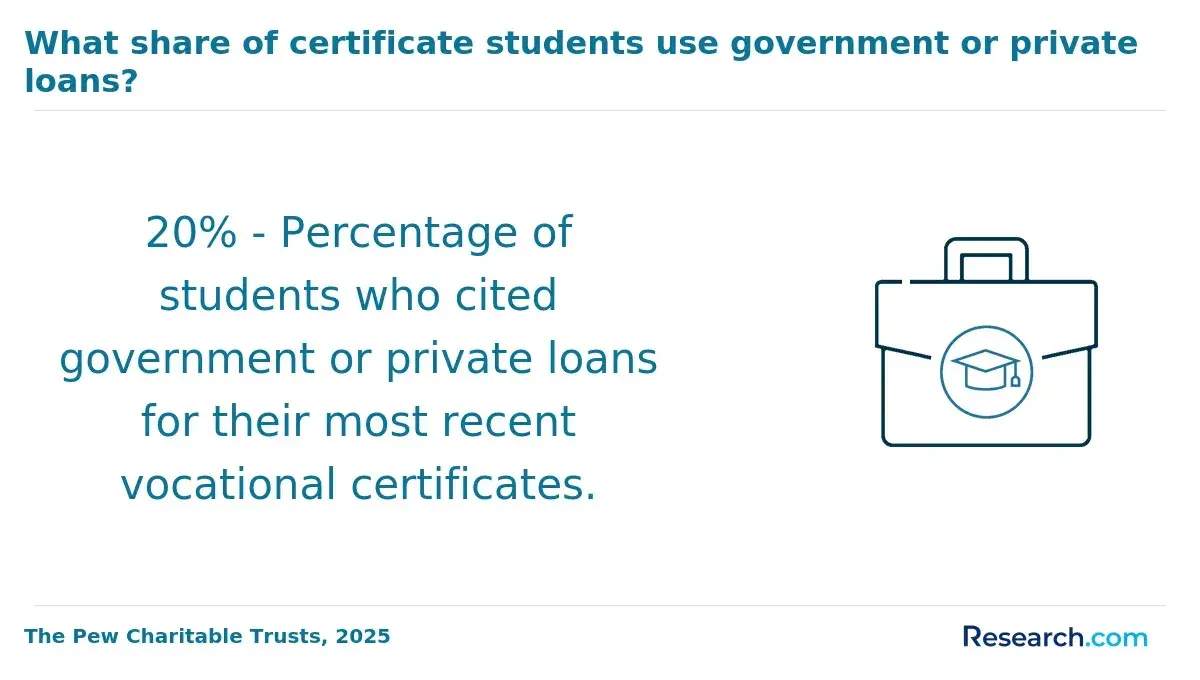
However, the median loan repayment rate highlights the challenges many graduates face in managing student debt, especially in markets where demand and wages fluctuate geographically.
Those weighing additional education should also consider alternate pathways or credentials that may complement their degree to enhance employability. For students and professionals exploring options, comparing hospitality management employment and ROI analysis alongside other graduate education opportunities like online MBA programs under 30k may provide further context for optimizing investment and career trajectory.
How Do Associate, Bachelor's, Master's, and Doctoral Hospitality Management Degrees Compare?
Choosing between associate and bachelor's degrees in hospitality management significantly affects immediate job placement and career flexibility. Associate degree holders often enter operational roles such as front-desk or food service supervision, where jobs are readily available but advancement and specialization remain limited.
Bachelor's graduates benefit from stronger positioning for mid-level managerial roles, including event coordination and revenue management, supported by empirical data from IPEDS showing a 10%-15% higher sector employment rate compared to associate holders. This degree level also allows for smoother credit transfers and stacking of credentials, reducing the risk of extended time to completion, which can be critical for working adults balancing education and employment.
Master's degrees primarily target aspirants of executive and strategic roles, demanding a greater commitment in time and finances, yet unlocking access to leadership opportunities and specialized certifications like Certified Hospitality Administrator. Employers increasingly expect master's graduates to drive innovation and oversee complex planning functions, but students must weigh the cost-benefit given the associated debt and longer study periods.
Doctoral programs, though valuable for those pursuing research, academic careers, or high-level consultancy, present a narrower job market and longer completion times, often limiting direct industry engagement. For many, stopping at a bachelor's or master's level offers a more practical balance of employability and growth potential, unless their goals specifically require deep academic or research expertise within hospitality management.
Which Industries and Employers Hire Hospitality Management Graduates by Degree Level?
Employers across the hospitality sector markedly differentiate hiring preferences by degree level, balancing practical experience against the strategic demands of leadership and specialized roles. Associate degree holders typically fill frontline positions such as entry-level supervisors, hosts, or front desk agents, especially within food service outlets, hotels, and event operations where hands-on skills and rapid workforce integration are prioritized.
In contrast, bachelor's degree graduates benefit from broader sector access-extending to resorts, cruise lines, and corporate event planning-with employers expecting management aptitude and operational oversight, roles that statistically yield higher initial salaries and faster progression, according to the National Center for Education Statistics.
Master's graduates often enter regional management, consulting, or organizational development, primarily within large hotel chains and luxury brands, where advanced analytical capabilities and policy involvement are essential. These positions open pathways into corporate headquarters and executive roles, reflecting findings from the 2024 CareerBuilder report that associate advanced credentials with access to promotion pipelines.
Doctoral credentials, while rare in direct hospitality employment, are pivotal for academic, research, or high-level consultancy functions influencing industry innovation and policy. Certificate holders usually target technical or support roles, favoring immediate employment over long-term advancement, a choice shaped by employer screening patterns that generally require bachelor's degrees for supervisory and franchise positions.
This differentiation underscores a fundamental trade-off: lower-level credentials expedite labor market entry but constrain advancement scope, whereas higher degrees demand greater time and financial investments but broaden leadership opportunities, especially in regulated, public sector, or corporate environments.
Regional labor markets further mediate these outcomes, with public tourism agencies and educational institutions showing stronger credential preferences for managerial roles. Licensing remains minimal overall but can become a key hiring factor in franchise operations and corporate settings where oversight responsibilities intensify.
What Skills, Credentials, and Experience Improve Hospitality Management Career Outcomes?
Career outcomes in hospitality management hinge not simply on education level but on the targeted development of role-relevant technical skills and applied experience that align with employer needs. For example, entry-level positions demand foundational customer service and communication abilities often gained through associate degrees or certificate programs emphasizing practical learning; these form the baseline for accessing frontline operational roles.
Advancement beyond these positions, however, typically requires bachelor's degrees that integrate competencies like financial management, data analytics, and strategic marketing, positioning graduates for mid-level management responsibilities. Employers value candidates who supplement formal education with industry-recognized certifications such as Certified Hospitality Supervisor (CHS), which concretely demonstrate expertise and improve promotion readiness.
The employment value of internships, apprenticeships, or military service cannot be overstated, as documented practical experience significantly boosts hireability and career mobility. Graduates presenting documented field placements show a measurable 15% higher employment rate within six months, reflecting employers' preference for candidates with proven problem-solving and leadership in real-world hospitality settings.
For working adults, military-affiliated students, or transfer learners balancing prior credits with new credentials, this highlights the importance of portfolio evidence and leadership exposure in navigating cross-sector transitions. In specialized areas like food safety or event planning, licensure combined with stacking of certifications enhances job security and elevates a candidate above peers lacking these credentials.
Prospective students weighing programs should consider short, targeted credentials alongside broader degrees, such as exploring short certificate programs that pay well online, to efficiently build credentials that fit specific advancement goals within hospitality management certifications for career advancement.
Which Hospitality Management Degree Level Is Best for Your Career Goals?
Associate degrees in hospitality management offer a cost-effective and faster route into entry-level roles such as front desk supervision or event coordination, appealing particularly to working adults or military-affiliated students prioritizing workforce reentry over immediate advancement.
However, data from the National Center for Education Statistics in 2024 shows employment rates for bachelor's degree holders are about 15% higher, reflecting greater access to mid-level supervisory and managerial positions. This distinction is crucial when comparing employment and pay by hospitality management degree level, as bachelor's programs also provide valuable specialization options and embedded internships that enhance practical readiness and long-term employability.
Bachelor's degrees demand more time and financial investment than associate programs but typically result in stronger credential recognition among employers, especially in upscale hospitality sectors where they often serve as minimum qualifications.
Graduate studies, including master's degrees, further improve strategic and leadership role eligibility. According to recent federal data, they offer roughly 25% stronger career mobility. However, these require significant additional commitment and greater opportunity costs.
Adult learners and transfer students must carefully weigh these tradeoffs against their career objectives, considering if further education might be necessary to reach leadership tiers or specialized positions.
For those balancing work and study, integrating financial aid and field experience remains essential to aligning education with realistic career goals. Prospective students investigating advanced academic pathways might also explore options like online EdD programs no dissertation to continue their development without protracted delays.
Ultimately, understanding which hospitality management degree level offers the best career advancement opportunities hinges on matching credential expectations with individual timelines and workforce demands in a competitive industry environment.
References
- Careers in Hospitality & Tourism Industry - Hotel Management Careers https://www.ehl.edu/en/careers-in-hospitality
- Is a Tourism and Hospitality Degree Worth It? - StudyinEurope.eu https://www.studyineurope.eu/tourism-hospitality/is-a-tourism-hospitality-degree-worth-it/
- Bachelor Degree in hotel management ¿Wha are the best? https://www.htlinternationalschool.com/2024/12/02/bachelor-degree-hotel-management/
- Hospitality Jobs Prospects with a Hospitality Management Degree https://hrc-international.com/blog/value-hospitality-management-degree-career-salary
- What Degree is Best for Hotel Management? https://aura-lyon.com/what-degree-is-best-for-hotel-management/
- What Makes Hospitality Different from Other Business Degrees? https://sbmedu.com.tr/blog/what-makes-hospitality-different-from-other-business-degrees
- Hospitality and event management https://gradireland.com/careers-advice/hospitality-and-event-management
- Top 15 Hospitality Skills Employers Expect From You https://www.shms.com/en/news/hospitality-skills/
- The Difference Between Bachelor’s and Master’s Degrees | PI Hospitality Academy https://pihospitalityacademy.com/blog/the-difference-between-bachelors-and-masters-degrees/
Other Things You Should Know About Hospitality Management
For professionals already employed in hospitality roles, pursuing a higher degree often requires balancing work, family, and study time. Bachelor's and master's programs typically demand significant evening or weekend study, which can reduce work hours or personal time. Since employer recognition varies, it's crucial to prioritize programs with flexible schedules or employer partnerships that facilitate practical learning and clear career advancement to make the time investment worthwhile.
Degree programs with a strong emphasis on applied learning, internships, and problem-solving scenarios better prepare graduates for the fast-paced, crisis-driven nature of hospitality leadership. Purely theory-focused curricula, even at higher degree levels, may leave graduates less equipped for the operational demands employers expect. Prioritizing programs that integrate real-world projects can improve adaptability and decision-making skills essential for frontline management.
Employers often view a master's degree as an indicator of strategic thinking and advanced management expertise, relevant for corporate or specialized roles. However, for many operational or mid-level management positions, a bachelor's degree combined with relevant experience is sufficient and sometimes preferred.
Applicants should weigh whether their target roles prioritize academic credentials or practical experience to choose the degree level that maximizes employment prospects without unnecessary credential inflation.
Doctoral degrees in hospitality management mainly align with academic, research, or high-level consulting careers rather than typical industry leadership roles. Candidates should consider the limited direct industry demand for doctorates when weighing the substantial time and financial investment. If the goal is applied leadership or operational advancement in hospitality businesses, higher professional certifications or targeted executive education may offer better returns than doctoral study.