2027 Crime Analysis ROI by Institution Type: Public vs Private vs Nonprofit Online Programs

Co-Founder and Chief Data Scientist
A prospective student comparing online crime analysis programs encounters three options with nearly identical curricula but stark differences in tuition and graduation outcomes. One public institution promises lower costs yet recent data from the 2024 National Student Clearinghouse reveal public online programs have a 15% lower six-year graduation rate than nonprofit counterparts, raising concerns about completion risk and extra expenses. Conversely, private programs frequently carry higher debt but may offer stronger institutional support and career services, influencing long-term employability.
These nuanced tradeoffs significantly impact net ROI and must guide selection beyond surface affordability. This article analyzes public, private, and nonprofit online crime analysis programs to clarify how their diverse outcomes shape practical returns on educational investment.
Key Things to Know About Crime Analysis ROI by Institution Type
- Public institutions typically offer lower tuition and federal aid access, reducing upfront costs but may exhibit longer average time-to-completion, impacting total debt exposure and delaying workforce entry.
- Private programs often carry higher tuition but stronger employer recognition in specialized crime analysis roles, enhancing career advancement potential despite increased borrowing risks.
- Nonprofit online programs balance affordability and flexibility, yet variable graduation rates and learner support services can affect long-term ROI, especially for working professionals seeking timely credential completion.
- Key Things to Know About Crime Analysis ROI by Institution Type Key Things to Know About Crime Analysis ROI by Institution Type
- What Does ROI Mean for a Crime Analysis Program and How Is It Measured? Understanding Crime Analysis Program ROI
- How Do Public, Private, and Nonprofit Online Crime Analysis Programs Differ in Overall Value? Value by Institution Type
- How Do Tuition Costs Affect the ROI of a Crime Analysis Program Across Institution Types? Tuition Costs and ROI
- How Do Graduation Rates Influence Crime Analysis Program ROI? Graduation Rates Impact ROI
- What Role Do Career Outcomes Play in the ROI of a Crime Analysis Degree? Career Outcomes and ROI
- How Does Student Debt Impact the Long-Term ROI of a Crime Analysis Program? Debt vs. Long-Term ROI
- How Do Flexibility and Adult Learner Support Affect Crime Analysis Program Value? Flexibility and Program Value
- How Do Accreditation and Institutional Reputation Influence Crime Analysis ROI? How Do Accreditation and Institutional Reputation Influence Crime Analysis ROI?
- How Does Time-to-Degree Affect the ROI of Public, Private, and Nonprofit Crime Analysis Programs? How Does Time-to-Degree Affect the ROI of Public, Private, and Nonprofit Crime Analysis Programs?
- How Can You Choose the Best Crime Analysis Program Based on Your ROI Goals? Choosing Programs by ROI
What Does ROI Mean for a Crime Analysis Program and How Is It Measured?
Return on investment for a crime analysis program involves balancing upfront educational expenses, student debt levels, and the likelihood of program completion within a reasonable timeframe. For example, public online programs often feature lower tuition and reduced average debt-around $28,000 according to a 2024 National Center for Education Statistics report-making them financially appealing, yet their curriculum may sometimes lack specialized training that private programs provide. Choosing a lower-cost option is not always advantageous if it results in extended time-to-degree or fewer practical experiences, as delayed entry into the workforce increases opportunity costs and can stymie career progression in a field where analytic skills and employer alignment are critical.
Decision-makers comparing ROI across public, private, and nonprofit online crime analysis programs must weigh institutional reputation, graduation rates, and program quality alongside direct costs. Programs that integrate internships or emphasize data analytics are more likely to craft graduates who meet employer expectations and achieve sustained professional growth, even if they carry a higher price tag. Individual goals also drive ROI calculations; working professionals may prioritize flexible scheduling and timely completion, impacting perceived value differently than traditional students. Financial return alone undervalues factors like job satisfaction and trajectory, making detailed evaluation essential for meaningful crime analysis program return on investment measurement.
Prospective students should view ROI through a multidimensional lens, recognizing that affordability, program outcomes, and learner support collectively influence long-term success. Those seeking a quick credential might explore streamlined options such as a 1 year DNP program online for comparison but must acknowledge the distinct demands of crime analysis education. Ultimately, effective ROI evaluation transcends sticker price, weighing debt burden and completion likelihood against career readiness and alignment with sector-specific requirements to guide informed enrollment choices.
How Do Public, Private, and Nonprofit Online Crime Analysis Programs Differ in Overall Value?
The value proposition of public, private, and nonprofit online crime analysis programs hinges on how tuition costs, program flexibility, and institutional support align with student priorities. Public programs typically offer substantially lower in-state tuition-often less than half the cost of private alternatives-reducing debt risk, a critical factor for working adults balancing education with financial obligations. However, private and nonprofit schools frequently invest more heavily in career services and personalized advising, elements that can enhance early employment outcomes, especially in specialized law enforcement sectors where networking and applied skills carry weight. According to the 2024 National Center for Education Statistics, these differences translate into notable variations in graduation rates, where nonprofits and private programs tend to show higher completion percentages, sometimes justifying their premium through accelerated credentialing and stronger post-graduate support.
Employer perspectives further complicate value assessments, as public institutions often hold regional credibility and serve broader populations, which may translate into flexible learning tailored to diverse life situations but less prestige. Conversely, nonprofits offering targeted crime analysis curricula may open niche gateways within government or law enforcement agencies, improving career alignment despite higher upfront costs. Budget-conscious students aiming for minimal debt might lean toward public options given their broad accreditation and cost efficiency, yet those prioritizing rapid workforce entry through comprehensive career preparation might accept higher tuition as an investment. The interplay of affordability, graduation success, and employer recognition thus informs long-term return on investment more decisively than sticker price alone.
One recent graduate faced a challenging decision weighing a state university's affordable crime analysis program against two private nonprofit alternatives promising tailored career support. Initially hesitant about the lower prestige and slower completion rate at the public program, the student prioritized flexibility to juggle part-time work and family obligations. After comparing financial aid offers and projected debt loads, the student felt relief choosing the public route for its manageable costs and solid accreditation, despite uncertain employer recognition, recognizing that reduced debt burden would provide more career mobility long term than pursuing a costlier program without guaranteed placement assistance.
How Do Tuition Costs Affect the ROI of a Crime Analysis Program Across Institution Types?
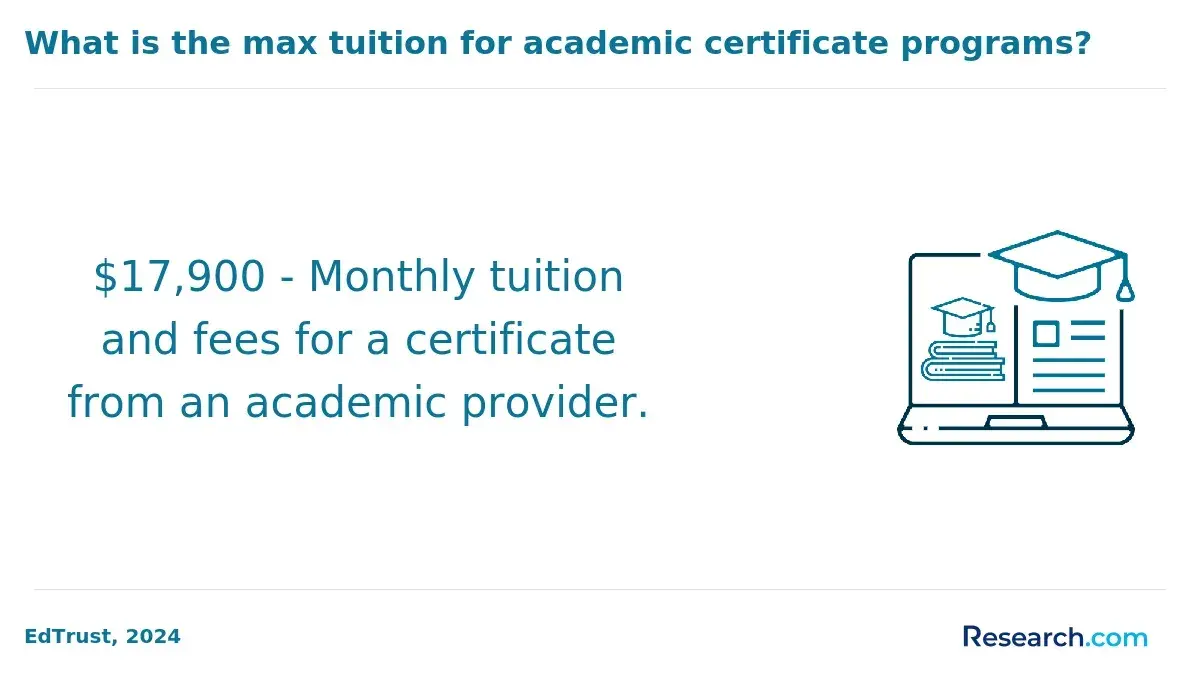
Tuition costs shape the return on investment for a crime analysis program by influencing student debt levels, time to workforce entry, and potential earnings growth differently across public, private, and nonprofit institutions. For instance, public online programs commonly charge between $6,000 and $12,000 annually, significantly limiting borrowing compared to private institutions where tuition often exceeds $30,000 per year. Although lower tuition reduces financial pressure post-graduation, it doesn't guarantee better outcomes; private and nonprofit programs might justify higher costs through higher graduation rates-as much as 15% more according to the Education Advisory Board-and enhanced career support networks that facilitate quicker job placement and salary progression.
Financial aid further complicates the tuition-ROI relationship since many private nonprofit programs offer substantial scholarships that reduce net costs, occasionally bringing these offerings nearer to public program affordability. However, learners must assess whether the benefits of stronger industry connections and specialized curriculum offered by costlier programs align with their career goals and timelines. Adult learners juggling work and study may value the greater flexibility and lower debt risks of public programs, even if those require longer program duration or fewer wraparound services. Ultimately, the decision hinges on balancing immediate cost savings against the likelihood of timely degree completion and post-graduate employment quality in crime analysis roles.
How Do Graduation Rates Influence Crime Analysis Program ROI?
Graduation rates directly impact the return on investment for crime analysis programs by reflecting how well institutions support student progression toward credential completion, which influences employability and debt management. Public online programs typically show graduation rates around 55%, while nonprofit private institutions achieve closer to 65%, a disparity often linked to differences in advising, academic flexibility, and retention efforts tailored to adult learners balancing work and family. For example, a working professional enrolling part-time at a nonprofit may find the flexibility and support necessary to graduate on time, enhancing career prospects and mitigating debt, unlike peers at less supportive for-profit schools facing higher attrition and unresolved debt burdens.
Despite their utility, graduation rates alone cannot fully capture ROI since many adult learners extend their time-to-degree due to part-time status or career interruptions without indicating poor program quality. According to a 2024 study by the Education Trust, factors like enrollment intensity and demographic differences substantially affect completion statistics, emphasizing the need to consider institutional context beyond raw graduation figures.
Prospective students comparing the average graduation rates for online crime analysis programs should also evaluate how these outcomes correspond with support services and cost structures to gauge value accurately. Decision-makers must integrate these nuances alongside program quality and workforce demand, such as the medical billing and coding job outlook, to inform a comprehensive understanding of ROI in this field.
What Role Do Career Outcomes Play in the ROI of a Crime Analysis Degree?
Career outcomes fundamentally shape the ROI of online crime analysis degrees by influencing not only immediate job placement but also long-term professional viability across public, private, and nonprofit institutions. According to 2024 data from the National Center for Education Statistics, public programs tend to secure quicker entry into law enforcement roles, with higher six-month employment rates post-graduation, but may offer less specialization and networking compared to private counterparts.
Private programs frequently command higher tuition but provide advanced technical skills and professional connections that can translate into better upward mobility over time, a pivotal factor when evaluating total cost against career trajectory and debt burden. Nonprofit online programs often strike a balance by delivering relevant skill sets at moderate prices, appealing especially to career changers and adult learners who prioritize practical workforce alignment and manageable time-to-degree.
Employers now prioritize adaptive competencies in analytics, ethics, and communication given shifting crime patterns and technology integration, affecting how they value graduates across different program types. Regional demand variations also impact career outcomes; metropolitan agencies often seek advanced analytical capabilities emphasized more strongly in some private or nonprofit curricula than in many public offerings. Thus, candidates must weigh program reputation, employment outcomes, and curriculum relevance alongside financial factors, as debt-to-earnings ratios and professional recognition interplay critically in long-term ROI. These complexities underline that a lower tuition sticker does not always equate to better value without considering career advancement potential and sector-specific employer expectations.
One crime analysis graduate shared that while initially skeptical about the degree's ROI, particularly given the upfront costs and absence of immediate salary increases, they found the credential increasingly recognized by their agency during a lateral transfer to an intelligence unit. Networking opportunities from the private online program facilitated this move, illustrating how career outcomes encompass more than entry-level placement-they involve evolving roles and responsibilities that accumulate value over time. This graduate viewed the degree less as a quick financial win and more as a strategic investment in skill diversification and internal mobility, validating the importance of nuanced, outcome-focused evaluation before committing to a specific online crime analysis program.
How Does Student Debt Impact the Long-Term ROI of a Crime Analysis Program?
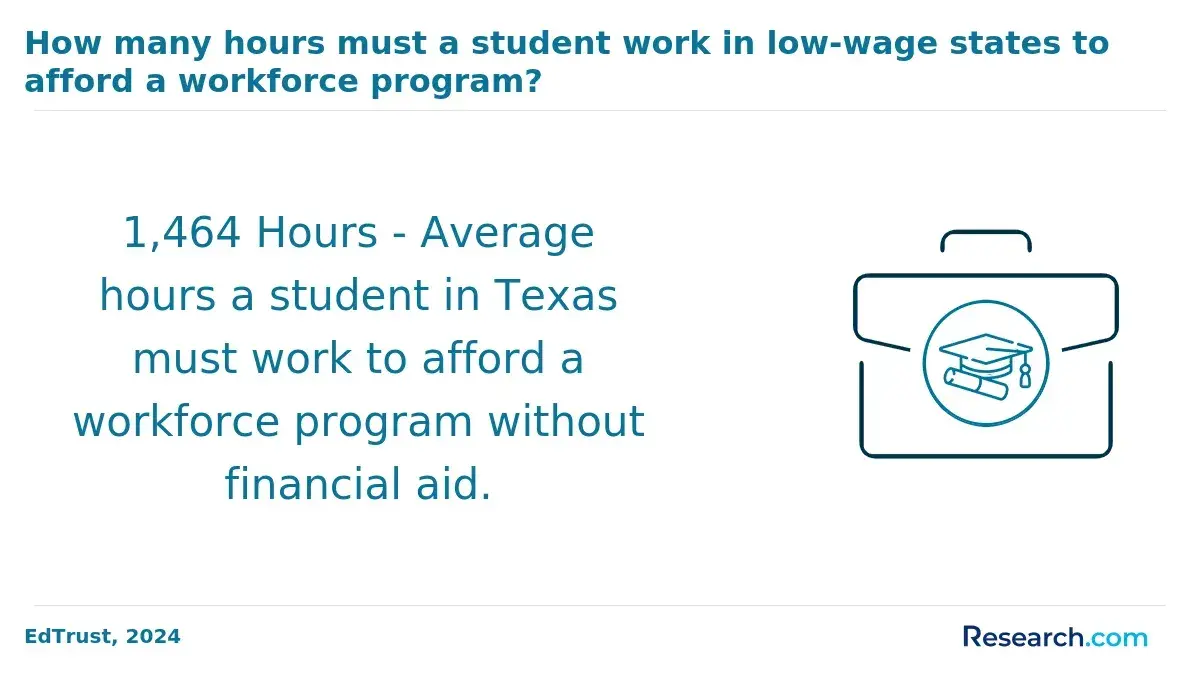
Debt levels and borrowing strategies in crime analysis programs have tangible effects on long-term financial outcomes, with distinct variations across public, private, and nonprofit online institutions. Students enrolled at private institutions frequently incur higher loans, which can restrict financial flexibility post-graduation despite potential early salary premiums. For example, a graduate facing significant student debt may postpone pursuing advanced certifications or relocating for better employment opportunities, ultimately constraining career progression and diminishing the student debt effects on crime analysis program ROI. Conversely, public programs often provide more affordable tuition and grant access to state or federal aid, resulting in manageable debt and improved net returns even with more modest starting salaries.
Long-term financial impact of crime analysis graduate debt is also shaped by repayment obligations relative to career trajectory, especially for those entering public sector roles or smaller agencies where wage growth tends to be slower. High debt-to-completion ratios elevate default risks and delay wealth accumulation, emphasizing the necessity for prospective students to weigh borrowing against realistic employment outcomes.
Nonprofit programs fall between private and public in cost and debt but vary widely based on aid policies and geographic factors. Cost-conscious learners should also consider that some private programs may boost initial employment rates through career services, although high debt burdens could offset these advantages. Students exploring varied educational routes might benefit from comparing debt alongside program quality and career placement success, much like the detailed analyses found in related fields such as RN to BSN pathways.
How Do Flexibility and Adult Learner Support Affect Crime Analysis Program Value?
Flexibility in scheduling and comprehensive adult learner support are pivotal in determining both the financial and educational value of crime analysis programs. Programs offering asynchronous coursework and part-time options enable working adults to integrate study with job and family demands, which can boost persistence and reduce dropout rates. A 2024 National Center for Education Statistics study found that adult learners in programs with strong asynchronous components were 28% more likely to graduate, directly enhancing return on investment by lowering opportunity costs linked to extended enrollment. However, the balance between flexibility and curriculum rigor is crucial; too much leniency can prolong time-to-degree and weaken workforce relevance.
Support structures such as proactive academic advising, career counseling, and technology assistance critically impact completion rates and employment outcomes. Public institutions tend to provide extensive transfer credit options and veteran-specific services, which help returning students shorten their program duration and reduce tuition burdens. By contrast, private institutions often offer more personalized faculty interaction and mentorship but usually at higher costs, which could diminish net ROI, especially for students managing debt. Nonprofit programs frequently emphasize retention and career services targeted to underserved groups, yet some may lack the technology infrastructure to deliver seamless online learning, affecting overall learner satisfaction and progress.
Adult learners weighing public, private, and nonprofit crime analysis programs must consider how each institution's flexibility and support align with their financial constraints and educational goals. Public programs generally provide affordability and credit transfer advantages that support economic value, while private options might better serve those prioritizing individualized academic engagement despite greater expense. Nonprofits may appeal to students seeking mission-driven support but face variability in resources. Ultimately, persistence and timely completion depend on how well support services and scheduling accommodations fit individual circumstances, shaping both immediate costs and long-term career impact.
How Do Accreditation and Institutional Reputation Influence Crime Analysis ROI?
Regional or specialized programmatic accreditation remains a critical factor for assessing the return on investment in crime analysis education, serving as a reliable indicator that a program meets established academic and operational standards valued by employers. Graduates of regionally accredited institutions have a notably higher chance-about 15% more, according to a Council for Higher Education Accreditation report-of securing jobs aligned with their degree within a year compared to those graduating from nationally accredited or unaccredited programs. This distinction directly impacts early career earnings potential and long-term career mobility, especially when competing in public sector or law enforcement agencies that often require clearly validated credentials.
Institutional reputation also influences employer perceptions and can affect opportunities, particularly when comparing public, private, and nonprofit online crime analysis programs. Public institutions commonly offer lower tuition and stronger student support, which correlates with higher graduation rates and reduced student debt, factors that contribute to better return on investment for many working adults. Conversely, private and nonprofit online programs might provide more specialized curricula and smaller class sizes, appealing to niche employers but sometimes carrying a higher cost and variable recognition. Decision-making must therefore balance accreditation and reputation alongside transferability of credits, pathways to licensure, and geographic employment markets to avoid costly mismatches between education expenses and career advancement opportunities.
How Does Time-to-Degree Affect the ROI of Public, Private, and Nonprofit Crime Analysis Programs?
Time-to-degree directly influences the return on investment in public crime analysis online programs by shaping both tuition exposure and opportunity costs tied to delayed workforce entry. For example, public institutions typically allow greater transfer credit acceptance, enabling many students to shorten their study duration and lessen debt, which is pivotal for working professionals balancing current income needs against educational advancement. In contrast, private nonprofit programs often have stricter credit policies but may provide comprehensive support services and paced course progression, which can enhance completion rates and long-term employability despite somewhat longer timeframes. Accelerated pathways offered by some nonprofit online programs can reduce time-to-degree to as little as three years, but this speed might trade off depth in specialized skills critical for complex crime analysis roles.
Comparing degree completion speed and ROI for private and nonprofit crime analysis programs reveals nuanced tradeoffs. Students choosing faster degrees may reenter the workforce sooner, lowering opportunity costs, yet risk missing experiential learning like internships that contribute to stronger professional networks and higher salary potential. Conversely, longer programs that support flexible part-time enrollment permit balancing family, work, and study but can extend tuition payments and delay economic benefits. Persistence and graduation trends differ accordingly, with paced programs often showing higher completion rates, indirectly boosting ROI by reducing dropout risks. Working adults should carefully evaluate these dynamics, considering transfer credits, course flexibility, and program rigor rather than merely aiming to finish quickest.
Prospective students assessing how long does it take to become a pharmacist or crime analyst must factor in these variables to align educational choices with career goals and financial realities. The impact of time-to-degree on ROI is not linear and depends on individual circumstances, especially for transfer students and career changers weighing credit transfers and program formats across public, private, and nonprofit offerings. Thoughtful decision-making grounded in these operational insights will help minimize debt burden while maximizing long-term career growth in this specialized field.
How Can You Choose the Best Crime Analysis Program Based on Your ROI Goals?
Choosing the best crime analysis program based on your ROI goals hinges less on whether the institution is public, private, or nonprofit, and more on how your unique financial situation, career timeline, and support needs align with program attributes. Public institutions often offer substantially lower tuition-averaging 60-70% less than private counterparts according to NCES 2024-which can drastically reduce debt burdens, a critical factor for cost-conscious learners. However, private and nonprofit programs frequently provide stronger learner support services and alumni networks that may enhance employment prospects, an important but sometimes undervalued aspect of return on investment in crime analysis education.
Graduation rates and program flexibility also impact ROI differently across institution types. Public programs typically report more consistent graduation rates around 50-60%, but private and nonprofit programs may offer accelerated tracks and asynchronous learning beneficial for working adults seeking quicker workforce reentry or career shifts. Accreditation status and institutional reputation influence employer perceptions and long-term career mobility, especially given the U.S. Bureau of Labor Statistics 2024 emphasis on timely degree completion correlating with employment in crime analysis roles. Evaluating financial aid transparency, total cost of attendance, and program structure systematically helps working professionals and transfer students navigate the nuanced tradeoffs in selecting online crime analysis programs based on return on investment.
For applicants weighing competing educational investments, assessing programs alongside easiest ABSN programs to get into can illustrate the range of accelerated pathways available for adult learners balancing family and employment obligations. In these situations, ROI becomes a tailored calculation influenced by debt management, graduation likelihood, and career outcome reliability rather than a simple public-versus-private equation.
References
- Is Rising Student Debt Harming the U.S. Economy? | Council on Foreign Relations https://www.cfr.org/backgrounders/us-student-loan-debt-trends-economic-impact
- How to Become a Crime Analyst | Tiffin University https://go.tiffin.edu/blog/how-to-become-a-crime-analyst/
- The Long-Term Effects of Student Loans | ACE Blog https://ace.edu/blog/the-long-term-effects-of-student-loans/
- Crime Analysis Concentration https://uscupstate.edu/academics/college-of-arts-humanities-and-social-science/sociology-criminal-justice-and-womens-studies/criminal-justice/upstate-crime-analysis/
- Becoming a Crime Analyst | Certified Crime & Intelligence Analyst (CCIA) https://www.forensicscolleges.com/blog/htb/how-to-become-a-crime-analyst
- Considering Outcomes, Cost, and ROI in Developmental Education Reforms - Center for the Analysis of Postsecondary Readiness https://postsecondaryreadiness.org/considering-outcomes-cost-roi/
- Understanding an Institution’s Return on Investment: Measuring the Price-to-Earnings Premium https://www.higheredtoday.org/2023/10/30/understanding-an-institutions-return-on-investment-measuring-the-price-to-earnings-premium/
- What it is and how to calculate ROI or Return on Investment - Esade https://www.esade.edu/beyond/en/what-is-roi-and-how-to-calculate-return-on-investment/
- ROI and Accreditation of Online Programs | 16 | Using ROI for Strategi https://www.taylorfrancis.com/chapters/edit/10.4324/9781003448587-16/roi-accreditation-online-programs-leah-matthews
- Public-Private Partnerships (PPPs): Bridging the Intelligence Gap in FinCrime Investigations - Lucinity https://lucinity.com/blog/public-private-partnerships-in-fincrime
Other Things You Should Know About Crime Analysis
Public programs often emphasize foundational theory and data analysis skills aligned with government and law enforcement standards, which suits students targeting formal agencies. Private institutions might integrate more technology-driven or interdisciplinary content that appeals to wider sectors but can risk reducing direct applicability where traditional crime analysis methods dominate. Nonprofit programs frequently balance practical applications with community and policy perspectives, which can be valuable but may not emphasize the technical rigor employers expect. Choosing a program should depend on your target employer and the technical versus contextual skills you need most.
Smaller cohorts typical in many nonprofit and private online programs can mean more interaction with instructors and tailored feedback, improving skill mastery critical in detailed crime pattern analysis. Larger public institution programs may offer fewer personalized supports but benefit from established resources and larger alumni networks, which influence job placement indirectly. For students prioritizing hands-on learning and mentorship, smaller, more intimate settings often yield better outcomes despite potentially higher costs.
Public institutions often provide structured pacing and may require more synchronous engagement, which can limit flexibility for full-time workers but enhance cohort bonding and accountability. Private and nonprofit programs sometimes offer accelerated or self-paced options, making them attractive to busy professionals but possibly reducing networking opportunities critical for career advancement in crime analysis. Adults balancing employment should prioritize program formats that match their time availability without sacrificing key interactive or project-based components employers value.
Employers in traditional agencies frequently recognize public institution credentials due to historical ties and familiarity with curriculum rigor aligned to public sector needs. However, private and nonprofit online programs with specialized crime analysis tracks and applied projects have gained traction in nontraditional sectors like private security and consulting. When ROI is a priority, prospective students should target programs known for placing graduates in their intended sector and consider whether accreditation, alumni networks, and demonstrated applied skills meet employer expectations in their chosen niche.