2027 Computer Engineering ROI by Institution Type: Public vs Private vs Nonprofit Online Programs

Co-Founder and Chief Data Scientist
Consider a prospective computer engineering student choosing between public, private, and nonprofit online programs that seem comparable in curriculum but differ sharply in tuition and graduation rates. A 2024 study from the National Center for Education Statistics reveals that only 56% of online STEM students graduate within six years, with public institutions slightly outperforming private nonprofits. This variance influences debt levels, employer perception, and career progression. Public programs often offer lower costs but varying institutional support, whereas private nonprofits may promise networking benefits at higher prices.
Understanding these distinctions is crucial for anticipating long-term financial and professional impacts. This article analyzes these institution types' ROI factors to guide strategic enrollment decisions.
Key Things to Know About Computer Engineering ROI by Institution Type
- Public online computer engineering programs often offer lower tuition, reducing upfront cost but may have longer time-to-completion rates, increasing indirect costs and delaying workforce reentry for working adults.
- Private institutions typically emphasize institutional reputation and extensive alumni networks, enhancing employer perception and career advancement opportunities, though higher student debt risks warrant careful debt-to-income consideration.
- Nonprofit online programs frequently balance affordability with flexible scheduling and robust learner support, which can mitigate dropout rates; however, varied accreditation standards impact long-term credential value across employers.
- Key Things to Know About Computer Engineering ROI by Institution Type Key Things to Know About Computer Engineering ROI by Institution Type
- What Does ROI Mean for a Computer Engineering Program and How Is It Measured? Understanding Computer Engineering Program ROI
- How Do Public, Private, and Nonprofit Online Computer Engineering Programs Differ in Overall Value? Value by Institution Type
- How Do Tuition Costs Affect the ROI of a Computer Engineering Program Across Institution Types? Tuition Costs and ROI
- How Do Graduation Rates Influence Computer Engineering Program ROI? Graduation Rates Impact ROI
- What Role Do Career Outcomes Play in the ROI of a Computer Engineering Degree? Career Outcomes and ROI
- How Does Student Debt Impact the Long-Term ROI of a Computer Engineering Program? Debt vs. Long-Term ROI
- How Do Flexibility and Adult Learner Support Affect Computer Engineering Program Value? Flexibility and Program Value
- How Do Accreditation and Institutional Reputation Influence Computer Engineering ROI? How Do Accreditation and Institutional Reputation Influence Computer Engineering ROI?
- How Does Time-to-Degree Affect the ROI of Public, Private, and Nonprofit Computer Engineering Programs? How Does Time-to-Degree Affect the ROI of Public, Private, and Nonprofit Computer Engineering Programs?
- How Can You Choose the Best Computer Engineering Program Based on Your ROI Goals? Choosing Programs by ROI
What Does ROI Mean for a Computer Engineering Program and How Is It Measured?
ROI in a computer engineering program extends beyond straightforward salary comparisons by requiring careful evaluation of total educational costs, debt burden, and the realistic timeline to completion. For example, a public institution may offer lower tuition rates but have longer average completion times, increasing indirect costs such as lost wages or extended living expenses. Conversely, some nonprofit online programs, often with flexible pacing options, can shorten time-to-degree, reducing opportunity costs despite comparable or slightly higher direct fees. Prospective students must consider how graduation rates and institutional reputation influence not only program completion but also employer perceptions and long-term career trajectories.
Financial calculations around ROI also need to integrate qualitative factors such as faculty expertise and accreditation status, which can affect graduate employability and earning potential over time. A 2024 National Center for Education Statistics report highlights that differences of 10-15% in online program completion rates substantially affect cumulative cost and delayed workforce entry, particularly for adult learners balancing work and study. When measuring computer engineering program return on investment metrics, students with varying goals-such as immediate workforce entry or longer-term specialization-should weigh whether lower upfront costs justify potentially higher debt or slower career advancement. Exploring models similar to accelerated psychology programs may reveal strategic pathways for shortening degree timelines in engineering disciplines.
Ultimately, ROI assessments must reflect opportunity costs related to attendance requirements and synchronous participation, which disproportionately impact working professionals and those managing multiple responsibilities. Selecting a program with rigid in-person mandates can reduce available work hours, increasing indirect financial strain beyond sticker tuition. Decision-relevant ROI analysis also demands attention to debt loads and realistic post-graduation salaries documented in longitudinal studies that show similar entrance salaries can diverge widely after several years, depending on institutional network effects and curriculum quality. Such nuanced understanding is essential when comparing public, private, and nonprofit online programs to ensure long-term value aligns with individual circumstances and career goals.
How Do Public, Private, and Nonprofit Online Computer Engineering Programs Differ in Overall Value?
Affordability alone does not determine the overall value of public, private, and nonprofit online computer engineering programs, especially for working adults balancing debt and career goals. Public institutions typically offer lower tuition that eases upfront costs and limits debt accumulation, but they may lack the specialized career services and extensive networking opportunities found in nonprofit and private schools. A 2024 report from the National Center for Education Statistics shows public programs generally have more accessible graduation pathways with options for transfer credits, which can benefit students managing education around work, yet nonprofits often achieve higher completion rates due to smaller class sizes and more flexible scheduling. Employers tend to view private nonprofit schools as highly reputable with strong accreditation, which can enhance job prospects in competitive tech sectors, whereas public institutions' regional accreditation supports local industry integration but may not carry the same national brand recognition.
Nonprofit programs often embed hands-on learning and industry partnerships that increase practical skills alignment with employer demands, providing an edge for students targeting niche fields or rapid career changes. Conversely, public programs focus more on foundational theory and broad access, which may suit students planning further graduate education or a slower trajectory. The tradeoff frequently comes down to financial burden versus potential return on investment since private programs generally cost more and may require weighing long-term debt against immediate career benefits. Prospective students should assess their tolerance for upfront costs, desired institutional support, and targeted employment markets before committing.
One recent graduate weighing these options recalled hesitating over whether to pay a premium for a nonprofit program's reputation and career services or to enroll in a more affordable public school with a solid regional accreditation. Concerned about long-term debt, they closely examined completion rates and flexibility, ultimately selecting a nonprofit program that balanced manageable tuition with tailored support. This choice provided the graduate confidence in their career preparation without overwhelming financial strain, illustrating how nuanced evaluation of these factors can guide practical decision-making beyond simple cost comparisons.
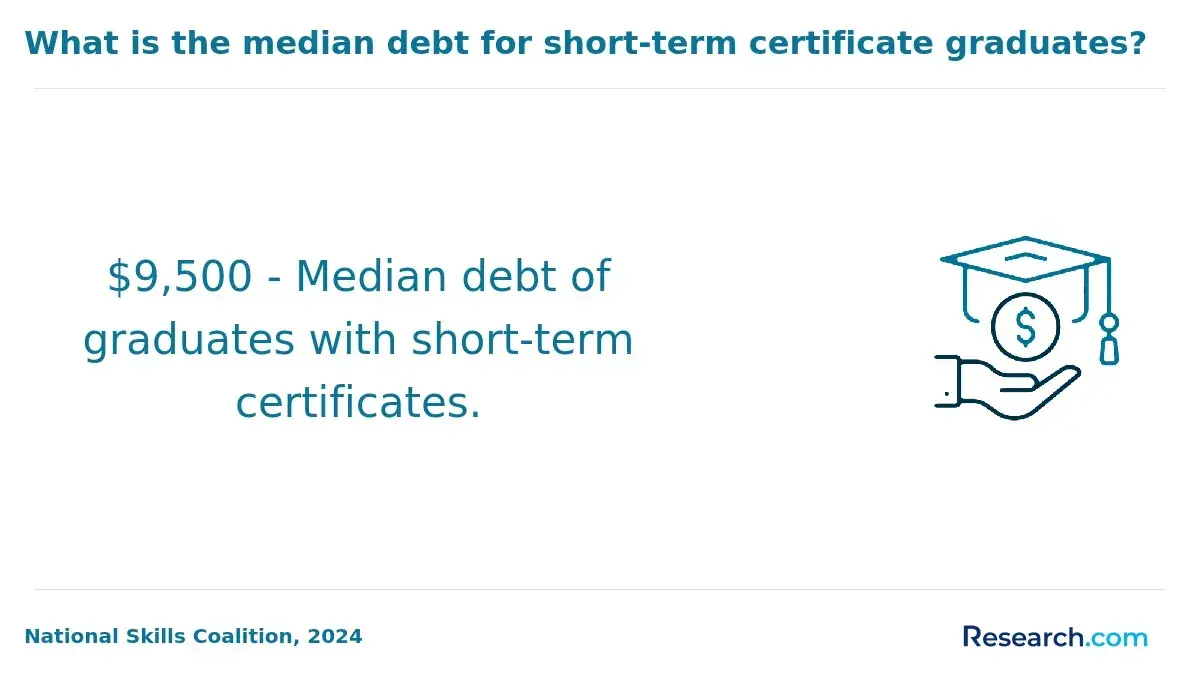
How Do Tuition Costs Affect the ROI of a Computer Engineering Program Across Institution Types?
Tuition costs significantly shape the return on investment for computer engineering students, but the relationship is nuanced rather than linear. Public institutions often present lower sticker prices and reduced average debt-about 20-30% less according to 2024 data from the National Center for Education Statistics-which can ease financial strain post-graduation. However, lower tuition does not always guarantee superior value. Many private and nonprofit online programs charge higher fees that may be offset by stronger academic support, higher graduation rates, and enhanced industry connections, all factors linked to better long-term employment outcomes.
For a working professional weighing options, choosing a public program might reduce immediate debt but could mean longer degree timelines or fewer flexible scheduling options, delaying labor market entry. Alternatively, paying more at a nonprofit institution might accelerate completion and boost salary prospects, supported by research showing up to a 15% higher salary premium for some private nonprofit graduates. The practical takeaway is that students must balance up-front costs against these qualitative factors-financial aid, program rigor, and career services-to determine which model aligns best with their financial and career goals rather than assuming the cheapest route automatically delivers the highest ROI.
How Do Graduation Rates Influence Computer Engineering Program ROI?
Graduation rates influence the return on investment (ROI) in computer engineering programs by signaling how effectively institutions support degree completion, yet these rates must be weighed alongside factors like student demographics and program flexibility. Public online programs often report graduation rates near 50%, while private nonprofit online institutions typically exceed 60%, reflecting variations in advising, resources, and selectivity that impact both completion and long-term career outcomes. For adult learners balancing work and family, lower graduation rates may not fully capture persistence or eventual success, as extended time-to-degree can delay but not preclude the benefits of credential attainment. This complexity underscores why graduation rates are an important but incomplete measure of ROI; they highlight institutional effectiveness but do not alone predict debt burden or employability.
Students comparing the ROI of computer engineering programs should consider how support services and pacing options affect completion prospects and debt exposure, especially since uncompleted degrees often mean accumulating costs without improved job prospects. Many employers weigh relevant experience and skills alongside formal credentials, which can temper the immediate impact of graduation rates on ROI. For those exploring the affordability and long-term value of online degrees, linking academic performance to labor market outcomes remains crucial. Prospective students might also look beyond computer engineering programs to related fields, such as a library degree, to understand broader patterns in student success metrics in computer engineering program investment and educational cost-effectiveness.
What Role Do Career Outcomes Play in the ROI of a Computer Engineering Degree?
The return on investment for a computer engineering degree hinges heavily on career outcomes, which differ markedly across public, private, and nonprofit online programs. Graduates from public institutions often benefit from stronger regional hiring networks that improve job placement speed, a factor that can reduce the financial strain of extended unemployment. In contrast, private and nonprofit programs tend to emphasize career services and broad professional development, supporting more flexible and sometimes nationwide mobility but often at a higher tuition cost. According to data from the National Center for Education Statistics (2024), public online graduates see marginally better initial tech role placements locally, yet many employers prioritize hands-on project experience over school prestige, making curriculum relevance and skill alignment critical factors affecting employability and lifetime ROI.
For working adults balancing employment and study, the choice between types of institutions also involves tradeoffs around time-to-degree and debt load. Nonprofit programs frequently offer specialization tracks aligned with industry certifications that appeal to career changers or those seeking incremental skill boosts without pausing their careers. These pathways can extend earnings potential over time, even if short-term financial returns seem modest. Ultimately, career mobility and the robustness of employer connections shape how effectively the degree translates into sustained career growth, which influences long-term value beyond sticker price. This nuance is essential when assessing educational investments that require both upfront costs and ongoing opportunity costs.
One graduate who pursued a computer engineering degree online chose a nonprofit institution after scrutinizing their career services and employer outreach. Initially uncertain about whether the degree would justify its cost, this learner found that post-graduation, internal promotions and expanded responsibilities within their tech firm became more accessible. They noted that employer recognition of specialized certifications earned alongside the degree significantly boosted their professional standing. While wary of measuring ROI only by salary increments, the graduate appreciated the growing alignment between acquired skills and job demands, which gradually validated their educational investment as a practical, career-enhancing tool rather than a mere credential.
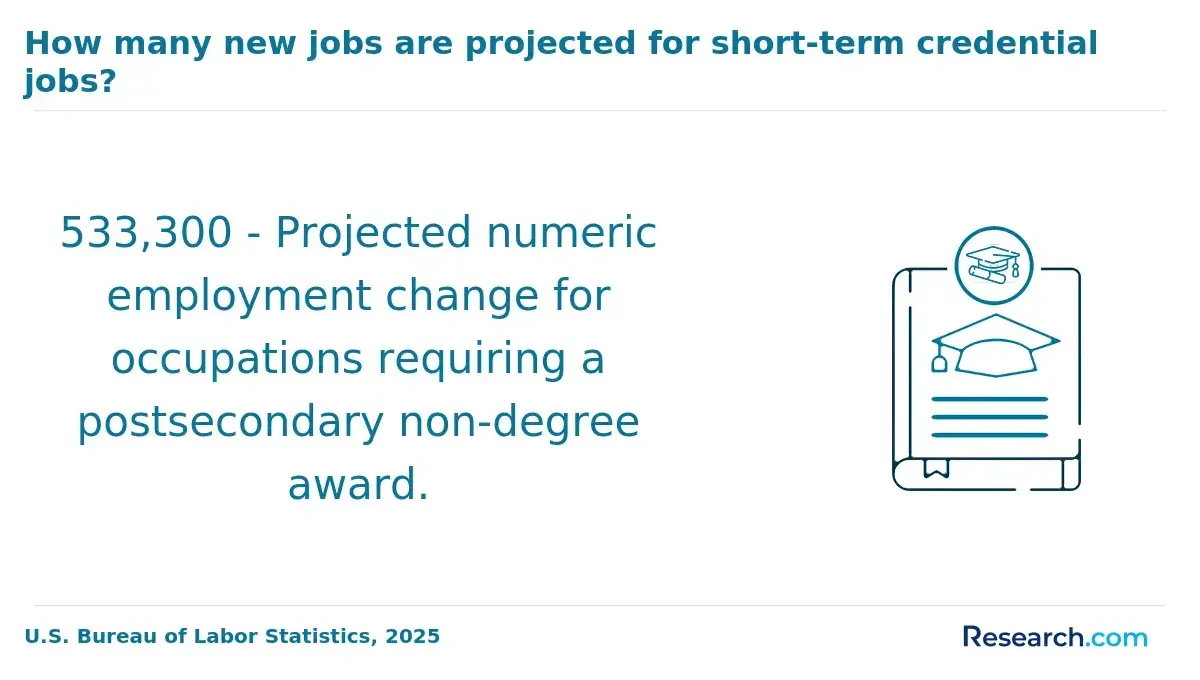
How Does Student Debt Impact the Long-Term ROI of a Computer Engineering Program?
Higher student debt burdens often complicate the long-term ROI of a computer engineering program, especially when the costs differ significantly between public, private, and nonprofit online options. Graduates from private online programs typically face larger monthly repayment obligations and extended loan repayment timelines, frequently surpassing a decade, which can delay critical financial milestones such as homeownership or retirement savings. This reality means that even when a private program offers robust academic resources, its net value may be reduced by the greater financial strain, forcing some graduates to accept higher-paying but less ideal roles to manage debt, which ultimately impacts career growth and satisfaction.
By contrast, public online programs tend to have lower tuition and consequently lower average debt, improving financial flexibility post-graduation. However, lower debt alone does not guarantee better long-term outcomes; differences in graduation rates and employer connections can affect employability and salary trajectories, influencing the real value of the degree. Adult learners must therefore weigh student debt burden and its effect on computer engineering program ROI alongside variables like educational quality and support services. Realistic comparisons should include anticipated debt duration, default risk, and alignment with career paths, rather than assuming that upfront costs or financial aid availability in nonprofit programs always translate into superior economic returns.
Cost-conscious students evaluating financing options and program formats might also consider alternative credentials or pathways, such as certain office administration courses, which can provide modular skills with less financial risk. Understanding the long-term financial impact of student loans on computer engineering graduates requires a nuanced approach that integrates immediate borrowing decisions with employment outcomes and repayment realities, emphasizing the tradeoffs between cost, quality, and measurable career benefits.
How Do Flexibility and Adult Learner Support Affect Computer Engineering Program Value?
Program flexibility and adult learner support critically shape the practical return on investment (ROI) for computer engineering degrees offered across public, private, and nonprofit online institutions. Asynchronous coursework increases completion likelihood for working adults by allowing progress outside rigid schedules; a 2024 report from the National Center for Education Statistics shows students in asynchronous programs have a 25% higher persistence rate compared to those in synchronous-only formats. Public institutions frequently balance affordability with this flexibility, enabling students to reduce both direct tuition costs and opportunity costs by accelerating degree timelines through generous transfer credit policies and part-time study options.
Conversely, private and nonprofit programs often provide more robust personalized support, including accessible faculty, tailored academic advising, and comprehensive career counseling, which particularly benefits career changers and nontraditional students. A recent Online Learning Consortium survey found 68% of learners in these programs rated faculty accessibility and career services highly, correlating with stronger employment outcomes within six months post graduation. However, this enhanced support usually comes at a higher tuition price, which can complicate the ROI equation for cost-sensitive adults balancing debt and income. Additionally, nonprofit offerings may extend military or working-adult accommodations like flexible deadlines and dedicated staff, which reduce dropout rates but don't always lead to proportionally higher salaries compared to lower-cost public alternatives.
How Do Accreditation and Institutional Reputation Influence Computer Engineering ROI?
Regional and programmatic accreditation directly influence the practical return on investment for online Computer Engineering degrees by affecting credit transferability, financial aid eligibility, and employer recognition. For example, graduates from regionally accredited programs have a 25% higher likelihood of gaining employment within six months, according to the 2024 National Center for Education Statistics. Employers in engineering fields often prioritize ABET accreditation as a signal of rigorous curriculum and relevant hands-on skills, which can translate into higher starting salaries. Without such accreditation, graduates may face obstacles in both job placement and graduate study options, diminishing long-term career flexibility.
Institutional reputation plays a nuanced role that intersects with cost and outcomes. While top-ranked private universities may offer prestige and exclusive networks, their higher tuition often means increased debt, which can offset those advantages. Conversely, public and nonprofit institutions commonly balance affordability with solid employer connections and support services, which can enhance ROI by reducing financial burden and improving graduation rates. Students must weigh these tradeoffs carefully, recognizing that strong programmatic credentials and measurable student outcomes frequently matter more to hiring managers than brand name alone.
Prospective students should also consider the broader ecosystem surrounding a program-such as graduation timelines, career services, and access to licensure pathways-which greatly affect long-term value. Employer surveys from the National Association of Colleges and Employers highlight that hiring decisions increasingly favor demonstrable skills and verified program quality over institutional prestige alone. Thus, choosing a regionally and programmatically accredited Computer Engineering program with proven outcomes often yields the most practical benefit for cost-conscious learners juggling debt, career advancement, and degree transferability.
How Does Time-to-Degree Affect the ROI of Public, Private, and Nonprofit Computer Engineering Programs?
Differences in time-to-degree notably affect the return on investment (ROI) of public, private, and nonprofit online computer engineering programs by shaping both direct costs and opportunity costs. Longer completion times, common in private and nonprofit nonprofit online programs due to part-time enrollment or extended flexibility, tend to increase cumulative tuition expenses and delay labor market entry. For example, a working adult balancing family responsibilities may prefer a nonprofit online program's flexible pacing despite a longer timeline, which can yield a higher persistence rate but postpones salary gains. Public institutions often have more structured pathways encouraging full-time study, shortening time-to-degree and reducing debt, which can accelerate career progression and improve ROI for full-time students but may not fit those needing schedule flexibility.
Integrating transfer credits, accelerated courses, or part-time options also influences how quickly a student completes their program and when they realize ROI. These factors create tradeoffs: while shorter programs minimize tuition and enable earlier income generation, they typically require full-time commitment that many adult learners find impractical. Conversely, extended timelines allow building relevant experience alongside studies but increase total educational costs and delay workforce earnings. Evaluating these dynamics is especially critical given the average engineering bachelor's degree takes about 4.8 years nationwide. Cost-conscious students looking across public, private, and nonprofit programs should consult resources like the online environmental engineering degree science and engineering rankings to balance affordability with realistic personal and career circumstances related to the duration of online computer engineering degrees and return on investment.
How Can You Choose the Best Computer Engineering Program Based on Your ROI Goals?
Maximizing ROI from a computer engineering program hinges on aligning institutional features with individual priorities rather than favoring public, private, or nonprofit online programs by default. Public programs often offer lower in-state tuition and broader financial aid, reducing immediate costs, which benefits students balancing family obligations or maintaining employment. However, private and nonprofit institutions frequently provide enhanced learner support and networking resources that can accelerate job placement and wage growth, factors critical for those prioritizing career momentum over upfront affordability. Graduation and retention rates further influence ROI; according to a 2024 National Center for Education Statistics report, online programs at nonprofit institutions have a roughly 8% higher six-year graduation rate than comparable public programs, a difference that can lessen total costs and income disruption.
Debt burden analysis is equally important. Data from the Federal Reserve's 2024 Consumer Finance Survey reveals public university graduates tend to carry less debt, though private programs' salary premiums sometimes offset this gap depending on employer recognition and accreditation strength. Flexibility in course delivery and part-time options also bears on opportunity costs, especially for working adults seeking to minimize income loss during study. Students focused on return must weigh these operational tradeoffs in light of their unique circumstances. Exploring detailed comparisons of programs, including online pathways like the best online human resource management masters degree formats, can further refine choices tailored to specific career and financial objectives related to computer engineering program ROI comparison and selecting the best online computer engineering programs for return on investment.
References
- BS in Computer Engineering Outcomes | University of Bridgeport https://www.bridgeport.edu/news/what-can-you-do-with-bs-in-computer-engineering/
- The Economics of Accreditation: Costs, Benefits, ROI - Course Accreditation https://course-accreditation.com/blog/the-economics-of-accreditation-costs-benefits-roi/
- How Student Loan Debt Impacts Your College ROI https://www.lendkey.com/blog/student-loans/how-student-loan-debt-impacts-your-college-roi/
- Engineering Schools Ranked on Return on Investment https://talk.collegeconfidential.com/t/engineering-schools-ranked-on-return-on-investment/1490552
- 4 Mistakes Killing Your Software ROI (And How to Fix Them) https://enji.ai/blog/how-to-measure-software-development-roi/
- How to Choose the Right Software Development Strategy - Modularis https://www.modularis.com/modblog/how-to-choose-the-right-software-development-strategy-for-your-business-goals/
- ROI as the Ultimate Measure of Engineering Team Success https://www.insightpartners.com/ideas/roi-as-the-ultimate-measure-of-engineering-team-success/
- The Long-Term Effects of Student Loans | ACE Blog https://ace.edu/blog/the-long-term-effects-of-student-loans/
- Thoughts on Return on Investment (R.O.I) in Software Engineering https://blog.simonireilly.com/posts/thoughts-on-return-on-investment-in-software-engineering/
- Computer Engineering Career Pathways & Earnings https://collegeroi.org/roi/major/computer-engineering/
Other Things You Should Know About Computer Engineering
No, private online programs do not inherently offer superior industry connections compared to public or nonprofit ones. While some private programs invest heavily in career services, many public universities have strong alumni networks and partnerships with regional tech employers that can be equally valuable. Students should assess the strength and reach of a program's local and virtual professional networks rather than assuming institution type alone drives employer engagement.
Private programs often emphasize accelerated pacing or project-based learning, which can increase short-term workload but foster applied skills valued by employers. Public and nonprofit programs may provide a more balanced curriculum with opportunities for research or electives, potentially extending time to degree but offering depth in specialized topics. Choosing a program with a workload matching your capacity can critically affect completion rates and, ultimately, your ROI by balancing quality learning and timely graduation.
Generally, public programs offer a stronger ROI for cost-conscious students since lower tuition and comparable graduate outcomes reduce debt burdens and improve net earnings over time. However, this prioritization is context-dependent; if a private or nonprofit program has distinct specializations aligned with niche employer demands, it might justify the higher investment. Evaluating program-specific outcomes and alignment with career objectives is more important than relying solely on institution type when considering ROI.
Transfer students often encounter credit transferability issues and curricular mismatches when moving between public, private, and nonprofit programs, which can delay graduation and diminish ROI. Public institutions may have more standardized course equivalencies, while private programs might have unique curricula or proprietary coursework that limits transfer credit. It's important for transfer students to verify articulation agreements and degree requirements beforehand to avoid unexpected time and cost extensions that reduce their return on investment.