2027 Which Employers Hire Environmental Engineering Degree Graduates? Industries, Roles, and Hiring Patterns

Co-Founder and Chief Data Scientist
Many graduates face uncertainty about which employers actively seek environmental engineering degree holders and how industry demand shapes their job prospects. For example, over 40% of environmental engineers find roles within consulting and government sectors-fields emphasizing compliance, sustainability, and infrastructure projects. This hiring concentration creates patterns favoring specific geographic regions and organizational types, influencing entry-level versus mid-career opportunities.
Understanding these trends is crucial for aligning academic paths and job search strategies. This article examines the industries, roles, and hiring patterns that define the environmental engineering employment landscape-equipping readers with data-driven insights to navigate their career decisions effectively.
Key Things to Know About the Employers That Hire Environmental Engineering Degree Graduates
- Environmental engineering graduates frequently find employment in government agencies, consulting firms, and energy sectors-industries prioritizing sustainability and regulatory compliance.
- Entry-level roles often involve site assessments and data analysis, while mid-career positions include project management and regulatory advising, reflecting structured career progression.
- Hiring patterns reveal geographic concentration in urban and industrial hubs-California, Texas, and the Northeast-with increasing demand driven by climate change adaptation and infrastructure modernization initiatives.
Which Industries Hire the Most Environmental Engineering Degree Graduates?
Industries hiring the most environmental engineering degree graduates illustrate the diverse employer ecosystem shaping career outcomes. According to the Bureau of Labor Statistics (BLS) and National Center for Education Statistics (NCES), several sectors consistently recruit large shares of graduates-helping professionals align academic preparation with opportunity and informing choices about transfer pathways or advancing with an online masters.
Understanding these top sectors recruiting environmental engineering graduates aids in targeting entry-level and mid-career roles effectively.
- Engineering Services: Leading in employment volume, this sector prioritizes consulting, design, and environmental compliance projects. Environmental engineers play central roles in pollution control, sustainability assessments, and project management, making their expertise critical to operations.
- Government: Federal, state, and local agencies employ graduates to enforce regulatory compliance, conduct environmental monitoring, and participate in public infrastructure initiatives. Roles often focus on policy implementation and environmental protection oversight.
- Oil and Gas Extraction: Though environmental engineering is a support function here, demand remains strong. Graduates work to reduce pollution, ensure regulatory adherence, and devise remediation strategies amid increasing environmental scrutiny.
- Construction: Environmental engineers contribute to sustainable building practices, stormwater management, and erosion control. Their work is essential in meeting environmental standards while complementing core construction activities.
- Waste Management and Remediation Services: This sector directly depends on environmental engineers for managing hazardous waste, cleanup, and site restoration-closely aligned with core training.
- Utility Systems: The electric power and water supply sectors rely on environmental engineers to manage emissions, treatment processes, and sustainable infrastructure operations.
- Manufacturing: Representing a smaller share, environmental engineers facilitate waste optimization, emissions reduction, and regulatory compliance, supporting sustainability within manufacturing operations.
Variations in industry concentration depend notably on degree level and specialization. Bachelor's degree holders often enter consulting and government sectors, while advanced degrees might lead to research or leadership paths within regulated industries. Specializations such as water resources and air quality also shape sector fit. These insights offer a valuable framework for students, career changers, and working professionals evaluating which top sectors recruiting environmental engineering graduates best align with their goals.
What Entry-Level Roles Do Environmental Engineering Degree Graduates Typically Fill?
Many recent graduates with degrees in environmental engineering are eager to start their careers in roles that allow them to apply their knowledge to real-world challenges. These entry-level positions serve as a stepping stone toward more advanced roles in the field, offering valuable experience in environmental analysis, compliance, and sustainable solutions. But what specific roles do graduates typically fill when they first enter the workforce?
- Environmental Engineer: This entry-level position directly applies an environmental engineering degree in sectors like construction, manufacturing, and government agencies. Tasks include water treatment projects, pollution control, and environmental compliance. These engineers usually report to senior engineers or project managers and are responsible for data collection, site assessments, and design support. Key competencies such as environmental regulation knowledge, proficiency with engineering software, and environmental impact evaluation equip graduates well for these roles, which are common among entry-level environmental engineering jobs in the United States.
- Environmental Analyst: Many graduates find analyst roles in finance, consulting, and environmental research organizations. Analysts focus on interpreting data on environmental risks, sustainability, and regulatory effects. Typically reporting to senior analysts or environmental managers, these professionals use strong quantitative analysis, understanding of environmental policy, and statistical tools-skills that reflect core components of an environmental engineering curriculum emphasizing data-driven solutions.
- Environmental Consultant or Associate: Consulting firms-especially those advising on sustainability and regulations-hire entry-level consultants or associates. Responsibilities center on supporting client evaluations, preparing environmental impact reports, and assisting with compliance planning. Reporting to project leaders or senior consultants, graduates leverage their technical know-how and communication skills to translate complex environmental data for varied stakeholders, showing how environmental engineering competencies adapt across industry contexts.
- Field Technician or Environmental Specialist: Hands-on monitoring, sampling, and environmental site inspections define these roles, often found in nonprofits, government agencies, and remediation firms. Reporting lines connect to site supervisors or program managers. Practical knowledge of sampling techniques, familiarity with safety protocols, and regulatory compliance expertise make graduates competitive candidates.
- Regulatory Compliance Coordinator: In manufacturing, energy, and related industries, graduates coordinate adherence to environmental laws and company policies. Typically reporting to compliance managers or environmental health and safety teams, success depends on mastery of environmental regulations, permit processes, and risk assessments, all foundational in an environmental engineering degree.
Graduates should align their targeted entry-level job titles with academic concentrations, internships, and portfolio projects. For instance, students with water resource experience may pursue environmental engineer roles in water utilities, while those with data analysis strengths should consider analyst roles in consulting. This approach helps map opportunities among typical roles for new environmental engineering graduates and entry-level environmental engineering jobs in the United States.
For those exploring education pathways or career shifts, reviewing related programs-such as CACREP-accredited online counseling programs-can offer insights into complementary fields and graduate-level options.
What Are the Highest-Paying Employer Types for Environmental Engineering Degree Graduates?
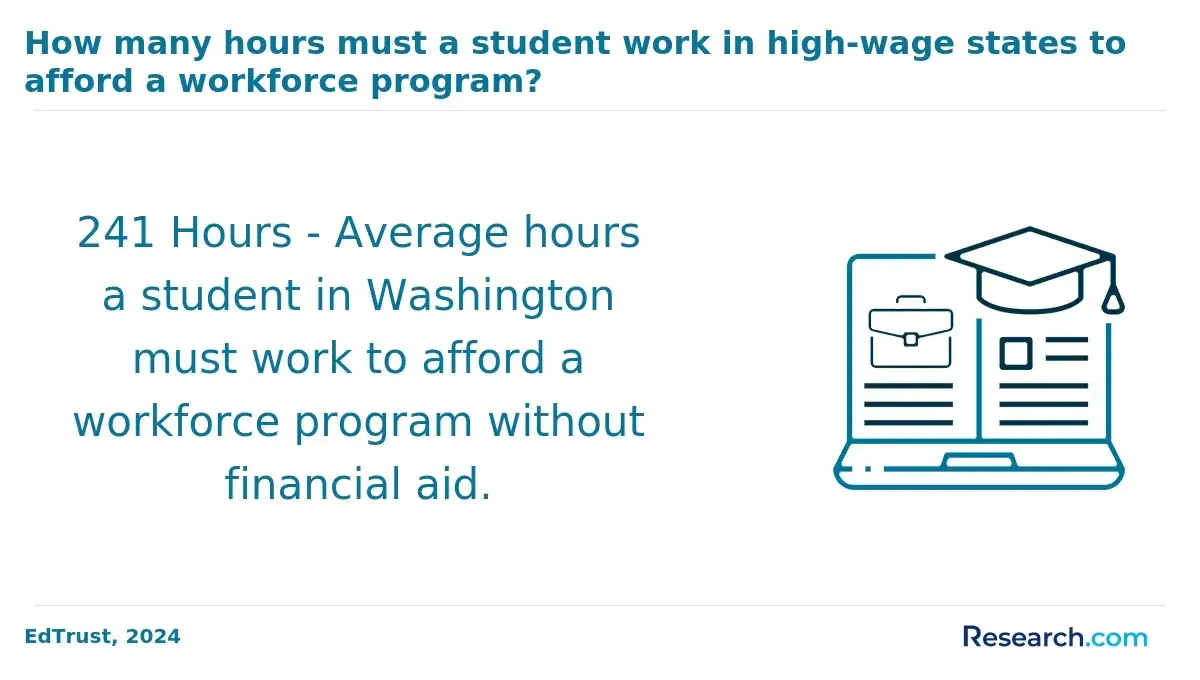
Compensation for environmental engineering degree graduates varies significantly by employer type, shaped by business models and sector profitability. Leading the pack are Private Sector Technology Firms: startups and established companies in clean tech and environmental analytics driven by venture capital often provide the most lucrative starting salaries and potential equity.
Financial Services and Investment Firms also reward environmental engineers well, especially those involved in sustainability investing and environmental risk, where bonus structures and profit-sharing enhance total compensation.
- Professional Consulting Services: Large multinational consultancies pay competitively, balancing project-driven salaries with rapid advancement opportunities, though pay depends on geography and expertise.
- Industrial Corporations: Employers in sectors like energy, manufacturing, and construction typically offer stable, moderate to high salaries, but with fewer bonuses and equity incentives reflecting tighter profit margins.
- Federal and State Government Agencies: These public employers provide lower base salaries but compensate with benefits, retirement plans, job security, and steady career progression.
- Nonprofit Organizations and Academia: Salaries here tend to be lowest, prioritizing mission-driven work and supplemented by educational benefits and professional fulfillment.
Understanding total compensation-including bonuses, equity, retirement contributions, and professional development-is crucial, as some employers with moderate base pay offer richer overall packages. Long-term career growth, culture, and job security also influence financial outcomes. High starting pay without career mobility or stability may prove less valuable than roles with continuous advancement and supportive environments.
Mid-to-large firms-including many Fortune 500 companies-dominate hiring for environmental engineering graduates, leveraging robust environmental compliance teams and sustainability programs to create consistent job openings. These employers typically provide structured onboarding, formal training, and clear advancement pathways, while their recognizable brands add value to résumés and expose graduates to complex environmental challenges on a global scale.
Conversely, small businesses and startups also play a vital role in early employment, often granting broader responsibilities and quicker promotions due to leaner structures. These environments enable graduates to develop diverse skills rapidly by engaging in cross-functional projects. Entry-level hiring data from NACE emphasize that small to mid-sized companies significantly contribute to roles in consulting, remediation, and specialized services within environmental engineering.
- Large Corporations: Deliver established training programs, defined career ladders, and prestigious branding that benefit early-career professionals.
- Small Businesses: Offer expansive job scopes, accelerated advancement, and hands-on experience across multiple functions.
- Specialization Fit: Sub-disciplines like environmental compliance and large infrastructure projects align well with big companies, whereas consulting and innovation-driven sectors suit smaller, agile firms.
- Career Strategy: Choosing employer size should complement considerations like industry focus, mission, location, and growth potential rather than serve as the sole deciding factor for environmental engineering graduates.
Federal, state, and local government agencies form a major employment sector for environmental engineering degree graduates, with opportunities spanning various regulatory and resource management bodies. Key federal employers include the Environmental Protection Agency (EPA), Department of Energy (DOE), Army Corps of Engineers, and the National Oceanic and Atmospheric Administration (NOAA). These agencies focus on roles supporting water quality, hazardous waste remediation, air pollution control, and sustainability programs.
- Hiring Structure: Public sector jobs follow the General Schedule (GS) system, where pay grades-typically starting from GS-5 to GS-7 for graduates-are influenced by educational credentials and experience level. Advanced degrees may lead to higher entry points.
- Application Processes: Competitive service positions require candidates to submit applications through USAJobs, while excepted service roles in agencies like the EPA can offer faster or specialized hiring for internships and fellowships.
- Security Requirements: Certain positions, particularly within energy or defense-related fields, mandate background investigations and security clearances, adding extra screening layers beyond private sector norms.
- State and Local Roles: Positions within state departments of environmental quality or municipal public works often parallel federal standards, using civil service exams or merit review panels to evaluate candidates.
- Compensation and Advancement: Public sector employment provides strong job security, defined-benefit pensions, and comprehensive health plans, though salary increases may be more gradual and promotions occur according to fixed evaluation schedules.
- Pathway Programs: Structured entry points such as the EPA's Pathways Program and DOE fellowships integrate work experience with mentorship, easing early-career transitions.
Graduates with environmental engineering degrees often find nonprofit and mission-driven organizations offering roles that emphasize social and ecological impact. These positions typically span programs focused on pollution mitigation, water resource management, habitat restoration, and community education-fields where environmental expertise directly supports public and environmental health goals.
- Program Areas: Careers center around climate adaptation, ecosystem rehabilitation, green infrastructure development, and advancing environmental equity initiatives.
- Organizational Types: Employment is found in grassroots advocacy groups, sustainability-focused foundations, research institutes prioritizing the public interest, and community organizations serving marginalized populations.
- Functional Roles: Environmental engineers in this sector often juggle compliance monitoring, project coordination, data interpretation, policy formulation, and stakeholder engagement-covering several roles due to lean staffing models.
- Role Scope and Career Growth: Compared to private industry, nonprofit roles demand broad skillsets and cross-disciplinary collaboration. This breadth fosters rapid professional development, exposing early-career individuals to technical, managerial, and communicative responsibilities simultaneously.
- Compensation Patterns: Salary levels generally trail behind private-sector offerings. However, benefits such as Public Service Loan Forgiveness eligibility, flexible work arrangements, and mission alignment often supplement these differences-appealing to socially motivated candidates.
- Organizational Culture: Missions focused on societal benefit create collaborative, purpose-driven environments-though these workplaces may face resource constraints and operational complexity absent in corporate contexts.
- Mission-Driven For-Profit Segment: Expanding options include benefit corporations, certified B Corporations, social enterprises, and impact startups. These hybrids provide a balance of market-based compensation with a commitment to positive environmental outcomes, appealing to engineers seeking both financial and ethical alignment.
- Practical Trade-Offs: Prospective employees should weigh potentially lower initial wages against the opportunities for meaningful work, diverse skill acquisition, and eligibility for loan forgiveness programs. Recognizing these sector-specific nuances supports informed career choices.
The healthcare sector offers significant opportunities for environmental engineering degree graduates-leveraging their expertise to enhance public health, regulatory compliance, and sustainable operations. Graduates find employment across hospital systems, insurance carriers, pharmaceutical companies, public health agencies, and health tech startups.
These organizations depend on their skills to address environmental determinants of health and implement pollution control and risk management strategies related to air, water, and waste that impact patient and community well-being.
- Organizational Types: Hospital systems employ environmental engineers for facility operations management and maintaining environmental safety standards; insurance carriers utilize their data analysis skills to evaluate environmental risk factors influencing health outcomes; pharmaceutical companies engage them in regulatory compliance and sustainable manufacturing practices; public health agencies rely on their expertise to conduct policy research and environmental health assessments; health tech startups apply their capabilities in environmental data modeling and innovation.
- Core Competencies: Key transferable skills include data analysis for environmental health trends, operations management tied to facility sustainability, policy research supporting regulatory adherence, and communication skills necessary for interdisciplinary collaboration within healthcare settings.
- Regulatory Knowledge: Employment in healthcare requires understanding sector-specific certifications such as Hazardous Waste Operations and public health credentials. Graduates should evaluate the need for professional licensure-like the Professional Engineer (PE) license-or specialized healthcare compliance training to meet safety and regulatory demands.
- Employment Stability: Healthcare remains one of the most recession-resilient sectors, with notable growth in public health agencies and health tech innovations focused on environmental health risks. These trends offer expanding career prospects for environmental engineering graduates targeting healthcare roles.
Technology companies and sectors offer diverse opportunities for environmental engineering degree graduates-intersecting with their skills in unique and growing ways. The employment landscape involves two distinct pathways: working at a technology company where environmental engineering competencies enhance core tech-driven products or services, and working within technology functions of non-tech firms, supporting digital transformation, IT governance, or technology adoption in sectors like manufacturing and utilities.
Key insights from LinkedIn Talent Insights and labor market analytics highlight important facets of this landscape:
- Tech Company Roles: Environmental engineers fill roles in product development, environmental compliance technology, and sustainability-focused R&D. Climate tech and AI-adjacent fields actively recruit due to rising demand for environmental impact solutions and resource optimization. These dynamic sectors align closely with environmental engineering career opportunities in tech sectors.
- Non-Tech Firms' Technology Functions: Graduates also find positions in digital teams of infrastructure and utilities companies, working on environmental monitoring systems, compliance software tools, and innovations aimed at reducing carbon footprints.
- Sectoral Demand: Accelerated hiring is observed in sub-sectors including health tech, where environmental risk factors shape healthcare innovations, fintech integrating ESG criteria, and edtech developing tools for sustainability education.
- Skills-Based Hiring Trends: The technology sector's shift toward skills-based hiring broadens access for environmental engineering graduates without traditional computer science backgrounds. Cross-disciplinary teams welcome expertise in data analysis, sensor technologies, and environmental modeling, expanding entry options beyond classical engineering roles.
- Remote and Hybrid Work Models: Remote-first setups enable geographic flexibility, allowing graduates to connect with technology firms worldwide without relocating-enhancing opportunities blending environmental systems knowledge with digital innovation.
- Entry Points and Portfolio Elements: Success often requires showcasing experience with environmental software tools, relevant programming languages, and interdisciplinary projects bridging environmental science and technology. Those exploring environmentally related fields alongside other paths might also consider options like paralegal courses online as complementary career opportunities.
Mid-career roles for environmental engineering graduates typically evolve from purely technical tasks to leadership and specialization positions within five to ten years. Data from the Bureau of Labor Statistics, LinkedIn career patterns, and NACE alumni outcomes indicate graduates advance to roles that combine project oversight, technical expertise, and strategic decision-making, reflecting common mid-career environmental engineering job titles in the United States.
- Project Manager: Frequently the initial leadership role, project managers oversee budgets, timelines, and resources across sectors like consulting, government agencies, and manufacturing industries.
- Environmental Consultant: These professionals build depth in compliance, remediation, or sustainability-advising clients on regulatory challenges and technology solutions.
- Technical Specialist: Graduates often develop specialized knowledge in areas such as water quality, air pollution control, renewable energy, or waste management, supported by credentials like the Professional Engineer (PE) license or Certified Hazardous Materials Manager (CHMM) certification.
- Functional Lead or Team Supervisor: Responsible for managing technical teams, delivering training, and facilitating communication between engineering staff and senior management-common in larger organizations with structured promotion pathways.
- Regulatory Affairs or Compliance Officer: These roles demand continuous learning in environmental policy or law to navigate complex regulations effectively.
Advancement frequently involves graduate education-such as a master's degree in environmental engineering or business administration-and skills accumulation in data analytics, geographic information systems (GIS), and emerging technologies. Certification programs and professional networks are critical for signaling leadership readiness and competency development.
Career progression also varies significantly by employer type: those starting in large corporations often follow formal promotion ladders, while graduates in startups or smaller consultancies tend to pursue lateral moves and broaden their skillsets to increase their influence. Understanding these patterns helps graduates strategically plan their early years, building the career capital necessary for mid-career opportunities.
Environmental engineering graduates aiming to optimize their career trajectory should consider targeted educational pathways, such as online degree physics studies, which can complement core engineering skills and expand their technical repertoire.
Hiring for environmental engineering graduates shows marked variation across U.S. regions-major metropolitan hubs like Houston, San Francisco, and Washington, D.C., dominate in both job volume and salary levels. These centers benefit from a dense presence of anchor industries-energy, environmental consulting, government agencies-and strong ties to research universities and tech ecosystems that demand specialized expertise.
Mid-sized markets such as Raleigh, Denver, and Minneapolis are emerging as attractive alternatives; they combine growing clean-technology sectors and infrastructure investment with more affordable living costs. In contrast, rural and smaller areas offer fewer roles, often focused on stable water treatment, environmental compliance, or agriculture-related engineering positions.
The growth of remote and hybrid work models since 2020 has transformed this landscape. Graduates based in lower-cost regions can now compete for high-paying roles traditionally tied to coastal or metropolitan areas. Yet, this shift also increases competition nationwide, making strong personal branding and targeted applications essential.
- Demand Concentration: Large metros concentrate employers and offer higher wages due to sectors like energy and government regulation.
- Salary Differentials: Average salaries in top metro areas exceed national medians by over 20%, reflecting specialization and local costs.
- Remote Work Impact: Expanded remote options broaden access but heighten competition for coveted roles.
- Career Strategy: Geographic flexibility allows targeting dense employment clusters, while those limited to local jobs should identify key employers supporting environmental engineering roles.
According to 2023 Bureau of Labor Statistics data, environmental engineer employment is projected to grow 7% over the next decade-surpassing average occupational growth and highlighting the value of strategic geographic and industry alignment in career planning.
Internship experience significantly influences hiring outcomes for environmental engineering graduates-completing internships correlates strongly with receiving job offers, earning higher starting salaries, and shortening the time to employment. Data from the NACE Internship and Co-op Survey reveal that graduates who complete relevant internships often secure multiple offers within months after graduation, with pay rates up to 20% higher than peers lacking practical experience.
The impact grows when internships are gained at respected organizations in the environmental engineering sector. Such placements not only boost initial employment chances but also serve as signals of career commitment and cultural compatibility to future employers. This "credential amplification" increases the long-term value of a graduate's degree, supporting upward mobility throughout their career.
Access to internships is uneven, with students from lower-income households, smaller colleges, and less connected geographic regions facing barriers. Unpaid internships create financial hardships, while insufficient institutional networks limit opportunity awareness. Emerging solutions involve expanding virtual internships, cooperative education programs, and employer diversity recruitment efforts designed to level the playing field.
Students should prioritize securing internships early-ideally starting applications in the semester before seeking placements-and focus on employers aligned with their career ambitions. Utilizing university career centers, alumni contacts, and faculty guidance can enhance placement success. Recent surveys indicate over 65% of environmental engineering graduates with internship experience receive multiple job offers within three months of finishing their degree.
- Impact: Completing internships strongly correlates with job offers, higher starting pay, and reduced job search duration.
- Quality: Prestigious internship experiences multiply degree value and future career potential.
- Barriers: Socioeconomic, institutional, and geographic challenges restrict equitable access to internships.
- Solutions: Virtual internships, co-op programs, and diversity recruitment help address access disparities.
- Advice: Begin applying early and leverage career resources to secure relevant internships.
What Graduates Say About the Employers That Hire Environmental Engineering Degree Graduates
- Kian: "Working in the environmental engineering field has opened my eyes to the diversity of industries that actively seek graduates-from renewable energy companies to government environmental agencies. I've noticed that nonprofits and consulting firms often value candidates with strong project management skills, which can sometimes be overlooked in traditional engineering roles. Geographically, there's a growing demand not only in urban centers but also in emerging markets focused on sustainable development."
- Leonard: "Reflecting on my career journey, I found that employers in the environmental engineering sector appreciate adaptability and a holistic understanding of environmental challenges. Many organizations-whether private corporations, governmental bodies, or research institutions-tend to hire based on project cycles, leading to periods of intense recruitment followed by quieter phases. Interestingly, while most jobs are concentrated in environmentally progressive regions, there are also unique opportunities in areas undergoing industrial transformation."
- David: "The hiring landscape for environmental engineering graduates is quite fascinating-industries like waste management, water resources, and climate consulting dominate the demand. I've witnessed sizable organizations often seek specialists while smaller firms prefer versatile engineers who can handle various roles. Moreover, the international market is expanding rapidly, with countries investing heavily in infrastructure and sustainability initiatives, prompting employers to seek candidates with cross-cultural and regulatory knowledge."
Other Things You Should Know About Environmental Engineering Degrees
Graduate degree holders in environmental engineering generally have stronger hiring prospects than those with only a bachelor's degree. Employers often prefer candidates with master's or doctoral degrees for specialized roles in research, policy development, and advanced project management. Higher degrees can lead to positions with greater responsibility and higher starting salaries, as well as access to leadership tracks in both public and private sectors.
Employers most often expect proficiency in AutoCAD, GIS platforms such as ArcGIS, and spreadsheet analysis in Excel. Many also prefer familiarity with EPA compliance databases, water and wastewater modeling tools, and basic data analysis software used for permitting, site assessment, and environmental reporting.
The job market outlook for environmental engineering graduates is positive and growing steadily. Increased focus on sustainability, regulatory compliance, and climate change mitigation drives demand across industries such as government agencies, environmental consulting firms, and renewable energy companies. Graduates can expect opportunities to expand in roles related to water resource management, pollution control, and environmental impact assessment.
In 2027, key sectors actively recruiting environmental engineering graduates include renewable energy, waste management, water resources, and construction. Employers are focusing on sustainable practices, creating a demand for graduates who can contribute to environmental solutions and compliance with regulations.
- Environmental Engineering Internships | Career Success Australia https://careersuccessaustralia.com.au/internship-in-australia/environmental-engineering/
- Top Careers in Environmental Engineering https://unity.edu/distance-education-blogs/environmental-engineering-careers/
- Top U.S. States for Environmental Engineering Jobs in 2025 https://www.ceecareers.com/blogs/top-us-states-for-environmental-engineering-jobs-in-2025
- What does an environmental engineer do? https://ppi2pass.com/resources/fe-exam/what-environmental-engineers-do
- Top Companies Hiring Environmental Engineering Graduates https://www.discoverengineering.org/top-companies-hiring-environmental-engineering-graduates/
- How to Hire Environmental Engineer: 2025 Guide https://ehscareers.com/employer-blog/how-to-hire-environmental-engineer-2025-guide/
- Environmental Engineering https://careers.doi.gov/occupational-series/environmental-engineering
- Careers in environmental services https://www.civil-service-careers.gov.uk/pins-careers-in-environmental-services/
- Environmental Engineer https://www.careersinpublichealth.net/careers/environmental-engineer/
- Skills: "environmental engineering" | UNjobs https://unjobs.org/skills/environmental-engineering