
2026 What Can You Do with a Reading & Literacy Doctorate? Careers, Salaries, Academic Roles, and Industry Paths

Co-Founder and Chief Data Scientist
A Reading & Literacy doctorate is usually pursued by educators who want to lead literacy improvement, teach future teachers, influence curriculum, or build expertise in reading research. The need is real: 2024 NAEP results showed only 31% of U. S. fourth graders performed at or above proficient in reading, underscoring demand for evidence-based literacy leadership. This guide explains career paths, salaries, academic roles, industry options, and decision factors so you can judge whether doctoral study fits your goals, budget, and timeline.
Key Things to Know About Online Reading & Literacy Doctorate Career Outcomes
- A Reading & Literacy doctorate can support careers in district literacy leadership, higher education, curriculum strategy, assessment, policy, publishing, edtech, consulting, and nonprofit literacy initiatives.
- Because the U.S. Bureau of Labor Statistics does not track "Reading & Literacy doctorate holder" as a separate category, salary expectations should be based on target roles; May 2024 median pay was $74,720 for instructional coordinators and above $100,000 for several education administrator categories.
- The strongest ROI usually comes when the doctorate is tied to a specific advancement plan, such as becoming a district leader, professor, principal supervisor, research director, curriculum executive, or independent consultant.
What skills do you gain from Reading & Literacy doctorate degrees?
A Reading & Literacy doctorate develops advanced expertise in how people learn to read, how literacy instruction is designed, and how reading outcomes are measured across classrooms, districts, and communities. Unlike a master's degree, which often focuses on specialist practice, doctoral training usually emphasizes leadership, original research, systems improvement, and high-level decision-making.
The skills below matter because they determine whether the degree helps you move beyond classroom or school-level roles into district, university, policy, consulting, or product-development work.
| Skill area | What it looks like in doctoral study | Where it can be used |
| Literacy research and evidence evaluation | Reading peer-reviewed studies, designing research questions, analyzing interventions, and judging whether programs are supported by evidence | Universities, school districts, research organizations, curriculum companies, policy groups |
| Assessment and data interpretation | Using literacy screeners, diagnostic tools, achievement data, and progress-monitoring systems to make instructional decisions | District literacy departments, state education agencies, assessment vendors, intervention programs |
| Curriculum and instructional design | Aligning reading instruction, writing instruction, language development, and content-area literacy with research and standards | K-12 systems, teacher preparation programs, educational publishing, edtech |
| Leadership and change management | Leading professional learning, coaching implementation, managing resistance, and scaling literacy initiatives | District offices, charter networks, nonprofits, consulting firms |
| Scholarly writing and communication | Producing dissertations, policy briefs, grant proposals, journal articles, and executive reports | Academic roles, research centers, grant-funded programs, advocacy organizations |
The most marketable graduates can translate scholarship into action. Employers often value the doctorate most when you can explain not only what the research says, but also how to implement it in classrooms, professional development, materials adoption, tutoring systems, or statewide literacy policy.
Current trends are also changing the skill mix. AI-assisted writing tools, adaptive reading platforms, and automated assessment systems are increasing demand for literacy experts who can evaluate whether technology actually supports comprehension, vocabulary, fluency, phonics, writing, multilingual literacy, and accessibility rather than simply producing more data.
What specializations can you pursue within Reading & Literacy doctorate degrees?
Specialization choice can shape your career more than the degree title itself. A broad Reading & Literacy doctorate offers flexibility, but a focused concentration can make you more competitive for roles in intervention design, dyslexia support, multilingual education, digital learning, or literacy policy.
The table below summarizes common specialization paths and the career outcomes they tend to support.
| Specialization | Best fit for | Common career paths |
| Literacy leadership | Educators who want to lead districtwide reading initiatives | District literacy director, curriculum director, principal supervisor, instructional improvement leader |
| Reading science and intervention | Professionals focused on evidence-based reading instruction and struggling readers | Reading intervention director, assessment specialist, professional development consultant, intervention program designer |
| Dyslexia and structured literacy | Educators interested in specialized reading support and implementation of structured literacy models | Dyslexia coordinator, literacy consultant, school system trainer, specialist in intervention programs |
| Multilingual literacy and language development | Educators working with multilingual learners, bilingual programs, or culturally responsive literacy | Language and literacy coordinator, faculty member, nonprofit program director, curriculum reviewer |
| Digital literacy and educational technology | Professionals interested in online reading platforms, AI tools, digital comprehension, and learning analytics | Edtech product researcher, learning experience strategist, digital curriculum director, assessment consultant |
| Teacher education and higher education | Educators who want to prepare reading specialists, classroom teachers, or literacy coaches | Professor, lecturer, clinical faculty member, teacher preparation program director |
A niche specialization makes sense when you already know the sector you want to enter. For example, dyslexia-focused doctoral work may be valuable if you want to lead intervention systems or consult with schools, while digital literacy may fit better if you want to work with edtech companies or online learning providers.
A broader specialization is usually better if you want maximum mobility across K-12 leadership, higher education, curriculum, and consulting. The common mistake is choosing a topic only because it is personally interesting. Before committing, compare the specialization with job postings, faculty expertise, internship or fieldwork options, dissertation support, and the kinds of employers you want to approach after graduation.
Are online Reading & Literacy doctorate programs respected by employers?
Online Reading & Literacy doctorates can be respected by employers when they come from accredited institutions, include rigorous research or applied dissertation requirements, and align with the learner's career goals. In most hiring contexts, the format matters less than the institution's credibility, the program's quality, and the graduate's ability to show measurable literacy leadership.
Employer perception varies by pathway. School districts and nonprofits may focus on whether the program is regionally accredited and relevant to literacy improvement. Universities may place more weight on research productivity, publication potential, teaching experience, and whether the degree is a PhD or an EdD program. Industry employers may care less about the degree format and more about whether you can evaluate learning products, lead content teams, analyze data, and communicate with educators.
This comparison can help you decide whether an online or hybrid format better matches your target outcome.
| Program format | Strengths | Limitations | Best fit |
| Fully online | Flexible for working educators, often easier to complete without relocating, can support national networking | May offer fewer in-person research apprenticeships or campus teaching opportunities | District leaders, literacy coaches, working administrators, consultants |
| Hybrid | Combines flexibility with residencies, cohort interaction, and stronger faculty contact | Requires travel and scheduling flexibility | Students who want stronger academic connections without full relocation |
| Campus-based | May offer deeper research immersion, teaching assistantships, and faculty mentoring | Less flexible for full-time professionals and may require relocation | Aspiring tenure-track faculty, full-time researchers, students seeking assistantship funding |
Accreditation should be nonnegotiable. At minimum, verify institutional accreditation through an agency recognized by the U.S. Department of Education or the Council for Higher Education Accreditation. If your goal involves teacher education, reading specialist licensure, or administrator credentials, check state requirements directly because a doctorate alone may not satisfy endorsement or licensure rules.
A common red flag is a program that markets convenience but provides little evidence of faculty expertise, dissertation support, graduate outcomes, or alignment with literacy research. Another warning sign is a program that does not clearly explain whether it is designed for research careers, applied leadership, or practitioner advancement.
What industries value professionals with Reading & Literacy doctorate degrees?
Reading & Literacy doctorate holders are valued in sectors where reading achievement, curriculum quality, instructional improvement, equity, educator preparation, or learning technology are central concerns. Demand is not limited to schools, although K-12 education remains the most direct market.
The following table connects major industries with the kinds of roles doctoral-level literacy professionals may pursue and the salary benchmarks that can help set expectations. These are occupational proxies from the U.S. Bureau of Labor Statistics May 2024 data, not guaranteed outcomes for all doctorate holders.
| Industry or sector | Why the doctorate is valued | Relevant role examples | May 2024 salary benchmark |
| K-12 school systems | Districts need leaders who can improve reading outcomes, select interventions, train educators, and use assessment data responsibly | Instructional coordinator, literacy director, curriculum director | Instructional coordinators: $74,720 median |
| Higher education | Colleges need faculty who can teach literacy methods, supervise research, and prepare reading specialists | Professor, clinical faculty member, program coordinator | Postsecondary teachers: $83,980 median |
| Education administration | Leadership roles may require advanced credentials and evidence of systems-level improvement | Principal, assistant superintendent, executive director of curriculum | Education administrators in elementary and secondary schools: around $104,000 median |
| Edtech and educational publishing | Companies need subject-matter experts to design reading tools, evaluate content, and align products with evidence-based practice | Learning scientist, curriculum strategist, assessment lead | Training and development managers: above $120,000 median |
| Nonprofits and public agencies | Organizations need literacy expertise for grant-funded programs, community reading initiatives, and policy implementation | Program director, research manager, literacy initiative lead | Social and community service managers: roughly high-$70,000 median |
The highest demand is often found where literacy problems are urgent and measurable: early reading, intervention, multilingual learner support, teacher preparation, curriculum adoption, tutoring effectiveness, instructional design, and learning technology evaluation. However, the doctorate is only one part of employability. Experience leading adults, managing budgets, publishing or presenting research, and showing improved learner outcomes can matter just as much.
What executive or leadership roles can Reading & Literacy doctorate degrees qualify you for?
A Reading & Literacy doctorate can support executive or leadership advancement when the role requires expertise in literacy systems, instructional improvement, educator development, or academic program strategy. The degree is especially useful for professionals who already have teaching, coaching, administrative, or curriculum experience and want to move from implementation into decision-making.
These leadership roles often make the strongest use of doctoral-level literacy preparation because they require evidence evaluation, program design, staff development, and accountability for outcomes.
- District literacy director: Leads reading frameworks, intervention systems, curriculum adoption, professional development, and literacy assessment across schools.
- Director of curriculum and instruction: Oversees instructional strategy across subject areas and may use literacy expertise to improve reading, writing, and content-area learning.
- Assistant superintendent for teaching and learning: Guides district academic priorities, supervises instructional leaders, and connects literacy improvement with broader student achievement goals.
- Executive director of educator preparation or professional learning: Designs training systems for teachers, coaches, and administrators, often in universities, districts, nonprofits, or regional education agencies.
- Chief academic officer in an education company or nonprofit: Shapes instructional products, service models, research claims, and partnerships with schools.
For salary context, BLS May 2024 data places several education administrator categories near or above the low six-figure range at the median. That does not mean the doctorate automatically produces a six-figure salary, but it shows why leadership roles can create stronger financial upside than specialist roles with narrower responsibilities.
The doctorate makes the most sense for leadership if you can connect it to a role with budget authority, staff supervision, program accountability, or institution-wide strategy. It makes less sense if your current goal is only to become a better classroom reading teacher and your district does not reward doctoral study with salary advancement or leadership opportunities.
Are there academic careers available for Reading & Literacy doctorate holders?
Academic careers are available for Reading & Literacy doctorate holders, especially in teacher education, reading specialist preparation, educational leadership, curriculum studies, and literacy research. The most common roles include tenure-track professor, clinical professor, lecturer, research faculty member, program coordinator, dissertation chair, and literacy center director.
The academic path is attractive if you want to teach future educators, conduct research, publish scholarship, mentor graduate students, and influence the field through evidence rather than only local implementation. It is also competitive. Tenure-track roles often favor candidates with a strong dissertation, publications, conference presentations, teaching experience, methodological training, and a research agenda that fits the hiring department.
The table below compares common academic tracks so you can see how expectations differ.
| Academic path | Main responsibilities | Typical credential preference | Best fit |
| Tenure-track faculty | Research, teaching, advising, publishing, grant work, service | Often PhD, though EdD may be considered depending on institution and record | Professionals who want scholarship to be central to their career |
| Clinical faculty | Teacher preparation, field supervision, partnership work, applied instruction | EdD or PhD with strong practitioner experience | Experienced educators who want university teaching tied to practice |
| Lecturer or adjunct faculty | Course instruction, often part-time or contract-based | Doctorate preferred or required for some graduate-level courses | Professionals who want teaching without a full research load |
| Research center role | Study design, grant reporting, intervention evaluation, data analysis | PhD often preferred for research-intensive posts | Students with strong methods training and publication goals |
According to BLS May 2024 data, postsecondary teachers had a median annual wage of $83,980, but pay varies widely by institution type, discipline, rank, contract length, and research expectations. Community colleges, regional universities, research universities, and online universities can offer very different workloads and compensation structures.
Academic careers pay off best when you begin building the profile before graduation. That means presenting at literacy conferences, co-authoring with faculty, teaching undergraduate or graduate courses, joining research projects, and selecting a dissertation topic that connects to a clear scholarly audience.
Are there consulting opportunities for Reading & Literacy doctorate holders?
Consulting is one of the most flexible career paths for Reading & Literacy doctorate holders, especially for professionals with a track record in literacy improvement, professional development, curriculum review, intervention design, or assessment. A doctorate can strengthen credibility, but clients usually hire consultants for demonstrated expertise, practical tools, and measurable results.
Consulting opportunities often fall into several categories, and each requires a different business model.
- School and district consulting: Supporting curriculum audits, reading intervention systems, literacy coaching models, data review, and professional learning.
- Structured literacy or dyslexia training: Helping schools implement evidence-aligned practices, train teachers, and align interventions with state requirements.
- Curriculum and publishing consulting: Reviewing reading materials, writing instructional content, designing teacher guides, or advising on product claims.
- Edtech consulting: Evaluating literacy platforms, advising product teams, interpreting learning analytics, or improving accessibility and usability.
- Grant and program evaluation consulting: Designing evaluation plans, analyzing outcomes, and reporting impact for nonprofits, agencies, and school partners.
Consulting can be financially attractive, but it is less predictable than a full-time leadership role. Independent consultants must handle marketing, contracts, insurance, client management, taxes, travel, and fluctuating demand. A full-time district or university role may offer lower upside but more stability, benefits, and a clearer promotion structure.
Consulting makes the most sense if you have a defined niche, a portfolio of results, strong communication skills, and a network of decision-makers. It is risky if the doctorate is your only differentiator and you have not yet led literacy initiatives at scale.
What nonprofit or public sector roles are open to Reading & Literacy doctorate holders?
Nonprofit and public sector roles can be strong options for Reading & Literacy doctorate holders who want to influence literacy beyond a single classroom or campus. These roles often focus on equity, early literacy, family literacy, adult literacy, multilingual communities, prison education, workforce readiness, or statewide reading initiatives.
The public and nonprofit path is especially relevant when you want your doctoral work to connect with systems change, community impact, or policy implementation. Common opportunities include the following.
- State education agency literacy specialist: Supports statewide literacy frameworks, school improvement guidance, grant programs, and implementation of reading legislation.
- Nonprofit literacy program director: Manages tutoring programs, family literacy initiatives, community partnerships, staff training, and outcome reporting.
- Research and evaluation manager: Measures whether literacy initiatives are working and helps funders or agencies interpret results.
- Policy analyst or advocacy specialist: Reviews legislation, writes briefs, communicates research, and supports evidence-based literacy policy.
- Adult education or workforce literacy leader: Designs programs for adult learners, English learners, correctional education, or workforce-readiness populations.
BLS May 2024 data reported social and community service managers in the high-$70,000 median range, which can be lower than some executive education or corporate roles. However, senior nonprofit executives, grant-funded initiative leads, and state-level administrators may have higher compensation depending on organization size, funding, location, and responsibility.
This path is a good fit if mission alignment matters as much as salary. It is less ideal if your primary goal is maximizing income quickly, unless you are targeting senior leadership, research administration, or national-scale organizations.
How do Reading & Literacy doctorate degrees impact long-term earning potential?
A Reading & Literacy doctorate can improve long-term earning potential when it helps you move into roles with broader authority, such as district leadership, higher education administration, research leadership, consulting, or corporate learning strategy. The degree's financial value is weaker when it only adds a credential without changing your role, pay scale, or marketability.
National earnings data supports the general value of doctoral education but should be interpreted carefully. The BLS 2024 education-pay data shows doctoral degree holders, including those from accelerated doctoral programs in education online, have higher median weekly earnings than master's degree holders across the labor market, but that broad comparison includes many fields outside education. For Reading & Literacy professionals, the better question is whether the doctorate helps you qualify for a higher-level job category.
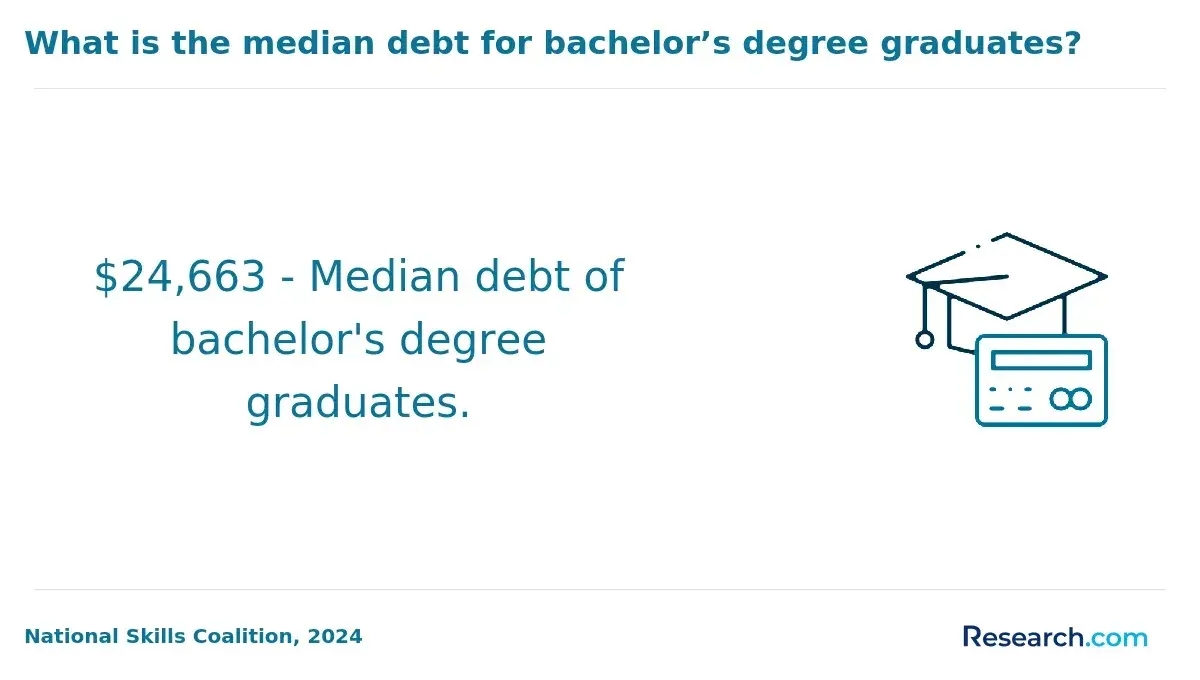
Cost is the other side of ROI. Publicly reported graduate tuition data from NCES, published in recent Digest tables, shows graduate tuition and required fees vary substantially between public and private nonprofit institutions, and doctoral programs add additional costs through dissertation credits, residencies, technology fees, books, travel, and lost time.
The table below shows the cost factors that usually matter most when comparing Reading & Literacy doctorate programs.
| Cost factor | Why it matters | What to check before enrolling |
| Total credits | A 45-credit program and a 60-credit program can have very different total tuition even if the per-credit price looks similar | Ask for total program tuition, not just per-credit tuition |
| Dissertation or capstone fees | Students may pay for continuation credits if research extends beyond the planned timeline | Ask how many students need extra terms and what those terms cost |
| Residency travel | Online programs may still require campus visits, institutes, or research seminars | Calculate travel, lodging, meals, and time away from work |
| Employer support | Tuition reimbursement can improve ROI, especially for district employees and higher education staff | Confirm annual reimbursement caps, service commitments, and grade requirements |
| Assistantships or scholarships | Some research-focused programs may offer funding, while many professional doctorates are self-funded | Ask whether funding is guaranteed, competitive, renewable, or unavailable |
Completion risk also affects financial return. National public data does not provide a clean, current completion or attrition rate specifically for online Reading & Literacy doctorates, so you should ask each program for cohort completion rates, average time to degree, dissertation support structures, and withdrawal patterns. A lower sticker price may not be a better value if students often need extra years to finish.
To improve ROI, tie the degree to a concrete salary path before enrolling. That may mean verifying district salary schedules, identifying administrator roles that require or prefer doctorates, checking faculty job requirements, estimating consulting revenue realistically, or confirming whether your employer will fund part of the program.
How can you assess if a doctorate degree in Reading & Literacy is aligned with your career goals?
The best way to assess fit is to start with the career outcome, not the degree title. A Reading & Literacy doctorate is most aligned with your goals if you want to lead systems, teach at the college level, produce research, influence literacy policy, design large-scale interventions, or become a recognized expert in a specific area of reading and language development.
Use the following steps to decide whether the doctorate is the right investment for your situation.
- Define your target role in plain language, such as "district literacy director," "clinical professor," "edtech curriculum researcher," or "independent structured literacy consultant."
- Review real job postings for that role and note whether a doctorate is required, preferred, or simply valued.
- Compare EdD and PhD formats based on your goal: EdD programs, including EdD without dissertation, often fit applied leadership, while PhD programs often fit research-intensive academic careers.
- Verify accreditation, faculty expertise, dissertation support, and state licensure implications before comparing tuition or rankings.
- Ask programs for completion rates, average time to degree, graduate placement examples, and whether online students receive the same faculty access as campus students.
- Calculate total cost, expected time commitment, employer reimbursement, loan burden, and the realistic salary difference between your current role and your target role.
- Choose a dissertation or capstone topic that can become a portfolio asset, publication, consulting niche, or leadership credential.
It is also important to avoid common mistakes. Many applicants underestimate the workload of doctoral research, choose a specialization without market research, assume an online doctorate will be easier, or enroll without knowing whether their employer rewards doctoral credentials. Others focus only on rankings and overlook faculty fit, research methods training, or dissertation completion support.
A good fit usually looks like this: you have professional experience in education or literacy, a clear advancement goal, enough schedule capacity for sustained doctoral work, and a program that directly supports your target sector. A poor fit is pursuing the doctorate mainly for prestige, without a role in mind, funding plan, or evidence that the credential will change your career options.
Other Things You Should Know About Reading & Literacy
No. A doctorate is an advanced academic degree, while reading specialist certification or endorsement is a state-regulated credential. Some doctoral programs may help with advanced literacy expertise, but certification requirements vary by state and must be verified separately.
Many working educators complete an EdD or PhD in about 3 to 6 years, depending on transfer credits, enrollment pace, dissertation progress, and program structure. Part-time students should pay close attention to dissertation timelines and continuation fees.
An EdD is often better for applied leadership, district improvement, and practitioner-focused consulting. A PhD is usually stronger for research-intensive faculty roles, grant-funded research, and academic publishing. The better choice depends on your target job.
Yes, many online programs are designed for working educators. However, doctoral study still requires consistent time for research, writing, data collection, and collaboration. Before enrolling, confirm weekly workload expectations and any required residencies.
References
- 5 High-Paying Jobs with an Ed.D. Degree | University of Bridgeport https://www.bridgeport.edu/news/high-paying-jobs-with-an-edd/
- EdD Salary - How much can you make with a Doctor of Education (EdD) degree? (2025 Update) https://www.onlineeddprograms.com/faqs/edd-salary
- What Can You Do with a PhD in Education https://aituedu.org/what-can-you-do-with-a-phd-in-education/
- PhDs are rising worldwide, but academic futures are shrinking https://qazinform.com/news/phds-are-rising-worldwide-but-academic-futures-are-shrinking-1cba0e
- All Ed.D Programs in Reading & Literacy in 2025 - EdDPrograms.org https://www.eddprograms.org/schools/reading-literacy/
- Careers with a Doctorate in Educational Leadership | Neumann https://learn.neumann.edu/neuperspectives/careers-with-a-doctorate-in-educational-leadership
- The Role of Professional Doctorates in Bridging Academia ... https://jies.cultechpub.com/index.php/jies/article/download/16/11/94
- Reasons to Get a Reading, Language, and Literacy Doctorate - Graduate Programs for Educators https://www.graduateprogram.org/blog/reasons-to-get-a-reading-language-and-literacy-doctorate/
- Earning an Online Doctorate in Reading and Literacy https://www.gograd.org/online-phd-programs/best-reading-literacy-degrees/


