2027 Return on Investment (ROI) of a Materials Science & Engineering Degree Program

Co-Founder and Chief Data Scientist
Many prospective students hesitate to enroll in a materials science & engineering degree due to uncertainty about career prospects and financial returns. This concern is valid, as graduates face an evolving job market influenced by rapid technological advances. According to the U. S. Bureau of Labor Statistics, employment for materials engineers is projected to grow 8% from 2022 to 2032, faster than the average for all occupations.
Understanding these trends can help students make informed choices. This article examines the return on investment (ROI) of materials science & engineering programs by analyzing costs, salaries, and career opportunities to guide readers toward sound educational decisions.
Key Things to Know About Materials Science & Engineering Degree ROI
- Materials science & engineering graduates earn a median starting salary around $70,000, well above the national average for engineering fields.
- Career advancement is strong, with many progressing to senior engineer or management roles within 5-7 years, reflecting high industry demand.
- Job stability is enhanced by versatility across sectors such as aerospace, electronics, and renewable energy, supporting consistent long-term salary growth.
How Is ROI Calculated for a Materials Science & Engineering Degree Program?
Return on investment (ROI) in higher education evaluates the financial benefits a student gains relative to the costs and time invested in earning a degree. For materials science & engineering, calculating ROI helps students assess how well the degree's value aligns with tuition expenses, time commitment, and potential earnings.
Several key factors contribute to calculating ROI for a materials science & engineering degree program.
- Tuition and fees: This includes the total cost for tuition, mandatory fees, and other education-related expenses. Knowing these costs helps quantify the initial financial burden of the degree.
- Opportunity cost: Time spent studying means less time earning a full-time salary. This lost income during the program is an important part of the ROI calculation to fully represent economic trade-offs.
- Time to completion: The length of the program influences both direct costs and opportunity costs, with shorter completion times often improving ROI by minimizing expenses.
- Post-graduation salary outcomes: Average starting salaries and future salary growth in materials science & engineering significantly affect the financial returns after graduation.
- Career advancement and earning potential: The degree's impact on promotions and long-term salary increases is also essential, as strong career growth potential boosts lifetime earnings and improves ROI.
Prospective students can explore specialized programs, including msw programs online, to compare ROI factors and educational formats. With careful consideration of materials science and engineering degree ROI calculation, individuals can make informed decisions aligned with career goals and financial expectations.
- Materials Science and Engineering degree ROI calculation
- Calculating return on investment for engineering programs
How Much Does a Materials Science & Engineering Degree Program Cost?
Accurately gauging the full cost of a materials science & engineering degree is vital for assessing its return on investment, especially as average graduate tuition has climbed steadily, contributing to an average student debt exceeding $37,000 per borrower nationwide. Beyond tuition, a range of expenses should be considered to form a complete financial picture.
Key factors influencing the overall cost and ROI include:
- Tuition and fees: These represent the most significant cost and vary depending on factors like residency and type of school. They often form the bulk of the financial commitment required.
- Books and materials: Costs for specialized textbooks, laboratory supplies, and software add up each year, making this an important budget item often overlooked.
- Living and relocation costs: Housing, transportation, and daily expenses can fluctuate widely, particularly if the program requires moving to a new city or state.
- Opportunity cost: Time invested in full-time study means sacrificing potential earnings, which can accumulate substantially over several years.
- Hidden expenses: Additional fees such as application charges, technology needs, health insurance, and travel for internships or research may increase total costs unexpectedly.
When discussing costs with a recent materials science & engineering graduate, he emphasized the challenge of budgeting beyond tuition. "You think you have a handle on expenses, but then unexpected fees pop up-like software licenses and travel for conferences," he said. He described the balancing act between managing living expenses and seizing internship opportunities that required travel. "It was stressful at times, wondering if the investment would really pay off, but those experiences were key to landing my first job." His reflections highlight that the true cost of the degree extends beyond the classroom and plays a central role in considering its financial value.
What Financial Aid Is Available for Materials Science & Engineering Degree Programs?
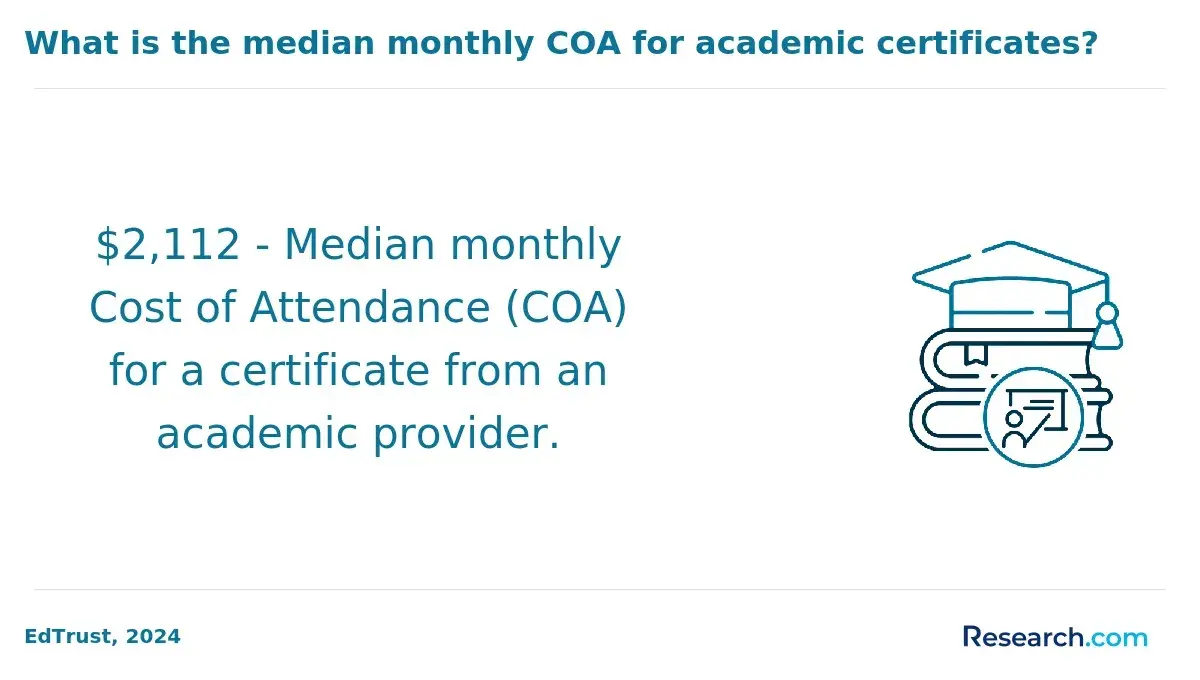
Financial aid can substantially reduce upfront expenses for materials science & engineering students, improving their long-term return on investment by lowering debt and easing repayment burdens. Studies show that more than 85% of graduate students in the U.S. receive some form of financial assistance, which helps decrease overall education costs and enhances salary-to-debt ratios.
Several key types of financial aid can make pursuing this degree more affordable and financially rewarding:
- Scholarships: These merit-based awards reduce tuition without requiring repayment, directly decreasing debt and increasing the financial benefit of the degree.
- Grants: Need-based grants offer non-repayable funds that do not accrue interest, making them a valuable resource for controlling education expenses.
- Fellowships: Often linked to research or academic achievement in materials science & engineering, fellowships may provide stipends, which help cover living costs and minimize reliance on loans.
- Employer tuition assistance: Working professionals can sometimes obtain tuition reimbursement, which offsets program costs and can accelerate career growth while managing educational spending.
- Federal loans: Although these require repayment, their typically lower interest rates and flexible repayment options make them a more manageable borrowing choice compared to private loans when other aid is limited.
Combining these aid sources allows students to lower their debt load and realize stronger financial returns from their materials science & engineering degrees over time.
Breakdown of Private Fully Online For-profit Schools

The time needed to finish a materials science & engineering degree directly affects its return on investment (ROI) by influencing opportunity costs, potential earning start dates, and overall expenses. The longer it takes, the more income is postponed and the higher the cumulative costs become. Several factors play a role in shaping the duration and thus the financial advantages of this degree.
Key influences on time to completion include:
- Enrollment status: Full-time students usually finish within the traditional timeframe, but part-time learners extend their studies, which may raise costs while allowing for income during school.
- Program format: Accelerated or online options can shorten completion time, enabling earlier entry into the workforce and improving financial returns.
- Transfer credits: Using previously earned credits reduces necessary courses, cutting down both time and costs.
- Practical requirements: Internships or thesis projects enrich experience but can add months to the timeline.
- Course availability: Limited scheduling options each semester may delay progress, affecting overall duration.
When I asked a graduate of a materials science & engineering program about her perspective on how long completing the degree took, she reflected on both challenges and rewards. She described balancing the heavy course load with internship commitments as demanding yet invaluable, noting that rigorous scheduling sometimes forced her to delay classes. Despite the occasional stress of extended semesters, she appreciated how the practical experiences and flexible online courses helped her finish with confidence and allowed her to start her career ready. "It wasn't just about rushing to the finish line," she said, "but making sure the time I spent was worth the skills and connections I gained." This balanced approach helped her maximize the degree's long-term value beyond mere timing.
Delivery format influences the return on investment (ROI) for materials science & engineering degree programs through differences in cost, flexibility, and career outcomes. Nearly 40% of U.S. graduate students enrolled in at least one online course in 2023, reflecting growing acceptance of online education. This trend affects how prospective students weigh ROI for online versus on-campus options.
Here are several important factors to consider when comparing ROI for online and on-campus materials science & engineering programs:
- Tuition and fees: Online programs usually have lower tuition and fees, which reduces the upfront financial burden. Some students explore the cheapest cacrep-accredited programs online for cost-effective education models that highlight potential savings in online delivery.
- Opportunity cost: Flexible scheduling in online programs allows students to continue working while studying, minimizing lost income and time compared to full-time on-campus attendance.
- Networking and career services: On-campus programs typically provide stronger networking opportunities and more direct access to career support services, which can improve job placement and long-term earnings.
- Employer perception: Some industries may still favor traditional degrees, impacting job prospects. However, employer acceptance of online credentials is steadily improving, reducing this barrier over time.
- Long-term earning potential: Ultimately, ROI depends on career outcomes and experience rather than degree format alone. Time to completion tends to be similar but varies by individual circumstances.
Given these factors, prospective students evaluating the return on investment for online materials science degrees should carefully weigh how each aspect aligns with their personal and professional goals.
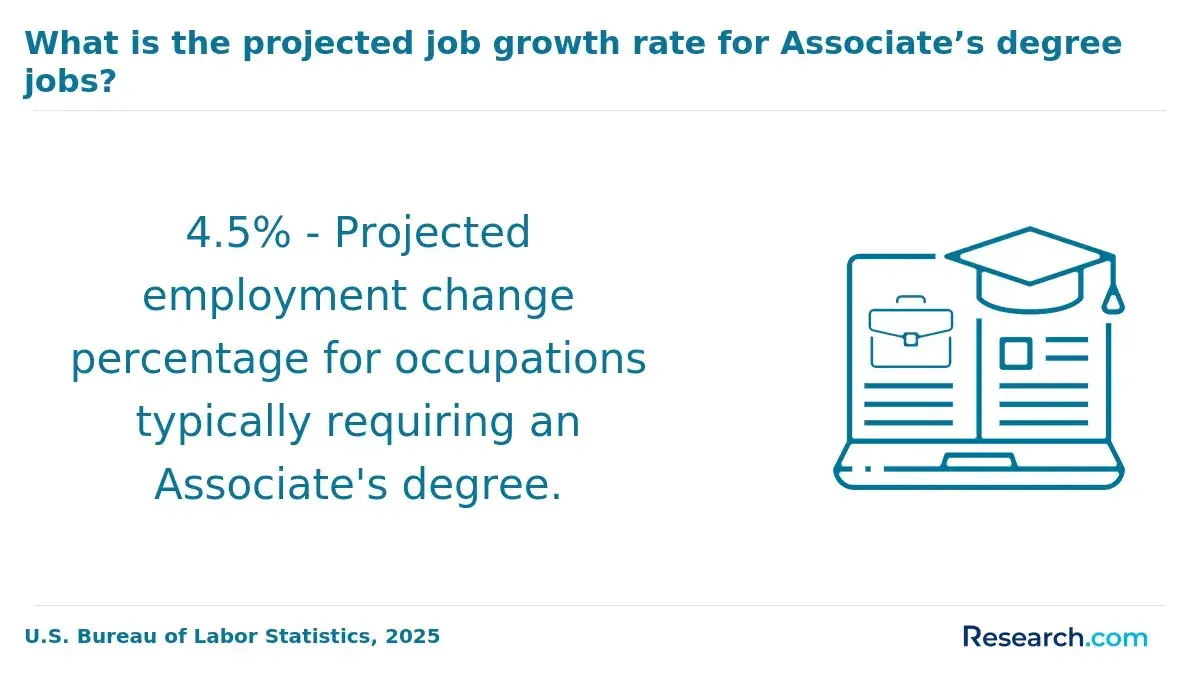
Post-graduation salary is a key factor in determining the return on investment (ROI) for a materials science & engineering degree since it influences how quickly graduates can recoup their educational expenses and build financial stability. Early-career materials science engineering average salary typically ranges between $65,000 and $110,000, demonstrating strong earning potential compared to other fields.
Several factors affect post-graduation earnings for materials science graduates and ultimately impact ROI:
- Industry: Graduates in high-tech manufacturing, aerospace, or semiconductor sectors often earn higher salaries than those working in academia or government research, reflecting market demand and funding levels.
- Geographic location: Salaries tend to be higher in tech hubs and metropolitan areas due to cost of living variations and a greater need for specialized skills.
- Prior experience: Internship or co-op participation before graduation can boost starting salaries and accelerate long-term growth by providing practical skills and professional networks.
- Specialization: Expertise in niche areas like nanomaterials or biomaterials can command premium pay as employers seek specific competencies.
- Career level: Entry-level roles pay less initially, but salary growth is significant with gained experience, leadership opportunities, and advanced qualifications.
Prospective students comparing their options might also explore online degrees in psychology as alternative fields with different earning trajectories.
Promotions enhance the return on investment (ROI) of a materials science & engineering degree by bringing salary increases, expanded responsibilities, and greater career mobility. These factors significantly boost both the financial and professional value gained from earning this credential.
Recent workforce trends highlight a growing emphasis on credential-based promotions, where advanced degrees increasingly become prerequisites for leadership roles. This reflects a shift where experience alone may no longer be sufficient for career advancement. The following points illustrate how a materials science & engineering degree supports promotion opportunities and strengthens ROI.
- Credential requirements: Higher-level technical and managerial positions often mandate advanced degrees. A materials science & engineering degree meets these credential demands, making candidates eligible for promotions that require formal education.
- Leadership preparation: The degree equips graduates with specialized engineering knowledge and problem-solving skills, preparing them to take on leadership roles and complex responsibilities valued by employers.
- Employer tuition support: Many employers offer tuition reimbursement or funding programs for employees pursuing this degree, reducing the net cost and encouraging further education that aligns with career advancement.
- Internal promotion policies: Organizations often prioritize employees with relevant academic backgrounds in their promotion decisions, enhancing the chances of advancing within a company for degree holders.
- Experience synergy: Combining work history with a specialized degree maximizes career mobility and promotion potential, as credentials reinforce practical knowledge and skills.
For professionals evaluating how a materials science & engineering degree impacts career advancement, it is important to consider that this path ranks among highest paying bachelor degrees. Integrating this credential into a career strategy aligns education with tangible promotion prospects and financial benefits.
The return on investment (ROI) for graduates with a materials science & engineering degree varies significantly by industry due to differences in salary levels, career progression, and demand for specialized skills. These factors influence how quickly professionals can increase their earnings and advance their careers.
Industries with strong growth and technological innovation often provide the best ROI for materials science & engineering graduates. Key sectors include:
- Aerospace and Defense: This industry requires advanced materials for critical, high-performance applications, offering competitive salaries and long-term job stability. Graduates benefit from steady career advancement driven by ongoing innovation and project demands.
- Semiconductors and Electronics: The constant need for innovative materials in chip fabrication results in high compensation and fast skill development, reflecting robust market demand and promotion potential.
- Renewable Energy: As the sector expands, materials experts play essential roles in improving efficient energy storage and generation technologies. This leads to growing job stability and increasing salary prospects.
- Biomedical Engineering and Medical Devices: Specialized knowledge of biomaterials drives medical innovation and offers rewarding compensation and career growth opportunities.
- Automotive and Transportation: The shift toward lightweight, durable materials for electric vehicles fuels demand and salary growth for skilled graduates.
Overall, considering the return on investment in materials science careers involves evaluating both immediate compensation and long-term career trajectories across these top industries for materials engineering graduates ROI.
Additionally, many professionals enhance their prospects by exploring what certifications can i get online to complement their degree and increase their marketability in these competitive fields.
Accreditation in materials science & engineering degree programs signifies that the curriculum meets established standards maintained by recognized educational authorities. This validation confirms that the program delivers essential skills and knowledge aligned with industry demands. Increasingly, employers prefer graduates from accredited programs, viewing accreditation as a sign of program quality and graduate readiness. Moreover, accreditation is often a prerequisite for qualifying for professional licensure, which can be critical for roles requiring advanced certifications.
The long-term return on investment of a degree is positively affected by accreditation through several pathways. Employers tend to place greater trust in candidates from accredited programs, potentially improving job prospects and starting salaries. Accreditation also opens doors to federal financial aid and scholarships, easing the financial burden of education. Additionally, accredited programs facilitate smoother credit transfers between institutions and ensure eligibility to sit for licensure exams, supporting career flexibility and upward mobility in the engineering field.
The return on investment for a materials science & engineering degree depends on various financial and professional factors. Tuition and fees differ by program, and earning a bachelor's usually takes four years, with longer commitments for advanced degrees. Graduates often start with salaries above $65,000, indicating competitive earning potential compared to many STEM fields. Additionally, industries like aerospace, automotive, and energy typically offer steady job growth and salary progression, supporting career advancement. About 85% of graduates secure relevant engineering roles within six months, reflecting strong job placement prospects.
The value of a materials science & engineering degree varies with individual circumstances. Key influences on ROI include regional job markets, industry demand, program type, and availability of scholarships or financial aid. Personal career objectives and openness to specialization or further education also play critical roles. Without effective financial planning or clear goals, the investment may take longer to repay, whereas aligning studies with industry needs can enhance long-term benefits.
What Graduates Say About The ROI of Their Materials Science & Engineering Degree
- Esteban: "Choosing a traditional materials science & engineering degree was a strategic move for me, primarily because of its impressive long-term ROI. Although the average cost hovered around $35,000 annually, the investment definitely paid off through the highly specialized skills I gained, leading to a rewarding career in aerospace engineering. The degree opened doors to opportunities I hadn't anticipated; it's been absolutely worth every dollar and effort. - "
- Alexis: "Opting for an online materials science & engineering program was motivated by flexibility and cost-effectiveness, especially with tuition averaging closer to $20,000 per year. Reflecting on it now, the lower cost combined with top-notch faculty support made this a smart choice without compromising quality. This degree has broadened my professional horizons, positioning me well in the tech materials sector and validating the investment. - "
- Eli: "As a part-time student, I knew the financial commitment for a materials science & engineering degree-often exceeding $30,000 yearly-was substantial, but I considered it a calculated risk with promising returns. Balancing work and studies was challenging, yet completing the program significantly enhanced my credentials and propelled me into a senior materials analyst role. The degree's value, both financially and professionally, has become evident to me through career growth and increased job security. - "
Other Things You Should Know About Materials Science & Engineering Degrees
A materials science & engineering degree equips graduates with expertise in analyzing and manipulating the properties of materials, such as metals, polymers, and ceramics. These skills are highly sought after in industries like aerospace, automotive, electronics, and energy, enhancing employability and salary prospects. Additionally, problem-solving, research, and lab techniques strengthen career adaptability, contributing positively to ROI.
The highest starting salaries usually come from semiconductor manufacturers, aerospace firms, and advanced battery companies. In 2027, these employers often recruit graduates with a bachelor’s degree, laboratory experience, and coursework in thermodynamics, materials characterization, and process engineering. Some roles also prefer ABET-accredited programs.
- Is Grad School Worth It? A Comprehensive Return on Investment Analysis - FREOPP https://freopp.org/whitepapers/is-grad-school-worth-it-a-comprehensive-return-on-investment-analysis/
- Which Materials Science Career Path Suits You Best? https://materialssciencejobs.co.uk/career-advice/which-materials-science-career-path-suits-you-best-
- Materials Science and Engineering https://www.tum.de/en/studies/degree-programs/detail/materials-science-and-engineering-master-of-science-msc
- Materials Science and Engineering https://www.imperial.ac.uk/study/courses/undergraduate/2026/materials-science-engineering-meng/
- BSc in Materials Science and Engineering https://admission.zut.edu.pl/in-english/study-offer-english-programmes/bsc-in-materials-science-and-engineering.html
- These are the degrees that will earn you the most money when you graduate - and the ones that won’t https://www.weforum.org/stories/2021/10/stem-degrees-most-valuable/
- Materials Science and Engineering (BEng) https://study.gov.pl/materials-science-and-engineering-beng
- Explore Job Roles: Materials Scientists and Engineers https://joinhandshake.com/blog/students/job-role-materials-scientists-and-engineers/
- Careers in Materials Science & Engineering | University of Virginia School of Engineering and Applied Science https://engineering.virginia.edu/department/materials-science-and-engineering/academics/undergraduate-programs/careers-materials-science-engineering
- Engineering Degrees Online or On Campus | Academic Programs https://gps.uml.edu/engineering-degrees-online-and-on-campus/