2027 Part-Time vs. Full-Time Materials Science & Engineering Degree Programs

Co-Founder and Chief Data Scientist
Choosing between part-time and full-time materials science & engineering degree programs can be challenging for students juggling work and finances alongside academic ambitions. Approximately 35% of enrolled students pursue flexible learning options to better manage workloads, reflecting growing demand for schedules that accommodate professional and personal responsibilities.
This article clarifies key differences in pace, workload, and outcomes between part-time and full-time study formats. Understanding these distinctions helps prospective students identify which path aligns with their career goals and lifestyle needs in the competitive field of materials science & engineering.
Key Benefits of Part-Time vs. Full-Time Materials Science & Engineering Degree Programs
- Part-time programs enable students to maintain full-time employment, enhancing practical experience in materials science & engineering while financing their education effectively.
- Flexible scheduling in part-time study supports work-life balance, crucial for mature students managing family or personal responsibilities alongside academics.
- Extended program duration allows deeper comprehension of complex engineering concepts, potentially increasing retention and improving career readiness in a competitive job market.
How Are Part-Time Materials Science & Engineering Programs Structured Compared to Full-Time Programs?
Choosing between part-time and full-time study formats in materials science & engineering significantly influences a student's learning pace and overall academic experience. Understanding program structure matters because scheduling differences shape flexibility, workload, and interaction opportunities for students balancing other commitments.
Part-Time Program
- Course Load: Typically one or two courses per semester, reducing overall intensity compared to full-time.
- Weekly Commitment: Around 10 to 20 hours, allowing students to manage work or family responsibilities alongside studies.
- Scheduling Flexibility: Classes often take place during evenings, weekends, or online, accommodating working professionals effectively.
- Online and Hybrid Options: Many programs include fully online courses, enhancing accessibility and personalized pacing.
- Networking Opportunities: Less frequent campus visits may limit group projects and face-to-face interactions, impacting peer collaboration.
Full-Time Program
- Course Load: Usually three to five courses per semester, providing an immersive academic experience.
- Weekly Commitment: Typically 30 to 40 hours, demanding a more intensive time investment.
- Schedule: Primarily campus-based with daytime classes, promoting regular engagement with faculty and peers.
- Research and Collaboration: More frequent cohort interactions foster deeper collaboration and access to research opportunities.
- On-Campus Presence: Central to the experience, supporting comprehensive academic support and networking.
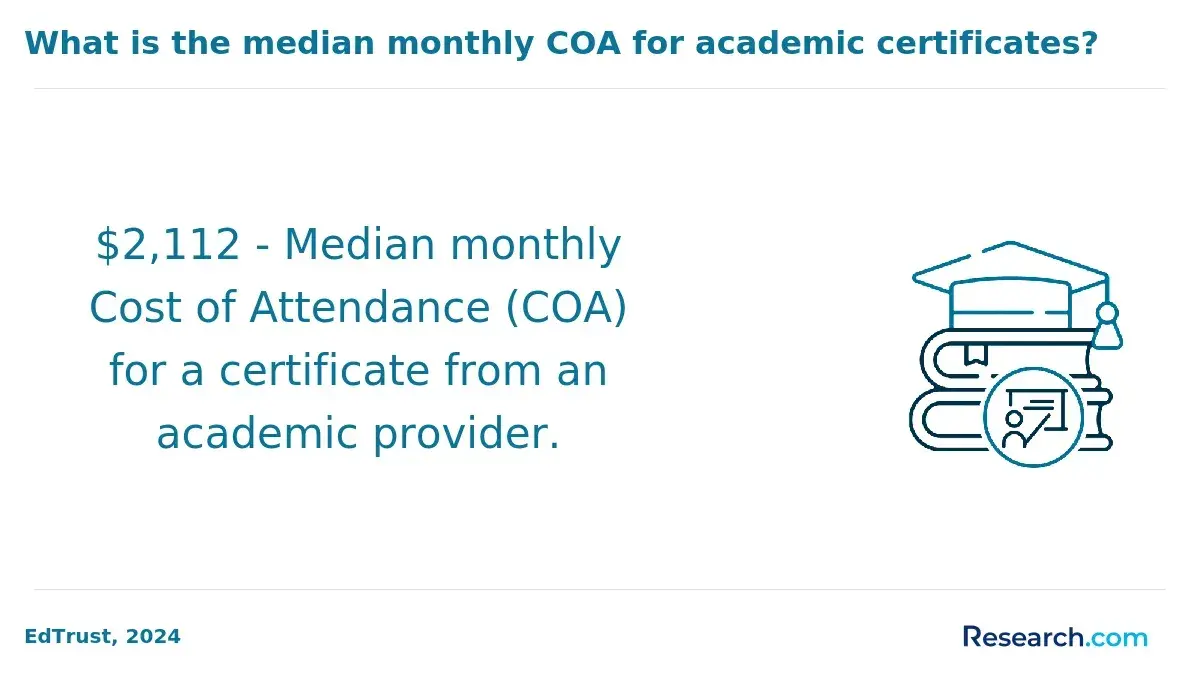
When comparing part-time vs full-time materials science degree structure, consider how each approach aligns with your availability and learning preferences. For those exploring alternative routes, 6 month certificate programs for high paying jobs may offer additional pathways worth reviewing.
How Long Does It Take to Earn a Part-Time vs Full-Time Materials Science & Engineering Degree?
Understanding how long it takes to earn a materials science engineering degree is essential for students planning their academic and career timelines. Completion time varies significantly between full-time and part-time study formats, as seen in the breakdown below:
- Full-time duration: Typically, a full-time materials science engineering program lasts about four years for a bachelor's degree. Graduate programs, like master's degrees, generally require two years of full-time study.
- Part-time duration: Part-time materials science engineering degree duration often extends from five to seven years, depending on course availability and the student's scheduling flexibility.
- Course load impact: Full-time students usually take 12-18 credits per term, while part-time students generally enroll in fewer than 9 credits, prolonging their studies.
- Program flexibility: Some schools offer accelerated tracks, transfer credits, or prior coursework recognition that can shorten the overall duration.
- External commitments: Work, family, and life obligations commonly slow progress in part-time programs, with students frequently taking 150% or more of the normal completion time.
Students weighing the benefits of part-time versus full-time study might also consider options with lower degree difficulty, such as the easiest degree to get, to align with their timeline and workload preferences.
Are Admission Requirements Different for Part-Time vs Full-Time Materials Science & Engineering Programs?
While both formats share foundational criteria, key distinctions exist due to differing student profiles and program goals. These differences can guide applicants in choosing the best enrollment option aligned with their academic and professional needs. These include:
- GPA Expectations: Both part-time and full-time materials science & engineering entry requirements typically mandate a minimum GPA near 3.0 on a 4.0 scale. Full-time programs, particularly at research-focused universities, may require higher GPAs to remain competitive.
- Prerequisite Coursework: Foundational courses in chemistry, physics, and mathematics are essential for both study formats. Part-time students often have greater flexibility, allowing more time to complete these requirements alongside other commitments.
- Professional Experience: Part-time applicants usually benefit from relevant engineering or industry experience, which can strengthen their applications. Such experience may compensate for lower academic metrics in some circumstances.
- Standardized Tests: Many full-time programs expect GRE scores, although some have waived this recently. Part-time materials science programs often eliminate GRE requirements to broaden accessibility for working professionals.
- Supporting Documents: Both formats require transcripts, letters of recommendation, and personal statements. Part-time candidates should emphasize their career motivation and how the degree fits their work-life balance, highlighting professional accomplishments when possible.
Understanding these nuances helps ensure alignment with one's career trajectory, particularly when pursuing some of the top paying bachelor degrees in engineering fields.
Tuition costs for materials science & engineering programs vary considerably between part-time and full-time enrollment, impacting students' financial planning.
Full-time students generally pay a flat rate per semester covering a set credit load, offering predictable costs. Part-time students, however, are billed per credit, which can alter total expenses depending on course load and program length. Below are the cost-related differences of the two formats:
- Per-credit vs. Flat-rate tuition: Full-time programs charge a fixed semester fee, often ranging from $10,000 to $15,000 annually for in-state graduate students, while part-time students pay by credit, sometimes $500 to $1,000 or more each.
- Total program cost: Part-time students spread tuition over more semesters, potentially increasing aggregate costs despite lower semester bills, whereas full-time students finish faster but face larger upfront payments.
- Financial aid access: Grants and loans tend to be more accessible for full-time enrollees; part-time students may find financial assistance more limited or structured differently, affecting overall affordability.
- Additional fees: Expenses like lab or technology fees apply to both, but extended durations for part-time study could lead to higher cumulative fees.
- Impact of enrollment intensity: Full-time schedules condense time-to-degree but increase immediate financial burden, while part-time offers flexibility with a possible rise in total cost over time.
When discussing these differences, a graduate of a part-time materials science & engineering program shared her experience. She emphasized managing tuition payments alongside work obligations was demanding but allowed her to maintain income flow.
"I had to carefully budget each credit hour and was surprised by how fees accumulated over the longer timeline," she said. Despite occasional financial strain, she appreciated the program's flexibility and felt the slower pace helped her absorb complex material better.
"Paying per credit made me more mindful of course choices—it wasn't just about advancing fast but ensuring I understood the content," she reflected. Her experience highlights that while part-time enrollment can lengthen and slightly increase costs, it also provides a valuable balance between education, work, and life.
Part-time materials science & engineering degree programs generally provide more online and hybrid course options than full-time programs. Full-time formats typically focus on in-person attendance but are gradually incorporating some hybrid elements.
Below is an overview of how each format approaches course delivery, influenced by key factors:
- Program Design: Part-time programs often feature modular and asynchronous courses that fit diverse schedules, allowing students to progress at their own pace. Full-time curricula tend to require regular, synchronous classes with more on-campus labs and research activities.
- Institutional Policy: Universities commonly direct more funding and technology resources toward online infrastructure for part-time tracks, recognizing the need for flexibility. Full-time policies still prioritize immersive campus experiences but are slowly adapting to include hybrid options.
- Student Demographics: Part-time students are frequently working professionals or individuals with family responsibilities, necessitating flexible learning formats like evening or weekend classes. Full-time students are more often recent high school graduates focused on full immersion in their studies.
- University Tailoring: Part-time programs are explicitly designed to support career-oriented learners by providing remote access and hybrid scheduling. Full-time programs maintain emphasis on collaboration and in-person mentorship, though technology integration is increasing.
This combination of factors makes part-time programs more accessible for those needing adaptable learning environments.
Students in materials science & engineering programs can generally switch between part-time and full-time enrollment, but the process varies by institution and involves specific policies.
Most schools require a formal request submitted to the registrar or academic advising office to initiate the change. Approval typically depends on the student's academic standing and consultation with an advisor to ensure course compatibility and a manageable workload.
Before switching, students should evaluate how the change might influence financial aid, course availability, and their ability to maintain academic momentum. Understanding these factors helps in making an informed decision about enrollment status.
Common requirements often include maintaining good academic standing and securing advisor approval. Financial aid eligibility may be affected since many grants and scholarships mandate full-time enrollment. Some courses or research opportunities may be restricted to full-time students, impacting scheduling and academic progress.
Additionally, switching to part-time status can lengthen the completion time of the degree, so it's important to plan carefully. Advisor guidance plays a crucial role in balancing these considerations to support timely graduation.
A graduate who shifted from part-time to full-time studies shared that initially managing work alongside coursework was overwhelming, and switching to full-time brought relief through increased focus and access to resources.
He described the approval process as requiring persistence but eventually rewarding, noting, "It felt like the right step to accelerate my learning and open up more hands-on research chances." The transition also meant adjusting to a heavier course load, but he valued the deeper engagement with the material and the academic community.
Reflecting on his experience, he highlighted that flexibility in enrollment allowed him to tailor his education to his evolving personal and career goals.
Delivery format significantly shapes the learning experience for students in materials science & engineering. Flexibility varies notably between part-time and full-time study, influencing how students manage their schedules and coursework.
- Scheduling Flexibility: Online programs offer the greatest flexibility, ideal for part-time students balancing work and family. Full-time students progress steadily but may miss the routine on-campus programs provide. Hybrid formats mix fixed campus sessions with flexible online study, requiring careful planning from part-time students.
- Workload Management: Full-time students often manage heavier course loads more easily on campus, benefiting from immediate access to faculty and peers. Part-time online learners can pace their workload to reduce burnout, although it may extend program length. Hybrid schedules can intensify workload during on-campus weeks, challenging part-timers to balance responsibilities.
- Accessibility and Resources: Online delivery removes geographic barriers, making materials science & engineering online degree options more accessible nationwide for part-time students. Full-time learners on campus benefit from labs and research facilities essential for materials testing. Hybrid programs grant partial resource access but still depend on self-directed online study.
- Learning Pace and Style: Part-time students thrive with self-paced, asynchronous online courses allowing review and repetition. Full-time, campus-based students engage in immersive, time-bound learning fostering immediate comprehension. Hybrid models require adaptability, blending flexible online study with scheduled in-person collaboration.
- Student Support: Campus programs usually offer robust support systems like office hours, study groups, and tutoring, aiding full-time learners. Part-time online students may face limited access but increasingly benefit from virtual advising and forums. Hybrid formats aim to bridge this gap yet sometimes leave part-timers seeking more consistent guidance.
For those exploring various options, including hybrid vs campus materials science & engineering programs, understanding these factors is key.
Prospective students can also consult resources on the most affordable online degrees to identify cost-effective pathways aligned with their study preferences.
Employers often prefer full-time materials science & engineering degrees because they are perceived as more rigorous, reflecting a concentrated and immersive study experience. This focus can showcase a candidate's dedication and depth of knowledge, which many hiring managers value highly.
A 2023 report by the National Association of Colleges and Employers found that about 68% of employers favored candidates with full-time degrees, associating them with broader academic exposure and stronger foundational skills. However, part-time degrees also highlight important competencies such as advanced time management and the ability to balance professional work alongside study.
These traits often appeal to employers looking for candidates with practical experience, blending theoretical knowledge with real-world application, an aspect critical in many engineering roles involving applied work.
Industry-specific preferences shape employer views. Research-intensive positions in materials science typically favor full-time graduates because of access to uninterrupted lab work and deeper research opportunities.
Conversely, engineering sectors like manufacturing and aerospace, which emphasize applied solutions, often value the practical skills gained through part-time study programs. Thus, part-time degrees can still demonstrate considerable career readiness and professionalism.
Meanwhile, for individuals seeking personality-driven roles, the best jobs for intoverts will not compromise the kinks in their personalities while being productive.
Return on investment (ROI) plays a vital role when choosing between part-time and full-time materials science & engineering degree programs. It encompasses tuition expenses, duration of study, potential earnings lost during education, and future job prospects. These elements collectively shape the overall value of the educational path selected.
Full-time programs typically require 2 to 4 years to finish, leading to earlier workforce entry and generally higher initial salaries, with engineering graduates earning around $73,000 on average. However, they often involve significant upfront tuition and the possibility of forgoing income while studying.
Here are more key facts:
- Full-time: higher upfront tuition costs coupled with a faster graduation timeline enable quicker access to well-paying positions and accelerated career growth.
- Part-time: allows continued income during studies and spreads tuition payments over several years, though the extended duration may slow salary progression after graduation.
- Shared advantages: both formats provide strong career opportunities within materials engineering, balancing costs and benefits depending on individual circumstances.
Selecting the right study format is essential to align academic pursuits with career goals and personal life. The choice between part-time and full-time materials science & engineering programs depends on balancing these factors effectively.
- Time availability: Full-time study demands 12-18 credit hours per semester, leading to a shorter completion time. Part-time options offer more flexibility but extend the time needed to graduate.
- Financial resources: Full-time students often qualify for more scholarships and financial aid, while part-time students can maintain income through work, helping offset tuition expenses.
- Career goals: Those seeking rapid advancement or immersive research roles benefit from full-time study. Part-time study suits professionals balancing work with gradual academic progress.
- Learning style: Full-time programs provide structured, intensive environments. Part-time students need strong self-discipline and good time management skills.
- Program duration and flexibility: Full-time paths are shorter, typically four years for bachelor's degrees or two for master's, whereas part-time routes offer extended timelines to accommodate other commitments.
What Graduates Say About Their Part-Time vs. Full-Time Materials Science & Engineering Degree
- Nick: "Pursuing a full-time materials science & engineering degree was an intense but incredibly rewarding experience. The hands-on labs and research projects truly deepened my understanding of material properties, and despite the average cost being quite steep, around $40,000 annually, the return on investment has been enormous-landing a job in aerospace materials development within months of graduation. I feel this degree gave me a solid foundation and opened doors I didn't think possible. "
- Sam: "Balancing a part-time materials science & engineering program alongside my job was challenging, yet deeply fulfilling. The flexibility allowed me to manage expenses better, as the total cost was significantly lower, averaging about half the usual full-time fees, which eased the financial pressure. This degree has not only advanced my technical skills but also boosted my confidence to pursue a leadership role in the electronics industry. "
- Jesse: "Reflecting on my full-time materials science & engineering education, the structured curriculum and access to expert faculty were invaluable. While the upfront investment-close to $150,000 in total-was daunting, the degree's impact on my career trajectory has been undeniable, enabling me to contribute to cutting-edge nanotechnology development. This experience sharpened my analytical skills and expanded my professional network extensively."
Other Things You Should Know About Materials Science & Engineering Degrees
In 2027, part-time materials science & engineering students may have limited access to research opportunities due to scheduling constraints and commitments. Full-time students often have more flexibility and time to engage in research projects, which can affect networking and practical experience.
Many scholarships and financial aid programs prioritize full-time enrollment, which can limit options for part-time materials science & engineering students. However, some institutions and external organizations offer aid specifically designed for part-time or working students. It's important for part-time candidates to research eligibility criteria carefully and communicate with financial aid offices about available funding.
Part-time students in materials science & engineering typically retain access to campus facilities such as labs, libraries, and career services, though hours of availability may coincide with class schedules. Institutions may impose certain limitations based on enrollment status, but most provide equitable support to ensure all students can complete program requirements.
Part-time status usually means taking 1 to 11 credits per term, while full-time enrollment begins at 12 credits at most universities. Graduate programs may also require continuous registration, and some thesis or dissertation tracks set minimum credit rules each semester.
- The Value of a Master's Degree https://www.colorado.edu/engineering/academics/graduate-programs/masters-programs
- Engineering and Materials Science B. Sc. Joint Degree https://www.ed.tum.de/en/ed/studies/degree-programs/engineering-and-materials-science-b-sc-joint-degree/
- Master of Science in Materials Science and Engineering - Drexel University College of Engineering https://drexel.edu/engineering/academics/graduate-programs/masters/materials-science-engineering/
- SEMESTER TUITION FEES FOR FULL- AND PART-TIME BACHELOR AND MASTER STUDIES FOR INTERNATIONAL STUDENTS BEGINNING THEIR STUDIES IN THE ACADEMIC YEAR 2023/2024 https://old.international.agh.edu.pl/eng/regular-studies/tuition-fees/
- Materials Science and Engineering MSMSE https://catalog.drexel.edu/graduate/collegeofengineering/materialsscienceandengineering/
- degree programmes https://www.thi.de/en/mechanical-engineering/degree-programmes/material-science-and-resource-efficient-engineering-meng/
- Materials Science and Engineering BEng (Hons) degree https://www.lboro.ac.uk/study/undergraduate/courses/materials-science-engineering-beng/
- Learning effectiveness of a flexible learning study programme in a blended learning design: why are some courses more effective than others? https://pmc.ncbi.nlm.nih.gov/articles/PMC9934945/
- Enter a Search Term https://mse.rutgers.edu/graduate-admissions-and-application-criteria
- Part-Time vs Full-Time Courses: How to Decide What’s Right for You https://wilp.mangalayatan.in/news/part-time-vs-full-time-courses-how-to-decide-whats-right-for-you.html