2027 Return on Investment of an Online Nutrition Bachelor's Degree: Salary vs Cost

Co-Founder and Chief Data Scientist
Consider a professional with a non-nutrition bachelor's degree seeking a career change into the health sector. They face a dilemma: investing time and money into an online Nutrition bachelor's degree versus the financial return after graduation.
Recent studies show that graduates with a Nutrition degree see an average salary increase of 22% within five years compared to related fields without specialized credentials. This gap raises questions about the long-term value of an online Nutrition bachelor's degree relative to its cost.
This article examines salary trends, education expenses, and career outcomes to help readers assess the true return on investment of this degree path.
Key Things to Know About the Return on Investment of an Online Nutrition Bachelor's Degree
- Tuition for online nutrition bachelor's degrees typically ranges from $15,000 to $40,000, offering flexible costs compared to on-campus alternatives.
- Graduates report median salaries around $60,000 annually, 15% higher than those without a degree, according to recent Bureau of Labor Statistics data.
- Non-financial benefits include improved job security, opportunities for career advancement, and ongoing professional development crucial in evolving healthcare fields.
What Is the True Cost of Earning an Online Nutrition Bachelor's Degree From Enrollment to Graduation?
Costs involved in earning an online nutrition bachelor's degree extend beyond tuition and include several necessary fees and materials. Assessing these expenses helps students accurately weigh the return on investment of online Nutrition bachelor's degree programs in the US.
- Tuition Sticker Price: Published tuition typically ranges from $15,000 to $40,000 for the full program at public and private schools. This sticker price does not account for financial aid, which many students receive.
- Net Price After Aid: Grants, scholarships, and institutional aid reduce costs by 30 to 50 percent on average, bringing the net tuition down to between $10,000 and $25,000. Utilizing university net price calculators provides a realistic estimate tailored to individual circumstances.
- Technology Fees: Students usually pay annual technology or e-learning fees between $100 and $600. These fees fund essential platforms, software, and digital resources used in remote learning.
- Textbooks and Materials: Course materials and textbooks required for nutrition studies cost roughly $1,000 to $2,000 over four years. Some programs mitigate these expenses by incorporating open educational resources.
- Proctoring and Exam Fees: Online exams often require paid proctoring services, averaging $30 to $75 per exam, which can total $300 to $750 for the entire degree depending on the number of assessments.
The average total tuition cost for earning an online nutrition bachelor's degree, after considering financial aid and additional fees, generally falls between $12,000 and $30,000.
Prospective students should use this range to establish a baseline when comparing expenses against expected salary outcomes. Careful budgeting is essential for working professionals, career changers, and first-generation college students aiming to maximize their investment.
For those looking to accelerate their healthcare career path, exploring fast track medical assistant programs can provide alternative opportunities with quicker returns.
How Does the Starting Salary for Nutrition Bachelor's Degree Graduates Compare to the Total Cost of the Degree?
Graduates with a bachelor's degree in nutrition often begin careers as dietitians, nutritionists, or related health professionals. According to the Bureau of Labor Statistics (BLS), the median annual starting salary for these entry-level roles is approximately $61,000.
When compared to the total cost of an online Nutrition bachelor's degree, averaging between $20,000 and $60,000 depending on tuition and financial aid, the return on investment becomes clear. This comparison highlights the starting salary for nutrition bachelor's degree graduates compared to tuition cost in practical terms.
In a best-case scenario, students who secure low tuition rates and substantial aid may pay only around $20,000 for their degree. With a $61,000 median starting salary, it would take roughly four months of gross income to offset the full cost.
On the other hand, in a worst-case scenario where degree costs reach $60,000, graduates could need nearly a full year's starting salary to recoup educational expenses. This variability underscores the importance of carefully selecting affordable online programs with strong aid options, such as some of the cheapest FNP programs online.
Starting salary is only the initial financial measure. The BLS projects steady job growth and salary increases for nutrition professionals, with experienced practitioners earning $80,000 or more annually over time. These projections support an improved long-term return on investment through career advancement and specialization.
What Is the Average Return on Investment (ROI) for an Online Nutrition Bachelor's Degree Over a 10-Year Career?
Return on investment (ROI) in higher education measures the financial benefit a degree provides after subtracting its total cost from the increased earnings it generates over time. Specifically, ROI for an online nutrition bachelor's degree can be calculated by comparing cumulative income over ten years for degree holders against those with only a high school diploma or associate degree in the same field.
Georgetown University's Center on Education and the Workforce and PayScale's College ROI Report show that bachelor's degree holders typically earn significantly more than those without. Using median annual wages reported by the Bureau of Labor Statistics for nutritionists and dietitians, approximately $63,000, with an assumed 3% yearly raise, total earnings over ten years reach near $700,000.
For comparison, a high school graduate earning about $40,000 annually with similar raises would accumulate roughly $440,000 in the same period. This difference of $260,000 represents the additional earnings attributable to the nutrition degree.
Factoring in tuition and related costs-which commonly range from $30,000 to $60,000-the net financial gain remains substantial, typically between $200,000 and $230,000 across a decade. This performance aligns well with the national ROI average for all bachelor's degrees, underscoring the online nutrition degree's competitive economic value.
A professional who completed an online nutrition bachelor's degree after evaluating its ROI described the process as both demanding and rewarding. "Balancing full-time work and study was tough," he recalled, "but knowing the degree's cost was an investment, not just an expense, helped me stay focused."
He emphasized that having clear data on costs and potential earnings made his decision more confident and helped him navigate the challenges of remote learning while maintaining financial stability. "It wasn't just about money-I wanted career growth and security, and this degree opened those doors."
How Do Online Nutrition Program Tuition Rates Compare Across Public, Private, and For-Profit Institutions?
- Public Universities: Tuition for online nutrition bachelor's degrees at public universities is generally the most affordable, especially for in-state students, with costs typically between $6,000 and $12,000 per year. Some offer flat-rate tuition for all online learners, removing higher fees for out-of-state students. This pricing structure provides greater predictability and accessibility for many seeking a quality education.
- Private Nonprofit Institutions: These schools usually charge significantly more, with annual tuition ranging from $20,000 to $40,000. Despite the higher cost, they often deliver stronger outcomes, including higher graduation rates, improved licensure exam pass rates, and better employer connections-factors that can improve salary prospects and career progression in nutrition fields.
- For-Profit Colleges: Although they frequently advertise online nutrition programs under $10,000 annually, these lower tuition rates can be deceptive. For-profit institutions often report lower graduation rates and face employer skepticism, which can limit long-term return on investment despite upfront affordability.
Evaluating how online nutrition program tuition rates vary by institution type should not focus solely on costs. Graduates from private nonprofit and some public programs typically benefit from more robust alumni networks and career services.
Those balancing limited budgets and career ambitions may find value in thoroughly reviewing outcomes data to ensure their chosen path aligns with earning potential and professional growth.
Prospective students can discover additional resources through free online college application services to help identify affordable options without application fees.
What Long-Term Salary Growth Can Nutrition Bachelor's Degree Holders Expect Over a 20- to 30-Year Career?
- Early Career Phase: Nutrition graduates generally start with entry-level roles like dietetic technicians, earning median salaries between $45,000 and $50,000. These first five years focus on building foundational skills with gradual income growth based on experience and industry standards tracked by the BLS.
- Mid-Career Acceleration: Between five and ten years, professionals often shift into specialized or managerial positions, boosting salaries into the $60,000 to $65,000 range. Data from PayScale and the American Community Survey highlight this period as a turning point marked by enhanced responsibilities and skill specialization.
- Advanced Career Milestones: After 15 years, many reach senior roles such as clinical coordinators or department managers, where salaries typically exceed $75,000. This phase aligns with advanced certifications, leadership duties, and possibly further education, all contributing to sharper income increases.
- Long-Term Earnings Trajectory: Over two to three decades, salary growth tends to slow, stabilizing as professionals attain senior specialist or director-level roles within nutrition fields.
- Lifetime Earnings Premium: Cumulatively, bachelor's degree holders in nutrition earn between $500,000 and $1 million more than those without degrees in similar support jobs. This reflects consistent promotion opportunities and higher average pay throughout their careers.
One professional who graduated from an online nutrition bachelor's program shared that the journey wasn't without its hurdles-balancing work, study, and family required discipline and resilience. She described how gaining credentials opened doors to roles she hadn't imagined, remarking, "Each step up felt like validation for the sacrifices made."
Her experience demonstrates that while steady salary growth is typical, the personal commitment to professional development often defines the pace and level of success over time.
How Does the ROI of an Online Nutrition Bachelor's Degree Compare to an Associate Degree or a Professional Certificate?
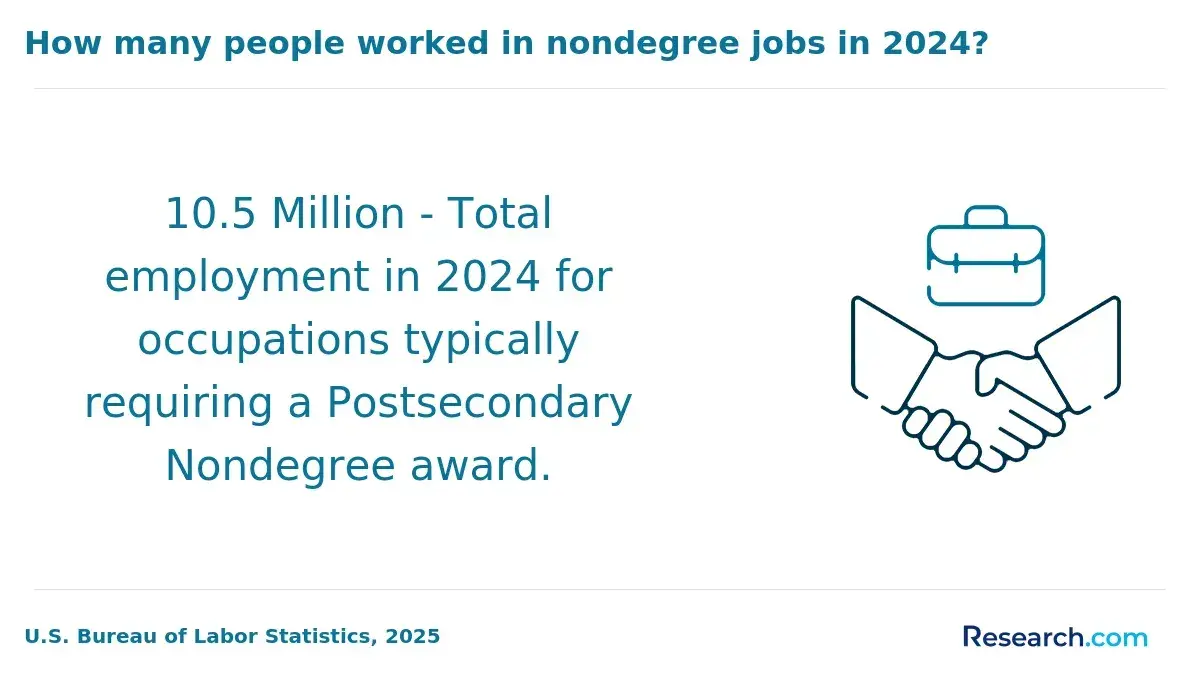
- Cost Comparison: Tuition for online Nutrition bachelor's degrees usually falls between $15,000 and $40,000, while associate degrees range from $6,000 to $15,000. Professional certificates offer a lower upfront investment, typically costing between $1,000 and $5,000.
- Median Salary Outcomes: Data from the Bureau of Labor Statistics indicates that individuals with a bachelor's degree in nutrition-related fields generally earn 20% to 30% more annually than those holding associate degrees. Certificate holders often have lower median salaries but benefit from a quicker transition into the workforce.
- Short-Term Investment: For prospective students prioritizing rapid employment and limited financial resources, certificates or associate degrees may be more practical. These credentials demand less time and money upfront, allowing for swift workforce entry and immediate earnings.
- Long-Term Returns: The bachelor's degree offers higher lifetime earnings. Graduates enjoy elevated starting salaries, enhanced career progression, improved job security, and qualification for leadership roles or licensure requirements.
- Career Advancement and Stability: Bachelor's degree holders have access to diverse roles including dietitians and specialized nutrition professionals. Those with associate degrees or certificates may face limitations to technician or support positions with fewer opportunities for upward mobility.
- Decision Framework: Evaluate your career timeline and financial situation-if minimizing debt and entering the workforce quickly are priorities, certificates or associate degrees present affordable paths. However, if you can invest additional time and resources, a bachelor's degree typically leads to stronger income potential and resilience in shifting labor markets.
Which Online Nutrition Specializations or Concentrations Yield the Highest Earning Potential After Graduation?
Choosing a specialization within online nutrition bachelor's programs significantly impacts earning potential and career trajectory. Data from the Bureau of Labor Statistics highlights how certain specializations command higher median salaries compared to generalist nutrition graduates entering similar fields.
- Dietetics: This specialization typically yields median wages between $60,000 and $70,000. Graduates must pass the Commission on Dietetic Registration exam to become Registered Dietitian Nutritionists (RDN), which adds certification costs but opens advanced roles in clinical environments and hospitals.
- Sports Nutrition: With median salaries ranging from $55,000 to $65,000, this track benefits from growing opportunities in athletic and wellness sectors. Certification such as the Certified Specialist in Sports Dietetics (CSSD) carries additional expenses but often accelerates job placement.
- Public Health Nutrition: Offering median earnings near $55,000, this area provides broad employment across government and nonprofit sectors. Certification isn't usually mandatory but obtaining credentials can improve salary and job security.
- Food Science and Technology: Nutrition graduates focusing here earn $60,000 to $75,000, working in product development and food safety. Certification demands vary, but technical expertise shortens time-to-ROI due to strong industry demand.
- Nutritional Counseling and Wellness Coaching: Initial salaries range from $50,000 to $60,000. This field offers entrepreneurial flexibility, though licensing and certification costs vary by state, impacting total investment.
Specializations requiring licensure or certification tend to offer higher salary premiums but involve added costs and time commitments. Candidates should assess their prior experience, career goals, and financial situation to choose a path that balances quicker returns with long-term advancement prospects.
This evidence-based approach, grounded in occupational data and education research, empowers informed decision-making when selecting an online nutrition track.
How Do Employer Tuition Reimbursement and Financial Aid Reduce the Net Cost of an Online Nutrition Bachelor's Degree?
Employer tuition reimbursement programs can greatly lower the out-of-pocket cost of an online nutrition bachelor's degree by covering a substantial share of tuition expenses. Under IRS Section 127, employees may receive up to $5,250 annually in tax-free educational assistance, which often includes tuition, fees, and course materials.
The Society for Human Resource Management (SHRM) reports that about 60% of U.S. employers provide some form of tuition support, frequently aligned with degrees that enhance the employee's current or future job roles. For first-generation college students or working professionals, these employer tuition reimbursement programs for online nutrition degrees offer a vital financial advantage.
Beyond employer benefits, federal and institutional financial aid also helps reduce net tuition significantly. Grants and scholarships-based on merit or financial need-do not require repayment, while subsidized loans offer lower interest rates with deferred payment options during enrollment.
Together, these financial aid options to lower nutrition bachelor degree cost can reduce tuition bills to a fraction of the initial sticker price, especially for those eligible for multiple supports.
For example, a working student facing a $30,000 nutrition degree could apply a tuition reimbursement of $5,250 annually for four years, cutting $21,000 from total costs. Combining this with $5,000 in scholarships and a $2,000 federal grant lowers their out-of-pocket expense to roughly $2,000.
This layering of employer tuition assistance with federal aid makes obtaining a nutrition degree financially feasible for many. Students exploring related fields might also consider programs such as an accelerated biology degree, which can offer similarly structured tuition benefits and career advantages.
What Hidden Costs Should Students Factor Into the Total Investment of an Online Nutrition Bachelor's Degree?
Students pursuing an online nutrition bachelor's degree often face hidden expenses that can significantly increase the total cost beyond tuition. These additional costs influence the overall return on investment (ROI) and extend the break-even point, meaning salary gains must cover not only tuition but also these extra fees.
Technology fees, charged by many institutions to support digital learning platforms and software, typically range from $100 to $500 per semester. Proctoring services for online exams, costing $20 to $50 per test, add up over multiple assessments. Graduation fees are usually one-time charges between $100 and $300 for administrative costs and diploma processing.
Some programs require specific software licenses or subscriptions to nutritional analysis tools costing $200 to $600 yearly. Additionally, professional organization memberships, while optional, are often advised for networking and certification preparation, with annual dues between $50 and $150.
Factoring these expenses together, hidden costs in an online nutrition bachelor's degree program can total $1,000 to over $3,000 beyond tuition. Students should always request a full cost-of-attendance statement to accurately budget and make informed decisions. This is crucial for those with tight budgets or career changers evaluating the long-term value of their investment.
For those comparing programs or looking for alternative online health degrees, exploring options like the easiest RN to BSN program can provide additional pathways with different cost structures and ROI profiles.
How Does the Accreditation Status of an Online Nutrition Program Affect Graduate Salary and Employability?
Regional accreditation evaluates the entire institution's academic quality, while programmatic accreditation specifically assesses nutrition programs to ensure they meet professional standards. Both are essential for graduates seeking employment and licensure in the nutrition field.
Employers, based on surveys from the National Association of Colleges and Employers (NACE) and the Society for Human Resource Management (SHRM), show a marked preference for candidates who graduated from regionally or programmatically accredited schools due to their reliability and preparedness.
Degrees from nationally accredited or non-accredited institutions often face skepticism, reducing graduates' chances in the job market and weakening their salary negotiation position.
Without proper accreditation, students may be barred from sitting for licensure exams needed for dietitian registration, face challenges entering graduate programs, and encounter limited opportunities in government or healthcare roles.
Before committing to an online nutrition program, it is vital to confirm its accreditation status via the U.S. Department of Education's accreditation database or the Council for Higher Education Accreditation (CHEA). Ensuring this protects future career prospects and maximizes return on investment.
What Entry-Level Job Titles and Salary Ranges Are Available to Graduates of Online Nutrition Bachelor's Programs?
Graduates with online nutrition bachelor's degrees find entry into a wide variety of roles, each offering different starting salaries and industries that impact their return on investment timeframe. Common positions based on Bureau of Labor Statistics, NACE, and LinkedIn data include:
- Dietetic Technician: Median starting range is $33,000 to $40,000, primarily within healthcare settings like hospitals and long-term care facilities.
- Nutrition Assistant: Typical salaries fall between $28,000 and $36,000, with opportunities in government agencies and community health organizations.
- Food Service Manager (Entry Level): Entry pay ranges from $35,000 to $45,000 in industries such as education, healthcare, and food manufacturing.
- Health Coach: Median earnings spread from $30,000 to $42,000, often in wellness companies, fitness centers, or insurance firms.
- Public Health Nutritionist: Starting salaries range from $35,000 to $47,000, typically higher in nonprofit and government sectors focusing on community nutrition.
- Research Assistant (Nutrition Science): Entry-level pay is about $32,000 to $43,000, mostly in academia or biotech firms.
- Nutrition Educator: Salaries usually begin at $31,000 to $40,000 within educational or nonprofit organizations.
- Sales Representative (Nutritional Products): Compensation varies broadly from $30,000 to $50,000, with higher pay typically found in technology-driven or pharmaceutical companies.
Internships and certifications-such as Certified Dietary Manager or Certified Nutrition Specialist-can significantly boost initial salary levels. Choosing a concentration in public health or clinical nutrition also tends to accelerate access to better-paying roles.
Industries like healthcare and government often offer more job security but sometimes lower starting wages compared to private sectors like pharma or technology sales.
Examining this range of entry points helps students and career changers anticipate how swiftly earnings can offset tuition investments and align career goals with financial expectations.
What Graduates Say About the Return on Investment of Their Online Nutrition Bachelor's Degree
- Landen: "Choosing the online nutrition bachelor's degree was a calculated decision for me because I wanted to balance cost with quality education. The affordability combined with flexible scheduling allowed me to work while studying, making the investment feel worthwhile from day one. Beyond the financial aspects, I've gained valuable career advancement opportunities that wouldn't have been accessible otherwise, which truly enhanced the program's return on investment."
- Marlina: "Reflecting on my journey, the non-financial returns of the online nutrition bachelor's degree have been the most rewarding. The program gave me job security in a competitive field and boosted my confidence in applying the latest evidence-based practices. While the money was a consideration, it's the professional growth and expanded network that affirm the degree's true worth for me."
- Priscilla: "From a professional standpoint, pursuing my online nutrition degree dramatically impacted my career trajectory-I moved from entry-level roles into leadership positions within months of graduation. The practical knowledge I acquired outweighed the tuition cost, proving the program's strong ROI. Additionally, the flexibility to study remotely made it possible to maintain my income while upskilling, which was critical to my success."
Other Things You Should Know About Nutrition Degrees
On average, graduates of online nutrition bachelor's degree programs can expect to recoup their tuition costs within 5 to 7 years through increased salary earnings. This timeframe varies depending on the initial program cost and starting salary, which generally ranges between $40,000 and $55,000 annually. Those who enter higher-paying sectors or geographic locations may experience faster returns, while graduates in lower-wage regions may take longer to see a full financial payoff.
Salary outcomes for nutrition graduates differ significantly by location and industry sector. Urban areas and states with higher living costs often offer higher salaries for roles in healthcare, wellness, and foodservice management. Conversely, rural or lower-cost regions tend to have lower average salaries. Industry sectors such as clinical nutrition and corporate wellness typically pay more than community-based or educational nutrition roles.
Labor market data and employer surveys indicate strong demand for candidates with nutrition bachelor's degrees, especially in healthcare and public health organizations. Employers value the comprehensive knowledge these graduates bring in dietetics, nutritional science, and counseling skills. The degree is often cited as a minimum qualification for many entry- and mid-level positions, contributing to better job stability and growth prospects.
References
- Career Pathways in Nutrition - American Society for Nutrition https://nutrition.org/careers/career-pathways-in-nutrition/
- All You Need to Know About Pursuing an Online Nutrition Course for a Successful Career | Psychreg https://www.psychreg.org/all-need-know-pursuing-online-nutrition-course-successful-career/
- How Can An Online Nutrition Degree Benefit You? https://www.uopeople.edu/blog/online-nutrition-degree/
- What Degrees Will Give Me the Best Return on Investment? https://www.collegevaluesonline.com/faq/what-degrees-will-give-me-the-best-return-on-investment/
- Is Getting a Master's in Nutrition Online Worth It? | University of Bridgeport https://www.bridgeport.edu/news/is-getting-a-masters-in-nutrition-online-worth-it/
- Net tuition ticks up 2% at private colleges, declines at public institutions https://www.highereddive.com/news/net-tuition-private-public-colleges/730632/
- ROI on degrees, certificates https://www.ccdaily.com/2024/10/roi-on-degrees-certificates/
- Cert VS Degree: What Type of Nutrition Credential is Best? | ISSA https://www.issaonline.com/blog/post/cert-vs-degree-what-type-of-nutrition-credential-is-best
- Cheapest Online Nutrition Degrees | GreatValueColleges https://www.greatvaluecolleges.net/rankings/online-bachelors-nutrition-dietetics/