2027 Return on Investment of an Online Cybersecurity Bachelor's Degree: Salary vs Cost

Co-Founder and Chief Data Scientist
Professionals with degrees in unrelated fields often face uncertainty when considering an online cybersecurity bachelor's degree, especially regarding whether the salary boost justifies the investment. With the Bureau of Labor Statistics projecting a 35% growth in cybersecurity jobs from 2021 to 2031—much faster than average—this shift seems promising but costly.
Many worry about tuition expenses, time commitment, and return on investment (ROI). This article analyzes salary trends versus educational costs to clarify the true financial value of pursuing an online cybersecurity bachelor's degree, helping readers make informed decisions about career transitions and education financing.
Key Things to Know About the Return on Investment of an Online Cybersecurity Bachelor's Degree
- Average tuition for online cybersecurity bachelor's programs ranges from $15,000 to $40,000 total, significantly lower than traditional on-campus options, easing the financial burden for many students.
- Graduates report median salaries around $85,000 annually-about 30% higher than the national average for all bachelor's degree holders-indicating strong income potential post-graduation.
- Non-financial benefits include increased job security in a rapidly growing field, enhanced professional development opportunities, and clear pathways for career advancement in technology sectors.
What Is the True Cost of Earning an Online Cybersecurity Bachelor's Degree From Enrollment to Graduation?
Earning an online cybersecurity bachelor's degree involves a variety of direct and indirect costs beyond just tuition. Being aware of these expenses can help prospective students, including first generation college attendees, working professionals, and career changers, better assess the true financial commitment and plan accordingly.
- Tuition Sticker Price: Tuition for online cybersecurity bachelor's programs varies widely, typically ranging from $15,000 to $60,000 for the entire degree. Public institutions often offer lower rates, especially for in-state students, while private colleges can be significantly more expensive.
- Net Price After Aid: Many students benefit from financial aid such as grants, scholarships, or employer tuition assistance, which can reduce the sticker price by 20% to 50%. According to IPEDS data, average net costs after aid usually range between $10,000 and $30,000 for the full program.
- Technology and Technology Fees: Reliable computers, specialized software, and high-speed internet are essential. Schools may charge mandatory technology fees adding $300 to $1,200 annually. Budgeting for tech upgrades during the degree is also necessary.
- Course Materials and Textbooks: Cybersecurity courses often require updated textbooks, software licenses, or subscriptions, costing between $500 and $1,500 over the program's duration.
- Proctoring and Exam Fees: To ensure academic integrity, many programs require exam proctoring services. Fees typically range from $25 to $50 per exam, which can add up to several hundred dollars depending on credit load.
Combining tuition, fees, and materials, the total cost for an online cybersecurity bachelor's degree generally ranges between $12,000 and $35,000 after aid. These figures draw on data from the National Center for Education Statistics, IPEDS, and university net price calculators, providing a realistic baseline for evaluating the return on investment.
When comparing with salary outcomes, this cost breakdown of an online cybersecurity bachelor's degree proves invaluable in choosing the program best aligned with one's financial and professional goals.
For additional guidance on affordable options, prospective students may explore BCBA online programs as a resource to understand how cost structures vary across fields and institutions.
How Does the Starting Salary for Cybersecurity Bachelor's Degree Graduates Compare to the Total Cost of the Degree?
The starting salary for graduates with a bachelor's degree in cybersecurity aligns closely with median entry-level wages reported by the Bureau of Labor Statistics (BLS). Entry-level information security analysts earn a median annual salary of about $65,000.
In contrast, mid-career professionals in this field can expect median wages near $105,000. The average total cost of an online cybersecurity bachelor's degree varies widely, typically ranging from $20,000 for programs with low tuition and strong financial aid to around $60,000 at higher-cost institutions.
When examining the return on investment for online cybersecurity bachelor's degree programs, the best-case scenario shows graduates recovering tuition costs in under four months of full-time work, assuming a $20,000 degree cost and $65,000 starting salary.
The worst-case scenario, where tuition reaches $60,000 and salaries remain near $65,000, extends the payback period to more than ten months. These comparisons highlight why choosing affordable programs or those with considerable aid is critical for financial success.
It is important to remember that the starting salary is only the initial phase of financial return. Cybersecurity professionals typically experience significant salary growth fueled by demand and certifications, which greatly improves the overall return on investment over a five- to ten-year timeline. Beyond salary, factors like job security, career advancement, and skill development add important value for graduates.
For students exploring affordable online degree options, comparing cybersecurity programs with those offering lower tuition and good aid can be critical. Considering factors similar to those in a library sciences degree might offer helpful insights into balancing cost and quality across fields with professional outlooks.
What Is the Average Return on Investment (ROI) for an Online Cybersecurity Bachelor's Degree Over a 10-Year Career?
Return on investment (ROI) in higher education measures the financial benefit of completing a degree by comparing the total cost against the additional earnings gained over a decade. This calculation subtracts tuition and fees from the extra income earned by degree holders relative to individuals with only a high school diploma or associate degree in a similar field.
According to the Georgetown University Center on Education and the Workforce, bachelor's degree expenses for online programs typically range from $40,000 to $60,000. PayScale's College ROI Report, along with Bureau of Labor Statistics data, shows that graduates with a cybersecurity degree usually start with median salaries near $75,000, with annual raises averaging between 3% and 5% as their skills and experience grow.
For example, assuming a 4% yearly raise, a cybersecurity graduate's total earnings over 10 years approach $850,000. A worker with only a high school diploma starting at $40,000 and receiving similar raises might earn around $490,000 in the same period. After subtracting a $50,000 degree cost, the net wage premium is about $310,000 over 10 years, clearly favoring bachelor's degree holders in cybersecurity fields.
One professional who pursued an online cybersecurity bachelor's degree after careful cost-benefit analysis described the experience as "intense but rewarding." He highlighted balancing full-time work and coursework, saying, "It took discipline to manage deadlines and challenging projects, but knowing the financial return made it worthwhile."
He also noted that assessing the ROI upfront gave him confidence in his decision, making the rigorous program feel like an investment in a more stable and advancing career path rather than just an expense. "The payoff is not just in salary but in the doors it has opened professionally," he reflected, emphasizing the blend of economic and career progression benefits realized over time.
Online Cybersecurity bachelor's degree tuition differs markedly among public, private nonprofit, and for-profit institutions, impacting return on investment.
- Public Institutions: In-state tuition at public universities ranges from roughly $6,000 to $10,000 annually, based on IPEDS data for the most recent academic year. Many offer flat-rate online tuition plans that reduce cost disparities for out-of-state students. These programs tend to maintain rigorous academic standards and better graduation rates for residents, making them a cost-effective option without sacrificing quality.
- Private Nonprofit Institutions: Tuition at private nonprofit colleges averages $20,000 to $35,000 per year, often reflecting strong faculty reputations, extensive employer networks, and comprehensive career support. These factors frequently translate into improved salary growth and job placement, which can enhance long-term ROI despite the higher sticker price.
- For-Profit Colleges: Typically priced between $15,000 and $25,000 annually, for-profit schools often attract budget-conscious students. However, they usually report lower graduation rates and face employer skepticism that may hamper career advancement and salary growth-vital considerations when assessing the value of these programs.
When analyzing comparative tuition rates for online Cybersecurity programs, students should weigh upfront costs against career outcomes. The cheapest tuition doesn't always yield the best investment, especially when factoring in job stability and advancement potential.
Considering verified salary data alongside tuition provides a clearer understanding of total value. For those balancing time and cost, exploring an accelerated MBA in 6 months may offer additional pathways to career growth.
These salary growth phases correspond closely with experience gained, credential attainment, and leadership skill development, all critical to maximizing financial returns from an online cybersecurity bachelor's degree.
- Early Career Growth: In the initial five years, salaries of cybersecurity bachelor's degree holders gradually increase as professionals build essential skills and gain certifications. Entry-level roles such as security analysts and junior penetration testers typically start with salaries ranging from $60,000 to $75,000, growing at about 5% to 8% annually during this period.
- Mid-Career Acceleration: Between five and ten years of experience, compensation often rises more rapidly. Many cybersecurity professionals advance into specialized or leadership roles, earning between $90,000 and $110,000, supported by certifications like CISSP or CISM and greater responsibility.
- Senior-Level and Leadership Milestones: At about ten to fifteen years, those with bachelor's degrees frequently see significant salary jumps upon moving into management or niche technical positions. Pay can reach $120,000 to $150,000 or higher for roles such as cybersecurity managers, architects, or consultants, reflecting elevated duties and strategic influence.
- Long-Term Earnings and Lifetime Premium: Over a 20- to 30-year career, degree holders accumulate substantially higher total earnings compared to those without degrees. This advantage stems from both stronger starting salaries and sustained wage growth linked to progressive career opportunities made accessible by the degree.
A professional who laid the groundwork for her career through an online cybersecurity bachelor's degree shared that early on, juggling work, coursework, and family commitments felt overwhelming but rewarding. She described how certification achievements in her mid-career boosted both confidence and income, allowing her to take on project leadership roles.
Reflecting on her journey, she emphasized the value of persistence through challenges and continuous learning, noting that her degree opened doors to positions she once thought unreachable and set a solid foundation for long-term advancement.
The cost of certificates and associate degrees in cybersecurity is generally much lower than that of bachelor's programs. Certificates can cost a few hundred to several thousand dollars, while associate degrees often range between $15,000 and $20,000.
By contrast, online cybersecurity bachelor's degrees typically fall between $30,000 and $60,000, making them a larger upfront financial commitment. For learners needing quick workforce entry or limited budgets, shorter programs may offer more accessible immediate value.
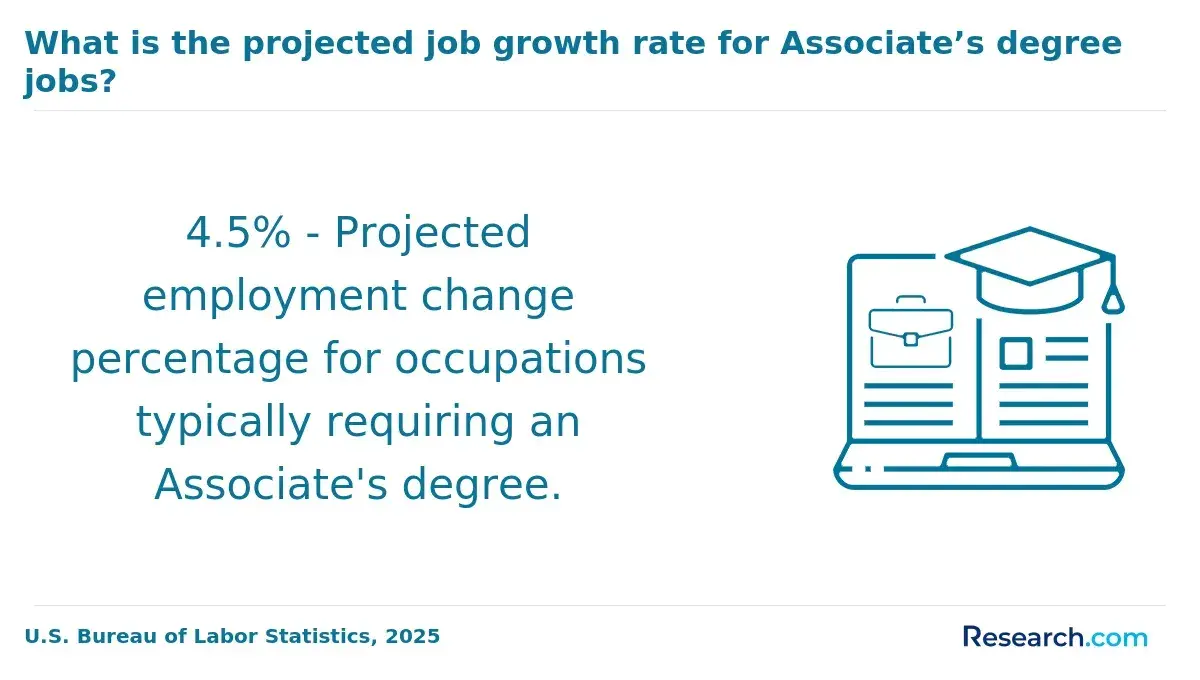
- Salary Potential: Data from the Bureau of Labor Statistics shows a clear wage progression tied to education levels. Those with certificates usually start near $60,000 annually, associate degree holders earn around $75,000, and bachelor's degree recipients can expect $90,000 or more. Over the span of a career, bachelor's degree holders have an advantage for higher earnings, reflecting access to advanced positions and specialized roles.
- Career Growth: Earning a bachelor's degree often opens doors to leadership, policy development, and complex security analysis jobs not commonly available to those with lower credentials. These roles also tend to provide enhanced job security and more opportunities for continued professional development.
- Short vs. Long-Term Returns:
- For individuals prioritizing speed to employment and minimizing debt, certificates or associate degrees provide a better immediate return.
- Professionals aiming for long-term advancement and higher salary ceilings will find that a bachelor's degree offers greater lifetime benefits despite its higher initial cost.
- Decision Considerations: Prospective students should assess their career timeline and financial flexibility. Those needing quick entry or low upfront cost may prefer shorter credentials, while those able to invest more time and money may maximize their outcomes through a bachelor's degree.
Balancing these points allows students to align their educational investments with their personal and professional goals in the expanding cybersecurity sector.
Specializing within an online Cybersecurity bachelor's degree can significantly impact earning potential, with the Bureau of Labor Statistics (BLS) confirming higher median salaries for certain focused roles compared to general cybersecurity positions.
Choosing the right track also involves weighing certification requirements and total investment costs, crucial for students balancing budgets and career advancement.
- Cloud Security: Professionals protect data on cloud platforms, earning approximately $105,000 median salary. This field commands a 10% to 20% premium over traditional cybersecurity analyst roles due to expanding enterprise cloud adoption.
- Penetration Testing (Ethical Hacking): Specialists simulate cyberattacks to identify vulnerabilities and earn a median of about $110,000. This track often requires certifications like the Certified Ethical Hacker (CEH), raising upfront costs but improving job prospects and salary ceilings.
- Forensics and Incident Response: Roles focused on breach investigation offer median salaries near $95,000. Certifications such as GIAC are typically necessary and involve continuing education, increasing the total cost but enhancing career resilience.
- Risk Management and Compliance: Concentrating on cybersecurity within regulatory frameworks yields median earnings around $90,000. This area is steady in demand, especially in finance and healthcare, though certifications like CISSP may extend time-to-return-on-investment (ROI).
- Network Security: Focused on internal network defense, this specialization offers median salaries near $88,000. It is often more accessible for those new to cybersecurity, usually requiring fewer certifications upfront, making it attractive for working professionals seeking quicker ROI.
Students should consider prior IT experience and budget when selecting a specialization. For example, those with experience may benefit more quickly from network or cloud security roles, while aiming for penetration testing can yield higher earnings despite higher certification costs. Evaluating both salary potential and certification investment ensures a strategic choice aligned with professional goals.
Employer tuition reimbursement programs play a critical role in lowering the out-of-pocket cost of an online Cybersecurity bachelor's degree. Under IRS Section 127, employees can receive up to $5,250 per year in tax-free educational assistance from their employer, effectively reducing tuition expenses without tax penalties.
According to the Society for Human Resource Management (SHRM), about 60% of U.S. employers offer some form of tuition assistance, reflecting broad support for employee education and workforce development. This employer tuition reimbursement benefits for online Cybersecurity degrees can be a game changer for working students balancing education and career.
Alongside employer benefits, federal and institutional financial aid further decreases the financial burden. Grants and scholarships require no repayment, providing essential funding that can significantly reduce sticker price.
The Free Application for Federal Student Aid (FAFSA) opens doors to Pell Grants and subsidized loans, which either cover tuition directly or lower repayment interest, making education more affordable upfront. Layering these aids together can reduce the net cost to a small fraction of the original tuition.
For example, a working professional pursuing an online Cybersecurity bachelor's program with a $15,000 annual tuition might use employer reimbursement for $5,250, qualify for a $4,000 Pell Grant, and receive a $3,000 scholarship.
This combination would leave only $2,750 in annual costs, a manageable expense for many students. This multilayered approach to funding enhances the return on investment and access for many candidates.
Students may also want to explore comparable funding approaches in related fields, such as this online masters degree in mental health counseling, to understand how tuition reimbursement and financial aid work across disciplines while considering career advancement and job security associated with degree completion.
Regional accreditation evaluates an entire institution's academic quality, ensuring it meets broad standards, while programmatic accreditation focuses on specific programs like cybersecurity.
Employers tend to favor graduates from regionally accredited schools or those with recognized programmatic accreditation such as ABET, as these credentials demonstrate rigorous education and validated skills.
Data from the National Association of Colleges and Employers (NACE) and the Society for Human Resource Management (SHRM) show that hiring managers prioritize candidates with degrees from accredited programs. Degrees lacking proper accreditation-or only holding national accreditation-often face skepticism, reducing job prospects and weakening salary negotiations.
Attending unaccredited or improperly accredited institutions can restrict opportunities to take licensing exams, pursue graduate education, or secure government and healthcare jobs that require accredited credentials.
Prospective students should confirm accreditation through reliable sources like the U.S. Department of Education's database or the Council for Higher Education Accreditation (CHEA) before enrolling.
Online cybersecurity bachelor's degree holders enter the job market through various roles that differ in salary and industry focus. Earnings depend on the job title, field, and additional qualifications like certifications or relevant internships, which can accelerate financial returns on the degree.
- Information Security Analyst: Starting median salaries range from $60,000 to $75,000, with technology and finance sectors offering the most lucrative opportunities. Certifications such as CISSP or CompTIA Security+ often enhance earning potential.
- Network Security Specialist: Entry-level pay generally falls between $55,000 and $70,000. Competitive salaries commonly appear in government and healthcare settings, especially for candidates with hands-on internship experience.
- Cybersecurity Technician: Salaries typically start between $50,000 and $65,000. Smaller firms and educational institutions frequently hire for these roles, with possibilities to increase income by focusing on cloud security or penetration testing.
- Security Operations Center (SOC) Analyst: Median pay ranges from $58,000 to $68,000, primarily in finance and government sectors. Practical experience in monitoring systems and incident handling boosts compensation.
- IT Auditor: New graduates earn approximately $60,000 to $72,000, particularly within finance and healthcare. Holding certifications like CISA can lead to higher entry salaries.
- Penetration Tester (Junior): Starting salaries begin near $65,000 and may exceed $80,000 in technology companies. Specialized training and certifications such as CEH increase these figures.
- Risk Analyst: Entry-level salaries fall between $55,000 and $70,000, with financial and government sectors leading pay scales. Strong analytical skills and internship involvement often raise earnings.
- Compliance Analyst: New professionals earn between $50,000 and $65,000, mainly in healthcare and finance industries. Expertise in regulatory requirements through specialized education often results in better compensation.
This variety of roles highlights the multiple pathways available for cybersecurity graduates. Gaining internships and industry-recognized certifications typically advances starting salaries, helping graduates recoup tuition costs sooner while opening doors to career growth and job stability.
What Graduates Say About the Return on Investment of Their Online Cybersecurity Bachelor's Degree
- Winona: "Choosing the online cybersecurity bachelor's degree was a strategic decision driven by a clear evaluation of its ROI-balancing affordability against the growing demand for skilled professionals in the field. Beyond the financial benefits, the program opened doors to career advancement opportunities I hadn't anticipated, including roles with greater responsibility and job security. Reflecting on my journey, the knowledge I gained gave me a confidence boost in navigating complex security environments that truly expedited my career growth."
- Peter: "When I enrolled in the online cybersecurity bachelor's degree, I was focused on more than just the tuition costs-I considered how this degree could future-proof my career against the rapidly evolving digital threat landscape. The program delivered valuable non-financial returns like enhanced problem-solving skills and increased visibility within my organization, which have been critical for my professional development. Pursuing this degree online gave me the flexibility to maintain work commitments while steadily progressing toward a more secure and fulfilling career path."
- Andrew: "The decision to pursue the online cybersecurity bachelor's degree was grounded in a practical assessment of ROI, particularly the balance between time invested and potential salary growth. What truly stood out were the intangible benefits-greater job security and the ability to pivot into various cybersecurity roles across industries. This degree transformed my career trajectory, allowing me to step into leadership positions and contribute meaningfully to my company's security posture."
Other Things You Should Know About Cybersecurity Degrees
Many entry-level cybersecurity jobs in government and defense require a U.S. security clearance, often at the Secret or Top Secret level. Applicants usually need U.S. citizenship, a background investigation, and a clean criminal and financial record before the clearance process can begin.
Geographic location significantly impacts salary outcomes, with higher wages commonly found in urban areas and technology hubs. Industry sector also matters-graduates working in finance, defense, or consulting tend to earn more than those in government or education. These factors should be considered when evaluating the financial return of an online Cybersecurity degree.
Employer surveys consistently rank a bachelor's degree in Cybersecurity as highly valuable, citing it as critical for technical competence and problem-solving abilities. Labor market data from sources like the Bureau of Labor Statistics project strong job growth in cybersecurity roles, reinforcing the degree's relevance and positive return on investment.
- 10 Popular Cybersecurity Certifications You Should Consider After Graduation https://www.park.edu/blog/10-popular-cybersecurity-certifications-you-should-consider-after-graduation/
- Average Cost of Online College [2025]: Yearly Tuition + Fees https://educationdata.org/average-cost-of-online-college
- Return on investment (ROI) of cybersecurity training | Infosec https://www.infosecinstitute.com/resources/professional-development/return-on-investment-roi-of-cybersecurity-training/
- Cybersecurity Certificate vs. Degree: Which Should You Choose? https://www.nu.edu/blog/cybersecurity-certificate-vs-degree/
- Online Degrees with the Best ROI in Tech Fields - Bachelors Degree Center https://www.bachelorsdegreecenter.org/computerscience/online-degrees-with-best-roi-in-tech/
- Cybersecurity Salaries by Degree (Bachelor's, Master's) and Position https://www.cybersecuritydegree.com/faqs/cybersecurity-salaries
- Cost of Online College vs. Traditional | Champlain College Online https://online.champlain.edu/blog/cost-of-online-education-vs-traditional-education
- Online Cybersecurity Programs: Compare Top Schools https://www.publicservicedegrees.org/online-degrees/cyber-security-programs/