2027 Return on Investment of an Online Cybercrime Bachelor's Degree: Salary vs Cost

Co-Founder and Chief Data Scientist
Many working professionals wonder if enrolling in an online cybercrime bachelor's degree program justifies its cost-especially when shifting from unrelated fields. The challenge lies in balancing tuition fees against potential salary gains and job market demand. According to recent industry data, cybersecurity roles are projected to grow 35% through 2031, with median salaries rising significantly above the national average.
This article analyzes salary trends, program expenses, and employment outlooks to help prospective students assess the true return on investment of pursuing an online cybercrime degree and make informed decisions about career transitions.
Key Things to Know About the Return on Investment of an Online Cybercrime Bachelor's Degree
- Average tuition for online cybercrime bachelor's degrees varies widely-typically between $15,000 and $40,000-making affordability a crucial factor for first-generation and budget-conscious students.
- Graduates report median salaries around $70,000 annually, reflecting a competitive income that generally exceeds fields requiring similar investment, according to the Bureau of Labor Statistics.
- Non-financial benefits include enhanced job security, opportunities for career advancement, and access to professional certifications, which collectively increase long-term career resilience.
What Is the True Cost of Earning an Online Cybercrime Bachelor's Degree From Enrollment to Graduation?
Students exploring the average tuition cost for online cybercrime bachelor's degree programs should consider more than just the sticker price to understand their true financial commitment. Reliable data from IPEDS, individual university net price calculators, and the National Center for Education Statistics offer valuable insights into these costs.
- Tuition and Fees: Tuition rates for online cybercrime degrees generally range from $15,000 to $40,000, but financial aid, scholarships, and employer tuition reimbursement can reduce actual costs by 30 to 50 percent for many students.
- Technology Fees: To maintain digital learning platforms, institutions charge mandatory technology fees that typically fall between $200 and $1,200 over the duration of the program.
- Textbooks and Course Materials: Costs for textbooks, specialized software, and access to databases usually range from $1,000 to $2,500, though some programs may offer free or discounted digital resources to help lower expenses.
- Proctoring and Exam Fees: Online proctoring fees vary from $30 to $100 per exam, accumulating to approximately $300 to $800 for the entire course load to ensure academic integrity.
The total expenses of earning an online cybercrime degree in the US-including tuition, fees, materials, and exam costs-typically fall between $18,000 and $45,000 after considering financial aid. This range allows students to create realistic budgets and measure the return on investment compared to projected salary outcomes and career advancement potential.
Those interested in comparing educational investments might also find value in reviewing affordable alternatives such as MSW programs, which illustrate diverse options in online degree affordability and career trajectories.
How Does the Starting Salary for Cybercrime Bachelor's Degree Graduates Compare to the Total Cost of the Degree?
Graduates holding a bachelor's degree in cybercrime usually enter the workforce in roles like information security analysts or cybersecurity specialists. According to the Bureau of Labor Statistics (BLS) Occupational Outlook Handbook, the median annual salary for these positions was about $102,600 in 2023. Entry-level salaries often fall between $65,000 and $75,000, providing a solid benchmark for those starting their careers.
The total tuition cost versus cybercrime bachelor's degree salary is critical for understanding return on investment. Online programs vary significantly, with public in-state tuition often ranging from $20,000 to $30,000, while private or out-of-state tuition can exceed $60,000.
Factoring in financial aid reduces costs, sometimes to as low as $10,000. This means depending on costs and starting salary, it can take between 16 months (best-case with low tuition and aid) and over 54 months (high tuition without aid) of earnings to recover tuition expenses.
Starting salary forms just the beginning of the financial outlook. With strong growth in cybersecurity fields, professionals often see their salaries increase substantially over time. Many can expect incomes to double or more within a decade, which greatly enhances long-term financial benefits. This growth makes career advancement highly attractive in this sector.
- Entry-Level Salary Range: Cybercrime graduates typically start between $65,000 and $75,000 annually, aligned with BLS data for common cybersecurity careers.
- Total Degree Cost Variability: Tuition costs span about $10,000 with aid up to $60,000 or more without, affecting how quickly graduates pay back their investment.
- Tuition Payback Period: Depending on costs, degree expenses may be offset in as few as 16 months or stretch beyond 54 months based on starting salary and aid.
- Salary Growth Potential: Experience and certifications can lead to salary doubling within ten years, improving the return on investment significantly.
- Additional Benefits: Job security, sector growth, and professional development opportunities contribute value beyond immediate salary considerations.
Choosing the right program means carefully comparing total tuition cost versus cybercrime bachelor's degree salary and factoring in financial aid and other support like the CACREP resources available for students exploring affordable education options.
What Is the Average Return on Investment (ROI) for an Online Cybercrime Bachelor's Degree Over a 10-Year Career?
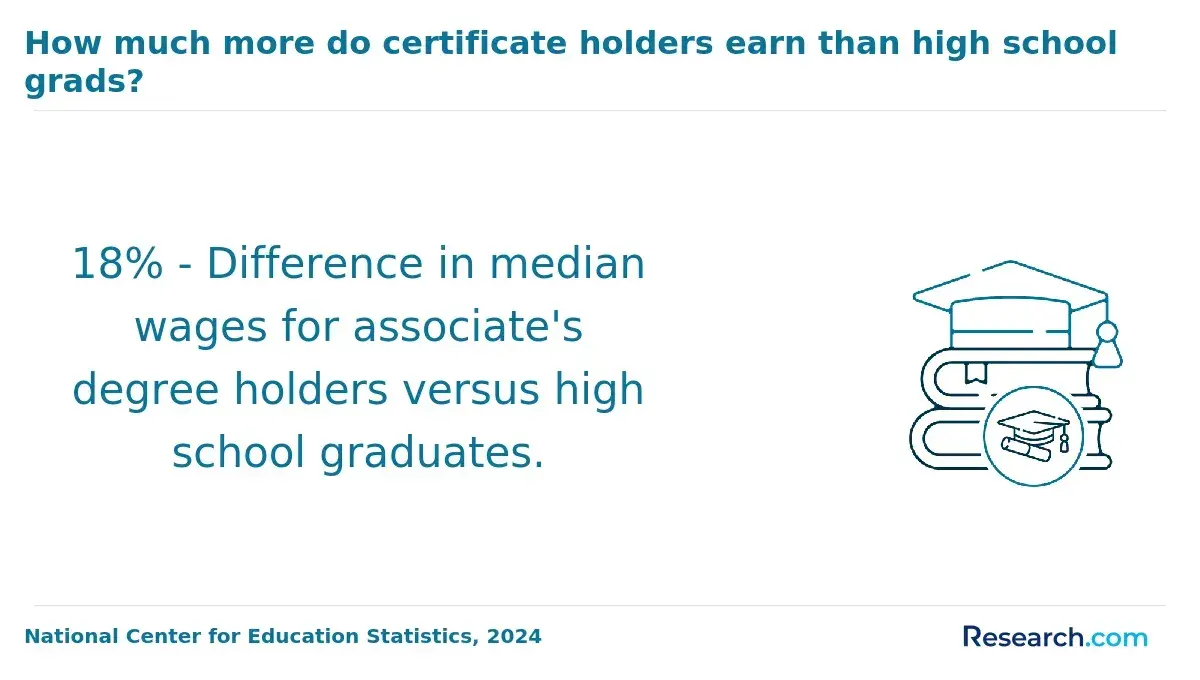
Return on investment (ROI) in higher education measures the financial gain of a degree by subtracting the total cost from the added earnings compared to those with only a high school diploma or associate degree in the same field. According to the Georgetown University Center on Education and the Workforce, bachelor's degree holders earn roughly $1 million more over 40 years than high school graduates.
Using median salary data from the Bureau of Labor Statistics (BLS) for cybercrime professionals-about $103,590 annually-and assuming an average starting salary near $75,000 with a 3% yearly raise, total earnings exceed $850,000 over 10 years. This contrasts with associate degree holders in related tech roles starting around $60,000 annually, leading to an additional earning premium of approximately $100,000 to $150,000 over the decade.
Tuition costs for online cybercrime bachelor's programs generally range between $30,000 and $60,000, depending on the school and residency. Deducting these expenses from the extra earnings yields an estimated 10-year ROI of $70,000 to $120,000-outperforming the average ROI of $60,000 to $80,000 seen across all bachelor's degrees nationwide.
- Cost vs Earnings: Tuition expenses of $30,000 to $60,000 are substantially outweighed by a $100,000+ earnings premium over a decade compared to lower qualifications.
- Salary Growth: Starting salaries near $75,000 combined with steady annual raises create a solid foundation for accumulating significant earnings.
- ROI Comparison: The cybercrime degree's average 10-year ROI surpasses the national bachelor's degree benchmark by a notable margin.
- Beyond Finances: Graduates also benefit from enhanced job security, career progression, and ongoing professional development opportunities.
A professional who enrolled in an online cybercrime bachelor's program after thoroughly evaluating the financial trade-offs shared that the decision was "a balancing act between upfront costs and future opportunities." He noted initial doubts about committing financially but found reassurance through detailed ROI calculations.
"Knowing that the degree would increase my earning potential and career options helped me persist through the challenges of online learning," he reflected. The flexibility of the program allowed him to work while studying, reducing financial strain. Post-graduation, he emphasized that the investment paid off not only in a higher salary but also in confidence and long-term career stability.
How Do Online Cybercrime Program Tuition Rates Compare Across Public, Private, and For-Profit Institutions?
For those comparing online cybercrime program tuition rates public vs private, it is crucial to weigh both costs and outcomes. The cheapest path isn't always the most rewarding financially or professionally. Public institutions strike a balance between affordability and quality, while private nonprofits tend to offer stronger long-term value despite higher fees. Prospective students might also explore financial aid options to maximize ROI.
- Private Nonprofit Institutions: Tuition usually ranges from $20,000 to $40,000 per year. Although pricier, private nonprofit colleges generally exhibit higher graduation rates and stronger employer recognition, often resulting in better career advancement and job stability over time.
- Public Institutions: These universities often provide the most affordable options for online cybercrime programs, especially for in-state students. Some offer flat-rate online tuition independent of residency, with annual costs typically between $7,000 and $15,000. These programs benefit from state funding, established faculty, and solid resources, which can enhance educational quality and value.
- For-Profit Colleges: These institutions advertise lower tuition-sometimes below $10,000 annually-but lower upfront costs may not lead to the best return on investment. Challenges include reduced graduation rates and skepticism from employers, which can limit earning potential and career growth for many graduates.
Students seeking to advance their career or change fields should carefully evaluate how tuition aligns with graduation success and employer perceptions. More detailed information on related degree options and career pathways is available through resources such as the online degree business administration guide.
What Long-Term Salary Growth Can Cybercrime Bachelor's Degree Holders Expect Over a 20- to 30-Year Career?
A bachelor's degree in cybercrime opens doors to steadily increasing salaries and leadership opportunities throughout a professional’s career. Early roles provide foundational experience, while mid- and late-career positions offer significant pay growth and access to upper-tier roles. Over a full career, degree holders often earn substantially more than non-degree peers, reflecting both the financial and professional value of advanced education.
Early Career: Entry-level professionals with a cybercrime bachelor's degree usually begin as cybersecurity analysts or junior investigators. Their starting salaries typically fall between $55,000 and $75,000, reflecting the need for foundational experience and initial training. Pay increases during this phase are often gradual as skills and expertise develop.
Mid-Career Growth: Between five and ten years, many see a significant salary boost, with earnings rising to approximately $85,000-$110,000. This stage often coincides with obtaining certifications and advancing into roles like senior analyst or incident responder, enhancing both responsibility and compensation.
Experienced Professionals: With a decade or more in the field, individuals often advance into leadership positions such as cybersecurity managers or forensic team leads. Salaries commonly reach $110,000-$140,000, driven by specialized skills in compliance or threat detection paired with deep sector knowledge.
Late Career: After 15 to 30 years, seasoned experts frequently move into director or consulting roles, with compensation generally exceeding $140,000. Those taking on executive duties or establishing entrepreneurial ventures may achieve substantially higher incomes, reflecting accumulated expertise and reputational capital.
Cumulative Lifetime Premium: Research from PayScale and the American Community Survey indicates that graduates with a cybercrime bachelor's degree earn roughly 20% to 30% more over their careers compared to non-degree peers. This advantage relates to greater access to upper-tier positions and enhanced career mobility.The degree not only facilitates entry but also supports sustained salary growth throughout one's professional life.
One professional who built her career after completing an online cybercrime bachelor's degree shared how balancing work, studies, and family obligations was challenging yet rewarding. She emphasized that the program's flexibility allowed her to gain critical skills without pausing her employment. Reflecting on her journey, she noted, "The investment felt daunting, but seeing my salary climb and opportunities expand over time confirmed it was worth the effort." Her story highlights how dedication combined with strategic education can lead to meaningful, long-term financial and professional growth.
How Does the ROI of an Online Cybercrime Bachelor's Degree Compare to an Associate Degree or a Professional Certificate?
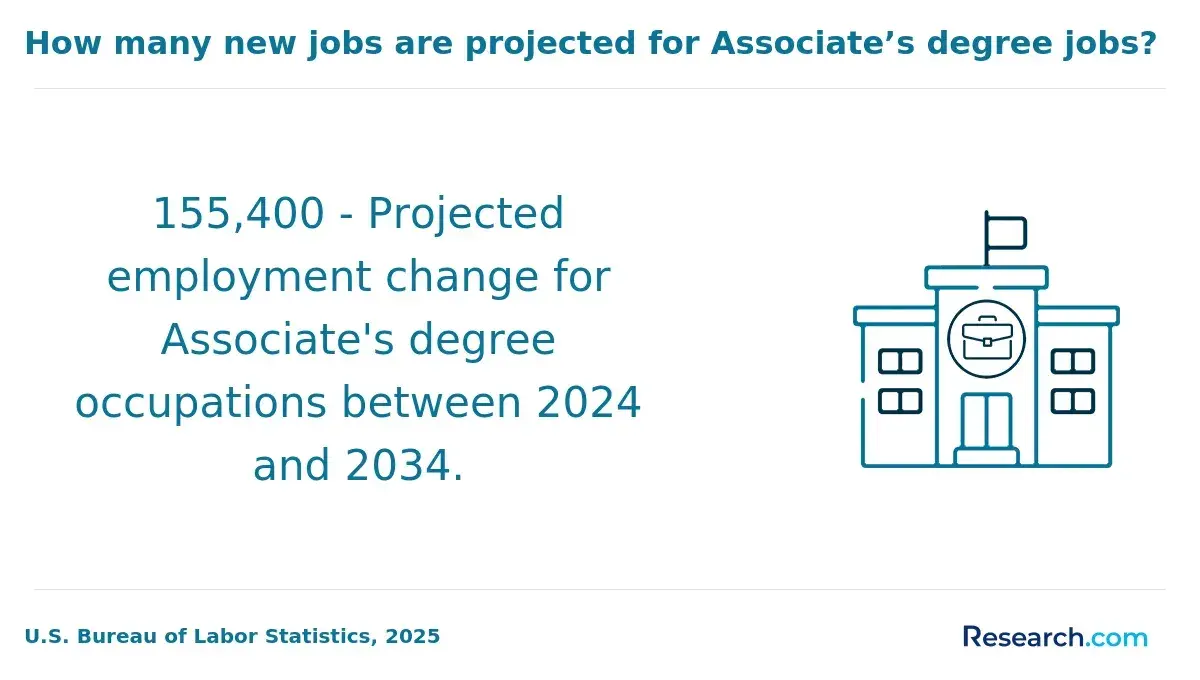
When weighing the return on investment of an online cybercrime bachelor's degree against a two-year associate degree or professional certificate, key factors include cost, expected salaries, and career progression.
- Cost Efficiency: Associate degrees in cybercrime usually cost between $6,000 and $15,000 in tuition and fees, significantly less than bachelor's programs that often range from $20,000 to $40,000. Certificates, which offer targeted skills training, typically have the lowest costs-often under $5,000-making them an affordable entry point.
- Salary Outcomes: According to the Bureau of Labor Statistics, entry-level cybersecurity roles accessible with a certificate or associate degree earn around $60,000 annually. In contrast, bachelor's degree holders typically start near $80,000 or higher, reflecting a wage premium that grows with experience and advanced cybercrime specialties.
- Short-Term Benefits: For individuals needing quick workforce entry or with limited funds, certificates and associate degrees provide practical options.
- Certificates offer fast skill acquisition to meet basic industry standards.
- Associate degrees provide a broader knowledge base and can sometimes transfer credits toward a future bachelor's degree.
- Long-Term Value: A bachelor's degree often leads to faster promotions, higher job security, and eligibility for senior or management positions, which generally require a four-year credential and translate into greater lifetime earnings.
- Non-Financial Advantages: Bachelor programs typically include training in legal, ethical, and managerial concepts that enhance adaptability and professional growth-areas less emphasized in shorter programs.
- Decision Framework: Your choice depends on your financial situation, career timeline, and goals:
- Choose a certificate or associate degree if immediate employment and lower upfront costs are priorities.
- If aiming for leadership roles, specialized expertise, or greater career flexibility, investing in a bachelor's degree delivers stronger long-term returns.
Which Online Cybercrime Specializations or Concentrations Yield the Highest Earning Potential After Graduation?
Choosing a specialization within online cybercrime bachelor's programs can significantly influence your earning potential and return on investment. According to Bureau of Labor Statistics data, graduates who focus on specific tracks tend to earn more than general cybercrime degree holders.
- Digital Forensics: This specialization prepares students to investigate cyberattacks by recovering digital evidence. Median salaries typically range from $65,000 to $90,000 annually. Employers highly value these skills, making this track a strong choice for those aiming for higher pay.
- Network Security: Emphasizing network protection from intrusions, this track often results in salaries 10-20% higher than those of general cybercrime graduates, with median pay between $70,000 and $95,000. Additional certifications like CISSP or CompTIA Security+ are commonly required, increasing upfront costs but enhancing long-term earnings and job security.
- Malware Analysis and Reverse Engineering: Graduates gain niche expertise dissecting malicious software, with median salaries frequently exceeding $80,000. Staying current in this field may require ongoing education due to evolving threats.
- Cyber Law and Policy: This path blends technology with legal frameworks, typically offering starting salaries from $55,000 to $75,000. While initially lower, career advancement in compliance roles can improve income over time.
- General Cybercrime Graduates: Without specialization, median salaries hover around $60,000. Though versatile, these graduates often experience slower salary growth compared to specialized peers.
When selecting a specialization, consider costs for certifications and continuing education since these can boost salary but increase total investment. Aligning your choice with prior experience, career aspirations, and budget maximizes both earnings and time-to-return on investment.
How Do Employer Tuition Reimbursement and Financial Aid Reduce the Net Cost of an Online Cybercrime Bachelor's Degree?
Employer tuition reimbursement programs can significantly lower the net cost of an online cybercrime bachelor's degree by covering substantial portions of tuition expenses.
Under IRS Section 127, employers may offer up to $5,250 annually in tax-free education benefits, encouraging many to support employee professional development without increasing taxable income. These benefits are often tied to job relevance, helping working professionals pursue an online cybercrime degree connected to their current or future roles.
According to the Society for Human Resource Management (SHRM), approximately 53% of U.S. employers provide tuition assistance, making employer tuition reimbursement programs for online cybercrime degrees a common financial resource. Coupled with this, federal and institutional financial aid options such as grants, scholarships, and subsidized loans can further reduce out-of-pocket costs.
Grants and scholarships, which require no repayment, often come from federal, state, or institutional sources. Students typically fill out the Free Application for Federal Student Aid (FAFSA) to qualify for federal Pell Grants and subsidized loans. These aid types can drastically reduce net tuition costs compared to sticker prices.
Consider a working student facing $12,000 in annual tuition costs. If their employer reimburses $5,250 under IRS Section 127, and they receive a $3,000 Pell Grant, their remaining balance is $3,750.
Subsidized federal loans with low interest and deferred repayment options during study can cover much of this balance. By combining employer benefits and financial aid, students can reduce payments to less than 40% of the original tuition cost, making a cybercrime degree more affordable while maintaining income.
Students interested in comparing related programs might also explore benefits of an online ux degree, which often feature similar financial aid opportunities and employer support.
- Employer Tuition Reimbursement: Many employers offer up to $5,250 annually tax-free education benefits under IRS Section 127, significantly lowering education costs.
- Prevalence of Tuition Assistance: About 53% of U.S. employers provide tuition support, often prioritizing degrees related to professional roles, such as cybercrime.
- Federal Financial Aid: Grants, scholarships, and subsidized loans reduce net tuition and typically do not require repayment, easing financial burdens.
- Combined Cost Reduction: Using employer reimbursement together with federal aid can cut net tuition to under 40% of the total sticker price, making degrees affordable.
What Hidden Costs Should Students Factor Into the Total Investment of an Online Cybercrime Bachelor's Degree?
When calculating the return on investment (ROI) of an online cybercrime bachelor's degree, prospective students often overlook several hidden expenses beyond tuition. Technology fees covering platforms, software updates, and system maintenance typically add $200 to $600 annually, according to College Board data.
Proctoring services, essential for exam integrity, cost between $30 and $100 per test, increasing the overall course expenses unexpectedly. Additionally, many courses demand specialized software licenses required for cybersecurity labs or forensic analysis, with costs sometimes exceeding several hundred dollars yearly.
Graduation fees usually range from $100 to $300 and represent another frequently unplanned expense. Professional memberships in organizations like ISC2 or ISACA, costing $100 to $200 annually, though optional, can enhance networking opportunities and certification preparation-factors important for long-term career advancement.
These additional costs sum to several hundred or over a thousand dollars each academic year, meaning they can substantially delay the break-even timeline for an online cybercrime degree's ROI.
Students on a tight budget, career changers, or working professionals should always request a detailed cost-of-attendance breakdown before enrolling to incorporate these expenses into their financial planning.
Doing so will provide realistic expectations about recouping their investment and clarify the total financial commitment compared with tuition alone. For comprehensive insights into military-affiliated options, consider reviewing the best military friendly colleges, which may offer additional support.
- Technology Fees: Annual charges for online platforms and software updates typically add $200 to $600 to program costs, often overlooked in budgeting.
- Proctoring Services: Exam monitoring fees, ranging from $30 to $100 per test, increase the cost per course unexpectedly for many students.
- Specialized Software: Cybercrime courses often require licensed software necessary for labs and analysis, costing several hundred dollars yearly.
- Graduation Fees: Processing fees between $100 and $300 represent a final, frequently forgotten expense before degree completion.
- Professional Memberships: Optional but valuable memberships cost $100 to $200 annually, supporting certifications and networking crucial to career growth.
How Does the Accreditation Status of an Online Cybercrime Program Affect Graduate Salary and Employability?
Regional accreditation evaluates entire institutions, ensuring comprehensive academic quality, while programmatic accreditation focuses on the standards of specific programs. Employers tend to prioritize graduates from regionally accredited schools, associating these degrees with stronger preparation and credibility.
This distinction directly impacts a cybercrime graduate's job prospects and salary negotiations, as employer surveys from the National Association of Colleges and Employers (NACE) and the Society for Human Resource Management (SHRM) confirm a preference for candidates holding regionally accredited credentials over those from nationally accredited or unaccredited programs.
Attending programs without proper accreditation can restrict eligibility for licensure exams, graduate studies, and roles in government and healthcare sectors, all of which often mandate recognized credentials. Students are encouraged to verify program legitimacy through the U.S. Department of Education's accreditation database and the Council for Higher Education Accreditation (CHEA) before enrolling to avoid potential career setbacks.
- Accreditation Scope and Value: Regional accreditation covers the whole school and is broadly accepted by employers and educational institutions, whereas programmatic accreditation assesses individual fields or programs specifically.
- Employer Hiring Preferences: Data from NACE and SHRM reveal that hiring managers favor candidates from regionally accredited schools, offering them better salary packages and job opportunities.
- Career and Licensing Restrictions: Without recognized accreditation, graduates may be ineligible for professional licensing, advanced education, and critical job roles that require accredited degrees.
- Verification Importance: Prospective students should consult official accreditation listings to confirm a program's authenticity and avoid investing in degrees that limit future options.
What Entry-Level Job Titles and Salary Ranges Are Available to Graduates of Online Cybercrime Bachelor's Programs?
Graduates holding online cybercrime bachelor's degrees enter diverse roles with varying salary levels influenced by industry and experience. Entry-level salaries offer insight into financial returns and career paths.
- Information Security Analyst: Median starting salaries range from $55,000 to $70,000, with technology and finance sectors paying the highest due to data protection demands.
- Cybersecurity Specialist: Entry pay often falls between $50,000 and $68,000, with government and defense agencies offering top compensation tied to sensitive operations.
- Incident Response Analyst: Starting salaries span $52,000 to $66,000; healthcare and finance value swift threat response, sometimes rewarding certifications.
- Network Security Administrator: Pay generally ranges from $48,000 to $65,000, especially higher in tech firms focused on network infrastructure.
- Forensic Computer Analyst: Entry earnings begin near $50,000 and reach up to $68,000, commonly hired by law enforcement and government employers.
- Security Consultant: Initial salaries from $53,000 to $70,000, with consulting firms in finance and healthcare offering higher rates to certified professionals.
- Cybercrime Investigator: Typically starts between $48,000 and $63,000; internships in legal or government settings boost progression and pay.
- Risk Analyst: Salaries start around $50,000 and can rise to $67,000, particularly in finance and insurance sectors focused on risk mitigation.
Hands-on internships, industry-recognized certifications like CISSP or CEH, and focused study areas-such as ethical hacking or digital forensics-can push graduates into upper salary tiers sooner. These advantages accelerate cost recovery by unlocking access to higher-paying roles more rapidly, enhancing both financial and professional returns.
What Graduates Say About the Return on Investment of Their Online Cybercrime Bachelor's Degree
- Otis: "Choosing the online cybercrime bachelor's degree was a decision grounded in its clear return on investment compared to traditional programs. Not only was tuition more affordable, but the flexible schedule allowed me to keep working while studying, which accelerated my career growth. The program's strong emphasis on real-world application gave me confidence entering the workforce-making the financial and time investment truly worthwhile."
- Ronan: "The non-financial rewards of earning my online cybercrime degree have been invaluable. Beyond improving my technical skills, the degree opened doors to leadership roles I hadn't imagined before. Job security in this evolving field also gave me peace of mind, showing that the value of the degree extends far beyond its cost."
- Brooks: "After graduating from the online cybercrime bachelor's program, my professional trajectory shifted dramatically. The comprehensive curriculum helped me develop expertise that employers actively seek, leading to multiple promotions within a year. Investing in this degree proved to be a strategic move that combined immediate career benefits with long-term industry relevance."
Other Things You Should Know About Cybercrime Degrees
Graduates typically recover their investment within 3 to 6 years after entering the workforce, depending on tuition costs and starting salaries. Salary growth in cybercrime-related roles tends to be steady, accelerating as professionals gain experience and specialized certifications. Lower tuition programs and those in high-demand regions often result in quicker payback periods.
Employer surveys consistently report a strong preference for candidates with formal education in cybercrime or information security. Labor market data from the Bureau of Labor Statistics highlights robust job growth and above-average salaries in cybercrime-related occupations. Many employers view the degree as essential for roles requiring technical proficiency and risk management expertise.
Besides salary gains, graduates benefit from improved job security, opportunities for advancement, and professional credibility. Earning the degree often results in access to professional networks and continuing education resources. These non-financial factors contribute significantly to career satisfaction and long-term personal development, enhancing the overall return on investment.
References
- Online college courses are popular, why do they still cost so much? https://hechingerreport.org/as-online-higher-education-hits-a-milestone-why-does-it-still-cost-so-much/
- Best Online Cyber Crime Bachelor’s Degree Programs, Jobs, and Salaries https://careerkarma.com/blog/best-online-cyber-crime-bachelors-degrees/
- Promising or Predatory? Online Education in Non-Profit and For-Profit Universities https://www.researchcghe.org/publication/promising-or-predatory-online-education-in-non-profit-and-for-profit-universities/
- «Cybersecurity Survey» | Computer Science / IT https://www.surveycircle.com/survey/MTK8WK/
- Employer Tuition Reimbursement Guide: How to Get Your Company to Pay for Your Tech Degree https://hakia.com/resources/employer-tuition-reimbursement/
- Top 10 Highest-Paid Cybersecurity Jobs (With Salaries) https://destcert.com/resources/highest-paid-cybersecurity-jobs/
- High-Paying Degrees Spotlight on Cybersecurity https://www.goodgoblin.ai/blog/HighPayingDegreesCybersecurity
- Taking a Deep Dive into Measuring the ROI on Cybersecurity - Computer One https://computerone.com.au/measuring-the-roi-on-cybersecurity/
- Online Cybersecurity Degree Guide | Salary & Requirements 2024 https://www.universities.com/computer-science/online-cybersecurity-degree
- How to Evaluate the ROI on Your Cyber Security Investments? https://www.networkintelligence.ai/blogs/how-to-evaluate-the-roi-on-your-cyber-security-investments/