2027 Online Cybercrime Bachelor's Degree Programs With Weekly Start Dates

Co-Founder and Chief Data Scientist
Many professionals face scheduling conflicts that delay their transition into cybercrime careers. Traditional programs with fixed start dates can hinder timely enrollment, prolonging career shifts. Online cybercrime bachelor's degree programs with weekly start dates address this by offering unmatched flexibility, enabling students to begin as soon as they are ready.
Employment projections show a 33% growth in cybercrime-related jobs over the next decade, emphasizing the rising demand for qualified professionals. This article examines how these programs provide accelerated and accessible education pathways-empowering career changers to enter the field promptly and meet industry needs efficiently.
Key Benefits of Online Cybercrime Bachelor's Degree Programs With Weekly Start Dates
- Online cybercrime bachelor's programs with weekly start dates allow working professionals and career changers to begin studies anytime, maximizing flexibility without waiting for traditional semester enrollment.
- This model eliminates lengthy delays after acceptance, enabling students to start coursework within days and reducing barriers to re-entering higher education. Students can earn regionally accredited degrees while managing personal and professional commitments, benefiting from adaptable pacing and frequent enrollment opportunities.
What Are Weekly Start Dates in Online Cybercrime Bachelor's Programs, and How Do They Differ From Traditional Term-Based Enrollment?
Weekly or rolling start dates in online cybercrime bachelor's programs allow students to begin courses at the start of any week, unlike traditional semester-based enrollment that happens only a few times per year. This model eliminates the long wait times often experienced between application approval and the first day of class-giving students enhanced control over their academic timeline.
Institutions like Western Governors University and Purdue Global exemplify this continuous enrollment approach, where students can register for classes or full degree programs every week of the year. This flexibility aligns well with the needs of busy adults pursuing weekly start dates for online cybercrime bachelor's programs, helping them balance education with work and family commitments.
Compared to semester-based cybercrime degrees, weekly enrollment opened doors to faster progression through coursework without delays tied to fixed academic calendars. This enrollment format reduces barriers for nontraditional students, accelerating degree completion for career-focused learners.
- Flexible Enrollment: Weekly start dates permit students to begin coursework almost any time, removing fixed semester restrictions and making programs more accessible for working adults and returning learners.
- Time Savings: Avoiding long waits between acceptance and class start helps students maintain momentum, essential for adults eager to advance in cybersecurity or related fields.
- Convenient Scheduling: Continuous enrollment fits busy lifestyles, allowing professionals and caregivers to tailor course start times around personal obligations.
- Improved Retention: With constant start opportunities, students remain engaged and motivated, often resulting in higher completion rates and better career outcomes.
Students aiming to optimize their program speed and savings often benefit from generous transfer credit policies and prior learning assessments. Financial aid options and accreditation standards further influence long-term career success. For those interested in related pathways, programs such as RN to BSN with no clinical hours offer similarly flexible options in healthcare education, illustrating how rolling start dates serve diverse fields.
Which Accredited Institutions Offer Online Cybercrime Bachelor's Degree Programs With Weekly or Rolling Start Dates?
Flexible enrollment models, such as weekly or rolling start dates, are increasingly common among accredited online cybercrime bachelor's programs. These options allow students to begin their studies promptly, without waiting for traditional semester schedules, making education more accessible for adult learners, working professionals, and first-time students.
These online cybercrime degree programs offering weekly enrollment options support faster degree completion and better align with individual commitments.
- American Public University System: Offers a Bachelor of Science in Cybercrime and Information Security with tuition near $285 per credit. This regionally accredited program by the Higher Learning Commission (HLC) features weekly enrollment, emphasizing prior experience credits to accelerate completion.
- Columbia Southern University: Provides a Bachelor of Science in Cybersecurity focusing on cybercrime topics, charging $320 per credit hour. Enrollment occurs weekly on a rolling basis, and while CSU is accredited by the Distance Education Accrediting Commission (DEAC), it maintains some regional recognitions and extensive financial aid options for working adults and military students.
- University of the Cumberlands: Holds regional accreditation from the Southern Association of Colleges and Schools Commission on Colleges (SACSCOC). Their Bachelor of Science in Cybercrime and Digital Forensics costs about $350 per credit with weekly starts-new students can enroll virtually any Monday, benefiting from generous transfer credit policies.
- Granite State College: With tuition around $373 per credit, this New England Commission of Higher Education (NECHE) accredited institution offers a Bachelor of Science in Cybersecurity with weekly starts. The program supports competency-based learning and extensive transfer credits, including credit-by-exam options.
- Western Governors University: Features a Bachelor of Science in Cybersecurity and Information Assurance with competency-based pricing equivalent to roughly $3,720 per year. Its monthly start dates enable students to begin nearly every four weeks and progress at their own pace, taking advantage of prior learning assessments and transfer credits.
These accredited online cybercrime bachelor's programs with rolling start dates are designed to maximize student flexibility and reduce time-to-degree. They typically accept transfer credits and prior learning assessments, which can significantly decrease tuition costs and accelerate graduation.
Prospective students should review each institution's enrollment policies, accreditation standards, transfer credit allowances, and financial aid availability to ensure the best fit for their goals and circumstances. For those considering alternative disciplines with similar flexible options, resources like accelerated healthcare administration degree online programs also provide weekly start dates and competency-based models.
How Do Weekly Start Dates in Online Cybercrime Programs Benefit Working Adults and Non-Traditional Students?
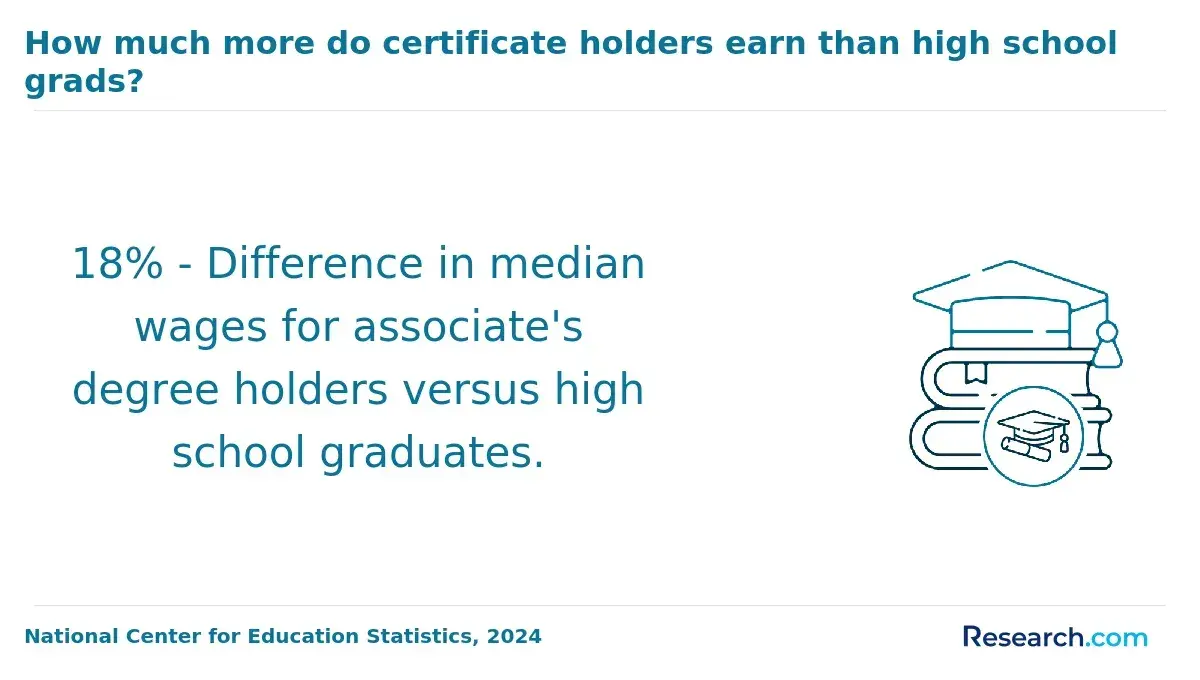
Weekly start dates in online cybercrime bachelor's programs eliminate many scheduling obstacles that often deter working adults and non-traditional learners. Unlike fixed semester schedules, these programs allow students to begin coursework immediately after acceptance, closing the gap between deciding to earn a degree and actually starting classes. Reports from the National Center for Education Statistics and the Lumina Foundation highlight that such flexibility supports higher persistence and graduation rates among adult students.
- Immediate Enrollment: Students can bypass waiting for traditional semester start dates, maintaining momentum and keeping educational and career goals on track without unnecessary delays.
- Adaptive Scheduling: Weekly enrollment options accommodate the complex and unpredictable lives of working adults, enabling them to balance studies alongside jobs and family responsibilities more efficiently.
- Better Retention: Adult learners who control their start times and progress at their own pace are more likely to stay committed and complete their degrees, benefiting from fewer bureaucratic hurdles.
- Financial Advantage: Early access to courses means students can advance in cybercrime careers sooner, reducing the overall cost of education by shortening the time to degree completion and accelerating earning potential.
A professional who enrolled in an online cybercrime bachelor's program with weekly start dates shared how important this format was. "I was juggling a full-time job and family obligations, so waiting months for the next semester would have meant losing valuable time and motivation," he explained.
He appreciated the ability to begin right away and appreciated being able to plan his studies around work demands without feeling overwhelmed. "It gave me control over my education, letting me move forward when I had the bandwidth instead of being tied to a fixed calendar." This flexibility helped him stay focused and steadily progress toward his goals while managing life's unpredictability.
What Is the Total Tuition Cost for Online Cybercrime Bachelor's Programs That Allow Weekly Enrollment?
Tuition costs for online cybercrime bachelor's degree programs with weekly start dates generally hinge on per-credit-hour pricing and the total credit requirement, which is typically around 120 credits. Many institutions offer consistent tuition rates regardless of student residency, providing cost advantages through in-state pricing extended to all online learners.
- Per-Credit Fees: Most online cybercrime programs calculate tuition based on credits taken each term, with rates commonly ranging from $300 to $600 per credit hour, influencing the overall expense significantly.
- Estimated Total Costs: When charged around $400 per credit, total tuition approximates $48,000, while some affordable schools charge near $300 per credit, lowering costs to roughly $36,000. Conversely, premium rates close to $600 per credit can increase total tuition to $72,000 or more.
- Flat-Rate Tuition: Select programs use flat-rate or block tuition models that cover unlimited credit hours per term, potentially lowering expenses for students who accelerate their studies by finishing sooner.
- Additional Expenses: Beyond tuition, students should prepare for extra costs, including technology fees and course materials, which can add several hundred to over a thousand dollars annually, impacting the overall financial commitment.
Prospective students evaluating tuition and fees for online cybercrime bachelor's programs with weekly start dates should also consider how generous transfer credit policies and prior learning assessments may reduce their time to degree and total cost. To explore flexible formats that expedite graduation, reviewing options for accelerated degrees is recommended.
How Quickly Can Students Complete an Online Cybercrime Bachelor's Degree When Enrolling Through a Weekly Start Option?
Students who enroll in multiple courses each term can significantly cut down their total study time. Taking a full course load is often essential for those aiming to graduate in about three years, while part-time students progress more slowly due to other commitments.
Many programs allow transferring up to 90 credits or awarding credit through prior learning assessments. This flexibility reduces required coursework, enabling students with existing knowledge or college credits to shorten their degree path drastically.
Online programs offering self-paced formats allow students to advance by demonstrating skills rather than adhering to fixed timelines. This model benefits motivated learners who can commit to accelerating their progress efficiently.
Full-time learners generally complete their cybercrime bachelor's degree within 3 to 4 years. Part-time students, balancing work and study, often take 5 to 6 years. Weekly starts provide both groups with increased flexibility by eliminating delays tied to traditional semester schedules.
Weekly or rolling enrollment means students can begin courses promptly without waiting for a specific semester start date. This continuous access helps maintain momentum, especially for working adults managing multiple responsibilities.
One professional who completed a self-paced cybercrime degree emphasized how weekly starts gave her control over pacing. She recalled facing challenges juggling work and coursework, but appreciated the ability to start whenever ready and progress based on her workload.
"It felt empowering not to be bound by semesters," she shared, noting that this freedom allowed her to stay motivated and complete the program more swiftly than she expected. Her experience highlights how flexibility and transfer options can make a real difference in finishing an online degree efficiently.
What Admission Requirements Must Students Meet to Enroll in an Online Cybercrime Bachelor's Program With a Weekly Start Date?
Online bachelor's programs in cybercrime with weekly start dates generally have more lenient admission criteria than traditional semester-based programs. Many schools adopting rolling enrollment policies eliminate rigid requirements like minimum GPAs or standardized test scores. A high school diploma or GED equivalency is commonly the basic qualification, with some institutions accepting unofficial transcripts or self-reported records to speed up enrollment.
Standardized testing is seldom mandatory; however, some programs might require placement exams to assess readiness and tailor academic support. The accessibility of open admissions often comes with increased institutional support, including tutoring and advising, designed to help students who may need extra guidance. Conversely, more selective programs typically expect applicants to have stronger academic backgrounds and greater independence.
Applicants returning to education after a significant break should emphasize relevant professional experience, certifications, and clear educational goals to offset any academic gaps. Demonstrating motivation and applicable skills can strengthen the application and readiness for the program's demands despite less traditional qualifications.
Recent data from the National Center for Education Statistics highlights that nearly 30% of bachelor's degree seekers are adult learners, reflecting a rising trend in flexible options with rolling start dates that cater to diverse student needs.
- Flexible Entry Requirements: Most programs require only a high school diploma or GED, often waiving strict GPA or test score criteria to accommodate rolling admissions.
- Open vs. Selective Admissions: Open admission programs offer ample academic support for those needing it, while selective options expect higher credentials but provide a quicker pace.
- Application Strategy: Non-traditional students improve chances by highlighting work experience, certifications, and clear objectives in their applications.
- Standardized Testing: Rarely required but sometimes used for placement to ensure students receive appropriate academic resources.
- Adult Learner Demand: Nearly one-third of bachelor's students are adults returning to school, driving demand for flexible, rolling enrollment programs.
How Do Online Cybercrime Programs With Weekly Starts Handle Transfer Credits From Previous College Coursework?
Weekly-start online Cybercrime bachelor's programs often offer flexible transfer credit policies that can substantially lower both the time and cost to complete the degree. Many institutions accept transfer credits from accredited community colleges, military training, and employer-based education. Some schools even allow up to 90 semester credits to transfer, depending on their residency requirements.
These policies are frequently aligned with the American Council on Education (ACE) credit recommendation system, which evaluates military and corporate training to recommend transferable college credits. This enables students with non-traditional learning backgrounds to convert valuable real-world experience into academic credits. Programs that recognize ACE recommendations help students accelerate their degree progress and reduce overall tuition expenses.
Prospective students need to request a formal transcript evaluation before enrolling to clearly understand which credits will transfer and what courses remain. According to a recent report from the National Center for Education Statistics (NCES), nearly 60% of undergraduates transferred credits from prior institutions, a trend that online Cybercrime programs are increasingly designed to support to improve access and affordability.
- Transfer Credit Policies: Schools commonly accept credits from community colleges, military experience, and employer education, enabling faster degree completion.
- Role of ACE Recommendations: ACE facilitates translating workplace and military training into academic credit, expanding transfer opportunities.
- Credit Limits Vary: Some programs permit up to 90 transfer credits, but students must adhere to institution-specific residency rules.
- Transcript Evaluation Is Essential: Early evaluation ensures students know their academic standing and what coursework remains.
- Growing Transfer Trends: Nearly 60% of students nationally use transfer credits, reflecting enhanced acceptance in Cybercrime programs.
What Financial Aid and Scholarship Options Are Available for Students Enrolling in Weekly-Start Online Cybercrime Programs?
Students pursuing weekly-start online cybercrime bachelor's degree programs have access to federal financial aid options, including Pell Grants, subsidized and unsubsidized Stafford loans, and Federal Work-Study. These programs operate with multiple start dates throughout the year, so students must understand how their enrollment aligns with the federal aid calendar, which generally follows the standard academic year from July 1 to June 30.
Applying early through the Free Application for Federal Student Aid (FAFSA) is critical, as many federal grants, state aid, and institutional scholarships for online cybercrime students are awarded on a first-come, first-served basis. Students should plan accordingly to maximize their financial support. The FAFSA calculations are based on the traditional academic year, so those in rolling enrollment programs need to consider how start dates fit within this framework to avoid gaps in funding.
Data from College Board Trends in Student Aid reveals that the average financial aid package for undergraduates is about $14,000 annually, combining loans and grants. Individual awards vary widely based on income, residency, and institution. Additionally, scholarship opportunities specifically for cybercrime students are offered by professional groups such as the International Association of Computer Science and Information Technology (IACSIT) and some online schools focused on distance learners.
For those comparing pathways, financial aid is a key factor alongside tuition costs and transfer credit policies. Students interested in similar rolling-start formats for healthcare might also explore programs like the ultrasound tech school, which offer comparable financial aid considerations.
- FAFSA Application: Submitting the FAFSA early is essential to maximize access to federal, state, and institutional aid, as many programs distribute funds on a first-come, first-served basis.
- Federal Aid Types: Pell Grants, subsidized and unsubsidized Stafford loans, and Federal Work-Study remain available to eligible online cybercrime students despite their non-traditional course start dates.
- Weekly-Start Scheduling: Students must understand how their weekly enrollment aligns with the federal aid calendar to ensure timely receipt of financial support.
- Scholarship Opportunities: Professional organizations and some universities offer scholarships targeted specifically at cybercrime or online learners, providing additional funding pathways.
- Average Aid Packages: Based on College Board data, students might generally expect aid packages averaging around $14,000 per academic year, combining grants and loans.
- Institutional Aid: Many schools provide unique grants or scholarships to encourage enrollment in online cybercrime programs-checking with financial aid offices is advised.
What Accreditation Standards Should a Weekly-Start Online Cybercrime Bachelor's Program Meet to Ensure Employer and Transfer Recognition?
When evaluating online cybercrime bachelor's degree accreditation standards, knowing the difference between regional and national accreditation is crucial. Regional accreditation is the gold standard for employer recognition and credit transferability in the cybercrime field-it indicates rigorous academic quality and is widely accepted by both employers and other institutions.
The seven regional accrediting bodies recognized by the U.S. Department of Education are the Middle States Commission on Higher Education (MSCHE), New England Commission of Higher Education (NECHE), Higher Learning Commission (HLC), Northwest Commission on Colleges and Universities (NWCCU), Southern Association of Colleges and Schools Commission on Colleges (SACSCOC), Western Association of Schools and Colleges Senior College and University Commission (WSCUC), and the Accrediting Commission for Community and Junior Colleges (ACCJC). Among these, HLC and SACSCOC often accredit programs offering weekly or rolling start dates.
Before enrolling in any accredited weekly start cybercrime programs in the United States, prospective students should verify the program's accreditation status using the U.S. Department of Education's accreditation database. Attending a nationally accredited-only institution may risk non-transferable credits if you decide to pursue graduate studies or transfer to a regionally accredited school.
- Regional vs National Accreditation: Regional accreditation is more prestigious and widely recognized by employers and schools, whereas national accreditation often applies to specialized or vocational institutions with limited credit transferability.
- Recognized Accrediting Bodies: The seven regional accreditors uphold high academic standards; verifying accreditation through the Department of Education ensures program legitimacy and quality.
- Weekly-Start Program Accreditation: Flexible programs with rolling start dates typically hold accreditation from bodies like HLC and SACSCOC, catering to adult learners' scheduling needs.
- Transfer Credit Considerations: Credits from nationally accredited programs may not transfer easily to regionally accredited schools, which can complicate degree progression and graduate admissions.
- Importance of Verification: Confirm accreditation through official sources to avoid costly mistakes that could impact career or academic prospects.
Students seeking advanced degrees or career advancement may also consider exploring doctoral programs for healthcare administration as an example of how to research quality accreditation for graduate study.
How Is Coursework Structured in Online Cybercrime Bachelor's Programs With Weekly Starts Compared to Semester-Based Formats?
Weekly-start cybercrime bachelor's programs deliver coursework primarily through asynchronous video lectures, allowing students to study flexibly throughout each week. Regular participation in discussion boards replaces live classroom interaction, promoting remote engagement with instructors and peers.
Assignments are due weekly, maintaining a steady pace that helps students stay on track but demands strong time management. These programs often condense courses into five- to eight-week terms, contrasting with traditional 15-week semesters and requiring greater self-discipline to absorb accelerated content fully.
This format is particularly effective for teaching essential cybercrime skills such as digital forensics, network security, and ethical hacking-areas that benefit from focused, immersive study. However, shorter terms may limit opportunities for extended group projects, deep research, and hands-on collaboration compared to semester-long classes.
Students can improve their success by establishing consistent study routines and creating distraction-free environments to handle the faster pace. Fully online enrollment jumped 10% in fall 2024, indicating growing demand for adaptable learning schedules.
- Flexible Course Access: Asynchronous video lessons enable anytime study during weekly sessions but require disciplined time management.
- Consistent Engagement: Weekly deadlines motivate regular assignment completion and prevent procrastination.
- Targeted Skill Building: Accelerated courses emphasize key cybercrime competencies like forensic analysis and security protocols in condensed timeframes.
- Reduced Immersion: Shorter terms limit chances for long-term projects or extensive research compared to traditional semesters.
- Success Preparation: Creating structured study habits and quiet workspaces is essential for managing intensive learning.
Can Students Earn Credit Through CLEP, DSST, or Prior Learning Assessment in Weekly-Start Online Cybercrime Programs?
Credit by examination programs, such as CLEP (College Level Examination Program) and DSST, enable students to earn college credit by demonstrating proficiency in specific subjects, bypassing courses they have already mastered. These exams are endorsed by the College Board and align with ACE (American Council on Education) credit recommendations, offering a recognized and standardized way to reduce both time and tuition costs for online cybercrime bachelor's degrees.
Prior Learning Assessment (PLA) processes provide another route for credit by evaluating documented work experience, professional training, or military service. Weekly-start programs often offer more flexible PLA options compared to traditional semester schedules, with common credit limits ranging from 15 to 30 credits. Institutions like Western Governors University and Thomas Edison State University are noted for their generous acceptance of portfolio-based assessments and military transcripts.
Students should gather comprehensive evidence of prior learning, such as training certificates, official transcripts, and detailed portfolios, and submit these materials to their registrar or prior learning office for formal evaluation. Understanding each school's specific policies and submission procedures is vital for maximizing credit recognition.
- Credit By Examination Programs: CLEP and DSST allow learners to test out of core courses, providing widely accepted, ACE-aligned credit.
- Prior Learning Assessment (PLA): PLA converts relevant professional and informal learning into academic credits through portfolio review or challenge exams.
- Portfolio-Based Evaluations: Some programs accept work samples and training documentation, enabling personalized credit pathways and faster graduation.
- Military And Professional Training Credits: Institutions often accept military transcripts and certifications, offering streamlined credit for veterans and professionals.
- Documentation And Submission: Organizing and submitting proof of prior learning through official channels ensures timely and accurate credit evaluation.
What Graduates Say About Online Cybercrime Bachelor's Degree Programs With Weekly Start Dates
- Otis: "Choosing an online cybercrime bachelor's degree with weekly start dates was a game-changer for me because it allowed me to begin my education precisely when I was ready, no waiting months for the next semester. The affordability of the program was a huge plus, making it easier to manage alongside my daily expenses. Since graduating, I've already secured a role in IT security, and I credit the flexible schedule for helping me balance work and study effectively."
- Ronan: "Reflecting on my journey, the weekly start dates in the cybercrime bachelor's program gave me the freedom to tailor my studies around my unpredictable work hours. The cost was reasonable, especially compared to traditional on-campus options, which helped me avoid hefty student debts. This degree didn't just boost my resume-it significantly expanded my network and confidence in handling real-world cyber threats professionally."
- Brooks: "From a professional standpoint, the most compelling factor was how quickly I could jump into the cybercrime bachelor's program with weekly start dates; no delays meant faster career advancement. I appreciated that the tuition fees were transparent and competitive, which made budgeting straightforward. Completing the program has opened doors to specialized roles and made me a sought-after candidate in the growing field of cybersecurity."
Other Things You Should Know About Cybercrime Degrees
Online Cybercrime bachelor's programs with weekly start dates typically utilize learning management systems (LMS) such as Blackboard, Canvas, or Moodle to deliver coursework and facilitate communication. Students need reliable high-speed internet, a modern computer with up-to-date operating systems, and often specific software tools for cybersecurity labs, including virtual machines or network simulation environments. Technical requirements vary by program, but most schools provide detailed specifications to ensure smooth access to course materials and assessments.
In 2027, online Cybercrime Bachelor's Degree programs with weekly start dates typically charge between $300 and $500 per credit hour. Prices vary significantly depending on the institution. Prospective students should compare costs and consider financial aid opportunities when selecting a program.
These programs generally provide robust student support, including academic advising, technical help desks, career counseling, and tutoring specifically tailored to cybersecurity topics. Some institutions offer 24/7 access to resources and peer forums to accommodate varied schedules, especially important in weekly-start formats where students begin at different times. Additional services often include mentorship programs and assistance with certification exam preparation.
References
- Bachelors Degree In Cyber Security (BS-CS) | Metropolitan School of Business & Management UK https://msbm.org.uk/raionul-edinet/programme/bachelors-degree-in-cyber-security
- How College Credit Transfer Really Works: A Practical Guide https://straighterline.com/blog/transfer-how-college-credit-transfer-really-works-a-practical-guide
- Cybersecurity Scholarships: Enroll Now to Secure Your Future in Cyber Defense https://ebulux.lu/cybersecurity-scholarships-enroll-now-to-secure-your-future-in-cyber-defense/
- 0AL5316 Advanced Course on Cyber Security https://kdb.tsukuba.ac.jp/syllabi/2025/0AL5316/eng/0/
- Welcome to Purdue.io https://purdue.io/202630/CIT/1d12d444-6171-40c9-ab41-8df27432e426
- What are the benefits of e-learning for cyber security training? https://www.umu.com/ask/q11122301573854358068
- 2026 Cybersecurity Training helps protect our data https://mykp.kp.org/en/news/national/annual-cybersecurity-training-helps-protect-data.html
- Bachelor of Science in Cybersecurity https://online.norwich.edu/online/programs-courses/programs/bachelor-science-cybersecurity
- cybersecurity | The University Network https://www.tun.com/blog/exabeam-cybersecurity-scholarship-program-is-open-for-applications/cybersecurity-2/
- Cybersecurity, BS at American National University | Goingto.University https://studylink.com/institutions/american-national-university/courses/cid-si-216322