2027 Respiratory Care Therapy Master's Degree vs Graduate Certificate: Which Is Better?

Co-Founder and Chief Data Scientist
Deciding between a respiratory care therapy master's degree and a graduate certificate often hinges on practical concerns, like ost, time-to-completion, admission criteria, employer valuation, salary impact, and career advancement opportunities.
While a graduate certificate can be earned in under a year with fewer prerequisites, a master's degree typically requires two years and a bachelor's degree but offers broader career pathways.
According to 2024 data, professionals with a master's degree in respiratory care therapy earn on average 20% more annually than those holding only a graduate certificate. This article explores these differences systematically to guide readers in making an informed choice aligned with their goals.
Key Things to Know About Which Is Better: A Respiratory Care Therapy Master's Degree or a Respiratory Care Therapy Graduate Certificate
- A respiratory care therapy master's degree typically costs significantly more, often double or triple, than a graduate certificate, reflecting its extended curriculum and research components.
- Graduate certificates can be completed in under a year, making them ideal for professionals seeking rapid upskilling compared to the two-year master's degree path.
- Employers often recognize the master's degree as a stronger credential for leadership roles, while certificates mainly enhance practical skills without substantially increasing salary prospects.
What Is the Difference Between a Respiratory Care Therapy Master's Degree and a Respiratory Care Therapy Graduate Certificate?
A respiratory care therapy master's degree is a full graduate program, typically requiring 30 to 40 credit hours, with a wide, ranging curriculum that includes advanced clinical knowledge, research methodologies, leadership skills, and healthcare policy.
This degree prepares students for advanced roles such as management, education, or specialized clinical practice and often involves a thesis or capstone project to demonstrate theoretical mastery and practical application.
Conversely, a respiratory care therapy graduate certificate is a shorter credential focused on specific skills or knowledge areas within the field.
Usually consisting of 12 to 18 credit hours, certificate programs emphasize targeted topics like advanced clinical techniques, emerging technologies, or updated treatment protocols. This credential is especially attractive to working professionals or recent graduates seeking rapid skill enhancement without the broader academic commitments of a master's program.
- Academic Standing: Master's degrees represent a full graduate credential, while graduate certificates are non-degree qualifications intended as supplementary credentials.
- Curriculum Scope: The master's program covers extensive coursework and research components; the certificate zeroes in on specific competencies.
- Duration: Master's degrees usually require about two years of full-time study; certificates can be completed in several months or up to a year.
- Intended Audience: Master's programs serve those targeting leadership, research, or teaching careers; certificates appeal to professionals seeking quick upskilling or specialization.
- Stackability: Credits earned in many graduate certificate programs can apply toward a future master's degree, offering flexible academic pathways.
- Misconceptions: Certificates are often mistaken as abbreviated master's programs, but they differ fundamentally in depth, academic rigor, and career influence.
Prospective students, whether recent graduates, career changers, or certificate holders considering a master's, can weigh these factors carefully to select the ideal credential aligned with their goals.
For those exploring accelerated options in healthcare, related fields such as medical assistant programs also offer various pathways worth examining.
What Are the Typical Admission Requirements for a Respiratory Care Therapy Master's Program Compared to a Respiratory Care Therapy Graduate Certificate?
Admission requirements for respiratory care therapy master's programs tend to be more rigorous and selective compared to those for graduate certificate programs. Master's programs typically seek candidates who have demonstrated strong academic ability and relevant foundational knowledge.
Common expectations include:
- Undergraduate GPA: Most master's programs require a competitive minimum GPA to ensure applicants have the academic strength needed for graduate-level coursework.
- Prerequisite Coursework: Candidates usually must have completed prerequisite courses in biology, chemistry, anatomy, physiology, and related areas. These prerequisites ensure readiness for advanced study in respiratory care therapy.
- Standardized Test Scores: Some master's programs ask for GRE scores, though this requirement is becoming less universal. When required, scores can play an important role in admissions decisions.
- Letters of Recommendation: Multiple letters from academic or professional references help demonstrate an applicant's ability and potential to succeed in graduate study.
- Personal Statement: A well-crafted essay detailing motivation, career goals, and relevant experience is often required to assess fit and commitment to the field.
In contrast, respiratory care therapy graduate certificate programs typically have more flexible and accessible admission standards. Key distinctions frequently include:
- Academic Requirements: Certificates often require only a bachelor's degree with less emphasis on GPA thresholds.
- Prerequisite Courses: These programs may have fewer or no prerequisite course requirements, recognizing that students may seek targeted skills or quicker entry into the profession.
- Standardized Tests: GRE or similar tests are rarely required for certificate admission, lowering barriers for working professionals or career changers.
- References and Essays: Many certificate programs do not require letters of recommendation or personal statements, streamlining application processes.
This distinction in admission criteria matters significantly for recent undergraduates weighing their next credential step or for current graduate certificate holders considering whether to pursue the full master's degree.
Certificates often serve as an academic on-ramp, allowing students to gain relevant coursework, demonstrate their capability, and build a stronger application profile for a master's program later. Professionals seeking a focused skills upgrade or a faster pathway into the field benefit from the accessibility and flexibility of graduate certificate programs.
Students exploring options should note that navigating the differences between graduate certificate vs master's admission requirements in respiratory care therapy can shape their career and educational trajectory significantly. For those early in their career or changing paths, certificates offer a valuable opportunity to enter or enhance competency in the field without the stricter admission hurdles of master's programs.
For those seeking a broader exploration of alternative nursing pathways, including options like a nursing school that doesn't require TEAS test, authoritative research guides provide extensive insights and comparisons.
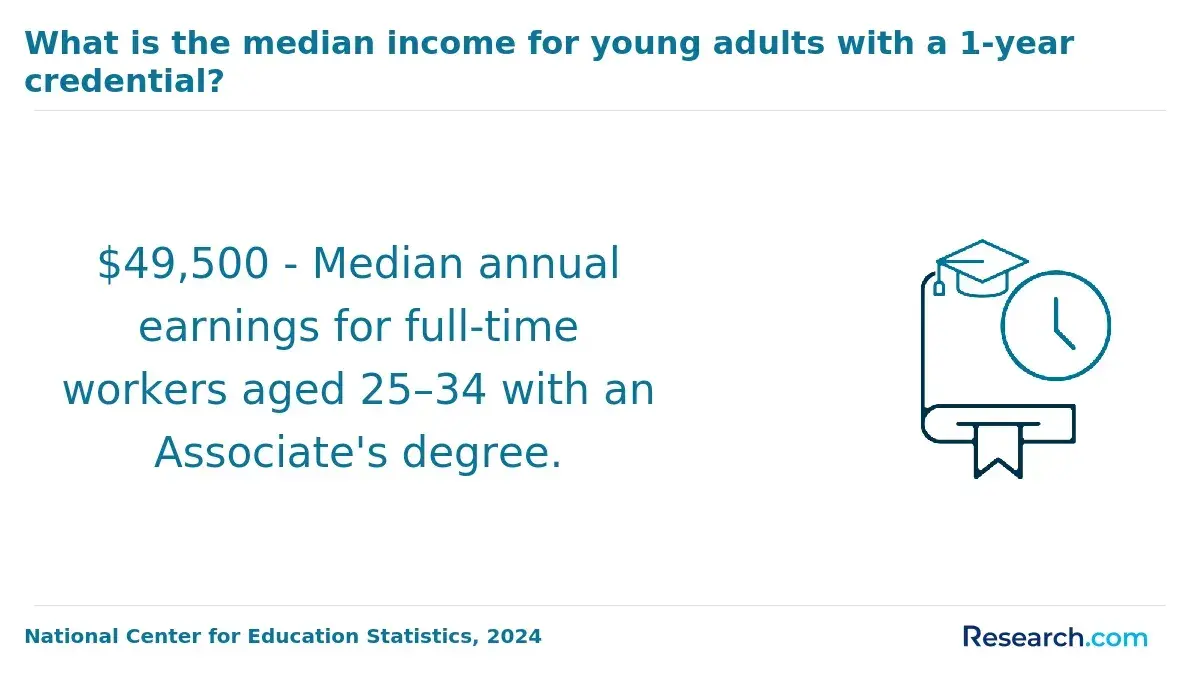
What Is the Minimum GPA Requirement for a Respiratory Care Therapy Master's Program?
Accredited respiratory care therapy master's programs generally require a minimum GPA around 2.75 to 3.25, with 3.0 being a common baseline. This range shifts depending on the program's competitiveness.
More selective universities tend to set GPA floors closer to 3.25 to limit applicant numbers and ensure students are prepared for demanding coursework. In these programs, the actual GPA of admitted students often exceeds the published minimum, reflecting a competitive academic profile.
- Range: Minimum GPA expectations vary widely but most fall between 2.75 and 3.25, depending on institutional standards and applicant pools.
- Program Selectivity: Highly selective programs use GPA cutoffs as preliminary filters, routinely admitting students who surpass these minimums to match rigorous academic and research demands.
- Open-Enrollment and Professional Focus: Some programs prioritize clinical experience and may accept candidates with GPAs closer to the minimum, emphasizing professional development alongside academics.
- Provisional Admission: Conditional acceptance is sometimes available for applicants slightly below the threshold, requiring them to meet specific academic benchmarks or complete remedial coursework early in their studies.
- GPA Perspective: Prospective students should view minimum GPA requirements as thresholds to exceed, rather than targets to meet, to strengthen their application's competitiveness.
One professional who completed a respiratory care therapy master's shared that despite meeting the minimum GPA, they experienced significant anxiety over whether their grades alone would be enough. "It wasn't just about hitting the baseline," he noted, "but showing my commitment through experience and willingness to improve."
"When I was offered conditional admission, I saw it as a chance to prove myself rather than a setback." This perspective highlights how exceeding minimum standards and leveraging additional strengths can be key to success in these programs.
How Long Does It Take to Complete a Respiratory Care Therapy Master's Degree Versus a Respiratory Care Therapy Graduate Certificate?
A graduate certificate in respiratory care therapy can often be completed in a shorter time frame than a master’s degree. The difference in duration is tied to the depth of study and the number of required academic credits in each pathway.
- Master's Degree Duration: Typically, completing a respiratory care therapy master's degree requires 2 to 3 years of full-time study. Part-time options can extend this timeframe to 4 years or more, depending on course sequencing and student availability. Although accelerated tracks exist, they remain uncommon due to the extensive curriculum and program demands.
- Graduate Certificate Duration: These programs are tailored for swift completion, usually between 6 months and 1 year full-time. Part-time enrollment might take 1 to 2 years, sometimes offering accelerated options that accommodate working professionals seeking quick skill upgrades.
- Program Structure: Master's programs involve a heavier credit load, often surpassing 30 credits, with requirements such as a thesis, capstone, or comprehensive exams extending the timeline. In contrast, graduate certificates concentrate on specific coursework without research or thesis components, allowing for faster completion.
- Career Impact: Those balancing employment and family often select graduate certificates to minimize disruption and quickly enhance credentials. Individuals pursuing in-depth expertise or academic roles typically commit to the longer duration of a master's program.
- Personal Circumstances: Financial resources, job flexibility, and family commitments heavily influence the feasible program length. Students must weigh these factors carefully to choose a path aligned with their life situation and career goals.
Deciding between these credentials also involves assessing how time-to-completion aligns with professional urgency. For recent graduates or career-changers exploring an online kinesiology degree or related fields, understanding these timelines aids in crafting a realistic educational plan suited to their ambitions.
How Much Does a Respiratory Care Therapy Master's Degree Cost Compared to a Respiratory Care Therapy Graduate Certificate?
The financial investment required for a respiratory care therapy master’s degree is typically greater than that of a graduate certificate. This is due to the expanded scope of study and the longer academic timeline associated with master’s programs.
- Cost Ranges: Tuition for respiratory care therapy master's programs varies widely by institution. Public in-state students generally pay between $15,000 and $30,000 for the entire master's degree, while public out-of-state students face costs from approximately $30,000 to $50,000. Private universities often charge substantially more, with total expenses stretching from $40,000 to $70,000. Graduate certificates in respiratory care therapy, by contrast, are more economical, commonly ranging from $5,000 to $15,000, depending on residency and school choice.
- Program Length and Credit Hours: Master's degrees typically require 30 to 45 credit hours, often taking two years or longer to complete. This extended commitment increases tuition and fees. Graduate certificates usually demand 12 to 18 credits and can be finished in under a year, lowering direct educational costs substantially.
- Institutional Overhead: The higher price tags of master's programs partly reflect additional institutional expenses, covering faculty expertise, research initiatives, and administrative operations, which certificates usually avoid due to their streamlined design.
- Financial Aid and Employer Support: Master's students often benefit from more financial aid options, including teaching assistantships, research fellowships, and employer tuition reimbursement. These resources help ease sticker shock. Certificate students encounter fewer of these opportunities, which can limit aid availability and impact net cost.
- Hidden and Opportunity Costs: Master's candidates face longer full-time enrollment with income foregone and delayed career progression, costs less pronounced for certificate holders given their shorter program duration and faster workforce reentry.
- Return on Investment: Evaluating net costs rather than sticker prices offers a clearer financial picture, considering aid, employer benefits, and anticipated salary increases post-graduation. Free online calculators can assist applicants with this analysis by comparing program costs, time commitments, and salary outcomes for both credentials.
Reflecting on her experience, a respiratory care therapy professional who completed a master's degree described the financial hurdles as "daunting at first," noting that balancing part-time work with full-time studies tested her resilience. She emphasized how securing a research fellowship was "a game-changer," both easing financial pressure and enriching her academic experience.
Despite the longer journey, she remarked that the advanced credential opened doors "to leadership roles that would have been inaccessible otherwise," highlighting how the investment paid dividends over time.
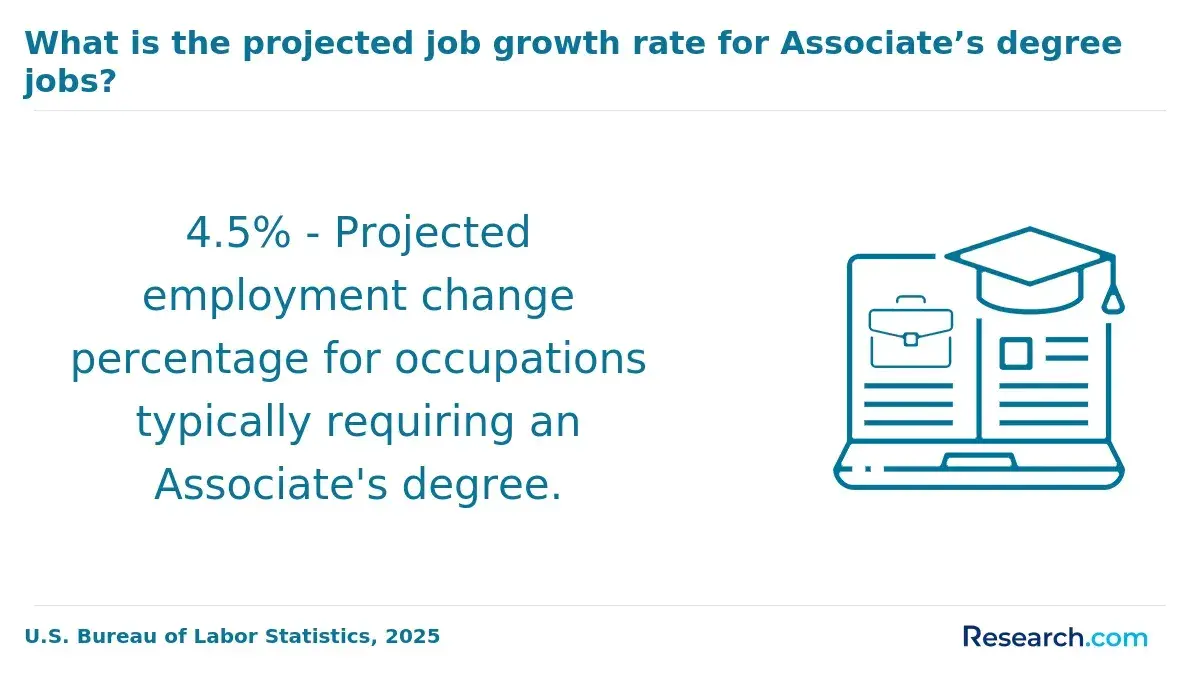
How Does Earning a Respiratory Care Therapy Master's Degree Affect Salary Compared to a Respiratory Care Therapy Graduate Certificate?
Median earnings for respiratory care therapy professionals with a master's degree consistently outpace those holding a graduate certificate, reflecting an education-wage premium, confirmed by the U.S. Bureau of Labor Statistics and research from Georgetown University and NACE.
This boost, typically between 10% and 25% higher median wages, is especially notable in senior and leadership roles within large hospital systems, urban medical centers, and research organizations where advanced expertise is prized.
- Salary Premium: The master's degree provides a significant wage advantage that grows with experience and responsibility, particularly in competitive healthcare institutions.
- Industry Variations: Earnings differences shrink in smaller outpatient clinics or community settings, where the value placed on advanced degrees is less pronounced.
- Certificate Competitiveness: Targeted graduate certificates in niche areas like neonatal or pulmonary critical care can deliver salary outcomes comparable to or, in some cases, exceeding those of a master's degree within specialized career paths.
- Return on Investment: While master's programs require more time and financial commitment, they often unlock supervisory and administrative positions with sustained salary growth. Certificates facilitate quicker entry or skill enhancement but may limit long-term earnings potential.
- Employer Recognition: Academic medical centers and large healthcare networks tend to reward master's credentials with higher pay, whereas community-based employers often emphasize relevant certifications and experience instead.
Recent data from 2024 indicates a growing demand for respiratory care therapy professionals holding advanced degrees in metropolitan areas, reinforcing the value of master's-level qualifications in high-cost labor markets.
Which Respiratory Care Therapy Career Paths Favor a Master's Degree Over a Graduate Certificate?
Certain respiratory care therapy career tracks distinctly favor a master's degree over a graduate certificate due to the advanced expertise and credentials the full degree offers.
Employers and professional bodies often require or prefer a master's degree for roles demanding extensive theoretical knowledge, leadership skills, and research capabilities, attributes that a graduate certificate's applied focus usually cannot fully provide.
- Leadership Roles: Positions such as respiratory care directors, department managers, and clinical supervisors frequently mandate a master's degree. These positions rely on comprehensive education in management, healthcare policy, and advanced clinical decision-making.
- Research-Intensive Positions: Roles involving clinical research, program evaluation, or new respiratory therapy development value the analytical and methodological depth typical of master's programs, which exceed the scope of graduate certificates.
- Licensure and Employer Requirements: Certain states and healthcare organizations require a master's degree for advanced practice licenses or specialized accreditations, creating essential credentialing barriers that a certificate alone cannot overcome.
- Career Advancement: Many career ladders treat the master's degree as a formal prerequisite for promotions into advanced practice, educator, or specialty roles, making it structurally necessary for long-term professional growth and salary improvement.
According to a 2024 survey by the American Association for Respiratory Care, nearly 40% of advanced respiratory care therapy roles explicitly require or strongly prefer candidates with a master's degree, underscoring its increasing value in the field.
Which Respiratory Care Therapy Career Paths Favor a Graduate Certificate Over a Master's Degree?
Some respiratory care therapy career paths prioritize practical, targeted training over extended academic study, which can make a graduate certificate more suitable than a master’s degree. These roles often emphasize specific competencies that can be developed in a shorter, more focused program.
- Technical Skill Focus: Certain respiratory care therapy positions, such as specialized clinical roles or advanced procedural technicians, often emphasize hands-on expertise and practical skills over broad academic knowledge. In these contexts, a graduate certificate that concentrates on specific competencies can be more valuable than a master's degree, which covers a wider range of theoretical material. This is especially relevant in respiratory care therapy graduate certificate career advantages where applied skills are directly linked to job performance.
- Rapid Career Advancement: Professionals already holding a bachelor's or master's degree in related fields frequently choose certificates to gain targeted abilities quickly. Employer surveys and job posting data from platforms like Lightcast show that certificates can offer faster pathways to new responsibilities or roles, without the extended time commitment required for a full master's degree. This approach also aligns with working professionals who seek to bridge competency gaps efficiently.
- Entry-Level Positioning: For candidates aiming to enter respiratory care therapy jobs where certification or licensure is prioritized, graduate certificates may provide a preferred credential. Employer recognition in technical or supportive roles often treats these focused certificates as sufficient, sometimes equivalent to a master's degree. This equivalency is supported by surveys that document hiring manager preferences in specialized areas.
- Employer Preference in Specialized Areas: Certain fields, such as neonatal or pediatric respiratory care, sleep study technologists, and hyperbaric therapy, regularly acknowledge certificates as equal alternatives. This is critical for professionals evaluating whether to pursue a full master's or to target skill acquisition more directly. Such distinctions support informed decisions on the master's degree vs graduate certificate in respiratory care therapy jobs.
- Cost Efficiency for Working Professionals: Healthcare workers often find certificates offer a better return on investment, providing up-to-date knowledge on techniques and technology without the costs and duration of a master's program. This efficiency helps maintain both current employment and career flexibility.
The decision to pursue a graduate certificate rather than a master's degree depends on individual career goals, existing qualifications, and sector-specific employer expectations.
For those comparing respiratory care therapy credentials, it's useful to explore broader educational options, such as school psychology programs online accredited by NASP, which exemplify how accreditation and targeted credentials influence career trajectories.
Is a Respiratory Care Therapy Graduate Certificate Stackable Toward a Master's Degree?
Whether a respiratory care therapy graduate certificate is stackable toward a master's degree depends primarily on individual institutional policies. Accredited universities offering respiratory care therapy or related health fields sometimes allow graduate certificate coursework to transfer directly into a master's degree program.
This option helps reduce duplication of coursework, saving students time and money while progressing in their education. Key factors influencing credit transfer from graduate certificate to master's in respiratory care therapy include the following:
- Institutional Matching: Credits usually must be earned at the same university or an affiliated institution that offers the master's degree to qualify for stacking.
- Grade Requirements: Most institutions require a minimum grade in certificate courses before accepting those credits toward the master's program.
- Time Limits: Coursework is typically subject to completion deadlines, frequently within five to seven years, to maintain relevance and academic rigor.
- Program Alignment: The graduate certificate curriculum must closely align with the master's degree content; unrelated certificates generally do not qualify for transfer.
The stackable certificate pathway offers a strategic option for undecided students, allowing them to test academic rigor and financial commitment before fully committing to a master's degree. It is also advantageous for working professionals seeking focused skill upgrades without long-term enrollment.
Prospective students should confirm credit transfer and stackability policies directly with graduate admissions, as these rules vary widely among institutions and even within respiratory care therapy departments.
For those exploring educational options beyond respiratory care, resources such as the best easiest counseling degree programs can provide additional pathways and insights.
How Do Employers in the Respiratory Care Therapy Field Perceive a Master's Degree Versus a Graduate Certificate?
Employer perceptions of a respiratory care therapy master’s degree versus a graduate certificate often depend on the specific role and level of responsibility involved. In general, a master’s degree is viewed as a stronger indicator of advanced expertise, while a graduate certificate is seen as evidence of focused, applied training.
- Industry Variation: Employers across healthcare and nonclinical sectors weigh master's degrees and graduate certificates differently. Regulated environments and academia generally prefer master's degrees for clinical leadership roles due to their depth and licensure alignment, while technology and consulting fields often value the targeted skills and speed of completion that certificates provide.
- Role Considerations: Positions demanding clinical judgment and patient care tend to favor candidates with master's degrees. Conversely, roles centered on technical assistance, program management, or specialized knowledge frequently prioritize expertise demonstrated by graduate certificates.
- Institutional Credibility: The prestige and accreditation of the credentialing institution significantly influence hiring decisions. Certificates from well-established, regionally accredited programs can surpass master's degrees from less reputable schools in terms of perceived readiness and trustworthiness.
- Employer Insights: Data from surveys like NACE Job Outlook and LinkedIn Talent Insights reveal hiring managers assess credentials within the context of industry norms and role requirements, not simply credential type, highlighting the importance of matching education choices to market expectations.
Understanding how employers value these credentials helps applicants set practical goals. Selecting the right credential, whether a master's or a graduate certificate, depends on aligning cost, duration, and career aspirations with sector-specific demand and credential recognition.
Can a Respiratory Care Therapy Graduate Certificate Help Someone Transition Into the Field From a Different Background?
A targeted respiratory care therapy graduate certificate offers professionals from unrelated fields a streamlined, cost-effective option to gain essential knowledge and credentials quickly.
Workforce development research shows these programs cater to career changers by providing accelerated coursework that builds relevant expertise without the extended time and expense of a master's degree.
- Speed: The condensed format allows faster completion, helping students enter the respiratory care therapy workforce promptly.
- Cost-Effectiveness: Tuition costs are significantly lower than master's programs, easing financial barriers for those shifting careers.
- Applied Learning: Many certificates emphasize hands-on projects and portfolio creation, which enhance practical skills and demonstrate job readiness.
- Stackable Credentials: These certificates often can be credited toward a master's degree later, offering flexible pathways for continued education.
Despite these advantages, certificates have limitations for those targeting senior, leadership, or research-focused roles where employers and licensure agencies typically prefer a master's degree as the standard credential.
A certificate alone may suffice only as an initial credential, providing foundational knowledge and credibility rather than comprehensive preparation for advanced positions. To boost employment prospects, certificate holders should combine their credential with visible applied experience, such as volunteer work, internships, or documented projects, to create a compelling portfolio.
This blend of formal education and practical activity improves marketability and supports a smoother transition into respiratory care therapy careers.
What Graduates Say About Which Is Better: A Respiratory Care Therapy Master's Degree or a Respiratory Care Therapy Graduate Certificate
- Cade: "Choosing between a master's degree and a graduate certificate in respiratory care therapy really came down to time and cost for me. The certificate program was faster and much less of a financial burden, perfect for someone eager to enter the workforce quickly. Still, I found that employers often viewed the master's as a stronger asset, which could translate into better long-term salary prospects."
- Jessica: "Reflecting on my journey, the master's degree in respiratory care therapy required a tougher admission process but offered deeper career utility. It seemed to open doors to leadership roles and advanced skills that the certificate couldn't provide. From my perspective, the extra time and effort were definitely worth it for the enhanced recognition I received from employers."
- Axel: "I appreciated how the graduate certificate in respiratory care therapy offered a more affordable route without sacrificing too much in terms of career advancement. While the master's might boost earning potential more significantly, the certificate allowed me to quickly improve my credentials and still gain employer recognition. For professionals balancing work and study, the shorter time-to-completion was a clear advantage."
Other Things You Should Know About Respiratory Care Therapy Degrees
Online respiratory care therapy master's programs generally offer a more comprehensive curriculum that covers advanced clinical skills, leadership, and research methods. Graduate certificates focus on specialized topics or skill sets and typically require less time to complete. While both formats can be accredited and respected, master's degrees tend to carry greater recognition among employers due to their depth and rigor.
Accreditation is critical when selecting either credential because it ensures the program meets established educational and professional standards. Master's programs and graduate certificates should both be accredited by recognized bodies like the Commission on Accreditation for Respiratory Care (CoARC). Graduates of accredited programs are more likely to meet licensure requirements and be favored by employers, so verifying accreditation is essential regardless of the chosen path.
Individuals seeking leadership positions, advanced clinical roles, or future doctoral study are best suited for a respiratory care therapy master's degree due to its broad curriculum and research components. Conversely, working professionals looking to quickly upgrade specific skills or change specialties within respiratory care may find a graduate certificate more practical and cost-effective. Both credentials serve distinct career goals and should be chosen based on long-term plans and immediate needs.
References
- RCP vs. RRT: Understanding The Difference | St. Augustine https://www.staugustine.edu/2024/02/27/rcp-vs-rrt/
- Master of Science in Respiratory Care (M.S.R.C.) Major in Respiratory Care (Leadership Concentration) https://mycatalog.txstate.edu/graduate/health-professions/respiratory-care/respiratorycare-leadership-msrc/
- Master of Science (MS) in Respiratory Care Admissions https://www.rushu.rush.edu/college-health-sciences/academic-programs/master-science-respiratory-care/master-science-respiratory-care-admissions-deadlines
- Career Advancement for RCPs | Respiratory Therapy https://respiratory-therapy.com/disorders-diseases/chronic-pulmonary-disorders/asthma/career-advancement-for-rcps/
- Guide on How to Become A Respiratory Therapist | Host Healthcare https://www.hosthealthcare.com/blog/how-to-become-a-respiratory-therapist/
- Respiratory Care Therapy https://www.ccbcmd.edu/Programs-and-Courses/SHP/Respiratory-care-therapy/index.html