2027 Remote Jobs You Can Get With a Child Psychology Master's Degree

Co-Founder and Chief Data Scientist
Consider a licensed mental health professional with a master's degree in child psychology weighing the option of shifting to fully remote work. While the promise of flexible schedules and geographic independence is enticing, data from the 2024 National Workforce Report reveals that only 28% of remote roles in behavioral health accommodate candidates without advanced licensure or specialized telehealth certification. This highlights a critical bottleneck: many remote positions require credentials beyond a master's degree, as well as experience with digital platforms and compliance with evolving privacy regulations. Understanding these constraints is essential for making informed career moves in this field.
This article examines realistic remote jobs achievable with a child psychology master's degree, focusing on transferable skills, employer expectations, and practical pathways to location-independent careers.
Key Things to Know About Remote Jobs You Can Get With a Child Psychology Master's Degree
- Remote clinical roles often require licensure beyond a master's in child psychology, limiting direct therapy options and necessitating additional certification or supervision, impacting timeline and costs for career entry.
- A 2024 workforce report shows only 35% of child psychology-related remote jobs are fully location-independent, reflecting employer concerns about telehealth privacy and quality, shaping job search strategies toward hybrid or admin roles.
- Graduate-level skills like developmental assessment and program evaluation transfer well to remote educational consulting, but candidates must evaluate if roles demand in-person administration, influencing practical access to genuinely remote work.
What Remote Jobs Can You Get With a Child Psychology Master's Degree?
Remote jobs for child psychology master's graduates frequently hinge on licensure status and telehealth competencies, as many roles require credentialing to conduct clinical assessments and deliver therapy via video platforms. For example, a licensed telepsychologist providing child and adolescent therapy remotely must navigate state-by-state licensure regulations while ensuring compliance with privacy and billing standards, which significantly narrows the pool of immediate opportunities compared to hybrid or in-person roles.
Employers often prioritize candidates who demonstrate proficiency in digital communication tools and have documented experience in teletherapy modalities, reflecting the sector's ongoing integration of remote care models. This dynamic shapes hiring patterns where fully remote clinical positions are competitive and more prevalent for candidates with specialized credentials and post-degree telehealth training.
Beyond teletherapy, remote career opportunities with a child psychology master's degree extend to roles such as behavioral consultants and research analysts, where direct patient interaction is limited or managed asynchronously. Behavioral consultants working remotely with schools or pediatric settings, for instance, focus on data-driven individualized behavior plans without the strict licensure requirements tied to clinical practice, presenting a practical pathway for graduates less inclined to pursue full clinical certification.
Similarly, research coordination in child development often leverages the analytical and subject-matter expertise developed in graduate training, matching well with fully remote work environments. For working adults and career changers evaluating these options, striking a balance between credentialing investment and the nature of remote role responsibilities is crucial for aligning employment outcomes with long-term career goals, making a clear understanding of industry hiring trends and regulatory frameworks a strategic priority.
Because the availability of fully remote roles remains unevenly distributed across the child psychology field, candidates should incorporate realistic expectations about hybrid versus entirely remote work arrangements into their job-search strategies. The growing acceptance of telehealth-reflected in survey data revealing that nearly 70% of psychologists now use telehealth-creates expanding, though still selective, openings for child psychology graduates aiming for remote positions.
In planning career moves, aspiring professionals might also consider complementary credentials or related fields, akin to those pursued in a shortest post master's DNP program, to enhance remote employability and broaden interdisciplinary options. This integrated, credential-conscious approach better positions graduates to navigate labor-market demands while capitalizing on remote work's flexibility.
Which Industries Hire Remote Professionals With a Child Psychology Master's Degree?
Remote employment opportunities for professionals with a master's degree in child psychology are most viable in healthcare teletherapy, EdTech, and research-focused organizations, where regulatory constraints are less restrictive than in traditional clinical roles. The healthcare sector, for instance, has seen telehealth consultations increase by more than 50% since 2021 according to the U.S. Bureau of Labor Statistics, signaling sustained demand for remote psychological services including pediatric mental health.
However, roles in direct clinical care, such as school counseling or pediatric healthcare, remain largely location-bound due to licensure requirements and in-person mandates. This divergence means that child psychology graduates aiming for remote work must carefully evaluate whether their preferred roles align with sectors that embrace digital service delivery and virtual collaboration rather than on-site clinical intervention.
Education technology companies are expanding remote roles for child psychology graduates as curriculum designers or behavioral consultants, leveraging their expertise to influence digital learning platforms tailored for children's development. Similarly, research and policy organizations increasingly rely on remote specialists to conduct data analysis, evaluations, and child welfare advocacy, supported by funding models that encourage telecommuting. Choosing among these sectors shapes not only immediate remote job availability but also impacts long-term career growth and skill application, as some paths-like EdTech-demand fluency in tech tools and agile project collaboration, while research roles prioritize methodological rigor and grant-driven timelines.
One remote child psychology professional described her experience navigating job offers across sectors. She found healthcare roles often required hybrid work or strict clinical supervision, limiting true remote flexibility. In contrast, EdTech positions valued her expertise but expected proficiency with digital content development platforms, prompting her to tailor applications differently. Policy research roles attracted her with fully remote setups, but she hesitated due to the slower pace of advancement tied to grant cycles. She learned that understanding each industry's remote work culture and credential expectations was critical to making informed career decisions.
What Are the Highest-Paying Remote Jobs for Child Psychology Master's Degree Graduates?
The highest-paying remote roles for graduates with a child psychology master's degree often require a blend of specialized expertise and flexibility around licensure or client interaction. Positions like remote behavioral consultants typically emphasize strategic development of intervention plans rather than direct therapy, enabling work without stringent state licensing and offering greater location independence. For example, professionals collaborating with educational or healthcare organizations in these roles leverage data analysis and program evaluation skills, which align with a broader shift toward outcome-focused services rather than hands-on clinical care.
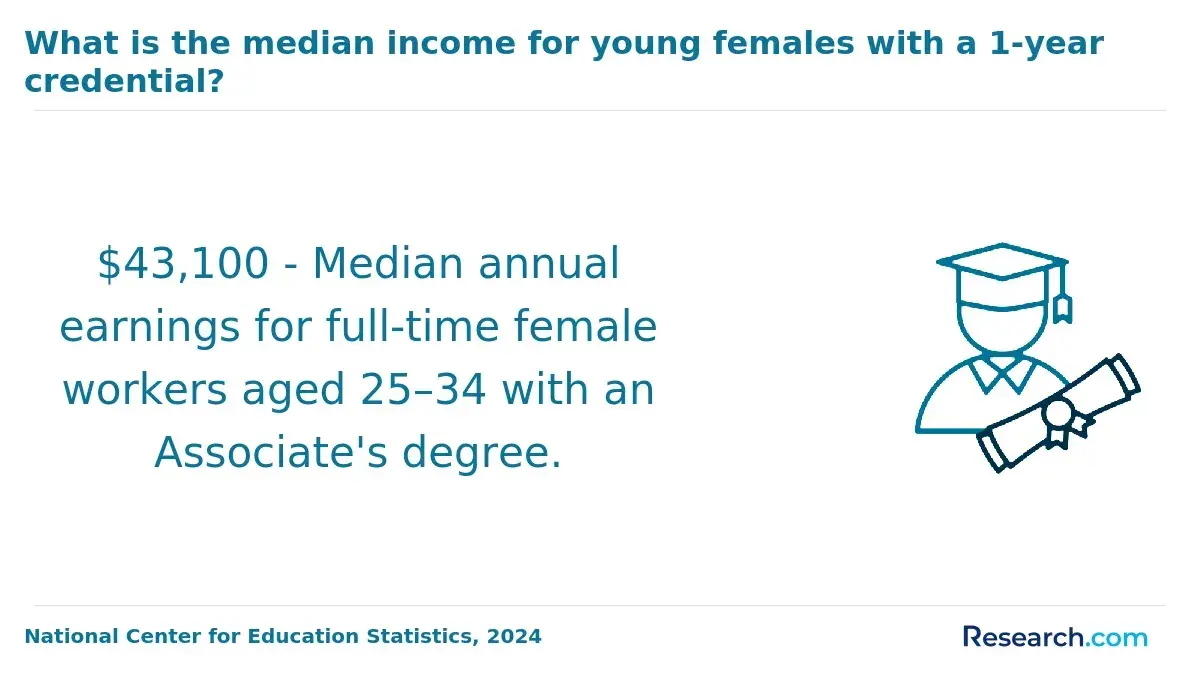
Remote research and evaluation roles in child development represent another strong avenue, frequently hosted by universities or government agencies where advanced research skills, including grant writing and data management, are critical. According to the U.S. Bureau of Labor Statistics in 2024, psychology occupations allowing remote work show median salaries ranging broadly but tend to pay more for candidates with such analytical capabilities who avoid licensure restrictions.
In contrast, remote telehealth opportunities requiring clinical credentials often come with hybrid or contract limitations, reducing true remote flexibility and sometimes affecting income stability. Navigating these tradeoffs between licensure demands and job design is essential for long-term career growth and realistic access to higher-paying remote roles.
Can You Get a Remote Job With a Child Psychology Master's Degree and Little or No Experience?
Securing remote entry level jobs with a child psychology master's degree but minimal practical experience remains challenging due to employer preferences for licensure, documented internships, and supervised clinical hours. For instance, many remote counseling or therapy positions require state certification combined with hands-on practicum, reflecting a broader trend where remote roles are less accessible without these credentials.
According to a 2024 survey by the National Association of School Psychologists, only about 22% of remote job listings in child psychology accept applicants lacking internship experience, underscoring the critical need for portfolio evidence or relevant practicum hours.
Remote opportunities without such experience typically focus on research assistance, data management, or program coordination rather than clinical duties, demanding transferable skills like communication, research methodology, and familiarity with telehealth technologies. Candidates exploring how to find remote child psychology jobs without experience should consider virtual internships or volunteer roles to build necessary qualifications and leverage credentials like state licensure to broaden eligibility.
Additionally, some career changers evaluate alternative pathways such as pursuing a masters in healthcare management to diversify prospects within related healthcare sectors.
What Skills Do Employers Look for in Remote Candidates With a Child Psychology Master's Degree?
Remote roles for candidates with a master's degree in child psychology demand a specific combination of graduate-level expertise and remote-work skills that employers consider essential for effective, independent practice. Key competencies include applied knowledge of developmental and therapeutic methods, strong proficiency in written communication for clear client documentation, and digital collaboration using telehealth tools and data systems. Employers expect candidates to manage projects autonomously, demonstrating initiative in prioritizing caseloads and adapting interventions without direct supervision.
Concrete evidence of these skills through practicum experiences, capstone projects, or measurable outcomes is often crucial for signaling remote readiness. A 2024 survey by the Society for Industrial and Organizational Psychology notes that 78% of remote employers prioritize written communication, underscoring its critical role in hiring decisions for these positions.
Assuming a master's degree alone qualifies candidates for remote work overlooks important gaps that can hinder success. Many graduate programs offer limited hands-on experience with virtual collaboration technologies or managing asynchronous workflows, which are fundamental in distributed teams. Licensing requirements and compliance constraints specific to child psychology can further complicate role alignment, especially when remote environments blur jurisdictional boundaries. Candidates without prior remote work history may struggle with maintaining professional boundaries and ethical standards in virtual settings, while competing against those who have tangible remote project outcomes. Employers frequently weigh demonstrated remote-specific skills and practical industry context more heavily than credentials alone.
One candidate shared that during a remote interview for a child psychology consultant role, the hiring manager probed deeply about experience managing client cases independently and using telehealth platforms, beyond clinical knowledge. Although the candidate's academic background was strong, initial uncertainty arose when asked to describe organizing a research project remotely and handling unexpected client issues with minimal oversight.
However, when discussing a recent practicum involving virtual therapy sessions and asynchronous reporting, the candidate's confidence improved, helping the employer see clear evidence of remote competencies. This nuanced evaluation highlighted how remote readiness hinges on actionable experience and problem-solving agility rather than degree credentials alone.
How Can a Child Psychology Master's Degree Help You Qualify for Remote Leadership and Management Roles?
A master's degree in child psychology can provide a distinct advantage for remote leadership roles by equipping candidates with specialized expertise in developmental and behavioral analysis alongside essential project leadership skills. Employers in sectors like education technology, nonprofit leadership, and healthcare increasingly seek professionals who demonstrate advanced credentials combined with proven experience managing virtual teams.
For example, a program manager coordinating remote mental health initiatives must rely heavily on asynchronous communication, measurable outcomes, and trust-building across dispersed teams-skills cultivated through child psychology graduate training that includes research, internships, and interdisciplinary collaboration. This blend of analytical judgment and cross-functional decision-making positions graduates well within competitive, distributed work environments.
Management careers in child psychology for remote work differ markedly from traditional in-person roles by requiring heightened emphasis on digital collaboration tools, accountability without direct supervision, and nuanced conflict resolution tailored for virtual contexts. Graduates trained in empathetic communication are better prepared to navigate cultural and emotional diversity among remote staff or clients, a priority reflected in employer surveys noting preference for candidates comfortable with both advanced credentials and virtual team leadership. However, attaining senior-level remote roles often demands additional experience in organizational leadership or proficiency with management technologies, underscoring the need for supplementary skills alongside the core child psychology degree.
Those weighing options might also explore pathways like MHA programs online to complement their psychological expertise with broader administrative proficiency.
Can You Work as a Freelance Consultant With a Child Psychology Master's Degree?
Freelance consulting with a child psychology master's degree demands careful navigation of licensure limits and professional boundaries, particularly since many states restrict clinical practice to licensed psychologists. Independent consultants must clearly define their services to avoid crossing into regulated therapy, often focusing on developmental assessments, educational program advising, or nonprofit consulting. For example, a consultant might contract remotely with a school district to design behavior management protocols but would need to avoid direct therapeutic intervention or diagnosis, which require a doctorate and state licensure.
Building credibility remotely hinges on supplementing academic credentials with relevant certifications, documented case outcomes, and specialized skills such as grant writing or content creation tailored to child-focused agencies. Client acquisition remains a central challenge, as project-based work introduces income variability and requires proactive portfolio development to demonstrate measurable impact. The 2024 U.S. Bureau of Labor Statistics highlights growing demand for psychology-related advisory roles performed remotely, yet emphasizes that freelancers succeed by differentiating through niche expertise and clear service scope rather than broad clinical claims.
Choosing freelance consulting over traditional employment involves tradeoffs: while consultants gain flexibility, they must manage the lack of institutional support and the risk of blurred boundaries between advisory and clinical functions. Graduates should weigh their capacity to develop multidisciplinary skills, maintain compliance with professional regulation, and secure steady contracts before fully committing. For many, combining child psychology knowledge with nonclinical competencies and emphasizing evidence-based recommendations to schools or social service organizations provides the most realistic path to sustainable freelance work.
Where Can You Find Legitimate Remote Jobs for Child Psychology Master's Degree Holders?
Locating legitimate remote jobs for those with a child psychology master's degree requires more than browsing general job boards; it demands targeted engagement with industry-specific channels. Employers in behavioral health increasingly offer remote or hybrid options, but fully remote positions remain limited and competitive. According to U.S. Bureau of Labor Statistics data from 2024, 38% of behavioral health roles now mention remote flexibility, reflecting a significant shift but also highlighting fierce competition among candidates who often must demonstrate clear licensure and telehealth competencies to be considered.
Graduates should prioritize professional associations such as the American Psychological Association and the National Association of School Psychologists, which curate vetted listings often tied to reputable healthcare providers, educational institutions, and nonprofit organizations. Relying on alumni networks and university career offices connected to these sectors can improve access to trustworthy remote roles often underrepresented on mainstream platforms. Candidates must critically assess postings for explicit credential requirements and transparent supervision models, as ambiguous descriptions or commission-heavy pay structures frequently signal lower-quality or fraudulent opportunities in remote psychological services.
In practice, finding suitable remote work demands attention to licensure portability and employer expectations around telepractice, with many organizations requiring state-specific credentials or structured oversight for virtual client interactions. Direct outreach through specialized recruiting platforms or professional networking sites focused on psychological and educational consulting can reveal openings not widely advertised, reducing exposure to misleading listings. Aligning job searches with these strategic channels mitigates risk and enhances outcomes for child psychology graduates seeking flexible, credible employment aligned with their qualifications and career goals.
What is the Salary Potential for Remote Professionals with a Child Psychology Master's Degree?
Salary potential for remote professionals with a child psychology master's degree is far from uniform and closely tied to a matrix of factors including role specialization, licensure, and employer sector. For example, mental health counselors with child psychology expertise have a median wage of about $49,950 according to 2024 U.S. Bureau of Labor Statistics data, but remote roles often vary widely, with earnings between $40,000 and $70,000 based on clinical versus administrative duties. Licensed practitioners commanding independent clinical responsibilities tend to exceed $60,000 annually, reflecting employer recognition of advanced credentials and the autonomy permitted in teletherapy arrangements.
Experience further influences earning trajectories; entry-level remote positions typically align near median wages, but professionals with 5 to 10 years in telehealth or clinical practice can approach or surpass $75,000. Industry demand also shifts compensation, with healthcare and private practice settings generally offering higher wages compared to educational or nonprofit sectors that predominate in some remote roles.
Geographic adjustments remain a consideration despite location flexibility, as many employers calibrate salaries according to the worker's regional cost of living, impacting average remote job earnings with a child psychology master's degree. Those evaluating paths should also consider the implications of roles that emphasize research, coordination, or program support, where pay tends to be lower, and practical career tradeoffs come into play.
Evaluating salary ranges for remote child psychology professionals requires understanding how licensing and clinical specialization enlarge access to higher-paid positions, which remain constrained without these qualifications. For working adults mapping decisions about flexible remote careers, situating expectations within these nuanced labor-market trends is critical. More detailed insights on similar remote-health roles can be found in the health information management job description and salary, which illustrates intersecting dynamics affecting telework wage standards.
What is the Long-Term Career Outlook for Remote Jobs Requiring a Child Psychology Master's Degree?
The long-term career outlook for remote jobs requiring a child psychology master's degree is cautiously sustainable but shaped by regulatory and technological shifts. While the U.S. Bureau of Labor Statistics projects an 8% growth in psychologist employment from 2022 to 2032, the geographic limitations imposed by state licensure create practical constraints on fully remote clinical roles.
Employers increasingly seek candidates who blend clinical expertise with digital proficiency in teletherapy platforms and data management, reflecting a broader shift toward hybrid service models that may offer more stable, long-term employment compared to exclusively remote jobs. This nuance is critical for those assessing long-term remote career prospects for child psychology graduates, as it underscores the need to balance clinical specialization with adaptable technological skills and licensure navigation.
Remote child psychology opportunities also vary significantly across functional areas beyond direct therapy, such as educational consulting, research, and program development, which can offer greater geographic flexibility and fewer licensing hurdles. For career-minded adults evaluating future employment trends in remote child psychology jobs, the evolving employer expectations around digital fluency and multi-modal service delivery present both challenges and opportunities in career progression.
Prospective graduates should view remote work not solely through immediate convenience but as part of a dynamic landscape where hybrid roles and regulatory demands will shape long-term viability. Exploring online healthcare degrees that pay well can also provide valuable context for understanding digital competency requirements in allied health professions.
What Do Graduates Say About Working Remotely With a Child Psychology Master's Degree?
- Emma: "After completing my master's in child psychology, I found that most remote roles leaned heavily on demonstrable experience or internships rather than just the degree or licensure. I prioritized building a portfolio through volunteer projects and online certifications, which ultimately helped me secure a position with greater flexibility-something I value more than traditional office roles. It's clear that in remote work, showing practical outcomes often outweighs formal credentials."
- Florence: "Transitioning into a remote position post-graduation was rewarding but also eye-opening about salary ceilings and advancement without full licensure in child psychology. Many employers are cautious about remote hires for clinical responsibilities, pushing me to focus on consultation and educational roles instead. While the work-life balance is excellent, I recognized early that further licensure or specialization would be necessary to access higher-tier opportunities."
- Julianne: "My experience navigating the remote job market after earning a child psychology master's was shaped by competition and the need to pivot strategically. Despite solid academic credentials, I faced an initial bottleneck as many companies preferred candidates with hands-on internships rather than purely academic backgrounds. I adapted by targeting roles emphasizing data analysis and developmental assessment, which allowed me to leverage my degree differently and enter the workforce faster than pursuing clinical licensure upfront."
Other Things You Should Know About Child Psychology Degrees
Building rapport and trust with children remotely is more complex than in-person interactions, often requiring specialized telehealth training beyond the master's curriculum. Employers typically expect proficiency with digital communication tools and strategies for sustaining attention across virtual platforms. Professionals should weigh the additional effort needed to adapt therapeutic techniques online when considering remote roles, as success depends heavily on technological literacy and nuanced communication skills.
Yes. Programs offering remote practicum or internship placements better prepare students for the realities of telepsychology work, a growing component of remote child psychology jobs. Without hands-on experience in virtual settings, some graduates may face a steeper learning curve once employed remotely. Choosing programs aligned with remote delivery models enhances employability and aids smoother transitions into remote positions.
Remote positions frequently require more proactive engagement from employees to access supervision and continuing education, which are critical for licensure and skill maintenance. This contrasts with onsite roles where informal mentorship may be more accessible. Graduates should consider how remote employers facilitate regular supervisory contact and opportunities for professional growth, as inadequate support can impede career progression and compliance with regulatory requirements.
References
- Applied Child Psychology https://www.keele.ac.uk/study/postgraduatestudy/postgraduatecourses/appliedchildpsychology/
- Home https://www.husson.edu/online/blog/2025/10/types-of-child-psychology-careers
- Jobs With A Master's Degree In Psychology | Psychology.org https://www.psychology.org/resources/jobs-with-a-masters-in-psychology/
- PsychologyJobs.com - Browse Thousands of Psychology Jobs in the USA https://psychologyjobs.com/
- Vacancies for "psychology" | UNjobs https://unjobs.org/skills/psychology
- Psychology Careers That Involve Working With Kids https://www.verywellmind.com/psychology-careers-that-involve-working-with-children-2794944
- Learn How To Earn A Master’s In Child Psychology Online https://www.learnhowtobecome.org/best-online-masters-in-child-psychology-degree-programs/
- The 15 Highest-Paying Jobs with a Psychology Master's Degree https://www.bestpsychologydegrees.com/posts/highest-paying-jobs-with-a-psychology-masters-degree/
- 200+ Best Paying Careers in Psychology & Counseling https://mastersinpsychologyguide.com/articles/top-200-best-paying-masters-psychology-jobs/
- Remote Masters In Psychology Jobs https://www.virtualvocations.com/q-remote-masters-in-psychology-jobs.html