2027 Child Psychology Degrees Explained: Are They Classified as Professional Degrees?

Co-Founder and Chief Data Scientist
Many prospective students mistakenly believe that all child psychology degrees qualify as professional degrees, ensuring licensure and immediate career advancement. However, only a minority do; in fact, less than 30% of advanced psychology programs in the U. S. meet the strict accreditation criteria necessary for professional recognition. Employment data shows that professionals with properly accredited degrees earn on average 15% more and experience faster job placement.
This article clarifies which child psychology degrees are classified as professional, examines accreditation standards, program structures, costs, and career outcomes, empowering readers to make informed decisions about their education and professional goals.
Key Benefits of Professional Child Psychology Degrees
- Obtaining a professional child psychology degree enhances career advancement opportunities, often leading to leadership roles within educational, clinical, and community settings.
- Graduates typically benefit from higher earning potential, with advanced degrees correlating to a 20-30% salary increase compared to bachelor's holders.
- Such degrees qualify professionals for regulated roles, including licensed clinical positions, ensuring long-term job stability and eligibility for specialized certifications.
What Is Considered a Professional Child Psychology Degree?
Choosing a degree that qualifies as a professional child psychology degree is essential for students focused on licensure and career advancement. Nearly 15% employment growth in child mental health fields signals rising demand for qualified licensed practitioners.
Below are common myths and facts to clarify what qualifies as a professional child psychology degree.
Degree Type
- Myth: Any degree in child psychology automatically qualifies as a professional degree.
- Fact: Professional child psychology degrees specifically feature applied training and licensure preparation, exceeding theoretical study to ensure readiness for state certification.
Program Level
- Myth: Professional child psychology degrees are only doctoral programs.
- Fact: While many professionals hold doctoral degrees, some master's programs also qualify as professional if they align with licensure requirements such as LPC or LCSW certification.
Students searching for the best fit should confirm how a program meets professional child psychology degree requirements and licensure eligibility to optimize their career path. Some may also explore online edd programs as flexible alternatives for advanced education.
Who Should Pursue a Professional Child Psychology Degree?
Identifying the right candidates for professional child psychology degrees is crucial for students seeking career-focused, practice-oriented education. Enrollment in child psychology graduate programs for career advancement has grown by 12% in recent years, reflecting rising interest in regulated and clinical career paths. Below is a myth-versus-fact breakdown addressing common misconceptions about who benefits most from these programs.
Academic Focus
- Myth: A professional child psychology degree is only for those immediately entering academia or research.
- Fact: This degree is best suited for early-career professionals seeking licensure, specialized clinical roles, or intending to work in regulated environments like schools or healthcare settings.
Career Changers
- Myth: Career changers cannot benefit from a professional child psychology degree.
- Fact: Individuals shifting into psychology from related fields such as social work or education gain essential clinical training and practical skills necessary for new child-focused roles.
Ensuring students select a program aligned with licensure requirements and career goals supports their success in child psychology graduate programs for career advancement. For those researching degree options and costs, exploring online business degree programs may also provide insights into flexible, affordable learning models applicable to child psychology studies.
- Early-career professionals pursuing clinical licensure
- Individuals aiming for specialized roles in child-focused settings
- Career changers seeking practical credentials in psychology
What Are the Most Common Professional Child Psychology Degree Programs?
Selecting the right professional child psychology program is crucial for aligning education with specific career objectives. Awareness of program distinctions allows students to choose pathways that best fit their interests and skill development needs.
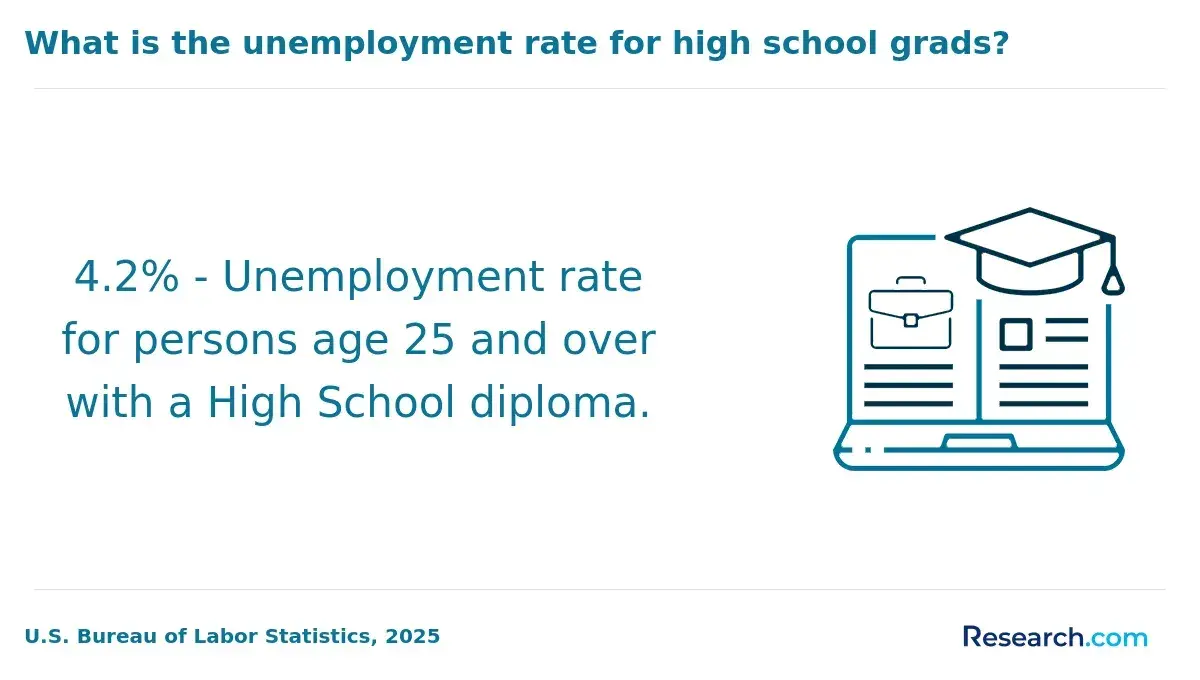
The U.S. Bureau of Labor Statistics projects an 8% growth in psychologist employment from 2022 to 2032, with increasing demand in child-focused specialties driving program popularity.
Common professional child psychology degree programs include:
- Doctor of Psychology (PsyD) in Clinical Child Psychology: This degree emphasizes clinical practice and applied skills, offering hands-on training in assessment, diagnosis, and therapeutic techniques tailored to children and adolescents. It prepares students to meet the rising demand for licensed practitioners in diverse mental health settings.
- Doctor of Philosophy (PhD) in Clinical Child Psychology: Focused on research and scientific foundations, the PhD program develops expertise in studying child development and psychological disorders. Graduates typically contribute to advancing knowledge and evidence-based interventions in the field.
- Master's Degrees in Child or Developmental Psychology: These programs provide foundational knowledge of child development and psychological principles, often serving as a stepping stone for advanced degrees or specialized training. They cater to those interested in supporting child mental health within educational or community settings.
Breakdown of Private Fully Online For-profit Schools

Accreditation is often a key concern for students evaluating professional child psychology degree programs because it directly affects academic quality and career opportunities. Research shows that over 85% of employers require degrees from accredited programs for entry-level psychologist roles, underscoring accreditation's influence on professional outcomes.
Many questions and misconceptions exist about how accreditation functions for child psychology programs. The following myth-versus-fact guide clarifies the most common points of confusion.
Accreditation Types
- Myth: All child psychology degree programs are accredited in the same manner by identical bodies.
- Fact: Accreditation happens on two main levels: institutional, granted by regional agencies recognized by the U.S. Department of Education, and programmatic, overseen by specialized accreditation agencies for child psychology degrees such as the American Psychological Association (APA).
Licensure & Aid
- Myth: Accreditation has no impact on licensure or financial aid eligibility.
- Fact: Accreditation is crucial for licensure in most states, which often require graduation from APA-accredited programs. Additionally, to access federal financial aid or scholarships, students must enroll in institutions with recognized professional accreditation for child psychology programs.
Employer Priorities
- Myth: Employers do not value program accreditation when hiring child psychologists.
- Fact: Employers consider accreditation a key indicator of rigorous academic training and professional ethics. Graduates from accredited programs typically enjoy stronger career advancement and networking prospects.
For prospective students assessing academic options, exploring accredited program structures and costs can provide valuable guidance. Some professionals also explore related paths like an emba online to complement their expertise in psychology and leadership.
Knowing admission requirements is crucial for candidates assessing professional child psychology programs, as these criteria guarantee readiness for advanced study and clinical practice. Recent trends show a 12% increase in enrollment over five years, reflecting heightened interest and competition within the field. Below are some common prerequisites applicants should expect.
- Bachelor's degree in psychology or related field: This foundational qualification ensures applicants have a comprehensive grasp of psychological theories and research, forming the base for more specialized study in child psychology.
- Standardized test scores or waivers: Many programs request GRE results to evaluate analytical and verbal skills, although an increasing number waive this due to evolving admissions policies.
- Letters of recommendation: These attest to the candidate's academic strengths and potential to succeed in demanding clinical training, providing insight into their reliability and professional suitability.
- Personal statement or statement of purpose: This narrative allows applicants to explain their motivation for pursuing child psychology, helping admission committees assess commitment and career objectives.
- Relevant clinical or research experience: Hands-on work like internships demonstrates practical readiness and a genuine engagement with developmental and clinical settings, confirming ethical and professional preparedness.
When I spoke with a graduate of a professional child psychology program, he highlighted how the personal statement was his opportunity to "connect my background with my passion for child development." He recalled the stress involved in securing meaningful research experience amid a busy schedule but said it was "invaluable in showing admissions committees I was ready for the challenges ahead." He also noted that letters of recommendation felt like "a vote of confidence" essential to navigating the competitive application process.
For prospective students evaluating professional child psychology programs, knowing the curriculum and practical training components is critical to ensuring readiness for certification, licensure, and clinical roles. These elements also influence how well graduates develop essential skills for career advancement and effective practice. Below is an overview of key course and training requirements commonly found in accredited child psychology degree programs.
The core content and practical experiences are typically structured as follows:
- Developmental Psychology Courses: These courses focus on cognitive, emotional, and social development throughout childhood. They provide understanding of typical and atypical growth patterns, which is fundamental for accurate assessment and intervention planning.
- Child Psychopathology and Assessment: Students learn about various childhood disorders, diagnostic criteria, and assessment tools. This training builds diagnostic skills crucial for clinical decision-making and treatment formulation.
- Therapeutic Interventions for Youth: This coursework covers evidence-based therapeutic techniques tailored specifically to children and adolescents, emphasizing ethical considerations and culturally competent care.
- Supervised Clinical Practicums or Internships: Practical training usually involves placements in real-world settings such as hospitals, schools, or mental health clinics. These supervised experiences develop hands-on skills in assessment, therapy, and case management under licensed professionals' oversight.
- Ethics and Cultural Competency: Training in this area ensures professionals can navigate diverse child populations ethically and effectively, an indispensable part of professional training for child psychology careers.
Programs that balance comprehensive coursework with rigorous supervised practical experiences better equip graduates to meet state licensure standards and succeed professionally. Prospective students should also consider the overall cost and accreditation when choosing a program. For individuals interested in expanding leadership skills beyond clinical roles, exploring online doctoral programs in leadership can be a valuable option.
Understanding the cost of professional child psychology degrees is essential for prospective students who must carefully evaluate their educational investment and plan their finances accordingly. On average, total tuition for doctoral-level programs necessary for licensure ranges between $30,000 and $60,000, though costs can be higher depending on the institution and program structure. Tuition inflation has often outpaced wage growth, making budgeting and financial planning critical for these students.
Several key cost factors contribute to the overall expense of a professional child psychology degree:
- Tuition and fees: This is the primary expense, varying widely based on whether the institution is public, private, or online. The program length and location also significantly influence these costs.
- Clinical practicum and supervision fees: Hands-on clinical placements are essential for licensure, but they often involve additional charges for supervision or site fees, which can vary by program.
- Books and materials: Specialized textbooks and psychological testing tools are needed throughout the program and can generate yearly expenses that add up over time.
- Living expenses: Many full-time students face increased costs for housing, food, and transportation, especially if relocating or reducing work hours to focus on studies.
Prospective students should analyze these financial elements when considering professional child psychology degree tuition fees and explore all available financial aid options. For those interested in cost-effective alternatives, researching online colleges that accept fafsa can be a helpful step in managing educational expenses.
Financial aid eligibility is a frequent concern for students pursuing professional child psychology degrees due to the considerable tuition and associated expenses involved. Approximately 65% of graduate students in psychology-related fields have reported utilizing financial aid, highlighting its importance for this group. Below, common misunderstandings and truths about financial aid for these programs are clarified.
Federal Aid
- Myth: Professional child psychology degrees are not eligible for federal financial assistance.
- Fact: Accredited child psychology programs, including those that prepare students for licensure, often qualify for federal aid such as Direct Unsubsidized Loans and Grad PLUS Loans, subject to institutional accreditation and program classification.
Scholarships and Assistance
- Myth: Scholarships and employer-sponsored tuition aid rarely apply to child psychology students.
- Fact: Many scholarships target psychology students specifically, including those focused on child psychology. Some employers also provide tuition reimbursement, and programs like Public Service Loan Forgiveness can benefit graduates working in government or nonprofit sectors.
When asked about her perspective on whether professional child psychology degrees qualify for financial aid, a recent graduate shared insights reflecting both challenge and opportunity. She described navigating the financial aid process as initially overwhelming, with complex forms and eligibility criteria causing uncertainty. However, once she understood which federal loans she qualified for and identified scholarships targeted to her field, the path became clearer and manageable. Employer tuition assistance further eased the financial burden during her studies. She emphasized that persistence and research were key: "It's important not to assume you won't qualify. I found resources I hadn't expected, which made a big difference." Her experience underscores that while financial aid acquisition can be demanding, it is often accessible and crucial for affording advanced education in child psychology.
Students exploring professional child psychology programs should be aware of how degree requirements vary across careers to make informed education choices. Knowing these distinctions helps avoid unnecessary investment in programs that may not meet one's goals. Employment for psychologists, including those working with children, is expected to grow 8% between 2021 and 2031, signaling steady demand for licensed professionals.
Below is a myth-versus-fact overview addressing common misconceptions about degree requirements.
Degree Necessity
- Myth: All child psychology careers require a professional degree.
- Fact: Only certain regulated roles, like licensed clinical child psychologists, mandate a doctoral degree with specialized child development training.
Licensure Requirements
- Myth: A professional child psychology degree is always needed for licensure.
- Fact: Licensure typically requires a doctoral degree (PhD or PsyD) with clinical experience, but eligibility depends on program accreditation and supervised training.
Role Flexibility
- Myth: You must have a professional degree to work in child psychology fields.
- Fact: Some positions in research, education, or social services accept master's or bachelor's degrees and do not require licensure.
Career Impact
- Myth: Degree status does not affect job opportunities.
- Fact: Holding a professional degree often expands eligibility for licensed roles and specialized positions.
Evaluating the financial advantages of professional child psychology degrees is essential for students investing time and resources into advanced education. Such insights help determine whether the degree's cost aligns with potential salary growth and career benefits.
Below is a myth-versus-fact analysis addressing common assumptions about how these degrees affect earnings and career progress.
Salary Guarantees
- Myth: Obtaining a professional child psychology degree automatically results in higher pay.
- Fact: Salary gains usually depend on licensure, work experience, and specialized roles rather than the degree alone. Professional degrees like PsyD or specialized master's often lead to licensed clinical positions that typically offer increased compensation compared to non-licensed jobs.
Career Advancement
- Myth: Only professional degrees enable career growth and access to better-paying child psychology roles.
- Fact: Advancement largely relies on practical experience, eligibility for licensure, and skill development. Non-professional degrees paired with supervised practice and certification opportunities can also pave the way for advanced positions.
Degree Impact
- Myth: All professional child psychology degrees produce equivalent financial outcomes in the long term.
- Fact: Financial impact varies depending on program accreditation, adherence to state licensure requirements, and clinical practicum depth. Those aligned with licensing standards better position graduates for higher-paying clinical roles.
Students should consider factors like licensure qualifications linked to higher wages, the scope of clinical training and supervised hours, regional demand for licensed child psychologists, and opportunities for sustained career growth when assessing the financial value of these degrees.
What Graduates Say About Their Professional Child Psychology Degree
- Trace: "Pursuing a professional child psychology degree was a game-changer for me. The program's flexibility allowed me to balance work and study without sacrificing either. Knowing that the average cost of attendance was reasonable made the decision easier, and now I feel fully equipped to make a meaningful impact in the lives of children and families."
- Sutton: "Reflecting on my journey, choosing a professional child psychology degree program was one of the best career decisions I've made. The coursework's adaptability fit perfectly with my unpredictable schedule, which was crucial during my studies. The knowledge I gained has since been invaluable in advancing my role, and I appreciate how affordable the program turned out to be compared to others."
- Ezekiel: "As a professional in the field, I approached the child psychology degree program with high expectations, especially regarding its flexibility and relevance. The program's design met these expectations, allowing me to continue working while studying. The relatively low average cost of attendance was an added bonus, and today, that degree stands as a pivotal asset in my clinical practice and research endeavors."
Other Things You Should Know About Child Psychology Degrees
In 2027, child psychology degrees can be classified as professional degrees if they are designed to prepare students for practice in clinical settings. Typically, such programs include supervised training and internships, equipping graduates to meet licensure requirements and enter professional practice.
Yes, but the degree alone is not enough. Licensure usually requires a doctorate, a 1,500–4,000-hour supervised internship, passage of the EPPP, and additional state law or jurisprudence exams set by the licensing board. Most states regulate psychologists through the state psychology board.
Professional child psychology degrees emphasize clinical skills, practicum experiences, and preparation for licensure to practice psychology with children. In contrast, research-focused degrees prioritize theoretical knowledge and research methodologies, often leading to careers in academia or research institutions rather than direct clinical work. The former is typically more applied, while the latter centers on scientific investigation.
Yes, internships and supervised clinical training are essential components of professional child psychology degrees. These practical experiences provide hands-on exposure to working with children and families under licensed professionals' supervision. Most licensure boards require documented hours of supervised training before granting full practice rights.
- ED Releases Myth vs. Fact on Professional Degrees to Address Widespread Misconceptions | College Aid Services https://www.collegeaidservices.net/2025/11/25/ed-releases-myth-vs-fact-on-professional-degrees-to-address-widespread-misconceptions/
- Raising the Bar: The Impact of Accreditation on Psychology Training | SoMAP - The Society of Modern Applied Psychology https://thesomap.org/raising-the-bar-the-impact-of-accreditation-on-psychology-training/
- Financial Aid Myths vs. Facts https://www.pointpark.edu/admissions/financialaid/understandingfinancialaid/financialaidmyths
- How To Become A Child Psychologist: Step-by-Step Guide https://www.psychology.org/careers/child-psychologist/
- Careers in Psychology: Navigating Child Psychology Paths https://www.baypath.edu/academics/undergraduate-programs/undergraduate-online-programs/careers-in-psychology-navigating-child-psychology-paths/
- Child Psychology Degree Online https://www.snhu.edu/online-degrees/bachelors/ba-in-psychology/child-and-adolescent-development
- Child Psychologist Qualifications For Your 2025 Career https://online-learning-college.com/child-psychologists-qualifications/
- Why Psychology School Accreditation Matters | All Psychology Schools https://www.allpsychologyschools.com/psychology-grad-school-admissions/accreditation/
- How to become a child psychologist | Leeds Beckett University https://www.leedsbeckett.ac.uk/enhancing-employability/how-to-become-a-child-psychologist/
- Child Psychology degrees https://www.whatuni.com/degree-courses/search