
2027 Real Estate Degree Careers Ranked by Salary, Growth, and Work-Life Balance

Co-Founder and Chief Data Scientist
Choosing a career path within real estate degree fields often presents a challenge-balancing salary, growth prospects, and work-life balance can feel like navigating conflicting priorities. For instance, while some roles boast median salaries exceeding $75,000 annually, others offer faster job growth rates but less predictable hours. According to the U. S. Bureau of Labor Statistics, real estate professionals experience an average career growth rate of 7%, higher than the national average. This article evaluates various real estate degree careers to rank them holistically by income, advancement potential, and lifestyle sustainability-offering a data-driven guide for informed career decisions.
Key Things to Know About Real Estate Degree Careers Ranked by Salary, Growth, and Work-Life Balance
- Salary varies widely-commercial real estate roles average $85,000 annually, while property managers typically earn around $60,000, highlighting the importance of specialization.
- Career growth is robust; real estate development jobs are projected to grow 8% by 2030, outpacing many traditional sectors.
- Work-life balance differs-broker and agent careers often demand irregular hours, whereas real estate analysts report more predictable schedules with better lifestyle sustainability.
How Are Real Estate Degree Careers Evaluated and Ranked Across Salary, Growth, and Work-Life Balance?
Ranking real estate degree careers relies on a balanced framework focusing on salary, career growth, and work-life balance-three pillars that together paint a fuller picture of career quality than compensation alone. This approach addresses how real estate degree careers rank by salary and growth in the US while considering personal well-being and long-term potential.
- Salary: Median wages are sourced from the U.S. Bureau of Labor Statistics' Occupational Employment and Wage Statistics, providing standardized and reliable earnings data that reflect typical pay ranges for real estate-related roles.
- Career Growth: This dimension uses the BLS's ten-year employment projections, revealing expected changes in job availability and signaling the demand and stability of various real estate professions.
- Work-Life Balance: Assessed through a composite of American Time Use Survey data, employee insights from Glassdoor, and specialized workforce satisfaction surveys, this pillar considers factors like work hours, schedule flexibility, and overall job satisfaction.
This integrated methodology recognizes that evaluating work-life balance and advancement in real estate degree careers is crucial-not just salary and growth potential. While income is vital, growth outlook informs future security and advancement possibilities, and work-life balance speaks to sustainable fulfillment and quality of life.
It is important to remember these rankings serve as a decision-making tool rather than a fixed hierarchy. Individual preferences-such as valuing flexibility over higher pay-can shift which real estate career appears most suitable. Personal circumstances and goals remain key in identifying the best career fit.
The article will analyze five major real estate career paths: real estate agent, property manager, real estate analyst, commercial real estate broker, and real estate developer. Using evidence-based data, this comparative review helps readers align choices with their priorities and explore specialized options, including those highlighted in online programs that pay well.
Which Real Estate Degree Career Paths Offer the Highest Starting and Mid-Career Salaries?
Real Estate Development: Offering some of the highest starting and mid-career salaries, real estate developers earn between $60,000 and $80,000 starting out, with mid-career professionals often surpassing $150,000 annually. Their compensation premium reflects the high barriers to entry-including advanced financial skills and regulatory expertise-and the significant economic impact their projects have on communities and investors. Developers in large metropolitan areas or major private firms tend to earn more than those in smaller markets or the public sector.
Real Estate Investment Analysis: These analysts start with salaries around $55,000 to $75,000, progressing to over $130,000 mid-career. Their pay is driven by specialized expertise in market forecasting, financial modeling, and risk assessment. A shortage of candidates skilled in both quantitative analysis and real estate knowledge pushes salaries higher, especially at private equity firms and hedge funds compared to smaller investment companies or government agencies. This pathway shows notable mid-career salary growth for real estate degree jobs.
Commercial Brokerage: Entry-level brokers typically earn $50,000 to $70,000, combining salary and commissions. Successful brokers with strong client networks can exceed $140,000 annually. Earnings closely relate to sales performance and deal volume, with urban commercial hubs offering the highest commissions. While earnings can be variable, brokerage offers substantial upside for top performers.
Property and Asset Management: New asset managers generally start between $45,000 and $65,000, with mid-career salaries above $120,000, especially overseeing commercial portfolios. The role's critical responsibility for maintaining and increasing property value supports this compensation. Private sector and institutional positions tend to offer the best pay.
Urban Planning and Development Consulting: Public sector-oriented pathways begin around $50,000, with mid-career pay reaching $110,000. These roles combine real estate expertise with regulatory and community planning, focusing on sustainable development and zoning complexity. Salaries here are typically lower than private market roles but remain steady.
Students interested in combining real estate studies with other disciplines or seeking flexible learning options may explore an accelerated online bachelor's degree in psychology to broaden career possibilities and enhance work-life balance.
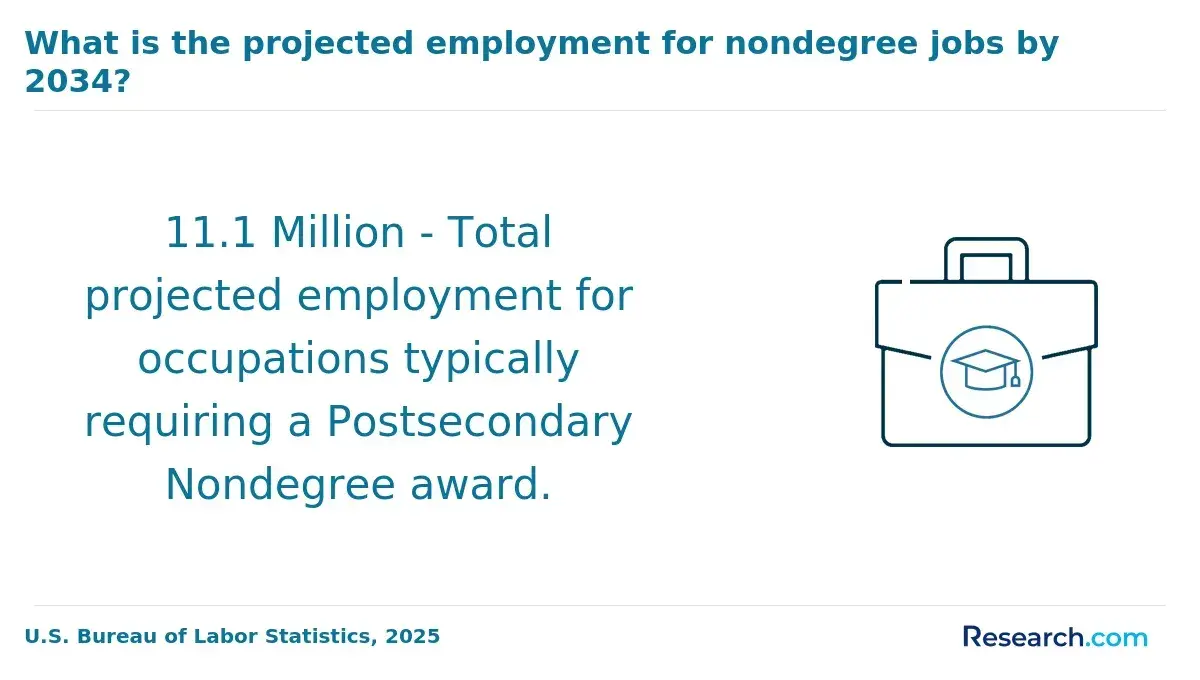
What Do the Bureau of Labor Statistics Job Growth Projections Reveal About the Future of Real Estate Degree Careers?
Strong Growth: Career paths like property management and real estate brokerage are projected to outpace the national average growth rate of 5% over the next decade. This surge is fueled by rising urban populations and shifting demographics, including aging baby boomers driving demand for senior housing. Additionally, advances in digital technology are transforming how real estate transactions occur, increasing the need for brokers skilled in online platforms.
- Demand Drivers: Population increases and demographic shifts-such as retirees seeking specialized living options-boost opportunities in property management and senior living projects.
- Technological Progress: Adoption of digital marketplaces elevates the role of tech-savvy brokers navigating virtual sales.
Moderate to Stable Growth: Commercial real estate appraisal and leasing roles exhibit consistent, moderate expansion. Their steady demand is supported by ongoing investments in commercial infrastructure and government policies favoring urban redevelopment and sustainability. However, these fields face challenges from AI-powered valuation tools that automate traditional tasks.
- Policy Support: Urban renewal grants and environmentally focused building incentives sustain demand for these professionals.
Flat or Declining Growth: Positions within title insurance and real estate finance may experience stagnation or slight declines, largely due to automation and financial industry consolidation. Nonetheless, professionals can pivot by gaining expertise in emerging areas like sustainable finance or blockchain to stay ahead of industry shifts and maintain career momentum.
- Strategic Adaptation: Specializing in innovative niches offers a path to counteract downward trends in traditional roles.
Regional Differences: The BLS projections represent national averages and may not capture local market nuances. Rapidly growing metropolitan areas often outpace rural regions in real estate career opportunities, underscoring the importance of geographic context in career planning.
A professional who completed the real estate degree shared his reflections on these projections. He described early uncertainty about which specialization to pursue and the pressure to anticipate industry shifts. "Navigating the evolving market felt daunting at times," he recalled, highlighting the importance of staying flexible. He emphasized that gaining technological skills and understanding demographic trends were critical steps in positioning himself for growth. "It wasn't just about getting a degree, but adapting continuously to where the demand was heading." His experience reinforces how awareness of broader employment trends can inform smarter career decisions in real estate.
Work-life balance in real estate degree careers involves multiple measurable factors that together paint a detailed picture. These include average weekly hours worked, how predictable the schedule is, the availability of remote or hybrid work, typical paid time off benefits, and employee satisfaction ratings from sources like Glassdoor, Indeed, and Payscale.
- Average Weekly Hours: Agents and brokers generally log 40 to 50 hours, often extending into evenings and weekends, while property managers usually maintain a steady 40-hour workweek.
- Schedule Predictability: Commercial real estate analysts tend to follow regular office hours, whereas residential agents face more erratic schedules shaped by client needs and showings.
- Remote Work Availability: Finance and valuation roles frequently allow hybrid or remote arrangements, but roles such as leasing agents and inspectors are mostly on-site.
- Paid Time Off: Larger firms typically offer standard vacation and sick leave, though smaller agencies or those early in their careers may encounter fewer benefits.
- Employee Satisfaction Scores: Corporate real estate positions often report higher work-life balance satisfaction compared to sales-heavy roles.
Work-life harmony for real estate professionals in the US also shifts by employer type, industry sector, and career stage-as early-career workers often endure heavier workloads while mid-level project managers benefit from greater schedule control. Importantly, individuals can influence their work-life balance through intentional choices in employer, negotiation, and career path, encouraging a view of balance as a dynamic career design option rather than an unchangeable job attribute. Those seeking further education might explore top PsyD programs in the US at top PsyD programs in the US.
Evaluating Real Estate career paths by equally weighing salary, job growth, and work-life balance offers a well-rounded perspective that resonates with many graduates seeking both rewarding pay and sustainable lifestyles. This composite approach spotlights roles excelling across all three criteria instead of focusing solely on one dimension.
- Commercial Real Estate Broker: Combines high pay with strong job growth and reasonable work-life balance, reflecting robust market demand alongside cyclical challenges in workload intensity.
- Real Estate Development Manager: Features impressive growth potential and solid salaries with manageable schedules, appealing to those passionate about overseeing complex property projects.
- Property Manager: Offers excellent work-life balance and steady career advancement, though salaries are moderate, making it ideal for professionals prioritizing stability and routine.
- Real Estate Appraiser: Scores well on lifestyle balance and consistent demand, with moderate income and growth that suit those favoring less stressful environments.
- Real Estate Analyst: Maintains strong salary and growth metrics but may experience fluctuating work-life balance during busy periods, making it a balanced yet sometimes demanding choice.
- Leasing Consultant: Excels in work-life balance and growth opportunity despite lower earnings, providing a flexible entry point into the industry.
- Real Estate Investment Analyst: Marries competitive compensation with good growth and moderate lifestyle balance, suited for those drawn to financial analysis and investment strategy.
Individual priorities can shift these rankings-income-focused readers might elevate investment-centric roles, while those seeking greater work-life harmony may favor property management or appraisal careers. Tailoring the weight given to each dimension helps match career choices with personal goals.
A professional who built her career after completing a Real Estate degree shared how she navigated the complexities of selecting her path. She described the challenge of balancing enthusiasm for high earnings with the desire to maintain personal time, recalling how early job offers seemed enticing but often came with unpredictable hours. Over time, she realized that roles offering moderate pay but better schedule control allowed her to sustain long-term satisfaction and career growth. Reflecting on her journey, she noted, "It wasn't just about the paycheck-it was about finding a fit where I could excel professionally without compromising my wellbeing." This insight underscores why an equal emphasis on salary, growth, and balance provides a practical framework for many entering the Real Estate field.
Pursuing a defined specialization within real estate distinctly shapes earnings, career advancement, and work-life balance-three critical factors for professionals. Data from the U.S. Bureau of Labor Statistics and salary surveys illustrate notable contrasts among focused career paths compared to generalist roles.
- Commercial Real Estate Brokerage: This sector offers elevated salaries driven by commissions on major transactions. Yet, it demands long, irregular hours and involves high stress, challenging work-life harmony. Advancement opportunities exist but competition is fierce, favoring those with strong sales skills and established networks.
- Property Management: Professionals experience steadier hours and better lifestyle balance here, though incomes are moderate. Growth is fueled by urbanization and portfolio expansion, with credentials like Certified Property Manager (CPM) enhancing progression.
- Real Estate Development: Developers benefit from substantial earning potential and excellent growth tied to ongoing urban projects. However, peak workload periods can require extended effort. Graduate studies in finance and planning along with internships form the foundation for success.
- Appraisal and Valuation: This path yields moderate salaries coupled with predictable schedules, appealing to those prioritizing lifestyle stability. Career growth is slower due to regulatory constraints, making early certification through the Appraisal Institute important.
- Real Estate Finance and Investment Analysis: Featuring above-average pay and steady expansion, this analytical specialty sees variable work-life balance-large firms often demand intensive hours, while smaller companies allow more flexibility. Advanced qualifications such as CFA improve career outcomes.
Early specialization-via targeted graduate coursework, certifications, or focused entry-level roles-can compound over time, creating distinct trajectories in salary, advancement, and lifestyle. Meanwhile, generalists with broad strategic expertise may surpass specialists in senior leadership, blending versatility with influence.
Recent employment projections indicate a 7% growth rate in commercial real estate occupations over the coming decade, outpacing overall industry averages and reinforcing the strong demand for skilled specialists in this field.
Geographic location plays a critical role in shaping median salaries, employment growth, and work-life balance for real estate graduates. Data from the U.S. Bureau of Labor Statistics and state workforce development reports reveal clear regional differences that inform career strategy.
- Northeast: Major metro areas like New York City, Boston, and Philadelphia offer some of the highest median salaries. Yet, the elevated cost of living reduces purchasing power, so higher wages don't always mean better financial outcomes. Job growth remains moderate, with significant competition in crowded urban markets. Long commutes frequently challenge work-life balance.
- Southeast: Cities including Atlanta, Miami, and Charlotte exhibit strong employment growth and a lower cost of living than the Northeast. Salaries tend to be lower but often deliver superior adjusted financial outcomes. The rise of remote and hybrid work options enhances flexibility and lifestyle quality.
- Midwest: Stable markets such as Chicago and Minneapolis combine reasonable pay with affordable living. Job growth is steady, and smaller metros offer excellent work-life balance due to shorter commutes and less congestion. Mid-tier markets here provide real estate professionals with solid purchasing power.
- Southwest: Expanding hubs like Dallas, Phoenix, and Houston show attractive salary increases and business opportunities. Moderate living costs relative to wages support stronger financial results. Hybrid roles are common, positively impacting balance between work and personal life.
- West: Seattle, San Francisco, and Los Angeles feature top-tier salaries but face steep living costs. High wages often fail to fully offset expenses, and longer commutes can affect quality of life. Hybrid and remote positions increasingly disconnect income from physical location.
For many real estate roles-especially in advisory, investment, and management-remote and hybrid models allow professionals to earn compensation benchmarked to high-cost markets while living in more affordable regions. This dynamic requires integrating geographic strategy with personal lifestyle priorities including housing affordability, commute length, family proximity, and community. The optimal location depends on the specific real estate career path and individual goals.
Salary: Public sector real estate careers generally offer base salaries between 10% and 30% lower than private sector roles across entry, mid, and senior levels-varying by location and agency. However, public roles often include defined-benefit pensions, federal or state loan forgiveness eligibility, and superior health insurance, adding substantial long-term value that narrows the compensation gap. Private sector salaries, particularly in development, investment, and brokerage firms, are higher and frequently supplemented with commissions and bonuses, though benefits tend to be less generous and less predictable. This dynamic influences decisions for those comparing public sector real estate career salary and growth comparisons.
Growth: Public sector hiring for real estate graduates centers on agencies linked to infrastructure, housing development, urban planning, and environmental management. Federal and state programs promoting affordable housing and transit-oriented development drive steady demand for professionals skilled in policy compliance and land use. Conversely, private sector growth is strongest in commercial real estate markets, residential development within expanding metropolitan areas, and corporate real estate management. While private hiring tends to be more reactive and volatile to market cycles, public sector growth aligns with long-term policy priorities and public funding stability.
Work-Life Balance: Surveys show public sector roles typically offer better work-life balance due to predictable schedules, generous leave, and structured overtime rules. Employees report higher satisfaction regarding stress and work hours in government positions. Private sector experiences vary widely; brokerage and investment roles often involve long or irregular hours, especially during busy periods, while corporate real estate jobs may provide more standard schedules. Yet, balance is highly role-dependent across both sectors. Career stage and agency culture remain important factors when evaluating private sector versus public sector real estate work-life balance.
Those exploring concentrations or career pivots in real estate might also consider complementary fields like UX design degree programs that intersect with market research and property technology innovations.
Advanced degrees and professional certifications profoundly affect salary, career growth, and work-life balance for real estate professionals. According to NACE salary data and BLS occupational classifications, credentials beyond a bachelor's degree often unlock elevated earning potential and faster advancement, though their impact on lifestyle depends on the credential and role.
- Master's Degrees: Pursuing a master's in real estate, finance, or business administration provides a typical 15-30% salary premium over a bachelor's degree. These programs usually require around two years and substantial tuition investment. Graduates often access leadership roles such as development director or asset manager-positions granting more autonomy and improved work-life balance. For example, professionals seeking a masters in clinical psychology may appreciate the similar commitment and potential lifestyle implications.
- Doctoral Degrees: Less common but highly valued, PhDs and DBAs in real estate or related fields lead to significant salary boosts exceeding 40%. These require four to six years of study and suit careers in research, academia, or high-level consulting. While academic roles often offer schedule flexibility, consulting can involve travel and higher pressure, potentially reducing work-life balance.
- Professional Certifications: Credentials like CCIM (Certified Commercial Investment Member) or CPM (Certified Property Manager) enhance skills and typically increase salaries by 10-25%. They require months to a year of study with variable costs. These certifications open mid- and senior-level positions with greater autonomy but may demand commitments that challenge lifestyle quality. These certifications have a direct impact on career advancement and lifestyle quality.
- Return on Investment: Each credential should be viewed strategically: target leadership roles for balanced growth or technical certifications for salary premiums. Over-credentialing can dilute focus, delaying advancement in real estate careers.
Choosing the right advanced degree or certification depends on whether salary, growth, or balance is the priority. Informed decisions ensure new qualifications yield meaningful career benefits beyond academic recognition.
Remote Work Availability: Real Estate careers vary widely in terms of location flexibility. Positions like real estate analysts and investment advisors offer the highest potential for remote or hybrid work, with roughly 40-50% allowing flexible locations, according to the BLS American Time Use Survey and LinkedIn Workforce Insights. In contrast, commercial brokers and property managers typically require onsite presence to fulfill client and operational duties.
Salary Implications: Jobs that support remote work generally maintain pay levels similar to their in-person counterparts. Investment advisory roles, however, may offer a salary premium due to the specialized nature and high demand for expertise. Geographic arbitrage allows professionals working remotely from lower-cost regions to increase their effective earnings without a decrease in nominal salary, boosting real compensation.
Career Growth Outlook: Though initially viewed as a barrier, remote or hybrid arrangements in many real estate specialties no longer impede career advancement. Owl Labs data shows that in analysis and consulting fields, distributed work has become standard, with advancement remaining steady regardless of location. Yet, roles reliant on face-to-face networking, like brokerage and property management, often follow more traditional growth trajectories linked to physical presence.
Work-Life Balance Advantages and Challenges: Reduced commuting, flexible hours, and greater autonomy improve work-life balance for remote workers. Still, challenges arise, such as blurred boundaries between work and home life and the risk of an "always-on" mindset. Suitability varies by personality and home workspace setup, favoring disciplined individuals with dedicated environments.
Recent Trend: Hybrid roles in real estate have risen by 15% year-over-year in 2023 per LinkedIn Workforce Insights, reflecting increasing acceptance of flexible work without compromising salary or career progress.
Several real estate careers strike a rare combination of strong pay, growth potential, and manageable work schedules-making them attractive options for those seeking long-term stability without sacrificing lifestyle. These roles are consistently rated highly by Glassdoor, PayScale, and the BLS American Time Use Survey, reflecting both quantitative and qualitative factors shaping job satisfaction.
- Property Manager: Typically hired by firms handling residential or commercial properties, property managers benefit from steady, predictable hours with few evening or weekend commitments. The work blends routine responsibilities with tenant interactions, granting autonomy and opportunities for flexible problem-solving. Demand for these professionals grows with expanding property portfolios across regions.
- Real Estate Analyst: Employed mainly within investment groups, developers, or large corporations, analysts enjoy structured office hours and clearly defined project timelines. Their roles often allow remote or hybrid work formats, supporting work-life integration. Salary and advancement align with market trends and organizational growth.
- Commercial Leasing Consultant: Working for property management or brokerage firms focused on client service, these consultants earn base pay plus commissions-offering financial upside without unpredictable hours. Their schedules usually revolve around planned meetings and negotiations, facilitating a balanced lifestyle alongside career progression through networking.
- Real Estate Appraiser: Often self-employed or affiliated with appraisal firms, appraisers control their workloads and hours, leading to flexible work arrangements. Certified appraisers in growing markets benefit from increasing demand and respectable income, supporting balanced career paths.
It is important to note that work-life balance depends heavily on company culture and management style, and personal experiences may vary despite generally favorable trends. According to recent PayScale research, satisfaction among real estate roles emphasizing analytical and managerial skills has risen by 10% over three years, largely due to more flexible scheduling options. Readers should approach these findings as a guide for deeper employer research rather than a guarantee of individual work-life outcomes.
What Graduates Say About the Real Estate Degree Careers Ranked by Salary, Growth, and Work-Life Balance
- Benny: "Graduating with a real estate degree truly opened my eyes to the financial potential in this field. The salary prospects are solid across various roles, which makes the early years rewarding. I also appreciate the clear long-term growth opportunities, allowing professionals to steadily climb the ranks without sacrificing the day-to-day work-life balance that is often overlooked in other sectors."
- Greyson: "Looking back at my journey, what stands out most is the unique balance between career progression and lifestyle. Real estate careers offer a strong salary foundation, but what really impressed me was how sustainability in work-life balance improves over time. Those who plan for the long haul benefit the most, as the industry rewards experience with greater flexibility and responsibility."
- Cooper: "From a professional standpoint, the real estate degree has been a strategic choice for my career path. Salary is competitive but it's the combination with long-term career growth that sells the degree's value-and this progression translates to more control over my daily schedule. Understanding how these three factors interplay has been crucial in shaping my approach to the real estate field."
Other Things You Should Know About Real Estate Degrees
Most states require a salesperson license, then a broker license after 1–3 years of active experience and extra education, usually 60–90 classroom hours plus a state exam. Commercial brokers also often need employer-specific training and continuing education to keep the license active.
Early career decisions-such as choosing the right specialization or employer-can greatly influence long-term outcomes. Graduates who focus on sectors with strong growth projections, such as commercial real estate or real estate finance, often experience faster salary increases and career advancement. Prioritizing companies known for flexible schedules can also help maintain a healthier work-life balance over time.
- 30 Best Paying Jobs In Real Estate | Colibri Real Estate https://www.colibrirealestate.com/career-hub/blog/30-real-estate-jobs-and-their-salaries/
- Remote work and its effect on real estate https://www.raymondjames.com/ironwoodwealthpartners/resources/2023/09/25/remote-work-and-its-effect-on-real-estate
- Is Real Estate a Good Career in 2026? Here’s What the Data Says | McKissock Learning https://www.mckissock.com/blog/real-estate/real-estate-income/real-estate-best-careers/
- 10 Best Paid Real Estate Jobs & Career Paths (2026 Guide) https://www.propphy.com/blog/best-paid-real-estate-jobs-career-paths-2026-salary-guide
- Work-Life Balance in Real Estate Careers: Is It Achievable? https://buxtonpratt.com.au/2026/04/06/work-life-balance-in-real-estate-careers-is-it-achievable/
- The Geography of Real Estate Investing - Crowd Street https://crowdstreet.com/resources/investment-fundamentals/geography-basics-of-developing-a-real-estate-strategy
- Work-Life Balance in Remote Working and How to Maintain It https://cuckooworkout.com/how-to-maintain-work-life-balance-in-hybrid-and-remote-work/
- Expanding Career Opportunities with a Real Estate Certificate https://realtyna.com/blog/career-opportunities-real-estate-certificate/
- Careers in real estate: paths beyond buying and selling homes https://www.glion.edu/magazine/careers-in-real-estate/
- Geographical careers in real estate | RGS https://www.rgs.org/schools/resources-for-schools/geographical-careers-in-real-estate


