
2027 Are Too Many Students Choosing Real Estate? Oversaturation, Competition, and Hiring Reality

Co-Founder and Chief Data Scientist
A recent graduate with a real estate degree finds it increasingly difficult to distinguish themselves amid a flood of similarly qualified candidates vying for limited brokerage or property management roles. In 2023, U. S. universities awarded over 15,000 degrees related to real estate, yet the sector's hiring growth remains below 3% annually. This mismatch creates intense competition, especially in metropolitan areas with saturated markets. Understanding oversaturation, fierce rivalry, and the realities of recruitment in real estate careers is crucial. This article explores these challenges to help prospective and current students navigate the complex employment landscape effectively.
Key Things to Know About the Oversaturation, Competition, and Hiring Reality in the Real Estate Field
- Rising graduate numbers in real estate have led to increased job scarcity, with reports showing a 15% decline in entry-level positions over the past five years.
- Heightened competition forces candidates to exceed basic qualifications, emphasizing networking, certifications, and practical experience for differentiation.
- Awareness of regional market saturation and economic fluctuations is crucial to set realistic expectations and strategically navigate hiring challenges.
Is the Real Estate Field Oversaturated With Graduates?
Oversaturation in the real estate field occurs when the number of graduates entering the workforce significantly exceeds the available job opportunities. This surplus results in more qualified candidates than positions, creating an imbalance in supply and demand.
Labor market data shows that around 45,000 individuals graduate annually with real estate-related degrees, while fewer than 30,000 relevant job openings are available each year. Such a gap contributes to an intensified competition among new entrants seeking similar roles.
This oversaturation drives employers to raise their hiring standards, often favoring candidates with additional certifications, practical experience, or specialized skills beyond academic qualifications. The high volume of applicants encourages more rigorous evaluation processes and selective screening methods. Consequently, newly graduated candidates may face longer job searches and stricter scrutiny during recruitment compared to less crowded fields.
What Makes Real Estate an Attractive Degree Choice?
Student interest in real estate programs remains strong, with enrollment data showing application increases of over 10% at some institutions in recent years. This growing popularity reflects real estate's unique appeal as a major that blends practical knowledge with broad academic disciplines. Many students choose real estate as a major because it offers diverse learning opportunities and connects to tangible market realities.
Key reasons why real estate is an attractive field of study include the following:
- Versatile Curriculum: Real estate programs integrate finance, law, economics, and urban planning, providing a well-rounded and interdisciplinary education. This versatility supports students' interests across multiple business and social sectors.
- Tangible Asset Focus: Students engage with real-world properties and investments, making the subject matter concrete and highly relevant compared to more abstract academic fields.
- Analytical Skill Development: Coursework emphasizes market analysis, property valuation, and investment strategies, enhancing critical thinking and data interpretation skills essential in many professional contexts.
- Diverse Academic Accessibility: The degree attracts students from various backgrounds-including economics, business, and social sciences-offering pathways to deepen expertise in areas aligned with individual interests.
- Societal Relevance: Real estate studies connect with broader themes such as urban development, sustainability, and public policy, increasing its appeal beyond traditional commercial focuses.
For those exploring different graduate paths related to social and community development, MSW programs can offer complementary perspectives alongside real estate studies. Understanding the real estate degree benefits for career growth helps students evaluate their options wisely in relation to broader interdisciplinary opportunities.
What Are the Job Prospects for Real Estate Graduates?
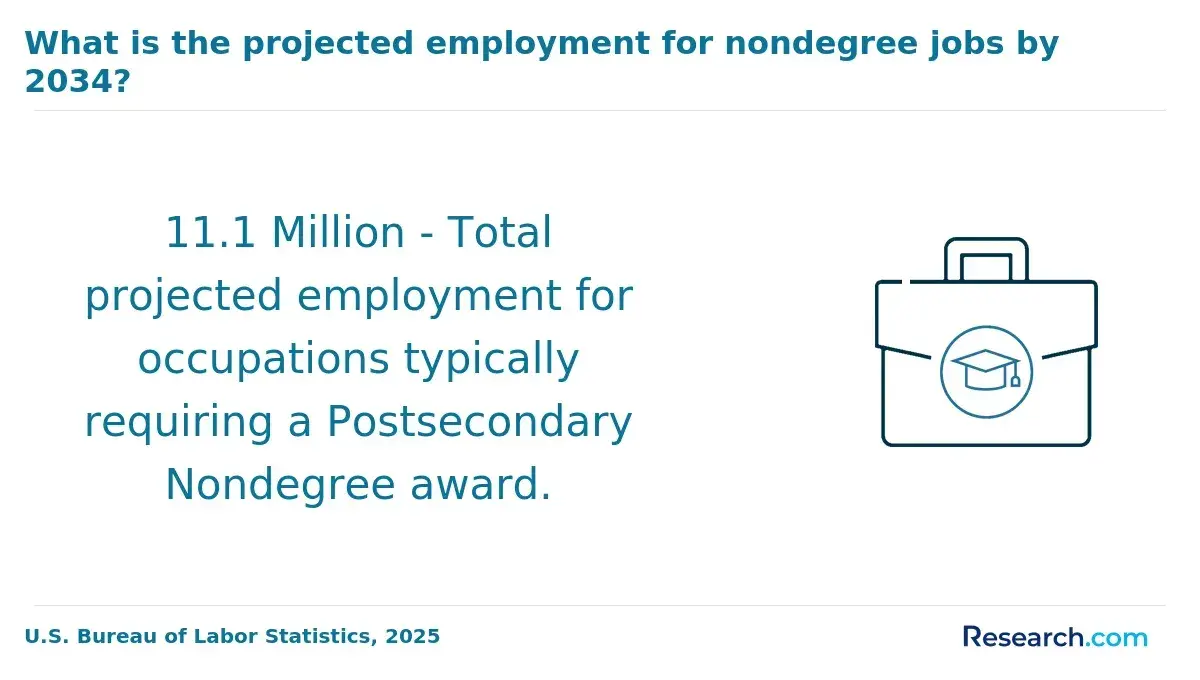
Job opportunities for real estate graduates vary widely depending on location and sector within the industry. While certain areas face saturation, others continue to offer steady openings. Employment in real estate-related fields is projected to grow by about 3-4% over the next ten years, influenced largely by housing market trends.
Several common roles are available to graduates, each with distinct hiring landscapes:
- Real Estate Agents contend with fierce competition due to the high number of licensed professionals. Many secure their licenses quickly, but building a reliable client base can take significant time, leading to unstable early career phases.
- Property Managers often experience steady demand, especially in cities with abundant rental housing. Entry-level positions like assistant or coordinator roles are typical starting points before advancing to full management responsibilities.
- Real Estate Analysts usually find jobs in larger urban markets or firms specializing in investments. These roles demand strong analytical capabilities and familiarity with financial data, with opportunities tied closely to commercial property dynamics.
- Leasing Consultants generally find roles promptly in densely populated rental markets. These positions are common initial steps for graduates, though advancement may require further experience or credentials.
A real estate degree graduate shared that entering the job market felt like navigating a complex maze. He recalled, "After graduation, despite obtaining my license quickly, finding consistent work was challenging because so many others were competing for the same entry-level roles." He described applying widely and relying on internships to gain practical experience, noting that patience and persistence were essential during the unpredictable early stages of his career.
The employment outlook for real estate majors shows modest growth influenced by market variability and sector-specific needs. Job opportunities will likely expand at a rate roughly matching the national average, with the U.S. Bureau of Labor Statistics projecting about 3% growth in real estate-related positions from 2022 to 2032. However, demand fluctuates considerably depending on the professional role and industry segment.
Key career paths within real estate illustrate this varied demand and job growth and demand in real estate careers:
- Real Estate Agents and Brokers: This sector maintains steady demand aligned with housing market shifts and commercial property transactions. Despite healthy entry numbers, competition remains intense, and income variability affects job stability.
- Property Managers: Growth in this role corresponds with increasing rental markets and the rising need for professional management of residential and commercial properties, suggesting expanding employment opportunities.
- Real Estate Analysts: As data-driven decisions become integral to property investment and development, demand for analysts and market researchers is rising moderately, particularly in commercial real estate.
- Real Estate Appraisers: Though partially impacted by automation, valuation roles stay stable due to ongoing regulatory mandates and transaction volumes.
Graduates should recognize that while overall job growth is moderate, strong competition and potential local oversaturation can challenge hiring prospects. Niche specializations may offer more reliable paths in the current hiring reality. For those curious about what career makes the most money, more details can be found here.
The real estate job market is highly competitive, driven by a steady influx of graduates and an uneven distribution of available roles. Each year, many students enter the field, creating a surplus of candidates, especially for entry-level jobs.
These positions often see an applicant-to-job ratio as high as 10 to 1, illustrating the challenge of standing out. In contrast, specialized roles that demand advanced skills or certifications typically attract fewer candidates but involve a more rigorous selection process.
Competition also differs significantly across sectors and regions. Urban markets tend to offer more opportunities but come with a larger pool of applicants, while rural areas have fewer positions with less competition.
Specific segments like luxury property or investment real estate require specialized expertise, which can limit the number of qualified applicants. Additionally, licensing and education requirements add barriers that affect how saturated each local job market becomes, shaping distinctive hiring dynamics within the industry.
When speaking with a professional holding a real estate degree, her reflections highlighted the emotional and practical hurdles behind the numbers. She described how repeatedly applying and attending interviews felt daunting at first, but persistence proved essential. "I realized early on that competition wasn't just about quantity, but also about how well I communicated my unique skills and experiences," she shared. Despite the challenges, her experience affirmed that navigating this competitive environment strengthens both resilience and professional growth.
Certain real estate careers experience less competition due to steady market needs, niche expertise, or more flexible entry standards. For instance, property management roles show about an 8% lower applicant-to-position ratio compared to sales-related openings. This reflects consistent hiring demand amid varying market conditions and geographic factors.
Several roles in real estate typically face reduced competition for the following reasons:
- Property Manager: These positions maintain ongoing operations and leasing of properties, creating stable demand across diverse locations. The continual need for skilled property oversight decreases applicant saturation compared to sales jobs.
- Real Estate Appraiser: Appraisal requires certification and specialized training, limiting the pool of qualified candidates. Demand remains steady, especially in less-served rural or developing markets where accurate valuations are critical.
- Development Project Coordinator: Roles supporting real estate development focus on regulatory knowledge and project timelines rather than direct sales. Workforce shortages in regional areas contribute to lower competition for these positions.
- Leasing Consultant: Leasing roles involve marketing rental units and managing tenant relationships with fewer licensing requirements, broadening accessibility. Urban rental market dynamics sustain steady hiring needs with less competition than sales agents.
- Real Estate Administrative Assistant: Administrative support positions in transaction coordination or compliance are essential for brokers and property managers. These jobs prioritize organizational skills and are less likely to be outsourced, creating a stable, less competitive job segment.
Salary levels significantly influence job market saturation in real estate-related fields by affecting the number of candidates attracted to various roles. Higher-paying positions, such as real estate brokers and investment analysts, can offer average annual salaries ranging from $60,000 to over $100,000.
These attractive financial rewards draw a larger pool of applicants, increasing competition and leading to greater oversaturation in these segments. Conversely, lower-paying roles like property management assistants or leasing agents tend to attract fewer candidates, often resulting in persistent vacancies despite available openings.
Salary disparities across different real estate careers play a central role in shaping job market saturation patterns. High-income roles typically see intense competition as many qualified candidates vie for limited positions, creating pockets of oversaturation.
Meanwhile, less lucrative positions remain understaffed, leading to an uneven distribution of talent within the industry. This dynamic highlights how salary structures guide career preferences and influence the balance between supply and demand in the real estate job market.
Real estate graduates can improve their chances of faster hiring by developing a combination of foundational and applied skills that meet industry demand. Surveys indicate that 68% of employers prefer candidates with strong negotiation and analytical abilities, directly linked to quicker onboarding. These essential skills for real estate graduates to secure jobs help them stand out in a competitive and sometimes oversaturated market.
The following key competencies contribute significantly to faster hiring and greater employability:
- Effective Communication: The ability to clearly articulate complex information and adapt messaging for diverse clients builds trust and streamlines transactions, making candidates more attractive to employers seeking smooth deal closures.
- Market Analysis: Proficiency in understanding local trends, pricing, and economic factors enables graduates to provide strategic insights, showing readiness to add value from the start of employment.
- Technology Literacy: Familiarity with real estate software and digital marketing tools reduces training time and demonstrates adaptability in a workplace increasingly reliant on digital platforms for listings and client outreach.
- Negotiation Skills: Strong negotiation capabilities help graduates broker favorable deals, reflecting their ability to handle real-world challenges effectively, which employers highly value for immediate contributions.
- Organizational Skills: Managing multiple properties, deadlines, and clients efficiently showcases self-discipline and attention to detail, traits that support smooth operations and risk mitigation.
Developing these skills impacts how real estate skills impact hiring success and can accelerate entry into the workforce despite competition. For students exploring their educational options, resources such as the easiest MSW to get into programs can provide valuable comparative insights on navigating degree choices and market readiness.
Graduates with a real estate degree often find their skills applicable beyond traditional roles such as brokerage or property management. Their training equips them with expertise in market analysis, finance, negotiation, and legal frameworks, enabling access to diverse fields. These alternatives provide versatile opportunities amid an increasingly competitive and potentially oversaturated job market.
Below are some of the top non-sales roles for real estate degree holders in the US, highlighting how their knowledge applies in different contexts.
- Urban Planning and Development: Professionals in this area design and implement land use plans that shape community growth. Real estate graduates contribute by analyzing property values, zoning regulations, and development feasibility to support sustainable projects.
- Real Estate Finance and Investment Analysis: This field involves assessing portfolios and evaluating the financial viability of ventures. Graduates apply their background in valuation and market cycles to analyze risks and opportunities in wider investment contexts.
- Corporate Real Estate Management: Roles here focus on managing company-owned properties and facilities. Graduates optimize space use, oversee leasing, and coordinate maintenance to improve cost efficiency and meet organizational goals.
- Public Sector and Government Agencies: Careers involve housing policy, economic development, and environmental planning. Knowledge of property law and economics helps graduates handle land regulation, affordable housing, and community revitalization.
- Real Estate Technology and Analytics: This emerging field uses technical skills to create software, data platforms, and analytical tools that support smarter decisions in the property sector. It offers innovative paths outside traditional roles.
For those seeking certifications that enhance career prospects, detailed information is available on certifications that pay well. The versatility demonstrated through these alternative careers shows that real estate graduates can adapt and thrive, even when direct real estate roles face stiff competition and oversaturation.
A real estate degree still holds meaningful value in today's challenging labor market, though its benefits vary based on career direction and specialization. For roles like commercial property management or investment analysis, the degree equips students with important technical and analytical skills.
Approximately 70% of real estate graduates secure jobs within six months, reflecting steady demand despite regional differences. The real estate degree career prospects in the US tend to improve when paired with targeted knowledge in specific industry sectors.
Factors such as adaptability and interdisciplinary learning significantly affect the degree's ongoing worth. Programs now often include training in data analytics, sustainability, and digital marketing, aligning graduates with evolving workforce needs.
Flexibility and added competencies help alleviate competition, especially in entry-level sales jobs, where oversaturation exists. Prospective students looking for options beyond traditional paths might consider low GPA colleges offering alternative routes to enhance their qualifications.
What Graduates Say About the Oversaturation, Competition, and Hiring Reality in the Real Estate Field
- Benny: "Graduating with a real estate degree opened my eyes to just how saturated the market truly is. I quickly realized that landing a role straight out of school means you need a unique edge, whether it's specialized knowledge or a strong network. The degree itself has been invaluable, but standing out remains a constant challenge."
- Greyson: "After completing my real estate degree, I took a hard look at the competition and hiring realities. Many peers struggled to find traditional roles, which led me to explore alternative pathways like property management and consulting-areas less crowded but still rewarding. This degree gave me the foundation, but adaptability has been key to my success."
- Cooper: "The real estate field is fiercely competitive, and my degree gave me the professional credibility needed to enter it confidently. However, I've learned that simply having a degree isn't enough-graduates must find ways to differentiate themselves or consider niche sectors within the industry. Reflecting on my journey, the degree was essential, but strategic career choices made all the difference."
Other Things You Should Know About Real Estate Degrees
Hiring demand in real estate varies significantly by region, influenced by local economic conditions, population growth, and housing market trends. Areas experiencing rapid urban development or high population influx typically show stronger demand for qualified real estate professionals. Conversely, regions with stagnant or declining real estate markets often face reduced hiring opportunities.
Most state licensing boards require a criminal background check, fingerprints, and disclosure of any prior disciplinary action before approving a license. Many states also review tax liens, fraud convictions, and pending court cases through the applicant’s file, along with completion of pre-licensing education and the licensing exam.
In 2027, internships and practical experience remain crucial for breaking into the real estate industry. They provide hands-on knowledge and networking opportunities, often serving as stepping stones to full-time positions amid increasing competition among job seekers.
Professional certifications and continuing education are key for career growth in real estate, distinguishing candidates in a competitive field. Credentials such as Certified Commercial Investment Member (CCIM) or real estate licensing show commitment and expertise, often leading to better job prospects and higher earning potential. Staying current with industry developments helps professionals remain relevant and competitive.
- 15 Non-Traditional Real Estate Careers - Real Estate License Wizard https://realestatelicensewizard.com/non-traditional-real-estate-careers/
- Why Real Estate Finance is one of the smartest career choices today https://advantere.org/real-estate-finance-smart-career-choice/
- Top High-Income Real Estate Niches in 2025 ($200K+ Paths) https://www.aceableagent.com/blog/high-income-real-estate-niches-career-paths/
- How Job Growth Leads to Better Real Estate Investments https://evergreeninvestments.co/blog/job-growth-leads-real-estate-investments/
- 10 Jobs in Real Estate Other Than Agent | Champions School https://www.championsschool.com/resources/career-hub/real-estate-jobs-other-than-agent/
- Competing for Talent: How to Attract and Win Top Real Estate Agents in a Crowded Market - REMAX Europe https://remax.eu/newsroom-post/attract-top-real-estate-agents-competitive-market/
- CRE Job Market Facing Cooldown https://www.cresa.com/locations/north-america/illinois/chicago-il/news-articles/cre-job-market-facing-cooldown
- Early Careers Real Estate | Deloitte UK https://www.deloitte.com/uk/en/careers/discover-deloitte/our-business-areas/early-careers-real-estate.html
- Real Estate & Employment: Understanding Their Link - HAR.com https://www.har.com/ri/1666/employment-and-real-estate-market-whats-the-relation
- A Career In Real Estate Is More Than A Salesperson: Part 1 – Seven Alternative Roles To Consider https://validum.edu.au/career-real-estate-salesperson-7-alternative-roles-consider/


