2027 Professional Writing Degree vs. Certificate: Which Should You Choose?

Co-Founder and Chief Data Scientist
Today's students and professionals face important decisions when choosing between earning a degree or a certificate in professional writing. Both options can significantly advance a career, but they differ in time commitment, depth of study, and cost. A degree often offers a comprehensive education, while a certificate focuses on targeted skills in a shorter timeframe.
Professional writing programs report that about 30% of graduates pursue certificate paths to quickly boost job readiness. Understanding these differences helps learners select the best fit for their goals and lifestyles. This article will compare key factors like curriculum, flexibility, and career outcomes to guide your choice.
Key Points About Professional Writing Degree vs. Certificate Programs
- Degree programs offer broader skill development and higher average salaries, with bachelor's holders earning approximately 20% more than certificate holders in professional writing roles.
- Certificate programs focus on targeted skills and faster completion, ideal for professionals seeking specific expertise or career shifts without long-term commitment.
- Degrees provide stronger professional growth and networking opportunities, while certificates enhance niche competencies, both supporting varied career paths depending on personal goals.
What Are the Differences Between Professional Writing Degree and Certificate Programs?
Both professional writing degrees and certificate programs can open doors to rewarding careers, but they vary in structure, depth, and commitment. Choosing the right path depends on individual goals and the time one is willing to invest in education. Understanding these differences helps students make an informed decision tailored to their needs.
Here are the main distinctions between professional writing degrees and certificate programs:
- Career Advancement: Degrees generally offer a broader foundation, which can support long-term career growth and eligibility for higher-level positions. Certificates provide targeted skills quickly, ideal for those seeking to enter or shift fields without extensive time commitment.
- Depth of Learning: Degree programs cover a wide range of writing styles, theory, and research, benefiting learners who want comprehensive knowledge. Certificate courses focus on practical skills and specific areas, suited for professionals needing immediate application.
- Time and Flexibility: Degrees require a longer duration and more structured study, which suits students ready for intensive learning. Certificates are shorter and often more flexible, catering to working adults or those balancing multiple responsibilities.
- Cost Considerations: Degrees typically involve a higher financial investment but may provide more extensive resources. Certificates tend to be less expensive, making them accessible for individuals with budget constraints or those testing interest in the field.
How Long Does It Take to Complete a Professional Writing Degree vs. a Certificate Program?
Completion time is a crucial factor for students choosing between a professional writing degree vs. certificate. Understanding the typical duration and pacing flexibility can help inform this decision based on personal goals and availability.
- Typical Duration: A professional writing degree program duration usually spans about four years for a bachelor's degree and around two years for an associate degree. In contrast, professional writing certificate completion time is significantly shorter, often ranging from a few months to one year, with some accelerated certificates finishing in just weeks.
- Flexibility: Degree programs generally require a structured schedule combining general education and major-specific courses. While some offer part-time or online options that extend the timeline, certificates are often designed with working professionals in mind, providing evening, online, or asynchronous classes to better accommodate busy schedules.
- Factors Affecting Timeline: Several variables influence how quickly students finish either path. Prior experience or transfer credits can shorten degree completion, and both degrees and certificates may offer accelerated or stackable tracks. Student availability, particularly part-time versus full-time enrollment, also plays a significant role.
On average, certificates represent the fastest route to professional writing credentials, while degrees provide a more comprehensive education over a longer period. For those interested in speeding up their studies, exploring an accelerated college degree option might be beneficial.
Can You Complete a Professional Writing Degree or Certificate Entirely Online?
Online education has grown significantly, making flexible learning widely accessible to students across the country. Today, many fully online professional writing degree programs are available, such as the Bachelor of Science in professional writing at Missouri State University and the BA in professional writing and communication at Southwest Minnesota State University, both offered 100% online.
Graduate degrees, including the MA in professional writing at New England College and the MS in professional writing at NYU, also provide fully online coursework, projects, and portfolio development. Additionally, online professional writing certificate options are often designed for complete online completion, with some offering optional campus workshops or networking events for enhanced learning experiences.
When exploring online professional writing programs, prospective students should consider requirements like hands-on training, internships, or licensure. While most online degrees and certificates don't require on-campus residencies, optional internships-often available remotely-are common.
Those seeking practical experience or networking should prioritize programs with strong digital portfolio support and virtual internships. Choosing the right online format depends on career goals and learning preferences.
For students looking for immediate workforce entry and flexibility, certificate programs may be ideal, while degree programs typically offer broader academic grounding and advanced career paths. For guidance in finding suitable programs, see the best open enrollment online colleges.
Admission requirements are a key factor in deciding between pursuing a professional writing degree or certificate program, as they reflect the academic preparation and readiness expected from applicants. Understanding these prerequisites helps prospective students make informed choices based on their current qualifications and career ambitions.
Below is a side-by-side comparison of admission criteria for both program types, highlighting the differences in focus and rigor.
Admission Requirements for Professional Writing Degree Programs
- Educational Background: Most bachelor's degree programs require applicants to hold a high school diploma or equivalent, with a strong record in English and other foundational subjects.
- Minimum GPA: Institutions often set a minimum cumulative GPA between 2.0 and 2.5 for eligibility, sometimes including a specific GPA requirement for major coursework.
- Standardized Test Scores: Some universities may request SAT or ACT scores, although many have adopted test-optional policies in recent years.
- Prerequisite Coursework: Applicants typically must have completed courses such as four years of English, three years of social studies and lab science, plus two years of a world language.
- Writing Sample/Essay: Submission of a personal statement or writing sample is commonly required to demonstrate writing proficiency and genuine interest.
Admission Requirements for Professional Writing Certificate Programs
- Academic Standing: Applicants generally need to be in good academic standing, often defined by a minimum grade average such as a C or better.
- Prerequisite Courses: Some certificate programs ask for prior completion of introductory writing or composition classes to ensure basic writing skills.
- Application Essay: A brief essay explaining the candidate's motivation for pursuing the certificate and related career goals is frequently required.
- Writing Sample: A representative writing sample helps assess the applicant's capabilities and fit for advanced writing coursework.
- Transcripts: Transcripts may be requested to verify past academic achievements and qualifications.
Degree programs generally have more comprehensive admission criteria reflecting their depth and academic scope, while certificate programs offer a streamlined process focusing on readiness for specialized writing skills training.
Prospective students interested in accelerated learning paths may also explore fastest online associate degree programs as an alternative option. Paying attention to professional writing degree admission requirements and admission criteria for professional writing certificate programs will ensure alignment with individual academic and career objectives.
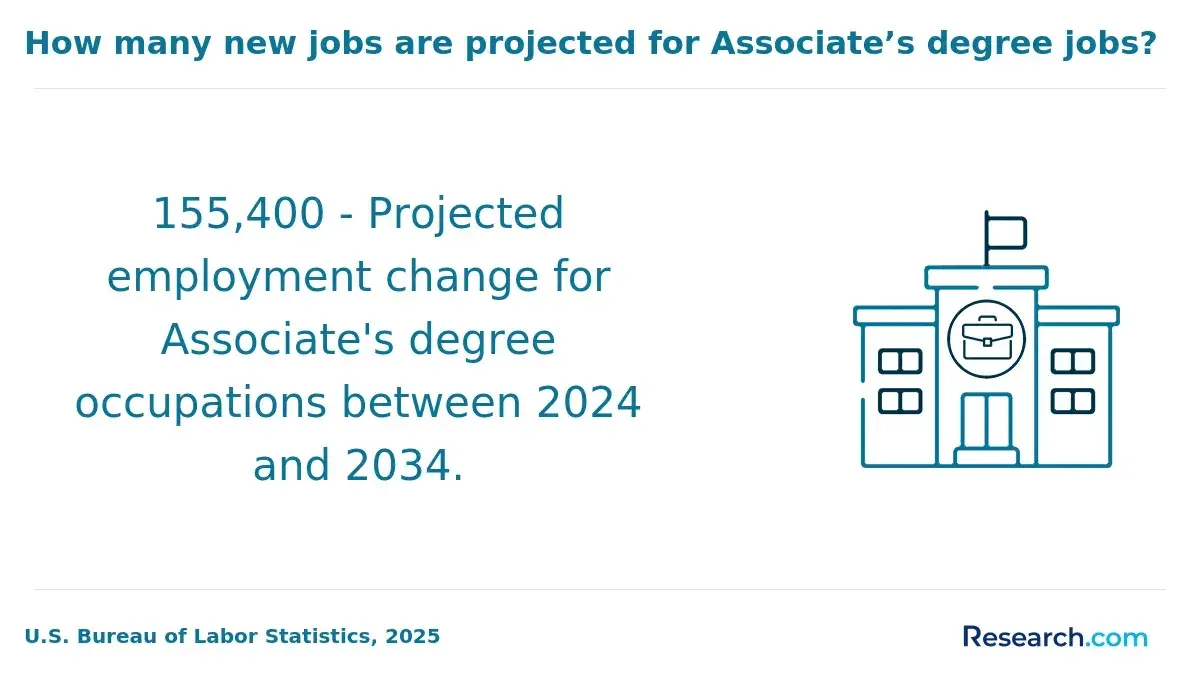
Knowing the credit requirements for professional writing programs helps students effectively plan their academic paths and manage their time. Understanding the differences between degrees and certificates in terms of credit load clarifies what to expect regarding program length and depth of study.
Here is a comparison of typical credit expectations for professional writing degrees versus certificate programs:
- Professional writing degree: These programs generally require between 36 and 48 major credits focused on professional writing, included within a total of about 120 credits needed for graduation.
- Professional writing certificate: Certificate programs usually demand 12 to 18 credits centered on core writing courses, designed for quicker completion with a specialized focus.
Tuition costs play a critical role when deciding between pursuing a professional writing degree or a certificate, as they affect both immediate affordability and potential future debt. Understanding the average tuition differences for each option helps prospective students align their budgets with their career ambitions.
Below is a comparison of the typical tuition ranges for professional writing degrees versus certificate programs.
Average Tuition for Professional Writing Degree Programs
- Tuition Range: Undergraduate tuition for professional writing degrees usually spans from about $11,000 per year for in-state students to $34,000 per year for out-of-state students at public universities, with private schools often exceeding $60,000 annually.
- Graduate Tuition: Graduate-level programs generally cost between $12,500 and $21,000 per year at public institutions, while private graduate programs range from $44,000 to over $76,000 annually.
- Public vs. Private Schools: Public universities tend to offer lower tuition for in-state students; private and elite institutions normally charge the highest rates.
- Online vs. On-Campus: Online degree programs may have slightly reduced tuition, but most savings appear in associated expenses such as housing and fees.
- Program Length: Bachelor's degrees usually require four years and master's degrees two years, resulting in a higher total cost compared to certificates.
Average Tuition for Professional Writing Certificate Programs
- Tuition Range: Professional writing certificate program cost typically ranges from $3,000 to $12,000 for the full program at most public colleges, with some online certificates charging about $400 to $500 per credit hour.
- Program Length: Certificates generally require 12 to 24 credits, often completed in less than a year, making them a shorter and more affordable option.
- Institution Type: Community colleges and public universities usually offer the lowest tuition for certificates, while private schools may charge more.
- Online Options: Many certificates are fully online, providing extra flexibility and potentially lower overall costs due to reduced fees and no relocation expenses.
- Additional Fees: Enrollment or materials fees may apply but tend to be minor compared to degree programs.
Careful consideration of the average tuition for a professional writing degree versus a certificate can guide students toward the credential that best fits their financial situation and professional goals.
For prospective students researching options, the list of top colleges online can provide additional insights into various programs and their costs.
Transferring certificate credits toward a professional writing degree is sometimes possible, but it varies greatly depending on the institution's policies, accreditation status, and how closely the certificate courses align with degree requirements. Schools typically scrutinize whether the certificate credits come from regionally accredited programs and if they relate directly to the degree curriculum.
Many universities enforce caps on transfer credits to maintain academic integrity and program rigor. The age of the coursework also plays a role, as recent and relevant studies are more likely to be accepted.
Key factors affecting transferability include limits such as allowing only a portion (commonly around 25%) of certificate credits to transfer, along with minimum grade requirements-often a 3.0 GPA with no grades below a "C." Course relevance and thorough evaluation by academic advisors or program directors are crucial in the approval process. Since transfer rules differ widely, confirming these details with your target school beforehand is essential to avoid surprises. Taking time to verify transfer options can significantly enhance your educational planning and investment.
Certificate programs in professional writing are generally not accredited in the same manner as degree programs. While bachelor's and master's degrees in professional writing are granted by regionally accredited colleges or universities, certificates rely on the overall accreditation of the institution instead of having separate program-level accreditation.
Degrees must comply with comprehensive standards set by recognized accrediting agencies, ensuring consistent academic quality. Certificates, however, typically do not undergo this detailed external review, and some may be offered by non-accredited providers with no formal recognition. The main difference is that degrees are part of fully accredited academic departments, while certificates mostly depend on institutional accreditation for credibility.
Accreditation is crucial because it guarantees academic quality, helps credits transfer to other schools, and influences employer recognition. Only programs accredited by agencies approved by the U.S. Department of Education qualify for federal financial aid, which adds another layer of importance.
Students should check whether the school is regionally accredited and whether the degree or certificate program has the backing of an accredited academic department or institution. Avoiding non-accredited providers can prevent wasted time and resources. Prospective students are advised to verify accreditation status with recognized accrediting bodies before enrolling.
Both professional writing degrees and certificates can open doors to various writing-related careers, but they prepare graduates for different levels and types of roles. Understanding the distinctions can help you decide which credential aligns with your career goals.
Below is a comparison of career opportunities linked to each qualification.
Jobs You Can Get with a Professional Writing Degree
- Editor: Oversees content quality and consistency, refining text across media to meet publication standards.
- Technical writer: Develops clear instructions and manuals for complex products or services, often collaborating with engineers or developers.
- Copywriter: Creates persuasive marketing and advertising content tailored to target audiences in diverse industries.
- Grant writer: Researches and writes proposals to secure funding for nonprofits or organizations, requiring strong research and persuasive skills.
- Public relations specialist: Manages communication between organizations and the public, crafting press releases and handling media relations.
- Content marketing specialist: Designs strategic written content to engage audiences and support brand messaging across digital platforms.
Jobs You Can Get with a Professional Writing Certificate
- Content writer: Produces articles, blog posts, and other web content with guidance, focusing on clear communication and creativity.
- Social media coordinator: Manages social platform posts and engagement, supporting marketing efforts through targeted messaging.
- Proofreader: Reviews text for grammatical and typographical errors to ensure polished final products.
- Marketing assistant: Supports marketing campaigns by preparing written materials and coordinating content delivery.
- Junior copywriter: Assists senior copywriters by drafting promotional content and learning industry best practices.
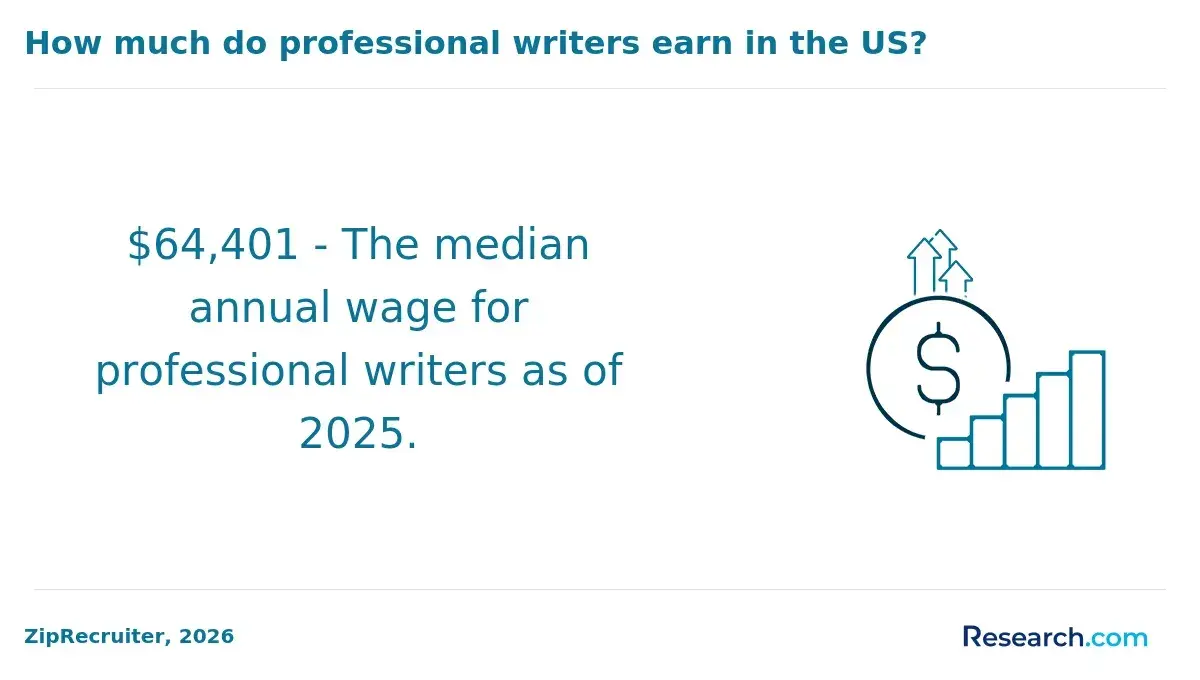
Salary potential often varies significantly between individuals holding a certificate in professional writing and those with a professional writing degree. Understanding these differences can help prospective students make informed decisions about their education and career paths.
Below is a comparison highlighting the average starting salary ranges and key factors influencing income for graduates of each program type.
- Typical Salary Range for Professional Writing Degree Holders: Entry-level positions generally start between $40,000 and $50,000 per year, depending on location, industry, and job role.
- Typical Salary Range for Certificate Holders: Those with only a certificate in professional writing usually see starting salaries closer to $35,000 to $40,000 per year, with variations influenced by the certificate's focus and the employer's recognition.
- Industry and Job Title: Degree holders tend to qualify for full-time, salaried roles such as technical writer, copywriter, or communications specialist, while certificate holders often begin in freelance, editorial assistant, or support positions.
- Location and Demand: Salaries are generally higher in urban centers and regions with strong demand for writing professionals.
- Experience and Portfolio: Both credentials benefit from relevant internships or published work; however, employers usually associate degrees with a broader skill set and deeper knowledge.
- Career Outlook: Degrees often lead to faster career advancement and greater long-term earning potential, whereas certificates can offer a quicker route to employment but may limit promotion opportunities without further education.
Overall, the average starting salary for professional writing degree holders tends to be higher than the certificate in professional writing salary potential, reflecting broader career prospects.
For a detailed look at what certification pays the most, it is helpful to consider the specific demands and recognition in your target industry.
Here's What Graduates of Professional Writing Programs Say About Their Degree or Certificate
- Romeo: "Choosing the professional writing certificate was perfect for my busy schedule. The pace allowed me to quickly gain practical skills without the extensive time commitment of a degree program, and the lower cost meant I could invest in my career without financial stress. For anyone weighing options, certificates offer a focused, efficient path to improving writing skills. "
- Aidan: "The degree program offered a comprehensive learning experience that really deepened my understanding of writing as both an art and a profession. Although it required more time and financial investment compared to a certificate, the broader curriculum and academic rigor prepared me for a wider range of career opportunities. It's ideal if you want to build a solid foundation and long-term career in writing. "
- Luke: "Completing both the certificate and the degree programs gave me the best of both worlds. The certificate's accelerated format helped me gain confidence early on, while the degree added depth and credibility that boosted my professional prospects. Cost was a consideration, but it was worth it to experience the different learning paces and career benefits each offered. I highly recommend evaluating your goals carefully before deciding."
Other Things You Should Know About Professional Writing Degrees
Some certificate programs offer credits that can be applied toward a professional writing degree, but this varies by institution. It is important to check with the specific college or university about transfer policies before enrolling. Generally, certificates completed at the same school as the degree have a higher chance of credit transfer.
Professional writing degree programs commonly incorporate internships or practicums as part of the curriculum to give students real-world experience. Certificate programs may offer practical components, but they are less likely to include mandatory internships. Students seeking hands-on experience should verify the program's structure beforehand.
Many do. A capstone portfolio is a common requirement in professional writing certificates, usually built from revised articles, reports, and digital content. Programs often ask for 8 to 12 polished pieces, reviewed by faculty or industry instructors before completion.
Both a professional writing degree and certificate can lay the groundwork for advanced studies in 2027. A degree usually offers deeper academic exposure, aligning well with Master's programs, whereas a certificate may provide practical experience beneficial for further specialized education.
- Degree vs. Certificate: What’s the Difference? - Resource Center Article https://nextmile.instride.com/resource/types-of-certificates-degrees
- 4 ways the Certificate in Professional Writing can help advance your career https://lpsonline.sas.upenn.edu/features/4-ways-certificate-professional-writing-can-help-advance-your-career
- Professional Writing (Graduate Certificate) https://www.odu.edu/academics/programs/certificate/professional-writing
- Career Profiles: Technical and Professional Writing https://www.csulb.edu/career-development-center/students/career-profiles-technical-and-professional-writing
- Public and Professional Writing (Certificate) Program Requirements for 2025-2026 https://www.sjf.edu/major-minors/english/writing-certificate/program-requirements/
- Professional & Technical Writing Certificate https://english.arizona.edu/professional-technical-writing-certificate
- Public and Professional Writing Undergraduate Certificate https://www.ucf.edu/degree/public-and-professional-writing-certificate/
- Writing for the Professions Certificate | College of General Studies | University of Pittsburgh https://www.cgs.pitt.edu/writing-prof-certificate
- The Difference Between Certificates and Degrees | UT San Antonio Online https://online.utsa.edu/blog-content/difference-certificates-degrees/
- Zippia. (2025). Creative writer education requirements: Degrees, majors, and colleges. https://www.zippia.com/creative-writer-jobs/education/
- ZipRecruiter. (2025). Professional writing salary in the United States. https://www.ziprecruiter.com/Salaries/Professional-Writing-Salary