2027 Political Psychology Degree Programs for Career Changers

Co-Founder and Chief Data Scientist
Career changers often face uncertainty when shifting to fields like political psychology, where interdisciplinary knowledge and specialized skills intersect. Many struggle to translate prior experience into relevant expertise in political behavior analysis or policy influence. Recent data shows that 42% of adult learners enrolling in advanced social sciences degrees, including political psychology, do so to enhance career prospects within two years of graduation. This reflects a growing demand for adaptable professionals equipped to navigate complex political contexts. This article explores how political psychology degree programs support working professionals in making informed career transitions efficiently and confidently, bridging knowledge gaps critical for success.
Key Things to Know About Political Psychology Degree Programs for Career Changers
- Many programs offer flexible scheduling and online or hybrid formats, allowing working adults to balance studies with full-time employment efficiently.
- Political Psychology degrees often include employer-relevant curricula, with 65% of graduates reporting direct application of skills within 12 months post-completion.
- Accelerated pacing and specialized support services, like career advising, enhance success rates, with working adult completion rates increasing by 18% in recent years.
What Political Psychology Programs Accept Career Changers?
Programs in political psychology often accommodate working adults and professionals seeking career changes by offering flexible admission criteria and curricula designed to leverage diverse backgrounds. About 38% of U.S. graduate students are aged 30 or older, showing strong demand from adults pursuing new career pathways.
Graduate political psychology programs accepting career changers typically fall into these categories:
- Online Master's Programs: These provide extensive flexibility through asynchronous coursework, helping working professionals balance study with employment and family duties. They often include practical elements to apply prior skills in new contexts.
- Hybrid Degree Programs: Combining in-person and online learning, hybrid formats suit those who want some face-to-face interaction while maintaining adaptable schedules. These programs often emphasize applied research and policy analysis.
- Accelerated Graduate Programs: With condensed timelines and streamlined prerequisites, accelerated options appeal to career changers eager to enter political psychology quickly. They focus on efficient skill transfer and relevant expertise building.
- Part-Time Graduate Programs: Tailored for working adults, part-time tracks allow students to extend their studies over several years at a manageable pace, incorporating real-world experience and practical curriculum elements.
Such flexibility and practical focus make political psychology degree programs for working professionals valuable for those transitioning into new careers. For related flexible educational opportunities, consider exploring AI degree programs.
What Political Psychology Specializations Are Best for Career Changers?
Selecting the right political psychology specialization is essential for career changers because it enhances skill transferability, broadens job market access, and supports long-term career advancement. Demand for professionals with expertise in sectors focusing on policy, communication, and social behavior is growing nearly 8% annually.
Here are four top political psychology specializations that align well with diverse professional backgrounds.
- Political Communication: Builds on skills in media, messaging, and public relations, making it accessible to professionals from journalism, marketing, or communications backgrounds. This specialization helps career changers leverage their existing expertise to influence public opinion and policy.
- Conflict Resolution and Negotiation: Ideal for those with experience in law, social work, or management, it emphasizes mediation and problem-solving skills highly valued in government and nonprofit sectors. This path facilitates a smooth transition by focusing on transferable interpersonal abilities.
- Public Policy Analysis: Suited for career changers with analytical or research experience, it emphasizes data interpretation and assessing policy impacts. This specialization sharpens skills that enhance strategic decision-making and policy development roles.
- Social and Behavioral Research: Appeals to those with psychology or sociology backgrounds and offers practical skills in designing studies and understanding voter behavior or political attitudes. This foundation supports careers focused on behavioral insights and data-driven political strategies.
For career changers looking to optimize educational investments while exploring relevant Political Psychology fields, exploring options like the cheapest online business degree programs can provide affordable pathways to augment skills and credentials.
Focusing on the best career-focused specializations in political psychology offers professionals the confidence and tools needed to navigate career transitions successfully.
What Are the Admission Requirements for Career Changers Applying to a Political Psychology Program?
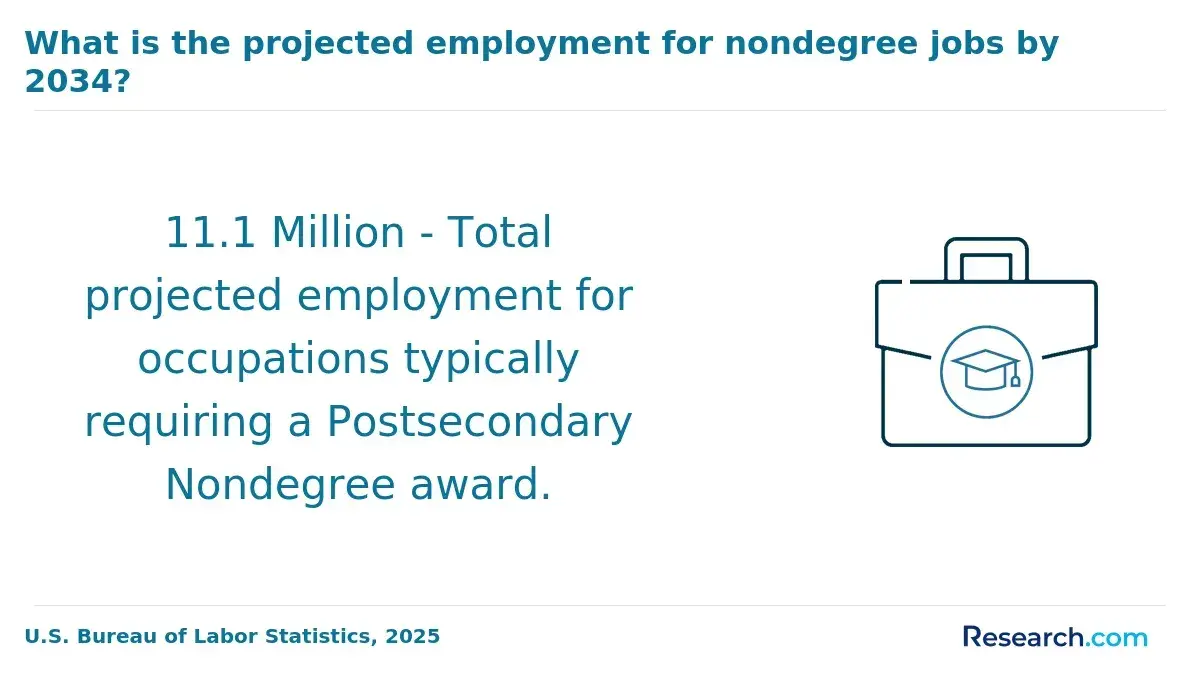
Admission requirements hold special importance for career changers entering a political psychology program, as many applicants bring diverse, nontraditional academic and professional backgrounds. Nearly 38% of graduate students in the U.S. are nontraditional learners, underlining the need for flexible pathways and clear prerequisites.
Below are common admission criteria that help adult learners plan their transition effectively.
- Bachelor's Degree: A completed bachelor's degree with a minimum GPA requirement is standard. This foundational credential ensures applicants have essential academic preparation, though some programs may emphasize flexibility for experienced professionals.
- Transcripts: Submission of transcripts from all previous institutions is necessary for evaluating academic history. This helps programs assess transferable credits and relevant coursework tied to political psychology.
- Letters of Recommendation: Most programs require recommendations highlighting applicants' skills and readiness for graduate study. Strong endorsements from employers or academic mentors can strengthen applications for career switchers.
- Statement of Purpose: Applicants must explain their motivation for changing careers and pursuing political psychology. This essay is crucial for demonstrating clarity of goals and alignment with program objectives.
- Standardized Tests: GRE scores may be requested, but many schools offer waivers or alternatives to accommodate working professionals, emphasizing practical experience over test results.
- Transferable Experience: Prior work in social sciences, public policy, or communications is valued. Relevant professional experience can sometimes substitute formal academic requirements, opening multiple admission pathways for career changers.
- Alternative Qualifications: Certifications, internships, or volunteer work related to political psychology can supplement traditional credentials. These offerings reflect the growing recognition of diverse backgrounds in the admission process.
For career switchers exploring flexible graduate options, similar considerations apply in fields like business, where an executive online MBA exemplifies programs designed for adult learners balancing work and study.
For professionals changing careers, knowing the structure of a political psychology degree is crucial to ensure it fits alongside existing commitments and delivers relevant, actionable knowledge. Coursework in these programs often balances rigor with flexibility to accommodate adult learners effectively.
The main components typically include:
- Foundations of Political Psychology: This section introduces essential theories on political behavior and decision-making, emphasizing the psychological aspects that influence public opinion and voting patterns.
- Research Methods and Data Analysis: Students engage with both quantitative and qualitative research techniques, applying them to political contexts through case studies and practical assignments.
- Social and Cognitive Psychology: Coursework delves into how identity, group interactions, and perception shape political attitudes and actions, providing insights into political dynamics.
- Applied Political Psychology: Focused on practical use, this area covers communication approaches, psychological strategies in campaigns, and evaluating policy impacts to prepare students for real-world scenarios.
- Ethics and Professionalism: This component addresses ethical standards and responsible practices in political research, underlining the importance of integrity in the field.
Flexible program formats are key in helping career changers pursue a political psychology degree while balancing work and personal duties. With over 40% of graduate students being adult learners, adaptable learning options are increasingly essential to accommodate diverse schedules and commitments.
Below are common formats designed to meet these needs.
- Fully Online Programs: These provide the greatest flexibility, enabling students to access lectures and assignments anytime from any location. This format suits those managing unpredictable work hours or living far from campus.
- Part-Time Evening or Weekend Programs: Tailored for working adults, these options offer in-person or hybrid classes during nontraditional hours to fit around full-time employment.
- Hybrid Programs: Combining online coursework with occasional on-campus sessions, hybrid programs strike a balance between convenience and face-to-face interaction with instructors and peers.
- Self-Paced Programs: Mostly online, these allow learners to set their own pace, making it easier to adjust study intensity according to professional and personal demands.
These formats help reduce obstacles to education, enabling career changers to develop expertise without relinquishing existing jobs or lifestyles.
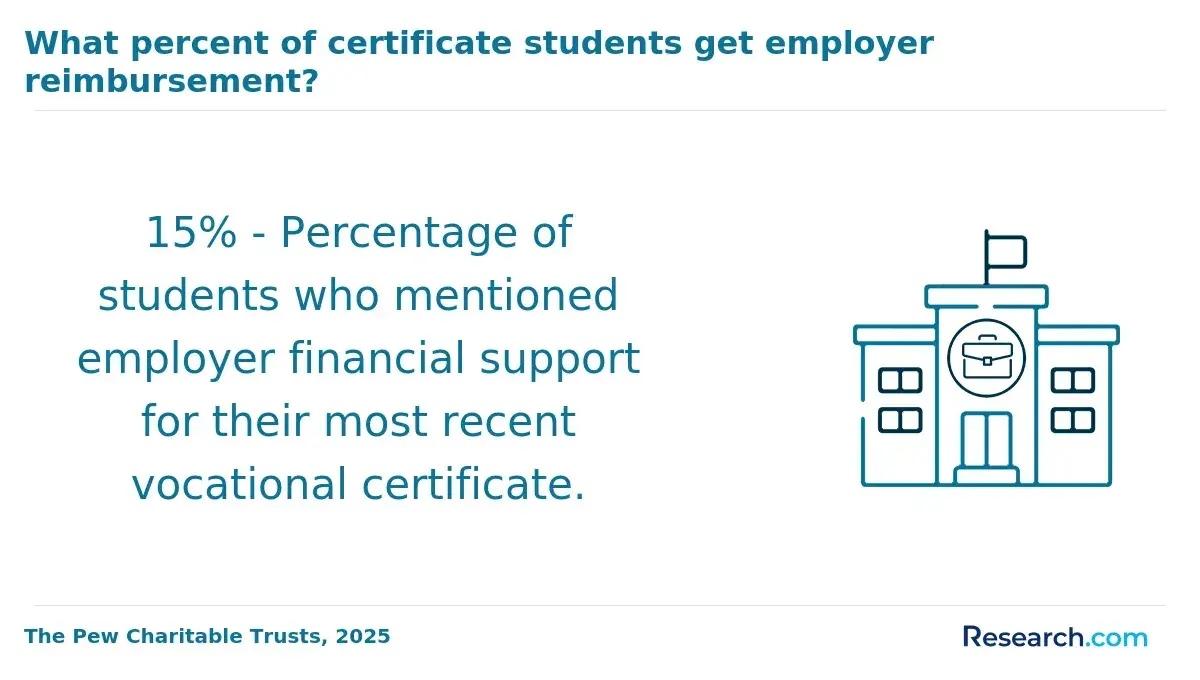
For career changers, developing new skills is essential to successfully navigate transitions into unfamiliar fields. According to recent data, 59% of working adults in the U.S. say they need to reskill or upskill to stay competitive in today's shifting job landscape. A political psychology program addresses this need by fostering a mix of analytical and interpersonal abilities crucial for adapting to diverse roles.
Key skills acquired include:
- Critical Thinking: This skill sharpens the capacity to analyze political behaviors and psychological theories, enabling effective decision-making and complex problem-solving in sectors like policy development and consulting.
- Research Proficiency: Students gain expertise in both qualitative and quantitative methodologies, allowing them to produce evidence-based insights that inform campaigns, social initiatives, or strategic planning within organizations.
- Communication Skills: Effective articulation of nuanced concepts to varied audiences is cultivated, supporting success in leadership, advocacy, and public outreach positions.
- Cross-Cultural Understanding: Exposure to cultural influences on political perspectives equips learners for work in international contexts, government agencies, or community programs.
- Ethical Reasoning: Emphasizing integrity and ethical standards across research and practice ensures trustworthiness and professionalism in social sciences, legal, or administrative careers.
Career changers must carefully evaluate the total cost of a political psychology degree to manage financial commitments effectively while balancing work and life. The National Center for Education Statistics reports that graduate education costs in the U.S. typically range from $10,000 to $30,000 annually, highlighting the importance of understanding expenses.
Key program costs can be broken down as follows.
- Tuition and Fees: Tuition often represents the largest expense, ranging from $500 to over $1,200 per credit hour depending on the institution and program format. Fees can include registration, technology, and campus services, which vary by school and program delivery method.
- Books and Materials: Textbooks and required materials add to costs, sometimes totaling several hundred dollars per semester. Digital resources or subscriptions may be necessary, and prices fluctuate based on course requirements.
- Technology and Access Fees: Online or hybrid political psychology programs for working professionals might involve technology fees to support digital platforms. These ensure access to course content and communication tools and can range between $50 and $300 per term.
- Travel and Housing: Some programs have in-person requirements that incur travel and housing expenses. Choosing online options can reduce these indirect costs significantly, benefiting career changers seeking flexible learning schedules.
- Payment Options and Employer Support: Flexible payment plans, such as installment arrangements or deferred billing, help manage costs effectively. Many employers also offer tuition assistance or reimbursement, which can lower out-of-pocket expenses substantially.
- Cost-Saving Strategies: Transferring previously earned credits, pursuing accelerated formats, or selecting programs with lower per-credit fees can reduce total debt. Researching affordable political psychology programs for working professionals is essential for budgeting and financing decisions.
For those seeking financially accessible routes, consulting resources about the most affordable online colleges is a practical step toward minimizing educational expenses while advancing a career change.
Curriculum design is especially important for career changers as it must provide relevant expertise efficiently, allowing professionals to gain new skills without significant time delays. This approach facilitates balancing learning with existing work or personal commitments.
The following key features highlight how a political psychology curriculum supports career transitions.
- Applied Learning: The curriculum emphasizes case studies and simulations that replicate real-world political behavior and decision-making. This hands-on approach enables career changers to understand complex dynamics in societal structures.
- Transferable Skills Development: Programs focus on critical thinking, data analysis, and communication skills, all tailored to navigating complicated political and social environments. These skills enhance versatility in various industries.
- Flexible Pacing: Many curriculums offer part-time and online courses, allowing learners to advance at their own speed. This flexibility is vital for adults managing jobs and personal responsibilities.
- Real-World Projects: Integration of practical projects helps build professional portfolios and gain experience directly applicable to new career paths. Such projects reinforce learned concepts through active application.
- Interdisciplinary Coursework: Combining psychology, political science, and sociology broadens career prospects and deepens contextual insights. This blend supports understanding behavioral patterns crucial for roles in public policy, international relations, or organizational consulting.
By focusing on these areas, a political psychology curriculum for career changers equips students with skills gained from political psychology degree programs that are highly relevant and applicable.
For those interested in expanding career opportunities efficiently, exploring online certificate programs related to this field can also provide valuable credentials and accelerated pathways.
For career changers, knowing potential job opportunities helps align education with new professional objectives. The U.S. Bureau of Labor Statistics forecasts a 7% increase in social science-related roles between 2022 and 2032, highlighting sustained demand in fields connected to political psychology.
Below are common career options for those holding a political psychology degree.
- Policy Analyst: This role involves evaluating political decisions' effects and advising stakeholders using strong research and analytical skills. It suits career changers by leveraging critical thinking and data interpretation abilities developed during study.
- Political Consultant: Professionals in this field guide campaigns and organizations on voter behavior and communication techniques. Transferable knowledge about psychological factors influencing decision-making aids in shaping effective strategies.
- Social Science Researcher: Designing and conducting studies about political attitudes and behaviors is key here. Those shifting careers benefit from methodological expertise and a rigorous approach to data collection learned in political psychology programs.
- Public Relations Specialist: Managing messaging and public perception for political groups or nonprofits uses skills in persuasion and communication. Career changers can apply their understanding of social dynamics to enhance outreach and reputation management.
- Human Rights Advocate: This position focuses on promoting civil liberties and social justice policies. Insights into group behavior and societal issues enable smooth transitions for professionals eager to impact public welfare.
These careers commonly draw on analytical thinking, communication, and research skills, making them accessible and rewarding paths for adults pursuing a fresh start.
For professionals shifting careers, salary expectations are crucial when deciding to pursue further education, as they directly affect financial stability during transitions. Studies show that reskilled workers tend to see a median salary boost of about 6%, highlighting the economic advantage of new qualifications.
The following points outline typical salary levels and key factors impacting earnings for those with a political psychology degree.
- Entry-Level Positions: Graduates starting in political psychology-related roles often earn between $50,000 and $65,000 annually, depending on the employer and location, with limited prior experience influencing entry pay.
- Mid-Career Salaries: Professionals with several years of experience or transferable skills can expect salaries ranging from $65,000 to $85,000, reflecting their growing expertise and industry knowledge.
- Senior Roles: Advanced or specialized positions may offer compensation between $90,000 and $120,000 per year, especially when combined with leadership responsibilities or niche expertise.
- Industry Variation: Earnings differ significantly by sector; the private sector generally provides higher salaries compared to government, nonprofit, or academia due to budgetary and market factors.
- Geographic Factors: Location largely affects pay scales, with metropolitan areas or regions with a higher cost of living typically offering increased compensation to offset expenses.
What Graduates Say About Their Political Psychology Degrees for Career Changers
- Marlowe: "Choosing to switch careers felt daunting, but enrolling in a political psychology degree program made it tangible. Despite the average cost of around $25,000 for the entire program, it was an investment that paid off with new skills and insights, propelling me into a meaningful role in policy analysis. The blend of psychology and politics truly reshaped my professional path with lasting impact."
- Jorian: "Reflecting on my career change, pursuing a political psychology degree was both a financial challenge and a rewarding journey. The tuition, averaging $25,000, required careful planning, yet it granted me a profound understanding of voter behavior that I now apply as a consultant. Completing the program provided clarity and opened doors to opportunities I hadn't imagined. "
- Farel: "After years in a different field, I committed to transitioning through a political psychology degree program. With costs approximately $25,000, it was a considerable commitment, but the practical knowledge and analytical skills I gained have been invaluable in my shift to a research role. This degree was the catalyst I needed to confidently pursue my new career. "
Other Things You Should Know About Political Psychology Degrees
Political psychology degree programs in 2027 often offer flexible scheduling options. Many programs provide online courses, evening classes, or part-time enrollment to accommodate working professionals, making it easier for career changers to balance their studies with their current job responsibilities.
Yes. Most accredited programs accept up to 9 transfer credits from a regionally accredited graduate school, but only with a grade of B or higher. The department chair usually must approve the transfer, and the credits must match required political psychology coursework.
- Courses in Political Psychology - ISPP https://ispp.org/resources/courses/
- FAQ - Career Opportunities with M.A. Psychology English Track https://www.ipu-berlin.de/studium/career-service/international-career-service/faq/
- 10 Top Degrees for a Career in Politics: Explore Your Best Options https://www.publicservicedegrees.org/features/degrees-for-a-career-in-politics/
- Bachelor's in Psychology, Economics & Politics | Hult International Business School https://www.hult.edu/undergraduate/pep/
- 4 Political Psychology jobs - Academic Positions https://academicpositions.co.uk/jobs/field/political-psychology
- Government Occupational Psychology – Your career https://www.civil-service-careers.gov.uk/government-occupational-psychology-your-career/
- My journey in Political Psychology | BPS https://www.bps.org.uk/psychologist/my-journey-political-psychology
- What are Career Options With a Political Psychology Degree? https://www.psychologyschoolguide.net/guides/career-options-with-a-degree-in-political-psychology/
- MSc Political Psychology - Political Psychology Degree | University of Essex https://www.essex.ac.uk/courses/pg01517/2/msc-political-psychology
- Put your Psychology MS to Work for your Goals with Degree Specializations https://paloaltou.edu/resources/blog/ms-psychology-career-specializations