2027 Best Political Psychology Degrees for Working Adults

Co-Founder and Chief Data Scientist
Balancing a full-time job while pursuing a political psychology degree poses challenges for working adults seeking career shifts or advancement. Nearly 45% of political psychology graduates report increased employment opportunities within two years of completing flexible programs tailored to professionals. These degrees offer critical insights into voter behavior, public opinion, and policy influence, areas growing in demand amid shifting political landscapes. This article explores the best political psychology degrees designed specifically for working adults, focusing on accredited programs that provide flexibility without compromising academic rigor, helping readers make informed decisions that align with their career goals and schedules.
Key Things to Know About Political Psychology Degrees for Working Adults
- Many programs offer flexible scheduling and online or hybrid formats, enabling working adults to balance studies with full-time employment efficiently.
- Political psychology degrees often emphasize skills directly applicable to government, consulting, and nonprofit sectors, enhancing employer relevance.
- Accelerated courses and dedicated support services, such as career advising tailored for professionals, help expedite degree completion and transition into specialized roles.
What Are the Best Political Psychology Degrees for Working Adults?
The best political psychology degrees for working adults differ based on factors like schedule flexibility, career alignment, and return on investment. Many professionals seek programs that accommodate part-time enrollment and online learning, reflecting a growing trend toward accessible education tailored to busy schedules. This flexibility allows adult learners to balance full-time employment with coursework effectively. Career-focused curricula that connect theory with real-world applications often provide stronger returns for working professionals.
Here are several political psychology degree options well suited for employed students:
- Political Psychology with Emphasis on Public Policy: This option offers practical insights into voter behavior and policy-making. Delivered in flexible online formats, it supports busy schedules and helps learners engage with timely political issues.
- Cognitive and Social Political Psychology: Emphasizing political attitudes and decision-making, this specialization is often available through part-time evening or weekend courses, ideal for professionals managing workplace demands.
- Behavioral Political Science with Political Psychology Specialization: Combining political science theory with psychological analysis, this hybrid format caters to employed learners seeking a balanced approach between online and in-person study.
- Applied Political Psychology: Designed for careers in consulting or communications, this track stresses real-world skills and flexible pacing to align with various professional roles.
The growing availability of the best online political psychology degrees for professionals means that students can find programs that match their specific needs. Working adults interested in related social services might also explore flexible MSW programs to complement their careers.
What Are the Admission Requirements for Working Adults in Political Psychology Degree Programs?
Admission requirements for working adults pursuing political psychology degrees often differ from those for traditional students to better accommodate career obligations and personal responsibilities. Recent statistics show that nearly 40% of graduate students enroll part-time, highlighting the importance of flexible admission policies and scheduling for adult learners. For professionals wondering how to apply for political psychology degree as a working professional, understanding these tailored criteria is essential.
Key admission considerations for working adults in political psychology programs include:
- Prior work experience: Relevant professional backgrounds are highly valued and can often compensate for less traditional academic records, demonstrating practical skills and commitment.
- GPA expectations: Many programs offer flexibility in GPA requirements, taking a holistic approach that weighs work experience and additional qualifications alongside grades.
- Standardized test waivers: GRE and similar test requirements are frequently waived for applicants with substantial work experience, reducing barriers for busy professionals.
- Professional recommendations: Letters from supervisors or colleagues familiar with an applicant's work ethic can carry significant weight, emphasizing real-world capabilities.
- Flexibility for part-time or online learners: Programs often provide adaptable course schedules and online options to help working adults balance education with full-time employment, similar to what is seen in accelerated MSW programs.
What Coursework Is Required in Political Psychology Degree Programs for Working Adults?
Coursework in political psychology degree programs for working adults is tailored to balance career relevance, practical skills, and flexible learning formats such as evening, weekend, or online classes. According to the National Center for Education Statistics, adult enrollment in social science programs has grown by over 15% in the past decade, reflecting increasing demand for education that fits professional schedules. This trend highlights the importance of curricula designed for employed students seeking career advancement through applied knowledge.
The required coursework for political psychology degrees often emphasizes interdisciplinary approaches and practical applications. Common areas of study include:
- Political Behavior and Attitudes: This course investigates how individuals and groups develop political opinions, focusing on voter psychology and public sentiment. It equips professionals in policy analysis and campaigning with essential skills.
- Research Methods: Covering both quantitative and qualitative techniques, this course enables students to conduct rigorous studies, supporting roles in data-driven environments.
- Social Influence and Persuasion: Exploring the psychology behind media effects, propaganda, and advocacy tactics, this course benefits careers in communications and public relations.
- Conflict Resolution and Negotiation: Focused on psychological strategies for managing political conflicts, it supports professionals in diplomacy, law, and leadership positions.
- Political Neuroscience (optional): An emerging field examining neurological bases of political decision-making, valuable for research-oriented or advanced policy roles.
Adult learners interested in flexible, accredited programs can explore options through resources such as affordable online psychology masters. These programs integrate the political psychology degree curriculum for working adults with adaptable formats to fit busy lifestyles.
Breakdown of All Fully Online Title IV Institutions

Completion timelines for a political psychology degree while working vary widely, as managing job duties alongside studies requires balancing priorities. On average, adults pursuing this degree part-time spend about four to six years finishing their program. Several key factors determine how long it takes to graduate under these circumstances.
Several elements that influence the length of study include:
- Program format: Online and part-time options provide flexibility but often extend completion time compared to traditional full-time campus programs.
- Course load: Enrolling in fewer courses each term can ease stress and workload but stretches out the total duration before graduation.
- Prior credits: Transferable credits from previous academic work may shorten the timeframe by reducing required courses.
- Work schedule: The demands and hours of one's job affect study availability, potentially slowing progress.
- Accelerated options: Some programs offer fast-track paths designed for motivated students who want to finish sooner.
A professional who completed an online political psychology degree while working shared insights about his journey. He described the constant challenge of juggling deadlines with job responsibilities, often studying late into the night after work. Although it required discipline and occasional sacrifices of personal time, having flexible course options was crucial. "It wasn't easy, but knowing I could adjust my schedule helped me stay on track," he reflected. He emphasized the importance of self-motivation, noting that progress sometimes felt slow but persistence ultimately led to success. For him, the experience reinforced that while the timeline might be longer, the payoff in career growth was worth the effort.
For working adults balancing jobs and studies, the cost of a political psychology degree is a crucial factor. Part-time enrollment in social sciences, including political psychology, has increased by more than 25% over the last ten years, highlighting the need for affordable and flexible education options. Several elements affect the overall expenses for these students.
Key factors influencing the total cost include:
- Tuition per credit: Rates vary significantly across schools, often falling between $300 and $800 per credit hour. Online programs tend to offer more competitive pricing compared to traditional campus classes.
- Program length: Part-time students usually take longer to complete their degree, which can raise cumulative tuition and fees. Accelerated courses might help reduce time and expense.
- Additional fees and textbooks: Costs such as technology fees, registration, and required course materials can add several hundred dollars to the semester's total.
- Study format: Online options may eliminate commuting and housing expenses but sometimes have distinct fee structures that impact cost differently than in-person programs.
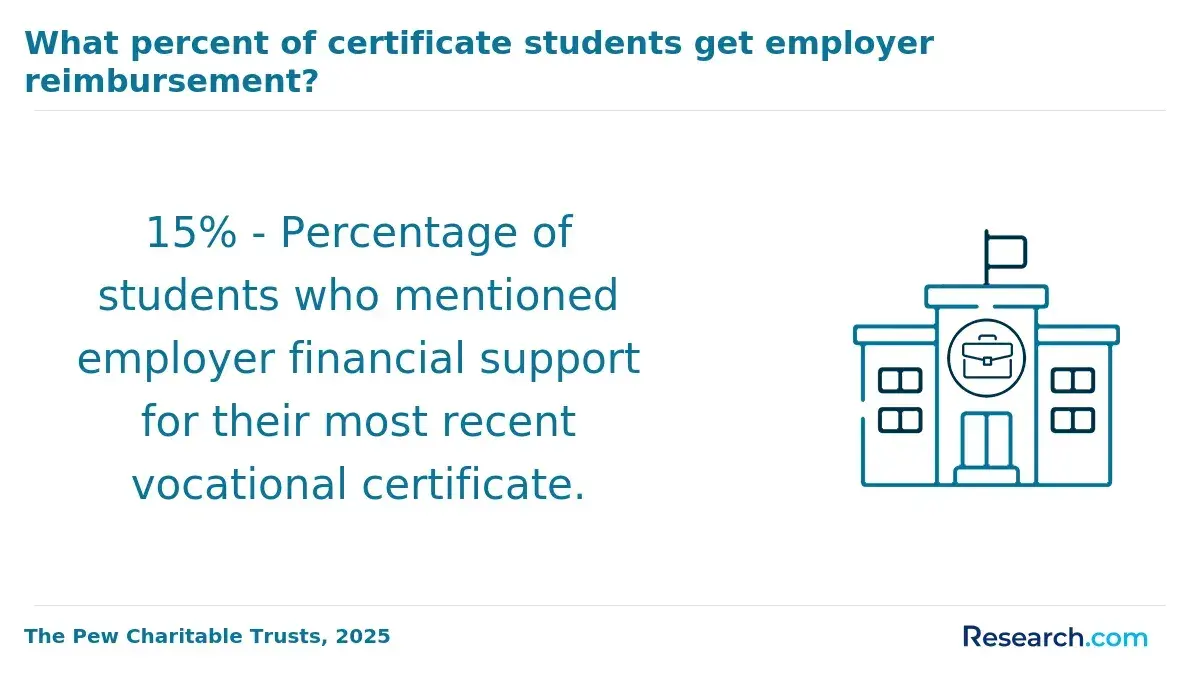
- Financial aid options: Employer tuition reimbursement, adult learner scholarships, and other assistance programs are increasingly accessible to help offset expenses.
Financial assistance plays a vital role for adults managing jobs, family, and coursework while pursuing political psychology degrees. Having access to support programs eases financial burdens, allowing students to focus on their studies without sacrificing their income or personal responsibilities.
Key financial aid avenues designed to support working adults include:
- Federal Aid: Programs like Pell Grants and federal student loans are accessed through the FAFSA process. Eligibility is influenced by income and enrollment status, making these resources fundamental for many students balancing work and studies.
- Employer Tuition Assistance: Many companies provide reimbursement or direct tuition support to encourage employee development. This often requires continued employment and meeting designated job performance standards.
- Adult Learner Scholarships: There are scholarships crafted specifically for nontraditional students, often awarding funds based on career experience, age, or educational ambitions without the need for repayment.
- Grants: Offered by states or private organizations, grants provide financial relief based on need or field of study and do not require repayment, distinguishing them from loans.
- Flexible Payment and Tax Benefits: Pay-as-you-go tuition plans help in managing education costs in increments, while tax credits like the Lifetime Learning Credit reduce the broader expenses associated with learning.
When I spoke with a professional who completed a political psychology degree while maintaining a full-time job, she shared how essential it was to carefully coordinate financial aid with work schedules. "Juggling deadlines and family obligations was stressful, but the tuition assistance from my employer made a huge difference," she recalled. She emphasized the importance of thorough research and applying early for scholarships tailored to adult learners, which helped ease her tuition costs significantly. Reflecting on the experience, she noted, "Without these support options, pursuing this degree while working full-time would have been almost impossible, but with the right aid and a flexible payment plan, it became achievable." Her story highlights how strategic use of available financial resources can empower working adults to advance academically without financial or personal compromises.
Adult learners in political psychology programs often juggle coursework alongside jobs and family duties, making it challenging to maintain academic momentum. Access to comprehensive institutional support is vital for helping these students manage responsibilities and persist toward graduation.
- Academic Advising: Tailored guidance supports students in choosing courses that fit their career objectives and time constraints, helping maintain consistent progress without overloading their schedules.
- Flexible Scheduling: Offering classes and materials at varied times or in asynchronous formats enables learners to study when it suits their work and personal lives, reducing conflicts and stress.
- Online Learning Support: Technical help and user-friendly digital platforms allow remote students to navigate coursework efficiently, making distance learning less daunting and more accessible.
- Cohort-Based Learning: Small peer groups build a sense of community and encourage accountability, which boosts motivation and helps students stay engaged throughout the program.
- Mental Health Resources: Access to counseling services and stress management tools is crucial in supporting emotional well-being during periods of intense workload and competing priorities.
Accreditation in political psychology programs ensures that an independent agency has reviewed and validated the curriculum, faculty, and resources against established academic standards. For working adults, accreditation is essential because it guarantees the quality and relevance of the education they receive, which can influence employer preference and job prospects. Additionally, only accredited programs allow students to access federal financial aid, an important factor for many adult learners managing education alongside full-time jobs. Recent statistics show that more than 40% of graduate students in the U.S. are aged 30 or older, underscoring the demand for credible, flexible programs designed for adults.
Accreditation also adds lasting credibility to a political psychology degree by enabling credit transfers to other institutions, which is crucial for students who may need to continue their education elsewhere. It often determines eligibility for professional licensure or certification that can enhance career opportunities. Without accreditation, degrees can face skepticism from employers and limit advancement options, making it vital for career changers and adult learners to choose accredited programs to protect their educational investment over time.
Salary growth is a key motivator for working professionals considering a Political Psychology degree, with typical salaries ranging from $50,000 to $90,000 annually depending on experience, industry, and job role. This financial incentive often drives adults balancing education with full-time employment to pursue such degrees for tangible returns.
- Industry Demand: Several sectors including government, consulting, and nonprofit organizations highly value specialized knowledge in political psychology. This demand can translate to better compensation as organizations seek experts who understand political behavior and decision-making dynamics.
- Role Advancement: Obtaining a political psychology degree can qualify individuals for leadership, research, or policy analysis roles. These positions generally come with higher pay, supporting career advancement with political psychology degree holders often moving into more strategic or managerial responsibilities.
- Employer Policies: Some employers have structured incentives such as raises or promotions tied to degree completion. These policies can directly contribute to salary increases, rewarding employees who invest in advanced education relevant to their job functions.
- Experience Synergy: Years of professional experience combined with a political psychology degree can significantly compound earning potential. Seasoned professionals leveraging their education are often better positioned to negotiate salaries or transition into higher-paying roles.
- Specialization: Expertise in niche areas within political psychology, such as conflict resolution or public opinion analysis, can open doors to specialized high-paying roles. Developing these focused skills enhances the value an individual brings to employers.
For working adults interested in advancing their education while balancing career demands, exploring options such as the cheapest EDD programs can provide flexible and affordable pathways to increase qualifications and, potentially, salary. Considering how a Political Psychology degree salary increase aligns with personal career goals is essential for making informed decisions about education investments.
A Political Psychology degree helps working adults move beyond entry-level roles by equipping them with advanced skills that qualify them for specialized and leadership positions. This degree deepens understanding of psychological influences on political behavior, enabling career advancement in various analytical and strategic fields.
For those exploring political psychology careers for working adults, here are some key roles that reflect upward mobility in this area:
- Political Analyst: This role involves analyzing voter behavior and political trends to support campaigns or policy decisions. A political psychology degree provides the insight into human behavior necessary for understanding complex political dynamics, making it ideal for experienced professionals advancing to this level.
- Policy Advisor: Policy advisors use knowledge of psychology to predict the impact of policies and advise leaders in government or nonprofits. This position highlights a career shift toward strategic influence and decision-making based on behavioral insights.
- Research Director: Leading teams and overseeing studies concerning political attitudes, research directors depend on the analytical and management skills gained through advanced political psychology education. It marks a clear leadership role with high responsibility.
- Public Relations Strategist: Developing communication plans that shape public perception and stakeholder relations requires expertise in persuasion and media effects, competencies enhanced by a political psychology degree.
- Organizational Consultant: Consultants advise political organizations on internal and external influence methods. The degree supports consulting roles by providing a deep understanding of group behavior and strategic intervention.
Adults seeking to advance their careers will find that job opportunities with a political psychology degree often demand critical thinking, strategic communication, and leadership skills. Prospective students balancing work and study should explore flexible, accredited programs tailored for their needs. For further guidance on valuable credentials that can boost earning potential, consider reviewing the best online certificate programs.
What Graduates Say About Their Political Psychology Degrees for Working Adults
- Kian: "Choosing an online political psychology program while working full-time was a game-changer for me. The flexibility allowed me to manage both my job and studies without sacrificing either, and considering the average program costs-which can be quite reasonable for working adults-I found it to be a worthwhile investment. Earning my degree has opened doors to policy analysis roles I hadn't imagined before. "
- Leonard: "Balancing work and study through a part-time political psychology degree was challenging but ultimately rewarding. The cost factored heavily into my decision, but the long-term career benefits, including enhanced critical thinking and research skills, justified every penny spent. This degree has deepened my understanding of voter behavior, enhancing my role in campaign strategy. "
- David: "Pursuing a political psychology degree online while maintaining my professional commitments was an opportunity to grow without pausing my career. While the expense was significant, it aligned with the average cost and proved to be a smart investment as it led to a leadership position in governmental research. The experience was rigorous yet gratifying, reshaping my career trajectory profoundly. "
Other Things You Should Know About Political Psychology Degrees
Yes, many institutions offer political psychology degrees online that cater to working adults. These programs provide flexible scheduling and asynchronous coursework, allowing students to balance studies with professional and personal commitments. Online formats often include interactive components such as discussion boards and virtual group projects to maintain engagement.
Most accredited master’s programs ask for a 3.0 GPA on a 4.0 scale. Some schools admit applicants with a 2.75 GPA if they show strong work experience, a personal statement, and academic references. Competitive programs may also request GRE scores and official transcripts.
In 2027, flexible political psychology programs for working adults often feature online or hybrid formats, allowing students to balance their studies with work commitments. Many programs also offer part-time enrollment options and cater to diverse backgrounds to enhance career advancement opportunities.
- Psychology (Part-Time) https://www.widener.edu/academics/adult-continuing-studies/psychology-part-time
- Study Psychology Abroad: Top Colleges, Costs, & Careers https://www.aeccglobal.com/study-abroad/courses/psychology
- FAQ - Career Opportunities with M.A. Psychology English Track https://www.ipu-berlin.de/studium/career-service/international-career-service/faq/
- Political Psychology https://ecpr.eu/group/political-psychology
- 12 Government Jobs You Can Pursue With a Psychology Bachelor's Degree - Psych Degree Starter https://psychdegreestarter.com/resources/governement-jobs-with-psychology-bachelors-degree/
- Political Psychology https://political-science.iresearchnet.com/political-psychology/
- International Society of Political Psychology - ISPP https://ispp.org/
- Online Political Science Degree https://www.snhu.edu/online-degrees/bachelors/ba-in-political-science
- BA part-time https://www.wits.ac.za/course-finder/undergraduate/humanities/ba-part-time/
- Department of Mass and Community Psychology https://ispp.org.ua/en/department-of-mass-and-community-psychology/