2027 Is a 2-Year Political Psychology Degree Worth It: Accelerated Bachelor's ROI & Time Trade-Offs

Co-Founder and Chief Data Scientist
Many prospective students face uncertainty about whether a 2-year accelerated political psychology degree offers sufficient value compared to traditional programs. According to recent data, accelerated degree graduates enter the workforce nearly 40% faster, but job placement rates in political psychology-related fields vary widely. This creates a challenge for individuals balancing education costs, time, and career prospects.
This article examines the return on investment of accelerated political psychology degrees by analyzing time trade-offs, graduate outcomes, and salary expectations. It aims to provide clear guidance to help students make informed decisions about pursuing a fast-tracked education in this evolving interdisciplinary field.
Key Benefits of a 2-Year Political Psychology Degree
- Accelerated 2-year degrees reduce tuition costs by nearly 40%, increasing ROI for political psychology graduates entering the workforce faster.
- Quicker completion allows earlier professional experience, improving career advancement and salary potential in roles like policy analysis and research.
- Political psychology roles have a 7% job growth rate, making swift entry advantageous for leveraging increasing demand while minimizing educational debt.
How Do 2-Year Political Psychology Programs Work?
Two-year political psychology degree programs offer an accelerated path to earning a bachelor's degree, allowing students to complete requirements in roughly half the time of traditional four-year programs. Understanding the structure of these programs is essential for prospective students aiming to balance intense coursework with career and financial goals. Below is a breakdown of how these accelerated political psychology program admissions and studies typically work.
- Accelerated pacing and year-round enrollment: These programs run continuously throughout the year with no lengthy breaks, enabling completion in two years by utilizing multiple short sessions instead of traditional semesters.
- Condensed course terms: Classes often last six to eight weeks, demanding focused study during shorter periods that intensify the learning experience compared to conventional scheduling.
- Credit load expectations: Students generally take 12 to 15 or more credits each term, requiring strong time management and dedication to handle the heavier workload.
- Instructional format: Programs commonly combine synchronous online lectures, asynchronous tasks, and interactive discussions, providing flexibility suited for working adults or those needing remote study options.
- Assessment methods: Frequent quizzes, research papers, exams, and projects assess knowledge on political behavior, decision-making processes, and social influence theories.
- Curriculum progression: Students complete foundational courses in psychology, political science, research methods, and statistics before advancing to specialized topics such as voter behavior or political cognition, all under academic advisement to ensure on-time graduation.
Educational research shows accelerated bachelor's degrees save up to two years and offer reduced tuition costs and opportunity expenses. With median earnings for bachelor's holders exceeding those with associate degrees by around 38%, these programs present a viable investment. For those evaluating options, understanding the detailed structure of a 2 year political psychology degree structure helps clarify expectations and commitments.
For those interested in related flexible degree options, exploring RN to BSN online programs without clinicals can also provide insights into accelerated program formats and supporting career goals.
What Are the Admission Requirements for a 2-Year Political Psychology Degree?
Knowing the admission criteria for an accelerated political psychology program is essential for students evaluating whether a 2-year political psychology degree aligns with their academic and professional goals. These requirements help ensure candidates are prepared for the fast-paced nature of the curriculum while maximizing the return on investment in both time and finances. Below is a detailed breakdown of common admission standards to guide prospective applicants.
- Prior Education: Applicants typically need a high school diploma or an equivalent credential. This baseline confirms readiness to begin higher education, though some programs may also consider prior college credits to accelerate the process.
- GPA Expectations: Most programs look for a minimum GPA between 2.5 and 3.0. Maintaining this academic standard signals the ability to succeed in a condensed timeline and rigorous coursework.
- Standardized Tests: While some accelerated political psychology programs require SAT or ACT scores, many waive these for candidates who bring relevant college-level credits or substantial work experience, making the admission process more accessible.
- Prerequisite Coursework: Foundational classes in psychology, political science, or research methods are often expected to prepare students for the specialized content ahead. Having these prerequisites can strengthen an application and improve academic outcomes.
- Professional or Volunteer Experience: Experience related to political psychology or social sciences may enhance admission chances. Admissions committees appreciate candidates who demonstrate practical engagement alongside academic readiness.
Students exploring these requirements for accelerated political psychology programs should also consider how they might afford tuition while studying. Accelerated degrees can reduce overall costs by shortening the time in school. For additional financial aid options, exploring resources like accredited medical billing and coding schools online can provide insight into comparable online education funding opportunities.
What Does a Typical Week Look Like in a 2-Year Political Psychology Program?
Knowing the weekly structure and workload is crucial for anyone considering an accelerated bachelor's degree in political psychology. The intensive format compresses a traditional program into two years, demanding consistent effort and strategic planning. Below is an overview of what students typically experience during a week in such a program.
- Class Sessions and Lectures: Students attend multiple sessions each week for every course, often blending live or in-person classes with recorded lectures to balance flexibility and engagement. Courses usually meet two to three times weekly, covering topics like political behavior and social influence.
- Assignments and Assessments: Weekly tasks include readings, quizzes, and research papers designed to reinforce learning continuously. The tight deadlines require disciplined time management to maintain steady progress throughout the program.
- Group Work: Collaborative projects and discussions are frequent, helping develop essential analytical, communication, and teamwork skills within the political psychology context.
- Independent Study: Students dedicate several hours weekly outside of class to review notes, analyze cases, or conduct research, often utilizing evenings or weekends for deeper focus.
- Instructor Interaction: Access to instructors is available through office hours, email, and discussion boards, though assistance tends to be succinct. Proactive communication is necessary to stay on track.
- Time Management: Balancing the accelerated pace with personal and professional duties demands disciplined scheduling and prioritization to optimize academic and life commitments.
When asked about his experience with an accelerated 2-year political psychology bachelor's, a graduate shared that the initial weeks were overwhelming, with constant shifts between classes and assignments. He recalled, "It felt like juggling multiple priorities with no room to pause."
He emphasized learning to break large projects into smaller tasks and the importance of setting strict daily goals. Despite the intensity, he found the program rewarding, reflecting that the fast pace honed his focus and efficiency in ways a traditional timeline might not have.
Choosing the right delivery format is crucial for students pursuing an accelerated political psychology degree, as it affects flexibility, accessibility, and how they manage their time. Online programs often offer varied structures that can accommodate different learning styles and personal schedules. The following points outline key aspects of these programs and what students can expect.
- Program formats: Fully online two-year political psychology degrees are uncommon. Most programs use a hybrid model, combining online coursework with occasional live sessions or on-campus requirements to ensure comprehensive learning.
- Learning styles: Asynchronous classes let students study at their own pace, making it easier to balance work or family commitments. Synchronous sessions and interactive forums help maintain engagement and collaboration despite the remote setting.
- Technology needs: Reliable high-speed internet and updated devices are essential. Students often require access to specialized research and data analysis software for coursework.
- Support services: Many programs provide virtual tutoring, academic advising, and career counseling to help students stay on track with the accelerated timeline.
- Pacing and engagement: While asynchronous components offer flexibility, staying motivated can be challenging without in-person structure. Scheduled live interactions are important to foster active participation and deeper understanding.
Calculating the total cost of a 2-year political psychology degree is vital for assessing its return on investment, especially since accelerated programs compress traditional coursework into a shorter timeframe. This faster pace can lower tuition expenses but may increase the frequency of fees and material costs. Considering these factors helps students with the tuition fees for accelerated political psychology program plan and budget effectively.
- Tuition structure: Accelerated political psychology programs often charge per credit hour. Although the overall tuition may be less than a traditional four-year degree due to the condensed schedule, students typically take more credits each term, which can affect term-to-term expenses.
- Fees: Students encounter recurring fees such as technology, lab, and administrative charges every term. The compact duration means these fees accumulate faster than in traditional programs, influencing the total cost of 2-year political psychology degree completion.
- Textbooks and materials: Specialized textbooks, software, or political psychology learning resources may be necessary. The increased course load within the shorter timeframe often means purchasing materials more frequently, adding to the expense.
- Technology costs: Reliable devices and internet service are essential, particularly if the program includes online components or research projects. Technology fees might also be part of the overall expenses.
Stats from the National Center for Education Statistics show accelerated bachelor's students save roughly 1.5 to 2 years compared to traditional paths, positively impacting overall education costs. However, this faster pace can lead to more frequent fee and material costs per academic year. For those exploring affordable educational options, comparing costs with low cost medical coding and billing online program alternatives might offer valuable insights into managing educational expenses.
Financial aid plays a crucial role for students weighing accelerated options in political psychology, as managing costs within a condensed timeframe can be challenging. Securing appropriate funding helps balance the intensity of faster degree completion with financial feasibility. Below is an overview of key financial aid avenues and how the accelerated format might influence availability and disbursement.
- Federal student aid eligibility: Students enrolled in accredited two-year political psychology programs typically qualify for federal aid like Pell Grants and Direct Loans. However, compressed academic terms may impact how and when funds are distributed across the accelerated schedule.
- Scholarships and grants: State and institutional awards remain options, often contingent on academic achievement or residency requirements. Some scholarships may have restrictions related to program length or enrollment intensity, so confirming details with financial aid offices is advised.
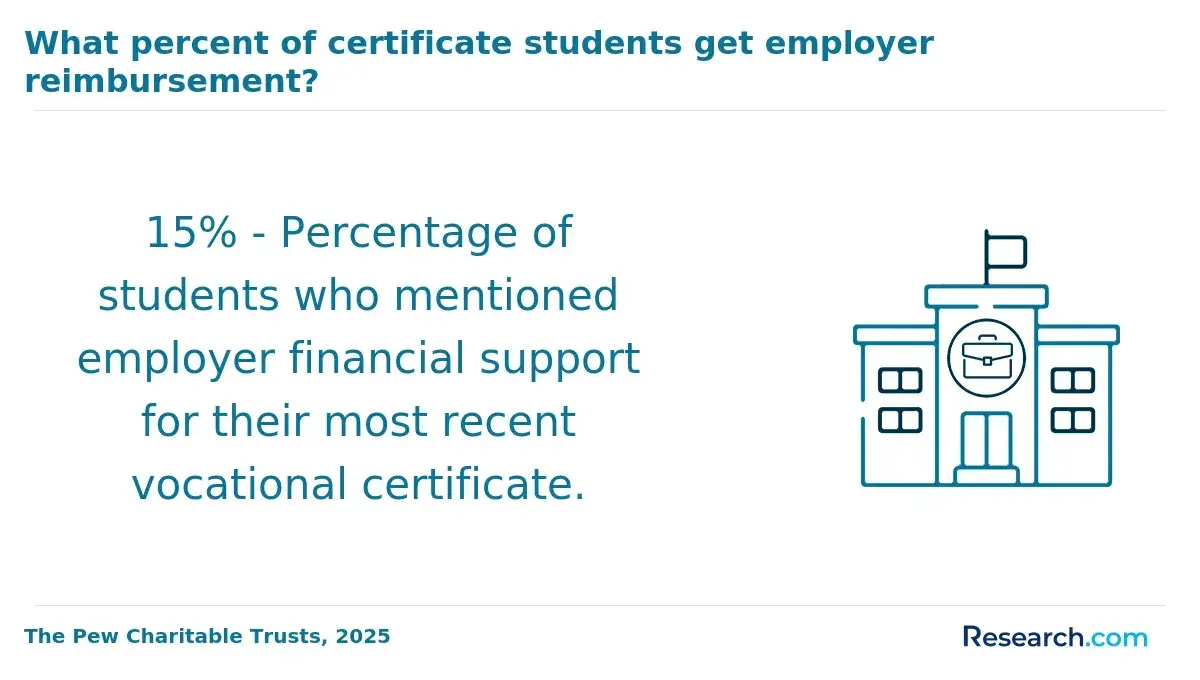
- Employer tuition assistance: For working adults, many employers offer support through tuition reimbursement or assistance programs. These benefits can help offset expenses while balancing job responsibilities alongside accelerated study.
- Flexible payment plans: Several institutions provide payment plans that break tuition into manageable installments, easing the upfront financial burden commonly associated with accelerated programs.
- Disbursement timing and eligibility considerations: Because accelerated degrees condense coursework, students should verify how shortened semesters affect aid eligibility and the scheduling of fund releases to ensure consistent support throughout enrollment.
When asked about using financial aid for an accelerated bachelor's degree in political psychology, a professional graduate described the journey as both intense and rewarding. "At first, managing the paperwork and deadlines for aid felt overwhelming," she shared, "especially since the usual semester timelines didn't apply."
She emphasized the importance of frequent communication with the financial aid office to navigate the unique disbursement schedules. Accessing employer tuition assistance also proved essential, providing a steady financial boost that complemented federal aid. Reflecting on her experience, she noted that while the fast pace meant fewer breaks and greater focus, the combination of aid options made completing the degree in two years financially feasible and worthwhile."
Evaluating the career outcomes of a 2-year political psychology degree is crucial for prospective students assessing the value of an accelerated bachelor's program. Knowing what job prospects and career paths are available helps align expectations with the time commitment and investment required. This insight can guide candidates toward opportunities that best leverage their unique blend of skills and knowledge.
- Research Assistant: Graduates often start as research assistants in government agencies, nonprofit organizations, or market research firms. These roles involve analyzing voter behavior and public opinion, applying critical thinking and data analysis skills developed through the program.
- Policy Analyst: Entry-level policy analysts use their understanding of sociopolitical behavior patterns to influence public policy decisions. Their work supports legislative or advocacy efforts and helps shape effective government programs.
- Community Outreach Coordinator: Political psychology graduates frequently serve as community outreach coordinators, engaging with diverse populations to build support for campaigns or social initiatives. Communication and interpersonal skills are essential in these roles.
- Legislative Aide or Public Affairs Specialist: Many graduates use the accelerated degree as a stepping stone to assist lawmakers or manage public relations. These positions demand a solid foundation in research methods and psychological theory for communicating complex political issues.
- Junior Consultant in Political Risk or Polling Firms: Early-career consultants apply their knowledge to evaluate political risks or design polling strategies. The program's workforce readiness emphasis prepares graduates to enter competitive markets quickly and effectively.
Because this accelerated program condenses traditional coursework into approximately two years, students benefit from faster workforce entry and cost savings, factors that positively impact overall return on investment. Students aiming to explore related fields may also consider programs like the cheapest online healthcare administration degree as alternatives or complements to their education.
Overall, career options with accelerated political psychology degree completion extend across public, private, and nonprofit sectors that value analytical skills and sociopolitical insight in shaping policy and community outcomes.
Salary outcomes are a critical factor when evaluating the return on investment (ROI) of accelerated versus traditional degree paths in political psychology. Understanding how earnings differ can help prospective students decide if the quicker completion time of a 2-year political psychology degree aligns with their financial and career goals. The following comparison explores key salary considerations between accelerated and traditional bachelor's programs.
- Early-career earnings: Graduates with a 2-year political psychology degree salary comparison reveals that these early-career salaries often start lower, typically ranging from $40,000 to $45,000 annually, reflecting the shorter study duration. Traditional bachelor's degree holders tend to earn around $60,000 initially, benefiting from more comprehensive training.
- Long-term earning potential: While accelerated programs allow quicker entry into the workforce, lifetime earnings for traditional bachelor's graduates are generally higher due to broader qualifications and professional networks. Over time, salary growth for those with a four-year degree typically outpaces that of accelerated degree holders.
- Employer perception: Many employers in public policy and research fields prioritize four-year bachelor's degrees for positions requiring advanced analytical and research skills. This preference can influence promotion speed and salary increases, impacting overall earnings with accelerated political psychology bachelor's degrees.
- Career progression timelines: Traditional graduates often experience faster career advancement within political psychology roles owing to the depth of their education. Accelerated degree holders may need more time to attain similar levels despite earlier workforce entry.
- Earlier income accumulation: Entering the job market 1-2 years sooner can help graduates of accelerated programs begin earning and gaining experience earlier, potentially narrowing some salary gaps over time despite initially lower pay. This factor plays a role when evaluating earnings with accelerated political psychology bachelor's options.
For those considering educational costs alongside salary outcomes, exploring affordable degree options is valuable; for instance, the cheapest RN to BSN online programs demonstrate how reduced tuition contributes to financial planning in accelerated pathways.
Return on investment (ROI) is a vital factor for students considering accelerated political psychology degree programs, as it weighs the financial and career benefits against the time and money invested. Evaluating ROI helps determine whether completing a degree faster aligns with long-term goals. Several critical elements play a significant role in shaping these outcomes.
- Time-to-completion: Accelerated degrees shorten the path to graduation, often allowing completion in about two years instead of the usual four, thereby cutting both direct and indirect education costs substantially.
- Tuition and total cost: While per-credit fees tend to mirror traditional programs, the condensed format can lower overall expenses, though some programs may charge premiums that affect affordability and ROI.
- Opportunity cost savings: Graduates benefit from entering the workforce or continuing education earlier, which can translate into higher lifetime earnings through sooner access to income and career development.
- Employment prospects and industry demand: Careers linked to political psychology such as public policy and social research exhibit moderate to strong growth projections, influencing job availability and salary potential.
- Salary growth potential: Earning a bachelor's degree typically leads to a significant income boost compared to only a high school diploma, with accelerated programs allowing this advantage to start earlier.
- Transferable skills: The analytical, critical thinking, and political behavior insights gained are applicable across various sectors, enhancing adaptability and long-term career flexibility.
When deciding if a 2-year political psychology degree fits your needs, assess your learning preferences and schedule. Accelerated programs demand fast comprehension and sustained focus, which may not suit those who prefer gradual learning. Consider your current availability to commit to an intensive curriculum, since these programs streamline what typically takes four years into half that time.
If entering the workforce quickly is a priority, the shorter duration can provide a significant advantage. Reflect on how urgently you want to advance your career and whether an accelerated path matches your goals and personal circumstances.
Financially, these shorter degrees can lower overall tuition and living expenses, but costs vary widely depending on the school. Weigh potential savings against median career earnings, noting that entry-level roles in political psychology-related fields may offer lower wages initially.
Employer preferences can differ; some may value traditional degrees or advanced qualifications over accelerated credentials. Also consider how flexible your career plans are, since certain positions might require or favor extended study or experience. Balancing cost, return on investment, and career aspirations is essential when choosing this faster academic route.
What Graduates Say About Their 2-Year Political Psychology Degree
- Kian: "Choosing the 2-year accelerated political psychology program was a no-brainer for me because I wanted to jumpstart my career without sacrificing quality education. The intensity of the schedule was challenging but manageable with strict planning and dedication. Now, as a policy analyst, the insights I gained help me navigate complex political behaviors every day, and knowing the average cost of attendance made it feel like a smart investment. "
- Leonard: "I was drawn to the 2-year political psychology degree to reduce my time in school while still diving deep into the subject matter that fascinates me. Balancing coursework and part-time work was tough, but the condensed format encouraged me to develop strong time-management skills. Reflecting on my career as a campaign strategist, this degree gave me a significant edge in understanding voter psychology. The accelerated path was intense but absolutely worth the effort. "
- David: "The decision to pursue an accelerated 2-year degree in political psychology was driven by my professional goals and the realistic need to manage tuition costs effectively. The program's fast-paced nature required me to stay disciplined, but it allowed me to swiftly transition into the workforce as a consultant focused on political communication. Having this credential has expanded my opportunities and credibility in the field. "
Other Things You Should Know About Political Psychology Degrees
Most accelerated bachelor’s programs require a 2.5–3.0 minimum GPA, a completed high school diploma or transferable college credits, and an application package with transcripts, a personal statement, and one or two recommendations. Some schools also ask for prior statistics or research-methods coursework.
In 2027, a political psychology degree can open doors to careers in campaign management, policy analysis, public relations, and governmental consulting. Graduates may also explore roles in nonprofit organizations, think tanks, or pursue advanced degrees for academic and research positions.
An accelerated 2-year political psychology degree covers core foundational knowledge but may offer fewer elective courses or research opportunities compared to traditional programs. This can affect preparation for graduate studies, which often value research experience. Prospective graduate students might need to supplement their education with internships or independent research to strengthen their applications.
- How to Get a Bachelor's Degree Faster https://www.snhu.edu/about-us/newsroom/education/how-to-get-a-bachelors-degree-faster
- How to Become a Political Psychologist | Career Guide https://careersinpsychology.org/employment-outlook-career-guidance-political-psychologists/
- My journey in Political Psychology | BPS https://www.bps.org.uk/psychologist/my-journey-political-psychology
- Political Science/JD Degree Accelerated, BA https://bulletin.uakron.edu/undergraduate/colleges-programs/arts-sciences/political-science/political-science-jd-degree-accelerated-ba/
- Financial Aid For Psychology Students | Psychology.org https://www.psychology.org/resources/financial-aid/
- How to Find Financial Aid for Psychology School | All Psychology Schools https://www.allpsychologyschools.com/financial-aid/
- Accelerated B.A. in Political Science (Politics, Policy, & Public Service)/M.A. in Political Science https://catalog.twu.edu/undergraduate/arts-sciences/political-science/accelerated-political-science-ba-ma-politics-policy-public-service/
- Two-year MA Program in Politics | Department of Political Science https://politicalscience.ceu.edu/two-year-ma-program-political-science