2027 Part-Time vs Full-Time Online Gender & Sexuality Studies Bachelor's Degree Programs

Co-Founder and Chief Data Scientist
Imagine a mid-career professional balancing a full workload while considering a bachelor's degree in gender & sexuality studies to pivot toward advocacy work. Managing job demands alongside study time presents a tough choice: pursue full-time enrollment for a faster graduation or opt for part-time to maintain income stability. This dilemma affects many, especially since 45% of online gender & sexuality studies students report work-related challenges during their education.
Navigating these options impacts not only academic progress but also career planning and financial well-being. This article explores the nuances of part-time versus full-time online gender & sexuality studies bachelor's degree programs to guide prospective students toward informed decisions.
Key Benefits of Part-Time vs Full-Time Online Gender & Sexuality Studies Bachelor's Degree Programs
- Part-time programs offer greater scheduling flexibility, allowing students to balance coursework with jobs or family, whereas full-time programs demand a more fixed, time-intensive schedule.
- Full-time students typically complete online gender & sexuality studies degrees in about four years, while part-time students take six years or longer, extending career and academic milestones.
- Many learners find part-time study better supports managing personal, career, and educational responsibilities, reducing stress compared to full-time program demands that require full availability.
What is the difference between part-time and full-time online gender & sexuality studies bachelor's degree programs?
Part-time and full-time online gender & sexuality studies bachelor's degree programs differ mainly in workload, pacing, and overall time commitment. Many students appreciate these variations, especially as over 40% of online learners in the U.S. enroll part-time, balancing education with other life priorities. These enrollment types shape the structure and intensity of study, influencing the student experience. Below is a comparison of key features.
Part-Time Online Programs
- Course Load: Students take fewer classes each semester, easing the weekly academic demand and allowing more time for outside responsibilities.
- Scheduling Flexibility: Coursework is often spread over longer periods, providing adaptable timelines to fit work or family commitments.
- Study Intensity: The weekly workload is lighter, which promotes steady progress without overwhelming time pressure.
- Academic Pacing: Slower progression through curriculum requirements offers opportunities for deeper reflection and application of materials.
Full-Time Online Programs
- Course Load: Students typically enroll in more classes per term, resulting in a more concentrated workload each semester.
- Scheduling Rigidity: Full-time study usually follows a fixed semester schedule with consistent weekly obligations.
- Study Intensity: The commitment is higher on a weekly basis due to the accelerated pace and volume of coursework.
- Academic Pacing: Curriculums move rapidly, encouraging immersion in complex topics and quicker mastery of material.
Choosing between part-time vs full-time online gender & sexuality studies bachelor's degree options depends on individual schedules and goals. For those exploring focused graduate study, programs such as 1 year master's programs online highlight the diversity of pacing and intensity possible in today's online education landscape.
How long does it take to complete part-time vs full-time online gender & sexuality studies bachelor's degrees?
Completion time for an online bachelor's degree in Gender & Sexuality Studies varies based on enrollment intensity and individual pacing. Full-time students often graduate faster, typically within four to five years. According to the National Center for Education Statistics, the average completion time for full-time students pursuing bachelor's degrees is roughly 4.5 years. The following comparison highlights key differences between part-time and full-time online paths.
Part-Time Online Programs
- Flexible Scheduling: Part-time students enroll in fewer credits per term, often 6 to 9, enabling them to balance education with work or family commitments.
- Extended Duration: Taking a lighter course load spreads requirements over more semesters, often leading to six years or more to complete the degree.
- Asynchronous Options: Many programs offer asynchronous classes and multiple start dates to support varied schedules, though careful planning is necessary to avoid delays.
- Steady Progress: Despite longer timelines, part-time enrollment offers a manageable pace for nontraditional learners prioritizing other responsibilities.
Full-Time Online Programs
- Accelerated Completion: Full-time students usually take 12 to 15 credits per semester, which can shorten the pathway to graduation to around four to five years.
- Consistent Scheduling: More structured semesters help maintain momentum and meet degree requirements efficiently.
- Continuous Enrollment: Full-time learners typically follow a steady, uninterrupted course load, which supports timely degree completion.
- Focused Commitment: Higher enrollment intensity allows students to prioritize academics and progress swiftly through their Gender & Sexuality Studies coursework.
Students exploring full-time vs part-time online gender & sexuality studies degree completion time should consider how pacing impacts their degree progression. For those weighing options, resources listing the cheapest online psychology degree programs may provide insight into affordable online study paths with flexible durations.
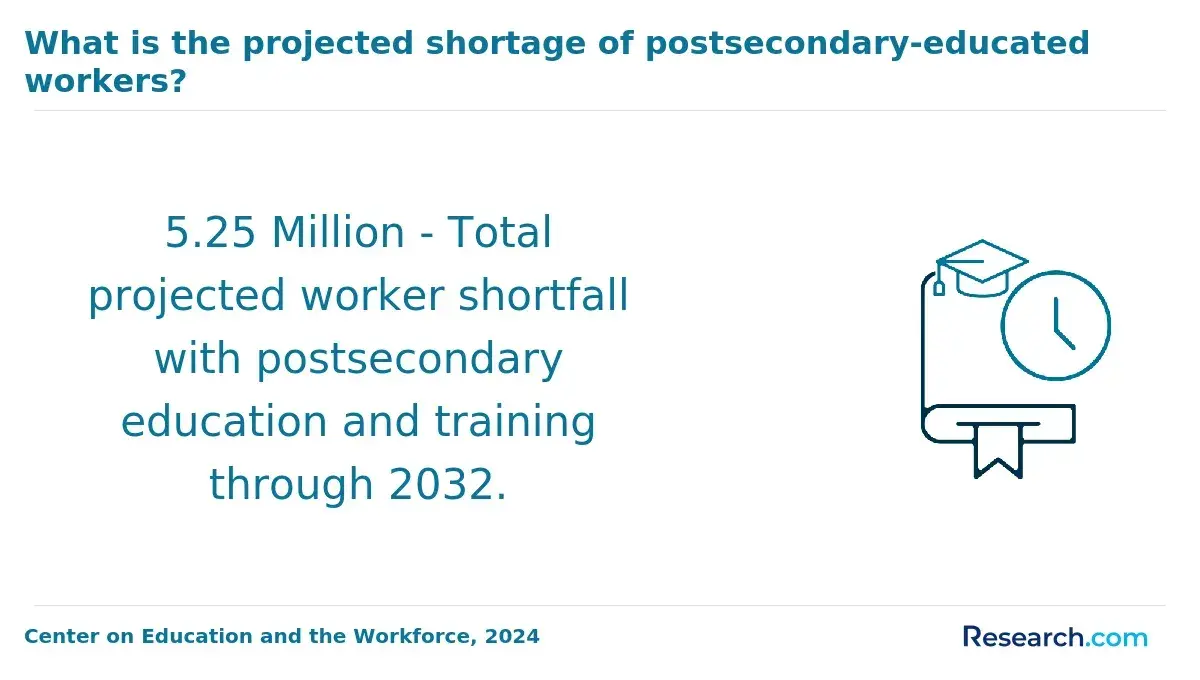
What is the workload for a part-time vs. a full-time online gender & sexuality studies bachelor's degree?
The workload for part-time and full-time online gender & sexuality studies bachelor's degree students varies mainly in course load, weekly hours, and pacing. Full-time learners typically enroll in three to five courses per semester, dedicating around 30 to 40 hours each week to reading, assignments, and participating in discussions.
In contrast, part-time students usually take one or two courses, spending about 10 to 20 hours weekly, which offers greater flexibility for balancing other commitments. The pacing also differs, with full-time schedules demanding more frequent engagement throughout the semester, while part-time programs often provide extended deadlines and fewer simultaneous assignments. This variation allows part-time students to absorb material at a slower, more manageable rate without compromising academic rigor.
Both study formats uphold similar standards for assignment quality and deadlines, but the intensity of those demands contrasts notably. Full-time students face tighter schedules with overlapping deadlines, requiring strong time management to handle multiple projects and course responsibilities simultaneously.
Part-time learners benefit from fewer concurrent assignments and can spread their workload over longer periods, which helps prevent burnout and supports sustained focus on individual courses. Regardless of enrollment status, adult students must balance academic responsibilities with personal and professional commitments, making disciplined scheduling essential to success in either path.
Which option is better for working adults in an online gender & sexuality studies bachelor's degree?
Both part-time and full-time online programs can suit working adults pursuing a gender & sexuality studies bachelor's degree, depending on their availability, workload tolerance, and personal responsibilities. The National Center for Education Statistics notes that about 45% of online undergraduates maintain full-time employment. Here are critical aspects to consider when comparing these options:
- Scheduling Flexibility: Part-time enrollment tends to offer enhanced flexibility, making it easier to juggle coursework alongside work and family obligations. Full-time study generally demands a more fixed schedule.
- Workload Intensity: Full-time students often face a heavier course load each term, which can be demanding for those with substantial job duties. Part-time students spread their classes out more gradually.
- Time Management: Managing deadlines and frequent assignments can be more intense for full-time learners, while part-time students experience a slower pace in assessments and projects.
- Completion Pace: Full-time students typically earn their degrees in about four years, whereas part-time students may take longer to finish, depending on their course load each term.
- Personal Commitments: Part-time study offers greater adaptability to accommodate unforeseen life events, which might be harder to handle with a full-time program's demands.
A working professional enrolled in an online gender & sexuality studies bachelor's program shared that balancing her day job and studies was initially overwhelming. She found that pacing herself part-time during the busiest work periods helped her maintain progress without burnout.
"Choosing when to tackle assignments based on my weekly energy levels made a huge difference," she reflected. This flexibility empowered her to continue working while steadily advancing toward her degree, illustrating how personal circumstances heavily influence the best path forward.
Can I switch from part-time to full-time in an online gender & sexuality studies bachelor's degree?
Many online bachelor's degree programs in Gender & Sexuality Studies provide the option for students to transition between part-time and full-time enrollment based on changes in their personal schedules, work demands, or academic progress. This flexibility supports nontraditional learners who require adaptable study plans.
According to a 2022 Online Learning Consortium survey, about 67% of students in online programs shift their enrollment status at some point, reflecting the common nature of enrollment mobility. Such adaptability can help students better align their education timeline with evolving commitments. For those exploring options, it is useful to review specific program guidelines and performance expectations before switching.
When transitioning from part-time to full-time studies in an online Gender & Sexuality Studies bachelor's degree program, students should consider the increased academic workload and faster pace of courses. Full-time enrollment typically demands more consistent time management and study dedication, which may affect personal or professional responsibilities. Institutional policies often require official approval or paperwork before changes take effect, influencing the timing of the switch.
Additionally, factors like course registration deadlines and access to student support services can impact the process. Students interested in flexible degree options might also explore online PsyD programs for related insights on navigating online graduate education pathways.
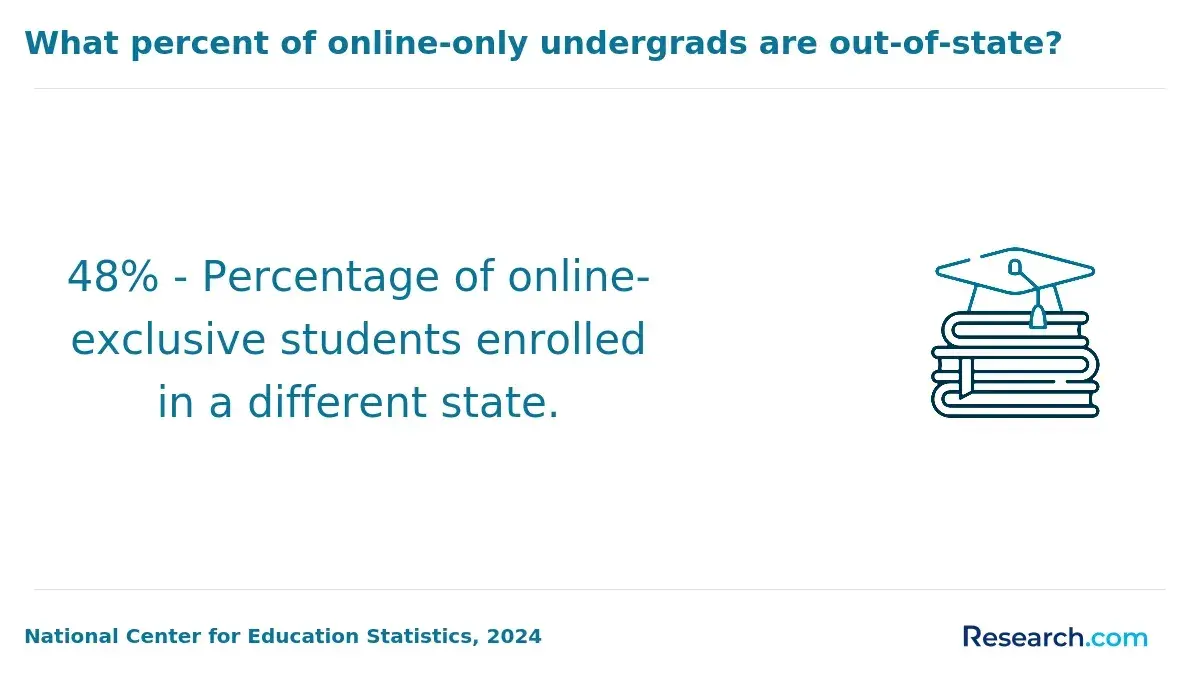
How does tuition differ for part-time vs full-time online gender & sexuality studies bachelor's degrees?
Tuition for online gender & sexuality studies bachelor's degrees varies based on enrollment status, pacing, and how institutions charge for their programs. On average, the total cost for these degrees ranges widely due to differences in credit pricing and term structures. Understanding these distinctions can help students choose the best path suited to their schedules and budgets.
Part-Time Online Programs
- Per-Credit Pricing: Part-time students usually pay tuition based on the number of credits they take each term, allowing for smaller, incremental payments that align with their course load.
- Extended Duration: Because fewer credits are completed each term, part-time study often leads to a longer overall timeline to finish the degree, which may increase total costs.
- Flexible Payment Schedule: Tuition payments are made more frequently but involve smaller amounts, helping students manage expenses alongside work or personal commitments.
- Cost Consistency: Many programs charge the same rate per credit whether a student is part-time or full-time, making pacing the main factor influencing total tuition.
Full-Time Online Programs
- Flat-Rate Tuition: Full-time enrollment typically involves a fixed tuition fee per term that covers a set credit load, often offering cost efficiency for students who enroll in a heavier course schedule.
- Faster Completion: Taking more credits per term enables students to finish their degree sooner, potentially reducing overall costs and time spent in the program.
- Lump-Sum Payments: Full-time students usually make larger payments at the start of each term, requiring careful upfront financial planning.
- Credit Load Limits: While the rate per credit might be the same, full-time students benefit from the cap on total credits billed each term, which can provide predictable expenses.
A graduate of an online gender & sexuality studies bachelor's degree shared that managing tuition as a part-time student required balancing work commitments and financial strain. He recalled, "I appreciated the smaller payments each term, but the prolonged timeline sometimes felt overwhelming."
The flexibility allowed him to adapt his study load to busy periods, though he also noted that staying on track demanded constant budgeting and discipline. His experience highlighted how payment pacing and program length significantly affect the student journey beyond just the dollar amount.
Which option offers better financial aid for an online gender & sexuality studies bachelor's degree?
Financial aid availability for online gender & sexuality studies bachelor's degree students depends largely on enrollment status, eligibility criteria, and each institution's specific policies. Notably, only about 34% of part-time online undergraduates receive any form of financial aid, illustrating the challenges faced by those who enroll part-time.
Below is a comparison of how key types of financial aid differ between part-time and full-time students in this field.
- Federal grants: These are usually tied to half-time or greater enrollment, making them more accessible to full-time students. Part-time students often have limited or no eligibility for grants like Pell Grants, reducing their grant funding options.
- Federal student loans: Both part-time and full-time students can qualify for federal loans, but full-time students typically have access to higher loan limits. This difference can impact the total funding available to support tuition and related expenses.
- Institutional scholarships: Many colleges prioritize full-time enrollment when awarding scholarships. However, some schools offer prorated or adjusted scholarships to part-time students, providing partial financial support based on the course load.
- Work-study programs: These programs generally favor full-time students, since federal work-study funds and institutional restrictions limit awards to part-time students. Consequently, full-time enrollees often have better access to these opportunities.
- State aid programs: State support varies widely, but many programs prioritize full-time students. Still, some states have financial aid options targeting part-time online students, especially those balancing education with work or family commitments.
What are the pros and cons of part-time vs full-time online gender & sexuality studies bachelor's degrees?
Choosing between part-time and full-time online gender & sexuality studies bachelor's programs involves balancing flexibility, workload, and the pace of learning. The decision impacts how quickly students can graduate, their financial outlay, and the depth of their academic engagement. Below is a comparison of key pros and cons to consider.
Pros
- Part-Time Flexibility: Part-time students can balance education with work or family commitments, making it ideal for nontraditional learners.
- Reduced Stress: Part-time study often means a manageable workload, allowing deeper retention of complex topics in gender theory.
- Faster Completion: Full-time students generally finish within four years, speeding entry into careers or advanced opportunities.
- Immersive Learning: Full-time status facilitates richer academic discussions and stronger connections with peers and faculty.
Cons
- Extended Timeline: Part-time programs can take six or more years to complete, potentially delaying graduation and career advancement.
- Limited Networking: Part-time students might miss out on campus resources and community engagement.
- Greater Time Demand: Full-time study requires significant hours, challenging those with jobs or other responsibilities.
- Higher Immediate Costs: Full-time learners may face increased financial burden, especially if needing to reduce work hours.
Students weighing these options should also consider resources for affordable education, such as the cheapest online MBA no GMAT programs, which highlight pathways for efficient, budget-friendly advancement. This aligns well with assessments focusing on flexibility and workload comparison for online gender & sexuality studies bachelor's programs to match each student's unique life circumstances and goals.
Does part-time vs full-time affect career outcomes in an online gender & sexuality studies bachelor's degree?
When comparing part-time and full-time enrollment in an online Gender & Sexuality Studies bachelor's degree, many students question how these options influence career advancement. According to a 2022 National Association of Colleges and Employers (NACE) survey, 65% of employers emphasize skills and practical experience over the mode or duration of study during hiring.
This focus shapes how career prospects develop after completing full-time versus part-time gender and sexuality studies online programs. Consider these key factors:
- Skill Development: Employers prioritize mastery of critical thinking, research, and communication skills regardless of whether students study part-time or full-time. These competencies directly impact career prospects after completing full-time versus part-time gender and sexuality studies online programs.
- Work Experience Integration: Part-time students often balance employment or internships alongside their studies, allowing them to apply real-world experience to academic concepts which enhances employability and career advancement.
- Degree Credibility: Accredited programs ensure recognized qualifications that employers trust equally for both part-time and full-time learners, influencing long-term career outcomes more than enrollment pace.
- Progression Opportunities: Full-time students may complete their degrees sooner, accessing early career opportunities, while part-time students benefit from extended networking and applied learning periods that support ongoing career growth.
- Time Management and Consistency: Successful career outcomes rely on steady academic engagement and the ability to balance responsibilities, an essential skill for both enrollment types.
Choosing between part-time and full-time study ultimately depends on personal circumstances rather than professional potential. For those exploring flexible educational paths, resources like the cheapest online physics degree listings can provide insight into affordable options across disciplines.
What mistakes should I avoid in part-time vs full-time study?
Selecting between part-time and full-time online Gender & Sexuality Studies bachelor's programs demands thorough preparation to prevent common obstacles that impact academic achievement. According to the National Center for Education Statistics, about 40% of online learners struggle with balancing workload and time management, which affects retention rates. Recognizing these challenges early can help students navigate their online education more effectively.
- Underestimating Workload: Both part-time and full-time students often misjudge the amount of study time required. Part-time learners might expect less intensity, while full-time students can assume the pace will be manageable, but in reality, coursework demands are substantial for both schedules.
- Poor Time Management: This is especially problematic for part-time students balancing employment and family. Without a structured routine, falling behind is common, regardless of study mode.
- Scheduling Conflicts: Full-time students may face back-to-back classes or mandatory synchronous sessions that clash with responsibilities. Part-time students might encounter limited course availability that doesn't fit their timetable.
- Unrealistic Progress Expectations: Full-time students sometimes overestimate how quickly they'll advance, while part-time learners may underestimate the total time to graduate, leading to frustration or burnout for both groups.
- Neglecting Support Networks: Online study can feel isolating, but students who don't engage with faculty and peers risk lower motivation and higher dropout rates.
What Graduates Say About Part-Time vs Full-Time Online Gender & Sexuality Studies Bachelor's Degree Programs
- Yitzchok: "I chose the part-time online gender & sexuality studies bachelor's program because it allowed me to balance my work and family responsibilities while pursuing my passion. The flexibility was crucial in managing coursework alongside a busy schedule, though it required discipline to stay on track. Earning this degree has broadened my understanding and opened doors to advocacy roles I hadn't imagined before."
- Boston: "Enrolling full-time in the online gender & sexuality studies bachelor's program was a deliberate decision to immerse myself fully in the subject. Though the accelerated pace was challenging, interacting with diverse classmates and engaging deeply with complex topics enriched my perspective immensely. This experience has been transformative professionally, equipping me for leadership positions focused on inclusion and equity."
- Adriel: "Pursuing the gender & sexuality studies bachelor's degree online part-time was the best fit for me, given my desire to continue working while studying. Juggling deadlines and self-motivation were the biggest hurdles, but the supportive faculty and accessible materials helped tremendously. Now, I feel empowered to contribute meaningfully in social justice initiatives and educational environments."
Other Things You Should Know About Gender & Sexuality Studies Degrees
Employers increasingly recognize online Gender & Sexuality Studies degrees, valuing the digital skills and dedication required. Whether earned part-time or full-time, both formats provide a robust foundation in critical thinking and societal dynamics, equipping graduates with pertinent skills for diverse career paths.
Part-time online students in gender & sexuality studies programs typically have access to internships and fieldwork opportunities, but availability may depend on the specific program's structure and scheduling flexibility. Many schools offer virtual or local options that can accommodate part-time schedules. It is important to consult with academic advisors early to coordinate practical experiences that fit your timeline.
Yes, part-time students generally receive equal access to online libraries, research databases, discussion forums, and faculty support as full-time students. Online gender & sexuality studies programs are designed to provide comprehensive resources regardless of enrollment status. However, some time-sensitive services like tutoring or live sessions might have limited availability depending on the student's schedule.
References
- Part Time vs Full Time Study: Choose What Fits Your Boots https://www.uniccm.com/blog/part-time-vs-full-time-study-choose-what-fits-your-boots
- Pros and Cons of part-time study https://www.bcu.ac.uk/student-info/types-of-study/postgraduate/postgraduate-taught-blog/part-time-pros-and-cons
- Can I switch from part time to full time doing Open Uni https://www.thestudentroom.co.uk/showthread.php
- Part-time work for women: Does it really help balance work and family? - R Discovery https://discovery.researcher.life/article/part-time-work-for-women-does-it-really-help-balance-work-and-family/d0457f6b64393651a39000a0cbe3ad47
- Digital Academic Repository - University of Amsterdam https://dare.uva.nl/search
- Internal error http://assistive.usablenet.com/tt/www.valdosta.edu/colleges/career-advancement/financial-aid-for-online-students.php
- Our Graduates' Successes: What the Data Tells Us About the Value of Women's and Gender Studies Degrees https://msmagazine.com/2025/07/20/college-degrees-womens-gender-sexuality-ethnic-africana-indigenous-disability-studies-graduates/
- Can I change from full time to part time study? https://usqassist.custhelp.com/app/answers/detail/a_id/1447/~/can-i-change-from-full-time-to-part-time-study%3F
- Which college to choose - full-time or part-time? - PJAIT https://pja.edu.pl/en/studia-stacjonarne-dzienne-czy-niestacjonarne-zaoczne-studiuj-na-wlasnych-warunkach/