2027 Online Gender & Sexuality Studies Bachelor's Degree Programs With No SAT or ACT Requirements

Co-Founder and Chief Data Scientist
Many prospective students interested in online gender & sexuality studies bachelor's degrees face barriers due to standardized testing requirements like the SAT or ACT, limiting access for nontraditional applicants or those who perform better in other areas. Recent data shows that 62% of institutions with gender & sexuality studies programs now offer test-optional admissions, reflecting a shift toward inclusivity and flexibility in higher education.
This article explores online gender & sexuality studies bachelor's degree programs that do not require SAT or ACT scores and guides readers in finding options suited to diverse educational backgrounds and goals.
Key Benefits of Online Gender & Sexuality Studies Bachelor's Degree Programs With No SAT or ACT
- Online gender & sexuality studies bachelor's programs without SAT/ACT requirements increase access for diverse applicants, including those from marginalized communities and nontraditional educational backgrounds.
- Flexible course schedules accommodate working students, enabling them to balance employment and education effectively while progressing at their own pace.
- Simplified admissions remove standardized test barriers, expediting enrollment and helping institutions address a 15% annual rise in test-optional applicants across social sciences.
Who Should Consider an Online Gender & Sexuality Studies Bachelor's Degree With No SAT or ACT?
Test-optional online gender & sexuality studies bachelor's degree programs appeal to a broad range of students with diverse academic and professional backgrounds. Nearly 60% of U.S. colleges now offer test-optional admissions, reflecting a growing trend toward flexible, inclusive education models. These programs are particularly suited for learners seeking accessible online gender & sexuality studies degrees without standardized testing requirements. Below are some key groups who benefit most from such programs.
- Working Adults: Many adult learners balance full-time jobs and family responsibilities, making traditional admissions testing impractical. Test-optional online degrees provide a flexible path to continue their education without the stress of SAT or ACT exams.
- Nontraditional Students: Individuals returning to school after a break or exploring new academic interests later in life often value the accessibility of programs that waive standardized testing. These degrees offer renewed opportunities on more equitable terms.
- Prior College Experience: Students who have some college credits but did not perform well on standardized tests in high school can focus on advancing their gender & sexuality studies without redundant exam barriers.
- Flexible Admissions Seekers: Candidates with unique educational or personal circumstances find that test-optional programs align well with their needs, providing admissions pathways that accommodate diverse backgrounds and challenges.
These options are ideal for those searching for adult learners and nontraditional students exploring test-free gender & sexuality studies bachelor's programs. Prospective students might also explore cheap online colleges that accept fafsa to find affordable pathways supporting their academic goals.
What Is the Difference Between Test-Optional and Test-Free Online Gender & Sexuality Studies Bachelor's Degrees?
The terms test-optional and test-free are often confused but represent distinct admissions approaches for online gender & sexuality studies bachelor's degree programs that do not require SAT or ACT scores. Notably, enrollment in test-free programs has risen sharply, with a reported 40% increase in undergraduate admissions under test-free policies between 2019 and 2023. These differences can significantly shape the applicant experience and evaluation criteria. Below is a clear comparison to help prospective students navigate these options.
Test-Optional Online Program
- Applicants may choose whether to submit SAT or ACT scores as part of their application.
- Scores are considered if submitted but are not mandatory.
- Admissions committees evaluate candidates holistically, emphasizing academics, essays, recommendations, and extracurriculars.
- Students can strengthen their application by providing test results but face no penalty if they do not.
- This flexibility suits those exploring admissions requirements without SAT or ACT for online gender & sexuality studies degrees who prefer to showcase strengths beyond testing.
Test-Free Online Program
- Standardized test scores are not considered at all, even if submitted.
- Admissions decisions rely solely on academic records, personal statements, and other non-test factors.
- This policy enhances accessibility for nontraditional or underrepresented students by removing standardized testing barriers.
- Applicants are evaluated on holistic criteria without reference to standardized examinations.
- Test-free policies reflect an ongoing shift toward equitable admissions that align well with flexible, test-exempt degree pathways.
Students pursuing an online gender & sexuality studies bachelor's degree may find aligning application strategies with their testing comfort important for success. For those interested in accelerated pathways in related fields, consider exploring a 1 year online master's in social work as an example of specialized online education emphasizing flexibility and accessibility.
2026 Update: Checking Program Fit Beyond No-Test Admissions
For 2026, this section was added to help students look past SAT/ACT policies and evaluate whether an online gender and sexuality studies bachelor’s program is academically credible, supportive, and practical for their goals.
- Confirm the institution holds recognized accreditation and that the degree is clearly listed as fully online.
- Review course topics for coverage of gender theory, sexuality, race, health, policy, media, and social justice.
- Check whether classes are asynchronous, live, or hybrid so the format fits your schedule and time zone.
- Look for online advising, library access, writing support, counseling, and career services.
- Ask whether community projects, internships, or capstone work can be completed remotely or locally.
- Compare transfer credit, prior learning, and part-time enrollment options if you have work or family responsibilities.
Using these checks can help students choose a no-test program that is not only accessible, but also well matched to their learning needs and long-term plans.
What Are the Admission Requirements for an Online Gender & Sexuality Studies Bachelor's Degree Without SAT or ACT?
Admissions for online gender & sexuality studies bachelor's programs that do not require SAT or ACT scores increasingly rely on a diverse set of academic and personal factors. This approach aligns with a wider movement, as over 75% of U.S. colleges have adopted test-optional policies to make higher education more accessible. Instead of standardized tests, institutions seek a more holistic picture of each applicant's abilities and readiness.
Common admission components include:
- Academic Transcripts: Applicants must provide records of successful completion of high school or an equivalent credential, demonstrating consistent academic performance.
- Personal Statements: Essays are used to convey applicants' motivations for studying gender & sexuality studies and their goals, highlighting critical thinking and engagement with relevant social issues.
- Letters of Recommendation: These letters offer insight into the applicant's character, work ethic, and intellectual strengths from educators or mentors who know them well.
- Proof of Readiness: Some programs request evidence of preparedness for college-level work, which may include completion of related coursework or alternative assessments not involving the SAT or ACT.
These requirements collectively help admissions committees evaluate potential beyond numeric test scores and identify students with genuine dedication and academic promise in gender & sexuality studies. One graduate shared that navigating the application felt reassuring despite the absence of standardized testing, stating, "It was refreshing not to worry about a single exam score. Instead, I focused on crafting my essay and securing strong recommendations, which felt more personal and reflective of who I really am." This approach allowed him to showcase his commitment and background in a way that traditional testing never captured.
Do Online Gender & Sexuality Studies Bachelor's Degrees Require a Minimum GPA?
GPA expectations for online gender & sexuality studies bachelor's degrees vary widely and are often assessed as part of a holistic admissions process. Approximately 60% of online programs prioritize a comprehensive review that goes beyond numerical grades to evaluate applicants' overall potential and readiness. This approach helps accommodate diverse academic backgrounds.
Common factors considered regarding GPA include:
- Flexible GPA Thresholds: Many programs allow students with lower GPAs to remain eligible, emphasizing adaptability rather than strict cutoffs.
- Holistic Academic Review: Admissions committees look at overall academic history, including trends in coursework difficulty and recent achievements, not just the GPA number.
- Non-Academic Experiences: Elements like community involvement, work background, and personal statements often carry significant weight in the selection process.
- Alternative Pathways: Conditional acceptance or prerequisite courses may be options for applicants who do not initially meet traditional GPA requirements.
- Diversity and Inclusion: Many programs value a nuanced understanding of each candidate's potential, reflecting a commitment to inclusive admissions policies.
Students planning to pursue online gender & sexuality studies minimum GPA requirements should research individual schools carefully. For those exploring flexible degree options without test requirements, reviewing holistic criteria is crucial. Prospective learners may also be interested in how to quickly advance their education through a fastest finance degree, illustrating opportunities for accelerated learning paths in other fields.
Is It Easier to Get Into an Online Gender & Sexuality Studies Bachelor's Degree Without SAT or ACT?
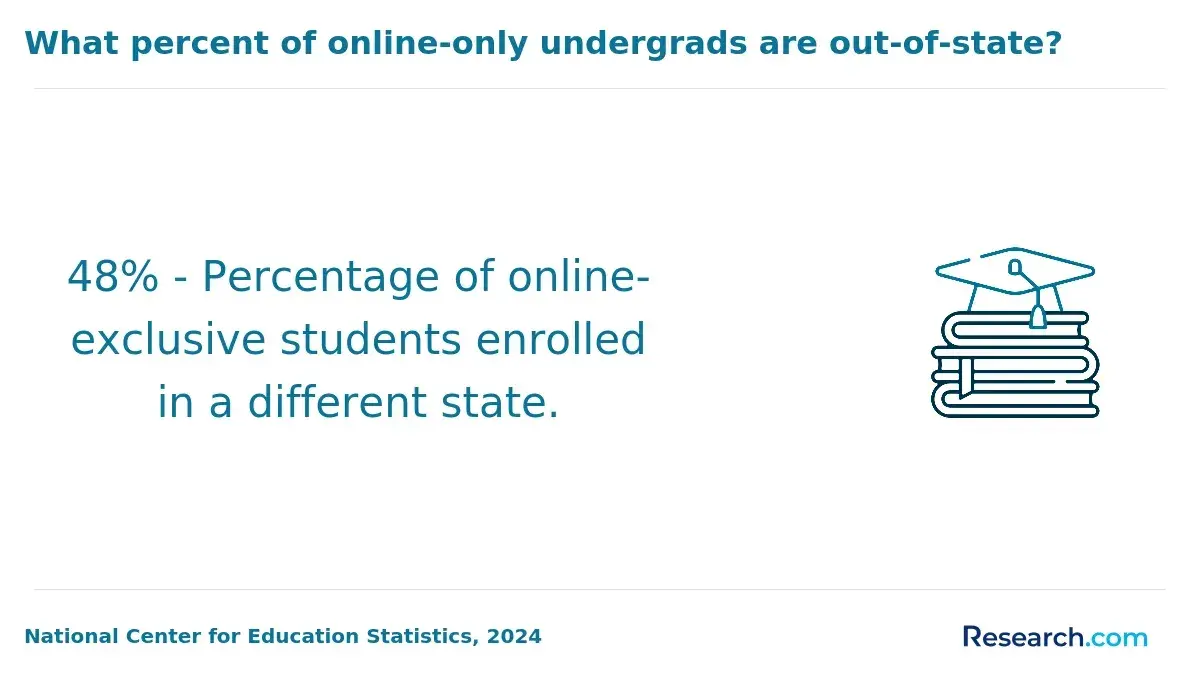
While removing SAT or ACT requirements can open doors for many applicants, it doesn't automatically mean admission is easier for online gender & sexuality studies bachelor's degree programs. About half of fully online undergraduate programs still maintain selective standards, according to the National Center for Education Statistics. Admissions generally rely on a holistic approach, evaluating prior academic performance, letters of recommendation, personal essays, and relevant experience. These factors help assess a candidate's readiness beyond standardized tests. Ultimately, how competitive admission is depends on the program's criteria and the pool of applicants.
A current student in an online gender & sexuality studies bachelor's degree program with no SAT or ACT requirements shared that even without test scores, the application process felt rigorous. She emphasized how crafting thoughtful personal statements and gathering strong recommendations took time and reflection, making her feel that the program valued her unique experiences. "It wasn't just about ticking boxes," she explained, "but telling a story about why I'm passionate about this field." Her experience highlights that while test-optional policies can reduce one barrier, they don't eliminate the need for a well-prepared and compelling application.
Which Online Gender & Sexuality Studies Bachelor's Degree Programs Do Not Require SAT or ACT?
Test-optional and test-free admission policies are increasingly common across many online bachelor's degree programs, including gender & sexuality studies. Recent trends show that more than 70% of online degrees now waive SAT or ACT requirements to increase accessibility and accommodate diverse student backgrounds. These programs typically evaluate applicants through other academic indicators instead of standardized tests.
Several common specializations are offered within online gender & sexuality studies programs that do not require ACT or SAT scores, reflecting a focus on holistic admissions:
- Queer Studies and LGBTQ+ Advocacy: Emphasizes the history, culture, and rights of LGBTQ+ communities, preparing students for roles in activism, advocacy, and community support.
- Intersectionality and Social Justice: Explores how overlapping identities such as race, gender, class, and sexuality impact experiences and social systems, fostering skills in equity-focused policy and education.
- Feminist Theory and Gender Politics: Examines feminist frameworks and political movements concerning gender equality, equipping students for careers in research, education, and public policy.
- Sexual Health and Education: Focuses on sexual wellbeing, health policy, and educational outreach, often leading to opportunities in counseling, health promotion, and community programs.
- Transgender Studies and Rights: Centers on transgender experiences, rights, and advocacy, supporting careers in legal reform, healthcare, and social services.
Programs with these concentrations typically assess academic readiness by reviewing high school records, personal essays, recommendation letters, and relevant coursework, allowing students to showcase their abilities beyond standardized test scores.
How Do I Apply to an Online Gender & Sexuality Studies Bachelor's Degree Without SAT or ACT?
Applying to an online gender & sexuality studies bachelor's degree program without SAT or ACT scores is typically a straightforward process handled entirely through an online portal. The procedure emphasizes submitting personal information and documents digitally, making it especially accessible for diverse and nontraditional students. Here is a common sequence of application steps:
- Create an Account: Applicants begin by registering an account on the university's website, which acts as the central hub for managing the entire application package and communication.
- Complete Application Form: After logging in, candidates fill out the primary application, entering personal details and academic history. These forms exclude standardized test score sections, simplifying the process.
- Upload Documents: Required materials are uploaded next, often including identification, personal statements, and other specified documents. The absence of SAT or ACT submissions reduces paperwork and expedites evaluation.
- Supplemental Materials: Some programs request additional essays or online questionnaires to understand applicants' commitment to gender & sexuality studies and career objectives. Prompt completion supports a smooth application progression.
- Review and Submit: Before final submission, applicants verify all information and documents for accuracy. Automated confirmation emails confirm receipt and outline any further steps.
- Optional Interviews: Occasionally, virtual interviews or info sessions are offered but generally remain optional or uncommon in test-optional online programs.
How Can I Improve My Online Gender & Sexuality Studies Bachelor's Degree Application Without SAT Scores?
Applicants aiming for online gender & sexuality studies bachelor's degree programs without SAT or ACT requirements can strengthen their overall application by focusing on academic performance, relevant experience, and personal motivation. Research indicates that about 87% of admissions officers evaluate the whole applicant, going beyond standardized test scores to consider grades, essays, and extracurricular activities. The following strategies can help you build a compelling, well-rounded application.
- Academic Record: Maintaining consistent grades in courses related to social sciences, humanities, or diversity studies demonstrates your readiness for challenging academic work even without standardized test scores.
- Personal Statement: Writing a genuine and focused essay about your interest in gender & sexuality studies allows you to share your unique life experiences, challenges, and career goals, showcasing your critical thinking and motivation.
- Relevant Experience: Highlighting volunteer work with LGBTQ+ organizations, internships, or leadership roles in advocacy groups reflects your commitment and provides real-world context to your academic interests.
- Supporting Materials: Quality letters of recommendation and portfolios, including research projects or written work related to the field, offer credible validation of your skills and academic preparedness.
For those seeking flexible options, consider programs that emphasize holistic admissions approaches. You may also want to explore related fields such as an no gmat online mba for broader career opportunities. Using these strategies, you can strengthen your application and align it with best practices for online gender & sexuality studies bachelor's degree admission without standardized tests.
What Mistakes Should I Avoid When Applying Without SAT or ACT?
Applying to online gender & sexuality studies bachelor's degree programs without submitting SAT or ACT scores increases access but demands careful attention to application details. Recent data show nearly 30% of test-optional applications suffer from incomplete or missing materials, weakening the overall submission. Understanding common pitfalls can improve the chance of admission.
Key mistakes to avoid include:
- Incomplete Materials: Submitting applications without all required documents, such as transcripts or recommendation letters, often delays review or causes outright rejection. Every component should be carefully gathered and formatted to meet program requirements.
- Weak Personal Statements: Without test scores, essays have greater weight in demonstrating motivation and insight into gender and sexuality issues. Generic or vague statements fail to showcase the applicant's unique perspective and commitment to this field.
- Lack of Relevant Experience: Failing to highlight volunteer work, internships, or activism related to gender & sexuality studies can make it harder for admissions officers to assess readiness and engagement with key topics.
- Poor Application Review: Typos, incomplete answers, or incorrect contact information suggest a lack of diligence. Multiple reviews and seeking feedback enhance the application's polish and professionalism.
Applicants interested in related disciplines may also explore flexible options such as an online computer science degree that offers accelerated paths while accommodating nontraditional student schedules.
Will Not Taking the SAT or ACT Affect My Career After an Online Gender & Sexuality Studies Bachelor's Degree?
Standardized tests like the SAT or ACT generally have little impact on long-term career success for graduates of online gender & sexuality studies bachelor's degree programs. Many employers focus more on practical skills and relevant experience than on exam scores submitted years before. According to research from the National Association of Colleges and Employers, 82% of employers prioritize candidates' work history and demonstrated abilities over standardized test results during hiring decisions. This shift highlights the increasing value of job readiness over prior test performance.
Success in fields related to gender & sexuality studies depends more on academic achievement, critical thinking, and communication skills developed throughout the program. Work experience such as internships and volunteer roles, along with a strong professional network, are also essential for building a meaningful career. These competencies often carry more weight in the workplace than test scores, especially for nontraditional students who choose test-optional paths. Focusing on excelling within your degree and gaining real-world experience is key to advancing your professional opportunities.
What Graduates Say About Online Gender & Sexuality Studies Bachelor's Degree Programs With No SAT or ACT
- Yitzchok: "Choosing an online gender & sexuality studies bachelor's degree with no SAT or ACT requirement was a game-changer for me because it eliminated unnecessary barriers to higher education. The admissions process felt more accessible and less intimidating, allowing me to focus on my passion rather than test scores. Graduating from this program has opened doors in advocacy and community work, where my specialized knowledge is truly valued."
- Boston: "At first, I was skeptical about pursuing an online degree without the typical SAT or ACT prerequisites, but the flexibility combined with a rigorous curriculum proved otherwise. Balancing work and studies was challenging, but the program's thoughtful design and support systems made it manageable. Now, as a professional in nonprofit leadership, I can confidently say that this degree gave me the critical perspective and skills to drive meaningful change."
- Adriel: "Pursuing an online gender & sexuality studies bachelor's degree without standardized testing requirements allowed me to focus on what truly matters: learning and engagement. The challenge was adapting to the online environment, but the diverse courses and faculty expertise made it worthwhile. Professionally, this degree has distinguished me in academic research and policymaking circles, where understanding intersectionality and identity politics is crucial."
Other Things You Should Know About Gender & Sexuality Studies Degrees
Yes, many online gender & sexuality studies bachelor's programs that do not require SAT or ACT scores accept transfer credits from accredited institutions. Transfer policies vary by school, so it is important to consult the admissions office to confirm which credits qualify. Successfully transferring credits can shorten the time needed to complete the degree.
Students enrolled in online gender & sexuality studies programs that do not require SAT or ACT scores have access to federal financial aid, institutional scholarships, and private grants, provided they meet other eligibility criteria. Many schools offer merit-based and need-based aid independent of standardized test submission. Prospective students should complete the FAFSA and inquire about school-specific funding opportunities early in the application process.
References
- Common College Application Mistakes and How to Avoid Them https://www.solomonadmissions.com/post/common-college-application-mistakes/
- Interdisciplinary Studies in Sexuality (BA Degree Program) | Graduate Admissions - Apply Here - Concordia University https://www.concordia.ca/academics/undergraduate/sexuality.html
- How Adult Learners Can Apply to College Without SAT or ACT Scores https://www.aiuniv.edu/blog/2015/september/how-to-get-into-college
- What do Test Optional and Test Blind/Free Mean? | College Essay Guy https://www.collegeessayguy.com/blog/test-optional-test-free
- What is Test Optional? - Fairtest https://fairtest.org/test-optional/
- Test Blind vs. Test Optional: What’s the Difference? https://www.ivywise.com/blog/test-blind-vs-test-optional/
- Admission Requirements https://catalog.colorado.edu/undergraduate/admissions/admission-requirements/
- 6 Mistakes to Avoid When Completing Your College Application https://www.c2educate.com/6-mistakes-to-avoid-when-completing-your-college-application/
- 15 Cheapest Bachelor’s Degrees In Gender And Women’s Studies - Best Value Schools https://www.bestvalueschools.com/rankings/cheapest-bachelors-degrees-in-gender-and-womens-studies/
- Test Optional vs. Test Blind or Test Free - Private Prep https://privateprep.com/blog/test-optional-vs-test-blind/