2027 Part-Time vs Full-Time Online Entertainment Business Bachelor's Degree Programs

Co-Founder and Chief Data Scientist
Choosing between part-time and full-time study is one of the most important decisions you will make before enrolling in an online entertainment business bachelor’s degree. The right pace affects how quickly you graduate, how much you can keep working, how you manage tuition payments, and how much time you can devote to building industry experience while studying.
This guide is for working adults, career changers, parents, and first-time college students who want a realistic view of both enrollment options. Online entertainment business programs can cover areas such as artist management, live events, music business, media distribution, marketing, finance, contracts, and entrepreneurship. The best format depends less on which option sounds more ambitious and more on which one you can sustain.
With enrollment in online entertainment business programs growing by over 15% annually, students have more flexible choices than before. This article explains how part-time and full-time online entertainment business bachelor’s degree programs differ in workload, completion time, tuition, financial aid, career impact, and common planning mistakes.
Key Benefits of Part-Time vs Full-Time Online Entertainment Business Bachelor's Degree Programs
- Part-time programs offer greater scheduling flexibility, allowing students to balance coursework with work and family commitments more easily than full-time tracks.
- Full-time degrees typically enable faster completion, averaging 3-4 years compared to 5-6 years for part-time students.
- Students in part-time programs often report better stress management and higher retention due to the ability to integrate education with ongoing career responsibilities.
What Is the Difference Between Part-Time and Full-Time Online Entertainment Business Bachelor's Degree Programs?
The main difference is enrollment intensity. Part-time students take fewer courses each term and move through the degree more gradually. Full-time students carry a heavier course load and finish faster, but they must commit more hours each week. Nearly half of U.S. undergraduate online students, about 47%, choose part-time enrollment, which shows how common flexible pacing has become for online learners.
In an entertainment business bachelor’s program, this choice can shape more than your schedule. It can affect when you complete internships, how quickly you build a portfolio, how much networking you can do, and whether you can continue earning income while studying.
Part-Time Online Programs
- Course load: Part-time students usually take one or two courses per term, which makes the weekly academic load easier to manage.
- Best fit: This format often works well for students with full-time jobs, caregiving responsibilities, irregular work shifts, or industry roles that require evening and weekend availability.
- Learning pace: Students have more time to absorb material, apply concepts at work, and complete assignments without several courses competing for attention.
- Trade-off: The degree takes longer, and students must stay motivated across more semesters.
Full-Time Online Programs
- Course load: Full-time students take multiple courses at once, often following a more traditional semester-by-semester plan.
- Best fit: This option is stronger for students who can make school a primary commitment or who want to enter the entertainment business field as quickly as possible.
- Learning pace: Students move through foundational, intermediate, and advanced coursework faster, which may help them qualify sooner for internships or entry-level roles.
- Trade-off: The schedule is more demanding and may limit work hours, personal time, or flexibility during busy academic periods.
If you are comparing online degree formats across fields, it can also help to review how other online programs structure flexibility, such as affordable online MSW programs. The field is different, but the enrollment trade-offs are similar: a lighter course load usually means more flexibility, while full-time study usually means faster completion.
How Long Does It Take to Complete Part-Time vs Full-Time Online Entertainment Business Bachelor's Degrees?
Full-time online entertainment business bachelor’s degrees are generally designed around the traditional bachelor’s timeline, while part-time programs stretch the same credit requirements across more terms. According to the National Student Clearinghouse Research Center, many online learners take five or more years to graduate, which reflects the reality that many online students attend while working or managing other responsibilities.
Part-Time Online Programs
- Typical completion range: Part-time online entertainment business bachelor's degree completion time often ranges from five to seven years because students take fewer credits each term.
- Flexible pacing: Students may slow down during demanding work seasons, family changes, or financial pressure, then increase their course load later.
- Planning requirement: Longer timelines require careful attention to prerequisite sequences, course availability, and degree requirements so that one missed course does not delay graduation by a full term.
- Career advantage: Students who are already working in music, media, events, marketing, or production may be able to apply new skills immediately while still enrolled.
Full-Time Online Programs
- Typical completion range: Full-time students typically finish the entertainment business degree in about four years.
- Structured progression: Full-time plans often follow a clearer sequence, moving students through general education, major courses, electives, and capstone requirements on a predictable schedule.
- Faster credential: Students can reach graduation sooner, which may matter if a bachelor’s degree is required for promotion, graduate school, or a specific employer’s hiring standard.
- Higher short-term demand: The faster timeline requires consistent weekly availability and less room for schedule disruptions.
Students evaluating long-term online study should also compare how timelines work in other structured online programs, including MFT masters programs. The credential level and field differ, but both require students to plan around course sequencing, workload, and outside obligations.
What Is the Workload for a Part-Time vs Full-Time Online Entertainment Business Bachelor's Degree?
The workload difference is substantial. Full-time students generally take three to five courses each term and should expect about 30 to 40 hours of study per week, including recorded or live lectures, readings, discussion posts, research, group work, presentations, and major projects. Part-time students usually take one or two courses per term, reducing weekly study time to roughly 10 to 20 hours.
Entertainment business coursework can be project-heavy. Students may analyze contracts, build marketing plans, develop event budgets, study media revenue models, evaluate artist branding, or complete business proposals. These assignments often require more than simply reading and taking quizzes; they may involve writing, collaboration, research, and revision.
How the workload feels in practice
- Full-time study: Expect overlapping deadlines. A student may have a discussion post in one course, a group presentation in another, and a business plan draft due in a third during the same week.
- Part-time study: Expect fewer simultaneous deadlines, but a longer period of sustained commitment. The challenge is not usually one overwhelming week; it is staying consistent for years.
- Online format: Online does not mean self-paced unless the program specifically says so. Many courses still have weekly deadlines, required participation, and scheduled group work.
- Industry relevance: Because entertainment business is collaborative, students should expect assignments that mirror workplace tasks, such as pitching, budgeting, audience analysis, and team-based planning.
The better workload is the one you can complete well. A full-time schedule may be manageable if you have reliable time blocks and limited outside obligations. A part-time schedule may be smarter if your work hours change, your income is essential, or you want time to pursue internships, freelance work, or creative projects alongside school.
Which Option Is Better for Working Adults in an Online Entertainment Business Bachelor's Degree?
For most working adults, part-time study is the safer and more sustainable option. Over 40% of online undergraduate students hold full-time jobs, and many choose online education specifically because they cannot pause their careers. However, full-time study can still be the better choice for working adults who have flexible employment, employer support, savings, or a short-term need to finish the degree quickly.
Choose part-time if you need stability
- You work full time: A lighter course load reduces the risk of missed deadlines during busy work periods.
- Your income cannot drop: Part-time enrollment may allow you to keep your current job and avoid taking on too much financial pressure at once.
- You have family or caregiving responsibilities: Fewer courses can make it easier to handle unpredictable demands.
- You want to apply learning immediately: Working students can often connect coursework to current responsibilities in marketing, events, media, sales, or operations.
Choose full-time if you can protect study time
- You can reduce work hours: Full-time study is more realistic when employment does not regularly compete with coursework.
- You want faster career movement: Finishing sooner may help if you need a bachelor’s degree for advancement or entry into a new role.
- You are comfortable with online learning: Students who already know how to manage digital platforms, remote collaboration, and weekly deadlines may adapt more easily.
- You have a clear support system: Reliable childcare, employer flexibility, and financial planning can make full-time enrollment more practical.
A working professional who enrolled in an online Entertainment Business bachelor's degree described the adjustment as difficult at first. She said, "Juggling work deadlines with coursework required developing strict routines I hadn't used before." She eventually found that a part-time schedule let her keep moving forward without overwhelming her daily life, although she still had to stay organized each term.
Can I Switch From Part-Time to Full-Time in an Online Entertainment Business Bachelor's Degree?
Many online entertainment business bachelor’s programs allow students to switch between part-time and full-time enrollment, but the process depends on the school. Research indicates that about 42% of online undergraduates change their enrollment status at least once, so this is a common issue for online learners rather than an unusual request.
If you are asking how to switch from part-time to full-time entertainment business degree programs, start with academic advising before changing your registration. A heavier course load can affect tuition billing, financial aid, scholarship eligibility, graduation timing, and your ability to complete prerequisites in the right order.
Before switching, check these items
- Minimum and maximum credit rules: Schools may define full-time enrollment by a specific credit threshold and may limit how many credits you can take in one term.
- Financial aid impact: Moving from part-time to full-time may change aid amounts, but it can also change your bill and payment deadlines.
- Course sequencing: Some entertainment business courses may only be offered in certain terms or may require prerequisites.
- Work schedule: A full-time course load can quickly become unrealistic if your job requires travel, nights, weekends, or unpredictable hours.
- Academic performance: If you are already struggling part-time, switching to full-time may create more risk than benefit.
Students considering longer academic plans may also compare how other advanced online pathways handle pacing and enrollment changes, such as the shortest online PsyD programs. The key lesson is the same: flexibility is useful only when it is matched with a realistic workload plan.
How Does Tuition Differ for Part-Time vs Full-Time Online Entertainment Business Bachelor's Degrees?
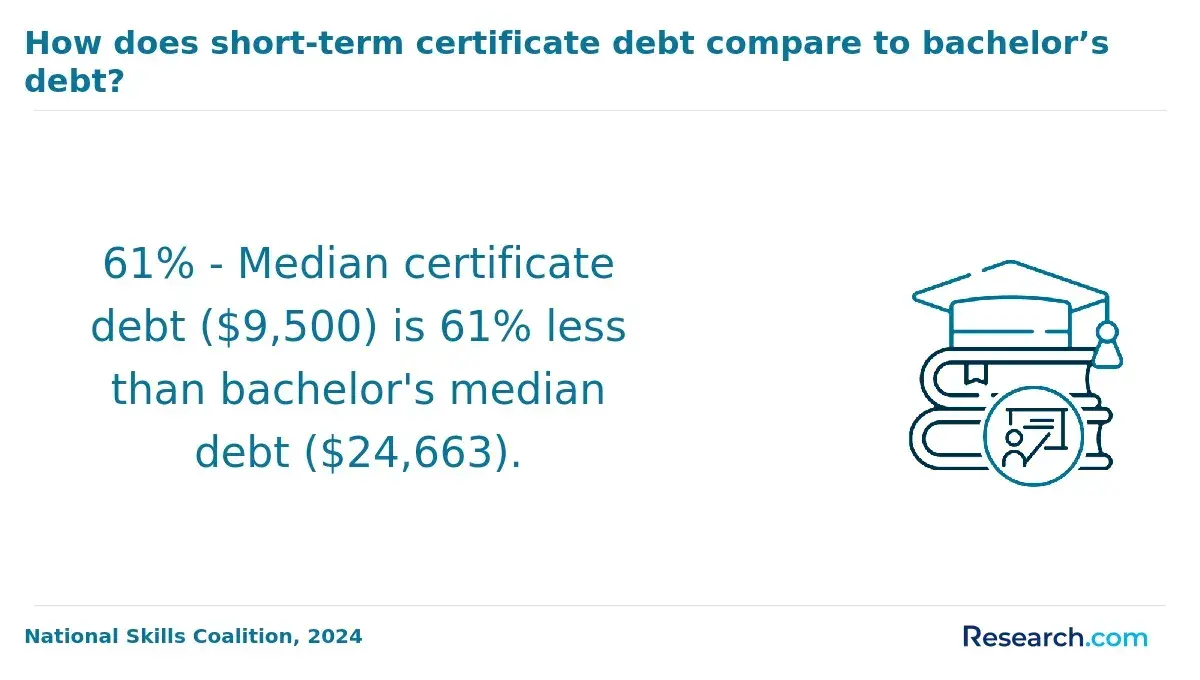
Tuition for online entertainment business bachelor’s degrees generally ranges between $15,000 and $40,000 for completion, depending on credit hours and fees. The total degree cost may be similar by credit requirement, but the way costs are charged can feel very different for part-time and full-time students.
Part-time students usually pay smaller bills each term because they take fewer courses. Full-time students usually face larger term bills but may finish faster and may reduce the number of terms in which they pay recurring fees.
Part-Time Online Programs
- Per-credit billing: Many part-time students pay by the credit hour, which can make each term more affordable.
- Longer payment horizon: Spreading the degree across more years can help with cash flow but may extend the period of financial pressure.
- Recurring term fees: Technology, registration, online learning, or student service fees may be charged each term, even when a student takes only one course.
- Best financial fit: Part-time study can work well for students paying out of pocket while keeping employment.
Full-Time Online Programs
- Flat-rate or full-load pricing: Some schools use pricing models that make a heavier credit load more cost-efficient per credit.
- Faster completion: Finishing sooner can reduce the number of terms in which certain fees are charged.
- Larger short-term bills: Students may need stronger savings, financial aid, employer assistance, or payment planning to handle higher term costs.
- Best financial fit: Full-time study may be better for students who can afford higher short-term costs in exchange for reaching graduation sooner.
Students comparing costs across online business-related degrees may also want to examine what makes a business administration degree online accredited and how accreditation, tuition structure, and fees affect total value.
One graduate of an online entertainment business bachelor's degree described part-time tuition as manageable in individual terms but frustrating over time. He said he felt "like the fees never stopped," because charges appeared every term regardless of how many classes he took. He also observed that full-time classmates often paid more upfront but moved through the program more quickly.
Which Option Offers Better Financial Aid for an Online Entertainment Business Bachelor's Degree?
Full-time enrollment often provides stronger access to financial aid, but part-time students may still qualify for important support. Financial aid depends on enrollment status, federal and state eligibility rules, institutional policies, cost of attendance, and whether the program is properly eligible for aid. About 38% of part-time online students receive some form of financial aid, even though aid amounts may be lower than they are for full-time students.
- Federal Pell Grants: Full-time students usually qualify for the maximum grant amounts when otherwise eligible. Part-time students may receive prorated awards based on credit load.
- Federal Student Loans: Both part-time and full-time students may qualify, but students usually need to meet at least half-time enrollment requirements. Borrowing should be planned carefully because loans must be repaid.
- Institutional Scholarships: Some colleges reserve more awards for full-time students, while others offer scholarships for adult learners, transfer students, online students, or part-time students.
- Work-Study Programs: Eligibility generally requires at least half-time enrollment. Availability also depends on the school and funding level.
- State Grants: State aid may depend on residency, enrollment intensity, and program eligibility. Full-time students may have easier access in some states, while others support part-time learners.
Financial aid questions to ask before enrolling
- Will my aid change if I take fewer credits next term?
- What is the minimum credit load for federal loans, grants, scholarships, or work-study?
- Are online students eligible for the same institutional aid as campus students?
- Do scholarships require continuous full-time enrollment?
- How will dropping or withdrawing from a course affect satisfactory academic progress?
The best financial aid option is not always the one with the highest award. A full-time package may look larger, but it may also come with higher tuition bills and less time to work. A part-time package may be smaller, but it can be easier to combine with employment income.
What Are the Pros and Cons of Part-Time vs Full-Time Online Entertainment Business Bachelor's Degrees?
Part-time and full-time online entertainment business bachelor’s degrees can both lead to the same credential, but they create different student experiences. The better option depends on whether you value flexibility, speed, affordability by term, career continuity, or faster graduation.
Pros
- Part-time flexibility: Students can continue working, caring for family, or building entertainment industry experience while enrolled.
- Part-time manageability: A lighter weekly workload can reduce stress and give students more time to complete project-based assignments carefully.
- Full-time speed: Students typically move toward graduation faster, often within four years or less.
- Full-time immersion: A heavier schedule can help students stay deeply engaged with entertainment business concepts, faculty, peers, and projects.
Cons
- Part-time extended timeline: Taking longer to graduate may delay access to roles that require a bachelor’s degree.
- Part-time momentum risk: Students may lose motivation, stop out, or struggle to restart after breaks.
- Full-time time pressure: Students may need to reduce work hours or personal commitments to keep up.
- Full-time workload intensity: Multiple simultaneous courses can be difficult for students who are new to online learning or who lack consistent study time.
Students comparing online formats in other career-focused fields can learn from parallel examples, such as ABA approved online paralegal programs. Although the curriculum is different, the same enrollment questions apply: how much time can you commit, how quickly do you need the credential, and how much risk can you take on each term?
Does Part-Time vs Full-Time Affect Career Outcomes in an Online Entertainment Business Bachelor's Degree?
Enrollment status can affect when you graduate, but it usually matters less to employers than what you can do. A 2022 survey by the National Association of Colleges and Employers found that 72% of employers prioritize demonstrated skills and work accomplishments over traditional academic timelines. In entertainment business, hiring decisions are often influenced by experience, relationships, portfolio quality, communication skills, and understanding of the industry.
Part-time and full-time students can both build strong career outcomes if they use the program strategically.
- Skill development: Employers want evidence that graduates understand entertainment marketing, contracts, budgeting, audience development, digital distribution, project management, and business strategy.
- Work experience: Part-time students may continue gaining professional experience while studying. Full-time students may need to be more intentional about internships, freelance projects, campus-supported industry projects, or volunteer work.
- Degree credibility: Employers are more likely to value a degree from an accredited institution with relevant coursework than to focus on whether the student attended part-time or full-time.
- Networking: Students in either format should build relationships with instructors, classmates, alumni, guest speakers, and local or online industry communities.
- Career timing: Full-time students may enter the job market sooner after graduation, while part-time students may advance gradually by applying new skills in their current roles.
Students interested in combining entertainment business with technical skills may also compare options such as a computer science degree online. Technical knowledge can be useful in areas such as streaming platforms, digital media analytics, production technology, and entertainment startups.
What Mistakes Should I Avoid in Part-Time vs Full-Time Study?
The biggest mistake is choosing a pace based on optimism rather than evidence. Studies show about 40% of online students struggle to juggle coursework with personal and professional commitments, so students should plan for real weekly demands before enrolling.
- Underestimating the workload: Full-time students may assume online courses are easier than campus courses. Part-time students may underestimate the discipline required to keep going over several years.
- Ignoring work schedule conflicts: Entertainment, media, hospitality, events, and production jobs can involve nights, weekends, travel, or irregular deadlines. Choose a course load that fits your actual work life.
- Assuming online means self-paced: Many online courses have weekly assignments, group projects, exams, and discussion requirements.
- Skipping academic advising: Students who register without guidance may miss prerequisites, overload themselves, or delay graduation because a required course is not offered every term.
- Failing to budget beyond tuition: Fees, software, books, equipment, internet access, and lost work hours can affect affordability.
- Taking too many credits too soon: New online students may benefit from starting with a manageable course load, then increasing intensity after they understand the platform and expectations.
- Neglecting career development: A degree alone may not be enough. Build a resume, portfolio, internship experience, freelance work, or industry contacts while enrolled.
- Not using support services: Tutoring, writing centers, library help, career advising, and instructor office hours can prevent small problems from becoming major setbacks.
A practical approach is to map your weekly schedule before registering. Include work, commuting, family duties, sleep, exercise, and personal obligations. If the remaining time does not comfortably support the expected study hours, choose a lighter load.
What Graduates Say About Part-Time vs Full-Time Online Entertainment Business Bachelor's Degree Programs
-
: "Choosing the part-time online entertainment business bachelor's program allowed me to balance my full-time job while gaining industry-relevant knowledge at my own pace. The flexibility helped me manage the occasional workload spikes, although staying disciplined with deadlines was a real challenge. Since graduating, I've been able to leverage the skills I learned to negotiate better contracts and take on leadership roles at my company.
Nathanael"
-
: "Pursuing a full-time online entertainment business degree was an immersive experience that demanded dedication but paid off immensely. Adjusting to a virtual learning environment was initially tough, especially with group projects, but the support network and interactive sessions made a difference. This degree has opened doors for me in talent management, offering credibility I never had before.
Russell"
-
: "I opted for the part-time online program to continue supporting my family while advancing my career. The challenge was juggling coursework with professional commitments, yet the practical curriculum made every assignment relevant and motivating. Earning this degree has given me the confidence and industry connections to successfully launch my own production company.
Jose"
Other Things You Should Know About Entertainment Business Degrees
In 2027, student support services are typically designed to accommodate both part-time and full-time online entertainment business students. While both groups have access to academic advisors, tutoring, and career services, full-time students may have more opportunities for synchronous workshops and networking events due to their more stable scheduling.
In 2027, online entertainment business bachelor's degree programs offer internships tailored to both part-time and full-time students. While full-time students might access internships with more regular hours, part-time students can benefit from flexible, remote options, allowing them to gain practical experience while balancing other commitments. Both pathways offer substantial industry connections and opportunities.
Employers generally value the degree's accreditation and content over whether it was earned part-time or full-time. In entertainment business fields, practical skills and portfolio work often weigh more heavily than enrollment status. Completing the degree and demonstrating relevant experience tend to be the key factors for hiring managers.
References
- How does an online bachelor's degree in international business compare to a traditional in-person degree? https://m.umu.com/ask/a11122301573853546810
- 5 Reasons Why You Should Earn Your Bachelor’s Degree Online https://www.pointloma.edu/resources/accelerated-undergraduate/5-reasons-why-you-should-earn-your-bachelors-degree-online
- How a Business Degree Built for Adults Accelerates Career Momentum https://www.marian.edu/blog/2026/01/how-a-business-degree-built-for-adults-accelerates-career-momentum.php
- FAQs | Got a Question? Ask Us https://askus2.ecu.edu.au/s/article/000001704
- Part Time vs. Full Time Programs https://www.stacyblackman.com/blog/part-time-vs-full-time-programs/
- What are the differences in job opportunities between full-time, part-time, and online MBA programs? https://ameerkhatri.com/docs/what-are-the-differences-in-job-opportunities-between-full-time-part-time-and-online-mba-programs/
- Can I Work Full-Time While Earning an Online Degree? https://www.athens.edu/online-degree-completion-programs-working-adults/can-i-work-full-time-while-earning-an-online-degree/
- Can I switch from part time to full time doing Open Uni https://www.thestudentroom.co.uk/showthread.php
- Bentley Part-Time Vs. Full-Time MBA Programs: An In-Depth Comparison https://www.bentley.edu/news/part-time-vs-full-time-mba-programs-depth-comparison
- Study Entertainment Business: Associate, Bachelor's & Online Degree Info https://learningpath.org/articles/Study_Entertainment_Business_Associate_Bachelors_Online_Degree_Info.html