
2027 Online vs On-Campus Health Administration Doctorate Programs: Cost, Flexibility, and Employer Perception

Co-Founder and Chief Data Scientist
The real decision is not simply "online or on campus", it is whether a Health Administration doctorate fits your budget, schedule, research goals, and career path. The Bureau of Labor Statistics projects 29% growth for medical and health services managers from 2023 to 2033, making advanced leadership preparation especially timely.
This guide is for working healthcare professionals, administrators, clinicians, and educators comparing doctoral formats. You will learn how cost, flexibility, rigor, fieldwork, dissertation support, and employer perception differ so you can choose the format that best supports your goals.
Key Things to Know About Online vs On-Campus Health Administration Doctorate Programs
- Online Health Administration doctorates usually offer the greatest schedule flexibility, but many still require synchronous classes, residencies, fieldwork, or dissertation milestones that limit true "self-paced" study.
- Employer perception depends more on accreditation, university reputation, applied experience, research quality, and leadership outcomes than on whether the coursework was delivered online or on campus.
- The BLS reports a $110,680 median annual wage for medical and health services managers, but salary outcomes vary by role, location, employer type, experience, and whether the doctorate supports a specific advancement goal.
What are the key differences between online vs on-campus Health Administration doctorate programs?
Online and on-campus Health Administration doctorate programs often lead to similar credentials, such as a Doctor of Health Administration, Doctor of Healthcare Administration, PhD in Health Services, or related executive doctorate. The difference is usually not the degree title alone, but how you learn, interact, complete applied work, access faculty, and build professional visibility.
An online doctorate is typically designed for working professionals who need to remain employed while studying. An on-campus doctorate is often a better fit for students who want structured in-person research mentorship, campus-based networking, assistantships, teaching opportunities, or access to healthcare research centers. Hybrid programs sit between the two, combining online coursework with short campus residencies or periodic in-person intensives.
The table below summarizes the most important format differences to compare before applying. Use it as a first filter, not as a substitute for reviewing each program's handbook, accreditation status, dissertation model, and residency requirements.
| Comparison factor | Online Health Administration doctorate | On-campus Health Administration doctorate |
| Best fit | Working healthcare professionals, executives, military learners, and students who cannot relocate | Students seeking in-person faculty access, campus research culture, teaching opportunities, and local healthcare partnerships |
| Course delivery | Asynchronous, synchronous, or hybrid online classes | Scheduled in-person classes, seminars, labs, colloquia, or research meetings |
| Networking | Virtual cohorts, online discussion, residencies, employer-based projects, professional conferences | Campus events, faculty labs, local health systems, teaching roles, peer interaction |
| Fieldwork | Usually completed near the student's location with school approval | Often tied to university partners, nearby hospitals, agencies, or faculty research sites |
| Dissertation or capstone support | Virtual advising, online libraries, remote committee meetings, structured milestones | In-person advising, research seminars, campus writing support, local peer accountability |
| Cost drivers | Tuition, technology fees, residencies, travel, books, lost time from work | Tuition, campus fees, relocation, commuting, parking, housing, potential reduced work hours |
If you are still building graduate-level healthcare administration foundations, a masters in healthcare administration may be the more practical step before a doctorate, especially if your target roles do not require doctoral training.
The biggest mistake is assuming format tells you everything. A strong online doctorate can be more structured and demanding than a weak campus program, while a campus doctorate can provide opportunities that an online student may need to create independently. Compare the actual curriculum, faculty, research support, outcomes, and employer relevance.
Are online Health Administration doctorate programs as rigorous as on-campus programs?
Online Health Administration doctorate programs can be just as rigorous as on-campus programs when they use the same admission standards, doctoral faculty, learning outcomes, assessment methods, research expectations, and accreditation framework. Rigor is not determined by whether lectures happen on Zoom, in a classroom, or through recorded modules. It is determined by the level of analysis, research design, writing, applied leadership work, and dissertation expectations.
A serious doctorate should require advanced work in healthcare policy, finance, organizational leadership, quality improvement, ethics, population health, research methods, statistics or analytics, and evidence-based decision-making. Practice-oriented programs may emphasize applied doctoral projects, while research-oriented PhD programs usually place heavier weight on theory, methodology, publications, and independent scholarship.
Use these signals to judge academic quality across both formats. They matter because an easy-looking doctorate can cost a great deal while offering limited professional credibility.
- Confirm that the institution is regionally accredited by an accreditor recognized by the U.S. Department of Education or the Council for Higher Education Accreditation.
- Check whether the same faculty teach online and on-campus students or whether online students are handled by a separate instructional pool.
- Review dissertation or doctoral project requirements, including committee structure, methodology expectations, proposal defense, final defense, and publication support.
- Ask for recent completion data, average time to degree, dissertation support resources, and attrition patterns by modality if the school tracks them.
- Look for transparent academic policies on grading, academic integrity, research ethics, human subjects review, and transfer credit limits.
- Verify that the program includes advanced quantitative, qualitative, or mixed-methods research training appropriate for your career goals.
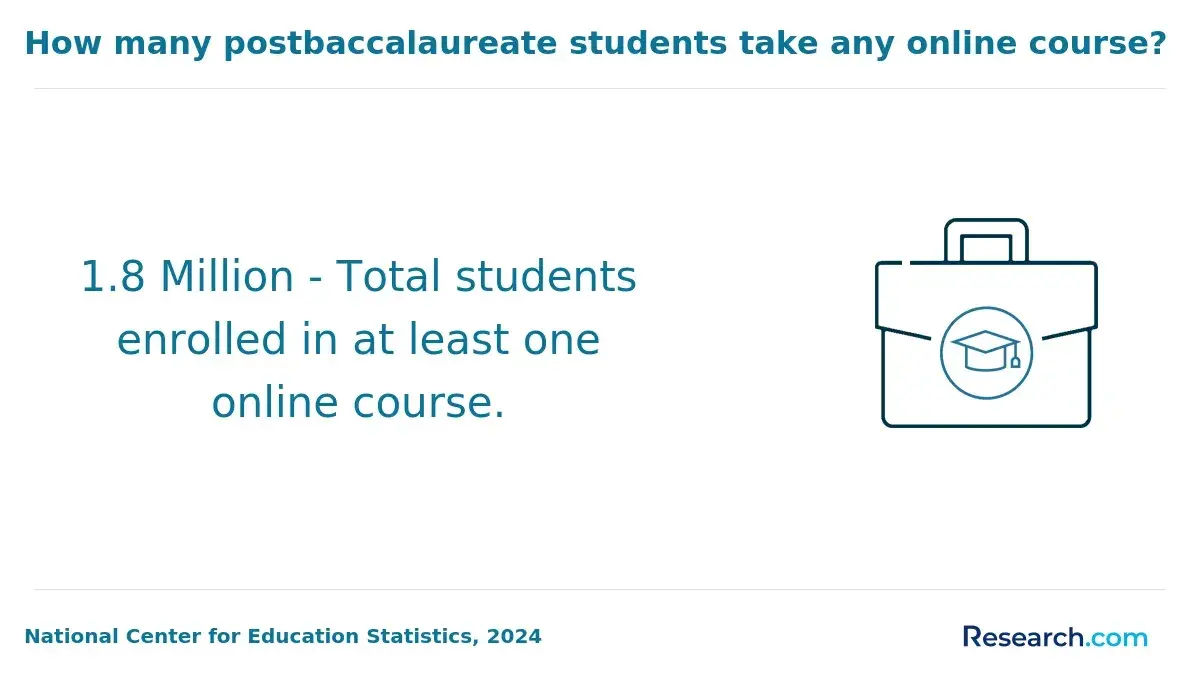
According to the National Center for Education Statistics, postbaccalaureate distance education has become common enough that online graduate study is no longer unusual in the U.S. market. That trend helps reduce outdated stigma, but it does not remove your responsibility to verify program quality. Employers and academic committees will still look closely at institutional credibility, research output, and evidence of advanced competency.
Be cautious of any program, online or campus-based, that advertises a doctorate as fast, easy, dissertation-free without explaining the scholarly alternative, or "guaranteed" to produce a promotion. Doctoral study should be manageable, but it should not be superficial.
How does scheduling flexibility differ between online and on-campus Health Administration doctorate programs?
Scheduling flexibility is usually the clearest advantage of online Health Administration doctorate programs. Many are built for healthcare managers who work full time, travel between facilities, handle unpredictable shifts, or balance clinical, administrative, and family responsibilities. On-campus programs can still be flexible, but they usually require more fixed attendance and geographic commitment.
Online flexibility comes in several forms, and the details matter. A program described as "online" may still require weekly live sessions, short residencies, daytime advising meetings, or deadlines that follow a strict cohort calendar. On-campus programs may offer evening or weekend classes, but commuting and campus attendance can still affect work hours.
The table below compares common scheduling models. It can help you distinguish between a truly flexible program and one that simply delivers lectures online.
| Scheduling model | How it works | Flexibility level | Best for |
| Asynchronous online | Students complete weekly modules, readings, discussions, and assignments without required live class meetings | High | Working professionals with variable schedules |
| Synchronous online | Students attend live virtual classes at scheduled times | Moderate | Students who want structure but cannot relocate |
| Hybrid online with residencies | Most coursework is online, but students attend campus or regional sessions periodically | Moderate | Students who want online access plus in-person networking |
| Evening or weekend campus | Courses meet in person outside typical work hours | Moderate to low | Local professionals who can commute consistently |
| Traditional campus | Students attend weekday seminars, research meetings, and campus events | Low | Full-time doctoral students seeking immersive academic training |
The Federal Student Aid graduate loan limit for Direct Unsubsidized Loans is $20,500 per academic year, so flexibility also affects financing. If an online schedule lets you keep your income, it may reduce reliance on Grad PLUS loans or private borrowing. If a campus program provides a funded assistantship, however, the lower flexibility may be offset by tuition support or a stipend.
If speed is a major factor, compare doctoral pacing carefully rather than assuming online is always faster. Some students first explore accelerated healthcare programs at earlier degree levels because a shorter master's or bachelor's pathway may meet career needs without the time and cost of a doctorate.
Before choosing a format, map a realistic week. Include class time, reading, research, writing, group meetings, advising, fieldwork, commuting, and recovery time after demanding workdays. A common mistake is treating asynchronous study as "whenever I have time." In practice, successful doctoral students schedule protected writing and research blocks.
Fieldwork in a Health Administration doctorate may take the form of an applied practicum, executive project, organizational assessment, quality improvement initiative, policy analysis, consulting engagement, administrative residency, or research placement. Requirements vary widely by degree type and school, so format alone does not determine the amount of fieldwork.
Online programs commonly let students complete fieldwork in their own communities or workplaces, provided the site, supervisor, project scope, and compliance documents are approved. This can be ideal for healthcare leaders who want to solve a real problem in their current organization. However, using your employer as a field site can create conflicts around confidentiality, data access, organizational politics, and supervisor objectivity.
On-campus programs may have stronger ties to nearby hospitals, public health agencies, long-term care organizations, consulting partners, or research centers. That can make placement easier for local students, especially those seeking a career transition. The trade-off is that students may have less freedom to design fieldwork around their current job if their worksite is far from campus.
The table below outlines typical fieldwork differences. Review it before asking admissions offices about placement support, because "student arranged" can mean very different things across programs.
| Fieldwork issue | Online format | On-campus format |
| Placement location | Often near the student's home or workplace | Often near campus or through university partners |
| Site approval | Usually requires remote review of site, supervisor, project, and data permissions | May use established agreements with local organizations |
| Supervision | Combination of site supervisor and virtual faculty oversight | Combination of site supervisor, faculty, and campus-based seminars |
| Networking value | Strong if the student's workplace or region aligns with career goals | Strong if campus partners align with target employers |
| Risk point | Student may carry more responsibility for finding or shaping the site | Student may be geographically limited to local opportunities |
To avoid surprises, ask for the fieldwork handbook before enrolling. You should know whether hours are required, whether paid employment can count, whether your supervisor needs specific credentials, whether travel is required, and whether the school helps if your site falls through.
A red flag is any program that vaguely promises "local fieldwork" but cannot explain site approval, liability coverage, data use, supervisor expectations, or how students complete projects in regulated healthcare environments. Healthcare administration work often involves protected data and organizational risk, so clear policies matter.
The dissertation or doctoral project is often where format differences become most visible. Coursework may feel manageable online, but doctoral research requires sustained advising, committee feedback, institutional review board approval when human subjects are involved, data access, scholarly writing, revision discipline, and a defensible contribution to practice or research.
Online students usually complete proposal meetings, committee consultations, writing workshops, and final defenses virtually. This can work well when the program has structured milestones and responsive faculty. On-campus students may benefit from informal office visits, writing groups, research seminars, and peer accountability, but they still face the same core challenge: producing original, high-quality doctoral work.
Use the following process to evaluate dissertation support before you apply. This is one of the most important steps because poor dissertation support can extend time to degree and increase total cost.
- Ask when students are assigned a dissertation chair and whether chair availability differs by online or campus format.
- Request recent average time-to-completion data for the dissertation or doctoral project phase, if the school publishes or shares it.
- Review sample dissertation titles or project abstracts to see whether they match healthcare administration problems you care about.
- Confirm whether the program supports quantitative, qualitative, mixed-methods, or applied improvement projects, depending on your goal.
- Ask how often students meet with chairs, how feedback is delivered, and what happens if a chair leaves the university.
- Check whether online students receive equal access to library databases, statistical software, writing centers, research design consultation, and IRB guidance.
There is no reliable national public dataset that cleanly compares dissertation completion rates for online versus on-campus Health Administration doctoral students. Because of that limitation, school-level evidence matters more than broad assumptions. A program that shares completion timelines, milestone expectations, and support structures is usually easier to evaluate than one that only promotes flexibility.
Choose the format that matches your research temperament. If you need face-to-face accountability, campus study may help. If your dissertation will use workplace-based data or solve an operational problem in your current healthcare setting, online study may align better with your topic.
Tuition comparison is complicated because universities price doctoral programs by credit, term, cohort, residency, or dissertation phase. Online tuition is not automatically cheaper, and on-campus tuition is not automatically more expensive. Public universities may charge different in-state, out-of-state, and online rates, while private nonprofit institutions may use one flat rate across formats.
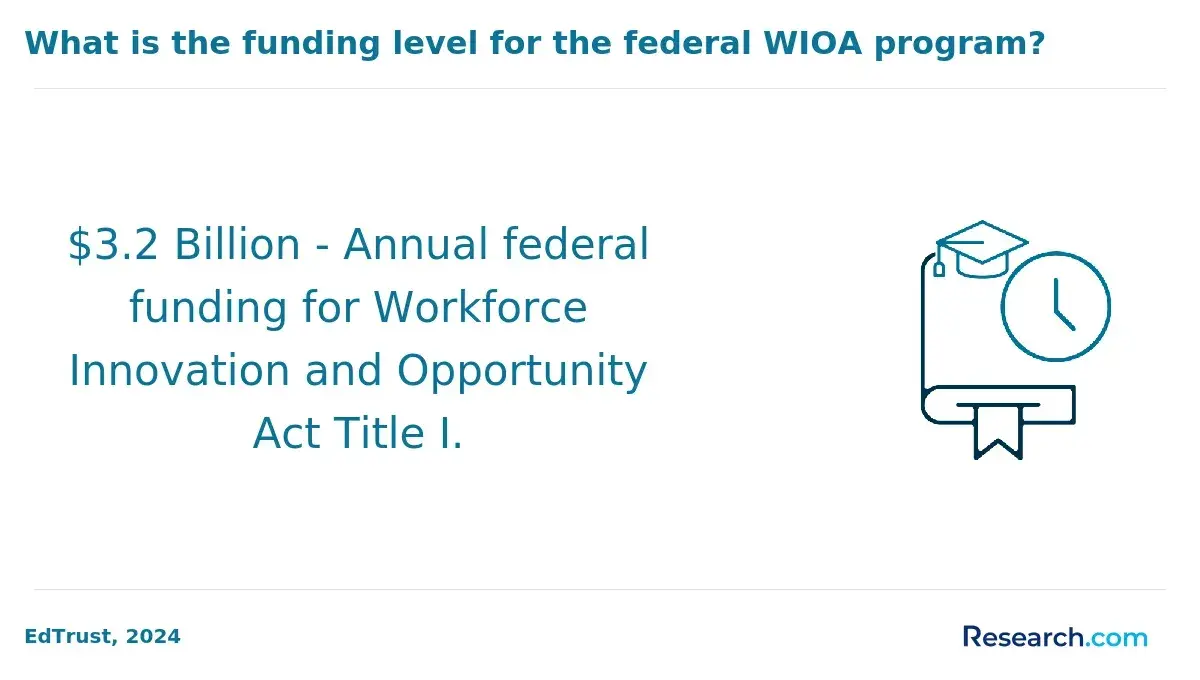
Program-level federal datasets do not consistently separate Health Administration doctoral tuition by online versus on-campus delivery, so the safest approach is to compare published tuition directly from each school. For decision-making, calculate cost using total credits required, per-credit tuition, mandatory fees, residency charges, dissertation continuation fees, and expected time to completion.
The table below shows the cost categories that most often affect tuition comparisons. It is useful because two programs with similar per-credit tuition can have very different total prices once fees and dissertation enrollment rules are included.
| Tuition factor | Online doctorate | On-campus doctorate | Why it matters |
| Per-credit tuition | May be flat-rate or separate online rate | May vary by residency status or school type | This is only the starting point, not the total cost |
| Required credits | Often cohort-based with fixed sequence | May vary based on research requirements, transfer credits, or full-time status | More credits can outweigh a lower per-credit price |
| Mandatory fees | Technology, online learning, library, graduation, residency fees | Campus services, student activity, health, facilities, parking, graduation fees | Fees can meaningfully change the bill |
| Residency tuition or travel | Possible for hybrid or executive formats | Usually embedded in campus attendance | Short residencies can add lodging and transportation costs |
| Dissertation continuation | May require repeated registration until completion | May require research credits or continuous enrollment | Delayed dissertations can increase total cost |
Students focused primarily on affordability sometimes compare doctoral options after reviewing lower-cost undergraduate or graduate pathways, such as the cheapest online healthcare administration degree options, to understand how much additional investment a doctorate would require.
When comparing tuition, do not stop at the advertised annual estimate. Ask admissions for a full program cost sheet based on your expected start term, transfer credits, enrollment pace, residency schedule, and dissertation phase. If the school cannot provide a realistic estimate, that is a warning sign.
Cost of attendance goes beyond tuition. It includes fees, books, software, travel, housing, transportation, childcare, professional memberships, conference participation, exam or graduation fees, and the income you may lose if you reduce work hours. For many doctoral students, opportunity cost is the biggest difference between online and on-campus study.
Online students often save on relocation and commuting, but they may pay technology fees, travel for residencies, and professional costs out of pocket. On-campus students may gain access to assistantships, tuition waivers, research roles, or teaching opportunities, but they may need to move, commute, park, or reduce employment. The lower-cost option depends on the full package, not just the tuition rate.
The table below compares common cost-of-attendance components. Use it to build a side-by-side estimate for each program on your shortlist.
| Cost component | Online format | On-campus format |
| Tuition | May be similar to campus or charged at a separate online rate | May differ by residency status, school, or funding package |
| Fees | Technology, online platform, library, residency, graduation | Campus services, health, activity, facilities, parking, graduation |
| Travel | Usually lower, unless residencies are required | Daily commuting or relocation may be necessary |
| Housing | Usually unchanged if the student stays employed locally | May increase if relocation is required |
| Lost income | Often lower if the student can remain employed | May be higher if full-time attendance limits work |
| Funding access | Federal aid may be available if eligible; assistantships vary | Assistantships, fellowships, or campus employment may be more common in research-focused programs |
Federal Student Aid allows eligible graduate students to borrow up to $20,500 per academic year in Direct Unsubsidized Loans, with Grad PLUS loans potentially covering remaining approved cost of attendance. That does not mean borrowing the full amount is wise. Doctoral students should compare expected monthly payments, employer tuition benefits, public service employment goals, and the likelihood that the doctorate will support a specific advancement path.
Average student loan debt for Health Administration doctoral graduates is not consistently published as a clean national figure by delivery format. Because of that, your best evidence is program-specific net price, debt, completion, and repayment information when available through institutional disclosures and federal tools. Avoid assuming that an online doctorate has lower debt simply because you do not move.
A practical rule is to calculate three numbers for every program: tuition-only cost, total direct cost, and total personal cost including lost income. The program that looks cheaper in marketing materials may not be cheaper once commuting, residencies, work reduction, and dissertation delay are included.
Most Health Administration employers care less about the delivery format than about whether the degree is credible, relevant, and backed by evidence of leadership ability. Hiring committees, hospital systems, consulting firms, universities, government agencies, and nonprofit health organizations typically evaluate the institution, accreditation, experience, research or project quality, communication skills, and fit for the role.
Employer perception has shifted as online graduate education has become common among working adults. However, acceptance is not uniform. Academic research roles, tenure-track faculty positions, and highly selective policy or research organizations may scrutinize dissertation quality, publications, methodology training, and faculty reputation more heavily than operational leadership roles do.
The table below shows how employers often interpret doctorate credentials. It can help you decide which evidence to build while enrolled, regardless of format.
| Employer concern | What they may look for | How online students can address it | How on-campus students can address it |
| Credential credibility | Accredited institution, transparent curriculum, recognized faculty | Highlight accreditation, program outcomes, and applied doctoral work | Highlight accreditation, campus research resources, and faculty mentorship |
| Leadership readiness | Experience managing teams, budgets, quality, compliance, or strategy | Connect coursework to measurable workplace projects | Use internships, assistantships, or campus partnerships to document leadership growth |
| Research ability | Dissertation quality, methods training, publications, presentations | Present at professional conferences and share applied research outputs | Join research groups, publish with faculty, and attend seminars |
| Communication skill | Executive writing, presentations, stakeholder engagement | Build a portfolio of reports, presentations, and policy briefs | Use seminars, teaching, and campus presentations to show communication strength |
| Professional network | References, industry visibility, partnerships | Use residencies, associations, and employer-based projects | Use campus events, alumni networks, and local healthcare systems |
If you worry about bias against online education, ask targeted questions before enrolling: Do graduates list the program format on résumés? Do transcripts identify online delivery? Where are alumni employed? Are doctoral projects tied to recognizable healthcare organizations? Can faculty provide references based on substantive work?
The strongest defense against format skepticism is evidence. A well-documented doctoral project, strong references, leadership accomplishments, conference presentations, publications, and measurable organizational impact can matter more than the classroom format.
Program format can affect job prospects indirectly, but it rarely acts alone. Online study may help experienced professionals keep progressing in their current organizations while earning the doctorate. On-campus study may offer stronger access to faculty research, teaching experience, local health system partnerships, and in-person networking. The better format is the one that builds the evidence your target employers value.
The BLS reports a $110,680 median annual wage for medical and health services managers, but that figure applies to a broad occupational category and not specifically to doctorate holders. A doctorate may support advancement into executive leadership, consulting, policy, teaching, research, or specialized administrative roles, but it does not automatically change compensation. Location, employer size, prior experience, and role scope still matter.
Online formats can be especially useful for students already in healthcare leadership because they can immediately apply doctoral learning to strategy, quality improvement, operations, compliance, informatics, finance, or population health projects. On-campus formats may be more advantageous for students trying to move into academia, research-intensive roles, or positions where faculty mentorship and publication pipelines are important.
Students considering adjacent healthcare leadership paths should also compare compensation and role requirements outside traditional administration. For example, reviewing health information management salary data can help determine whether a doctorate, certification, analytics training, or management experience is the better next investment.
To evaluate job prospects realistically, define your target outcome before choosing a program. A doctorate is more likely to make sense when it supports a specific move, such as executive leadership, faculty teaching, consulting authority, policy analysis, organizational transformation, or research leadership. It is less compelling if you are enrolling mainly because the credential sounds prestigious but you have no clear use case.
How do you choose between online and on-campus Health Administration doctorate programs?
Choose between online and on-campus Health Administration doctorate programs by matching format to your career goal, learning style, financial reality, research needs, and professional network. The best program is not the most convenient one; it is the one you can complete with strong work, manageable debt, and a credible path to your next role.
Start with career fit. If you are already a healthcare administrator and want to advance in your current region or organization, an online or hybrid program may be ideal. If you want a research career, faculty role, teaching experience, or deep campus-based mentorship, an on-campus or research-intensive hybrid program may offer better infrastructure.
Use this decision process to narrow your shortlist. It turns a broad format preference into a practical comparison you can defend financially and professionally.
- Define your target role and identify whether employers in that space value applied leadership, research output, teaching experience, executive credibility, or specialized expertise.
- Eliminate any program that lacks recognized institutional accreditation or cannot clearly explain dissertation, fieldwork, and student support requirements.
- Compare total cost of attendance, including tuition, fees, residencies, commuting, relocation, lost income, and dissertation continuation enrollment.
- Ask whether online and on-campus students receive equal access to faculty advising, library resources, research tools, career services, and alumni networks.
- Review curriculum fit by checking whether courses align with your goals in healthcare finance, policy, quality improvement, analytics, leadership, ethics, or research.
- Request data on completion timelines, doctoral project support, alumni roles, and student satisfaction if the program makes those outcomes available.
- Speak with current students or alumni in the same format you are considering, because campus and online experiences can differ within the same university.
Watch for common mistakes. Students often assume online means easier, ignore residency requirements, compare tuition without fees, overlook dissertation support, underestimate writing time, or choose a prestigious university whose faculty do not match their research interests. Others choose campus study for networking but fail to use the network actively.
The bottom line: choose online if you need geographic flexibility, want to keep working, and can stay disciplined without daily campus structure. Choose on campus if in-person mentorship, research immersion, teaching opportunities, and local partnerships are central to your goal. Choose hybrid if you want online access but still value periodic face-to-face connection.
Other Things You Should Know About Health Administration
They can, but many schools use similar requirements across formats. Expect graduate transcripts, a résumé, statement of purpose, recommendations, and evidence of healthcare or leadership experience. Research-focused programs may place more weight on writing samples, methodology preparation, and faculty fit.
Usually, diplomas list the institution and degree, not the delivery format, but policies vary. Ask the registrar whether the transcript or diploma identifies online study before enrolling if this matters to you.
Some programs allow limited doctoral-level transfer credit, while others require all credits to be completed in residence. Transfer rules often depend on course age, grade earned, accreditation of the prior institution, and whether the course matches doctoral outcomes.
It may be worth it if the doctorate supports a clear goal such as executive leadership, consulting, teaching, policy work, or applied research. If your next promotion depends more on experience, certifications, or operational results, another doctorate may not be the most cost-effective step.
- Best Online Doctor of Healthcare Administration Programs https://www.phds.me/online-programs/doctorate-healthcare-administration-dha/
- How Credible Are Online Degrees? And are they worth it? https://potomac.edu/are-online-degrees-taken-seriously-by-employers/
- Financial Aid For Online Colleges https://www.affordablecollegesonline.org/financial-aid/financial-aid-for-online-colleges/
- Online MHA Programs Ranked by Affordability (2025) https://www.mhaonline.com/blog/affordable-online-mha-programs-ranked
- Are Online PhD Programs Credible? https://henryharvin.ae/blog/are-online-phd-programs-credible/
- What Employers Actually Think About Online Degrees https://www.onlineu.com/magazine/what-employers-think-about-online-degrees
- Healthcare Administration Scholarships https://www.healthadministrationdegrees.com/healthcare-administration-scholarships/
- Online vs On-Campus HIM Programs: How to Choose | Health Information Management Programs https://healthinformationmanagementprograms.com/guides/online-vs-campus-him-programs/
- Online PhD: Revolutionizing Education or a Risky Gamble? https://onlinecourses.rademics.com/blog-details
- Health Administration: Online Degrees and Careers https://www.publichealthonline.org/healthcare-administration/online-degree-programs/


