
2027 Online vs On-Campus Criminal Justice Administration Doctorate Programs: Cost, Flexibility, and Employer Perception

Co-Founder and Chief Data Scientist
The real decision is not whether a Criminal Justice Administration doctorate is "better" online or on campus; it is which format fits your budget, work life, research goals, and target employers. The National Center for Education Statistics reported in 2024 that more than half of U. S. graduate students took at least one distance education course, making format choice a mainstream issue rather than a niche concern.
This guide is for working justice professionals, educators, agency leaders, and future researchers comparing cost, flexibility, and employer outlook before committing to a doctoral program.
Key Things to Know About Online vs On-Campus Criminal Justice Administration Doctorate Programs
- Online Criminal Justice Administration doctorates usually offer the strongest scheduling flexibility, but they are not automatically cheaper once technology fees, residency travel, and reduced access to assistantships are counted.
- On-campus programs often provide easier access to faculty, research centers, teaching experience, and campus networks, but they can require relocation, fixed class times, and a larger opportunity cost for working professionals.
- Employer perception increasingly depends less on delivery format and more on regional accreditation, dissertation quality, applied research, leadership experience, and whether the transcript or diploma clearly signals a credible university-based doctorate.
What are the key differences between online vs on-campus Criminal Justice Administration doctorate programs?
Online and on-campus Criminal Justice Administration doctorate programs usually lead to similar academic credentials, such as a PhD, Doctor of Criminal Justice, or Doctor of Public Administration with a justice concentration. The format changes how you access courses, faculty, research support, classmates, campus services, and professional networks.
Use the comparison below to identify which differences are likely to affect your daily life and long-term return on investment. The most important distinction is not simply "remote versus in person," but how the format supports your research, career goals, and ability to finish.
| Comparison factor | Online doctorate | On-campus doctorate | Why it matters |
| Course delivery | Often asynchronous or hybrid, with discussion boards, recorded lectures, and virtual meetings | Usually scheduled seminars, campus meetings, and in-person research activities | Determines whether the program fits around work shifts, family obligations, and agency responsibilities |
| Networking | Depends heavily on virtual cohort design, residencies, and faculty availability | Often stronger through campus events, research labs, teaching roles, and informal faculty contact | Can affect mentoring, dissertation committee formation, and academic job preparation |
| Research access | May rely on remote databases, local field sites, and virtual advising | May provide easier access to faculty projects, research centers, and campus-based datasets | Important for students planning careers in academia, policy research, or evaluation |
| Work compatibility | Typically better for full-time law enforcement, corrections, court, homeland security, and nonprofit professionals | Often better for students who can study full time or accept assistantships | Shapes both affordability and completion risk |
| Campus requirements | May include short residencies, intensives, dissertation defenses, or orientation visits | Regular campus presence is expected | Online students should budget for travel even when coursework is remote |
If you are still deciding whether to pursue doctoral study or build toward it in stages, reviewing lower-level pathways such as the best online associate degree programs in criminal justice can help clarify how each credential fits into a longer education plan.
Are online Criminal Justice Administration doctorate programs as rigorous as on-campus programs?
A well-designed online Criminal Justice Administration doctorate can be as rigorous as an on-campus program when the curriculum, faculty expectations, research requirements, admissions standards, and dissertation process are equivalent. Format alone does not determine academic quality. Accreditation, faculty qualifications, methodological training, dissertation supervision, and student support matter more.
Rigor is easiest to compare when you look at what students must actually produce. In a credible doctoral program, online or on campus, you should expect advanced coursework in criminological theory, public administration, justice policy, leadership, statistics or qualitative methods, research ethics, and a dissertation or doctoral project.
Before applying, review the academic quality indicators that reveal whether an online program is genuinely doctoral-level or simply convenient. These checks help you avoid programs that are easy to enter but difficult to justify professionally.
- Confirm that the institution is regionally accredited and that the online doctorate is covered by the same institutional accreditation as campus programs.
- Compare dissertation requirements, research methods courses, comprehensive exams, and committee expectations across formats.
- Review faculty biographies to see whether professors publish in criminal justice, criminology, public administration, policing, corrections, courts, or justice policy.
- Ask whether online students can access library databases, statistical software, writing support, research ethics review, and dissertation coaching remotely.
- Check whether the program publishes completion support practices, not just admission convenience.
A major warning sign is a program that markets speed and flexibility but says little about research mentorship, dissertation milestones, academic standards, or graduate outcomes. Doctoral rigor should be visible before you enroll.
How does scheduling flexibility differ between online and on-campus Criminal Justice Administration doctorate programs?
Scheduling flexibility is usually the clearest advantage of online Criminal Justice Administration doctorate programs. Many students considering this field already work in agencies, higher education, public safety consulting, courts, corrections, intelligence analysis, emergency management, or nonprofit leadership. For them, a fixed campus schedule can be more disruptive than the academic workload itself.
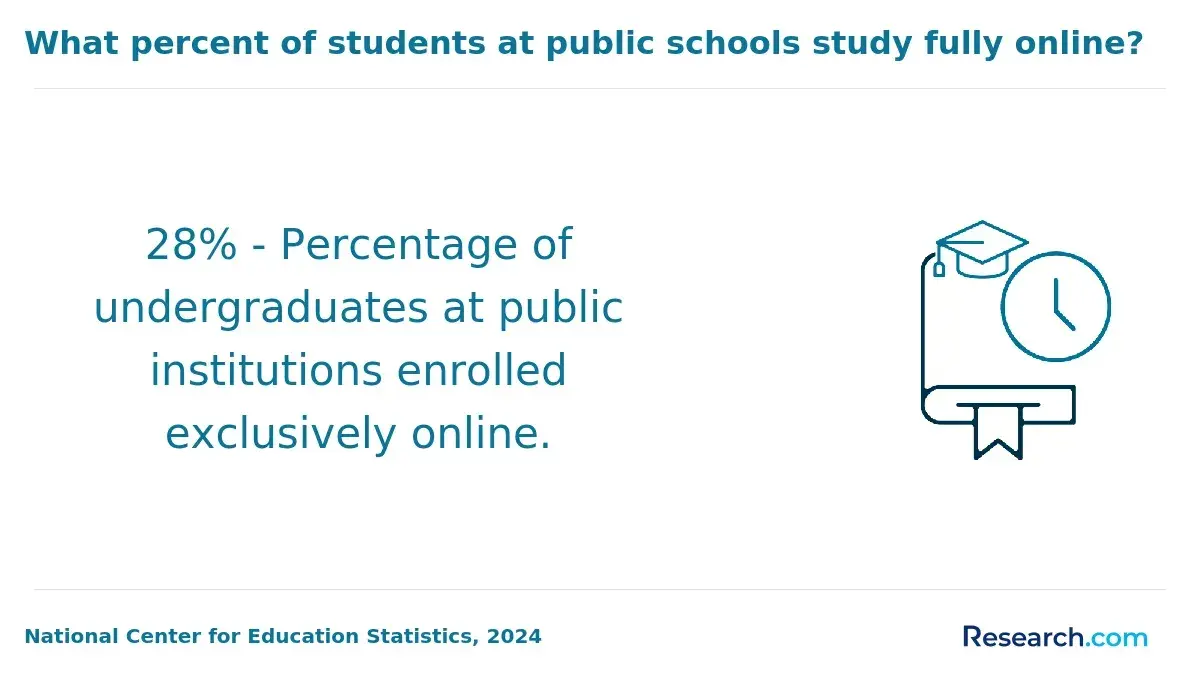
The National Center for Education Statistics reported in 2024 that distance education participation among graduate students remained widespread after the pandemic-era shift. For doctoral applicants, this means online and hybrid formats are no longer unusual, but the amount of flexibility still varies sharply by program.
| Format type | Typical schedule | Best fit | Trade-off |
| Fully asynchronous online | Weekly deadlines with no required live class time | Students with rotating shifts, travel-heavy jobs, or family caregiving responsibilities | Requires strong self-management and fewer spontaneous faculty interactions |
| Synchronous online | Live evening or weekend classes through video conferencing | Students who want structure without relocating | Less flexible for law enforcement, corrections, and military schedules |
| Hybrid or low-residency | Online coursework plus periodic campus intensives | Students who want online access with some in-person networking | Travel costs and time away from work must be planned early |
| Traditional on-campus | Scheduled seminars, campus meetings, and in-person activities | Students pursuing academic careers, assistantships, or full-time doctoral study | Harder to combine with full-time employment or relocation constraints |
Do not assume "online" means self-paced. Many doctoral programs use strict weekly deadlines, cohort calendars, synchronous seminars, or required research checkpoints. Before choosing a format, ask admissions and faculty these practical questions.
- Are courses asynchronous, synchronous, hybrid, or a mix of all three?
- How often are students required to attend campus residencies, orientations, intensives, or dissertation meetings?
- Can students enroll part time without losing access to advising, financial aid eligibility, or dissertation support?
- Are comprehensive exams and dissertation defenses completed online, on campus, or by committee decision?
- What is the expected weekly time commitment during coursework and dissertation phases?
An online doctorate can be more manageable if your work schedule is unpredictable. An on-campus doctorate may be more manageable if you need external structure, face-to-face accountability, and easier access to faculty offices and peer study groups.
Criminal Justice Administration doctorates usually do not have standardized clinical-hour requirements like nursing, counseling, or social work programs. Fieldwork, when required, often appears as applied research, policy analysis, program evaluation, internships, agency-based projects, dissertation data collection, or practitioner-focused capstone work.
The format affects where and how fieldwork happens. Online students often use local agencies or their current workplace as research settings, while on-campus students may connect through university partnerships, research institutes, nearby courts, correctional agencies, or policing organizations.
| Fieldwork element | Online format | On-campus format | What to verify |
| Applied research site | Often arranged near the student's home or workplace | Often arranged through campus networks or regional partners | Whether the program helps secure sites or expects students to find their own |
| Internship or practicum | Less common at the doctoral level, but possible in professional doctorates | May be available through campus-affiliated agencies | Whether placements are required, optional, or unavailable |
| Human subjects review | Completed remotely through the university's review process | Completed through the same institutional process | How long approvals usually take and what support is provided |
| Data collection | May rely on local agencies, administrative records, surveys, or interviews | May include campus-supported projects or faculty datasets | Whether your proposed topic is feasible in your location |
The biggest mistake is enrolling online because it appears location-independent, then discovering that your dissertation requires access to agencies, participants, or records you cannot realistically obtain. Before committing, ask whether students in your state or region have successfully completed similar research projects.
The dissertation process is often where online and on-campus experiences diverge most. Coursework can be delivered effectively in either format, but dissertation completion depends on sustained advising, committee responsiveness, research design support, and access to data.
In an online program, you may meet your chair by video, submit drafts through a learning platform, attend virtual residencies, and defend remotely. In an on-campus program, you may have more informal access to faculty, research seminars, writing groups, and peer feedback. Neither model is automatically better; the stronger choice is the one with clearer dissertation infrastructure.
Use this sequence to evaluate dissertation support before you apply. These steps are more useful than relying on marketing claims about flexibility or prestige.
- Identify whether the program requires a traditional dissertation, applied dissertation, doctoral project, or policy-focused capstone.
- Ask when students are matched with dissertation chairs and whether chair changes are common.
- Request examples of recent dissertation titles to see whether faculty support topics similar to yours.
- Ask how online students access statistics help, qualitative methods support, writing feedback, and research ethics guidance.
- Confirm whether proposal defense and final defense can be completed remotely or require campus travel.
- Ask about dissertation continuation fees, maximum time limits, and what happens if a student needs a leave of absence.
Common red flags include vague answers about advising, no clear dissertation timeline, limited faculty expertise in your research area, and high-pressure enrollment conversations that focus more on start dates than research fit.
Tuition comparisons are harder than many applicants expect because national datasets such as IPEDS and College Scorecard do not provide a clean, comprehensive online-versus-on-campus average specifically for Criminal Justice Administration doctorates. The practical approach is to compare published per-credit tuition, required credits, fees, residencies, and funding opportunities for each school.
For 2024-2025 published U.S. doctoral tuition pages, many online and hybrid criminal justice-related doctorates fall into a broad professional-program range rather than a single national price point. Treat the figures below as planning ranges to verify directly with each university, not as guaranteed prices.
- Online or hybrid Criminal Justice Administration doctorate tuition commonly appears around $600 to $1,200 per credit before fees.
- Public on-campus doctoral tuition can be lower for in-state students, but out-of-state rates may exceed online flat-rate pricing.
- Private nonprofit and private for-profit doctoral tuition can overlap with online tuition ranges, so institution type alone does not determine affordability.
- Total tuition depends heavily on credit requirements; a 45-credit doctorate and a 75-credit doctorate can have very different total prices even with similar per-credit rates.
The table below shows how to compare tuition in a way that is more useful than looking at the sticker price alone. It separates the rate you see on a website from the total academic cost you may actually face.
| Cost item | Online doctorate | On-campus doctorate | Decision impact |
| Per-credit tuition | Often flat-rate for all online students | May vary by in-state, out-of-state, or residency status | Online can be simpler to price; campus can be cheaper for in-state students |
| Required credits | Varies by program and transfer policy | Varies by PhD, professional doctorate, and assistantship model | More credits can outweigh a lower per-credit rate |
| Program fees | Technology, online learning, dissertation, graduation, and residency fees may apply | Campus, student activity, library, lab, and dissertation fees may apply | Fees can narrow or erase tuition differences |
| Funding | Employer tuition assistance and federal loans are common; assistantships may be limited | Assistantships, tuition waivers, teaching roles, and research funding may be more available | Funding can make on-campus study cheaper for full-time students |
For a deeper explanation of how tuition, fees, and hidden expenses work across criminal justice programs, compare the broader criminal justice degree price factors before building your doctorate budget.
Cost of attendance is broader than tuition. It includes fees, books, software, travel, housing, transportation, childcare, lost wages, dissertation costs, and the amount of time you may need to reduce paid work. This is where online programs often gain an advantage for working professionals, even when per-credit tuition is similar.
Federal Student Aid rules allow graduate and professional students to borrow up to $20,500 per academic year in Direct Unsubsidized Loans, with additional Grad PLUS borrowing possible up to the school-certified cost of attendance. That does not mean borrowing is wise; it means your format choice can directly affect how much debt you may be tempted to take on.
The table below summarizes the cost categories that most often change between online and campus-based doctoral study. Use it to build a personal budget rather than relying on tuition alone.
| Cost category | Online student considerations | On-campus student considerations |
| Housing and relocation | Usually avoid relocation if the program is fully remote or low-residency | May need to move near campus or pay higher commuting costs |
| Travel | Residencies, intensives, orientations, or defense travel may still be required | Regular commuting, parking, and local transportation costs are common |
| Employment impact | Often easier to remain employed full time, though workload can still be demanding | May require reduced work hours, relocation, or full-time study |
| Funding access | Employer support may be more realistic for working professionals | Assistantships and tuition waivers may be more accessible |
| Dissertation costs | May include software, transcription, participant recruitment, and local travel | May include similar research costs plus campus-based fees |
A common budgeting mistake is assuming online equals low-cost. An online program with high per-credit tuition and multiple required residencies may cost more than a funded on-campus program. Conversely, an unfunded campus program that requires relocation can become far more expensive than an online option that lets you keep your salary.
Most Criminal Justice Administration employers do not evaluate a doctoral credential by format alone. They are more likely to ask whether the university is accredited, whether the degree matches the role, whether the dissertation or doctoral project demonstrates useful expertise, and whether the candidate has the leadership experience to apply advanced knowledge in justice settings.
Employer perception also depends on the target role. A police executive, corrections administrator, emergency management leader, policy analyst, faculty search committee, and consulting client may each weigh the degree differently. For practitioner leadership roles, applied expertise and credibility in the field can matter more than campus attendance. For tenure-track academic roles, research productivity, teaching experience, publications, and faculty mentorship may carry more weight.
The Bureau of Labor Statistics projected in its 2024 Occupational Outlook Handbook that employment of postsecondary teachers would grow 8% from 2023 to 2033, faster than the average for all occupations. For readers considering academic careers, that projection signals opportunity, but it does not remove the need to build a strong research and teaching profile.
When speaking with employers, mentors, or hiring managers, ask questions that reveal real perception rather than relying on assumptions. The goal is to understand how your specific field views online doctoral preparation.
- Would this employer treat an online doctorate from a regionally accredited university differently from the same credential earned on campus?
- Does the role require a research doctorate, or would a professional doctorate with applied leadership research be acceptable?
- Are publications, grant work, teaching experience, command experience, or policy evaluation projects more important than format?
- Will the diploma or transcript identify the degree as online, and if so, does that matter in your target setting?
- Do current leaders in the agency, college, nonprofit, or consulting field hold online or hybrid graduate credentials?
Criminal justice administrators who work across public safety, compliance, workplace risk, and emergency preparedness may also compare adjacent credentials such as the best online environmental health and safety programs when deciding whether a justice doctorate is the most targeted credential for their next role.
Program format can affect job prospects indirectly, but it rarely does so in isolation. The stronger question is whether the format helps you build the profile required for your target job. Online study can preserve professional momentum, while on-campus study can provide deeper access to research and teaching opportunities.
For agency leadership, consulting, policy, and executive roles, an online doctorate may be a strong fit if it lets you continue working while completing research tied to real justice problems. For academic roles, an on-campus or strongly mentored hybrid program may offer advantages if it includes teaching assistantships, faculty collaboration, conference travel, and publication support.
Use the role-based comparison below to think beyond the diploma and focus on the evidence employers may review.
| Career goal | Online format advantage | On-campus format advantage | What employers may value most |
| Agency executive or command leadership | Continue building senior experience while studying | Access to campus leadership institutes or regional networks | Operational results, ethics, policy judgment, and applied research |
| College teaching | Possible fit for practitioner-oriented or adjunct teaching roles | More opportunities for teaching assistantships and faculty mentoring | Teaching record, doctorate relevance, and subject expertise |
| Research or policy analysis | Can study problems in your current agency or community | May provide stronger research lab and faculty project access | Methods skills, publications, reports, and data experience |
| Consulting | Allows continued client or agency experience | May build campus-based professional networks | Credibility, specialization, results, and communication skills |
Salary outcomes are not cleanly reported by online-versus-campus format for Criminal Justice Administration doctorates. Use national salary data only as context, then compare outcomes from each program, such as alumni roles, faculty placements, dissertation topics, employer partnerships, and student debt levels.
How do you choose between online and on-campus Criminal Justice Administration doctorate programs?
The right format is the one that supports completion, strengthens your career profile, and fits your financial reality. Start by defining your goal: academic research, college teaching, agency leadership, executive public administration, consulting, policy evaluation, or specialized justice reform work. Then compare formats against that goal.
Follow this decision process before applying. It will help you avoid choosing based on convenience, prestige, or price alone.
- Write down your target role and identify whether it rewards research publications, teaching experience, executive leadership, applied policy work, or agency credibility.
- Shortlist only regionally accredited universities and verify that online and campus students receive equivalent academic recognition.
- Compare total program cost, including tuition, fees, travel, lost wages, dissertation continuation costs, and likely borrowing.
- Ask whether you can realistically commit the weekly time required during coursework and the unstructured time required during dissertation writing.
- Review faculty expertise and recent dissertations to confirm that your topic has a realistic home in the program.
- Ask about residencies, synchronous class sessions, defense requirements, and fieldwork expectations before you enroll.
- Speak with at least one current student or graduate from each format if the program can connect you.
- Compare employer expectations in your target market instead of assuming every employer views online doctorates the same way.
Online is often the better choice if you are a working professional who cannot relocate, want to keep earning income, and can stay disciplined without weekly campus routines. On campus is often the better choice if you want an academic career, need intensive research mentoring, can pursue assistantship funding, or benefit from face-to-face scholarly community.
If a doctorate feels premature, consider whether an online criminal justice degree at another level would help you build credentials, reduce cost risk, or clarify your specialization before committing to doctoral study.
Other Things You Should Know About Criminal Justice Administration
Sometimes, but it depends on the university. Credits, cohort structure, residency rules, and faculty availability may limit format changes. Ask before enrolling if you think your work or family situation could change.
They may, but credible programs usually require similar core materials: graduate transcripts, a statement of purpose, references, writing samples, and evidence of research or professional readiness. Some on-campus PhD programs may place more weight on research fit and faculty availability.
Policies vary. Many universities do not list delivery format on the diploma, but some transcripts or program records may indicate campus or online enrollment. Ask the registrar for the official policy, not only the admissions office.
The biggest red flag is weak dissertation support. If a program cannot clearly explain advising, committee selection, research methods help, timeline expectations, and completion support, the format should not be your main concern.
- 2025 Most Affordable Master's in Criminal Justice Online https://www.onlineu.com/most-affordable-colleges/criminal-justice-masters-degrees
- Today's Top Criminology Master's Programs Online https://www.onlinemastersdegrees.org/best-programs/criminal-justice/criminology/
- How Long is a Master's in Criminal Justice (MSCJ) Program? https://www.forensicscolleges.com/blog/resources/how-long-to-earn-masters-in-cj
- Online Criminal Justice Degrees (Types, Benefits & FAQ) https://www.allcriminaljusticeschools.com/criminal-justice/criminal-justice-online-degree/
- Doctor of Criminal Justice | Online with Limited Residency | Tiffin University https://go.tiffin.edu/doctorate-programs/doctor-of-criminal-justice/
- Associate Degrees in Criminal Justice https://www.criminaljusticeprograms.com/programs/associate-in-criminal-justice/


