2027 Online Real Estate Bachelor's Degree Programs With Monthly Start Dates

Co-Founder and Chief Data Scientist
Many prospective students find themselves constrained by traditional semester start dates-especially those balancing jobs or unexpected life changes—making it difficult to enroll in real estate bachelor's degree programs on their own schedule. Monthly start dates offer the flexibility needed to begin education without prolonged delay.
Currently, about 35% of real estate students in online programs choose schools with monthly intakes to accommodate their varied timelines and commitments.
This article explores how monthly start dates can help candidates maintain momentum, providing a detailed guide on selecting accredited programs, understanding admissions, curriculum specifics, costs, and career outcomes tailored for flexible learners.
Key Things to Know About Online Real Estate Bachelor's Degree Programs With Monthly Start Dates
- Most programs require regional accreditation and a high school diploma or equivalent; many accept transfer credits, easing admission for returning or transfer students seeking flexibility.
- Curricula blend core business, real estate law, finance, and market analysis courses—costs vary widely but monthly start dates aid budget management and continuous enrollment.
- Graduates qualify for roles in brokerage, appraisal, and property management; 7% job growth is expected through 2030, emphasizing the value of licensure-aligned coursework.
What Are Online Real Estate Bachelor's Degree Programs With Monthly Start Dates, and How Do They Work?
Online real estate bachelor's degree programs with monthly enrollment offer a flexible alternative to traditional semester schedules by allowing students to begin courses any month of the year.
Unlike fixed fall or spring starts, these rolling admission programs often use competency-based or asynchronous learning models, empowering students to progress at their own pace by demonstrating mastery rather than attending scheduled lectures.
This flexibility makes these programs especially suitable for working adults balancing multiple responsibilities.
Typically, these flexible online real estate degree programs for working adults require about 120 credit hours, combining general education with core real estate subjects such as property management, real estate finance, and law.
Courses are carefully sequenced to build foundational knowledge before moving into specialized areas, while progression depends on completing assignments and assessments within flexible timeframes rather than strict semester deadlines.
Enrollment in online programs with rolling start dates is growing rapidly. According to the National Center for Education Statistics and the Online Learning Consortium, many institutions have adopted this format to meet increasing demand, confirming that these programs are now mainstream rather than experimental.
Key points to understand about online real estate programs with monthly starts include:
- Flexibility: Students can enroll anytime, accommodating varied schedules and promoting continuous progression.
- Delivery Models: Competency-based and asynchronous courses allow individualized pacing and mastery-driven progress.
- Curriculum Structure: Around 120 credit hours combining general studies with focused real estate coursework sequenced for comprehensive learning.
- Enrollment Trends: Rising adoption reflects widespread acceptance and effectiveness of rolling admissions in higher education.
- Program Suitability: Ideal for adults managing work, family, or military commitments needing convenient yet rigorous education paths.
The following sections provide a comprehensive roadmap covering accreditation standards, admission requirements, program costs, and career outcomes. For those comparing degree options, also consider exploring the cheapest easiest online degree programs available to find affordable, flexible educational pathways.
Which Regional Accreditation Bodies Approve Online Real Estate Bachelor's Programs With Monthly Start Dates?
Regional accreditation plays a vital role in ensuring the quality and recognition of online Real Estate bachelor's degree programs with monthly start dates. This type of accreditation is awarded by independent agencies monitoring educational standards within specific U.S. regions.
It is the accreditation most employers, graduate schools, and licensure boards recognize when evaluating such degrees, distinguishing it from national accreditation, which often covers specialized or vocational schools and may not carry the same weight.
Graduates from nationally accredited programs can face challenges in employer acceptance or transferring credits, making regional accreditation the preferred standard.
Key regional accreditation bodies approving regionally accredited online Real Estate bachelor's degrees in the United States include:
- Higher Learning Commission (HLC): Oversees institutions in the central United States, supporting diverse programs including online Real Estate degrees.
- Southern Association of Colleges and Schools Commission on Colleges (SACSCOC): Covers southern states with rigorous academic standards.
- New England Commission of Higher Education (NECHE): Accredits northeastern institutions, promoting continuous improvement and transparency.
- WASC Senior College and University Commission (WSCUC): Focuses on California and Pacific region schools, encouraging innovation in online delivery.
- Middle States Commission on Higher Education (MSCHE): Oversees mid-Atlantic region schools, emphasizing clear student learning outcomes.
- Northwest Commission on Colleges and Universities (NWCCU): Accredits colleges in the northwest, supporting flexible online formats.
Students searching for regionally accredited online Real Estate bachelor's programs with monthly start dates should confirm accreditation status through resources such as the U.S. Department of Education's Database of Accredited Postsecondary Institutions and Programs (DAPIP) or the Council for Higher Education Accreditation (CHEA) database.
Beyond these regional bodies, some programmatic accreditors specializing in Real Estate or related business fields provide additional credibility. Prospective students should review school websites or contact admissions offices directly to determine if such specialized accreditation applies to their chosen program.
Beware of diploma mills and non-accredited institutions that market monthly start dates while lacking recognized accreditation. Degrees from these schools are often not accepted by employers or professional boards, which can harm career prospects. Prioritizing programs approved by respected regional accreditation agencies is essential for a respected education.
Choosing an accredited online Real Estate program can significantly impact your career path, especially in competitive fields. If you aim for one of the most lucrative majors, understanding these distinctions and accreditation details is crucial to making informed choices.
How Do Monthly Start Dates in Online Real Estate Programs Differ From Traditional Semester or Quarter Systems?
Monthly start dates in online real estate programs offer a more flexible and accessible alternative to traditional semester or quarter systems. Instead of waiting for fixed academic entry points, students can begin training throughout the year, allowing them to move into coursework—and ultimately licensure preparation—on a timeline that better aligns with their personal and professional goals.
- Enrollment Flexibility: Programs with monthly start dates operate on a rolling or cohort enrollment basis, allowing students to begin their studies any month rather than waiting for fixed semesters or quarters. This model reduces delays, catering especially to working professionals and those with shifting schedules.
- Course Sequencing: Some monthly-start real estate programs use a fixed sequence where courses unlock in an established order, ensuring a logical progression. Others combine structured coursework with self-paced elements, giving students flexibility while preserving academic guidance.
- Learning Community: Because cohorts start at different times, groups tend to be smaller and less synchronized compared to traditional semester models. This can influence peer interaction, though many programs create virtual forums and live sessions to foster collaboration.
- Instructor Access: Instructors in rolling cohorts provide ongoing support and timely feedback throughout each month, contrasting with the concentrated attention common in semester-based systems.
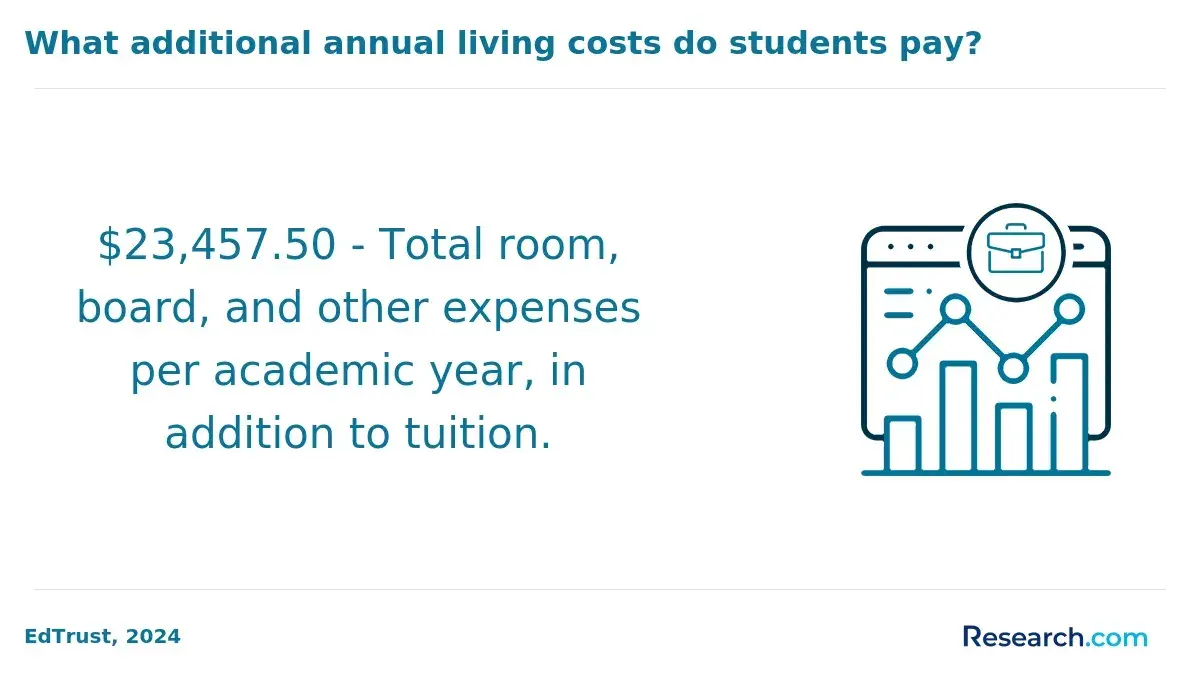
- Financial Aid Coordination: Title IV federal aid typically requires enrollment periods and payment schedules to align with academic calendars. Monthly start programs must carefully structure calendars to comply with federal guidelines to maintain students' access to grants and loans.
- Verifying Financial Aid Eligibility: Prospective students should consult the U.S. Department of Education's Federal Student Aid office or the school's financial aid office to ensure the monthly-start schedule qualifies under federal requirements and avoids interruptions in funding.
A professional who completed an online real estate bachelor's degree with monthly starts shared that adapting to the rolling enrollment felt initially disorienting. "Starting each month meant I was often the only new student in my group, which made it tough at first to connect with peers," he remarked.
However, the flexibility allowed him to balance work and study without waiting months to begin. He appreciated the steady support from instructors who "were always responsive no matter when I started a course."
He also highlighted that confirming financial aid eligibility upfront prevented surprises, easing his path through the program as he built the foundation to launch his career.
Admission requirements for online real estate bachelor’s programs with monthly start dates are generally straightforward and designed to support flexible enrollment. Most programs require a high school diploma or equivalent, along with a completed application.
Some may also request transcripts, basic math or communication proficiency, and, in certain cases, a statement of intent—while rolling admissions and quick review processes make it easier for students to start without long delays.
- High School Diploma or GED: Most online real estate bachelor's degree programs with monthly start dates require applicants to hold a high school diploma or GED certificate as a foundational eligibility criterion.
- Official Transcripts: Applicants must submit official transcripts from high school and any previous college-level coursework to verify their academic records. Transfer students often submit unofficial transcripts initially, but official documentation is required before final admission.
- Minimum GPA Requirements: Programs typically expect a GPA between 2.0 and 2.5 on a 4.0 scale. While many online real estate programs with flexible enrollment are open-admission-accepting most applicants who meet basic standards-selective programs impose higher GPA thresholds.
- Standardized Testing: The requirement for ACT or SAT scores has diminished significantly in rolling-enrollment programs. Many schools focus solely on transcripts and other materials to lower admission barriers for working adults and career changers pursuing online real estate bachelor's programs with monthly start dates.
- Supporting Materials for Weak Academic Records: Applicants with less competitive academic histories can improve their chances by submitting personal statements explaining their motivation, providing strong letters of recommendation, or enrolling in bridge or preparatory courses to demonstrate commitment and readiness.
Many prospective students begin with associate degrees before transitioning to bachelor's programs, which can also factor into transfer admissions.
Most online real estate bachelor's programs with monthly start dates require a minimum admission GPA ranging from 2.0 to 2.5 on a 4.0 scale. Maintaining eligibility for financial aid typically demands sustaining at least a 2.0 cumulative GPA throughout the program, which often aligns with the graduation requirement.
Applicants who fall below the minimum GPA can sometimes access provisional or conditional admission paths, offering a chance to prove their academic abilities through targeted coursework or probationary periods.
Schools may also implement academic probation policies, giving students limited time to improve their performance before dismissal. Additionally, appeal processes exist to review circumstances and potentially override low GPA concerns.
The GPA expectations vary notably across program tiers. Open-admission programs generally welcome students with GPAs near 2.0, emphasizing accessibility. Moderately selective programs usually stipulate GPAs between 2.5 and 3.0, balancing quality and inclusiveness.
Competitive programs often require GPAs above 3.0, reflecting rigorous academic standards and limited spaces. Prospective students should evaluate their academic history against these tiers to identify suitable options.
Since GPA policies can shift yearly, it is essential for applicants to consult each program's academic catalog or official website to confirm current admission standards.
- Minimum Admission GPA: Typically set between 2.0 and 2.5, though provisional options may accommodate lower scores.
- Satisfactory Academic Progress: Maintaining at least a 2.0 cumulative GPA is crucial for financial aid retention.
- Probation and Appeals: Students below GPA thresholds can sometimes continue through probation or appeal programs.
- Program Tiers: GPA requirements rise from open-admission to competitive schools, often exceeding 3.0 for the latter.
- Verify Policies Annually: GPA standards may evolve, so always check institutional catalogs or websites for updates.
A professional who built a career after graduating from an online real estate bachelor's program recalled that when her GPA hovered just below the threshold, she was apprehensive about the outcome. However, the program's conditional admission track allowed her to start immediately while demonstrating her capability through supplemental coursework.
Reflecting on the experience, she highlighted how the probationary period motivated her to prioritize studies and reach the required GPA. She also emphasized that being proactive in communicating with academic advisors and using the appeal options helped her stay on course. Ultimately, this flexibility turned a stressful situation into an opportunity to succeed without delay.
Online real estate bachelor's degree programs typically require around 120 semester credit hours for graduation. Full-time students taking 15 to 18 credits per term usually complete their degree in about four years. Monthly start dates help reduce downtime between sessions, allowing a more continuous pace and potentially faster completion.
Part-time students-often working adults balancing jobs and family-usually enroll in 6 to 9 credits each term. This slows progress, extending completion to six years or beyond, but offers needed flexibility.
Transfer credits and prior learning assessments (PLA) such as military training or professional experience can shorten the timeline by allowing students to bypass foundational courses and jump directly into upper-level real estate classes.
- Full-Time: Students taking standard course loads without many transfer credits generally finish in four years; monthly enrollment accelerates progress by minimizing wait times.
- Part-Time: Taking fewer credits per term lengthens completion to six years or more, accommodating work-life balance.
- Accelerated Paths: Transfer or PLA credits enable students to move swiftly into advanced courses, especially when monthly terms remove semester wait periods.
- Flexible Enrollment: Many programs allow pauses or leaves of absence without losing credits or needing to reapply, which benefits working adults and military students facing life changes.
- Completion Risks: Students should be cautious if transfer credits are limited or prerequisites delay access to upper-level courses, as these factors can lengthen the path to graduation.
This blend of monthly starts, credit load management, and transfer options offers students adaptable strategies for completing their real estate degree efficiently while accommodating personal and professional commitments.
Tuition for an online real estate bachelor's degree with monthly start dates typically ranges from $300 to $700 per credit hour, depending on the institution's prestige and location. Additional costs include technology fees, usually between $50 and $150 per semester, and course materials estimated at $400 to $800 annually.
While these programs are mostly online, some may require brief residencies or practicum experiences, which add travel or accommodation expenses of $500 to $1,000 per visit.
Federal financial aid options are available to qualifying students in these rolling enrollment programs. Pell Grants offer need-based assistance that does not require repayment. Subsidized and unsubsidized Direct Loans provide flexible borrowing options with manageable repayment terms.
Eligible students may also access Federal Work-Study for part-time employment. Because of monthly start dates, filing the Free Application for Federal Student Aid (FAFSA) early-ideally several months before enrollment-is essential to maximize aid, as deadlines vary by institution and often align with the academic year.
Scholarships tailored for real estate students are another critical funding source. Professional associations like the National Association of Realtors® and local boards frequently award scholarships.
Many colleges offer merit-based or need-based awards specifically for their real estate students. State grant programs also supplement federal aid and can be found through resources including the College Board Scholarship Search and Fastweb.
In practice, a lower-cost program charging $300 per credit hour might total about $36,000 for 120 credits before aid. Mid-tier programs averaging $500 per credit hour may reach $60,000, and higher-priced options at $700 per credit hour can total $84,000.
With average financial aid packages-such as grants and scholarships-net costs often drop by 30% to 50%, making these online programs with monthly starts financially feasible for many students.
The most reputable schools offering online Real Estate bachelor's degree programs with monthly start dates combine flexibility with strong academic and industry credentials.
Accreditation by recognized agencies such as the Commission on Accreditation of Business Schools and Programs (ACBSP) or regional bodies is critical to ensuring quality and transferability of credits.
This guide highlights some of the best accredited online real estate bachelor's programs with monthly enrollment to help prospective students make well-informed decisions.
- Florida International University: Accredited by the Southern Association of Colleges and Schools Commission on Colleges (SACSCOC), FIU offers monthly enrollment and accepts numerous transfer credits. Tuition is competitive for both in-state and out-of-state students.
- University of Massachusetts Amherst (Isenberg School of Management): This program, regionally accredited by the New England Commission of Higher Education (NECHE), combines property management, appraisal, and real estate law with monthly start options. Moderate tuition and dedicated career services support flexible completion times of 3 to 5 years for working adults.
- Stevens Institute of Technology: Accredited by the Middle States Commission on Higher Education, Stevens emphasizes technology and quantitative analysis in real estate. Rolling admissions and case-by-case transfer credit evaluations support a typical 4-year completion. Higher tuition is offset by strong industry contacts and low student-to-instructor ratios.
- California State University, Fullerton: Regionally accredited by WASC Senior College and University Commission (WSCUC), CSUF offers affordable tuition, monthly enrollment, and acceptance of transfer credits. Its curriculum covers urban economics, real estate law, and finance, with an average 4-year degree timeline.
- Southern New Hampshire University: Known for flexible, practical programs, SNHU is accredited by NECHE and features monthly start dates. Focused on real estate principles and finance, its favorable transfer policies allow completion in as little as 2 years for transfer students. Strong academic advising and career counseling enhance student success.
Choosing a reputable real estate program involves more than accreditation and tuition. Employer partnerships offering internships and job placements, alumni employment outcomes, faculty experience with real estate credentials, and student-to-instructor ratios all shape the quality of education and career readiness.
Candidates should prioritize programs with established reputations in real estate over general university rankings.
Students seeking to balance affordability with quality may also explore cheapest AACSB online MBA guides as a parallel reference for cost-effective accredited business education options.
Overall, selecting a program that supports career advancement through practical curriculum and networking opportunities is essential for long-term success.
Students pursuing an online real estate bachelor's degree curriculum engage in a structured academic path blending general education with industry-specific knowledge.
Early courses build a strong foundation, covering economics, business communication, statistics, and foundational finance-skills essential for grasping real estate's multifaceted market environment.
Lower-division courses introduce core concepts such as real estate principles, property law, and market analysis, cultivating skills in valuation and investment basics. These courses establish the groundwork needed before advancing to specialized topics.
Upper-division classes focus on specialized areas like real estate finance, urban planning, property management, and development.
Many programs offer elective tracks or concentrations tailored to distinct career goals-for example, commercial real estate, residential brokerage, appraisal, or investment analysis-to help align studies with professional ambitions.
- Applied Learning: Top programs incorporate experiential components such as capstone projects, practicums, or simulations that engage students with real market data or collaborative employer projects, strengthening practical skills and networking opportunities.
- Technology and Resources: Students typically gain access to industry-standard tools including financial modeling software, property databases, and memberships in professional associations, enhancing both education and career readiness.
This curriculum prepares graduates with comprehensive expertise in real estate markets, legal frameworks, and finance, emphasizing critical thinking and applied knowledge vital for success. For individuals exploring related academic options, a strong comparison can be made with an accelerated CS degree, which similarly blends theory and practical skills through well-designed course structures.
Online real estate bachelor's degree programs with monthly start dates cater to adults managing careers, families, and other obligations by offering asynchronous courses that students can access anytime.
These programs typically feature on-demand lecture recordings and mobile-friendly platforms, enabling learners to study during breaks or on the go. Flexible deadlines allow students to balance academic demands with personal and professional responsibilities without added stress.
Robust student support services enhance the experience for non-traditional learners. Dedicated academic advisors provide tailored guidance to navigate academic pathways, while career services assist with professional development.
Military and veteran support offices address unique needs, and disability accommodations ensure equitable access. Peer tutoring and writing support often extend beyond typical hours, helping those reengaging with academic work after time away.
Adult learners frequently encounter challenges such as imposter syndrome, technology anxiety, and struggles with academic writing. Quality programs offer counseling, tech orientation, and writing resources to ease these transitions.
Additionally, many programs grant credit for prior learning-including CLEP exams, portfolio assessments, or military training-which can cut both time and expenses toward graduation.
According to 2023 data from the National Center for Education Statistics, over 40% of online college students are aged 25 or older, reflecting the growing importance of flexible, monthly-start offerings for adult learners.
- Flexible Learning: Asynchronous classes, recorded lectures, and mobile platforms enable study at convenient times and locations.
- Targeted Student Support: Advising, career help, disability services, and veteran resources assist diverse adult learners.
- Overcoming Barriers: Counseling and technology training address imposter syndrome and skill gaps.
- Credit for Experience: Prior learning options reduce cost and time toward degree completion.
- Rising Adult Enrollment: More than 40% of online students are age 25+, emphasizing the need for flexible program structures.
Graduates of real estate bachelor’s programs can pursue careers in property sales, commercial leasing, property management, appraisal support, or real estate development, depending on their interests and licensing path.
Salary expectations vary widely based on role, location, and experience, but many entry-level professionals earn commission-based or modest starting incomes with strong potential for growth as they build networks, gain market expertise, and establish themselves in the industry.
- Career Paths: Graduates with a bachelor's degree in real estate often begin as agents, property managers, or analysts. While these entry-level jobs typically require the undergraduate credential, advanced roles-such as positions in development or finance-may favor candidates holding a master's degree or professional certifications.
- Salary Expectations: Median wages vary by role, with real estate brokers earning about $48,770 annually and sales agents around $44,100 as of May 2022. Property and community association managers command higher median pay near $62,290, though salaries depend heavily on experience and location.
- Employment Growth: The Bureau of Labor Statistics forecasts 4 to 6 percent growth in real estate-related occupations through 2032, aligning with average job market expansion. This persistent demand shows the ongoing need for skilled professionals in property transactions and management, enhancing return on investment for degree holders.
- Regional Variation: Job availability and compensation fluctuate significantly by region. Metropolitan areas with robust population or commercial growth often offer better salaries and more opportunities. Research from Lightcast and the Economic Policy Institute highlights the influence of local market conditions and living costs on employment prospects.
- Emerging Roles: New career opportunities are expanding in real estate technology, sustainable development, and data analytics. Graduates equipped with analytical and digital skills can pursue innovative fields like real estate analytics, urban planning support, or green building consulting.
What Graduates Say About Their Online Real Estate Bachelor's Degree Programs With Monthly Start Dates
- Cade: "The program's accreditation made me confident in the quality of education I was receiving-plus, the flexible admission requirements meant I could start without hassle. The curriculum was comprehensive yet manageable, and the cost was surprisingly affordable for such a robust bachelor's degree. After graduating, I landed a great position in property management much faster than I expected-this degree truly opened doors for me."
- Mohamed: "Reflecting on my experience, the monthly start dates were a lifesaver-I never had to wait long to begin. The coursework balanced theory with practical applications perfectly, which helped me understand market dynamics deeply. I also appreciated how the career services were tailored to Real Estate professions, which guided me toward a satisfying role in commercial realty."
- Axel: "Professionally, this program checked all the boxes: it's fully accredited, and the admissions process was straightforward and well-explained from the start. The dedicated Real Estate curriculum covered everything from finance to law without overwhelming costs. Most importantly, completing the degree has substantially boosted my credibility in the field, enabling me to expand my client base with confidence."
Other Things You Should Know About Real Estate Degrees
Online Real Estate bachelor's degree programs often cover the foundational knowledge needed for state licensure, but they typically do not fulfill all specific state licensing requirements.
Licensure usually requires completing a state-approved pre-licensing course, passing a state exam, and meeting other criteria such as background checks. Students should verify with their state's real estate commission whether the degree program aligns with these requirements before enrolling.
Yes. Schools usually review transfer credit at each monthly intake, and many accept up to 90 semester credits toward a 120-credit bachelor’s degree. Credits must come from regionally accredited institutions, and final acceptance is determined by the registrar or academic records office.
Employer perspectives vary but are increasingly positive as online education quality improves, especially when the degree is from an accredited institution.
Monthly start dates demonstrate program flexibility, which can appeal to working professionals showing commitment to continued education. Employers typically focus on an applicant's knowledge, skills, certifications, and experience alongside the degree format.
- BSc Real Estate(R2/0734/6/00130)(07/2030)(MQA/FA17116) https://www.reading.edu.my/programmes/bsc-real-estate
- MyGOV - The Government of Malaysia's Official Portal https://www.malaysia.gov.my/portal/content/30184
- Careers in real estate: paths beyond buying and selling homes https://www.glion.edu/magazine/careers-in-real-estate/
- List of Online Colleges with Regional Accreditation https://www.onlineu.com/resources/accreditation/regional-accreditation
- Become an Agent at Your Own Pace - Self-Paced Online Real Estate Courses https://www.rockwellinstitute.com/blog/advantages-self-paced-classes-real-estate-license/
- Ontario Real Estate Courses Online | RECO Approved https://careercollegegroup.com/realestate/
- Quarter vs Semester System in US Universities: Pros and Cons | The Red Pen https://theredpen.in/blog/quarter-vs-semester-system-in-us-universities/
- Best Online Real Estate Courses in 2026 - SchoolMaker https://schoolmaker.com/blog/online-real-estate-courses
- Semester Vs. Quarter: Pros And Cons Of The System | UoPeople https://www.uopeople.edu/blog/semester-vs-quarter/
- REA 008 - Real Estate: 7 Hour National USPAP Update https://www.ccbcmd.edu/Programs-and-Courses-Finder/course/REA/008