
2027 Is 40 Too Late to Earn a Real Estate Bachelor's Degree?

Co-Founder and Chief Data Scientist
Considering returning to school at 40 often stirs doubts about time, energy, and relevance. Many adults face a career plateau or shifting priorities that prompt a fresh educational pursuit. For those eyeing a Real Estate bachelor's degree, balancing family, work, and studies is a common challenge. However, leveraging prior professional experience and adapting to flexible, modern learning formats can ease this process.
Data shows that 27% of real estate professionals hold bachelor's degrees, reflecting growing importance in the field. This article explores whether 40 is too late to earn a Real Estate bachelor's degree and what factors influence that decision.
Key Things to Know About Whether 40 Is Too Late to Earn a Real Estate Bachelor's Degree
- At midlife, a bachelor's degree in real estate enhances credibility and opens leadership roles, with 55% of industry professionals over 40 reporting career advancement post-degree.
- Modern programs offer flexible online and part-time options, accommodating working adults and balancing family commitments effectively.
- Long-term benefits include higher earning potential, expanded networks, and stronger market resilience, crucial in an evolving real estate landscape.
Can you start a real estate bachelor's degree at 40?
Beginning a real estate bachelor's degree at 40 is increasingly accessible as age is not a barrier to enrollment in undergraduate programs. Higher education institutions welcome adult learners, recognizing that maturity and prior life experience contribute to a richer learning environment.
The availability of diverse educational pathways allows individuals to start or continue their studies without needing to follow traditional academic routes. This environment encourages many to explore real estate degree options for adult learners seeking new knowledge and credentials.
Colleges and universities have adapted their academic structures to better serve non-traditional students through inclusive policies and supportive services. These institutions create pathways that acknowledge previous education and professional experience, making it easier for adult learners to integrate and succeed in their studies.
Emphasizing inclusivity and tailored academic support, they ensure that students in this demographic have access to resources and advising suited to their unique needs. For those interested, the best online masters in AI programs illustrate how specialized online education pathways are evolving, adding further options across disciplines.
What are the biggest challenges of going back to college at 40?
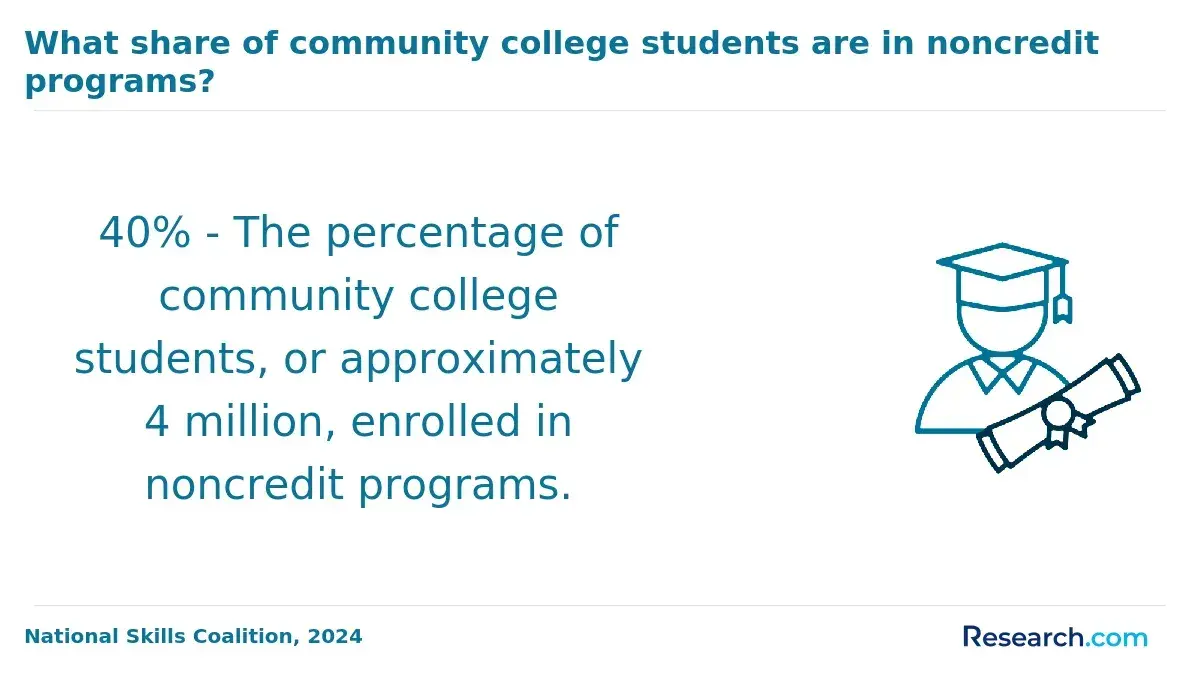
Returning to college at 40 to earn a real estate bachelor's degree can be rewarding but also presents unique challenges. According to the National Center for Education Statistics, nearly 40% of all undergraduates are adult learners, highlighting a growing trend.
These students often face time management obstacles for adult learners in college alongside competing priorities that require careful navigation.
Time Management: Balancing study with multiple responsibilities is one of the toughest challenges. Adult learners must allocate dedicated hours for coursework without neglecting family or community commitments, which demands strong prioritization and organization.
Balancing Family and Academic Demands: Family responsibilities, especially caregiving for children or aging parents, may conflict with class schedules or deadlines. Clear communication with support networks and setting boundaries are essential to reduce stress from these competing demands.
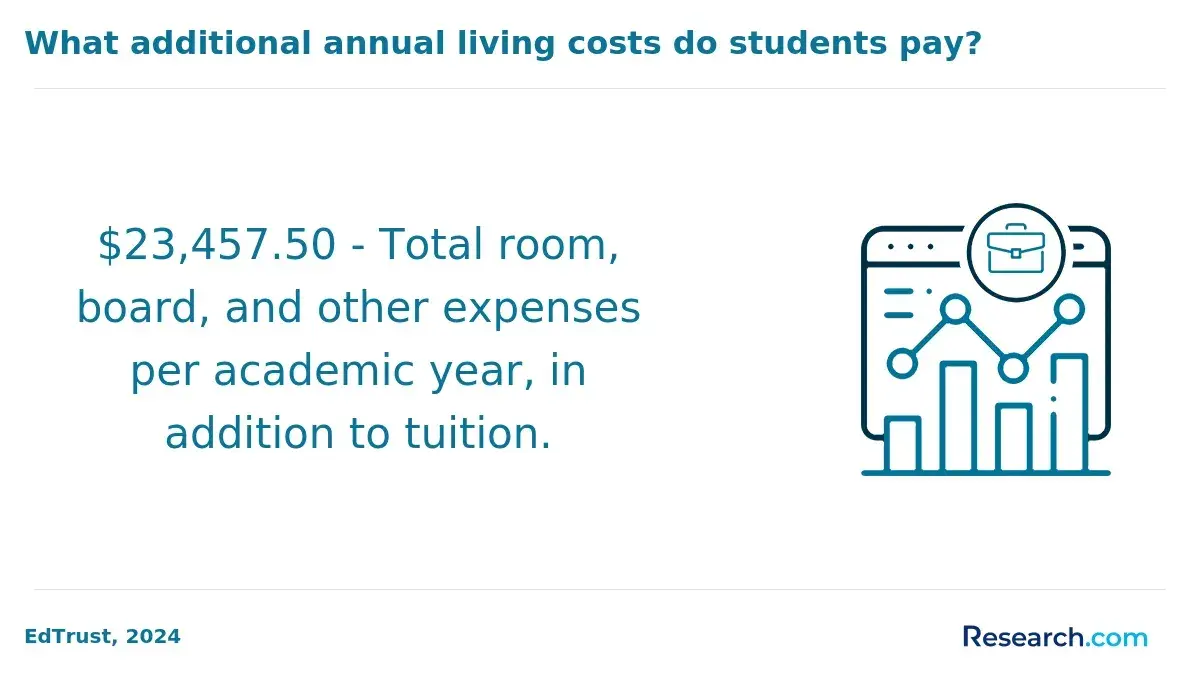
Financial Challenges: Beyond tuition, additional expenses like textbooks and technology can strain budgets. Many students weigh the financial challenges of earning a real estate bachelor's degree later in life and look to scholarships, grants, or financial planning to manage these costs effectively.
Adapting to New Learning Technologies: Many 40-year-old students may find modern digital platforms unfamiliar. Embracing tutorials and campus resources can ease this transition, helping learners stay confident and engaged in virtual classrooms.
Building Confidence: Overcoming self-doubt related to age or academic skills is key. Focusing on a growth mindset and leveraging life and work experience can empower adult learners throughout their education.
When exploring options, adult learners might also consider programs such as the best online EMBA programs to complement their educational goals.
Can you work full-time while earning a real estate degree at 40?
Balancing full-time employment while pursuing a real estate degree at 40 is certainly demanding but achievable with a focused approach. Many learners successfully integrate study sessions into evenings or weekends, allowing consistent academic progress without sacrificing their job responsibilities.
This dual commitment not only reinforces time management skills but also provides opportunities to apply classroom knowledge directly to professional scenarios, enriching both experiences. Proving that age is not a barrier, working full-time while earning a degree at this stage reflects strong determination and adaptability essential for adult education success.
A professional over 40 currently enrolled in a real estate bachelor's program shared his perspective after being asked about managing full-time work alongside his studies. He explained that "the biggest challenge is carving out uninterrupted study time amid daily responsibilities," often requiring sacrifices in personal leisure.
However, he finds motivation in setting clear, achievable goals and appreciates how real estate concepts learned in class can be tested immediately at work. He described moments of frustration when deadlines coincide with peak work periods but emphasized the importance of communication with professors to navigate those times. Overall, he remarked, "It's demanding but rewarding, and the experience is far more enriching than I initially expected."
Flexibility plays a crucial role for adults around 40 who want to pursue a bachelor's degree in real estate, especially when balancing jobs and family. Programs designed to fit varied schedules help reduce stress and increase the chances of success. Here are some adaptable learning options that cater to working professionals and adult learners.
- Online Learning: Online real estate bachelor's degree options for working professionals provide access to lectures and coursework anytime, eliminating the need for commuting or rigid class times. This approach empowers learners to study at their convenience while managing other commitments.
- Part-Time Enrollment: Taking courses part-time allows students to extend their studies over longer periods, balancing education with work and personal life. This option minimizes pressure and keeps progress steady without overwhelming schedules.
- Evening or Weekend Classes: Many institutions offer classes outside typical work hours, making it possible to attend in-person sessions without sacrificing daytime employment. This option suits those with fixed work schedules who prefer face-to-face interaction.
- Self-Paced Study: Learners can move through course materials at their own speed, dedicating more time during quieter periods and less when busy. This flexible approach accommodates fluctuating workloads and personal responsibilities.
- Flexible Real Estate Degree Programs: Programs tailored to adult learners apply multiple adaptable methods to help students complete their degrees efficiently. Those considering various options may also explore an online master's degree cyber security as an example of well-structured, flexible offerings.
Completing a real estate bachelor's degree around the age of 40 can vary widely depending on individual circumstances. While the traditional full-time path takes about four years, many adult learners adjust their pace to accommodate their unique situations. Understanding the main factors influencing degree duration helps set realistic expectations.
- Course Load: Choosing full-time enrollment typically leads to finishing within four years. Part-time schedules, common among those balancing jobs or families, extend the timeline, sometimes to five or six years or beyond.
- Prior Learning Credits: Transferable college credits or professional experience related to real estate can significantly cut down the time required. Many universities recognize such credits, enabling students to focus on specialized coursework.
- Life Commitments: Responsibilities like work, childcare, and other personal obligations impact how quickly students move through their programs. Adults often need flexible pacing to maintain a manageable balance.
- Academic Planning: Adjusting the number and type of courses each semester can help maintain steady progress without overwhelming the student.
An adult learner who resumed studies at 40 shared that her journey took around five years, partially due to shifting between full- and part-time semesters depending on work demands.
She described the experience as challenging but rewarding, noting, "Balancing so many roles was exhausting at times, but staying organized and accepting that the timeline might stretch beyond the traditional four years kept me motivated."
Reflecting on her achievement, she emphasized the importance of flexibility and support, saying, "Going back wasn't easy, but the knowledge and confidence I gained made every extra semester worthwhile."
The average cost of earning a real estate bachelor's degree in the U.S. can range from $25,000 to $60,000, depending on various factors. For students around age 40, these expenses remain similar, with age itself not significantly affecting the financial aspect. Several elements influence the total cost of obtaining this degree.
- Tuition Fees: This is the largest expense and varies by institution type and program format. Tuition is often charged per credit hour, so the number of courses taken each term directly impacts total costs.
- Learning Materials: Textbooks, specialized software, and access to real estate databases contribute to expenses. Some programs bundle these costs, but others require additional purchases or subscriptions.
- Enrollment Intensity: Choosing to study full-time or part-time affects overall costs. Part-time study may lower semester fees but extend the program duration, which can increase cumulative expenses.
- Administrative Fees: Smaller fees such as technology, library access, and registration add to the budget. While less costly than tuition, these charges accumulate over the course of study.
- Financial Aid Availability: Scholarships and aid aimed at adult learners or real estate majors may help offset costs. Eligibility varies by school, so exploring options is important.
Returning to college at 40 to pursue a real estate bachelor's degree comes with specific challenges that require thoughtful consideration. The demands of academic work combined with personal and professional responsibilities can create pressures not typically encountered in earlier educational experiences. Knowing what to expect helps in managing these challenges effectively.
- Workload Demands: Mature students often face a rigorous academic schedule with assignments, exams, and projects that require focused time management. Adjusting to this intense workload after years away from formal education can be demanding but is manageable with planning.
- Adjustment to Academic Environment: College classrooms may feel unfamiliar or intimidating, especially when surrounded by younger peers more accustomed to current digital tools and platforms. Gaining proficiency in new technologies and study methods may take additional effort.
- Balancing Responsibilities: Many adult learners juggle family, work, and social commitments alongside their studies. The challenge of meeting academic deadlines while maintaining personal and professional roles can lead to stress and requires strong organizational skills.
- Social Integration: Feelings of isolation may arise due to age differences with predominantly younger classmates. Building connections and seeking support from peers or campus resources can help overcome this initial discomfort.
Despite these hurdles, many returning students successfully earn their degrees by leveraging available support systems and developing strategies tailored to their unique circumstances. This balanced awareness allows prospective students to approach their real estate education realistically while remaining motivated to succeed.
Starting a real estate career after 40 is a viable option, especially with a bachelor's degree in real estate. Returning to formal education at this stage allows individuals to acquire updated industry knowledge and essential skills that ease the transition into the field.
A degree not only provides credibility but also deepens understanding of market dynamics, legal regulations, and investment strategies crucial for success. Many find that pursuing a career change to real estate degree at 40 helps to bridge experience gaps while establishing a strong professional foundation.
Broader workforce trends increasingly support adult learners seeking new career pathways later in life. Educational institutions and industries now recognize the value of diverse backgrounds and encourage mid-career degree attainment as a response to shifting job market demands.
Accessibility and evolving professional requirements continue to open doors, offering more opportunities for those interested in redefining their careers. For some, supplementing a bachelor's degree with shorter options like 6 week certification programs enhances their adaptability and skill set in dynamic fields such as real estate.
Employers generally value real estate bachelor's degrees earned at age 40, often viewing them as a strong asset rather than a limitation. In competitive job markets, education combined with significant life experience offers a unique advantage.
According to the National Center for Education Statistics, nearly 40% of adult learners pursue degrees later in life, reflecting the increasing recognition of mature students' benefits in the workforce.
When considering hiring decisions, employers typically look at several key factors related to degrees earned by mature candidates around 40 years old, especially in real estate fields such as those offered by a computer science accelerated program or comparable academic paths:
- Skill Relevance: Employers assess how well the degree aligns with current industry demands and trends. A degree that enhances up-to-date skills in real estate can give candidates a competitive edge in evolving markets.
- Professional Experience Integration: Combining academic credentials with real-world experience creates candidates capable of applying theoretical knowledge practically, improving workplace problem-solving.
- Continuous Learning: Returning to school at 40 shows a commitment to growth and adaptability, qualities that mature hiring managers highly value in dynamic sectors.
- Adaptability and Maturity: Older graduates tend to be more dependable and better equipped to navigate complex workplace challenges, which employers often perceive as an asset.
- Network Expansion: Earning a degree later provides opportunities to develop a professional network that can facilitate new career opportunities and advancement within the real estate industry.
Ultimately, employers' positive perceptions of mature real estate degree candidates underscore the value of both education and experience in today's competitive job markets.
Careful preparation before applying to a real estate bachelor's program can significantly improve your academic success and help align your goals with what the program offers. Planning early gives you time to address requirements and make choices that suit your circumstances. Notably, nearly 40% of undergraduate students are age 25 or older, reflecting a growing number of adult learners returning to higher education.
To get ready, consider these important steps:
- Assess Academic Background: Review your previous education to identify any prerequisite courses or skills needed. This ensures you meet admission standards and are academically equipped.
- Understand Program Criteria: Each program may have unique standards such as minimum GPA, required exams, or specific materials. Researching these requirements helps you tailor your application effectively.
- Choose Learning Format: Decide between online, in-person, or hybrid classes based on your lifestyle and commitments. Selecting the right format supports successful study while balancing other responsibilities.
- Organize Documentation: Prepare key documents like transcripts, letters of recommendation, and personal statements in advance. Early preparation reduces last-minute stress and streamlines your application process.
What Graduates Say About Earning a Real Estate Bachelor's Degree at 40
- Cade: "Going back to school at 42 seemed daunting, but I wanted a fresh start and a career that offered growth and stability. Choosing a real estate bachelor's degree made perfect sense because I had always been fascinated by the market and property development. Earning this degree has not only boosted my confidence but also opened doors to management roles I never imagined possible."
- Mohamed: "At over 45, I returned to college because I felt stuck in my previous career and wanted a skill set that combined knowledge with practical value. The real estate bachelor's degree appealed to me because it blends finance, law, and community development, all of which align with my goals. Completing this degree later in life has profoundly impacted my professional credibility and expanded my network in the housing sector."
- Axel: "For me, pursuing a real estate bachelor's degree after 40 was about turning a longtime passion into a concrete profession. I chose this path because I wanted a degree that was directly applicable and could leverage my life experience. The degree program's comprehensive approach has enhanced my strategic thinking and negotiation skills, leading to exciting new opportunities in commercial real estate."
Other Things You Should Know About Real Estate Degrees
Obtaining a real estate bachelor's degree at 40 can still offer strong networking opportunities, especially as adult learners often bring valuable professional experience to the table. Many programs encourage interaction with alumni and industry professionals through mentorships and internships. Older students may leverage their maturity and existing contacts to form meaningful connections that support their career growth.
A real estate bachelor’s degree program should come from a school with institutional accreditation recognized by the U.S. Department of Education or CHEA. If the program leads to state licensing goals, check that the curriculum also satisfies the education requirements of the state real estate commission.
Technology is integral to modern real estate degree programs, with many courses offered online or featuring digital tools for market analysis and property management. Adult learners may face a learning curve with new software but can generally adapt through university support services. Familiarity with current real estate technology is often emphasized to prepare students for industry demands.
Completing a real estate bachelor's degree at 40 can enhance career advancement prospects, particularly for those seeking managerial or specialized roles within the industry. The degree often provides updated knowledge of market trends, legal issues, and business practices that employers value. While experience remains important, a formal credential can open doors to promotions and higher-level positions.
- Real Estate at Ulster University. BSc (Hons) Full-time, in Belfast - 2026/27 entry year. https://www.ulster.ac.uk/courses/202627/real-estate-41226
- Can You Study Real Estate While Working Full-Time? - AIWT https://aiwt.edu.au/can-you-study-real-estate-while-working-full-time/
- Tips for Managing Real Estate School While Working Full Time https://realtyschool.com/tips-for-managing-real-estate-school-while-working-full-time/
- The Cost of Getting A Real Estate License Vs Going to College https://www.aceableagent.com/career-center/national/cost-getting-real-estate-license-vs-going-college/
- Late Starter’s Guide to Real Estate (Start in Your 40s!) https://www.biggerpockets.com/blog/real-estate-1155
- Bachelor's Degree Real Estate https://www.bircham.edu/bachelor-s-degree-real-estate.html
- Is 40 Too Late For A Bachelor's Degree? https://ftp.bills.com.au/lunar-tips/is-40-too-late-for-a-bachelors-degree-1764816620
- College Degrees for Older Adults: A Practical Guide to Starting or Finishing Your Education | Digital Publication https://fezziwigceilidhband.co.uk/blog/college-degrees-for-older-adults-a-practical-guide-to-starting-or-finishing-your-education


