2027 Online Programs With Short Terms and Sustainable Loads for Full-Time Workers

Co-Founder and Chief Data Scientist
Choosing an online program while working full time means balancing speed against a workload you can repeat every week. Under the federal credit-hour standard, one academic credit generally represents at least 45 total hours of work; a 3-credit course compressed into eight weeks can therefore require roughly 17 hours weekly. This guide helps working adults compare term structures, pace, accreditation, costs, and support so they can choose a program that is accelerated without being unsustainable.
Key Things You Should Know
- A single 3-credit course in an 8-week term may require about 17 hours per week, while the same course over 15 weeks often averages about 9 hours; short terms are not automatically lighter.
- For most full-time employees, one course at a time is the most sustainable starting point; two accelerated courses can work only when course expectations, family responsibilities, and employer demands are unusually predictable.
- Choose schools that disclose course calendars, credit-hour expectations, withdrawal policies, accreditation, state authorization, and student outcomes before you commit to an accelerated schedule.
Which online programs use short terms and manageable weekly workloads for full-time workers?
The best fit is usually not the program with the shortest advertised completion time. It is the one that lets you take a consistent, credit-bearing course load with clear deadlines, predictable breaks, and an option to reduce your pace when work becomes demanding.
Many colleges offer online terms lasting five, six, seven-and-a-half, or eight weeks. Programs may use sequential scheduling, meaning students take one course at a time, or overlapping scheduling, meaning two shorter courses run together. Sequential schedules are generally easier for full-time workers because they reduce the number of simultaneous discussion boards, papers, exams, and group projects.
The comparison below shows why term length must be evaluated alongside credits and concurrent classes. Actual workload varies by subject, course design, prior knowledge, and reading or project requirements.
| Format | Typical course pattern | Approximate weekly work for one 3-credit course | Best fit |
| 15-week semester | One or two courses at once | About 9 hours | Workers who want a steadier pace |
| 8-week term | One course at a time | About 17 hours | Workers who can protect several evening or weekend blocks |
| 5- to 6-week term | Usually one intensive course | Often 22 hours or more | Workers with flexible schedules and strong subject preparation |
| Competency-based format | Variable pace within a subscription period | Varies substantially | Self-directed learners with transferable knowledge |
Adults seeking a fast credential should compare course intensity rather than assuming that every accelerated option is manageable. A guide to highest paying online degrees can help connect a faster academic path to career goals, but prospective students should still verify the weekly commitment for each individual course.
Short-term online programs are usually a strong choice for organized learners who can reserve recurring study time and prefer frequent starts. They may be a poor fit for workers with rotating shifts, frequent travel, unpredictable overtime, or major caregiving responsibilities unless the school offers asynchronous participation, extensions for documented emergencies, and a realistic part-time sequence.
How do colleges define sustainable course loads for working adults?
Colleges commonly define load by credits per term, but working adults should translate credits into hours before registering. The federal credit-hour definition generally equates one credit with at least one hour of direct faculty instruction and two hours of out-of-class work each week over approximately 15 weeks, or an equivalent amount of work in a shorter period.
That standard is a useful baseline, not a promise that every class will take exactly the same time. Writing-intensive courses, accounting, statistics, lab sciences, programming, and classes with team projects can require more time at particular points in the term.
This planning range helps workers set a defensible starting load. It assumes a 3-credit course and should be adjusted upward when a syllabus includes major projects, required live sessions, or unfamiliar material.
| Work situation | Prudent starting enrollment | Why it may be sustainable |
| Full-time job with predictable hours | One 3-credit accelerated course | Leaves room for a 15- to 20-hour weekly study commitment |
| Full-time job plus regular caregiving | One course in a 10- to 15-week format | Spreads assignments over more weeks |
| Variable shifts, travel, or overtime | One asynchronous course, if any | Reduces schedule conflicts and protects recovery time |
| Part-time employment or employer-supported study time | One or two courses after a successful first term | Allows performance data to guide a gradual increase |
"Full-time student" and "full-time worker" are separate labels. For federal financial-aid purposes, undergraduate full-time enrollment is commonly 12 credits in a standard term, while graduate full-time definitions often differ by institution. Reaching that enrollment level in compressed terms can be impractical for employees, so ask the financial-aid office how aid, loan status, and satisfactory academic progress apply to the school's specific calendar.
A sustainable load is one you can complete without routinely sacrificing sleep, job performance, or family obligations. Start with the lowest viable pace, complete one term, then use your actual grades and time log - not motivation alone - to decide whether to add another course.
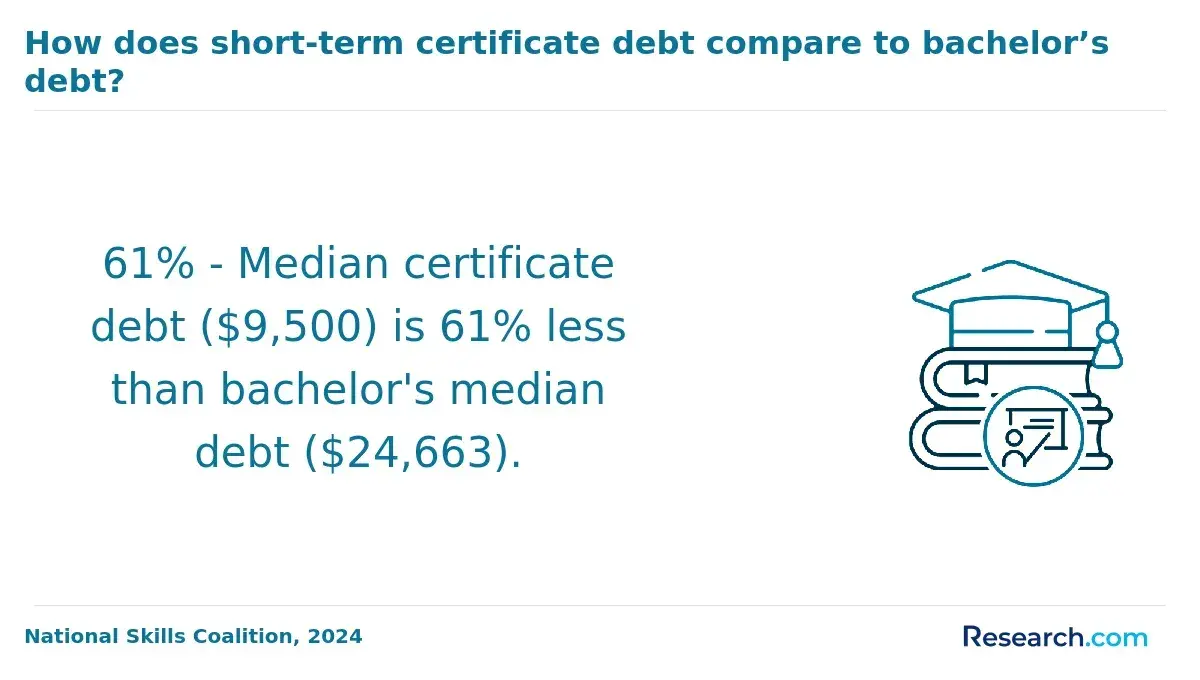
Which program formats best balance flexibility, pacing, and part-time study?
Asynchronous online programs generally offer the most day-to-day flexibility because students can complete lectures and assignments within set weekly windows. However, asynchronous does not mean self-paced: most courses still have weekly deadlines, attendance expectations, and fixed term end dates.
The right delivery model depends on whether your biggest constraint is clock time, irregular work hours, need for structure, or ability to accelerate through familiar topics.
| Program format | Flexibility | Pacing control | Main trade-off |
| Asynchronous cohort course | High within each week | Moderate | Frequent deadlines can pile up in short terms |
| Live online course | Moderate | Low | Required meeting times can conflict with work shifts |
| Sequential accelerated program | Moderate to high | Moderate | Each course moves quickly |
| Self-paced competency-based program | High | High | Requires strong planning and independent learning habits |
| Hybrid program | Moderate | Low to moderate | Residencies or campus sessions add travel demands |
A competency-based option can be efficient when you already know the subject matter or can study consistently without external deadlines. It is less suitable for learners who need weekly instructor contact, structured peer interaction, or predictable feedback. Compare policies carefully through this overview of the cheapest self paced online college options, including whether tuition is charged by term, credit, or subscription period.
Choose a synchronous course when regular meeting times will help you stay accountable and your employer schedule is stable. Choose asynchronous coursework when shift work or travel makes fixed evening classes risky. In either case, confirm whether exams, presentations, orientation, internships, or proctored assessments require specific dates and times.
Use the syllabus-level workload, not the marketing label, to compare programs. A school may describe an eight-week program as flexible, but the decisive question is whether you can consistently complete its reading, assignments, assessments, and participation requirements during those eight weeks.
Before applying, ask each school for a sample course syllabus and academic calendar. Then calculate a realistic weekly commitment using total expected academic hours divided by the number of instructional weeks, and add a buffer for technology problems, work deadlines, and major assignments.
Use this sequence to make comparisons that reflect your actual life rather than an ideal schedule.
- List fixed weekly commitments, including work, commuting, caregiving, sleep, and recurring appointments.
- Block study periods on your calendar before registering, aiming for several shorter sessions rather than one last-minute weekend block.
- Review one syllabus from a required course and identify high-demand weeks with exams, papers, projects, or group work.
- Compare the course's weekly estimate with your available hours and keep a buffer rather than scheduling every open hour.
- Begin with one course, track your time for the first two weeks, and adjust future enrollment only after reviewing the result.
Credit pace also affects completion time. One 3-credit course in each of six eight-week terms produces 18 credits over a year if the program runs year-round and the student completes every course. That can be meaningful progress, but breaks, transfer-credit evaluation, prerequisites, and course availability may change the timeline. Ask for a written degree plan that shows required courses in the order they are offered.
Do not compare tuition alone. Calculate the total program cost after transfer credits, mandatory fees, books, software, proctoring, travel, and possible repeated-course costs. A lower per-credit price can be outweighed by credits that do not transfer or a schedule that causes a student to withdraw.
Accelerated online formats are common in career-focused fields with substantial lecture, reading, case-study, and project-based coursework. Business administration, management, information technology, cybersecurity, health care administration, criminal justice, human resources, education-related studies, and general studies are frequent examples.
Associate degrees can be an affordable starting point for workers who need foundational college credit, a promotion-related credential, or a bridge to a bachelor's program. Review available online associate degree pathways carefully, because an advertised rapid timeline may assume substantial transfer credit, prior learning credit, or continuous enrollment.
The credential type should match the role you want, not simply the fastest calendar. This comparison can clarify the practical trade-offs.
| Credential | Typical purpose | When accelerated study makes sense | When to slow down |
| Undergraduate certificate | Focused skills or entry-level preparation | You need a targeted skill set and know the employer value | The target role requires a degree, license, or broad general education |
| Associate degree | Foundational credential or transfer pathway | You have transfer credits or need a defined two-year credential | You have not confirmed transfer agreements or program prerequisites |
| Bachelor's degree completion program | Advancement for learners with prior college credit | Your prior credits are evaluated and required courses are offered regularly | You are starting with few credits and the advertised finish date is unrealistic |
| Master's degree | Specialized advancement or career transition | You have strong academic preparation and relevant work experience | You need extensive quantitative, clinical, or licensure preparation |
Programs leading to regulated work require special care. Teacher licensure, nursing, counseling, social work, and many health professions may require supervised fieldwork, in-person clinical hours, background checks, state-specific coursework, or board approval. An accelerated online academic schedule does not remove those requirements.
For broad business and operations roles, the U.S. Bureau of Labor Statistics projects business and financial occupations to grow faster than the average for all occupations from 2024 to 2034. That outlook supports evaluating business credentials, but it does not establish that a particular program or concentration will lead to a specific job. Experience, location, prior education, and employer requirements remain important.
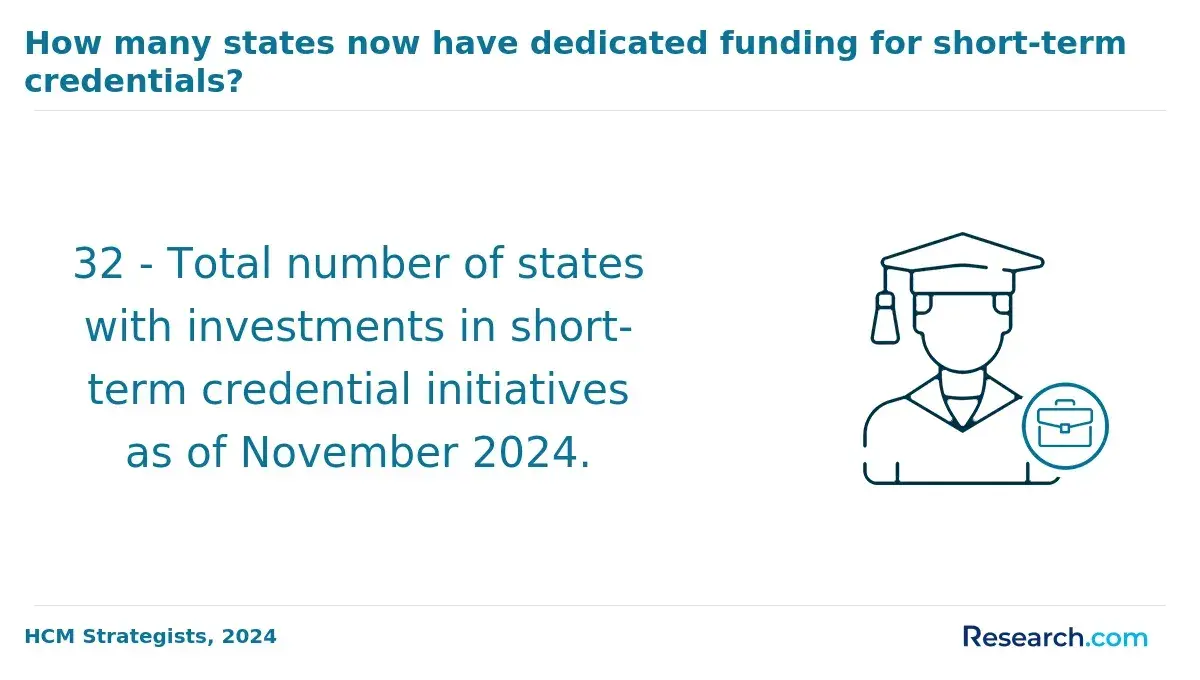
The clearest schools publish information that lets applicants test marketing claims against operational reality. Look for an online academic calendar, course catalog, sample syllabi, tuition and fee schedule, faculty-contact policy, transfer-credit policy, and disclosures on retention and completion.
Institution-level retention and graduation data can be useful, but they have limits. Federal reporting often reflects specific student cohorts and may not fully represent adult transfer students, part-time online learners, or degree-completion students. Use the numbers to ask better questions, not to predict your personal outcome.
Schools should be able to explain how their data relates to students like you. The indicators below are most useful when reviewed together.
| Published information | What it can reveal | Question to ask |
| Sample syllabus and assignment calendar | Actual weekly workload and deadline clustering | How many hours do successful students report spending weekly? |
| Retention data | Whether enrolled students continue after the first year | Is online adult-student retention reported separately? |
| Graduation or completion data | Whether students finish within reported time frames | What share of part-time transfer students complete, and over what period? |
| Faculty and advising model | How quickly academic help may be available | What is the normal response time for instructors and advisors? |
| Course availability plan | Risk of delays caused by sequencing | Are all required courses offered every term or only annually? |
A transparent school will distinguish its institution-wide figures from outcomes for a particular online program whenever possible. Be cautious if a representative offers only generalized claims about flexibility or completion but cannot provide a sample schedule, explain withdrawal patterns, or identify who supports students when they fall behind.
The most helpful schedule features create predictability without trapping students in an all-or-nothing pace. Workers benefit from programs with multiple start dates, one-course sequencing, planned breaks, early access to course materials, and advisors who can build a reduced-load degree plan.
Students with parenting or caregiving responsibilities should prioritize course designs that do not require frequent evening meetings. Resources on the best online degrees for stay at home moms can also help learners evaluate flexible programs around family schedules, but every applicant should confirm live-session and exam requirements directly with the school.
These features reduce avoidable pressure while preserving progress toward completion.
- Weekly modules released in advance, so students can work ahead before busy job periods.
- Asynchronous participation windows of several days rather than one fixed evening meeting.
- One-course-at-a-time sequencing, which limits competing major assignments.
- Built-in breaks between terms for work travel, family needs, or recovery.
- Clear late-work, incomplete, leave-of-absence, and re-entry policies.
- Accessible tutoring, writing support, technical help, and advising outside standard business hours.
A manageable schedule still requires boundaries. Tell family members when your study blocks are protected, notify your manager only if appropriate and beneficial, and avoid enrolling in two unfamiliar technical or writing-heavy courses at the same time. If your first course repeatedly takes more hours than planned, reduce the next term's load instead of assuming you will become faster under pressure.
Quality verification should happen before an application fee, transfer decision, or financial-aid commitment. The goal is to confirm that the program is legitimate, academically appropriate, financially understandable, and operationally compatible with your work schedule.
Follow these steps in order so that a fast enrollment process does not replace due diligence.
- Confirm institutional accreditation and state authorization for your residence.
- Request a degree plan showing required credits, prerequisites, course order, expected completion range, and maximum transfer credit.
- Read sample syllabi for at least two required courses, including grading rules, weekly deadlines, group work, exams, and required live sessions.
- Ask for the full cost of attendance, including tuition, fees, books, software, proctoring, residencies, and likely travel.
- Verify whether your employer offers tuition assistance and whether the school can defer billing or provide required documentation.
- Check professional licensure, certification, or graduate-school requirements if your target occupation is regulated.
- Speak with an academic advisor about a one-course starting plan and the procedure for reducing or pausing enrollment.
For return on investment, compare the credential with job postings in your intended field. Identify whether employers ask for a degree level, a named major, industry certification, experience, or software skills. A shorter program can be worthwhile when it directly addresses a documented requirement; it is less compelling when the credential does not match hiring expectations.
Also review transfer-credit rules before assuming prior learning will shorten your program. Military training, employer training, professional certifications, Advanced Placement credit, and previous college coursework may be evaluated differently, and an evaluation is not always final until official transcripts are received.
Which warning signs suggest an online program may be too fast or too heavy?
An accelerated program becomes risky when its speed depends on hidden assumptions: extensive transfer credit, no time off, unusually high weekly study hours, or a student's ability to complete multiple demanding courses simultaneously. Speed is valuable only when the academic design, support system, and your available time align.
Watch for the following signs before you enroll.
- The advertised completion time assumes transfer credits that have not yet been evaluated in writing.
- The school cannot provide a sample syllabus, course calendar, or estimate of weekly workload.
- Several required courses overlap, and each includes major papers, labs, proctored exams, or team projects.
- "Self-paced" is used without explaining assessment deadlines, faculty access, academic progress rules, or financial-aid implications.
- Tuition is emphasized while mandatory fees, textbooks, technology costs, and withdrawal charges are unclear.
- Representatives make broad claims about licensure, transferability, employment, or salary without directing you to written disclosures.
- Required internships, clinical placements, residencies, or live sessions are disclosed late in the admissions process.
None of these signs automatically means a school is unsuitable. They mean you need documentation and a more conservative enrollment plan. A credible institution should be comfortable answering detailed questions, explaining limitations, and allowing you time to review policies before making a financial commitment.
If a program feels too heavy after starting, act early. Contact the instructor and advisor before deadlines pass, review withdrawal and incomplete policies, and ask how a schedule change could affect aid or degree sequencing. Protecting academic standing and finances is usually more important than preserving an unrealistic finish date.
Other Things You Should Know About Business Administration
Yes, many business administration programs are designed for working adults. Start with one course in an accelerated term or a modest part-time semester load, then increase only if your actual study time, grades, and work schedule show that the pace is sustainable.
A 3-credit course compressed into eight weeks can require about 17 hours weekly based on the federal credit-hour standard. Actual time can be higher during weeks with accounting problems, case analyses, presentations, group projects, or major papers.
Employer evaluation typically depends more on the institution's accreditation, the degree level, relevant skills, experience, and how well the credential fits the role than on whether coursework was online. Verify that the school is accredited and compare the curriculum with job postings you want to pursue.
Choose a certificate when you need focused knowledge for a defined skill area or employer requirement. Choose a degree when target roles require a college credential, when you need broader business foundations, or when you may later pursue management advancement or graduate study.
- Degree Programs for Working Adults - Online & In Person | NEIT https://www.neit.edu/the-neit-edge/degree-pathways/for-working-professionals
- Evaluating Online Education: Key Criteria for Genuine E-Learning Platforms https://elqn.org/evaluating-the-quality-of-online-education-key-criteria/
- Online Degree Programs for Working Adults https://thehorizonsunlimited.com/blog/online-degree-programs-for-working-adults
- ONLINE Short-term Training Classes and Programs | Workforce Development https://www.northshorecollege.edu/programs/workforce-development/online-short-term-training-classes-and-programs
- Online Vs On Campus Study: Which is Right For You? https://studee.com/guides/online-vs-on-campus-study-which-is-right-for-you