2027 Online Photography Degree Programs That Accept 60, 75, or 90 Transfer Credits

Co-Founder and Chief Data Scientist
If you already have college credits, the biggest question is not whether an online photography degree accepts transfers-it is how many credits will actually count toward graduation. The National Student Clearinghouse Research Center reported that undergraduate transfer enrollment rose 5.3% in spring 2024, making credit mobility a timely issue for degree-completion students.
This guide explains how 60, 75, or 90 transfer credits can affect remaining courses, tuition, residency rules, and completion time so you can compare online photography programs more confidently.
Key Things You Should Know
- Most online bachelor's degrees in photography require about 120 semester credits, so 60, 75, or 90 applied transfer credits may leave roughly 60, 45, or 30 credits to complete before graduation.
- A school may accept credits on your transcript but apply fewer of them to the photography major, upper-division requirements, general education, or electives.
- The most transfer-friendly option is not always the cheapest or fastest; verify the program's maximum transfer limit, minimum residency requirement, major-course requirements, and official transfer evaluation before enrolling.
How Many Transfer Credits Can You Apply Toward an Online Photography Degree?
In most online photography bachelor's programs, transfer credit limits are tied to a 120-credit degree structure. A program that accepts 60 transfer credits may treat you like a junior-level student, while a program that accepts 90 credits may let you finish with only the school's required residency and remaining major courses.
The key distinction is accepted credits versus applied credits. Accepted credits appear on your transfer record, but applied credits are the ones that actually reduce your remaining degree requirements. For example, a student may transfer 90 credits, but if only 72 fit the photography curriculum, the remaining credits may become excess electives or may not help shorten the program.
This comparison shows how 60-, 75-, and 90-credit transfer scenarios usually affect a 120-credit online photography bachelor's degree if the credits are fully applicable. Use it as a planning framework, not as a guarantee, because every school evaluates credits differently.
| Transfer credits applied | Credits typically left in a 120-credit degree | What this usually means | Main issue to verify |
| 60 credits | 60 credits remaining | You may enter near the halfway point, often after completing general education or an associate degree. | Whether lower-division art, design, or general education courses satisfy program requirements. |
| 75 credits | 45 credits remaining | You may need a mix of advanced photography courses, portfolio work, electives, and institutional requirements. | Whether the school allows more than 60 lower-division credits and how it handles elective credit. |
| 90 credits | 30 credits remaining | You may be close to degree completion if the program's residency minimum is 30 credits. | Whether all major, upper-division, capstone, and residency requirements can still be met. |
A 90-credit transfer allowance can be powerful, but it does not remove the need to complete a coherent photography curriculum. Many schools still require students to complete advanced studio courses, digital imaging coursework, portfolio development, or a senior capstone through the degree-granting institution.
Students comparing transfer-heavy programs in other fields will notice similar patterns. For example, many accelerated online business degree options also combine high transfer-credit limits with residency requirements, which is why the same "accepted versus applied" question matters across online degree-completion programs.
Which Online Photography Degree Programs Accept 60, 75, or 90 Transfer Credits?
Online photography degree options are more limited than online business or psychology degrees, so transfer students often compare photography, digital photography, photographic design, visual arts, and digital media programs together. The best fit depends on whether you want a fine-art photography path, a commercial photography path, or a broader digital design credential with photography coursework.
The table below summarizes examples of online or online-accessible programs and transfer-credit policies that are commonly relevant to students with 60, 75, or 90 prior credits. Always confirm directly with the school because catalogs, transfer limits, and course-equivalency rules can change.
| School or program type | Online photography-related degree | Transfer-credit fit | Best for | Important caution |
| Southern New Hampshire University | BA in Digital Photography | May accept up to 90 transfer credits toward a bachelor's degree. | Students with substantial prior college credit who want a degree-completion structure. | Major requirements, portfolio-related courses, and final institutional credits still matter. |
| Liberty University | BS in Digital Design with a photography-related design path | May allow transfer of up to 75% of a bachelor's degree, commonly interpreted as up to 90 credits when applicable. | Students interested in photography as part of digital design, branding, and visual communication. | It may not be a pure photography major, so review the curriculum carefully. |
| Academy of Art University | Online BFA Photography | Transfer credit is reviewed case by case, with studio, general education, and portfolio relevance considered. | Students who want a photography-focused art-school curriculum online. | Studio sequencing can limit how far advanced standing reduces time to completion. |
| Rocky Mountain College of Art + Design | Online BFA Photography | Transfer credit is evaluated individually for general education, foundations, and studio coursework. | Students seeking an online BFA environment with visual arts emphasis. | Confirm maximum transfer credit, residency, and upper-division studio requirements before applying. |
| Arizona State University Online | Online digital photography or art-related pathway, depending on current catalog offerings | Transfer students may bring substantial prior credit, subject to university and program rules. | Students with community college or university coursework who want a large public-university pathway. | Community college credit caps and upper-division requirements can affect how 75 or 90 credits apply. |
When comparing these options, start with the curriculum rather than the maximum transfer number. A program that accepts 90 credits but requires many specific upper-level photography courses may take longer than a program that accepts 75 credits but applies more of your previous art, media, or design coursework directly.
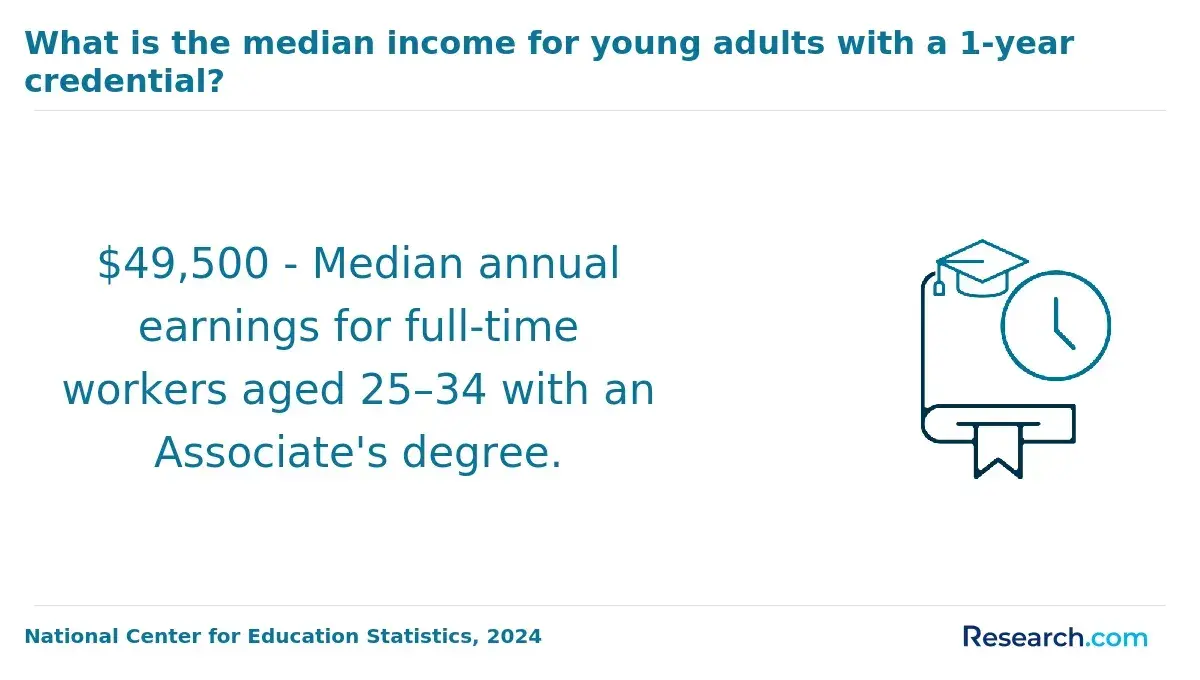
Career outcomes also vary because photography is a portfolio-driven field. The U.S. Bureau of Labor Statistics reported a May 2024 median annual wage of $42,520 for photographers, but income can vary widely by specialization, location, freelance activity, and business skills. That makes cost control especially important for students deciding how much debt to take on for a creative degree.
How Can You Tell Whether Transfer Credits Will Actually Apply Toward Your Photography Degree?
The only reliable way to know whether your credits apply is to get an official or formal transfer credit evaluation from the school. A preliminary admissions conversation can be useful, but it is not the same as a degree audit showing which requirements your prior courses satisfy.
Before you choose a program based on a 60-, 75-, or 90-credit promise, ask the school to separate your credits into requirement categories. This helps you see whether your previous coursework reduces the real workload ahead.
- General education credits: English composition, math, humanities, social science, science, and similar courses that may satisfy broad bachelor's degree requirements.
- Major or core photography credits: Courses such as digital photography, lighting, visual storytelling, photo editing, studio practice, and professional portfolio development.
- Art and design foundation credits: Drawing, design principles, color theory, art history, typography, or visual communication courses that may support a photography curriculum.
- Upper-division credits: Junior- and senior-level coursework that may be required for graduation even if you already have many lower-division credits.
- Elective credits: Transfer courses that count toward the total credit requirement but do not replace required photography courses.
Common red flags include vague statements such as "we accept up to 90 credits" without a degree plan, pressure to enroll before evaluation, or refusal to explain which courses apply to the major. A transfer-friendly school should be able to show you what remains after your credits are reviewed.
A practical rule is to compare programs by remaining required credits, not by maximum accepted credits. If School A accepts 90 credits but leaves 42 required credits because of major sequencing, while School B accepts 75 credits and leaves 45 credits, the real difference may be small.
What Types of Previous College Credits Can Transfer Into an Online Photography Degree?
Online photography programs usually consider credits from regionally accredited colleges, community colleges, art schools, and sometimes nationally accredited institutions if the receiving school allows them. The most useful transfer credits are courses that match the receiving program's general education, art foundation, photography, digital media, or elective requirements.
The following credit types are especially relevant for photography transfer students because they can affect both placement and remaining cost. Review each category with an advisor before assuming it will reduce your graduation timeline.
- Associate degree coursework: An AA, AS, AFA, or AAS may cover many lower-division requirements, though applied associate degrees may transfer more heavily as electives.
- Community college art and media courses: Photography, digital imaging, design, art history, and media production courses may apply if the level and learning outcomes match.
- General education courses: Composition, communication, math, science, humanities, and social science courses often transfer well when completed with an acceptable grade.
- Studio art credits: Drawing, 2D design, color theory, and visual foundations can be valuable in BFA-style programs.
- Digital media or design credits: Courses in Adobe software, web media, motion graphics, or visual communication may support a photographic design or digital arts pathway.
- Business or marketing credits: These may help students interested in freelance photography, entrepreneurship, branding, or creative services management.
Minimum grade rules vary, but many schools require a C or higher for transfer credit and may require higher grades for major courses. Credits from nonaccredited schools, workshops, bootcamps, or continuing education providers may require separate prior-learning review rather than standard transcript transfer.
If you are comparing creative and media-oriented degree paths, it can help to look at transfer policies in related fields too. Students interested in interactive media, imaging, and visual design may also research video game programs because some include digital art, visual storytelling, and production coursework that overlaps with photography-adjacent skills.
How Do Residency and Upper-Division Requirements Affect Photography Transfer Students?
Residency requirements determine how many credits you must complete at the school that awards the degree. Upper-division requirements determine how many junior- or senior-level credits you need, often in the major. Together, these rules explain why a student with 90 transfer credits may still need more than 30 credits to graduate.
This table summarizes the policies that most often change the real value of a transfer-credit offer. The exact numbers vary by institution, but the concepts are common across online bachelor's programs.
| Requirement | Typical effect on transfer students | Why it matters for photography majors |
| Minimum institutional residency | You may need to complete 30 or more credits at the degree-granting school. | Even if 90 credits transfer, the final portfolio, capstone, and advanced courses may need to be completed in residence. |
| Upper-division credit minimum | You may need a set number of 300- or 400-level credits. | Many community college photography courses are lower-division and may not satisfy advanced studio requirements. |
| Major residency requirement | A program may require that a certain number of photography-major credits be taken at the school. | This protects curriculum consistency but can reduce the benefit of prior art-school or studio courses. |
| Capstone or portfolio requirement | Final project courses usually cannot be transferred. | Photography programs often use a portfolio or exhibition-ready body of work to assess readiness. |
| Sequential studio courses | You may need prerequisites before advanced courses. | If the school does not recognize your prior technical or studio coursework, you may need to repeat foundational content. |
The strongest transfer outcome happens when your previous credits satisfy lower-division requirements and leave you with a clean set of upper-division major courses. The weakest outcome happens when your credits transfer only as electives while the program still requires a full photography sequence.
This same issue appears in professional online programs where accreditation and sequence matter. For instance, students reviewing accredited speech language pathology programs must also look beyond speed and confirm that required coursework, standards, and supervised experiences are actually built into the plan.
How Does the Transfer Credit Evaluation Process Work for an Online Photography Degree?
The transfer evaluation process usually starts before admission but may not become official until all transcripts are received. For photography programs, the school may also review syllabi, course descriptions, and sometimes a portfolio to determine whether previous studio or digital imaging courses match its curriculum.
Follow these steps to avoid enrolling based on incomplete information. The goal is to get a written degree plan showing exactly what you still need to take.
- Collect official transcripts from every college, community college, art school, or university you previously attended.
- Request the photography program's transfer-credit policy, including maximum transfer credits, residency rules, minimum grades, and upper-division requirements.
- Submit course descriptions or syllabi for photography, design, studio art, and digital media classes that may not have obvious equivalents.
- Ask whether the school provides unofficial pre-evaluations before admission and official evaluations after acceptance.
- Request a degree audit that separates general education, major, upper-division, elective, and remaining residency credits.
- Confirm whether any courses must be repeated because of technology changes, portfolio standards, accreditation rules, or prerequisite sequencing.
- Compare the final remaining-credit totals across schools before paying deposits or registering for classes.
Keep copies of every evaluation, email, and degree plan. If you change majors, switch catalogs, pause enrollment, or transfer again, the way your credits apply may change.
One of the most common mistakes is assuming an admissions estimate is binding. A safer approach is to ask, "How many of my credits are accepted, how many apply to this photography degree, and how many credits remain before graduation?"
How Long Does It Take to Finish an Online Photography Degree With 60, 75, or 90 Transfer Credits?
Completion time depends on the number of credits that apply, the number of courses offered each term, your enrollment pace, and whether required photography courses are available year-round. Online programs may offer accelerated terms, but studio-heavy courses can still require project time, critique participation, editing work, and portfolio development.
The table below estimates completion timelines based on remaining credits after transfer. It assumes the transferred credits apply cleanly and that the student can access required courses when needed.
| Applied transfer credits | Credits remaining | Possible full-time timeline | Possible part-time timeline | What could extend the timeline |
| 60 | About 60 | Roughly 2 academic years | Often 3 or more years | Missing art foundations, general education gaps, or limited course rotations. |
| 75 | About 45 | About 1.5 academic years | Often 2 to 3 years | Upper-division requirements or prerequisites not met by transfer credit. |
| 90 | About 30 | About 1 academic year | Often 1.5 to 2 years | Residency minimums, capstone sequencing, or major courses that must be taken in order. |
Transfer students should also consider workload realism. A photography course may involve shooting assignments, lighting setups, editing, critique boards, reshoots, and portfolio revisions. Taking too many studio courses at once can slow progress even if the credit plan looks short on paper.
For students comparing speed-focused degree pathways beyond photography, accelerated psychology programs show a similar lesson: accelerated terms can shorten the calendar, but transfer fit and course sequencing usually determine the real finish date.
How Much Can Transfer Credits Reduce the Cost of an Online Photography Degree?
Transfer credits can reduce cost by lowering the number of credits you must pay for at the new institution. The savings can be significant because tuition is often charged per credit, and many online students also pay technology, course, portfolio, or graduation fees.
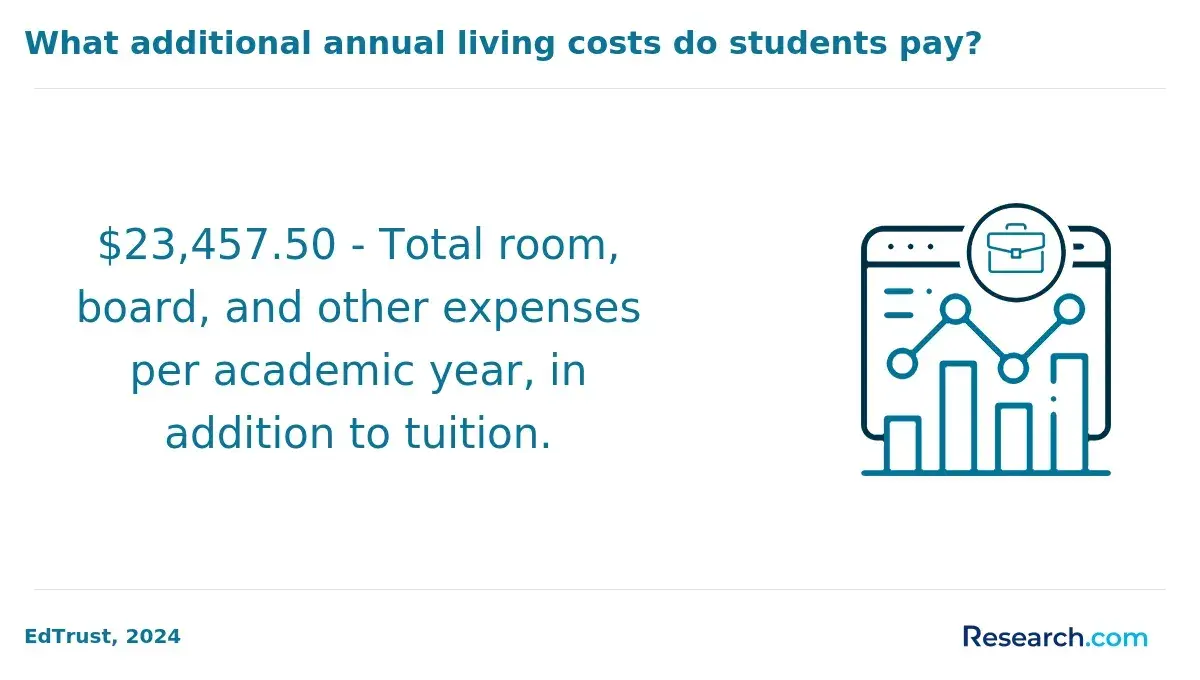
College Board's 2024 pricing data reported average published tuition and fees of $11,610 for in-state students at public four-year institutions and $43,350 at private nonprofit four-year institutions for the 2024-25 academic year. Since 60 credits often represent about two years of full-time study, transferring credits can reduce the amount of tuition you need to pay at the receiving school, though the exact savings depend on institutional rates and how many credits apply.
This table shows the cost logic without assuming one universal tuition rate. Use it to compare schools by remaining billable credits rather than advertised transfer maximums.
| Scenario | What may reduce cost | What may limit savings | Best next calculation |
| 60 credits applied | You may avoid paying for about half of a 120-credit bachelor's degree at the new school. | You still have a large remaining course load, and studio fees may apply. | Multiply remaining credits by tuition per credit, then add required fees. |
| 75 credits applied | You may reduce the remaining degree to about 45 credits. | Some transferred credits may be electives that do not shorten major requirements. | Compare total program cost based on the official degree audit. |
| 90 credits applied | You may pay for only the final residency block if all requirements fit. | Residency, upper-division, and capstone rules may require more than 30 credits. | Ask for a written estimate of remaining tuition through graduation. |
Do not compare programs only by tuition per credit. A lower-cost school that applies fewer credits may cost more overall than a higher-cost school that applies your prior coursework efficiently. Also check whether financial aid requires a minimum enrollment level, whether institutional scholarships apply to transfer students, and whether repeated courses will be covered.
A good cost comparison should include tuition, fees, software, camera equipment, storage, printing, portfolio hosting, and potential lost income if you reduce work hours. Photography students should also budget for lenses, lighting, editing software, calibration tools, and backup drives, especially in advanced courses.
Can Prior Learning, Military Training, Exams, or Certifications Count Toward an Online Photography Degree?
Some online photography programs allow nontraditional credit, but policies vary widely. These credits may come from prior learning assessment, military training, standardized exams, professional certifications, or evaluated workplace learning.
The following options can be useful if you have experience but not enough traditional college credit. They are most likely to help with electives, general education, or technical requirements rather than senior-level photography courses.
- Prior learning assessment: Some schools let students submit a portfolio documenting college-level learning from professional photography, media production, business ownership, or creative work.
- Military credit: Credits recommended through military transcripts may apply if the content matches general education, technical, leadership, or elective requirements.
- Standardized exams: CLEP, DSST, or similar exams may satisfy general education requirements at schools that accept them.
- Industry certifications: Software or digital media credentials may be reviewed, but they rarely replace advanced photography studio requirements automatically.
- Workplace training: Employer-based media, communications, or technical training may count only if the school has a formal evaluation process.
The most important question is whether nontraditional credit counts inside the transfer maximum. If a school accepts up to 90 transfer credits total, prior learning, military credit, and exam credit may all compete for the same 90-credit ceiling.
This is common across many online degree fields. Students comparing online speech pathology programs, for example, should also distinguish traditional transfer credit from prerequisite completion, experiential requirements, and professional standards that cannot simply be waived.
Do Older College Credits Expire When Transferring Into an Online Photography Degree?
Older college credits do not always expire, but they may be reviewed differently depending on the subject. General education courses such as English, history, or humanities may remain usable for many years, while technology-heavy photography, software, digital workflow, or media production courses may face closer scrutiny.
Photography changes quickly because camera systems, editing platforms, file formats, lighting tools, AI-assisted editing, and digital asset workflows continue to evolve. A school may accept an older course as elective credit but require you to retake a current digital photography, editing, or portfolio course if the older class no longer matches current outcomes.
If your credits are more than several years old, ask targeted questions before applying. These questions help clarify whether your credits will shorten the program or simply appear on your record.
- Does the program have a time limit for photography, digital imaging, software, or studio courses?
- Can older technical credits satisfy current major requirements, or will they transfer only as electives?
- Can a portfolio review help demonstrate current competency and avoid repeating lower-level coursework?
- Will catalog changes affect how older credits apply if I delay enrollment?
- Are there bridge courses or placement options for students with older photography experience?
Older credits can still be valuable, especially for general education and electives. The safest approach is to request a course-by-course evaluation and, if possible, provide syllabi, sample work, and documentation showing that your skills are current.
Other Things You Should Know About Photography
Yes. Non-photography credits may satisfy general education or elective requirements, even if they do not replace major courses. Students with business, communications, marketing, art history, or media credits may still reduce the total number of credits needed for graduation.
Many schools do not label the delivery format on the diploma, but policies vary. Ask the registrar how the degree, major, and transcript will appear before enrolling if this matters to you or a future employer.
Some programs require a portfolio for admission, placement, scholarships, or transfer review of studio courses. Others admit students without a portfolio but require portfolio development before graduation.
A BA or BS may offer more room for transfer electives and interdisciplinary coursework, while a BFA usually has more studio and major-specific requirements. Transfer students with many art credits may fit well in a BFA, but students with mixed credits may find a BA or BS easier to complete efficiently.
References
- Online Photography Degrees https://mycollegeguide.org/online-photography-degrees/
- Best Online Photography Degrees https://www.onlineu.com/degrees/photography
- Online Photography Degree | Associate Degree (AOS) https://www.sessions.edu/online-degrees/digital-photography/