2027 Online Nurse Executive Leadership Doctorate Program Costs: Tuition, Fees, Financial Aid, and Employer Reimbursement

Co-Founder and Chief Data Scientist
Online Nurse Executive Leadership doctorate costs can shape your career options for years, especially as graduate borrowing remains expensive and healthcare leaders face pressure to earn terminal credentials. Federal graduate Direct Unsubsidized Loans carry a 7.94% rate for the 2025-26 award year, so choosing the wrong program can add real long-term cost. This guide is for experienced nurses comparing DNP, PhD, or leadership-focused doctoral options. You'll learn how tuition, fees, aid, reimbursement, and ROI work so you can decide whether the degree is financially sensible.
Key Things to Know About Online Nurse Executive Leadership Doctorate Program Costs
- Most online Nurse Executive Leadership doctorate students should budget by total program cost, not just per-credit tuition; post-master's programs often fall in the roughly $25,000 to $70,000 tuition range before fees, travel, books, and loan interest.
- Hidden costs commonly include distance learning fees, clinical or practicum expenses, required residency travel, graduation fees, and extended dissertation or project enrollment if completion takes longer than planned.
- Cost-reduction options include federal graduate aid, scholarships, military or service benefits, limited assistantships, and employer reimbursement; many employers cap tax-favored education assistance at $5,250 per calendar year.
What is the average tuition cost of an online Nurse Executive Leadership doctorate program?
There is no single national tuition average published specifically for online Nurse Executive Leadership doctorates, because programs may be DNP, PhD, EdD, or DNS pathways and may charge by credit, semester, or cohort. For planning purposes, many post-master's online nurse executive or systems leadership doctorates require about 30 to 45 credits, while BSN-to-doctorate pathways can require far more.
A practical budget range for a post-master's online Nurse Executive Leadership doctorate is about $25,000 to $70,000 in tuition before fees. Lower-cost public universities may price below that range for residents or online students, while private universities and longer doctoral pathways may exceed it. If you are comparing broader research-oriented options, lists of the cheapest online nursing PhD programs can help you benchmark whether a leadership doctorate is priced competitively.
The table below shows how tuition models change the final bill. Use it to compare programs on the same basis rather than assuming the lowest per-credit rate always produces the lowest total cost.
| Program cost factor | Typical planning range or issue | Why it matters |
| Post-master's credit load | About 30 to 45 credits in many DNP executive leadership tracks | More required credits can erase the benefit of a lower per-credit rate |
| Per-credit tuition | Often roughly $700 to $1,400 per credit in published online graduate nursing tuition schedules | Small per-credit differences become significant across a full doctorate |
| Estimated tuition-only total | About $25,000 to $70,000 for many post-master's online pathways | This is the baseline before fees, travel, books, and financing costs |
| BSN-to-doctorate pathway | Often much higher because it includes advanced graduate nursing preparation | May be suitable for nurses who do not already hold an MSN, but the total cost is not comparable to a post-master's doctorate |
| Dissertation, DNP project, or capstone extension | May require additional enrollment if the project runs long | Delayed completion can add tuition and fees even after coursework is finished |
When a school advertises a low per-credit tuition rate, multiply that rate by the total required credits and then add mandatory fees. Also ask whether the program allows transfer credits, whether doctoral project credits are included in the standard plan, and whether you must remain enrolled every term until completion.
Are online Nurse Executive Leadership doctorate programs subject to distance learning or technology fees?
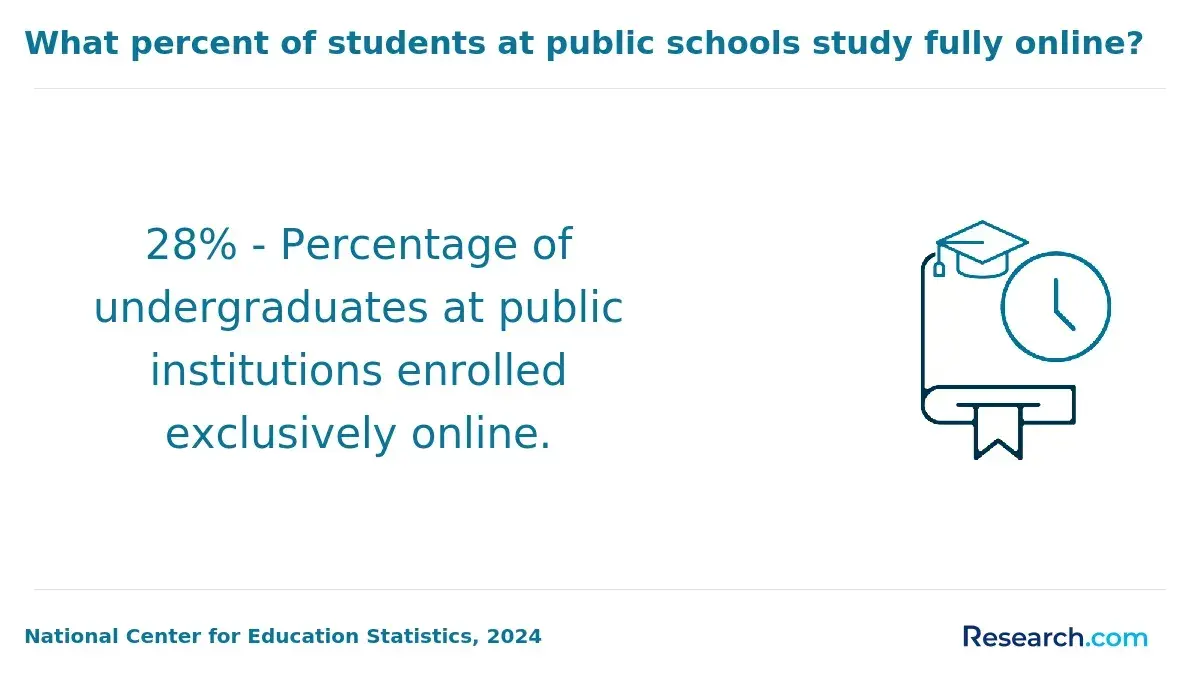
Yes. Many online doctoral programs charge distance learning, technology, online course, library, assessment, simulation, or student service fees. These fees may be charged per credit, per course, per semester, or as one-time program charges, and they are not always included in the tuition number shown on a program landing page.
For online nurse executive students, technology fees matter because the program is usually built around learning management systems, virtual collaboration platforms, online library access, project management tools, and remote faculty support. A fee that looks small per credit can become a meaningful cost across a 30- to 45-credit doctoral plan.
The table below summarizes common fee categories that can raise the true cost of attendance. It is especially useful when comparing programs that advertise similar tuition rates.
| Fee category | How it is commonly charged | Budget impact |
| Distance learning or online course fee | Per credit or per course | Can add hundreds or thousands over the full program |
| Technology fee | Per semester or per credit | Supports digital systems but may not be optional |
| Graduate student services fee | Per semester | May apply even if the student never visits campus |
| Clinical, practicum, or project fee | Per placement, course, or term | May apply to DNP executive project or practicum components |
| Graduation or doctoral document fee | One-time fee near completion | Small compared with tuition but often overlooked |
Before enrolling, ask the school for a written, term-by-term cost estimate. A strong estimate should separate tuition, mandatory fees, optional fees, projected books, required residencies, and any costs that increase if you slow down or repeat a course.
What out-of-pocket expenses should online Nurse Executive Leadership doctorate students anticipate?
Online learning reduces relocation and daily commuting costs, but it does not eliminate out-of-pocket expenses. Nurse executive leadership doctorates often include leadership practicums, organizational change projects, scholarly writing, data analysis, and sometimes short campus or conference residencies.
The most important budgeting step is to separate costs that financial aid may cover from costs you may need to pay as they occur. The following expenses are common enough that applicants should ask about them before accepting an offer:
- Books, journal access, style manuals, and evidence-based practice resources not included in tuition.
- Required software for statistics, qualitative analysis, project management, secure testing, or video conferencing.
- Travel, lodging, meals, parking, and time away from work for any required campus residency, immersion, defense, or executive seminar.
- Background checks, immunization documentation, drug screening, professional liability insurance, or compliance tracking if a practicum site requires them.
- Licensure renewal, specialty certification renewal, or professional organization dues that support practicum placement or executive networking.
- Printing, transcription, poster preparation, conference registration, or dissemination expenses for a DNP project or dissertation.
- Lost income if the student reduces work hours during intensive project, residency, or dissertation terms.
A common mistake is assuming an online doctorate is "fully remote" because coursework is online. If a program requires even one on-campus intensive, the travel cost can materially affect affordability for nurses who live far from the university or work schedules that are difficult to adjust.
Does in-state versus out-of-state residency status impact online Nurse Executive Leadership doctorate tuition?
Residency status can matter a great deal, but the impact depends on the school's pricing model. Public universities may charge separate in-state and out-of-state graduate tuition, while some online programs use a flat online rate for all distance learners. Private nonprofit universities generally do not use state residency in the same way, although they may offer institutional scholarships or partner discounts.
Applicants who are also comparing advanced practice nursing pathways should note that pricing models can differ across programs at the same school; for example, online nurse practitioner programs may have different clinical fees, credit loads, and residency rules than a nurse executive doctorate. Always compare the specific doctoral program, not the university brand alone.
The table below explains the main tuition structures and when each may be financially favorable.
| Tuition model | Who may benefit | Potential drawback |
| Public in-state tuition | Residents who qualify for the lowest graduate rate | May require proof of residency and may not apply to all online programs |
| Public out-of-state tuition | Students who prioritize a specific public university outside their state | Can be substantially higher than in-state pricing |
| Flat-rate online tuition | Out-of-state students seeking predictable pricing | May be higher than the resident rate at a local public university |
| Private university tuition | Students who value a specific cohort model, leadership network, or flexible schedule | Sticker price can be higher unless scholarships or employer support apply |
| Partner or employer-discount tuition | Nurses employed by affiliated healthcare systems | Discounts may require continued employment or minimum enrollment status |
The best choice is not always the lowest advertised rate. A resident public option may be cheapest for a nurse who can move quickly through the program, while a flat-rate online program may be better for an out-of-state student who wants predictable billing and no residency surcharge.
How do total costs for an online Nurse Executive Leadership doctorate compare to traditional on-campus programs?
Online Nurse Executive Leadership doctorates are often more affordable for working nurses because they reduce relocation, commuting, parking, and work-disruption costs. However, online tuition itself is not automatically lower. Some universities charge the same tuition across formats, and others add online learning fees that narrow the savings.
The table below compares cost categories that usually differ between online and campus-based doctoral study. It helps clarify whether online study is truly cheaper for your situation.
| Cost category | Online doctorate | On-campus doctorate |
| Tuition | May be flat-rate, in-state, out-of-state, or private online tuition | Often tied to campus residency status and full-time or part-time enrollment |
| Fees | May include distance learning and technology fees | May include campus activity, facilities, parking, and student service fees |
| Travel and housing | Usually limited to occasional residencies, if required | May require commuting, relocation, or local housing |
| Work schedule impact | Often designed for working nurse leaders | May require daytime attendance or more frequent campus presence |
| Networking format | Virtual cohorts, executive seminars, online faculty advising | In-person faculty access, campus events, local healthcare partnerships |
Online study tends to make the most financial sense for nurses who can keep full-time employment, use employer reimbursement, and avoid relocation. On-campus study may be worth the added cost if the program provides funded assistantships, strong research mentorship, local executive networks, or a dissertation pathway that aligns directly with academic career goals.
One overlooked factor is pacing. Part-time online study may protect income, but it can increase total fees if the school charges every semester. Full-time study may reduce the calendar length but can increase short-term financial pressure if it requires fewer work hours.
Can graduate assistantships and fellowships reduce online Nurse Executive Leadership doctorate costs?
Sometimes, but online doctoral students should not assume assistantships will be available. Traditional assistantships are more common in research-focused, campus-based PhD programs because they may require teaching, lab support, grant work, or regular on-campus presence. Practice-focused DNP executive leadership programs are often designed for employed professionals and may offer fewer assistantship slots.
That said, cost-reduction opportunities do exist. The key is to ask targeted questions rather than simply checking whether the school has "financial aid." Useful questions include:
- Are online doctoral nursing students eligible for graduate assistantships, tuition waivers, or stipends?
- Are assistantships remote, hybrid, or campus-based?
- Do assistantships require full-time enrollment, teaching responsibilities, or faculty research support?
- Are there school-specific nursing leadership fellowships, alumni scholarships, or diversity grants?
- Can a DNP executive project be connected to a funded healthcare improvement initiative?
- Does the school offer tuition discounts for nurses employed by partner hospitals or health systems?
Assistantships are most valuable when they reduce tuition without forcing you to cut back paid employment by more than the award is worth. For experienced nurse managers, directors, or chief nursing officers, an employer-funded project or leadership fellowship may be more realistic than a traditional graduate assistantship.
What financial aid options are available for students enrolled in an online Nurse Executive Leadership doctorate?
Accredited online doctoral programs may qualify for federal financial aid if the institution participates in Title IV aid and the student meets eligibility requirements. For graduate students, federal aid is usually loan-based, so it should be used strategically rather than treated as "free money."
For comparison, students evaluating less intensive graduate nursing routes may also research an easiest NP program, but doctoral leadership programs serve a different purpose: executive advancement, systems leadership, academic preparation, or high-level quality improvement rather than entry into advanced practice alone.
The table below compares major funding sources for online Nurse Executive Leadership doctorate students. It focuses on how each option affects affordability, not just whether it is available.
| Funding option | Typical value or rule | Best fit |
| Federal Direct Unsubsidized Loan | Graduate students may borrow up to $20,500 per academic year, subject to eligibility and aggregate limits | Students who need predictable federal borrowing with no credit-based approval for the base loan |
| Federal Grad PLUS Loan | Can cover remaining cost of attendance after other aid, subject to credit requirements | Students who still have a gap after scholarships, employer aid, and unsubsidized loans |
| Institutional scholarships | Varies by school, program, and funding cycle | Applicants with strong leadership experience, service background, or academic merit |
| External nursing scholarships | Varies by foundation, association, employer, or service commitment | Nurses willing to apply early and match awards to leadership, equity, rural health, or specialty goals |
| Military and veteran education benefits | Depends on individual eligibility and benefit type | Eligible service members, veterans, and dependents |
| Employer reimbursement or sponsorship | Often capped annually; some employers use $5,250 as a tax-favored benchmark | Working nurses whose doctoral goals align with organizational needs |
Before borrowing, complete these steps in order so you do not overfinance the degree:
- Confirm that the institution and program are properly accredited and eligible for the aid you plan to use.
- Request the full cost of attendance, including tuition, fees, books, travel, and required enrollment terms.
- Apply for scholarships, grants, employer support, and institutional awards before accepting the maximum loan package.
- Borrow only what you need for the academic year rather than automatically accepting the full amount offered.
- Estimate repayment under multiple income scenarios, especially if you plan to remain in a current role while waiting for promotion.
The major red flag is relying entirely on Grad PLUS borrowing without comparing cheaper funding first. Grad PLUS loans can be useful, but their interest rate and origination fee make them expensive if used as the default funding source for the full doctorate.
Does employer tuition reimbursement cover an online Nurse Executive Leadership doctorate?
Employer tuition reimbursement often can cover part of an online Nurse Executive Leadership doctorate, especially when the student works for a hospital, academic medical center, health system, insurer, public health agency, or university-affiliated healthcare organization. Coverage is not automatic, though. Employers usually require the degree to be job-related, preapproved, completed with a minimum grade, and earned at an accredited institution.
Many employers structure education benefits around the federal tax exclusion for employer-provided educational assistance, which allows up to $5,250 per calendar year to be excluded from taxable income when requirements are met. Some organizations reimburse more than that amount, but the tax treatment and payroll handling may differ.
Employer reimbursement works best when the program can be paced around annual benefit limits. For example, a nurse executive who takes fewer credits each term may stretch reimbursement across multiple calendar years and reduce borrowing. The trade-off is that slower pacing can add semester fees or delay career outcomes.
The table below shows common reimbursement structures and how they affect doctoral affordability.
| Employer support model | How it usually works | Financial implication |
| Annual tuition reimbursement | Employee pays tuition first and receives reimbursement after grades post | Reduces final cost but may require short-term cash flow or borrowing |
| Direct billing partnership | Employer pays the school directly through an approved arrangement | Can reduce upfront cost if available |
| Cohort or partner discount | University discounts tuition for employees of partner organizations | May lower tuition before aid is applied |
| Full or partial sponsorship | Employer funds the degree in exchange for role alignment or service commitment | Can be highly valuable but may limit job mobility |
| Professional development fund | Separate annual budget for conferences, certifications, or leadership training | May help cover residencies, project dissemination, or executive seminars |
Read the policy carefully before enrolling. Some employers require repayment if you leave within a certain period after reimbursement, and others exclude doctoral dissertation fees, books, or travel even when tuition is covered.
How can working professionals negotiate employer sponsorship for an online Nurse Executive Leadership doctorate?
The strongest employer sponsorship requests connect the doctorate to measurable organizational value. Nurse executive leadership programs often focus on quality improvement, staffing models, patient safety, financial stewardship, workforce development, and systems change, all of which can align with healthcare employer priorities.
Before asking for support, build a short business case rather than framing the request as a personal education expense. A practical sponsorship proposal should include:
- Identify the organization's problem that your doctoral work can address, such as nurse retention, care transitions, throughput, quality metrics, or leadership succession.
- Explain how the program's curriculum, practicum, or DNP project will produce a work-relevant outcome.
- Provide a total cost estimate, including tuition, fees, travel, and the amount you are asking the employer to cover.
- Offer a funding structure, such as annual reimbursement, partial sponsorship, direct billing, or support for specific project-related terms.
- Clarify the return to the employer, including a capstone deliverable, internal presentation, implementation plan, or leadership pipeline commitment.
- Discuss reasonable conditions, such as maintaining good academic standing, staying employed for a defined period, or sharing project results.
A useful negotiation angle is to ask for a combination of benefits rather than only tuition. If the employer cannot fund the full degree, it may still cover residency travel, conference dissemination, paid project time, data access, mentorship from executives, or a reduced schedule during intensive terms.
Avoid overpromising. A doctorate project can support organizational improvement, but it should not be presented as guaranteed cost savings, guaranteed promotion, or guaranteed executive placement.
What ROI can graduates expect from an online Nurse Executive Leadership doctorate?
ROI depends on the student's current salary, program cost, debt level, employer support, career timeline, and target role. An online Nurse Executive Leadership doctorate may make the most sense for nurses pursuing senior management, system-level leadership, academic leadership, consulting, policy, quality, or executive roles where a terminal credential strengthens credibility.
The Bureau of Labor Statistics reported a May 2024 median salary of $117,960 for medical and health services managers, a category that includes many healthcare administration leadership roles. BLS also projects employment in this category to grow much faster than the average for all occupations from 2024 to 2034, which suggests continued demand for leaders who can manage complex healthcare operations. These figures are not a salary promise for doctorate graduates, but they provide a useful labor-market benchmark.
Salary outcomes vary widely by role. A nurse manager moving into a director-level position may see a different payoff than a chief nursing officer pursuing system leadership or a faculty member seeking tenure-track advancement. Nurses comparing leadership roles with clinical advanced practice careers may also review state-level compensation patterns, such as psychiatric nurse practitioner salary, to understand how executive and clinical routes differ financially.
The table below shows how ROI can differ by career outcome. Use it as a decision framework, not as a prediction.
| Career outcome | How the doctorate may add value | ROI consideration |
| Nurse manager to director or executive track | Builds systems leadership, finance, quality, and change-management credibility | ROI improves if the degree supports promotion within a realistic timeframe |
| Chief nursing officer or senior administrator | May strengthen executive presence and strategic leadership qualifications | Value depends more on experience and organizational impact than the credential alone |
| Quality, safety, or population health leader | Supports evidence-based improvement and outcomes measurement | Best fit when the doctoral project aligns with measurable organizational priorities |
| Academic or faculty leadership | May support teaching, program administration, or practice-scholar roles | Research-intensive faculty roles may prefer or require a PhD |
| Consulting or independent leadership advisory work | Adds credibility for healthcare systems improvement and executive coaching | ROI depends on client base, reputation, and business development ability |
To estimate your own ROI, compare the total net cost after scholarships and employer support with realistic salary scenarios. Include loan interest, taxes, time to completion, and the possibility that promotion may depend on experience, job openings, and organizational fit rather than the doctorate alone.
This degree is most likely to be worth it for nurses who already have leadership experience, want system-level responsibility, can obtain some employer or scholarship support, and choose an accredited program with a clear completion plan. It may be less financially sensible for students who are unsure about leadership, must borrow the full cost at high interest, or expect the credential by itself to create an immediate executive salary increase.
Other Things You Should Know About Nurse Executive Leadership
Many post-master's online DNP leadership programs take about two to four years, depending on credit load, project pace, and whether the student enrolls part time or full time. Research-focused doctoral programs may take longer, especially when a dissertation is required.
Yes. Accreditation can affect federal aid eligibility, employer reimbursement, transferability, and professional credibility. For nursing doctorates, applicants should review institutional accreditation and programmatic accreditation where applicable, such as CCNE or ACEN for nursing programs.
Sometimes. Transfer credits may reduce tuition if the program accepts prior doctoral coursework or relevant graduate credits, but many schools limit the number, age, and type of credits they will accept. Always ask for a transfer evaluation before calculating savings.
Choose based on your goal. A DNP often fits practice leadership and systems improvement, a PhD fits research and academic scholarship, and an EdD may fit education or organizational leadership. The best financial choice is the credential that aligns with the role you are actually pursuing.
References
- Tuition Reimbursement Programs [A Guide for HR and Employers] https://compt.io/blog/employee-tuition-reimbursement/
- EdAssist | Scholarships and grants for nursing students https://www.brighthorizons.com/resources/blog/edassist/scholarships-and-grants-for-nursing-students
- Most Affordable Online DNP Programs https://www.onlineu.com/most-affordable-colleges/dnp-degrees
- Employer Tuition Assistance for Higher Education - Adult Students - Oklahoma State Regents for Higher Education https://okhighered.org/adult-students/tuition-assistance/
- Nonprofit vs. For-Profit Nursing Schools: Which to Choose? | NursingEducation https://nursingeducation.org/insights/non-profit-vs-profit/
- 39 Scholarships for Nursing Students https://www.allnursingschools.com/financial-aid/nursing-scholarships/
- Top 50 Most Affordable Online Nursing Administration Degrees (MSN) - Healthcare Administration Degree Programs https://www.healthcare-administration-degree.net/best/affordable-online-nursing-administration-degrees-msn/
- What Does It Cost to Earn a DNP (Doctor of Nursing Practice)? https://www.doctorofnursingpracticednp.org/what-does-it-cost-to-earn-a-dnp-doctor-of-nursing-practice/
- Scholarships & Financial Aid https://www.aacnnursing.org/students/scholarships-financial-aid
- Employee Tuition Reimbursement Guide | Wellhub https://wellhub.com/en-us/blog/wellness-and-benefits-programs/tuition-reimbursement/