2027 Best Online Nurse Executive Leadership Doctorate Programs for Consulting Careers

Co-Founder and Chief Data Scientist
Consultants who advise hospitals, health systems, payers, and care-delivery startups often need more than operational experience to influence executive decisions. The U.S. Bureau of Labor Statistics reports that management analyst roles are projected to grow 11% from 2023 to 2033, faster than average, which signals continued demand for advisory expertise.
This guide is for nurses, healthcare consultants, and aspiring consultants comparing online nurse executive leadership doctorates. You will learn which programs stand out, what the credential can and cannot do, and how to decide whether it fits your consulting goals.
Key Things to Know About Nurse Executive Leadership Doctorate Programs for Consulting Careers
- A nurse executive leadership doctorate is usually optional for consulting, but it can strengthen credibility for high-level work involving health system strategy, quality improvement, workforce redesign, compliance, and executive transformation.
- Relevant labor data supports the opportunity: BLS projects 11% growth for management analysts and 29% growth for medical and health services managers from 2023 to 2033, both useful benchmarks for healthcare consulting demand.
- The best online programs for consultants are typically accredited DNP executive leadership, health systems leadership, or nursing leadership doctorates with applied projects, flexible formats, experienced faculty, and practice-focused executive coursework.
How will a doctorate impact consulting careers in Nurse Executive Leadership?
A doctorate in nurse executive leadership can affect a consulting career in three main ways: it can deepen your technical authority, broaden the types of engagements you can credibly lead, and help you compete for senior advisory work. For consultants, the most useful doctorate is usually a practice-focused Doctor of Nursing Practice, or DNP, with an executive leadership, health systems, or administration concentration. Unlike a traditional research PhD, a DNP emphasizes applying evidence to improve outcomes in real healthcare organizations.
The credential can be especially valuable if your consulting work touches nurse staffing strategy, care quality, patient safety, leadership development, clinical operations, Magnet readiness, accreditation, value-based care, or enterprise-level change management. Clients hiring consultants for these problems often want someone who understands both the bedside realities of nursing and the financial, regulatory, and operational pressures facing executives.
BLS reported a May 2024 median annual wage of $117,960 for medical and health services managers. That figure is not a consultant salary guarantee, but it shows that the leadership labor market surrounding healthcare operations is well compensated. For a nurse consultant, the doctorate may be most valuable when it helps move the person from individual project support into advisory roles where executive judgment, data interpretation, and organizational credibility matter.
The impact depends on your current position. A director of nursing who already leads enterprise projects may use the doctorate to move into independent consulting, boutique advisory work, or health system transformation roles. A newer nurse with limited leadership experience may not see the same return because clients generally pay for demonstrated problem-solving results, not the credential alone.
The table below summarizes how the credential may change your consulting positioning. Use it to identify where the degree is most likely to create career leverage and where experience may matter more.
| Consulting goal | How the doctorate can help | When it may not be enough |
| Health system leadership consulting | Builds credibility in executive decision-making, governance, quality, finance, and care delivery strategy. | If you have not led major operational initiatives or managed cross-functional teams. |
| Quality and patient safety consulting | Strengthens evidence-based improvement, outcomes measurement, and implementation expertise. | If your portfolio lacks measurable project results. |
| Nursing workforce consulting | Supports advanced work in staffing models, retention strategy, professional practice environments, and leadership pipelines. | If you have limited exposure to budgeting, labor analytics, or workforce planning. |
| Independent consulting practice | Can differentiate your profile and support premium positioning in a specialized niche. | If you lack business development, pricing, proposal writing, or client management skills. |
| Academic or research consulting | May help with practice scholarship and applied evaluation projects. | If the role requires traditional research training better aligned with a PhD. |
The common mistake is assuming that "doctorate" automatically translates into higher consulting demand. The degree works best when paired with a clear market niche, documented outcomes, and consulting skills such as scoping, facilitation, stakeholder management, and executive communication.
Is a Nurse Executive Leadership doctorate a requirement to pursue consulting careers in the field?
A nurse executive leadership doctorate is not a universal requirement for consulting careers. Many healthcare consultants build successful practices with an MSN, MBA, MHA, MPH, specialty certifications, or senior leadership experience. The doctorate becomes more relevant when you want to advise C-suite leaders, lead complex transformation projects, publish or speak as a subject-matter expert, or compete for roles where terminal clinical leadership credentials are preferred.
For nurses who are still deciding between advanced clinical practice and leadership consulting, the path matters. If your goal is direct advanced practice care, online nurse practitioner programs may be more aligned than an executive leadership doctorate. If your goal is advisory work around healthcare systems, operations, policy implementation, or nursing leadership, an executive DNP is usually the more relevant option.
Employers and clients typically evaluate healthcare consultants through a combination of education, role history, outcomes, reputation, and niche expertise. A doctorate can help, but it rarely replaces evidence that you have solved similar problems before. For example, a client considering a staffing model redesign will likely care more about whether you have led workforce analytics, negotiated stakeholder concerns, and improved measurable outcomes than whether you hold a specific degree title.
Use the following framework to decide whether the credential is necessary for your version of consulting. These questions help separate a genuine career requirement from a credential that may be impressive but poorly timed.
- Review job postings, consulting firm bios, and client expectations in your target niche to see whether doctorates are common, preferred, or rarely mentioned.
- Identify the engagements you want to lead, such as quality improvement, executive coaching, care model redesign, compliance, nursing workforce strategy, or population health operations.
- Compare your current evidence of expertise against what clients would need to trust you with those engagements.
- Ask whether the doctorate fills a real gap in executive credibility, applied research, systems leadership, or outcomes evaluation.
- Estimate whether you can apply doctoral projects directly to your consulting niche rather than completing assignments unrelated to your market goals.
The best answer is often conditional. You probably do not need the doctorate to enter consulting, especially if you already have strong leadership experience. You may benefit from it if you want to specialize in high-stakes healthcare transformation, teach executive leaders, influence policy or standards, or build a consulting brand around doctoral-level nursing leadership expertise.

What are the best online Nurse Executive Leadership doctorate programs for consulting careers?
The best online nurse executive leadership doctorate programs for consulting careers are not simply the most recognizable schools. They are programs that combine accreditation, executive-level curriculum, flexible delivery, applied scholarly projects, and opportunities to connect coursework with real organizational problems. Most strong options are DNP programs rather than PhD programs because consulting usually rewards applied implementation skill more than traditional academic research preparation.
The programs below are examples of strong online or hybrid online options for nurses pursuing executive leadership, health systems leadership, or consulting-oriented doctoral study. Availability, tuition, campus visits, state authorization, and concentration names can change, so confirm details directly with each school before applying.
| Program | Online format | Best fit for consulting careers | Key caution to verify |
| Johns Hopkins University - DNP Executive Track | Primarily online with required on-site components | Experienced nurse leaders seeking a nationally visible program with strong systems leadership and an evidence-based practice emphasis. | Confirm residency expectations, total cost, and whether project mentorship aligns with your consulting niche. |
| Duke University - DNP Executive Leadership Specialty | Online with required intensives | Nurses targeting executive advisory work, organizational leadership, and high-level healthcare transformation roles. | Confirm specialty availability, campus requirements, and expected weekly time commitment. |
| George Washington University - DNP Executive Leadership | Online format designed for working professionals | Consultants interested in policy-aware health systems leadership, population health, and organizational change. | Confirm admissions expectations for leadership experience and project site requirements. |
| University of Pittsburgh - DNP Health Systems Executive Leadership | Online or hybrid features may vary by track | Nurse leaders focused on system performance, quality, clinical operations, and executive practice. | Confirm current delivery mode, required visits, and whether your state is authorized for online enrollment. |
| Ohio State University - DNP Health Systems Leadership | Online coursework with possible in-person requirements | Professionals seeking a large public university option with leadership, quality, and evidence translation coursework. | Confirm concentration structure, clinical/practice hour expectations, and project flexibility. |
| University of Central Florida - Online DNP Executive Track or leadership-related pathway | Online options for qualified nurses | Cost-conscious students comparing public university pathways for executive nursing leadership preparation. | Confirm the exact track name, residency requirements, and fit for consulting rather than internal administration only. |
| Rush University - Systems Leadership or transformational leadership-focused DNP pathway | Online or distance-friendly structure depending on the track | Nurses interested in quality, safety, population health, and systems improvement consulting. | Confirm the current program title, practicum requirements, and capstone expectations. |
No single program is "best" for every consultant. A nurse who wants to advise academic medical centers may prioritize reputation, faculty expertise, and access to complex project sites. A consultant building an independent practice may prioritize lower total cost, schedule flexibility, and the ability to shape the scholarly project around a marketable consulting specialty.
When you compare programs, avoid selecting only by prestige or tuition. Instead, build a shortlist around the work you want to be paid to do after graduation. The most useful comparison process includes these steps:
- Choose a consulting niche first, such as nurse executive coaching, quality improvement, workforce optimization, regulatory readiness, population health operations, or digital health implementation.
- Match each curriculum to that niche by reviewing courses in finance, systems leadership, data analytics, evidence translation, organizational change, and health policy.
- Ask whether the DNP project can be completed through your workplace, consulting clients, or an approved partner organization.
- Compare required intensives, synchronous class times, practicum expectations, and project deadlines against your client workload.
- Request total program cost, fees, technology requirements, and travel estimates before comparing affordability.
- Speak with recent graduates who used the degree in consulting, executive leadership, or advisory roles.
Strong programs are transparent about outcomes, accreditation, faculty qualifications, project expectations, and student support. Red flags include vague practicum guidance, unclear state authorization, limited access to faculty mentors, weak executive curriculum, or marketing that implies the doctorate alone will produce consulting income.
Is work experience needed to enroll in a Nurse Executive Leadership doctorate program?
Yes, meaningful work experience is usually needed, and it is especially important if your goal is consulting. Online nurse executive leadership doctorate programs often expect applicants to be licensed registered nurses with a BSN or MSN, graduate-level preparation depending on the entry route, professional recommendations, a statement of purpose, and evidence of leadership potential or experience. Some post-master's DNP tracks are designed specifically for nurses already working in management, administration, advanced practice, quality, education, or systems roles.
Experience matters because consulting is applied work. Doctoral courses in finance, systems leadership, evidence-based practice, and organizational change become far more useful when you can connect them to real budgets, staffing decisions, executive meetings, quality dashboards, and implementation barriers. Without that context, you may earn the credential but struggle to translate it into advisory authority.
If you are comparing leadership doctorates with clinical NP pathways, be honest about your professional direction. Some students search for the easiest NP program because they want a faster advanced credential, but consulting-focused executive leadership requires a different kind of readiness: credible leadership experience, systems thinking, and comfort influencing people without direct authority.
The table below shows how different experience levels usually affect readiness for a nurse executive leadership doctorate tied to consulting goals. It is not an admissions rule, but it can help you decide whether to apply now or strengthen your background first.
| Current experience level | Doctorate readiness for consulting | Best next move |
| Staff nurse with limited leadership duties | Usually early unless you have major project leadership or a clear systems improvement portfolio. | Seek charge nurse, committee, quality improvement, informatics, or shared governance leadership opportunities. |
| Charge nurse, educator, coordinator, or quality lead | Potentially ready for some programs, especially if you have measurable project outcomes. | Build a portfolio showing metrics, stakeholder work, training, and implementation results. |
| Nurse manager or director | Often a strong fit because coursework can connect directly to budgets, staffing, outcomes, and strategy. | Choose programs that let you align the DNP project with your consulting niche. |
| Executive nurse leader or senior consultant | Strong fit if the doctorate supports thought leadership, market differentiation, or advanced advisory work. | Prioritize flexibility, faculty mentorship, and project design over basic leadership exposure. |
| Non-nursing healthcare consultant | May not qualify unless you hold RN licensure and meet nursing education prerequisites. | Consider an MBA, MHA, DHA, DrPH, or healthcare leadership doctorate instead. |
Before applying, strengthen your profile by documenting measurable achievements. Examples include reducing turnover, improving quality indicators, leading accreditation preparation, implementing a new care model, improving throughput, building a leadership development program, or launching a cross-functional initiative. These examples can make your application stronger and later become proof points for consulting clients.
Do online Nurse Executive Leadership doctorate programs require dissertations?
Many online Nurse Executive Leadership doctorates do not require a traditional dissertation, but they usually require a substantial scholarly project, DNP project, capstone, or practice improvement project. This distinction matters for consultants. A dissertation typically produces original research for an academic audience, while a DNP project applies existing evidence to solve a real practice or systems problem.
If your long-term goal is university research, tenure-track scholarship, or theory-building, a PhD may be more appropriate than a practice doctorate. Students comparing research-focused doctoral affordability can review the cheapest online nursing PhD programs to understand how that pathway differs from an executive DNP. For most consultants, however, a practice project is often more marketable because it can become a case study, presentation, service line, or consulting methodology.
The table below compares the two common doctoral project models. It can help you decide whether you need academic research preparation or an applied project that supports consulting credibility.
| Feature | Traditional dissertation | DNP project or applied capstone |
| Primary purpose | Generate original research or a theoretical contribution. | Apply evidence to improve practice, systems, outcomes, or processes. |
| Best career fit | Academic research, faculty scholarship, policy research, or research consulting. | Healthcare consulting, executive leadership, quality improvement, operations, and implementation work. |
| Typical product | Research manuscript with methodology, findings, and scholarly contribution. | Practice change initiative, evaluation, implementation plan, or measurable improvement project. |
| Consulting value | Useful if clients need research design, evaluation, or publication-level expertise. | Useful if clients need practical change leadership and evidence-based implementation. |
| Main risk | May take longer if the research scope becomes too broad. | May be less useful if the project is too narrow or disconnected from your consulting niche. |
When reviewing programs, ask direct questions about project expectations. Good questions include these:
- Can the project be completed with an employer, consulting client, nonprofit partner, or approved healthcare site?
- What types of executive leadership projects have recent students completed?
- How are practice hours documented and supervised?
- How early does the program require students to identify a project site and mentor?
- Can the final project produce publishable, presentable, or portfolio-ready work?
A common mistake is choosing a dissertation or capstone model without understanding the time burden. Consultants with unpredictable client travel, proposal deadlines, or implementation cycles should look for programs with strong project advising, clear milestones, and realistic expectations for working professionals.
How flexible are online Nurse Executive Leadership doctorate programs for consulting professionals?
Online nurse executive leadership doctorate programs are often built for working nurses, but "online" does not always mean fully self-paced. Some programs use asynchronous coursework, while others require live evening classes, campus intensives, synchronous seminars, practicum hours, or scheduled project meetings. For consultants, the best format depends on how predictable your client workload is.
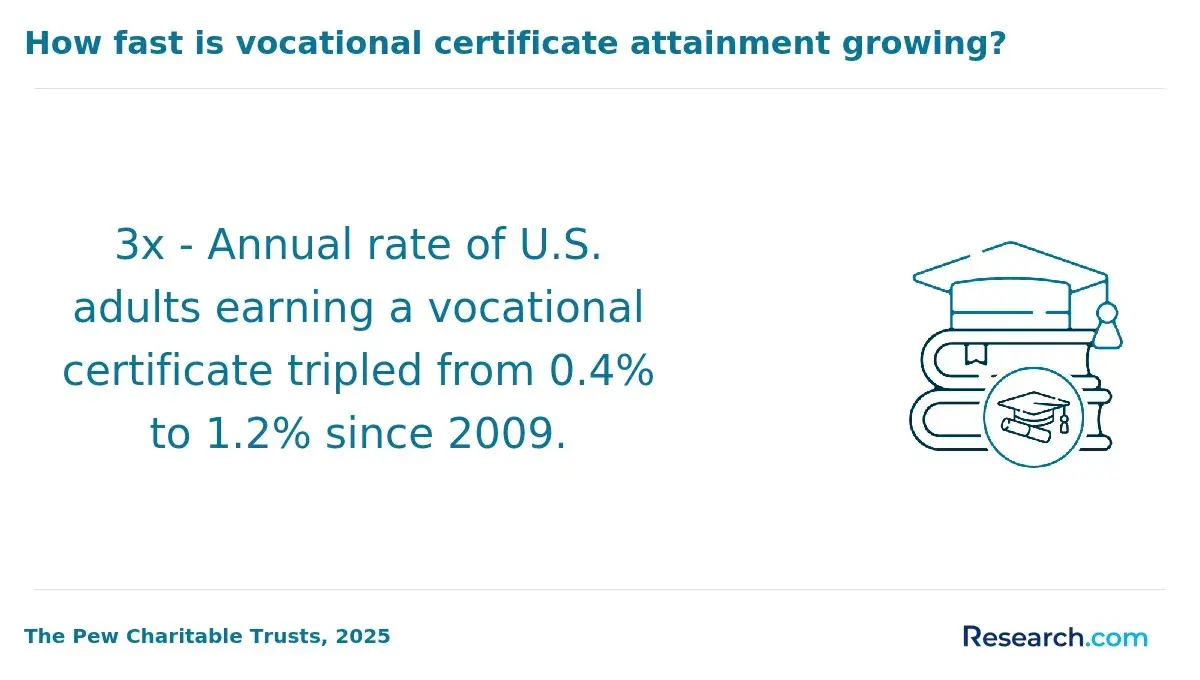
Flexibility has become a major quality factor because doctoral education increasingly serves working professionals rather than only full-time residential students. BLS workforce projections showing strong growth in management analysis and healthcare leadership roles also suggest that many prospective students will be balancing advanced education with active careers, not pausing work completely.
The table below explains the flexibility features that matter most for consulting professionals. Use it to compare programs beyond the word "online."
| Flexibility feature | Why it matters for consultants | What to verify |
| Asynchronous coursework | Helps students work around client meetings, travel, and proposal deadlines. | Whether exams, group work, or presentations still occur at fixed times. |
| Synchronous classes | Creates structure and faculty interaction but can conflict with evening client work. | Class times, attendance rules, recording availability, and time zone expectations. |
| Campus intensives | Can build networking and executive presence but adds travel cost and scheduling pressure. | Frequency, location, duration, and whether dates are announced early. |
| Part-time progression | Can make the doctorate manageable while maintaining consulting income. | Maximum time to completion and whether course sequencing delays graduation. |
| Project site flexibility | Allows students to connect doctoral work to consulting interests. | Whether independent consulting sites, employers, or client organizations qualify. |
| Cohort model | Provides peer accountability and networking. | Whether the pace is fixed or allows breaks when workload spikes. |
Before enrolling, map the program calendar against your actual work pattern. A consultant who travels frequently may need asynchronous classes and generous project planning timelines. A hospital-employed nurse leader with stable evenings may benefit from a structured cohort and live seminars. Neither format is automatically better; the right choice is the one you can complete without sacrificing job performance or health.
To test whether a program is truly flexible enough, take these practical steps before you commit:
- Ask admissions for a sample weekly schedule from a current student in the same track.
- Calculate the expected weekly study time during regular courses and during the DNP project phase.
- Identify all required campus visits and estimate travel, lodging, and missed-work costs.
- Confirm whether practicum or project hours can overlap with your employment or consulting work.
- Ask whether students can slow down, pause, or re-enter if client obligations temporarily increase.
The biggest mistake is treating the online format as proof of manageability. A rigorous doctoral program can still be demanding even if lectures are recorded. For consulting professionals, flexibility should be evaluated as a risk-management issue, not a convenience feature.
What should you look for in Nurse Executive Leadership doctorate programs for consulting careers?
When evaluating nurse executive leadership doctorate programs for consulting careers, focus on credibility, curriculum fit, applied learning, flexibility, and total return on investment. Accreditation should be your first filter. For nursing doctorates, look for institutional accreditation and appropriate nursing program accreditation, commonly through CCNE or ACEN, depending on the program. Accreditation can affect employer recognition, transferability, financial aid eligibility, and professional credibility.
The best program is the one that supports your consulting market. A nurse workforce consultant should look for leadership, finance, workforce analytics, organizational behavior, and outcomes evaluation. A quality improvement consultant should prioritize implementation science, patient safety, measurement, evidence translation, and data-driven change. A policy or strategy consultant may value coursework in health policy, economics, population health, and executive decision-making.
The following checklist summarizes quality indicators and red flags. Use it as a screening tool before speaking with admissions representatives.
| Area to evaluate | Quality indicator | Red flag |
| Accreditation | Clear institutional and nursing program accreditation listed publicly. | Vague claims about recognition or no clear accreditor information. |
| Curriculum | Courses in systems leadership, finance, policy, analytics, evidence-based practice, and organizational change. | Leadership track is mostly generic or lacks healthcare operations depth. |
| Faculty | Faculty have executive nursing, health systems, policy, quality, or consulting experience. | Few faculty profiles or limited evidence of relevant professional expertise. |
| Applied project | DNP project can align with your consulting niche and produce measurable outcomes. | Project requirements are unclear until late in the program. |
| Flexibility | Transparent expectations for synchronous sessions, intensives, practica, and completion timelines. | Program markets itself as online but provides little schedule detail. |
| Cost transparency | Tuition, fees, travel, books, and technology costs are available before enrollment. | Admissions focuses on monthly affordability without total cost clarity. |
| Career relevance | Graduates work in executive leadership, consulting, quality, education, policy, or systems improvement. | Outcomes are described only in broad promotional terms. |
After using the checklist, ask each school the same set of questions so you can compare answers fairly. These questions are especially useful for consultants because they reveal whether the program can connect doctoral work to marketable expertise.
- What types of consulting-relevant DNP projects have students completed in the last three years?
- Can I use a consulting engagement, employer initiative, or partner organization as my project site?
- How much faculty support is available for project design, data collection, and implementation planning?
- What is the total estimated cost, including fees and required travel?
- How many hours per week do successful part-time students typically spend on coursework?
- What happens if my work schedule requires a temporary leave or slower progression?
- Which courses directly support executive consulting skills such as analytics, finance, negotiation, facilitation, and change management?
Do not rely on rankings alone. Rankings may reflect reputation, research activity, selectivity, or institutional resources, but consulting fit depends on whether the program helps you build a credible advisory niche and complete a project that demonstrates value to clients.
What skills can consulting professionals gain from an online Nurse Executive Leadership doctorate?
An online nurse executive leadership doctorate can help consulting professionals build skills that are difficult to develop through routine work alone. The difference is not just more nursing knowledge; it is a structured approach to evidence, leadership, systems change, and outcome evaluation. These skills are especially useful when advising organizations that need defensible recommendations rather than opinions.
Healthcare consulting is also being reshaped by artificial intelligence, predictive analytics, remote care models, workforce shortages, and pressure to demonstrate measurable outcomes. A strong doctorate should help nurses interpret data, challenge weak assumptions, and lead responsible implementation rather than simply adopt new tools because they are popular.
The table below maps common doctoral-level skills to consulting responsibilities. This can help you judge whether the curriculum supports the kind of consulting work you want to pursue.
| Skill gained | How it supports consulting work | Example consulting use |
| Evidence translation | Turns research and best practices into workable recommendations. | Designing an evidence-based fall reduction, sepsis response, or staffing intervention. |
| Systems leadership | Helps consultants see how workflows, culture, finance, and policy interact. | Advising a health system on care model redesign across multiple units. |
| Data interpretation | Supports credible analysis of quality, workforce, cost, and performance metrics. | Building an executive dashboard to track nurse retention and patient outcomes. |
| Change management | Improves adoption of new processes and reduces implementation failure. | Leading stakeholder engagement for a new clinical documentation workflow. |
| Executive communication | Translates complex clinical issues into board-level decisions. | Presenting a business case for a nursing workforce investment. |
| Policy and compliance awareness | Connects recommendations to regulation, accreditation, reimbursement, and risk. | Preparing organizations for survey readiness or policy implementation. |
| Project evaluation | Shows whether interventions worked and what should change next. | Measuring the effect of a leadership development program on turnover. |
These skills can make your consulting advice more defensible. For instance, a consultant without doctoral training may identify a staffing problem based on experience, while a doctorate-prepared consultant may be better equipped to connect staffing data, patient outcomes, financial impact, implementation barriers, and evidence-based interventions into a complete recommendation.
Still, the degree does not automatically teach every business skill needed for consulting. You may need separate development in sales, proposal writing, contract negotiation, service packaging, pricing, client relationship management, and entrepreneurship. The strongest consultants combine doctoral-level clinical leadership with business discipline.
Can an online Nurse Executive Leadership doctorate credential increase your income potential as a consultant?
An online nurse executive leadership doctorate can increase income potential for some consultants, but it should not be viewed as a guaranteed salary multiplier. Consulting income depends on the employment model, specialty, client base, reputation, location, contract size, business development ability, and whether you work independently or for a firm. The credential may support higher-value work when clients perceive it as evidence of senior expertise.
BLS reported a May 2024 median annual wage of $101,190 for management analysts. This is a broad occupational category that includes consultants across industries, so it does not isolate nurse executive consultants. However, it provides a useful benchmark: consulting and analysis roles can command strong compensation when tied to complex organizational problems. Nurse executive consultants may exceed or fall below that benchmark depending on specialization, experience, and business model.
Salary context can also help nurses compare leadership consulting with advanced clinical practice pathways. For example, nurses weighing consulting against psychiatric advanced practice may want to review psychiatric nurse practitioner salary data, because the financial logic of a clinical NP route can differ from an executive consulting route.
The table below summarizes the main ROI factors that influence whether the doctorate may pay off. Use it to think beyond tuition and consider the complete career equation.
| ROI factor | Why it matters | How to evaluate it |
| Total program cost | Higher tuition, fees, and travel costs increase the income needed to justify the degree. | Request a full cost estimate and compare public, private nonprofit, and private options without assuming type alone determines value. |
| Opportunity cost | Time spent studying may reduce consulting hours, overtime, leadership availability, or family time. | Estimate lost billable time or reduced work capacity during peak semesters. |
| Consulting niche | Some niches value doctoral expertise more than others. | Look for clients who pay for executive nursing, quality, workforce, policy, or systems leadership expertise. |
| Current credibility | The degree adds more value when it fills a real credibility gap. | Compare your current credentials, outcomes, publications, presentations, and leadership history. |
| Project marketability | A strong DNP project can become a case study, talk, article, or consulting framework. | Choose a project connected to services you want to sell or lead. |
| Employer support | Tuition reimbursement or protected project time can improve ROI. | Ask about reimbursement, professional development funds, and leadership succession support. |
To estimate your own income potential realistically, start with your current consulting or leadership income, then identify the specific services the doctorate would help you offer. Examples might include executive nurse leadership coaching, quality improvement implementation, workforce retention strategy, accreditation readiness, or health system change management. If you cannot name the services or clients the degree will help you pursue, wait before enrolling.
A common mistake is assuming that clients will pay more because your title changes. Clients pay for outcomes, risk reduction, insight, and implementation support. The doctorate can help you communicate those strengths, but your portfolio must prove them.
Is an online Nurse Executive Leadership doctorate the right next step for your consulting career?
An online Nurse Executive Leadership doctorate may be the right next step if you already have nursing leadership experience, want to consult on complex healthcare systems problems, and can connect doctoral work to a defined market niche. It may not be the best immediate step if you are still building basic leadership experience, uncertain about your consulting specialty, or choosing the degree mainly because it seems prestigious.
The decision should be strategic rather than emotional. The strongest candidates can explain why this credential, why now, why online, and why a specific program. They also understand the trade-off: a doctorate can deepen authority and open doors, but it requires sustained time, money, and project discipline.
Use this readiness self-check before applying. If most answers are "yes," you may be ready to shortlist programs. If several are "no," spend time building experience or clarifying your consulting model first.
- You can name the consulting niche or executive advisory role you want to pursue after graduation.
- You have led measurable projects involving quality, operations, staffing, policy, education, finance, or organizational change.
- You understand whether a DNP, PhD, DHA, MBA, MHA, or certificate better fits your goal.
- You can manage doctoral coursework alongside work without relying on unrealistic assumptions about free time.
- You have compared total cost, project expectations, accreditation, faculty fit, and required campus visits.
- You know how the DNP project could become a consulting case study, service line, publication, or presentation.
- You are not expecting the credential alone to create clients, promotions, or income growth.
If you decide to move forward, build a shortlist of three to six programs and compare them using the same criteria. Speak with faculty, current students, alumni, and admissions staff. Ask for examples of recent DNP projects and confirm whether the program supports your intended consulting direction. If you are not ready yet, spend the next 6 to 18 months leading measurable initiatives, publishing or presenting your work, earning relevant certifications, and clarifying your market niche.
The best investment is a program that turns your existing nursing leadership experience into stronger advisory authority. The wrong investment is a program that adds a title without improving your ability to solve the problems clients actually pay consultants to solve.
Other Things You Should Know About Nurse Executive Leadership
Many students do, but it depends on the program structure and your workload. Look closely at synchronous class times, project hours, campus visits, and peak-semester expectations before assuming full-time work is manageable.
Useful options may include Nurse Executive certification, Certified Professional in Healthcare Quality, Lean Six Sigma, project management credentials, informatics certifications, or executive coaching training. The best choice depends on your consulting niche.
Not always. An MBA can help if you need deeper finance, strategy, entrepreneurship, or market analysis training. A DNP may be enough if your consulting work is primarily clinical leadership, quality, workforce, or health systems improvement.
Yes, if you have credible experience and stay within your competence. Many nurses begin with internal consulting, project leadership, speaking, training, or small advisory engagements while using doctoral work to sharpen their niche and portfolio.
References
- Universities with Outstanding Nursing Administration Professors https://www.mhaonline.com/blog/nursing-administration-professors-to-know
- RN with MBA Salary: Realistic Expectations and Career Paths — Shine On RN https://www.shineonrn.com/blog/rn-with-mba-salary-realistic-expectations-and-career-paths
- Online Master’s in Nursing Administration & Nurse Executive Leadership Programs https://www.onlineeducation.com/nursing/nursing-administration-executive-leadership-programs
- 10 Professors to Know in Nursing https://nursinglicensemap.com/resources/toolbox/nursing-professors-to-know/
- Top 15 Best Online Master’s in Nursing (MSN) Leadership Degree https://www.bestmasterofscienceinnursing.com/best/online-leadership/
- How Much Do Nurse Executives Make? | NursingEducation https://nursingeducation.org/careers/nurse-executive/salary/