2027 Online Marriage & Family Counseling Degree Master's Programs That Accept Transfer Credits

Co-Founder and Chief Data Scientist
Many aspiring counselors struggle with the inefficiency and expense of restarting graduate coursework despite previous academic achievements. For online marriage & family counseling degree master's programs that accept transfer credits, this issue is particularly relevant.
Nearly 70% of enrolled students report that credit transfer options significantly reduce both time-to-degree and tuition costs. This flexibility enables professionals to build on prior education and accelerate career entry. This article explores the criteria for credit acceptance, key institutional policies, and practical advice to help prospective students optimize their transfer credits and select programs that best complement their academic and professional backgrounds.
Key Benefits of Online Marriage & Family Counseling Degree Master's Programs that Accept Transfer Credits
- Accepting transfer credits can significantly shorten program length, enabling students to complete their online marriage & family counseling master's degree faster and enter the workforce sooner.
- Transfer-friendly policies often reduce tuition costs, offering substantial financial savings by applying previously earned graduate-level coursework toward degree requirements.
- Flexible online formats accommodate working professionals, career changers, and adult learners, allowing them to balance education with personal and professional responsibilities effectively.
Why Should You Pursue an Online Marriage & Family Counseling Master's Degree With Transfer Credits?
For prospective students and career changers seeking a flexible graduate education, online marriage & family counseling master's programs that accept transfer credits offer significant advantages. These programs provide pathways to accelerate degree completion and reduce overall costs, making advanced education more accessible and manageable.
Below are key factors to consider when exploring such transfer-friendly programs.
- Time Savings: Transfer credits can significantly reduce the total number of credit hours required, allowing students to complete their degree faster than traditional programs that require all credits to be earned onsite.
- Cost Reduction: Fewer required courses often result in lower tuition fees and decreased expenses for books and fees, an important benefit for working professionals and those managing multiple financial commitments.
- Flexible Learning: These programs accommodate diverse learners, including working professionals, career changers, and individuals re-entering academia, by recognizing prior graduate-level coursework and easing academic transitions.
- Credit Evaluation: Acceptance of transfer credits depends on institutional policies regarding course content, accreditation, and grades earned, so early inquiry helps align academic history with program requirements.
- Comparable Outcomes: Despite accelerated pathways, transfer-friendly online master's programs maintain rigorous academic standards and produce student outcomes comparable to traditional programs.
Students interested in exploring further may also consider easy degrees to get online that pay well as part of their educational planning.
What Is the Minimum GPA Requirement for a Marriage & Family Counseling Master's Program?
Most online marriage & family counseling master's programs require a minimum GPA of 3.0 for general admission, but GPA criteria for online marriage & family counseling graduate programs can vary when evaluating transfer credits. Some programs set different standards for transfer eligibility, allowing for flexibility depending on course quality and relevance.
Students with GPAs slightly below 3.0 may still gain conditional acceptance or probationary enrollment if other application elements are strong. Highlighting professional experience, strong references, or submitting a personal statement can improve the chances for those near the minimum GPA.
According to recent trends, about 40% of graduate counseling programs show some GPA leniency in transfer credit evaluations, reflecting efforts to accommodate diverse student backgrounds.
- Standard GPA Requirements: Most programs expect a minimum cumulative GPA of 3.0 for admission, ensuring readiness for graduate study rigor.
- Transfer Credit GPA Thresholds: Transfer credits usually require a minimum course GPA near 3.0 but may be accepted with lower grades depending on accreditation and course relevance.
- Conditional Acceptance Options: Schools sometimes provide conditional acceptance or academic probation for candidates with GPAs just below the threshold, giving them a chance to demonstrate capability.
- Enhancing Applications: Including professional counseling experience, solid recommendations, or detailed personal statements can bolster applications from students with borderline GPAs.
- GPA Flexibility Trends: Nearly 40% of graduate counseling programs offer some flexibility in GPA requirements for transfer credit reviews, reflecting increasing accommodation for nontraditional students.
Prospective students should also explore how transfer credits can reduce their program duration and cost, and consider pairing their studies with short certificate programs that pay well to enhance career prospects.
How Many Transfer Credits Can You Apply to an Online Marriage & Family Counseling Master's Program?
Knowing how many transfer credits an online marriage & family counseling master's program allows can significantly impact your study plan and expenses. Nearly 70% of these programs permit some transfer credits, making it essential to understand typical limits and institutional factors that shape them.
- Typical Credit Limits: Most online marriage & family counseling programs accept between 6 and 12 semester hours of transfer credit. This range balances accepting relevant prior coursework while maintaining the integrity and depth of the degree requirements.
- Accreditation Impact: Transfer credit acceptance varies substantially depending on the school's accreditation. Regionally accredited institutions tend to offer greater flexibility in transfer policies, whereas nationally accredited ones may have stricter limits or exclude certain credits altogether.
- Evaluation Process: Before enrolling, students should request a formal transfer credit evaluation to clarify which courses qualify. This step verifies that transferred credits meet the program's curriculum standards and satisfy quality benchmarks.
When I spoke with a professional who pursued an online marriage & family counseling master's degree with transfer credit options, he described navigating the credit transfer process as both exciting and stressful. "Submitting transcripts was just the start," he shared, noting that the detailed evaluation required patience and ongoing communication with admissions counselors.
He emphasized how critical it was to confirm transferability early on, so he could map out his course load and timeline effectively. Despite some initial uncertainty, being able to apply prior graduate coursework helped reduce the overall cost and allowed him to complete his degree faster than expected, which made the effort worthwhile.
Transfer credit accreditation standards for online marriage & family counseling programs significantly shape credit acceptance policies. Regional accreditation is often preferred because it reflects rigorous academic quality and facilitates smoother credit transfer between similarly accredited institutions. In contrast, national accreditation tends to impose stricter limits on transferable credits, possibly narrowing options for students.
Additionally, specialized accreditors focused specifically on marriage & family counseling programs require transferred coursework to meet particular curricular and clinical guidelines. Prospective students should carefully verify the accreditation status of both their previous institution and the intended program to maximize transfer eligibility.
According to recent data, nearly 37% of graduate students transfer credits when changing programs, which underscores the importance of understanding these accreditation requirements for transfer credits in marriage & family counseling master's degrees.
- Regional Accrediting Bodies: These agencies accredit colleges and universities within defined geographic areas and maintain rigorous standards, making their credits highly transferable for marriage & family counseling master's degrees.
- Commission on Accreditation for Marriage and Family Therapy Education (COAMFTE): As a specialized accreditor, COAMFTE ensures program-specific standards for curriculum and practicum, which can restrict credit transfer if prior coursework does not align with its criteria.
- National Accrediting Agencies: Institutions accredited nationally often have more vocational focuses, resulting in tighter scrutiny and limited acceptance of transfer credits compared to regional accreditation.
- State Licensing Boards: While not accrediting bodies, these boards affect transfer policies by setting professional licensure requirements that programs must meet, indirectly influencing credit transfer decisions.
Students exploring options should also consider how approved transfer credits can reduce both the time and cost necessary to complete their degree. Those wondering what bachelors degree should I get can find relevant insights when planning their pathway toward marriage & family counseling graduate programs.
For students pursuing an online marriage & family counseling master's degree, knowing which graduate courses qualify for transfer can significantly affect program duration and cost. Recent studies show nearly 60% of graduate students seek to transfer credits to accelerate their academic progress.
Transfer approval often depends on how closely prior coursework aligns with the receiving program's curriculum and specializations.
- Core Counseling Courses: Transfer credits are commonly accepted from essential subjects such as counseling theories, family systems, human development, and ethics. These foundational classes support advanced study within marriage & family counseling graduate programs and are critical for credentialing.
- Practicum and Fieldwork: Programs may grant credit for supervised clinical experiences or internships if students provide thorough documentation demonstrating the required hours and competencies were met. Supporting materials like detailed syllabi and evaluations enhance transfer requests.
- Research and Statistics: Graduate-level research methods and statistics courses, especially those related to behavioral sciences, often qualify for transfer. These prepare students for empirical work and thesis development within graduate programs.
- Electives and Specializations: Elective courses in areas such as trauma, addiction, or multicultural counseling may be transferable when they align with the program's focus. Close communication with admissions is advised to verify eligibility.
- Recency and Accreditation: Most institutions require that credits transferred were earned within the previous five to seven years and come from regionally accredited schools. Older coursework or that from unaccredited sources risks rejection.
A professional who switched careers after completing an online marriage & family counseling master's reflected on her transfer experience, noting that assembling comprehensive syllabi and course descriptions was demanding but invaluable. "Submitting detailed materials helped clarify how my previous courses matched program requirements," she said.
Despite some initial uncertainty, she found that thorough preparation streamlined the evaluation process, ultimately saving time and tuition costs. Her experience highlights the importance of proactive documentation when navigating transfer credit policies.
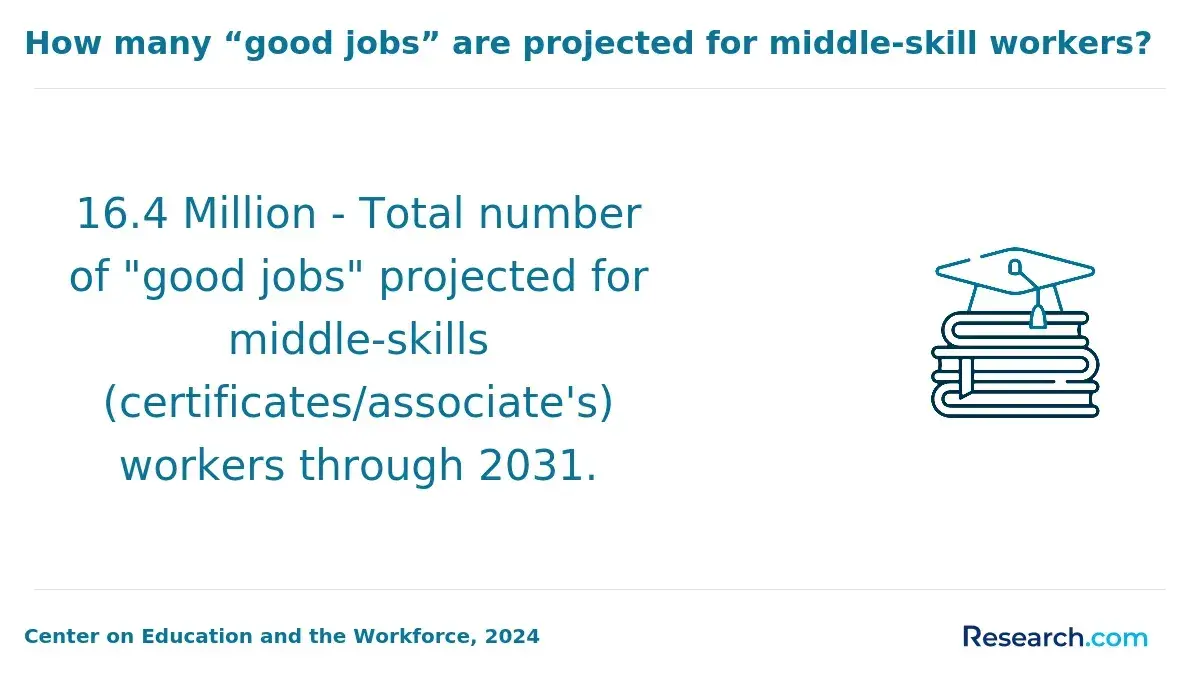
Nearly 40% of graduate students in counseling fields seek to transfer credits to accelerate their degree progress and reduce costs. This makes initiating a transfer credit evaluation essential for applicants to online marriage & family counseling master's programs.
The following key points outline the process to help ensure a smooth evaluation.
- Optimal Timing: Submit your transfer credit request early-either when applying or immediately after acceptance-to prevent enrollment delays and guarantee your credits are reviewed before classes start.
- Necessary Documents: Provide official transcripts from all previous institutions, along with detailed syllabi and course descriptions, so evaluators can accurately compare and assess course equivalencies.
- Consistent Follow-Up: Stay in regular contact with the registrar or graduate admissions office to confirm they received your materials and track the progress of your evaluation.
- Policy Awareness: Review the program's policies on transfer credit limits and accreditation requirements, as these factors dictate how many credits may be accepted toward your degree.
- Document Retention: Keep copies of all submitted paperwork and correspondence to quickly resolve any issues and provide proof during the review process.
Prospective students considering an online marriage & family counseling master's program should understand how transfer credits impact their time to degree completion. According to the National Center for Education Statistics, transfer students may save up to one full semester by applying approved credits toward degree requirements, making it essential to evaluate individual credit transfers carefully.
- Transfer Credit Impact: Approved transfer credits reduce the amount of required coursework and can significantly shorten the program, potentially cutting completion time by several months to a year.
- Full-Time vs Part-Time Enrollment: Full-time students usually complete the program in 1.5 to 2 years, but with transfer credits, this may shrink to around 1 year or less. Part-time students often take 3 to 4 years, with transfer credits potentially reducing that by a year or more.
- Credit Caps and Limits: Many institutions cap the number of transfer credits counting toward core requirements, often between 30% and 50% of total credits, which can limit time savings.
- Sequential Coursework: Some programs require completing courses in a strict sequence, especially clinical practicum classes, which can reduce schedule flexibility and slow progress.
- Residency Requirements: Schools mandate a minimum number of credits be taken directly through them to maintain accreditation and quality, limiting how much transfer credit accelerates completion.
- Personalized Timelines: Students should consult admissions advisors and review transcripts to calculate realistic timelines, factoring in course availability and personal schedules.
Prospective students exploring top online marriage & family counseling master's programs accepting transfer credits will find numerous accredited options that facilitate credit transfers to accelerate their degree completion. Transfer-friendly programs stand out for their generous acceptance limits, transparency in credit evaluation, and comprehensive student support, making them invaluable for those seeking flexibility and cost savings.
- Generous Credit Limits. Highly regarded programs generally permit the transfer of substantial credit amounts, often covering up to half or more of the required coursework. This approach honors prior graduate-level studies and reduces the overall time and financial investment needed.
- Clear Evaluation Processes. Top transfer-friendly programs offer detailed credit assessment guidelines to clarify which courses qualify for transfer equivalency. They require official transcripts, course descriptions, and provide timely decisions, which are crucial for minimizing application uncertainty.
- Strong Student Support Services. Dedicated advisors or transfer specialists are standard in quality programs, assisting students with transcript submission, prerequisite verification, and academic planning. This guidance ensures compliance with licensure requirements and smooth progression through the program.
- Accredited and Regionally Recognized. Accreditation from regional and counseling-specific bodies ensures that transferred credits meet rigorous standards and supports eligibility for federal financial aid. Students aiming for the best transfer-friendly online marriage & family counseling graduate programs should prioritize accreditation status when making their selections.
- Flexible Admission Requirements. These programs often accept transfer credits from regionally accredited institutions and reputable graduate programs, accommodating diverse academic backgrounds. Clear communication of transfer policies during the application process further aids informed decision-making.
Prospective students aiming for the best transfer-friendly online marriage & family counseling graduate programs should also explore cost-saving strategies. Transfer credits can significantly reduce tuition expenses and shorten program duration.
Additionally, those interested in advanced educational opportunities might consider reviewing the cheapest online doctorate in educational leadership as part of broader academic planning.
For prospective students exploring tuition and fees for an online marriage & family counseling master's degree, understanding the financial impact of transfer credits is crucial. With graduates earning a median annual salary of around $51,000, applying transfer credits can reduce tuition costs and accelerate time to degree completion.
- Tuition Per Credit Hour: Online marriage & family counseling programs usually charge tuition based on credit hours. Transfer credits reduce the number of credits needed to graduate, which directly lowers the total tuition paid. Prospective students should note that some institutions have varying rates for residents and non-residents, affecting overall tuition costs.
- Residency Requirements: Many programs require completing a minimum number of credits onsite or within the institution. This can limit how many transfer credits are accepted, thereby influencing the actual savings. Understanding these policies helps estimate realistic cost reductions.
- Mandatory Fees: Fees such as technology, registration, and graduation costs often remain fixed regardless of transfer credits. These mandatory fees contribute to the net cost and should be factored into financial planning for an online marriage & family counseling master's degree with transfer credits applied.
- Financial Aid Eligibility: Transferring credits lowers the remaining credit load, potentially affecting eligibility for certain scholarships, grants, or loan limits. Consulting financial aid offices is essential to understand how reduced credit hours impact your specific aid package.
- Net Cost Estimates: Requesting personalized net cost estimates from each program's financial aid office provides clarity on final expenses after transfer credits and financial aid. Prospective students comparing options, including programs like construction management degrees with favorable tuition structures, benefit from this step.
Pursuing an online Marriage & Family Counseling master's degree often involves navigating various financial aid possibilities, especially for students transferring credits. With approximately 85% of graduate students receiving some form of financial support, understanding aid options can significantly impact your education planning.
- Federal Financial Aid: Completing the FAFSA is crucial to qualify for federal grants and loans. Applying transfer credits may lower your course load, which can affect enrollment status and potentially reduce federal aid eligibility as most aid programs require at least half-time enrollment.
- Institutional Scholarships and Assistantships: Many schools provide scholarships and graduate assistant positions targeted at Marriage & Family Counseling students. These opportunities often help offset tuition and should be researched directly through program financial aid offices.
- Field-Specific Scholarships: Organizations such as the American Association for Marriage and Family Therapy offer dedicated scholarships for counseling graduate students. Early application to these external funds can increase your chances of receiving support.
- Impact of Transfer Credits: Using transfer credits can shorten your program duration and reduce costs but may lower your credit load each term. Confirm with your institution how this affects your financial aid eligibility and plan accordingly.
- Employer Tuition Assistance: Some employers in healthcare and counseling fields provide reimbursement for continuing education. Check your employer's policy to leverage potential tuition support for your graduate studies.
Applicants to online marriage & family counseling master's programs should prepare for a thorough admissions process that extends beyond GPA requirements, with nearly three-quarters of programs expecting a detailed application. This approach ensures candidates demonstrate the academic readiness and commitment necessary for graduate-level work.
- Comprehensive Admission Requirements: Most programs require letters of recommendation, personal statements, and sometimes standardized tests such as the GRE. These elements provide insight into applicants' motivation and capacity to succeed in demanding coursework.
- Transfer Credit Documentation: Possessing transfer credits does not waive full admission evaluations. Applicants often must submit official transcripts and detailed course syllabi or descriptions to confirm credit validity and alignment with program standards.
- Rolling Admissions and Multiple Start Dates: Several programs offer flexible enrollment options, including rolling admissions or several start dates annually. This flexibility benefits applicants balancing transfer credit evaluations and allows them to begin studies without waiting for a fixed deadline.
- Customized Personal Statements: It is crucial to tailor personal statements to address previous graduate experiences and clearly link those experiences to goals within marriage & family counseling. This clarity helps admissions committees see the applicant's intentional academic trajectory.
What Graduates Say About Online Marriage & Family Counseling Degree Master's Programs That Accept Transfer Credits
- Max: "Choosing an online marriage & family counseling master's program allowed me to balance my full-time job while preparing for a complete career shift. The affordable tuition compared to in-person options was a huge relief and made the transition financially feasible. Since graduating, I've already seen tangible growth in my practice, helping families heal in ways I never imagined possible."
- Rita: "After years in a different industry, I needed flexibility and relevance, which the online marriage & family counseling program provided perfectly. The cost was very reasonable for such thorough training, eliminating a common barrier for career changers like me. This degree has truly opened doors to a new profession where I feel I can make a real impact every day."
- Clint: "Pursuing my online master's in marriage & family counseling was a deliberate choice to fit study around my busy schedule and family life. The program's moderate cost compared to other graduate options made it accessible without overwhelming debt. Professionally, the degree has positioned me strongly to offer meaningful support in mental health settings, fulfilling my career aspirations beyond my previous roles."
Other Things You Should Know About Marriage & Family Counseling Degrees
The program should be regionally accredited, and the counseling degree should also hold programmatic accreditation from the Council for Accreditation of Counseling and Related Educational Programs, or CACREP, when available. Schools usually accept only graduate-level courses with a grade of B or higher, and credits from regionally accredited institutions.
Most accredited online marriage & family counseling master's programs do not accept professional certifications or work experience as direct transfer credits. However, some programs offer credit-by-examination options or portfolio assessments that recognize relevant professional experience. It is essential to consult the specific program's policies to determine whether experiential learning can contribute to the degree requirements.
Residency requirements vary by institution but commonly include completing a minimum number of credit hours directly through the awarding school, often between 25% and 50% of the total program credits. Even fully online programs may require some in-person components such as supervised clinical practicums or intensives. Applicants should verify residency expectations early in the process to ensure alignment with their availability and geographic location.
- Why get an MFT degree? | edX https://www.edx.org/resources/is-a-masters-in-mft-worth-it
- Frequently Asked Questions - Students https://www.coamfte.org/COAMFTE/COAMFTE/Resources/Frequently_Asked_Questions.aspx
- MA in Marriage/Family Therapy (Marriage/Family Therapy) https://www.umassglobal.edu/academic-programs/ma-in-marriage-and-family-therapy
- Master’s degree in marriage and family counseling https://www.trevecca.edu/academics/program/marriage-and-family
- Online Masters in Marriage and Family Therapy | IWU https://www.indwes.edu/program/ma-counseling/marriage-and-family-counseling/
- Fastest Online Master's In Counseling Programs https://www.psychology.org/counseling/fastest-online-degrees/
- Marriage and Family Therapy - Master's https://www.usm.edu/graduate-programs/marriage-family-therapy.php
- Best Online Marriage and Family Therapy Master’s Programs for 2025 https://www.onlinemastersdegrees.org/best-programs/counseling/marriage-and-family-therapy-mft/
- Our List of the Most Affordable Online MFT Programs https://www.edumed.org/online-schools/marriage-and-family-therapy-mft-programs/most-affordable/
- Frequently Asked Questions https://www.usfca.edu/education/programs/masters/marriage-family-therapy/faqs