
2027 Online Literacy Education Doctorate Programs with No Dissertation Requirement

Co-Founder and Chief Data Scientist
Choosing an online literacy education doctorate without a dissertation can save time, but only if the alternative fits your career goals. The need for advanced literacy leadership is urgent: 2024 NAEP reading results showed that only about 3 in 10 U. S. fourth- and eighth-grade students reached proficient reading levels.
This guide is for teachers, reading specialists, curriculum leaders, and administrators comparing dissertation-free EdD pathways. You will learn what replaces the dissertation, how to verify legitimacy, what costs to expect, and when a traditional dissertation is still the smarter choice.
Key Things You Should Know
- True dissertation-free online literacy doctorates are uncommon; many are online EdD programs in curriculum, instruction, reading, or educational leadership that use a capstone, applied doctoral project, or doctoral study instead.
- No dissertation does not mean no research: legitimate programs still require doctoral-level inquiry, data analysis, scholarly writing, and an applied project tied to literacy practice.
- Cost and ROI vary widely, so compare total credits, per-credit tuition, residency fees, and career fit; federal graduate unsubsidized loans are capped at $20,500 per year before any Grad PLUS borrowing.
Which Online Literacy Education Doctorate Programs Do Not Require a Dissertation?
The most accurate answer is that fully online, literacy-specific doctorates with a clearly advertised "no dissertation" structure are limited. Students usually find dissertation alternatives in professional EdD programs that allow a literacy, reading, curriculum and instruction, or educational leadership focus rather than in research-oriented PhD programs.
Because universities regularly revise doctoral handbooks, do not rely only on marketing language. A program may say "no dissertation" but still require a doctoral capstone, doctoral study, improvement science project, or applied research portfolio. For a broader comparison of institutions using alternative doctoral completion models, review online EdD programs no dissertation and then confirm whether each school offers literacy-related coursework or a reading-focused project option.
The table below summarizes the main types of programs that may fit a literacy educator who wants to avoid a traditional dissertation. It is more useful than a static list because the final-project terminology and concentration options can change by catalog year.
| Program type | Typical literacy fit | Common final requirement | Best for | Main caution |
| Online EdD in Curriculum and Instruction | Often allows reading, literacy, language, assessment, or instructional leadership topics | Capstone, applied project, or doctoral practice project | Teachers, instructional coaches, curriculum specialists | Confirm that literacy coursework is substantial, not just one elective |
| Online EdD in Reading, Literacy, or Language Education | Most directly aligned with literacy leadership | May be a dissertation, doctoral study, or capstone depending on school | Reading specialists, literacy coordinators, teacher leaders | Many literacy-specific doctorates still require a dissertation |
| Online EdD in Educational Leadership | Can support districtwide literacy improvement, school leadership, and policy work | Applied improvement project or leadership capstone | Principals, district leaders, program directors | Literacy focus may depend heavily on the student's project topic |
| Online EdD in Teaching and Learning | Useful for literacy intervention, digital reading tools, assessment, and teacher development | Capstone, portfolio, or applied research project | Classroom leaders and professional development specialists | Check whether the program prepares students for literacy-specific roles |
When reviewing a program page, search the academic catalog for "dissertation," "capstone," "doctoral project," "doctoral study," "portfolio," and "final scholarly project." The catalog and doctoral handbook are more reliable than short admissions pages.
What Replaces the Dissertation in an Online Literacy Education Doctorate?
In a dissertation-free online literacy education doctorate, the traditional dissertation is usually replaced by an applied doctoral product. The difference is not the absence of research; it is the purpose of the research. A dissertation typically aims to contribute new knowledge to the field, while a capstone or applied project usually aims to solve a real problem in a school, district, nonprofit, or education organization.
These alternatives are especially common in professional EdD programs because many students are working educators who want to improve reading instruction, intervention systems, assessment practices, or literacy coaching models in real settings.
| Completion option | What it usually involves | How it may apply to literacy education | Research intensity |
| Applied doctoral project | Identifying a practice problem, reviewing literature, collecting or analyzing evidence, and proposing or evaluating a solution | Improving district reading intervention procedures or evaluating a literacy coaching model | High, but practice-focused |
| Capstone project | Producing a final scholarly project tied to professional practice | Designing a structured literacy implementation plan or assessment framework | Moderate to high |
| Doctoral study | Conducting systematic inquiry into an education problem, often with a written report and oral defense | Studying barriers to evidence-based reading instruction in a school system | High |
| Portfolio or improvement project | Compiling multiple research-based products, reflections, and implementation evidence | Documenting literacy leadership competencies across coaching, assessment, and intervention work | Moderate |
Students should ask how the final project is assessed, whether it requires Institutional Review Board approval, and whether it includes an oral defense. A "no dissertation" program can still include multiple semesters of writing, revision, committee review, and data-based analysis.
Are Online Literacy Education Doctorate Programs Without Dissertations Legitimate and Accredited?
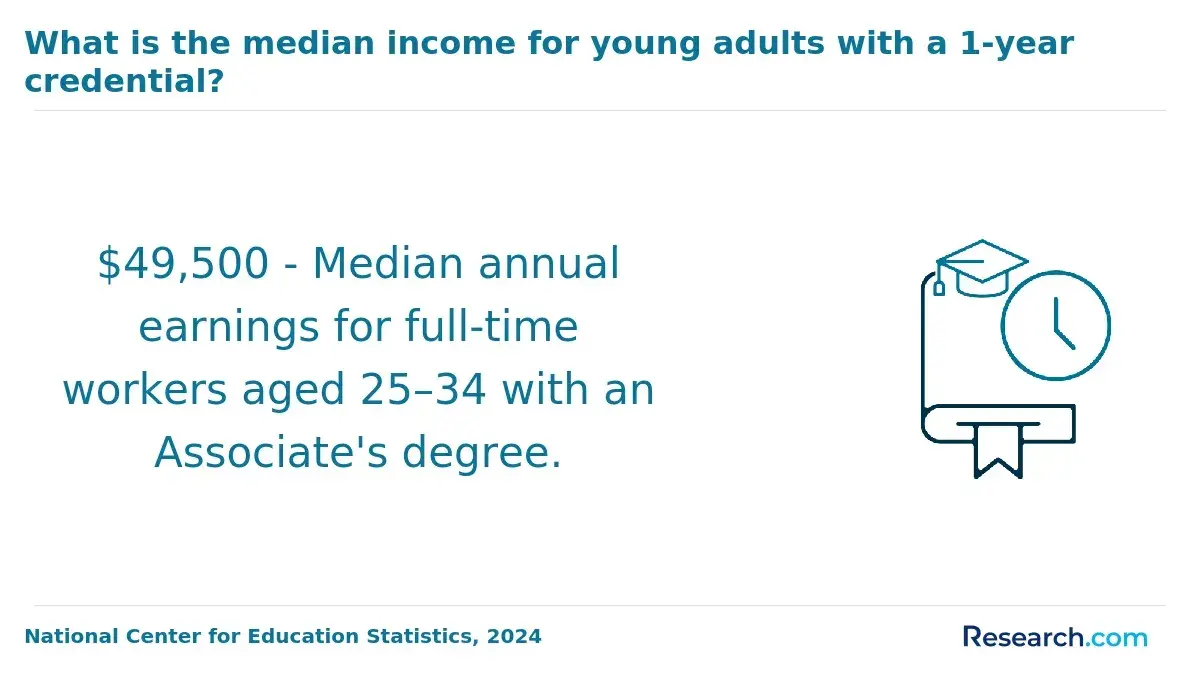
Yes, a no-dissertation online doctorate can be legitimate if it is offered by an institution with recognized accreditation and a rigorous doctoral curriculum. Accreditation matters more than the word "dissertation" because it affects federal financial aid eligibility, credit transfer, employer recognition, and in some cases licensure-related decisions.
For U.S. students, the first step is institutional accreditation from an accreditor recognized by the U.S. Department of Education or the Council for Higher Education Accreditation.
Programmatic accreditation is less common for literacy doctorates than for some clinical or licensure fields, but education students should still check whether the school has educator preparation approvals that matter in their state. If you are comparing other education pathways where programmatic approval is central, such as school psychology programs online accredited by NASP, the same principle applies: verify the accreditor and the professional outcome before enrolling.
Use the following checks before treating any dissertation-free doctorate as credible. These steps help distinguish legitimate applied doctorates from programs that use vague language to downplay weak academic requirements.
- Confirm institutional accreditation in the U.S. Department of Education's Database of Accredited Postsecondary Institutions and Programs.
- Read the current graduate catalog, not just the admissions page, to confirm whether the final requirement is a dissertation, capstone, doctoral study, or project.
- Ask whether the program requires committee review, research methods courses, data analysis, and a formal final defense or presentation.
- Verify whether the degree title, concentration, and transcript wording match your employer's advancement, salary-lane, or leadership requirements.
- Check state licensure rules if you plan to use the doctorate for reading specialist, administrator, or superintendent credentials.
A major red flag is a program that promises an unusually fast doctorate with little writing, no research methods, no faculty review, and no clear accreditation. A legitimate no-dissertation doctorate should still feel like doctoral work.
Are No-Dissertation Online Literacy Education Doctorate Programs Easier to Complete?
They may be more structured and practical, but they are not automatically easier. The main advantage is that a capstone or applied project often has a clearer connection to a student's workplace, which can reduce the uncertainty that causes many dissertation students to stall.
Traditional dissertations can become difficult because students must frame an original research question, secure committee approval, collect or analyze data, and revise extensively. Applied projects can still require those skills, but they usually focus on an actionable literacy problem, such as improving reading intervention placement, evaluating professional development, or strengthening multilingual literacy support.
The common mistake is assuming "no dissertation" means "no major final project." In reality, students should expect advanced reading, literature reviews, research design, data interpretation, and polished academic writing. The difference is that the final product may be judged by its usefulness to professional practice rather than by its contribution to academic theory.
A good rule of thumb: choose a no-dissertation doctorate because you want applied doctoral work, not because you want to avoid rigor.
This format can feel more manageable for working educators who already have access to a school or district problem they want to solve. It may feel less manageable for students who do not have a professional setting where they can gather evidence, test an intervention, or design a feasible literacy improvement plan.
How Long Does It Take to Complete an Online Literacy Education Doctorate Without a Dissertation?
Most online professional doctorates in education are designed for roughly three to four years of part-time study, though the timeline depends on transfer credits, course load, project approvals, and whether the student takes breaks. A dissertation-free structure can reduce the risk of an open-ended dissertation phase, but it does not eliminate delays.
The table below compares common timeline patterns. Use it to ask schools about actual completion pacing rather than relying only on the advertised "as few as" timeline.
| Doctoral pathway | Typical structure | Timeline risk | What can delay completion |
| No-dissertation EdD with embedded capstone | Project milestones are built into coursework | Lower if the student stays on sequence | Changing project topics, slow site approvals, incomplete data |
| No-dissertation EdD with final applied project phase | Coursework comes first, followed by a project sequence | Moderate | Committee revisions, workplace access, IRB review |
| Traditional EdD dissertation | Coursework plus dissertation proposal, research, defense, and final manuscript | Moderate to high | Topic changes, data collection barriers, committee delays |
| PhD in literacy or language education | Research-heavy coursework, exams, dissertation, and scholarly research expectations | High for students working full time | Original research demands, publication expectations, intensive methodology |
Students who already hold an Education Specialist credential may have a shorter route if the receiving institution accepts prior graduate credits. If that applies to you, compare EDS to EdD programs and ask whether the capstone or doctoral project is still required after credit transfer.
To get a realistic estimate, ask admissions advisors for the number of credits, required terms, maximum transfer credits, continuous enrollment rules, and the average time students spend in the final project sequence.
How Much Do Online Literacy Education Doctorate Programs Without Dissertations Cost?
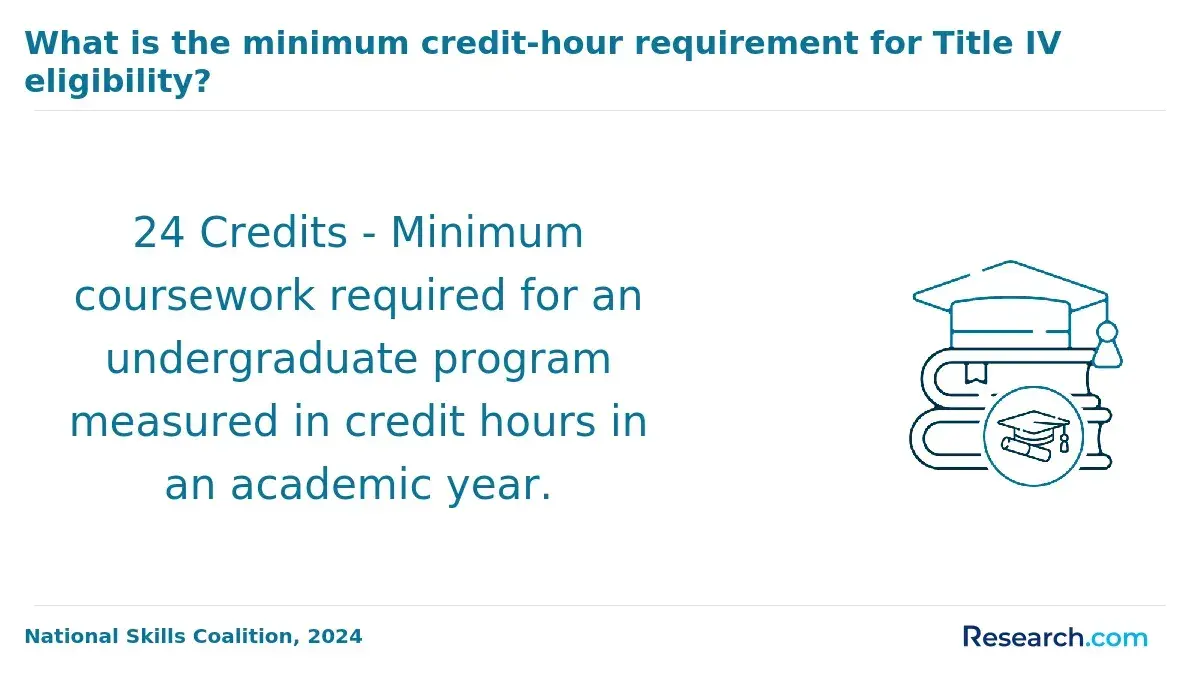
The cost of an online literacy education doctorate without a dissertation depends mostly on credit requirements, per-credit tuition, fees, transfer-credit policy, and any residency or travel requirements. Many EdD programs require about 45 to 60 credits, so even a small tuition difference can substantially change the total price.
Instead of comparing only advertised tuition, calculate the full cost of attendance. Federal graduate unsubsidized loans are generally limited to $20,500 per year, which means students who borrow beyond that amount may need Grad PLUS loans, employer support, savings, scholarships, or payment plans.
When reviewing tuition pages, list every required cost in one place. This helps you avoid underestimating the real price of a dissertation-free doctorate.
- Per-credit tuition multiplied by the exact number of required credits
- Mandatory technology, online learning, graduation, library, or student service fees
- Residency, conference, or campus-visit costs if the program is not fully online
- Books, research software, assessment tools, or project-related materials
- Continuous enrollment fees if the capstone or doctoral project takes longer than planned
- Lost income or reduced teaching overload pay if coursework affects your work schedule
A useful comparison method is to ask each school for a written total program estimate based on your transfer credits. If one 54-credit program costs $100 more per credit than another, that difference alone adds $5,400 before fees. The lowest tuition is not always the best value, but unclear pricing is a warning sign.
Who Benefits Most From an Online Literacy Education Doctorate Without a Dissertation?
A dissertation-free online literacy doctorate is usually best for educators who want to lead improvement in real learning environments rather than pursue a research-intensive academic career. It can be a strong fit for experienced professionals who already understand literacy instruction and want doctoral-level tools for leadership, assessment, intervention, and systems change.
The following profiles tend to benefit most because their goals align with applied doctoral work. The key is that the final project should support a real professional objective, not simply serve as a faster credential.
- Reading specialists who want to move into district literacy leadership, coaching coordination, or intervention design
- Teachers pursuing instructional leadership roles that require advanced expertise in evidence-based literacy practices
- Curriculum leaders responsible for reading materials, assessment systems, professional development, or school improvement plans
- Principals and aspiring administrators who want to address literacy outcomes at the school or district level
- Education consultants or nonprofit literacy leaders who need applied research skills to evaluate programs and guide implementation
This pathway may not be ideal for students who want tenure-track faculty roles, research university positions, or careers where publishing original literacy research is central. Those students should compare dissertation-based EdD and PhD options because traditional research preparation may carry more weight in academic hiring.
How Does a No-Dissertation Online Literacy Education Doctorate Affect Career Opportunities?
A no-dissertation doctorate can support advancement when employers value applied leadership, advanced curriculum expertise, and documented problem-solving. It is most relevant for roles such as literacy director, curriculum coordinator, instructional coach supervisor, school administrator, professional development leader, education consultant, or higher education practitioner faculty member.
Salary outcomes depend on role, district pay scales, state rules, union agreements, and employer policy. As a labor-market reference point, the U.S. Bureau of Labor Statistics reported a 2024 median annual wage of $74,720 for instructional coordinators and $104,070 for elementary, middle, and high school principals. These figures do not guarantee a doctorate premium, but they show the salary context for leadership roles many literacy doctorate students target.
Technology is also changing the field. Literacy leaders are increasingly expected to evaluate AI-supported reading tools, learning analytics, adaptive assessments, and digital intervention platforms. A strong applied doctorate should help students judge evidence, protect student data, and make instructional decisions rather than simply adopt new tools because they are marketed as innovative.
Students who want broader learning-design roles outside K-12 literacy may also compare adjacent graduate routes, including best online instructional design master's programs, especially if their goal is educational technology, corporate learning, or digital curriculum development rather than literacy leadership specifically.
Before enrolling, ask your employer whether a dissertation-free EdD qualifies for salary advancement, leadership eligibility, or tuition reimbursement. Some employers focus on accreditation and degree level, while others scrutinize the program title, licensure connection, or final doctoral requirement.
How Do No-Dissertation Online Literacy Education Doctorates Compare With Traditional Doctorates?
The right choice depends on whether you want to become a practitioner-scholar or a research scholar. Both pathways can be rigorous, but they train students for different kinds of doctoral work.
The comparison below shows the practical trade-offs students should consider. It is especially important for literacy educators because the field includes both practice-focused leadership roles and research-intensive academic roles.
| Factor | No-dissertation online EdD | Traditional EdD with dissertation | PhD in literacy education |
| Primary purpose | Apply research to solve professional problems | Blend practice and original scholarly inquiry | Produce original research and prepare for scholarship |
| Final requirement | Capstone, applied project, doctoral study, or portfolio | Dissertation | Research dissertation |
| Best career fit | K-12 leadership, curriculum, coaching, consulting, applied higher education roles | Leadership, policy, administration, some faculty roles | Research universities, policy research, tenure-track scholarship |
| Online flexibility | Often designed for working educators | Varies by institution | Less commonly fully online in research-intensive formats |
| Main advantage | Applied structure and clearer connection to workplace problems | Broader recognition for traditional doctoral research | Strongest preparation for independent research careers |
| Main limitation | May be less competitive for research-focused academic positions | Dissertation phase can extend completion time | May not be necessary for practitioner leadership goals |
If you do not plan to pursue academia, a dissertation-free EdD may offer a better balance of flexibility, relevance, and completion structure. If you want to publish literacy research, compete for tenure-track roles, or pursue grant-funded research, a traditional dissertation-based doctorate may be the stronger investment.
How Should Students Choose an Online Literacy Education Doctorate Without a Dissertation?
Start with your career goal, then work backward to the degree structure. A dissertation-free format is valuable only when the curriculum, accreditation, faculty expertise, project model, and employer recognition align with what you want to do after graduation.
Use this evaluation process before applying. It can help you avoid programs that sound convenient but do not match your professional needs.
- Define your target role, such as literacy coordinator, curriculum director, reading intervention leader, administrator, consultant, or practitioner faculty member.
- Confirm that the program is institutionally accredited and that the degree is eligible for federal financial aid if you plan to use it.
- Read the doctoral handbook to verify the exact final requirement and whether it is truly a dissertation alternative.
- Compare literacy coursework, faculty expertise, research methods training, and opportunities to focus your project on reading or language development.
- Ask whether the program requires campus visits, synchronous sessions, fieldwork, IRB approval, or access to student data.
- Request a total cost estimate that includes tuition, fees, transfer credits, residency costs, and continuation fees.
- Check employer, district, state, or licensure rules before assuming the doctorate will qualify you for advancement.
- Ask for examples of recent capstone or applied project topics to judge whether the program's work is relevant to literacy practice.
Common red flags include unclear accreditation, vague final-project descriptions, pressure to enroll quickly, unrealistic completion promises, and advisors who cannot explain how the capstone differs from a dissertation. Also be cautious if the program has no visible literacy faculty or if the curriculum is mostly generic leadership coursework with little reading-focused depth.
The best program is not simply the fastest or cheapest one. It is the one that helps you produce credible doctoral-level work that your employer, professional community, and future career path will recognize.
Other Things You Should Know About Literacy Education
Usually no. Reading specialist roles commonly require a master's degree, teaching experience, and state-specific certification or endorsement. A doctorate is more often used for leadership, district-level curriculum work, consulting, higher education, or advanced salary placement.
Not automatically. Doctoral programs are usually designed for advanced professional development, not initial teacher licensure. If you need a reading specialist, administrator, or superintendent credential, verify state requirements before enrolling.
In many universities, the diploma does not list the delivery format, but policies vary. Ask the registrar how the degree title, concentration, and transcript will appear before you commit.
Most programs expect a master's degree, professional education experience, transcripts, recommendations, a statement of purpose, and sometimes a writing sample or interview. Some programs prefer applicants with teaching credentials or literacy-related experience.
References
- Earning an Online Doctorate in Reading and Literacy https://www.gograd.org/online-phd-programs/best-reading-literacy-degrees/
- Doctoral Education Programs | ACE https://ace.edu/degree-programs/doctoral-degrees/doctoral-education/
- 2026 Online EdD Programs No Dissertation Required (Applied Capstone Projects) https://www.onlineeddprograms.com/faqs/edd-programs-no-dissertation
- PhD Application Requirements https://www.applykite.com/blog/phd-guide-application-requirements
- How to apply for a doctoral degree at Reading https://www.reading.ac.uk/doctoral-researcher-college/doctoral-opportunities/how-to-apply
- 90+ Online Ed.D. Programs With No Dissertation in 2026 https://www.eddprograms.org/schools/no-dissertation/
- An Online Doctorate for Researching Professionals: 1 The Case for an Online Professional Doctorate https://read.aupress.ca/read/an-online-doctorate-for-researching-professionals/section/d5391376-aaf4-4677-ae09-6b0506de86d6
- Explore Doctorates In Reading And Literacy Online (2024) https://www.gradschoolhub.com/affordable/online/doctorate/reading-literacy/
- Choosing the “Right” Doctoral Program: How To Decide Which Program Is Right for YOU - NSSLHA Blog https://blog.nsslha.org/2024/07/09/choosing-the-right-doctoral-program/
- What Is a Non-Dissertation Doctorate, and Is It Right for You? https://www.snu.edu/blog/what-is-a-non-dissertation-doctorate-and-is-it-right-for-you


