2027 Online Instructional Design Doctorate Programs with Specializations: Concentrations, Tracks, and Career Paths

Co-Founder and Chief Data Scientist
Choosing an online instructional design doctorate is really a choice about direction: research, leadership, learning technology, corporate training, higher education, or K-12 systems. The decision matters because the U.S. Bureau of Labor Statistics reports that training and development managers had a 2024 median pay of $127,090, showing that advanced learning-design leadership can connect to high-responsibility roles.
This guide is for educators, designers, trainers, and administrators comparing doctoral tracks. You will learn how specializations affect coursework, dissertation focus, credibility, cost, and career fit.
Key Things You Should Know
- In online instructional design doctorates, a specialization usually signals a focused area of doctoral study, a concentration is often a transcripted cluster of courses, and a track may define the program route, such as research, practitioner leadership, or technology integration.
- Most online instructional design doctoral programs require roughly 45 to 70 post-master's credits, and the specialization can influence methods courses, electives, residency requirements, dissertation topic, faculty advisor fit, and portfolio artifacts.
- Higher-paying pathways are more often linked to leadership, corporate learning, higher education administration, and learning technology strategy, but salary depends on employer, sector, experience, location, and whether the doctorate is used for academic, executive, or consulting roles.
What Are the Best Specializations and Concentrations for an Online Instructional Design Doctorate?
The best specialization is the one that matches your long-term role, not simply the one with the most popular title. In online instructional design doctorates, schools may use the terms specialization, concentration, cognate, emphasis, or track differently, so read the curriculum rather than relying only on the label.
A useful way to compare options is to ask what the program is training you to become: a scholar, a chief learning officer, a higher education innovator, a K-12 systems leader, a learning analytics expert, or a corporate performance consultant. The table below summarizes common options and the career logic behind each one:
| Specialization or concentration | Best fit | Typical coursework focus | Common research or capstone direction | May be a poor fit if |
| Instructional Design and Technology | Designers who want senior roles in online learning, e-learning production, or learning systems strategy | Learning theory, design models, multimedia learning, accessibility, evaluation, LMS ecosystems | Improving digital learning design, online course quality, learner engagement, or technology adoption | You want a mostly administrative doctorate with little design or technology work |
| Learning Sciences | Students interested in how people learn, cognition, motivation, and evidence-based design | Cognitive science, learning theory, assessment, research methods, human learning | Studying how learners process information, persist, collaborate, or transfer skills | You want a highly applied corporate training credential with minimal theory |
| Educational Technology Leadership | Current or aspiring directors of digital learning, academic technology, or innovation teams | Technology planning, change leadership, digital equity, systems implementation, policy | Technology adoption, faculty development, digital transformation, or institutional learning strategy | You prefer course-level design work over organization-level leadership |
| Adult Learning and Workforce Development | Corporate trainers, HR learning leaders, military educators, and continuing education professionals | Adult learning, performance improvement, coaching, workforce training, evaluation | Upskilling, compliance learning, leadership development, or workplace performance outcomes | You want a K-12 or traditional faculty pathway |
| Higher Education and Online Learning | Professionals targeting universities, community colleges, centers for teaching and learning, or online program management | Higher education administration, online pedagogy, accreditation, faculty support, student success | Online program quality, faculty readiness, retention in online courses, or digital student support | You want to stay outside higher education settings |
| Curriculum and Instruction | K-12 curriculum leaders, teacher educators, and instructional coaches moving into system-level design | Curriculum theory, assessment, equity, instructional supervision, standards alignment | Curriculum reform, teacher professional learning, instructional improvement, or assessment systems | You want a corporate learning or edtech product strategy role |
| Learning Analytics or Assessment | Professionals who enjoy data, evaluation, assessment design, and learning outcomes measurement | Statistics, program evaluation, assessment, data visualization, learning analytics ethics | Predictive support, course redesign evidence, assessment validity, or analytics-informed intervention | You dislike quantitative methods or do not want a data-heavy dissertation |
A general instructional design doctorate can be a strong choice if your goals are still evolving or you want flexibility across education and industry. A specialized track is usually better when you already know the setting you want to influence, such as corporate learning, higher education, K-12 curriculum, or academic research.
One common mistake is choosing a concentration because it sounds advanced without checking whether the school has faculty who publish or practice in that area. For doctoral study, faculty fit can matter as much as course titles because your advisor, committee, and research methods training will shape the dissertation or applied doctoral project.
How Do I Choose the Right Track in My Instructional Design Doctoral Degree?
Start with the outcome you want, then work backward to the curriculum, faculty, research design, and online format. A track should help you build evidence of expertise, not just add a line to your résumé.
Use the following steps to narrow your options before you talk with admissions advisors. The goal is to compare tracks based on decision factors that affect your workload, research, and marketability:
- Define your primary setting: higher education, K-12 education, corporate learning, government, healthcare training, military education, nonprofit learning, or consulting.
- Choose your role type: researcher, faculty member, director, chief learning officer, learning experience strategist, curriculum leader, assessment specialist, or independent consultant.
- Review the required courses, not only electives, because required research and leadership courses show what the program prioritizes.
- Check whether dissertations, capstones, or applied projects from recent students resemble the problems you want to solve.
- Confirm faculty expertise by reading bios, publications, grants, consulting work, and dissertation chair eligibility.
- Ask whether the concentration appears on the transcript, diploma, digital badge, or only in advising materials.
- Compare online requirements such as live class times, residencies, internships, cohort pacing, and dissertation milestones.
There are also several red flags that can signal a weak fit. The table below identifies common mistakes and a better way to evaluate a doctoral track:
| Common mistake | Why it creates risk | Better approach |
| Choosing based only on salary potential | High-paying roles often require leadership experience, sector knowledge, and measurable results beyond the degree | Match the track to roles where you can build a credible portfolio and professional network |
| Assuming all tracks are fully online | Some programs require residencies, intensives, internships, or synchronous dissertation seminars | Ask for a term-by-term plan that includes every required in-person or live component |
| Ignoring research methods | A mismatch between your dissertation idea and methods training can slow progress | Choose a program that supports qualitative, quantitative, mixed-methods, design-based, or improvement science research as needed |
| Selecting the broadest option to stay flexible | Too much flexibility can produce an unfocused dissertation and weaker career narrative | Use a broad track only if you can still define a clear research problem and professional audience |
If you are between two tracks, ask which one gives you stronger proof of expertise. For example, a learning analytics track may produce evidence through dashboards, evaluation plans, and quantitative research, while an educational technology leadership track may produce evidence through implementation plans, policy analysis, and institutional change projects.
What Career Paths Can I Pursue With a Doctorate in Instructional Design?
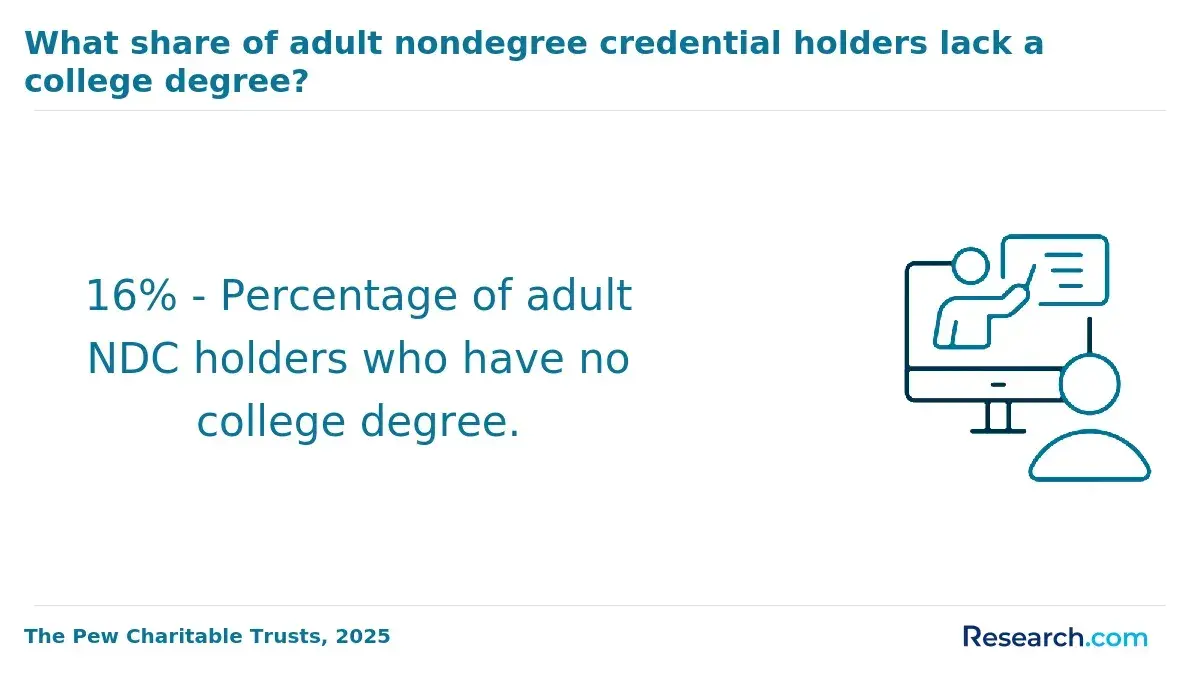
A doctorate in instructional design can support academic, administrative, corporate, consulting, and technology-centered careers. It does not automatically qualify you for every senior role, but it can strengthen your profile when paired with experience, a dissertation aligned to real problems, and evidence of leadership or research output.
The table below connects common doctoral concentrations to career paths and salary context. Salary figures are best used as labor-market reference points, not promises, because job title, employer type, geography, and prior experience can change compensation significantly:
| Career path | Relevant doctorate focus | Typical responsibilities | U.S. salary context |
| Training and development manager | Adult learning, workforce development, learning technology leadership | Lead training teams, manage leadership development, evaluate learning ROI, align programs with business goals | BLS reported a 2024 median pay of $127,090 for training and development managers |
| Instructional coordinator or curriculum leader | Curriculum and instruction, K-12 systems, assessment | Develop curriculum, coach educators, review learning standards, evaluate instructional materials | BLS reported 2024 median pay of about $74,700 for instructional coordinators |
| Higher education online learning leader | Higher education, online learning, educational technology leadership | Support online programs, faculty development, course quality, academic technology, and digital student success | BLS reported 2024 median pay of about $104,000 for postsecondary education administrators |
| Postsecondary faculty member or researcher | Learning sciences, instructional design research, educational psychology | Teach, publish, mentor students, obtain grants, conduct learning research | BLS reported 2024 median pay of about $84,000 for postsecondary teachers overall, with wide variation by discipline and institution |
| Learning analytics or assessment specialist | Learning analytics, assessment, program evaluation | Analyze learning data, design evaluations, measure outcomes, support evidence-based course improvement | Pay often depends on whether the role sits in education, HR, institutional research, or technology operations |
| Independent learning consultant | Applied instructional design, adult learning, leadership, evaluation | Advise organizations, design programs, audit training systems, evaluate learning products | Income varies widely because consulting depends on client base, pricing model, specialization, and business development |
Academic careers tend to value research methods, publications, teaching experience, and a dissertation that contributes to theory. Applied leadership careers tend to value change management, program evaluation, stakeholder communication, measurable outcomes, and the ability to scale learning systems.
Career changers should be especially careful. If you are moving from teaching into corporate learning, a workforce development or adult learning concentration may translate more directly than a K-12 curriculum track. If you are moving from instructional design into academia, a Ph.D.-style research track may be more useful than a purely practice-based doctorate.
The concentrations most associated with higher compensation are typically those aligned with management, enterprise learning strategy, higher education administration, analytics, and technology leadership. The concentration itself does not determine pay; it helps position you for roles where budget ownership, staff supervision, strategy, and measurable organizational impact are valued.
The BLS projects employment for training and development managers to grow 6% from 2024 to 2034, which suggests continued demand for leaders who can connect learning programs to workforce capability.
For readers, the key takeaway is that leadership-oriented and workforce-focused doctoral tracks may offer stronger alignment with management roles than narrowly course-design-focused tracks.
The table below ranks concentration categories by their typical connection to higher-paying pathways, not by guaranteed earnings:
| Concentration category | Higher-paying roles it may support | Why it can have stronger salary upside | Trade-off |
| Adult Learning and Workforce Development | Training director, learning and development manager, leadership development executive | Connects directly to corporate learning budgets, talent strategy, compliance, and performance improvement | May be less ideal for tenure-track academic research roles |
| Educational Technology Leadership | Director of digital learning, academic technology leader, learning innovation executive | Combines learning expertise with technology implementation and organizational change | Requires comfort with systems, procurement, stakeholder management, and rapid technology shifts |
| Learning Analytics and Assessment | Assessment director, learning analytics strategist, program evaluation lead | Data skills can differentiate candidates in institutions and organizations focused on outcomes | Often requires stronger quantitative or mixed-methods preparation |
| Higher Education and Online Learning | Online learning administrator, center for teaching and learning director, academic innovation leader | Aligns with institutional needs around online program quality, faculty support, and student success | Advancement may depend heavily on higher education experience and institutional context |
| Learning Sciences or Research | Faculty member, research scientist, grant-funded learning researcher | Can support scholarly careers and research leadership in universities or research organizations | Academic hiring is competitive and often requires publications, teaching, and a strong research agenda |
If salary growth is your main reason for doctoral study, compare the track with the job descriptions you want three to five years after graduation. Look for repeated requirements such as staff supervision, budget management, learning analytics, AI-enabled learning design, accessibility, program evaluation, or executive communication.
Online instructional design doctorates can be respected when they come from institutionally accredited universities, include rigorous research or applied inquiry, and produce credible evidence of expertise.
Employers and academic committees are usually more concerned with institutional legitimacy, program quality, faculty fit, dissertation quality, and professional accomplishments than with whether every class met on campus.
Accreditation should be the first credibility checkpoint. In the U.S., instructional design doctorates are generally evaluated through institutional accreditation rather than a single mandatory programmatic accreditor, unlike some school-based professional fields; readers comparing education-related pathways can see how field-specific approval differs by reviewing school psychology programs online accredited by NASP.
For academic roles, an online doctorate may face closer scrutiny if the program lacks research depth, strong faculty, dissertation transparency, or evidence of graduate placement.
For employer-based leadership roles, the bigger issue is often whether you can show applied outcomes: improved training effectiveness, scalable learning systems, analytics-informed decisions, accessible course design, or successful technology adoption.
Ask programs direct credibility questions before applying. Strong programs should be able to explain dissertation expectations, faculty qualifications, student support, graduate outcomes, and how online students participate in research communities.
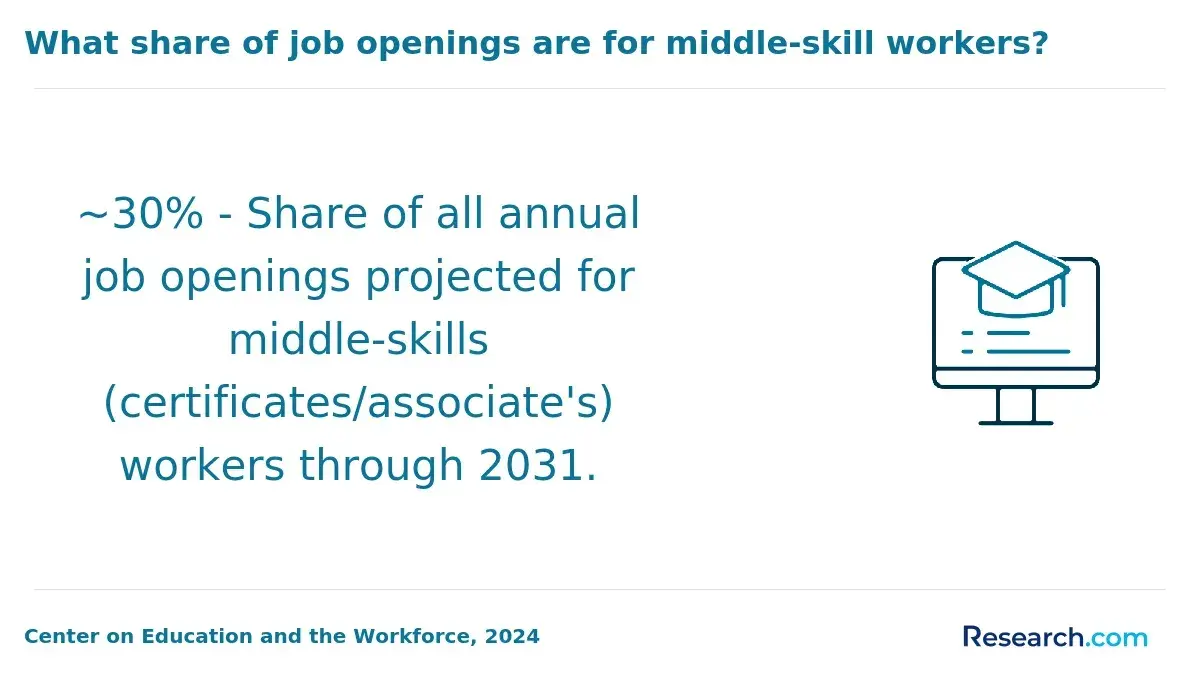
Online doctoral programs usually handle research through a sequence of methods courses, proposal development, committee review, ethics approval, data collection, analysis, and final defense. The main difference is not simply online versus campus; it is whether the doctorate is built around original scholarly research, an applied dissertation, or a practice-based doctoral project.
Your specialization can shape the entire research path. A learning sciences student may study cognition or motivation, while a workforce development student may evaluate leadership training, and a technology leadership student may examine implementation barriers in an institution.
Before choosing a program, compare these research requirements carefully because they affect timeline and feasibility:
- Research model: Ph.D. programs usually emphasize original research and theory-building, while professional doctorates often emphasize applied inquiry, improvement, or practice-based problem solving.
- Methods support: Check whether the program offers qualitative, quantitative, mixed-methods, design-based research, improvement science, or program evaluation training.
- Dissertation format: Some programs require a traditional five-chapter dissertation, while others allow article-based dissertations, applied dissertations, capstones, or dissertation-in-practice models.
- Data access: Make sure you can realistically collect data from your workplace, school, organization, or online learning environment without violating privacy or employer policies.
- Faculty match: Your dissertation will be smoother if at least one eligible chair has expertise in your specialization and preferred research method.
AI is also changing doctoral research expectations. Programs may allow AI tools for brainstorming, coding support, transcription review, or writing assistance, but universities increasingly require disclosure and strict academic integrity compliance. Ask for the school's current AI policy before assuming any tool is acceptable for dissertation work.
Many online instructional design doctoral students do work full-time, especially in Ed.D. and professional doctorate programs designed for working educators and learning professionals. The realistic question is not whether work is possible, but whether the program's pacing, residency requirements, dissertation expectations, and weekly workload fit your life.
Accelerated options can be attractive, but they require careful scrutiny. Some 1 year EdD programs online may use transfer credits, intensive scheduling, or dissertation-in-practice structures, so applicants should confirm whether the pace is realistic for their research topic and work obligations.
To decide whether you can keep working, evaluate the program against your calendar, not the advertised duration. These questions will help you avoid underestimating the time commitment:
- How many credits will I take per term, and how many hours per week do current students report spending on reading, writing, research, and group work?
- Are classes asynchronous, synchronous, or hybrid, and are live sessions offered outside standard work hours?
- Are residencies required, and if so, how many days of travel, lodging, and leave from work should I plan for?
- When do dissertation milestones begin, and does the program require early topic approval, prospectus development, or workplace data access?
- Can I pause, slow down, or switch from full-time to part-time enrollment without losing financial aid eligibility or cohort status?
Working professionals should avoid choosing a track with research requirements they cannot support logistically. For example, a learning analytics dissertation may require access to large datasets, while a K-12 curriculum study may require district approval, and a corporate training evaluation may require employer permission.
Admission requirements vary by school, but most online instructional design doctoral programs expect a master's degree, graduate transcripts, professional experience, a statement of purpose, recommendations, and evidence that your goals fit the program.
Some programs prefer applicants with backgrounds in education, instructional design, training, technology, curriculum, psychology, or organizational learning.
If you are not ready for doctoral admissions, a master's degree can build the portfolio and theory base needed for doctoral work. Applicants comparing preparatory pathways may want to review the best online instructional design master's programs before committing to a doctorate.
Strong applications usually connect your specialization choice to a specific problem of practice or research interest. Admissions committees are often looking for focus, readiness, and fit rather than a perfect dissertation topic on day one.
Typical requirements may include the following materials. Always verify the school's current policy because test requirements, GPA minimums, transfer-credit rules, and writing sample expectations can change:
- Accredited master's degree, often in education, instructional design, curriculum, training, technology, psychology, leadership, or a related field.
- Official graduate and undergraduate transcripts, with some programs listing a minimum graduate GPA.
- Professional résumé or CV showing teaching, training, design, leadership, technology, or research experience.
- Statement of purpose explaining career goals, specialization interest, and possible research direction.
- Letters of recommendation from supervisors, faculty, or professional colleagues who can speak to doctoral readiness.
- Academic writing sample, research paper, portfolio, or evidence of scholarly writing.
- Interview with faculty or admissions staff, especially in cohort-based or dissertation-focused programs.
A common admissions mistake is writing a generic statement that says you are passionate about education but does not identify a doctoral-level problem. A stronger statement might focus on improving online learner persistence, evaluating AI-supported training, scaling accessible course design, or measuring the impact of faculty development.
The cost of an online instructional design doctorate depends on tuition structure, number of required credits, transfer-credit policy, technology fees, residency travel, dissertation continuation fees, and how long you remain enrolled. A lower per-credit rate is not always cheaper if the program requires more credits or charges extra fees during the dissertation stage.
For federal financing context, graduate and professional students may borrow through federal loan programs, but borrowing should be compared against expected career value and repayment obligations. Current federal graduate borrowing limits include:
- Direct Unsubsidized Loan annual limit for graduate or professional students: up to $20,500.
- Graduate PLUS Loan borrowing limit: up to the school's cost of attendance minus other financial aid, subject to eligibility and credit requirements.
Cost-conscious students should compare total program cost, not just advertised tuition. A guide to the cheapest online EdD programs can be useful when building a shortlist, but affordability should still be weighed against accreditation, faculty fit, dissertation support, and specialization relevance.
Practical funding options may include employer tuition assistance, university scholarships, assistantships, military education benefits, state grants, payment plans, professional association scholarships, and tax-advantaged employer benefits when applicable. If you plan to use employer support, confirm whether your organization requires a specific grade, continued employment period, or approved field of study.
To estimate return on investment, compare the program's total cost with the roles you are realistically positioned to pursue. A doctorate may have stronger financial logic if it helps you move into leadership, consulting, administration, research, or faculty roles that you could not reasonably access with your current credentials alone.
What Is the Difference Between a Instructional Design Ph.D. and a Professional Instructional Design Doctorate?
The biggest difference is purpose. A Ph.D. in instructional design, learning sciences, educational technology, or a related field is usually research-centered, while a professional doctorate such as an Ed.D. is usually practice-centered. Both can be rigorous, but they prepare students to use doctoral expertise in different ways.
The comparison below can help you decide which degree type fits your goals before you compare specializations:
| Feature | Instructional Design Ph.D. | Professional doctorate or Ed.D. |
| Primary purpose | Produce original research and prepare scholars, faculty, or research leaders | Apply research to solve complex problems in organizations, schools, colleges, or training systems |
| Best fit | Future faculty, research scientists, learning sciences scholars, or policy researchers | Working professionals seeking leadership, applied innovation, consulting, or senior practitioner roles |
| Research expectation | Traditional dissertation often focused on theory, empirical contribution, and publishable research | Applied dissertation, dissertation-in-practice, capstone, or improvement project, depending on the school |
| Specialization impact | Shapes research agenda, methods, publications, and faculty mentor alignment | Shapes applied problem, leadership context, implementation strategy, and professional portfolio |
| Career alignment | Stronger fit for tenure-track or research-intensive roles | Stronger fit for leadership, administration, organizational learning, and practice-based change roles |
Choose a Ph.D. if you want to conduct original research, publish, teach in higher education, or compete for research-oriented roles. Choose a professional doctorate if you want to use research to improve learning systems, lead teams, evaluate programs, or solve applied instructional problems in your field.
The title alone is not enough. Some Ed.D. programs have strong research training, and some Ph.D. programs include applied design work. Compare dissertation models, faculty expertise, graduate outcomes, and the type of evidence you want to have when you finish.
Other Things You Should Know About Instructional Design
Not always. Many programs admit educators, trainers, administrators, technologists, and curriculum specialists. However, applicants without design experience may need to show readiness through a portfolio, graduate coursework, professional training projects, or a clear research interest related to learning design.
It depends on the university. Some concentrations appear on the transcript, some appear as an emphasis or certificate, and some are used only for advising. Ask the registrar or program director exactly how the specialization is recorded before you apply.
Yes, but the best fit is usually adult learning, workforce development, learning technology, or performance improvement. A K-12 curriculum concentration can still be valuable, but you may need to translate your experience into business terms such as training impact, stakeholder needs, compliance, and measurable performance outcomes.
Choose a niche specialization if you already know your target role or research problem. Choose a broader program if you want flexibility across higher education, K-12, corporate learning, and consulting, but make sure you still develop a focused dissertation and portfolio.
- Q&A With Dr. Cathy McKay: Introducing the M.Ed. in Instructional Design and Educational Technology | ACE Blog https://ace.edu/blog/qa-with-dr-cathy-mckay-introducing-the-m-ed-in-instructional-design-and-educational-technology/
- How To Choose The Right Instructional Design PhD Program https://elearningindustry.com/choose-right-instructional-design-phd-program
- Inside the Life of an Instructional Designer in Higher Education — Dr. Luke Hobson https://drlukehobson.com/blog1/inside-the-life-of-an-instructional-designer-in-higher-education
- Three career paths you can pursue with an instructional design degree https://blog.trevecca.edu/futurestudents/three-career-paths-you-can-pursue-with-an-instructional-design-degree
- 2025 Most Affordable Online Doctorates in Education https://www.onlineu.com/most-affordable-colleges/education-doctoral-degrees
- 10 Best Instructional Design Master's Degree Programs In 2025 https://blog.cathy-moore.com/instructional-design-masters-degree-programs/
- How To Enhance Your Career with an Instructional Design ... https://www.digitallearninginstitute.com/blog/instructional-design-for-individuals
- Career Development Experiences of Instructional Designers https://edtecharchives.org/journal/2036/18230
- Specialties In Instructional Design and What They Do https://www.teamedforlearning.com/specialties-in-instructional-design-and-what-they-do/
- Instructional Design: A Complete Guide to How It Works https://emstudio.pro/blog/curriculum-planning/instructional-design