
2027 Online Industrial Organizational Psychology Doctorate Programs with Practicum, Internship, Clinical, or Fieldwork Requirements

Co-Founder and Chief Data Scientist
Choosing an online industrial-organizational psychology doctorate is not just about coursework; it is about whether you can realistically complete any required practicum, internship, clinical, or fieldwork hours. The stakes are practical. The BLS reports a May 2024 median annual wage of $147,420 for industrial-organizational psychologists, but roles, qualifications, and supervision expectations vary widely.
This guide is for working professionals comparing online doctorates and trying to avoid placement surprises. You will learn how hands-on requirements affect cost, schedule, location, licensure, and career fit before enrolling.
Key Things You Should Know
- Most online industrial-organizational psychology doctorates are not clinical psychology programs. Required experiential components are usually consulting, applied research, organizational assessment, leadership, or community-based fieldwork rather than therapy-based clinical internships.
- Programs that require supervised experience can add travel, unpaid hours, site-approval steps, and placement delays, so students should verify required hours, supervisor qualifications, state restrictions, and whether the school or student secures the site before applying.
- BLS May 2024 wage data places industrial-organizational psychologists at a median annual wage of $147,420, but salary value depends heavily on industry, prior experience, quantitative skills, consulting ability, and whether the doctorate aligns with the student's target role.
Which Online Industrial Organizational Psychology Doctorate Programs Require Practicum, Internship, Clinical, or Fieldwork Experience?
Online industrial-organizational psychology doctorates with formal hands-on requirements are less common than fully coursework-and-dissertation models. When they exist, they are usually found in applied, practitioner-oriented, business psychology, or organizational psychology programs rather than traditional research-heavy PhD programs.
The table below summarizes examples of online or mostly online doctoral pathways that may include practicum, internship, or fieldwork-style requirements. Because catalogs change, use this as a screening tool rather than a final enrollment decision.
| Program type | Typical experiential requirement | What the experience usually involves | Best fit | Key caution |
| Online PhD in Industrial-Organizational Psychology with fieldwork or social-impact practicum | Community, organizational, or social justice practicum; sometimes completed locally with approval | Applied organizational projects, assessment, consulting, leadership development, or community-based work | Students seeking applied doctoral training without pursuing clinical psychology licensure | Fieldwork may be required even if the program is advertised as online |
| Online PsyD in Business Psychology or Organizational Psychology | Internship, consulting field experience, applied project, or supervised professional practice | Consulting engagements, workplace diagnostics, executive coaching support, organizational development, or talent initiatives | Practitioners who want a professional doctorate tied to leadership, consulting, or organizational change | It may not satisfy psychologist licensure requirements unless explicitly designed and approved for that purpose |
| Online PhD in Psychology with an I-O specialization | Often no separate practicum; may require residencies, dissertation research, or an applied capstone | Research design, statistics, organizational behavior, personnel psychology, and dissertation work | Students targeting research, teaching, analytics, or senior HR/people strategy roles | Hands-on experience may need to come from employment, consulting, or optional projects |
| Hybrid doctoral program in organizational leadership, business psychology, or applied psychology | Residency plus project-based fieldwork or supervised organizational consulting | In-person intensives, faculty-supervised projects, leadership assessment, or organization-based intervention design | Students who can travel periodically and want stronger professional networking | Travel and residency costs can make the program less flexible than a fully online option |
Students comparing doctoral options should also consider whether a master's degree might meet the career goal with less cost and fewer placement complications. For example, professionals focused on leadership change rather than doctoral-level psychology research may want to compare doctoral programs with the best organizational development master's programs online before committing to a doctorate.
What Are the Practicum, Internship, Clinical, and Fieldwork Requirements for Online Industrial Organizational Psychology Doctorates?
The terms practicum, internship, clinical placement, and fieldwork are often used loosely, but they do not mean the same thing. Understanding the difference matters because each requirement affects your schedule, supervision, site approval, cost, and career outcomes differently.
This comparison explains the main types of experiential requirements you may encounter in an online industrial-organizational psychology doctorate or a closely related organizational psychology program.
| Requirement | Primary purpose | Common setting | Typical supervision | Relevance to I-O psychology |
| Practicum | Build applied skills under supervision while still learning core methods | Workplace, nonprofit, consulting project, community organization, or university-approved site | Faculty member, site supervisor, or both | Useful for assessment, organizational diagnosis, leadership development, and intervention planning |
| Internship | Provide extended professional experience in a role related to the doctorate | Employer site, consulting firm, HR analytics team, talent management unit, or approved organization | Qualified professional supervisor with school oversight | Valuable for students moving into consulting, people analytics, organizational development, or executive advisory work |
| Clinical placement | Train students in health-service psychology functions such as assessment, diagnosis, or treatment | Clinic, hospital, counseling center, school, or behavioral health setting | Licensed psychologist or approved clinical supervisor | Usually not part of a standard I-O psychology doctorate unless the program is actually clinical or counseling psychology with an organizational focus |
| Fieldwork | Apply doctoral knowledge in a real organization or community context | Local organization, workplace, nonprofit, public agency, or approved remote/hybrid project site | Varies by program and project type | Common in applied programs because it connects theory, data, and organizational problem-solving |
A common mistake is assuming that any supervised experience will count for licensure, certification, or employment expectations. In I-O psychology, a consulting practicum may be excellent career preparation but still have no relationship to clinical psychology licensure hours.
How Do Online Industrial Organizational Psychology Doctorate Programs Arrange Practicum and Clinical Placements?
Placement policies vary significantly. Some schools maintain employer partnerships or faculty-approved project pipelines, while others expect students to identify a suitable site and submit it for approval. The difference can determine whether the program is manageable for a working adult.
Before enrolling, ask each program to explain the full placement process in writing. A strong answer should clarify these practical details:
- Who is responsible for finding the practicum, internship, clinical, or fieldwork site: the university, the student, or both.
- Whether the school has approved sites in your state or region and whether out-of-state students face restrictions.
- What qualifications the site supervisor must hold, such as a doctorate, psychology background, HR leadership role, consulting experience, or state license.
- Whether your current employer can serve as the placement site and what conflict-of-interest rules apply.
- How long site approval usually takes and what happens if a site withdraws, changes supervisors, or cannot provide enough hours.
- Whether remote consulting, hybrid projects, or employer-based projects can satisfy any portion of the requirement.
The biggest red flag is vague placement language. If admissions staff say that students "usually work it out locally" but cannot provide written policies, sample timelines, or supervisor criteria, treat that as a risk factor.
Many students can complete I-O psychology fieldwork near home, especially when the requirement involves organizational consulting, HR analytics, leadership development, training evaluation, or applied research.
However, "online" does not automatically mean "locally guaranteed." Schools may restrict placements by state authorization, supervisor availability, employer agreements, or faculty approval standards.
Use the following steps to test whether local completion is realistic before you apply:
- Identify the exact requirement in the catalog, including the course name, number of hours, setting, evaluation method, and whether hours must be consecutive.
- Ask whether the program has previously approved sites in your state, metro area, or industry.
- Confirm whether your current workplace can qualify and whether your direct supervisor is allowed to evaluate your doctoral fieldwork.
- Check whether the program requires daytime availability, in-person meetings, client contact, or synchronous supervision.
- Ask what backup options exist if your first site is rejected or cannot provide the required hours.
- Request written clarification on whether remote, hybrid, consulting-based, or project-based work is allowed.
Local fieldwork is most feasible for students already working in HR, organizational development, learning and development, talent analytics, consulting, healthcare administration, government workforce planning, or corporate training. It is harder for students who live in rural areas, work outside business hours, or lack access to organizations willing to host doctoral-level projects.
Hands-on requirements can increase both the direct and indirect cost of an online doctorate. Tuition is only one part of the budget; students may also face travel, background checks, liability insurance, unpaid work hours, software, assessment tools, residency trips, and delayed graduation if a placement is hard to secure.
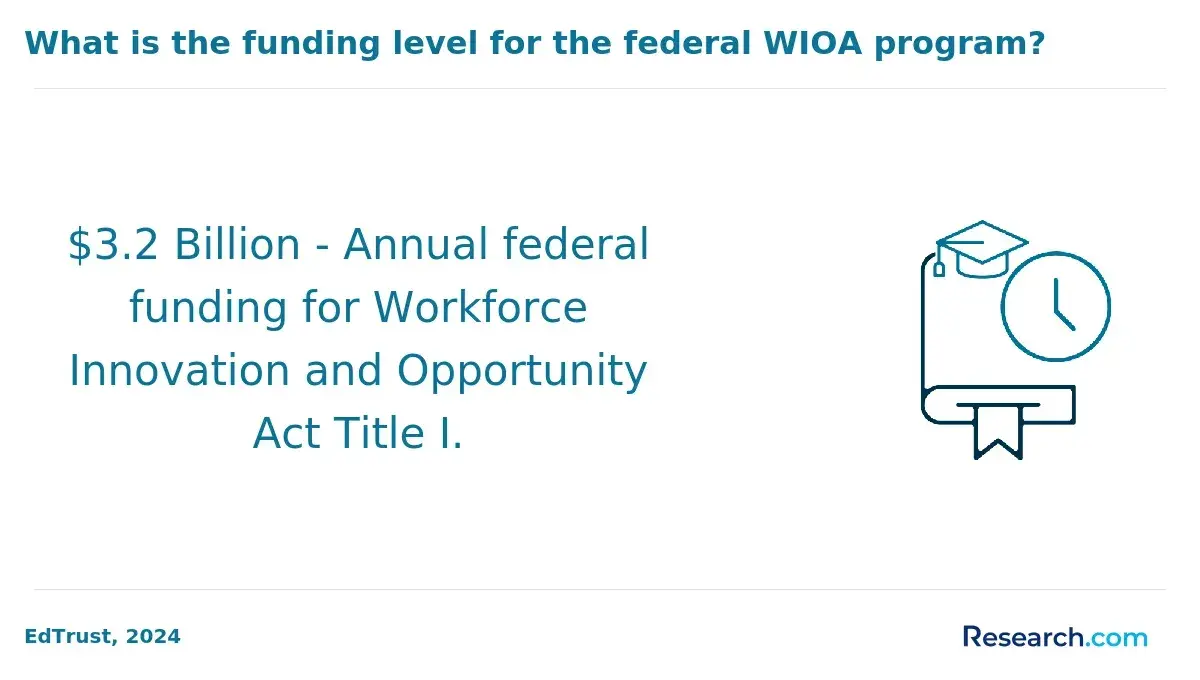
Cost matters because graduate borrowing remains a major issue for professional students. Federal Student Aid portfolio data published in 2024 shows that graduate and professional borrowers hold a substantial share of outstanding federal student loan debt, which means doctoral applicants should model the full cost before assuming a higher credential will create a favorable return.
The table below shows the main cost and timeline variables that can change when a doctoral program includes practicum, internship, clinical, or fieldwork expectations.
| Cost or timeline factor | How it affects students | What to verify before enrolling |
| Unpaid placement hours | May reduce paid work availability, especially for students in full-time jobs | Whether hours can be completed at your current employer or outside standard business hours |
| Travel and commuting | Can add recurring transportation, parking, lodging, or childcare costs | Whether local, remote, or hybrid sites are allowed |
| Residency or intensive sessions | May require flights, hotel stays, meals, and time away from work | Number, length, location, and timing of required in-person sessions |
| Site approval delays | Can push back graduation if a site is rejected or unavailable | Average approval timeline and backup placement procedures |
| Extra compliance costs | May include background checks, immunizations, professional liability insurance, or onboarding fees | Which costs are paid by the student and which are included in tuition or fees |
If your goal is advancement in HR leadership rather than doctoral-level consulting or research, compare the cost of a doctorate with lower-cost graduate alternatives such as the cheapest online master's in human resources.
A master's degree may be sufficient for many HR management paths, while a doctorate is usually more compelling for consulting authority, senior strategy roles, teaching, research, or specialized organizational assessment work.
Flexibility depends less on whether the coursework is online and more on how the experiential requirement is structured. A program with asynchronous classes can still be difficult if fieldwork must happen during business hours, at an approved site, under a specific supervisor, and within a fixed semester window.
Students should compare flexibility across several dimensions rather than relying on marketing language. The most important questions include:
- Can the experiential requirement be completed part time, or must students register for a full-time internship term?
- Are evening, weekend, remote, or hybrid fieldwork activities allowed?
- Can students bank hours across terms, or must all hours be completed within one course period?
- Does the program allow employer-based projects, and can normal job duties count if they are expanded into doctoral-level work?
- Are there minimum weekly hour requirements that could conflict with full-time employment?
- Can students pause fieldwork because of relocation, job change, caregiving, military service, or site closure?
A program with fewer required hours is not automatically better. If the experience is well supervised and aligned with your career goal, it can produce stronger consulting samples, dissertation ideas, professional references, and interview stories. The right question is whether the required experience is both educationally valuable and logistically realistic.
Accreditation and licensure are two separate issues. Institutional accreditation affects federal financial aid eligibility, credit transfer, and baseline academic credibility. Programmatic accreditation and licensure approval matter most when a doctorate is intended to prepare students for regulated psychology practice.
Most industrial-organizational psychology doctorates are not designed as clinical psychology licensure programs. That does not make them weak; it means their purpose is different. I-O psychology focuses on workplace behavior, employee selection, performance measurement, organizational development, leadership, motivation, training, and workforce analytics.
Use this distinction when evaluating experiential requirements:
- If you want to become a licensed clinical psychologist, verify that the program is designed for health-service psychology licensure in your state and that supervised clinical hours meet state board rules.
- If you want to become an I-O psychologist, consultant, professor, researcher, or people analytics leader, focus on institutional accreditation, faculty expertise, research training, applied project quality, and employer relevance.
- If you want to use the title "psychologist," check your state rules because title laws and practice restrictions vary.
- If you plan to teach, verify whether the doctorate type, dissertation expectations, and institutional accreditation meet the hiring standards of your target colleges or universities.
The common mistake is assuming fieldwork hours automatically satisfy a board, employer, or professional standard. Always compare the program's written requirements with the rules of the state, employer, or profession you actually plan to enter.
Good support can make the difference between a manageable field experience and a delayed graduation. In online programs, support should be proactive because students may be completing placements far from campus and outside the school's immediate employer network.
Look for evidence that the program provides more than a course shell. Useful support usually includes:
- A dedicated placement coordinator or doctoral fieldwork advisor who understands online and out-of-state student needs.
- Clear site-approval forms, supervisor qualification rules, learning contracts, and evaluation rubrics.
- Examples of approved projects or sites from recent students with similar career goals.
- Faculty consultation before the placement begins, not only after problems arise.
- Regular supervision checkpoints that connect fieldwork to dissertation, capstone, or consulting competencies.
- Escalation procedures for site conflict, supervisor turnover, insufficient hours, or ethical concerns.
Ask current students whether support is responsive during the site-search phase. Placement support that looks strong in a catalog may feel very different when deadlines are approaching and a student is trying to get an employer agreement signed.
Practicum and fieldwork can strengthen career outcomes when they produce evidence of real organizational impact. Employers and consulting clients often want proof that a doctoral graduate can diagnose workplace problems, analyze data, communicate findings, and recommend interventions that leaders can implement.
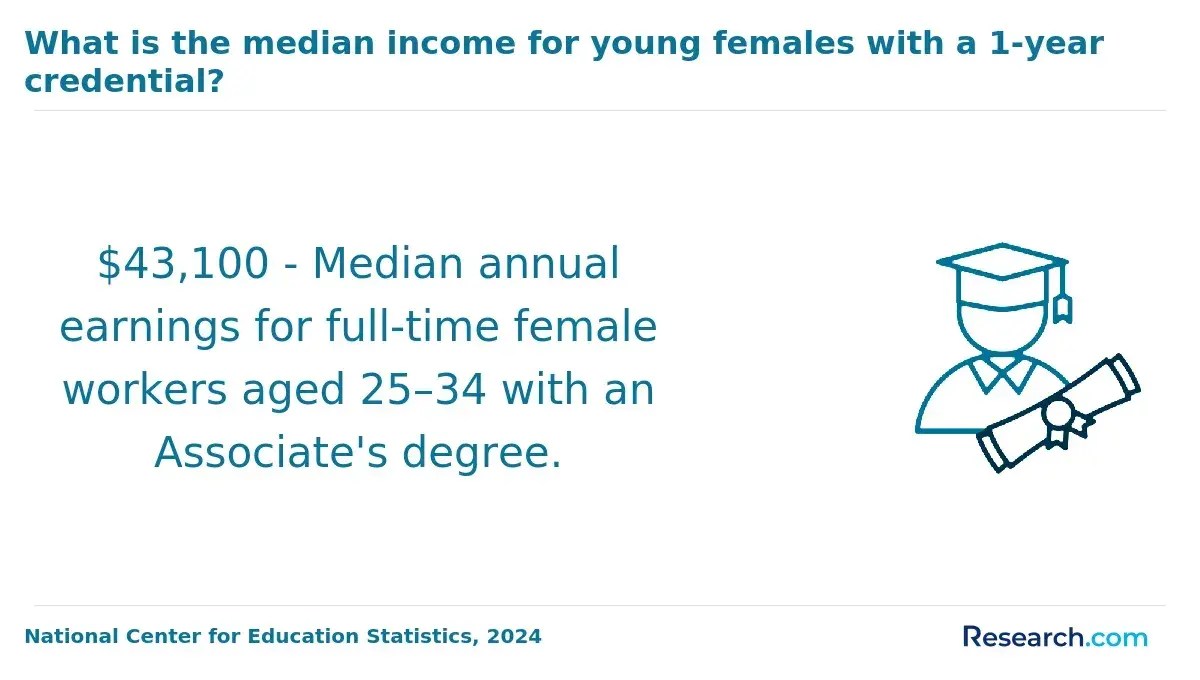
BLS data published with May 2024 wages reports a median annual wage of $136,350 for human resources managers and $115,530 for training and development managers. These figures do not mean a doctorate is required for those roles, but they show why many I-O doctoral students compare psychology training with HR, leadership, and talent-development pathways before choosing a program.
The strongest experiential components tend to help students build career assets such as:
- A consulting portfolio showing organizational assessment, survey design, job analysis, selection validation, training evaluation, or leadership intervention work.
- Professional references from supervisors, executives, HR leaders, or consulting clients.
- Applied research examples that can support dissertation topics, conference proposals, or teaching demonstrations.
- Experience translating statistical findings into business recommendations for nontechnical audiences.
- Confidence working with stakeholders, managing scope, protecting confidentiality, and presenting sensitive workforce findings.
Students focused on HR leadership should compare doctoral fieldwork value with master's-level options such as the best online masters degree in human resource management programs. The doctorate may offer more depth and credibility, but a master's degree may be faster and more directly aligned with many HR roles.
How Should Students Choose an Online Industrial Organizational Psychology Doctorate With Experiential Requirements?
The best program is not necessarily the one with the most field hours or the fewest requirements. It is the one whose format, supervision model, accreditation, cost, and applied experience match your career goal and life constraints.
Use this decision sequence before committing to an online industrial-organizational psychology doctorate with experiential requirements:
- Define your target outcome: licensed psychologist, I-O consultant, HR executive, people analytics leader, professor, researcher, or organizational development practitioner.
- Eliminate programs that do not match that outcome, especially if you need clinical licensure or a specific state-approved pathway.
- Request the current handbook or catalog language for practicum, internship, clinical, fieldwork, residency, dissertation, and capstone requirements.
- Calculate total cost, including tuition, fees, travel, lost work time, placement compliance costs, and possible delays.
- Ask whether local completion is allowed in your state and whether the school has approved comparable sites before.
- Confirm whether your employer can serve as a site and whether your existing duties can be adapted into doctoral-level fieldwork.
- Compare faculty expertise, dissertation support, research methods training, consulting opportunities, and alumni outcomes.
- Speak with current students or recent graduates about placement support, scheduling pressure, and whether advertised flexibility matched reality.
Students should also be honest about adjacent interests. If your main interest is workplace behavior, I-O psychology may fit well; if your interest is legal settings, competency, criminal behavior, or court-related assessment, compare the degree with forensic psychology master's programs before choosing a doctoral path.
Choose a practice-based online doctorate if supervised organizational work will directly support your career portfolio. Choose a research-focused doctorate if your priority is scholarship, quantitative methods, publication, or academic employment.
Consider a master's degree if you mainly need advancement in HR, leadership, or organizational development and do not need doctoral-level research or consulting credentials.
Other Things You Should Know About Industrial Organizational Psychology Programs
Many online doctoral programs no longer require the GRE, but policies vary. Applicants are more commonly evaluated on graduate GPA, professional experience, writing samples, recommendation letters, statement of purpose, and research fit.
Some programs admit students with a master's degree in psychology, HR, business, leadership, or a related field, while others require psychology prerequisites. Applicants without psychology coursework may need statistics, research methods, or foundational psychology classes.
A PhD is usually better for research, teaching, advanced analytics, and academic careers. A PsyD or applied doctorate may fit students who want consulting, leadership practice, organizational assessment, or practitioner-focused training.
Often yes, but it depends on dissertation pace, residency requirements, and any supervised fieldwork schedule. Working students should ask about weekly workload, synchronous meetings, term length, and whether experiential hours can fit around employment.
- Practicums Vs Internships: A Complete Guide | Psychology.org https://www.psychology.org/resources/internships-and-practicums/
- Organizational Psychology (PsyD) (PsyD) https://www.cgu.edu/academics/program/doctor-of-psychology/
- Clinical Psychology Program Requirements https://www.fielding.edu/school-of-psychology/phd-in-clinical-psychology/clinical-psychology-program-requirements/


