2027 Online Hospitality Management Master's Programs Under $20,000: Total Tuition and Required Fees

Co-Founder and Chief Data Scientist
An advertised tuition figure can make an online hospitality management master's degree look affordable while required fees, extra credits, and residency rules push the final bill higher. This matters in a field where the U.S. Bureau of Labor Statistics reports a $68,130 median annual wage for lodging managers as of May 2024.
This guide is for working hospitality professionals comparing affordable online master's options. It explains how to calculate all-in cost, verify quality, assess flexibility, and decide whether a program below $20,000 fits your career goal.
Key Things You Should Know
- An under-$20,000 program should be judged by total required institutional charges, not tuition alone. Multiply the published rate by every required credit, then add mandatory program and university fees.
- Many online hospitality management master's degrees require roughly 30 to 36 credits, so a $20,000 ceiling generally means keeping the effective rate near or below about $556 to $667 per required credit before unavoidable fees.
- The BLS reports a $68,130 median annual wage for lodging managers as of May 2024, but career value depends on your target role, relevant experience, employer network, leadership curriculum, and debt, not degree price alone.
How Much Does an Online Hospitality Management Master's Degree Under $20,000 Cost in Total?
An online hospitality management master's degree is under $20,000 only when its required total stays below that threshold. Total cost should include tuition for every graduation credit plus mandatory charges that cannot be declined. It usually does not include optional living expenses, voluntary insurance, transportation for optional events, or income lost while studying.
The most useful comparison is an all-in enrollment estimate rather than a school's "starting at" price. Programs may have the same tuition rate but different credit totals, fee schedules, prerequisite requirements, or residency policies.
| Cost component | How to calculate it | Why it changes the decision |
| Tuition | Required program credits × applicable per-credit rate, or published flat program price | This is usually the largest charge, but may exclude fees. |
| Mandatory university fees | Per-term, per-credit, or one-time required charges | Several small charges can move a near-$20,000 program above the limit. |
| Required course expenses | Required digital materials, proctoring, software, or residency costs | These expenses may not appear in a tuition chart. |
| Prerequisites or foundation courses | Additional required credits × rate, plus their fees | Applicants without the expected academic background may pay and study more. |
Ask each admissions or student accounts office for a written estimate based on your residency, start term, expected credit load, and transfer-credit evaluation. A program priced at $19,500 before a required graduation, technology, or distance-learning fee is not truly below the cap.
Online delivery can reduce commuting and relocation expenses compared with campus attendance, but it does not automatically make a degree lower cost. A low-cost program is best for students who need recognized graduate-level business and hospitality preparation without paying for campus amenities they will not use.
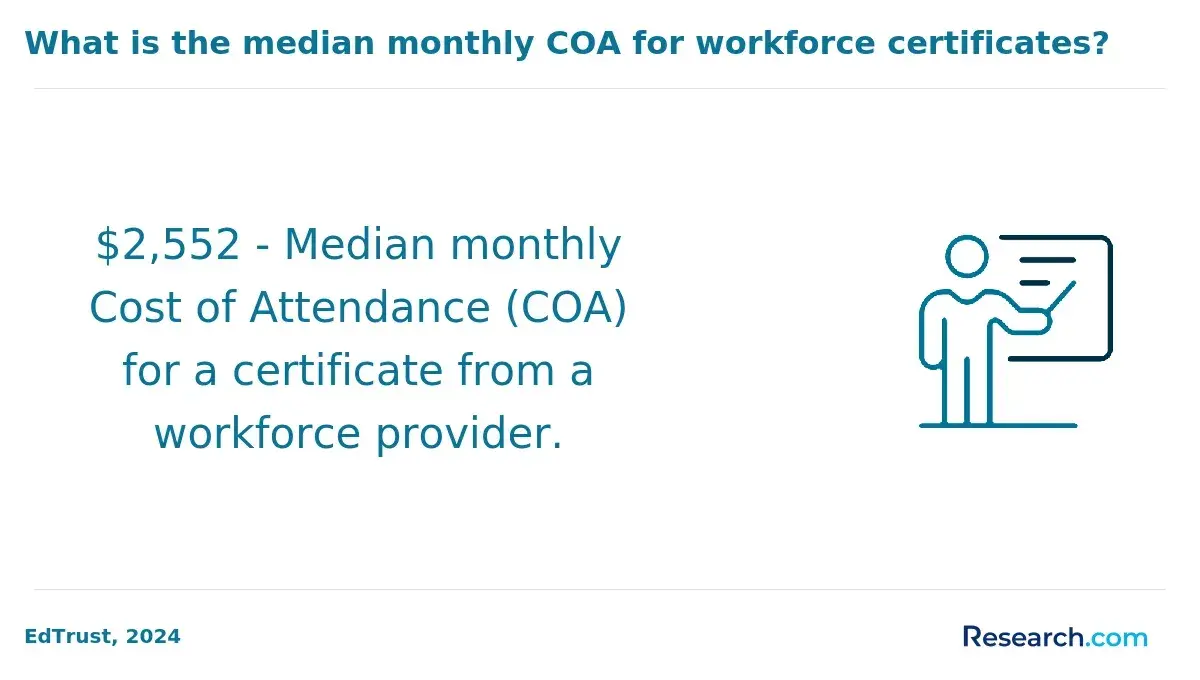
What Required Fees Can Increase the Cost of an Online Hospitality Management Master's Degree Beyond $20,000?
Required fees are charges assessed because you enroll, register, take a course, use a learning platform, or complete the degree. They differ from optional parking, recreation, or meal-plan costs. Schools may label them as technology, distance-learning, student services, enrollment, records, course, assessment, graduation, or proctoring fees.
Review these charges in the current academic-year tuition schedule and program catalog before treating a program as affordable. The following cost categories deserve special attention because they can be charged once, each term, or for every credit.
- Ask whether online-learning, technology, student-service, and records fees apply to fully online students and whether they are charged by term or by credit.
- Confirm whether specific courses require paid simulation platforms, digital textbooks, certification preparation, remote exam proctoring, or software.
- Check for required in-person residencies, orientation sessions, field experiences, or capstone travel; airfare, lodging, and meals can be material even when the academic charge is low.
- Determine whether an application fee, graduation fee, transcript fee, or international document evaluation is mandatory for your situation.
- Request confirmation of whether the published rate is locked for continuing students or can change before you finish.
A common mistake is comparing one school's tuition-only figure with another school's tuition-and-fees estimate. Use the same definition for every school: required tuition plus unavoidable institutional and course charges, calculated through graduation.
How Does Per-Credit Tuition Affect the Total Cost of an Online Hospitality Management Master's Degree Under $20,000?
Per-credit tuition makes the credit requirement central to affordability. The basic calculation is: per-credit tuition × total required credits + mandatory fees = estimated program cost. A lower rate is not necessarily the better deal if the curriculum requires more credits, foundation courses, or a costly residency.
This table shows the maximum tuition-only rate that would stay within a $20,000 ceiling at common graduate credit totals. It is a screening tool, not a quote, because fees must still be added.
| Required credits | Maximum tuition-only rate to equal $20,000 | Cost implication |
| 30 credits | $666.67 per credit | Any mandatory fee requires a lower actual tuition rate to remain under the limit. |
| 33 credits | $606.06 per credit | A modest difference in rate can materially change the final total. |
| 36 credits | $555.56 per credit | Programs with more credits need a lower rate or a flat-price model. |
Flat-rate pricing can be easier to budget because it states a defined program amount, but students should still confirm what happens if they need an extra term or repeat a course. Per-credit pricing can be a better fit for students who receive transfer credit or can progress without taking excess electives.
Do not assume a published "as low as" rate applies to all learners. It may depend on residency, military affiliation, cohort entry, a particular term, or continuous enrollment. Compare the rate that applies to you in writing.
How Long Does It Take to Complete an Online Hospitality Management Master's Degree Under $20,000?
Completion time depends on credit requirements, course sequencing, transfer credit, and how many courses you take at once. A 30- to 36-credit online master's program may be completed in about 12 to 24 months, although the school's official plan of study, not an estimate, should guide your schedule.
Accelerated formats can lower indirect costs by helping students finish sooner, but they demand consistent weekly availability. Compare the pace with other 12 month master's programs online if speed is a priority, while recognizing that an accelerated calendar is not automatically right for a hospitality professional managing irregular shifts.
Online format affects both time and fit. Asynchronous courses let students complete weekly work around hotel, restaurant, event, travel, or resort schedules, but still have deadlines.
Synchronous classes provide live discussion and networking but may conflict with evening, weekend, or peak-season work. Hybrid or residency-based options can add valuable applied learning but require travel and advance planning.
Before enrolling, verify the sequence of core courses and capstone requirements. A program can appear short on paper yet take longer if a required analytics, finance, research, or leadership course is offered only once a year. Also ask whether a leave of absence, a failed course, or a reduced course load changes tuition, financial aid, or time-to-degree.
How Can Students Verify Accreditation for an Online Hospitality Management Master's Degree Under $20,000?
Accreditation is an external quality-review process. For most hospitality management degree online applicants, the first priority is confirming that the institution holds recognized institutional accreditation. This can affect federal financial-aid eligibility, credit transferability, employer confidence, and admission to later graduate study.
Programmatic accreditation may be an additional positive signal, especially if the hospitality, business, tourism, or management curriculum has a specialized review. However, the absence of a specialized hospitality accreditation does not by itself make a program poor quality. Evaluate curriculum, faculty experience, outcomes reporting, and employer relevance alongside accreditation.
Use this verification sequence before paying an application fee:
- Find the university's institutional accreditor in the school's official accreditation disclosure and confirm that the credential is current.
- Check the accreditor's public directory to confirm the institution's status rather than relying only on marketing language.
- Read the program page and catalog to verify that the online degree is awarded by the accredited institution and has the same credential title you expect.
- Ask whether the business school or hospitality program holds any relevant specialized accreditation and what that recognition covers.
- Confirm with a prospective employer, licensure authority, or doctoral program if your career plan has a specific credential requirement.
A red flag is vague language such as "internationally recognized" without naming the accrediting organization. Another is a school that discusses approval but does not clearly identify the degree-granting institution. Keep copies of the catalog and accreditation information from the term in which you enroll.
Do Out-Of-State Students Pay More for an Online Hospitality Management Master's Degree Under $20,000?
Public universities may use different graduate tuition schedules for in-state and out-of-state students, while other institutions charge one online rate regardless of where a student lives. A program under $20,000 for residents can exceed the threshold for nonresidents once the applicable rate and fees are used.
Do not assume that "online" means "in-state tuition." Confirm whether the rate is based on your legal residency, where you work, the location of the academic unit, membership in a regional reciprocity agreement, military status, or an online-only pricing policy.
Use the following questions when comparing a public university with a private nonprofit or another institution:
- Which tuition schedule applies to an online graduate student living in your state?
- Does the school charge a separate distance-learning fee or waive campus-based fees for online learners?
- Will moving during the program affect your tuition classification or authorization to continue online study?
- Is the stated price a cohort-wide flat rate, and does it remain in effect for the full degree?
Institution type alone does not determine value. A single-rate online program may be more predictable for an out-of-state student, while an in-state public option may be less expensive if it applies the resident rate and has limited mandatory fees.
Can Transfer Credits Keep the Total Cost of an Online Hospitality Management Master's Degree Under $20,000?
Transfer credit can reduce cost and completion time when a program accepts prior graduate-level coursework that matches its curriculum. It is not automatic: schools commonly set limits on the number of credits, minimum grades, course age, accreditation of the prior institution, and equivalency review.
For a per-credit program, approved transfer credits can lower tuition because there are fewer credits to purchase. In a flat-rate program, they may shorten the curriculum but not lower the published package price. Ask this question before assuming transfer work creates savings.
Submit official transcripts and detailed course descriptions early, then get the decision in writing. These steps help avoid paying for a duplicate course:
- Identify potentially transferable graduate courses, including dates completed, grades earned, and credit values.
- Ask for the maximum transfer-credit limit and whether credits must be evaluated before admission or after enrollment.
- Confirm which exact degree requirements the credits replace, not merely whether they are accepted as elective credit.
- Recalculate tuition, fees, and program length using the approved - not requested - transfer total.
- Check whether transferring credit changes financial-aid enrollment status or eligibility for a tuition lock.
A common mistake is treating professional training, employer certificates, or undergraduate courses as guaranteed graduate transfer credit. They may strengthen an application, but only the institution can determine whether they satisfy graduate degree requirements.
Alternatively, students can explore a bachelor in human services program. This degree deals with assisting vulnerable populations and managing social welfare programs.
Can Financial Aid Bring the Cost of an Online Hospitality Management Master's Degree Below $20,000?
Financial aid can reduce your out-of-pocket cost, but it does not change the program's published total price. Graduate students should begin by submitting the Free Application for Federal Student Aid and then reviewing institutional aid, employer tuition assistance, external scholarships, assistantships where available, and payment plans.
Federal graduate aid often includes loans rather than need-based grants, so distinguish aid that reduces the price from aid that must be repaid. Employer support can be especially relevant in hospitality because large operators, management companies, and related businesses may offer education benefits, often with service, grade, or annual reimbursement conditions.
Build a funding plan that separates nonrepayable support from borrowing:
- List scholarships, grants, employer reimbursement, and veterans' education benefits separately from federal and private loans.
- Check whether your employer requires advance approval, uses a yearly reimbursement cap, or requires you to remain employed after receiving funds.
- Compare aid offers using net out-of-pocket cost, interest, origination charges, repayment terms, and the number of terms covered.
- Ask the financial-aid office whether taking fewer credits changes eligibility or delays the disbursement schedule.
Borrow only after estimating the full cost of attendance and your likely repayment obligation. An affordable published price is helpful, but a program is more financially sustainable when the payment plan aligns with expected career progression and personal obligations.
Is an Online Hospitality Management Master's Degree Under $20,000 Worth the Cost for Career Advancement?
An under-$20,000 master's degree can be worthwhile when it closes a specific gap between your current experience and a target role. Hospitality management graduate programs commonly emphasize operations, revenue management, finance, service strategy, analytics, marketing, human resources, and leadership. These skills can support advancement toward hotel, resort, food-service, tourism, event, venue, guest-experience, or corporate operations roles.
The BLS reported a $68,130 median annual wage for U.S. lodging managers in May 2024. That figure is a labor-market benchmark for one related occupation, not a salary promise for master's graduates; pay varies by location, employer, property type, responsibilities, experience, and performance.
For some professionals, a management-focused master's creates more value than a general business credential because hospitality cases, industry projects, and specialized faculty align closely with their work. For others seeking broad cross-industry leadership or entrepreneurship, comparing curriculum with the fastest MBA program may clarify which credential better matches the desired role.
Evaluate return on investment using your own likely outcome. Consider whether the degree qualifies you for internal promotion, provides revenue-management or data skills your employer seeks, develops a network in your preferred segment, or meets an employer's preferred education standard.
A lower-cost program may be sufficient for an experienced supervisor who needs formal business depth; a more expensive option may be justified if it offers a distinctive specialization, local employer access, a required residency, or career support that directly serves your goal.
Do not choose solely based on salary claims. Request transparent information about curriculum, faculty, alumni career examples, experiential projects, and career services, then compare it with the job descriptions you intend to pursue.
How Should Students Choose the Best-Value Flat-Rate Online Hospitality Management Master's Program?
A flat-rate program charges a stated amount for a defined degree pathway instead of billing each credit separately. It can be excellent for budgeting, especially for students who plan to take the standard course sequence, but its value depends on what the price includes and the rules that apply if completion takes longer than planned.
Compare finalists on more than price. The table highlights the questions that distinguish a genuinely strong value from a low advertised number.
| Decision factor | What to confirm | Best fit |
| Flat program price | Included credits, mandatory fees, materials, and whether the rate is guaranteed | Students who want predictable budgeting. |
| Curriculum and concentration | Coverage of finance, revenue management, analytics, leadership, tourism, events, or food service | Students targeting a defined hospitality segment or skill gap. |
| Course format | Asynchronous, live-session, hybrid, residency, and group-work expectations | Working professionals whose schedules require a specific level of flexibility. |
| Completion rules | Time limit, extra-term charges, course-repeat policy, and leave-of-absence rules | Students balancing variable work schedules or family responsibilities. |
| Career relevance | Faculty industry experience, applied projects, alumni network, and career support | Applicants seeking advancement rather than only a credential. |
Use a short comparison process before committing:
- Request a written all-in estimate and identify every charge that could apply to you.
- Match required courses and electives to two or three job descriptions you want within the next several years.
- Confirm institutional accreditation, online authorization in your state, and any specialized recognition relevant to your goals.
- Test the academic calendar against your work schedule, including live classes, group projects, residencies, and capstones.
- Compare the final cost with credible alternatives, including a lower-level pathway such as the cheapest online college option if you first need an undergraduate credential.
The best-value option is not always the least expensive one. Choose the program that remains within your financial limit while offering the academic rigor, schedule, specialization, and career relevance needed for your intended next step.
Other Things You Should Know About Hospitality Management Programs
Depending on prior experience and the curriculum, graduates may pursue or advance in hotel operations, resort management, food and beverage leadership, event operations, tourism management, guest-experience leadership, revenue management, and corporate hospitality roles. Employers often weigh relevant operational experience alongside the degree.
Not always. Many programs accept applicants from business and other academic backgrounds, though they may require foundation coursework in accounting, statistics, business, or hospitality concepts. Confirm prerequisites before comparing total cost and completion time.
Look for management accounting or finance, revenue strategy, operations, service quality, marketing, data analysis, leadership, and ethical or sustainable business practices. The best mix depends on whether you plan to work in lodging, food service, events, tourism, or corporate management.
Employers typically focus on the institution's credibility, accreditation, relevant skills, work experience, and how well you can apply what you learned. An online format can be a practical choice when the degree is issued by a recognized institution and the program includes rigorous, career-relevant work.
References
- Tuition Info - CIA School of Graduate and Professional Studies https://masters.culinary.edu/tuition-info/
- Common Core (2 Courses) https://uona.edu/graduate/mshm
- Funding Your Online Master's Degree: How to Pay Less with Financial Aid https://www.onlinemastersdegrees.org/financial-aid/
- AHLA Foundation Self-Nominated Scholarships https://www.ahlafoundation.org/ahla-foundation-self-nominated-scholarships/
- Beyond Tuition https://www.americanprogress.org/article/beyond-tuition-2/
- The Hidden Costs of Higher Education http://perspectives.acct.org/stories/the-hidden-costs-of-higher-education-0