2027 Online History Bachelor's Degrees for Adults Over 40

Co-Founder and Chief Data Scientist
Many adults over 40 face challenges when seeking career advancement or change-especially in fields like history, where traditional degrees often require full-time, on-campus attendance. Online history bachelor's degree programs offer flexibility, but navigating options and understanding return on investment can be daunting. Interestingly, recent data shows that nearly 40% of adult online learners pursue humanities degrees, including history, to enhance professional credentials while balancing work and family. This article explores key aspects of online history bachelor's degrees for adults over 40, guiding readers through program benefits, challenges, and strategies to maximize their academic and career outcomes.
Key Points About Online History Bachelor's Degrees for Adults Over 40
- Online history bachelor's degrees offer flexible scheduling-key for adults over 40 balancing careers and family-allowing uninterrupted academic progress without relocating or quitting work.
- These programs equip students with critical analysis and research skills valued in education, archiving, and public policy-fields with growing demand for experienced professionals.
- According to the National Center for Education Statistics, 35% of online bachelor's enrollees are over 40, highlighting strong acceptance of online history degrees among mature learners pursuing career advancement.
What are the best online History bachelor's degrees for adults over 40?
For adults over 40 already established in their careers, pursuing an online bachelor's degree in History can be a strategic choice to deepen expertise or pivot professions. Recent data indicates that 68% of mature students benefit most from programs offering flexibility and tailored support, making the selection of an online program crucial. Below are some of the best accredited online History degrees designed specifically to meet the needs of mature students balancing education with other commitments.
- Arizona State University: ASU's Bachelor of Arts in History is fully online and known for its innovative learning platform that blends interactive multimedia with real-time discussions. Unique concentrations like Public History prepare students for careers in museums, archives, and cultural institutions while maintaining strong accreditation.
- Oregon State University: Offering a Bachelor of Arts in History through its Ecampus, Oregon State emphasizes interdisciplinary studies that connect History with political science and sociology. Adult learners benefit from accessible course design and extensive academic advising, including chances to participate in digital research projects.
- University of Massachusetts Amherst: This program provides a nationally accredited online Bachelor of Arts in History with a solid foundation in American and World History. Students can customize their degrees with electives such as African American History and Environmental History, ideal for adult students seeking rigorous academics with flexible scheduling.
- University of North Texas: Known for its comprehensive curriculum, the University of North Texas offers access to digital archives and rare historical collections through partnerships with major institutions. This resource is particularly valuable for students interested in original documents and primary source research.
Adults considering these programs can also explore advancing their education with an online masters degree to further specialize or enhance career prospects. Choosing from top accredited online History degrees ensures students over 40 receive a quality education tailored to their unique academic and professional goals.
How much do online History bachelor's degrees typically cost?
Tuition for an online history bachelor degree typically ranges between $300 and $600 per credit hour, amounting to approximately $36,000 to $72,000 for a complete 120-credit program. Public institutions often offer more affordable rates, especially for in-state students, while private schools generally charge higher tuition. The average cost of online history bachelor's programs can be somewhat lower than traditional, campus-based options, though this financial gap is gradually narrowing.
Beyond tuition, students should anticipate additional expenses. Technology fees-found in about 70% of online programs-can add several hundred dollars each semester. Course materials like digital textbooks or access to archival databases may also require extra spending. Some programs necessitate proctored exams, which could include fees for testing centers or online supervision services. Adults over 40 enrolling in an online program should carefully consider all these potential costs in their financial planning.
For those comparing options, exploring related fields may be beneficial-such as pursuing a library science masters program, which might offer different pricing structures and resources. Understanding the full spectrum of costs involved ensures more informed decisions when investing in an online history bachelor degree tuition costs.
What are the admission requirements for adult learners enrolling in online History bachelor's degrees?
The admission procedures for adults over 40 applying to online history bachelor's programs generally align with those for traditional high school graduates but often include added flexibility to accommodate life experience and prior learning. According to a 2025 report, over 60% of online History degree programs now offer tailored admission options recognizing nontraditional students' backgrounds. The following are common requirements designed for adult applicants:
- Educational Background: A high school diploma or equivalent, like a GED, remains a base requirement, though many programs waive this if the applicant presents substantial college credits or relevant work experience, providing a pathway for adults who have been out of formal schooling for years.
- Transcripts Submission: Official records from any prior postsecondary institutions help verify academic preparation and allow transfer of credits, ensuring that prior coursework-especially in subjects related to History-is properly acknowledged.
- Personal Statement: Applicants must often submit an essay explaining their passion for History and their educational goals, enabling admissions committees to assess motivation and writing proficiency critical for success in historical research and analysis.
- Letters of Recommendation: Endorsements from academic mentors or professional supervisors highlight an applicant's analytical capabilities and readiness for advanced study, lending credibility to applications backed by relevant experience.
- Assessment of Skills: Some programs require placement exams or portfolios that demonstrate critical reading and writing skills, ensuring adult learners are prepared for the demands of upper-division History courses.
A professional who recently graduated from an online History bachelor's degree shared his perspective after being asked about admission requirements. He noted that assembling transcripts from previous decades felt daunting, especially since some older records were incomplete or difficult to obtain. "I had to contact several former institutions and employers to gather supporting documents," he explained. The process of writing the personal statement was both challenging and rewarding-"It made me reflect deeply on why History mattered to me after so many years in a different field." He also valued the recommendations from colleagues who witnessed his critical thinking and research skills firsthand. While the testing components initially caused anxiety, he found the placements fair and helpful for identifying areas to strengthen. Overall, the admissions journey required persistence but offered a clear framework for demonstrating readiness as a mature History student.
Adults over 40 pursuing an online history bachelor's degree often experience salary increases of 10-15% within five years of graduation, reflecting a solid return on investment. This degree enhances eligibility for leadership roles in cultural institutions, public service, and nonprofit sectors-areas known for job stability and steady career growth. Many professionals recover tuition expenses within 3 to 5 years, helped by flexible scheduling that allows them to maintain employment while studying.
The skills gained through a history degree-critical thinking, research, and project management-offer long-term benefits, making graduates competitive in diverse fields beyond traditional humanities roles. Though it might not match tech-sector pay, the degree's value grows when paired with further certifications or advanced studies, leading to expanded career opportunities and stability.
The author spoke with a professional who completed an online history bachelor's later in life. He recalled the initial struggle balancing family, work, and coursework, describing it as "challenging but rewarding." Despite doubts early on, he emphasized the confidence gained from mastering complex subjects and networking with peers. "It wasn't just about the degree, but proving to myself that growth is possible at any age," he shared, affirming that pursuing history was a meaningful and worthwhile investment even after 40.
Modern history bachelor's degree programs are crafted to deliver practical skills that students can apply directly to workplace challenges as they progress through their studies. According to the Pew Research Center, 73% of adults engage in continuous learning to enhance their career prospects, highlighting the value employers place on ongoing upskilling. Below are key professional benefits particularly relevant to older students pursuing online history bachelor's degrees for career advancement over 40.
- Enhanced Analytical Skills: These programs combine critical thinking with contemporary digital research methods, sharpening the ability to analyze complex information. Mature professionals gain a competitive edge by efficiently navigating vast historical archives and databases relevant to their fields.
- Flexible Scheduling: Online coursework offers the self-paced structure necessary for balancing education with work and personal responsibilities. This flexibility supports adult learners in maintaining productivity across professional and family commitments without compromising study quality.
- Interdisciplinary Application: By integrating history with technology, sociology, and communication, these degrees prepare students to apply their knowledge innovatively across industries. This broad perspective enhances adaptability and opens pathways to roles in education, research, or cultural resource management.
For adults considering further education, earning an online history degree offers concrete advantages that align well with evolving career goals and the dynamic demands of the job market. Similar to other fields, professionals may also explore specialized programs such as data science degrees to complement their skill set and expand opportunities.
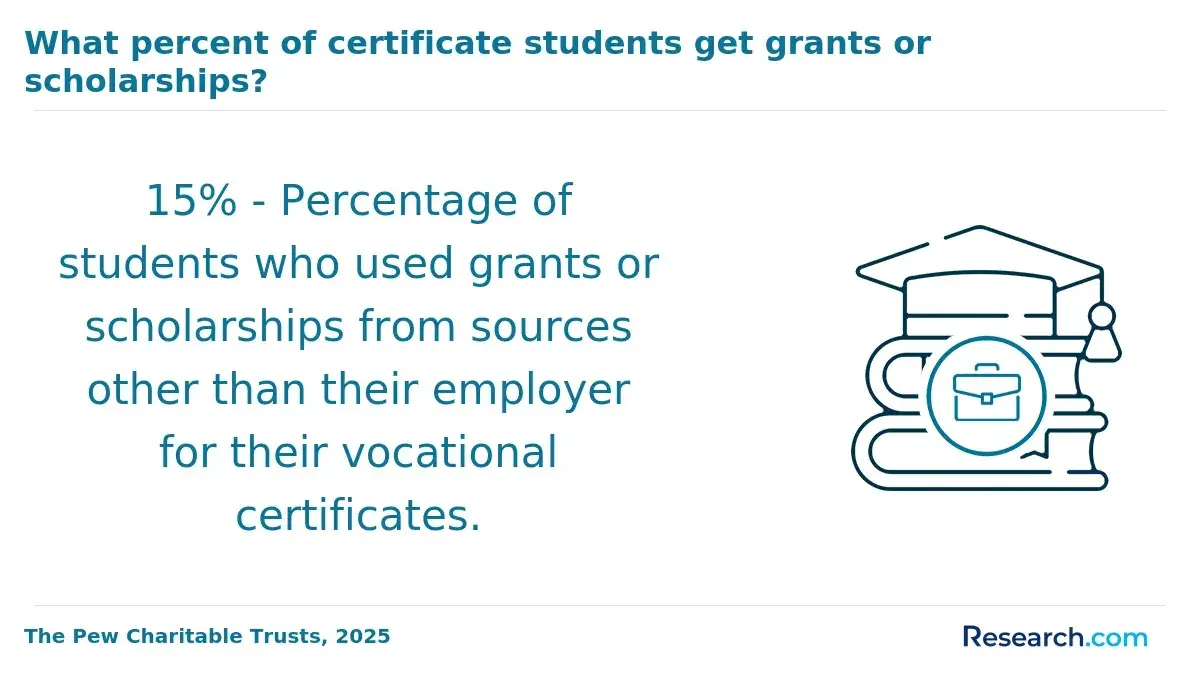
Adult students over 40 pursuing online history bachelor's degrees have access to numerous financial aid options crucial for managing education costs. Approximately 85% of college students receive some form of financial aid, highlighting the importance of exploring available scholarships and grants tailored to nontraditional learners. Below are key opportunities that can support adult learners in history programs.
- Adult Students in Scholarly Pursuit Grant: Offered by select universities, this grant targets adult learners demonstrating academic promise in history or related humanities fields. Eligibility usually requires proof of enrollment in a qualifying program and maintaining a minimum GPA, with preference for those returning to education after a career break.
- American Historical Association (AHA) Grants: While primarily for graduate research, some undergraduate history students showing research potential may qualify for travel grants or research stipends. Applicants need to present a detailed, relevant project proposal to secure these funds.
- Federal Pell Grant: Available to all qualifying undergraduate students, including adults over 40, this grant does not need repayment and helps cover tuition, fees, and sometimes living expenses. Applicants must complete the FAFSA annually and meet income criteria.
- Nontraditional Student Scholarships: Many institutions offer these scholarships recognizing the unique challenges faced by adult learners aged 25 and older. Requirements often include essays outlining career objectives and how the degree aligns with personal development.
- Adult Learner Tuition Waivers: Some states provide waivers to reduce costs for residents returning to study history. Maintaining part-time or full-time enrollment and proof of residency are standard conditions.
Exploring scholarships and grants for online history bachelor's degrees can significantly ease financial burdens. Adult students may also consider flexible career paths after graduation, such as pursuing jobs that only require a certificate, to enhance earning potential alongside their academic achievements.
Many online history bachelor's degree programs allow professionals returning to studies-especially those over 40-to convert relevant certifications into academic credit. This recognition of professional credentials such as archival management, museum studies, and historic preservation aligns with core history coursework, enabling learners to reduce both time and tuition.
The process to convert certifications into credit typically requires submitting official documentation along with a portfolio or challenge exam to prove mastery of academic material. This Prior Learning Assessment (PLA) approach acknowledges real-world expertise, offering mature students a streamlined path toward degree completion and lowering financial burdens.
Nearly 70% of U.S. colleges have established PLA policies, reflecting a broader acceptance of experiential learning. Students leveraging PLA save an average of 30% on tuition and often finish their degree about 1.5 years earlier-providing a validated, practical track to academic advancement in history for adults balancing careers and family.
Adult learners enrolling in online history bachelor's degree programs often have the opportunity to transfer previously earned college credits, which can significantly shorten their time to graduation. Many schools accept between 60 and 90 transfer credits-covering roughly half of the total credits needed-helping students reduce both workload and tuition expenses. This option is especially valuable for adults balancing education with work or family commitments.
To transfer credits, applicants must submit official transcripts, which are carefully reviewed to verify course content and academic rigor. Programs typically separate general education credits, which usually remain valid indefinitely, from history major courses that may require recent completion within five to ten years. According to the National Center for Education Statistics, nearly 70% of transfer applicants in bachelor's programs have at least some credits accepted, reflecting widespread institutional support for recognizing prior academic achievement.
Utilizing credit transfer policies allows adult students to accelerate degree completion while lowering overall costs, making higher education more accessible and tailored to their individual histories and needs.
Standardized tests like the SAT or ACT are generally not required for adults over 40 applying to online history bachelor's programs, as many schools acknowledge these exams were designed for recent high school graduates. This shift reflects broader trends, with over 70% of four-year colleges eliminating test score requirements to increase accessibility and fairness.
That said, some programs may still ask for standardized test results in specific cases, such as when applicants have limited college credit or seek competitive scholarships and honors tracks within their history studies. In these situations, submitting recent academic records or alternative assessments might also satisfy admissions criteria.
Prospective students should review the admissions pages of individual universities closely to verify current policies-schools update their requirements frequently. Confirming details directly with admissions offices ensures you meet expectations without unnecessary testing, helping you focus on your academic progress in history instead.
A structured process is essential for selecting an online history bachelor's degree program that aligns with personal and professional goals. Careful evaluation helps adult learners over 40 find programs that are both practical and enriching to their career paths.
- Flexible Scheduling: Many adult students juggle careers, family, and other responsibilities. Prioritizing programs that offer asynchronous learning or part-time options ensures your education fits smoothly into your life without added stress.
- Curriculum Relevance: Seek programs offering diverse course options-from traditional history to digital humanities and public history-that develop skills applicable to teaching, research, or archival careers. This keeps your studies engaging and aligned with evolving industry needs.
- Student Support Services: Access to academic advising, tutoring, and technology support is critical to overcome challenges unique to online education, especially for adult learners. Programs that provide networking opportunities with alumni and professionals add valuable career connections.
- Faculty Expertise: Faculty with active research or professional history experience enrich learning by sharing current knowledge and real-world applications, which is beneficial for students aiming to deepen their understanding or pursue advanced careers.
- Cost and Financial Aid: Evaluate affordability alongside available scholarships and employer tuition assistance. This consideration helps manage expenses effectively and makes higher education more attainable.
When researching online history degree options for students over 40, understanding each program's strengths is vital. Another practical aspect for adult learners-especially those concerned about academic records-is how admissions policies vary; for insights, see will grad schools accept low GPA.
Ultimately, comparing online history bachelor's degree programs for adults involves more than convenience; it requires attention to the quality of education, support infrastructure, and overall value. Selecting the right program enables lifelong learners to advance their careers while enjoying a rich, flexible, and rewarding learning experience.
What Graduates Say About Their Online History Bachelor's Degree
- Taylor: "Choosing to pursue an online history bachelor's degree at 40 was a way to finally follow my passion while managing my family and work commitments. The flexibility of an accredited online program made it financially feasible and allowed me to study at my own pace without sacrificing quality. Completing the degree has opened new doors for me in education and consulting, reaffirming that it's never too late to change your career path."
- Charlie: "Returning to school for an online history degree was both a practical and personal decision. I appreciated how the cost of attending an accredited program later in life was reasonable compared to traditional routes, making it easier to invest in myself without overwhelming debt. This journey has deepened my understanding of cultural histories, enriching my role as a community organizer and enhancing my professional credibility."
- Daniel: "Enrolling in an online history bachelor's degree program at 40 was a strategic move to advance my career in archival science. The accredited online format was ideal, offering access to respected faculty and resources while I continued working full-time. The combination of affordable tuition and relevant coursework has made a significant impact, helping me transition into a specialized field that values lifelong learning and expertise."
Other Things You Should Know About History Degrees
Many online history programs offer dedicated academic advising, tutoring services, and technical support tailored for adult learners. These resources help students manage coursework while balancing personal and professional responsibilities. Some programs also provide career counseling specifically aimed at historical fields.
Yes, most online history bachelor's degrees are designed with flexibility in mind, offering asynchronous classes that allow students to study on their own schedules. This format supports adults over 40 who often juggle full-time employment or family commitments. Deadlines and pacing are usually adjustable to accommodate different life demands.
Students in online history programs typically advance their ability to conduct primary and secondary source research, analyze historical arguments, and synthesize information critically. They also improve academic writing skills through essays and research papers, which are central components of history coursework. These skills are valuable in both academic and professional contexts.
Many regionally accredited programs accept up to 90 semester credits toward a 120-credit bachelor’s degree, leaving about 30 credits to complete. Schools usually require official transcripts, and some cap the number of upper-division history credits that can be transferred into the major.
- Improving career prospects for history graduates beyond academia https://activehistory.ca/blog/2017/03/16/improving-career-prospects-for-history-graduates-beyond-academia/
- What To Do With a Bachelors in History | National University https://www.nu.edu/blog/what-can-you-do-with-bachelors-in-history/
- College Admission Standards Over Time and the first SAT Exam https://www.collectableivy.com/collectible-ivy-blog/college-admission-standards-over-time-and-the-first-sat-exam/
- Online History Degree https://www.snhu.edu/online-degrees/bachelors/ba-in-history
- Online History Degree | Bachelor's BS BA in History | EOU Online https://online.eou.edu/programs/bachelors-history/
- affordable online history degree: Top Picks 2025 https://www.accio.com/biz-cheap/affordable-online-history-degree
- 8 Reasons Why An Online Degree Program Is Great For Older Students https://www.academicinfo.net/blog/2022-09-12-8-reasons-why-an-online-degree-program-is-great-for-older-students/
- 422 Mature students Undergraduate History Scholarships available https://www.hotcoursesabroad.com/study/international-scholarships/all/Undergraduate/history/mature-students/all/cid/2/i2/1175/nty/scholarship38.html
- Aid for Non-Traditional Students - Finaid https://finaid.org/otheraid/nontraditional/
- Online History Degrees https://www.affordablecollegesonline.org/degrees/history-programs/