2027 Online Healthcare Leadership Doctorate vs Master's Degree: Cost, Salary, Career Outcomes, and ROI

Co-Founder and Chief Data Scientist
Choosing between an online healthcare leadership doctorate and a master's degree is a financial and career strategy decision, not just an academic one. The stakes are high: the BLS reports a 2024 median wage of $117,960 for medical and health services managers, with strong projected demand.
This guide is for working clinicians, administrators, and career changers deciding whether the added cost and time of doctoral study can pay off. You'll compare costs, salaries, career paths, opportunity cost, funding, and ROI so you can choose the degree that fits your goals.
Key Things You Should Know
- A master's degree usually offers the faster and lower-cost route into healthcare management roles, while a doctorate is more likely to make sense for senior executives, consultants, faculty, policy leaders, or professionals who need advanced authority beyond the master's level.
- Cost and time are the biggest trade-offs: many master's programs require about 30 to 45 credits, while healthcare leadership doctorates often require 45 to 70 or more credits, plus a dissertation, doctoral project, or applied capstone.
- ROI depends less on the credential name and more on career goal, employer requirements, funding, current salary, debt load, and whether the doctorate creates access to roles that a master's degree alone would not realistically unlock.
What Are the Key Differences Between an Online Healthcare Leadership Doctorate and Master's Degree?
An online healthcare leadership master's degree is typically designed to prepare students for management, operations, strategy, finance, quality improvement, and organizational leadership roles in healthcare settings.
Common degrees include an MHA, MBA in healthcare management, MS in healthcare administration, MPH with a management concentration, or MS in health leadership.
An online healthcare leadership doctorate is a terminal degree. It may be practice-oriented, such as a DHA, DrPH, EdD in health leadership, or DNP executive leadership track, or research-oriented, such as a PhD in health services, health policy, or healthcare administration.
The key distinction is that the doctorate usually expects students to create, evaluate, or lead advanced organizational change rather than only apply established management methods.
The table below summarizes the practical differences that matter most when deciding between the two degree levels. Use it to identify whether your goal requires a higher credential or whether a master's degree is enough:
| Comparison point | Online healthcare leadership master's degree | Online healthcare leadership doctorate |
| Primary purpose | Builds management, finance, operations, policy, and leadership skills for healthcare organizations | Develops advanced executive, research, policy, consulting, or systems-change expertise |
| Typical student | Early- to mid-career professional seeking promotion or entry into management | Experienced leader seeking senior executive, academic, consulting, or specialized leadership roles |
| Common admissions profile | Bachelor's degree; some programs prefer healthcare or business experience | Master's degree; many programs expect significant professional leadership experience |
| Academic focus | Applied leadership, healthcare systems, finance, law, ethics, data, and operations | Advanced leadership theory, research methods, evidence-based practice, policy, transformation, and doctoral project work |
| Career positioning | Manager, director, analyst, department leader, program manager, or administrator | Executive leader, senior consultant, policy strategist, faculty member, system-level transformation leader, or researcher |
| Credential value | Often sufficient for many healthcare administration roles | Most valuable when employers value terminal credentials or when the role requires advanced scholarship or executive authority |
A common mistake is assuming that a doctorate is automatically "better." In healthcare leadership, the better degree is the one that matches the role you want. If your target employers hire master's-prepared candidates for director-level roles, the master's may deliver a stronger near-term ROI.
If your goal is C-suite leadership, university teaching, high-level consulting, or research-driven policy work, the doctorate may offer a clearer strategic advantage.
Program format also matters. Online master's programs are often built for working adults and may include asynchronous courses, short residencies, or accelerated terms. Online doctorates can also be flexible, but they usually require more independent research, writing, and faculty mentorship.
Before enrolling, ask whether the online format includes live sessions, campus intensives, practicum requirements, dissertation milestones, or project defenses.
How Much Does an Online Healthcare Leadership Doctorate Cost Compared With a Master's Degree?
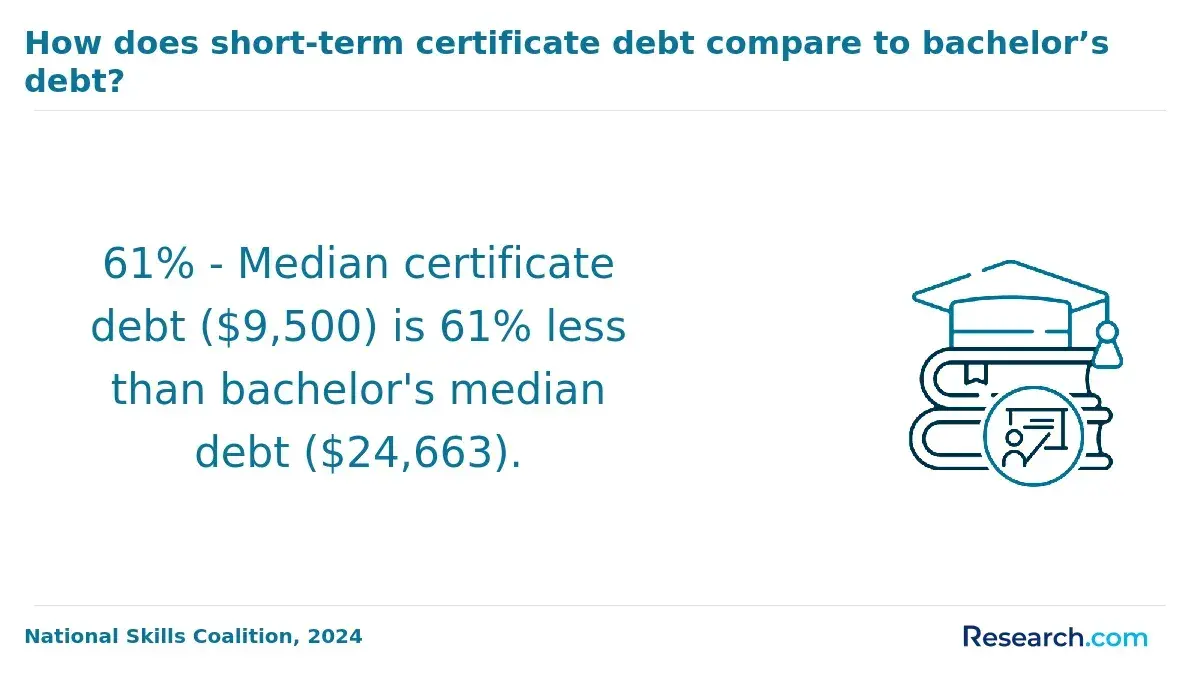
The cost difference between a healthcare leadership master's and doctorate comes from more than tuition. You also need to compare credit requirements, fees, residencies, books, technology costs, travel, lost work time, and loan interest.
NCES data released in 2024 shows that average annual graduate tuition and required fees vary widely by institution type, with public institutions generally costing less than private nonprofit schools. For the reader, the lesson is simple: compare total program cost, not just tuition per credit.
A master's degree is usually less expensive because it requires fewer credits and can often be completed faster. A doctorate generally costs more because it has more credits, longer enrollment, doctoral research supervision, and possible continuation fees if the dissertation or project takes extra time.
The table below shows the main cost categories to review. It does not assume one exact price because online healthcare leadership programs vary significantly by school, state residency policy, transfer-credit rules, and whether the program is public, private nonprofit, or for-profit:
| Cost factor | Master's degree impact | Doctorate impact | Why it matters for ROI |
| Credits required | Often about 30 to 45 credits | Often about 45 to 70 or more credits | More credits usually mean higher tuition and longer time before the degree produces value |
| Per-credit tuition | Can be lower, especially at public universities | May be higher in terminal professional programs | A small per-credit difference becomes large across a full program |
| Fees | May include technology, graduation, practicum, or online fees | May include doctoral seminar, residency, dissertation, or continuation fees | Fees can materially increase the true price of the degree |
| Residencies | Less common, though some programs require campus or immersion experiences | More common in many online doctoral programs | Travel and time away from work increase out-of-pocket and opportunity costs |
| Completion delays | Less likely if the curriculum is course-based | More likely if dissertation or project milestones extend enrollment | Extra terms can reduce ROI even if tuition looks affordable at first |
To compare programs fairly, build a full-cost estimate before applying. The most useful cost comparison includes several items that schools do not always highlight on the main tuition page:
- Multiply tuition per credit by the total credits required after transfer or waived credits.
- Add mandatory fees, distance-learning fees, residency travel, books, software, graduation fees, and background-check or practicum costs.
- Ask whether tuition is locked for the cohort or can increase each academic year.
- Estimate loan interest if you plan to borrow rather than pay as you go.
- Include the cost of extra terms if the dissertation, capstone, or doctoral project takes longer than planned.
If you are still considering adjacent pathways, compare degree alternatives by career target. For example, a health information management degree online may fit better if your goal is data governance, coding, compliance, or health information operations rather than broad executive leadership.
How Long Does a Healthcare Leadership Doctorate Take Compared With a Master's Degree?
Time to completion directly affects ROI because every additional term delays the point when the credential can influence promotions, job mobility, or salary growth. A master's degree usually has the advantage for speed, while a doctorate has the advantage for depth and terminal-level positioning.
The table below compares typical timelines and the kinds of academic work you should expect. Use it to decide whether you can realistically sustain the workload while working in healthcare:
| Timeline factor | Master's degree | Doctorate |
| Typical completion time | Often 1 to 3 years, depending on full-time or part-time enrollment | Often 3 to 6 years, depending on dissertation or project progress |
| Coursework intensity | Structured courses with predictable weekly assignments | Advanced seminars plus independent research, writing, and defense milestones |
| Best fit for full-time workers | Often easier to manage because the program is shorter | Manageable for some professionals, but requires sustained long-term discipline |
| Completion risk | Usually lower when the curriculum is course-based | Higher if students underestimate dissertation, doctoral project, or data-collection work |
| Time-to-value | Usually faster because the credential can be applied sooner | Usually slower, but may create higher-level opportunities if aligned with career goals |
Online programs can reduce relocation and commuting barriers, but they do not remove the time commitment. Doctoral students especially should ask schools how often students meet milestones on schedule and what support is available for proposal writing, data analysis, IRB review, applied projects, and dissertation completion.
Before choosing a timeline, pressure-test your schedule with a realistic plan. The following questions can help reveal whether the faster or deeper path is the better fit:
- Can you maintain coursework during peak work periods, budget cycles, accreditation reviews, or clinical operations demands?
- Will your employer provide protected time, tuition support, flexible scheduling, or project access?
- Does the doctorate require residencies, synchronous seminars, or committee meetings that conflict with work?
- Are you motivated by long-form research and writing, or do you prefer applied coursework and faster career movement?
- Would delaying promotion or job change for several additional years materially reduce the value of the doctorate?
Salary comparisons are difficult because healthcare leadership pay depends heavily on organization size, region, role scope, prior experience, clinical background, and budget responsibility.
A doctorate may strengthen credibility for some senior roles, but salary is usually tied more directly to leadership responsibility than to the degree alone.
The strongest national benchmark for this field is the BLS category for medical and health services managers. The BLS reports a 2024 median annual wage of $117,960 for this occupation, and projects 23% employment growth from 2024 to 2034.
That demand is encouraging, but it does not mean every graduate will reach the median quickly or that doctoral graduates automatically earn more than master's graduates.
The table below shows how degree level can influence salary potential in practical terms. It is best read as career positioning guidance, not a guaranteed earnings ladder:
| Career level | Master's degree positioning | Doctorate positioning | Salary implication |
| Manager or program leader | Often a strong fit, especially with healthcare experience | Usually not required | Master's may provide better ROI because the doctorate may not change pay enough at this level |
| Director or service-line leader | Often competitive when paired with results and experience | Can add credibility in complex systems or specialized domains | Doctorate may help if the role values advanced strategy, research, or transformation leadership |
| Executive or system-level leader | Can be sufficient, especially with a strong track record | May strengthen candidacy for competitive senior roles | Potential upside is higher, but depends on promotion access and employer expectations |
| Consultant or advisor | Useful for operational and management consulting | Can support expert positioning, especially in policy, quality, population health, or executive advisory work | ROI depends on client demand, niche, and business development ability |
| Faculty or research role | May qualify for adjunct or practice-based teaching in some settings | Often preferred or required for full-time academic or research-intensive roles | Doctorate may be necessary for access, though academic salaries vary widely |
When comparing salaries, focus on roles you can realistically pursue within your market. For example, a director at a small community provider may not earn the same as a vice president at a large academic medical center, even if both hold graduate degrees.
Similarly, an RN, pharmacist, therapist, health information leader, or finance professional may see different returns because each brings a different professional foundation.
If you are comparing healthcare data and administration pathways, reviewing health information management salary data can help you separate health information leadership outcomes from broader healthcare administration outcomes.
A healthcare leadership master's degree can open many management and director-track roles, especially for professionals who already understand healthcare operations. A doctorate can unlock different opportunities, but the value is strongest when a role rewards terminal-level expertise, advanced research ability, or executive authority.
The most important distinction is access versus acceleration. A master's degree often helps candidates access management roles earlier. A doctorate may help experienced leaders accelerate into specialized senior, academic, consulting, or policy-facing roles when experience already supports the move.
The table below compares career outcomes by credential level. It can help you avoid overpaying for a degree that exceeds what your target role requires:
| Career outcome | Master's degree fit | Doctorate fit |
| Healthcare operations manager | Strong fit | Usually more education than required |
| Department director | Strong fit with experience | Useful if the role involves enterprise-level strategy or complex transformation |
| Hospital or health system executive | Possible with significant experience and results | Potentially valuable for competitive executive pipelines |
| Quality, safety, or performance improvement leader | Strong fit for applied leadership roles | Valuable for systemwide evidence-based change, research translation, or executive oversight |
| Healthcare policy or population health strategist | Useful, especially with policy or analytics experience | Often stronger for research-informed policy, public health leadership, or senior advisory roles |
| College faculty or doctoral-level mentor | May support adjunct teaching in some programs | Often preferred or expected for full-time faculty and doctoral supervision |
| Independent consultant | Useful for operations, finance, compliance, or management consulting | Can strengthen expert positioning in specialized or executive advisory niches |
Skills also matter. Employers increasingly value leaders who can manage digital transformation, AI-enabled workflows, cybersecurity risk, value-based care, staffing shortages, patient experience, compliance, and data-driven quality improvement.
A master's program may cover these topics at an applied management level; a doctorate should push you to evaluate evidence, lead change across systems, and defend decisions with stronger research or applied inquiry methods.
If your goal is a high-level administration pathway and you already have a master's degree, comparing programs in a doctorate in healthcare administration can help you see how doctoral curricula differ in leadership, research, policy, and applied practice expectations.
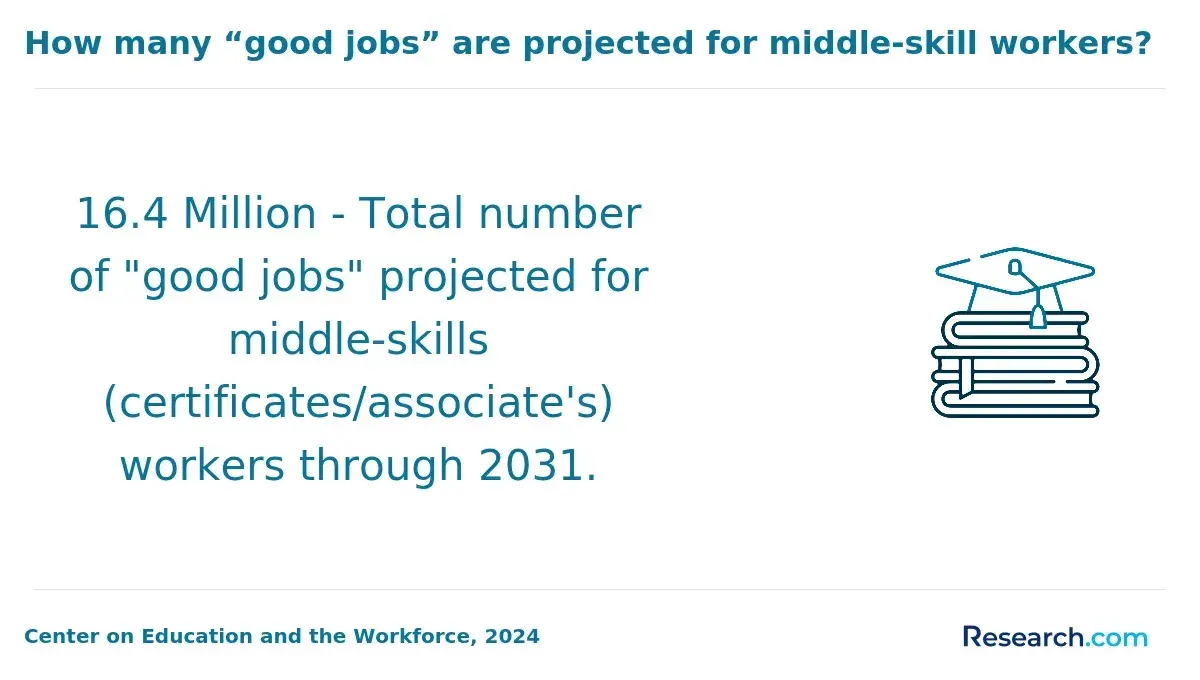
For many students, the master's degree has the stronger near-term ROI because it costs less, takes less time, and can qualify candidates for many healthcare management roles.
The doctorate may have the stronger long-term ROI only when it leads to roles, consulting income, academic opportunities, or executive advancement that would be unlikely with a master's alone.
A useful ROI calculation compares the added cost of the doctorate with the added career benefit it creates. Do not compare a doctorate salary to your current salary unless a master's degree is not part of the alternative. The fair comparison is usually doctorate outcomes versus master's outcomes.
The table below gives a decision-focused ROI framework. It shows when each degree is more likely to produce value:
| ROI factor | Master's degree advantage | Doctorate advantage |
| Upfront cost | Usually lower | Usually higher |
| Time to credential | Usually faster | Usually slower |
| Promotion speed | Can support earlier movement into management | May support later movement into senior or specialized roles |
| Salary upside | Strong when the target role requires or prefers graduate education | Stronger only if the doctorate changes access to higher-level work |
| Debt risk | Generally lower because total cost is lower | Higher if self-funded and not tied to a clear role outcome |
| Best ROI scenario | You need a graduate credential to move into management or director-level work | You need terminal-level expertise for executive, academic, consulting, research, or policy leadership |
To estimate ROI, use a simple step-by-step comparison:
- Identify the exact jobs you want within 3 to 5 years and the jobs you want within 10 years.
- Check whether job postings in your target market require a master's, prefer a doctorate, or mention either as acceptable.
- Calculate total degree cost, including tuition, fees, travel, loan interest, and extra terms.
- Estimate realistic salary change based on target roles, not broad national averages alone.
- Compare the break-even point for the master's and doctorate separately.
- Account for non-salary value, such as job security, executive mobility, consulting credibility, teaching access, or mission fit.
The doctorate is more likely to disappoint financially when a student borrows heavily, has no employer funding, chooses a role that does not reward doctoral preparation, or enters a program without a clear capstone or dissertation completion plan.
The master's is more likely to disappoint when a student's true goal requires doctoral authority, faculty eligibility, or high-level research and policy expertise.
Opportunity cost is the value of what you give up while earning the degree. For online students, this often includes time, energy, delayed job searches, reduced overtime, fewer consulting hours, slower promotion pursuit, family trade-offs, and postponed relocation. Because doctoral programs usually take longer, opportunity cost can be the deciding factor.
The most overlooked issue is not whether you can afford tuition; it is whether the degree timeline supports your career timing. If you can earn a master's in two years and move into a director role sooner, the doctorate must create enough additional value to justify the extra years.
If you are already a senior leader, however, doctoral study may fit without a large income interruption because you can continue working while building advanced expertise.
The table below illustrates how opportunity cost changes the value equation. It helps readers compare real-life trade-offs rather than focusing only on advertised tuition:
| Opportunity cost | Master's degree risk | Doctorate risk | How to reduce the risk |
| Delayed promotion | Lower if the program is short | Higher if the program slows job searches or promotion moves | Choose a program that lets you apply projects at work immediately |
| Workload strain | Moderate for part-time students | High during dissertation, doctoral project, or research phases | Confirm weekly workload expectations before enrolling |
| Lost income opportunities | Possible if coursework reduces overtime or side work | More likely because the commitment lasts longer | Use employer-sponsored projects or tuition support when possible |
| Career flexibility | Usually improves sooner | May improve later but in narrower senior or specialized lanes | Match the degree to target roles, not general prestige |
| Completion fatigue | Usually lower | Higher if research milestones are unclear | Ask about completion support and average time to finish |
Common red flags include enrolling in a doctorate before confirming that your desired roles value it, choosing a program mainly because it is online and convenient, or assuming you can "figure out" the dissertation later.
A better approach is to choose a degree around a specific career thesis: what role you want, what credential it values, how the curriculum supports it, and how quickly the investment can become useful.
Funding can change the ROI comparison dramatically. A lower-cost doctorate with employer reimbursement may outperform a self-funded master's in some cases, while a high-debt doctorate with no clear career payoff can be financially risky. The right question is not only "Which degree costs more?" but "How much will I personally pay, borrow, and repay?"
Graduate students commonly rely on savings, employer tuition assistance, federal loans, scholarships, assistantships, military benefits, or payment plans.
Research doctorates may offer more funding in some fields, but many professional doctorates in healthcare leadership are designed for working adults and are often self-funded. That distinction matters because borrowed doctoral tuition can reduce net ROI for years.
Before choosing a program, compare funding terms carefully. The following list shows the funding questions that most directly affect ROI:
- Does the employer reimburse tuition, and is there an annual cap or service commitment?
- Are scholarships renewable, or do they apply only to the first term?
- Does the doctorate offer assistantships, fellowships, dissertation grants, or research stipends?
- Will transfer credits reduce tuition, or does the program require all doctoral credits in residence?
- Are there continuation fees after coursework if the dissertation or project is not finished?
- What is the estimated monthly loan payment under standard and income-driven repayment options?
- Could Public Service Loan Forgiveness apply if you work for a qualifying nonprofit or government healthcare employer?
Debt should be evaluated against role mobility, not only projected salary. A student moving from staff-level work into administration may see a master's degree pay off quickly if it opens a first leadership role.
A student already earning a strong management salary may need a doctorate to produce a very specific outcome, such as executive promotion, consulting expansion, or faculty eligibility, for the extra debt to make sense.
Students comparing healthcare business degrees may also want to evaluate an affordable online MBA healthcare management option, especially if their ROI case depends on business, finance, strategy, or operations leadership rather than doctoral research or academic credentials.
Not all healthcare leadership doctorates serve the same purpose. A professional doctorate is generally designed for experienced practitioners who want to apply evidence to leadership, policy, quality improvement, organizational change, or executive practice.
A research doctorate is designed to create new knowledge and may be more appropriate for academic, research, policy analysis, or think tank roles.
A master's degree sits below both doctoral categories but may be the most efficient credential for applied management careers. The right comparison depends on whether you want to lead healthcare organizations, study healthcare systems, teach future leaders, or influence policy through research.
The table below compares three pathways side by side. It can help you avoid choosing a research-heavy doctorate when your goal is practical management, or choosing a master's when your goal requires doctoral-level scholarship:
| Pathway | Best fit | Typical academic emphasis | ROI consideration |
| Master's in healthcare leadership or administration | Professionals seeking management, director, operations, or administrative roles | Applied leadership, finance, policy, law, quality, analytics, and strategy | Often strongest for faster advancement with lower cost |
| Professional doctorate in healthcare leadership | Experienced leaders seeking executive, consulting, systems-change, or practice-scholar roles | Applied research, evidence-based leadership, organizational transformation, and doctoral project work | Best when the credential supports a clear senior-level outcome |
| Research doctorate in health services, policy, or administration | Students aiming for research, tenure-track academia, policy scholarship, or advanced analysis | Research design, theory, statistics, publication, dissertation, and knowledge creation | Best when funding is strong or the student needs research credentials for the target role |
Admissions expectations differ as well. Master's programs may admit students with a bachelor's degree and relevant interest or experience. Professional doctorates commonly expect a completed master's degree and professional leadership background.
Research doctorates may place more weight on research fit, quantitative preparation, writing ability, faculty alignment, and prior scholarly work.
Accreditation should also be part of the comparison. Institutional accreditation is essential for federal financial aid eligibility and transfer recognition. Programmatic accreditation can matter in some healthcare administration and public health pathways, but requirements vary by employer and field.
Licensure is usually not tied directly to healthcare leadership degrees, but clinicians should confirm that graduate study does not replace clinical licensure, certification, or state-specific requirements for their profession.
When Is a Healthcare Leadership Doctorate Worth It Instead of a Master's Degree?
A healthcare leadership doctorate is worth considering when the additional credential clearly supports a career outcome that a master's degree is unlikely to provide. It is less likely to be worth it when the student is early in their career, uncertain about leadership direction, self-funding the full cost, or pursuing roles where a master's degree is already sufficient.
The best choice depends on your current position and your target role. A master's degree often makes sense for professionals who need a graduate credential to move into management or director-level work.
A doctorate makes sense for experienced leaders who already have a management foundation and want to move into executive, academic, consulting, research, policy, or systems-transformation roles.
Use the following decision rules as a practical filter before applying. They are not absolute, but they can help you avoid an expensive mismatch:
- Choose the master's if your target roles list a master's as required or preferred and do not mention a doctorate.
- Choose the master's if you need the fastest path to management credibility, promotion eligibility, or a career pivot.
- Choose the doctorate if your target roles involve executive leadership, doctoral-level teaching, advanced consulting, applied research, or policy influence.
- Choose the doctorate if your employer, industry niche, or career plan rewards terminal credentials in a measurable way.
- Delay the doctorate if you cannot explain how it will change your role access, income potential, authority, or professional platform.
- Avoid either degree if the program lacks institutional accreditation, transparent costs, credible faculty, student support, or clear outcome information.
Before committing, ask admissions and financial aid teams direct questions. What is the total program cost after transfer credits? How many students finish on time? What support exists for online learners? What roles do alumni hold? Are residencies required? How are doctoral projects matched with workplace problems? Can employer tuition benefits be applied? Clear answers to these questions are often more valuable than rankings or marketing language.
The bottom line is straightforward: the master's degree usually offers the better near-term cost-to-career return, while the doctorate is a targeted investment for professionals who need terminal-level preparation for a specific next stage. The doctorate can be worth the added cost and time, but only when it is tied to a realistic career outcome that the master's degree alone would not achieve.
Other Things You Should Know About Healthcare Leadership
Usually, the diploma does not specify online delivery, but policies vary by university. Ask the registrar how the degree name, transcript, and diploma appear before enrolling.
They overlap, but they are not always identical. Healthcare administration often emphasizes operations, finance, compliance, and organizational management, while healthcare leadership may place more emphasis on strategy, change management, people leadership, and system transformation.
Yes, clinicians may benefit if they want to move into management, quality improvement, service-line leadership, executive practice, education, or policy roles. The best degree level depends on whether the goal requires applied management skills or terminal-level leadership expertise.
Confirm institutional accreditation, total cost, transfer-credit rules, online support, faculty expertise, residency requirements, employer tuition eligibility, and whether alumni outcomes match the roles you want.
- Health Management Careers https://www.ache.org/Career-Resources/Start-Your-Career/Health-Management-Careers
- Is A Master’s Degree in Healthcare Management A Good Investment? - Healthcare Management Degree Guide https://www.healthcare-management-degree.net/faq/is-a-masters-degree-in-healthcare-management-a-good-investment/
- What can you do with a healthcare management degree? | edX https://www.edx.org/resources/what-can-you-do-with-a-healthcare-management-degree
- Best Online MHA Programs 2026: Rankings & Guide https://www.healthcaremanagement.org/mha/online/
- Average Cost of a Master's Degree: 2025 Analysis https://educationdata.org/average-cost-of-a-masters-degree
- Careers in healthcare and public health - MSc/PhD Advice 19405 https://www.postgraduatestudentships.co.uk/advice/careers-in-healthcare-and-public-health/19405
- Is Grad School Worth It? A Comprehensive Return on Investment Analysis - FREOPP https://freopp.org/whitepapers/is-grad-school-worth-it-a-comprehensive-return-on-investment-analysis/
- Online MHA Programs Ranked by Affordability (2025) https://www.mhaonline.com/blog/affordable-online-mha-programs-ranked
- 2025 Most Affordable Online Master's Programs https://www.onlineu.com/most-affordable-colleges/masters-degrees
- Highest Paid Public Health Careers https://www.publichealthdegrees.org/careers/highest-paid-public-health-jobs/