2027 Online Healthcare Leadership Doctorate Programs for First-Time Doctoral Students

Co-Founder and Chief Data Scientist
Choosing a first doctorate in healthcare leadership is a high-stakes decision because the degree affects your time, finances, research workload, and career direction. The U. S. Bureau of Labor Statistics projects 29% growth for medical and health services managers from 2023 to 2033, much faster than average, which makes advanced leadership preparation increasingly relevant. This guide is for working healthcare professionals considering an online doctorate for the first time. You will learn how program types, research expectations, cost, flexibility, mentorship, and career outcomes compare so you can decide whether doctoral study is the right next step.
Key Things You Should Know
- For first-time doctoral students, the best online healthcare leadership doctorate is usually a structured professional doctorate, such as a DHA, DrPH, DBA, or EdD with healthcare leadership coursework, rather than a highly independent PhD unless research or academia is the main goal.
- Expect a serious time and cost commitment: many programs require roughly 45 to 72 graduate credits, and total cost depends heavily on per-credit tuition, residency fees, dissertation or capstone continuation fees, and how long you remain enrolled.
- The labor-market case is strongest for experienced professionals aiming at senior management, consulting, policy, population health, or academic leadership; BLS data reports a May 2024 median annual wage of $117,960 for medical and health services managers, but a doctorate does not guarantee advancement.
Which Online Healthcare Leadership Doctorate Programs Are Best for First-Time Doctoral Students?
The best online healthcare leadership doctorate for a first-time doctoral student is not simply the highest-ranked or most expensive option. It is the program whose degree type, research model, schedule, faculty access, and student support match your professional goal and your readiness for doctoral-level writing and independent inquiry.
Healthcare leadership doctorates usually fall into several categories. A doctorate in healthcare administration is often the most direct fit for executives, administrators, and managers who want to lead health systems, clinics, payer organizations, public health programs, or healthcare consulting teams.
The table below compares common online doctoral pathways. Use it to narrow your search before comparing individual schools, because the degree type often determines the research expectations and career fit.
| Doctoral pathway | Best fit for first-time doctoral students | Typical project model | Potential drawback |
| DHA or Doctor of Health Administration | Healthcare managers seeking executive, operations, quality, strategy, or systems leadership roles | Applied dissertation, capstone, or practice-focused project | May be less research-intensive than a PhD for students targeting tenure-track faculty roles |
| DrPH with leadership or health policy focus | Public health professionals focused on population health, health equity, policy, or government and nonprofit leadership | Applied public health dissertation, integrative project, or portfolio | May require public health experience or competencies that healthcare administrators do not yet have |
| DBA in Healthcare Management or Healthcare Administration | Professionals interested in healthcare strategy, consulting, finance, organizational performance, or executive decision-making | Applied business research dissertation or consulting-style project | May emphasize business systems more than clinical operations or public health |
| EdD in Leadership with healthcare concentration | Professionals in academic medicine, workforce development, healthcare education, organizational learning, or training leadership | Dissertation in practice or applied improvement project | May not be ideal for students seeking a heavily quantitative health services research pathway |
| PhD in Health Services, Health Policy, or Healthcare Leadership | Students aiming for research, policy analysis, scholarly publication, or academic careers | Traditional research dissertation | Often requires stronger research preparation, more independence, and a longer timeline |
For most first-time doctoral students who work full time, a professional doctorate with a clearly sequenced curriculum, embedded research courses, and a defined capstone or dissertation timeline is usually easier to navigate than a program that expects students to design a research agenda with minimal structure. A PhD can be the better choice if you want to produce original scholarship, compete for research roles, or teach at the university level, but it is not automatically the best route for healthcare executives.
A strong beginner-friendly program usually has transparent milestone expectations, regular faculty advising, online library and writing support, statistics or methods help, and a project model tied to real healthcare problems. A poor fit may advertise flexibility but provide little detail about dissertation supervision, synchronous attendance, residency requirements, or completion outcomes.
What Should First-Time Students Expect From an Online Healthcare Leadership Doctorate?
An online healthcare leadership doctorate is an advanced degree focused on leading complex healthcare organizations, improving systems, interpreting evidence, and applying research to operational or policy decisions. It is not simply a longer master's program. Doctoral study expects you to critique evidence, design projects, defend conclusions, and communicate at a level appropriate for senior decision-makers.
First-time doctoral students should expect coursework in leadership theory, healthcare finance, quality improvement, ethics, policy, population health, organizational change, data-informed decision-making, and research methods. Even practice-focused programs require scholarly writing, literature reviews, evidence appraisal, and either a dissertation, capstone, or applied project.
The table below shows how doctoral expectations differ from master's-level expectations. This distinction matters because many first-time applicants underestimate the shift from learning established knowledge to creating or applying knowledge in a defensible way.
| Area | Master's-level expectation | Doctoral-level expectation |
| Reading | Understand key theories, policies, and management practices | Critique research quality, identify gaps, and synthesize competing evidence |
| Writing | Produce analytical papers and professional reports | Develop sustained, evidence-based arguments suitable for doctoral committees and professional audiences |
| Research | Use research to support decisions | Design, evaluate, or apply systematic inquiry to a defined healthcare leadership problem |
| Leadership application | Manage teams, programs, or departments | Analyze organization-wide problems and propose evidence-based interventions |
| Independence | Follow course-level assignments | Manage long-term milestones with fewer external deadlines |
Students who are well prepared usually have graduate-level writing experience, comfort reading peer-reviewed research, exposure to healthcare operations or policy, and a clear reason for needing a doctorate. Students who are not yet ready may benefit from strengthening writing, statistics, leadership experience, or healthcare analytics before enrolling.
Current trends make the degree more demanding and more relevant. Healthcare leaders are increasingly expected to understand artificial intelligence governance, data privacy, value-based care, workforce shortages, health equity, cybersecurity, and patient-safety analytics. An online doctorate can help you build strategic judgment in these areas, but only if the curriculum goes beyond generic leadership theory and connects coursework to current healthcare systems problems.
What Admissions Requirements Should First-Time Applicants Expect for an Online Healthcare Leadership Doctorate?
Admissions requirements vary by school and degree type, but most online healthcare leadership doctorate programs expect applicants to show graduate-level academic preparation, healthcare or leadership experience, and readiness for research-based writing. First-time doctoral applicants do not need to have completed a prior doctorate, but they do need evidence that they can handle doctoral work.
Many applicants enter after completing a master's degree in healthcare administration, public health, nursing, business, health informatics, or a related field. Applicants coming from data, compliance, or records-focused roles may also build a strong foundation through a health information management degree online, especially if their career goal involves healthcare data governance, informatics leadership, or revenue-cycle strategy.
The table below summarizes common requirements and what they mean for first-time doctoral applicants. Always verify details directly with each school because GPA thresholds, prerequisite courses, and experience expectations can differ significantly.
| Requirement | What schools commonly look for | How first-time doctoral applicants should evaluate readiness |
| Master's degree | Often required or strongly preferred, usually from a regionally accredited institution | Check whether your degree field aligns with healthcare leadership, management, policy, public health, business, or clinical leadership |
| Graduate GPA | Minimums often apply, though competitive programs may evaluate the full record | If your GPA is borderline, ask whether professional experience, writing samples, or additional coursework can strengthen the file |
| Professional experience | Leadership, management, clinical, administrative, policy, consulting, or healthcare operations experience | Be ready to explain the healthcare problem you want to address and why doctoral training is necessary |
| Statement of purpose | Clear academic goals, career goals, and fit with the program | Avoid vague statements about promotion; connect your goal to a specific leadership, policy, or systems challenge |
| Writing sample | Evidence of graduate-level writing and ability to use scholarly sources | Choose a polished paper or professional analysis that demonstrates structured argument and evidence use |
| Recommendations | Academic or professional references who can discuss leadership, analysis, and persistence | Select recommenders who can speak to your readiness for independent work, not only your reliability at work |
Before applying, first-time students should complete a simple readiness check. This helps you avoid enrolling before you have the academic foundation or professional direction needed to persist.
- Review your graduate transcript and identify gaps in statistics, research methods, healthcare finance, policy, or organizational leadership.
- Write a one-page explanation of the healthcare leadership problem you want to study or improve.
- Ask an admissions advisor whether your background matches recent admitted students, not just the minimum requirements.
- Request a sample syllabus from a research course and evaluate whether the reading and writing expectations feel realistic.
- Confirm whether transfer credits are accepted and whether they reduce cost, time, or only elective requirements.
A common mistake is assuming that a master's degree automatically means you are ready for doctoral research. A stronger approach is to compare your actual skills with the program's first-year research, writing, and statistics expectations before committing.
Research support is one of the most important differences between a beginner-friendly online doctorate and a program that is merely convenient. First-time doctoral students often struggle less with the healthcare content than with narrowing a researchable topic, writing a literature review, choosing a method, and meeting committee expectations.
Good programs make research support visible before enrollment. They explain when students take methods courses, how dissertation or capstone committees are assigned, how often students meet advisors, and what happens if a project stalls.
Look for support structures that reduce ambiguity without removing the independence expected at the doctoral level. The following features are especially important for students who have not completed a doctorate before.
- Required early research seminars that teach topic development, problem statements, literature searches, citation management, and ethical research practices.
- Faculty advisors or dissertation chairs assigned early enough to help students shape a feasible healthcare leadership problem.
- Online writing center access with doctoral-level support for literature reviews, synthesis, and academic voice.
- Statistics, qualitative methods, or mixed-methods tutoring for students who have been away from formal research training.
- Library support for healthcare databases, systematic searching, evidence appraisal, and source management.
- Clear milestone maps showing when students complete prospectus, proposal, institutional review, data collection, analysis, and final defense stages.
The strongest programs normalize research learning instead of expecting students to arrive as independent scholars. That distinction matters because first-time doctoral students often need coaching on how to turn workplace experience into a focused doctoral project.
Red flags include vague language such as "students work independently with faculty" without explaining meeting frequency, committee structure, project timelines, or escalation steps when feedback is delayed. Another red flag is a program that promises an easy dissertation; doctoral work should be supported, but it should not be marketed as effortless.
The dissertation, capstone, or applied project is often the point where first-time doctoral students discover whether a program is truly supportive. Coursework has weekly deadlines and instructor guidance, but the final project requires sustained planning, feedback management, revision, and independent problem-solving.
The right project model depends on your career goal. A traditional dissertation is often best for students pursuing research or academic work, while a capstone or applied dissertation may better fit professionals who want to solve organizational, policy, quality, or leadership problems in practice.
The table below compares common doctoral final-project models. It can help you ask better questions before enrolling, especially if you are deciding between research-focused and practice-focused programs.
| Final project type | Common purpose | Best fit | Questions to ask before enrolling |
| Traditional dissertation | Produce original scholarly research | Students targeting research, policy analysis, or academic careers | How are chairs assigned, and what is the average time from proposal to defense? |
| Applied dissertation | Use research methods to address a practice-based healthcare problem | Healthcare leaders who want rigorous inquiry tied to workplace or industry problems | Can students study a problem from their own organization, and what approvals are required? |
| Capstone project | Design, evaluate, or recommend an evidence-based improvement initiative | Working professionals focused on executive practice, consulting, or quality improvement | What deliverables are required, and are they reviewed by faculty, external partners, or both? |
| Portfolio or doctoral practice project | Demonstrate competency across leadership, policy, analytics, and evidence use | Students in practice-oriented programs with multiple applied milestones | How are portfolio components assessed, and do they replace or supplement a final defense? |
First-time students should pay close attention to how programs define "support." A supportive structure does not mean the school writes the project for you. It means the program provides clear rubrics, timely feedback, methods guidance, committee access, and a transparent process for moving from concept to completion.
Before choosing a program, ask about continuation tuition or dissertation extension fees. Even if tuition per credit looks manageable, a delayed dissertation can increase total cost and extend the degree by several terms. This is one reason project design, faculty availability, and topic feasibility should be part of your ROI calculation.
Online healthcare leadership doctorates are generally designed for working professionals, but "online" does not always mean fully asynchronous or fully self-paced. First-time doctoral students should examine the actual schedule, residency expectations, synchronous sessions, practicum or field requirements, and final defense format before assuming a program will fit around full-time employment.
Flexibility has several dimensions. A program may be online but require live evening classes. Another may allow asynchronous coursework but require short campus residencies, intensive weekends, or synchronous dissertation meetings. Some programs are cohort-based with a fixed course sequence, while others allow students to vary the pace.
The table below outlines common delivery formats and the trade-offs first-time students should understand. It is especially useful if you work irregular clinical, administrative, or executive hours.
| Format | How it works | Why it may help first-time doctoral students | Possible limitation |
| Asynchronous online | Students complete weekly modules without required live class meetings | Best for variable work schedules and students in different time zones | Requires strong self-management and may feel isolating |
| Synchronous online | Students attend live virtual classes or seminars | Creates structure, discussion, and direct faculty interaction | May conflict with clinical shifts, executive travel, or family responsibilities |
| Hybrid or low-residency | Most coursework is online, with limited campus or in-person intensives | Can build cohort connection and provide focused research support | Adds travel, lodging, time away from work, and scheduling complexity |
| Cohort-based | Students move through a fixed sequence with the same peer group | Offers structure and accountability for first-time doctoral students | Less flexible if you need to pause, accelerate, or repeat a course |
| Individually paced | Students have more control over course load and sequence | Can work well for highly organized students with unpredictable schedules | May provide less built-in peer support and milestone pressure |
Online doctoral study usually requires more weekly independent work than many students expect. If you work full time, evaluate whether you can consistently reserve time for reading, writing, research, group work, and faculty meetings. A realistic plan matters more than an optimistic one.
Before enrolling, compare the program calendar with your work and personal obligations. The most flexible option is not always the best option; first-time students often benefit from enough structure to keep them moving without making the schedule impossible.
Cohorts, mentorship, and student support can strongly affect whether first-time doctoral students feel guided or stranded. Because doctoral study requires long-term motivation, the structure around the student often matters as much as the course list.
A cohort model gives students a defined peer group, predictable sequencing, and shared milestones. This can be valuable for first-time doctoral students because peer accountability helps normalize difficult stages such as topic narrowing, proposal revision, and project delays. However, cohorts can be less flexible if you need to slow down or if a required course is offered only once a year.
Mentorship is different from standard academic advising. An academic advisor may help with registration and degree planning, while a faculty mentor or dissertation chair helps you refine ideas, develop scholarly judgment, and move through the final project. First-time students should ask exactly who provides each type of support.
The following questions can help you evaluate whether support is real, not just advertised. They are most useful during admissions calls, open houses, or conversations with current students.
- When is a faculty mentor, dissertation chair, or capstone advisor assigned?
- How often can students expect substantive feedback during the proposal and final-project stages?
- Are faculty members active in healthcare leadership, administration, policy, informatics, quality improvement, or health services research?
- What happens if a faculty chair leaves, becomes unavailable, or is not a good fit?
- Does the program offer doctoral writing support, research-methods tutoring, library consultations, and career coaching?
- Are student outcomes, completion timelines, or dissertation milestone expectations available to applicants?
Support is especially important for students who are returning to school after years in the workforce. Professional expertise is valuable, but doctoral study also requires academic stamina, humility during revision, and comfort receiving critical feedback.
A common mistake is choosing a program based only on brand recognition or a short completion claim. Strong mentorship, responsive faculty, and transparent project support may matter more to completion than prestige alone.
Many online healthcare leadership doctorates take about three to five years for working professionals, but timelines vary by credit load, transfer policy, dissertation or capstone progress, residency requirements, and whether students study full time or part time. First-time doctoral students should focus on total time to completion, not only the advertised "minimum" timeline.
Cost is also program-specific. There is no single national tuition benchmark for online healthcare leadership doctorates, so applicants should calculate the total cost from each school's current tuition schedule, required credits, fees, residency expenses, books, technology charges, and dissertation continuation policies. If the doctorate is not necessary for your goal, a lower-cost alternative such as an affordable online MBA healthcare management program may offer a better near-term return.
The table below summarizes the main cost and time variables. It helps first-time doctoral students avoid comparing programs by tuition per credit alone.
| Factor | Why it affects time or cost | What to verify with the school |
| Required credits | More credits usually increase tuition and time in coursework | Total credits required after any accepted transfer credits |
| Per-credit tuition | Online doctoral programs often bill by credit hour | Whether tuition differs for in-state, out-of-state, military, alumni, or employer-partner students |
| Residencies | Travel, lodging, and missed work can add meaningful cost | Whether residencies are required, optional, virtual, or campus-based |
| Dissertation or capstone continuation | Delayed projects may require additional enrollment terms | Continuation tuition, extension fees, and average time in the final-project phase |
| Transfer credit | Approved prior graduate coursework may reduce required credits | Maximum transfer credits and whether transfer reduces core, elective, or only prerequisite requirements |
| Enrollment pace | Part-time study may be more manageable but can extend fees and opportunity cost | Minimum and maximum completion time, leave policies, and course availability |
Use a total-cost worksheet before enrolling. A practical estimate should include the following items, because each can change the real price of the degree.
- Tuition for all required credits after confirmed transfer-credit review.
- University, technology, graduation, library, and doctoral program fees.
- Travel and lodging for any residency, orientation, intensive, or defense requirement.
- Books, software, statistical tools, transcription, survey platforms, or data-access costs.
- Continuation or extension tuition if the dissertation, capstone, or applied project takes longer than planned.
- Lost income, reduced work hours, childcare, or professional travel conflicts caused by doctoral study.
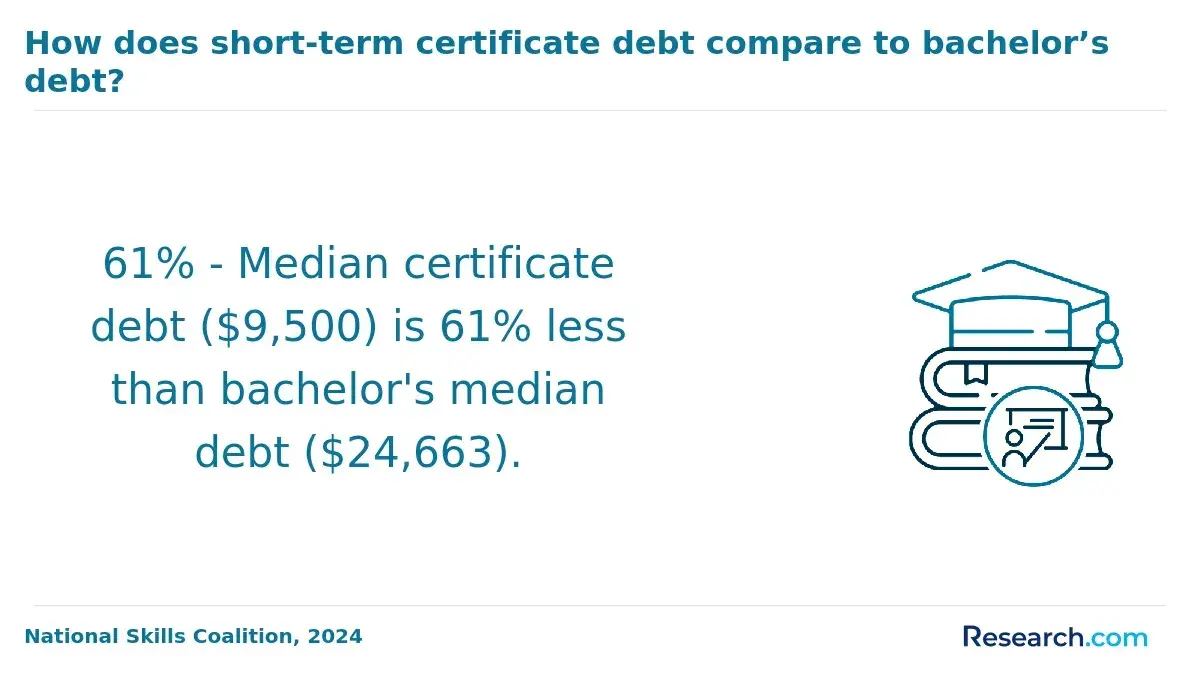
The Federal Reserve Bank of New York reported in 2024 that U.S. student loan debt remains a major household balance-sheet issue, which is why first-time doctoral students should borrow conservatively and compare the degree against realistic career benefits. A doctorate can be valuable, but debt can become difficult to justify if the program does not connect directly to advancement, leadership scope, consulting opportunities, or academic goals.
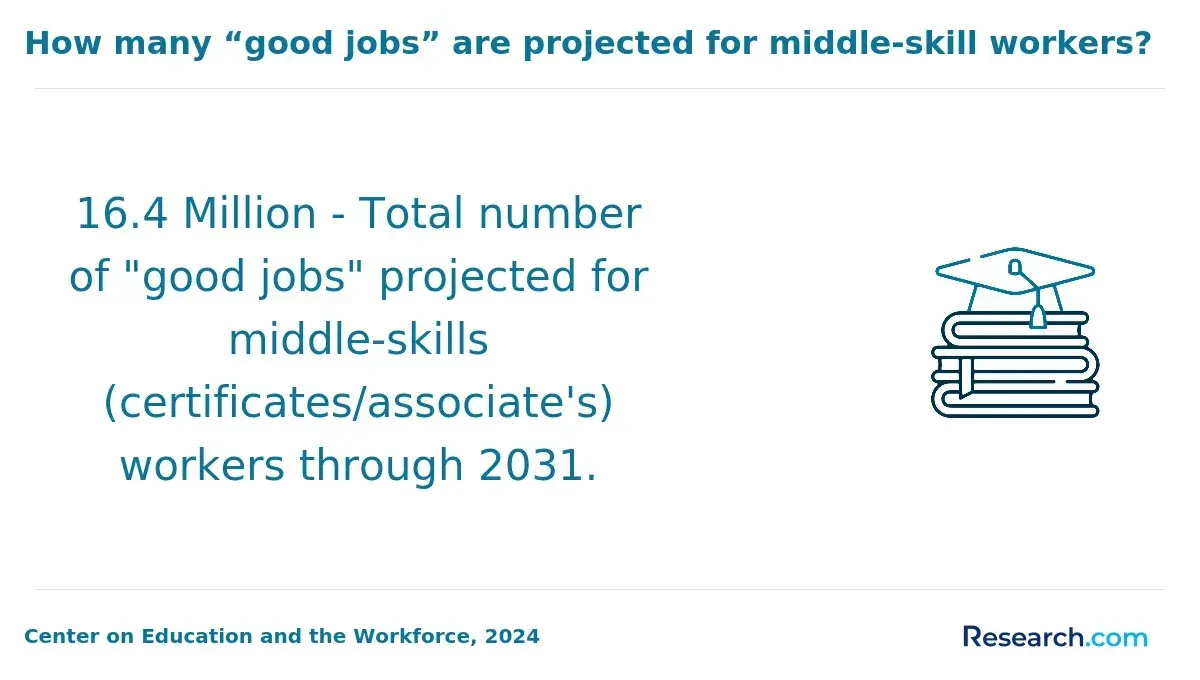
An online healthcare leadership doctorate can support advancement into senior administration, executive leadership, consulting, health policy, quality improvement, population health, informatics leadership, faculty roles, or organizational strategy. Outcomes depend on your prior experience, location, employer, degree type, professional network, and whether the program's final project builds expertise that employers value.
The salary context is strongest for experienced leaders, not entry-level applicants. BLS data reports a May 2024 median annual wage of $117,960 for medical and health services managers, but that figure applies to the occupation as a whole and does not isolate doctorate holders. Readers comparing related management paths may also want to review health information management salary data if their target roles involve health data, compliance, revenue cycle, or informatics leadership.
The table below connects doctoral pathways to common career directions. It should be used as a planning tool, not a guarantee of promotion or salary growth.
| Career direction | Relevant doctoral pathway | How the doctorate may help | Important limitation |
| Healthcare executive or senior administrator | DHA, DBA, EdD, DrPH | Builds strategic, systems, finance, policy, and evidence-based leadership capacity | Employers often prioritize proven leadership results alongside education |
| Quality, safety, or performance improvement leader | DHA, DrPH, EdD | Supports applied research, change management, outcomes measurement, and improvement science | Some roles may prefer Lean, Six Sigma, clinical, or regulatory credentials in addition to a doctorate |
| Healthcare consultant | DBA, DHA, DrPH | Can strengthen credibility in strategy, operations, finance, policy, or population health consulting | Client development and industry experience are critical |
| Health policy or public health leadership | DrPH, PhD, DHA | Develops policy analysis, program evaluation, and population-level decision-making skills | Government and nonprofit roles may have salary structures that differ from private-sector leadership |
| Faculty or academic leadership | PhD, EdD, DHA, DrPH | May qualify professionals for teaching, curriculum leadership, or applied research roles | Tenure-track research positions often prefer or require a research-intensive PhD |
| Health informatics or data governance leadership | DHA, DBA, PhD, DrPH | Can support leadership in analytics, data strategy, privacy, and evidence-based decision-making | Technical roles may require informatics, analytics, or data credentials beyond the doctorate |
First-time doctoral students should be cautious about assuming the degree alone will transform their career. The strongest outcomes usually occur when the student already has meaningful healthcare experience and uses the doctorate to deepen a defined leadership specialty.
Licensure is another important distinction. A healthcare leadership doctorate is generally not a clinical license and does not replace state requirements for nursing, medicine, therapy, long-term care administration, or other regulated professions. If your target role is licensed, verify requirements with the appropriate state board before enrolling.
How Should First-Time Students Choose an Online Healthcare Leadership Doctorate Program?
First-time doctoral students should choose an online healthcare leadership doctorate by working backward from the career goal, then testing whether the program's structure, research support, cost, accreditation, and schedule make completion realistic. The right program should make your goal more attainable without exposing you to unnecessary debt or an unmanageable workload.
Start by clarifying whether you need a doctorate now. If your immediate goal is a department-level promotion, a specialized certificate, MBA, MHA, MPH, or informatics credential may be more practical. If your goal is executive leadership, applied research, consulting, policy influence, or academic work, a doctorate may be more defensible.
Use the following steps to compare programs in a disciplined way. They are designed to help you move from general interest to an enrollment decision based on evidence.
- Define the job, leadership scope, or academic role you want within three to seven years.
- Choose the degree type that matches that goal, such as DHA for healthcare administration, DrPH for public health leadership, DBA for healthcare business strategy, EdD for organizational learning, or PhD for research.
- Verify institutional accreditation and any programmatic recognition relevant to your field, employer, or state requirements.
- Ask for the full curriculum, course rotation, residency requirements, transfer-credit policy, and final-project milestones.
- Request clear information about dissertation or capstone support, including advisor assignment, feedback expectations, and continuation fees.
- Calculate total cost to completion using credits, fees, travel, books, technology, and likely time in the final-project phase.
- Compare the schedule against your work, family, clinical, travel, and leadership responsibilities.
- Speak with admissions staff, faculty, alumni, or current students about workload, responsiveness, and completion barriers.
- Decide whether the program's likely benefits justify the time, cost, and opportunity cost for your specific career path.
Common red flags deserve special attention. Avoid programs that make vague promises, hide fee information, provide little detail about faculty mentorship, or market doctoral work as quick and easy.
- Choosing based only on school reputation, advertising, or rankings without comparing dissertation support and completion structure.
- Ignoring synchronous class times, residencies, practicum expectations, or required campus visits.
- Focusing only on tuition per credit while overlooking continuation fees, travel, and delayed completion costs.
- Assuming a doctorate guarantees executive promotion, salary growth, or academic employment.
- Failing to confirm accreditation, licensure relevance, employer recognition, and state-specific requirements.
- Selecting a research-intensive program when your goal is applied leadership, or choosing a practice doctorate when your goal is scholarly research.
A good final test is to ask yourself whether you can name the healthcare problem you want to solve, the population or organization affected, the kind of evidence you need, and the role the doctorate will play in your career. If those answers are still unclear, it may be better to gain more leadership experience or complete targeted graduate preparation before starting a doctoral program.
Other Things You Should Know About Healthcare Leadership
No. Many healthcare leaders come from nursing, medicine, public health, business, finance, compliance, informatics, human resources, or operations. Clinical experience can be valuable, but many leadership roles focus on systems, strategy, policy, quality, and organizational performance rather than direct patient care.
Important skills include ethical judgment, communication, financial analysis, change management, data interpretation, policy awareness, team leadership, conflict resolution, and the ability to make decisions under regulatory and operational pressure.
Some roles in consulting, analytics, policy, education, and administration may offer remote or hybrid work, but many executive and operations roles require onsite presence. The level of remote flexibility depends on the employer, responsibility level, patient-care connection, and regulatory environment.
Healthcare management often focuses on running departments, budgets, staff, and operations. Healthcare leadership includes those responsibilities but also emphasizes strategy, culture, innovation, system-wide change, stakeholder influence, and long-term organizational direction.
- Doctoral degrees: Looking at the options https://npwomenshealthcare.com/doctoral-degrees-looking-options/
- 25 Best Online EdD Programs of 2025 https://www.eddprograms.org/schools/best-online-doctor-of-education-programs/
- DEL Curriculum - Doctor of Executive Leadership https://del.achehealth.edu/del-curriculum/
- Online EdD Programs in Healthcare Professions & Nursing Education (Health Administration) https://www.onlineeddprograms.com/specializations/healthcare-professions
- Leadership at Scale: Exploring Doctoral Paths in Health Administration https://www.scuhs.edu/drwhl-article/leadership-at-scale-exploring-doctoral-paths-in-health-administration/
- Career Prospects after a PhD in Medical Science | Texila https://tauedu.org/pg-medicine/blog/career-prospects-after-a-phd-in-medical-science/
- Best Online Doctor of Healthcare Administration Programs https://www.phds.me/online-programs/doctorate-healthcare-administration-dha/
- How to Doctorate in Healthcare Management | Eduminds Learning https://www.edumindslearning.com/blog/How-to-Doctorate-in-Healthcare-Management-Complete-Guide
- Online Ed.D. in Healthcare Leadership | No Dissertation https://blog.methodistcollege.edu/doctorate-degree-online-no-dissertation
- Helping Doctoral Students Build Connections in the Online Environment https://www.facultyfocus.com/articles/online-education/online-student-engagement/one-loneliest-number-helping-doctoral-students-build-connections-online/