
2027 Online Fashion Merchandising Degree Master's Programs That Meet State Licensure Requirements

Co-Founder and Chief Data Scientist
Many aspiring professionals face uncertainty when selecting an online fashion merchandising master's program that complies with state licensure mandates essential for credential recognition. Without proper licensure alignment, graduates risk delays entering competitive markets where employment growth is projected at 8% through 2030 in merchandising and related retail sectors. This gap often causes confusion and financial setbacks for students aiming to achieve licensure-driven positions post-graduation.
This article evaluates key programs across states, clarifies licensure pathways, and guides prospective students on ensuring their chosen degree supports timely, compliant career advancement in the evolving fashion merchandising industry.
Key Things to Know About Online Fashion Merchandising Degree Master's Programs That Meet State Licensure Requirements
- Confirm the program aligns with your state's academic standards to ensure eligibility for licensure exams and satisfy specific coursework or credit requirements unique to that jurisdiction.
- Verify if supervised training or practicum options meet state mandates, as practical experience hours often impact licensure approval and professional readiness.
- Assess degree portability; states vary in recognizing out-of-state credentials, so choose programs with broad accreditation for easier long-term licensure transfer and career mobility.
Can I Get Licensed With an Online Fashion Merchandising Master's Degree?
Many states accept online fashion merchandising master's degrees for licensure as long as the program meets specific academic and regulatory standards. State licensing boards evaluate whether the degree comes from an accredited institution that complies with their quality education requirements. Over 75% of states now recognize online graduate degrees from approved universities, reflecting increased acceptance of distance learning in fields like fashion merchandising. This growth helps counter the misconception that online degrees are less valid for licensure purposes.
Students should carefully confirm their program's alignment with state licensure eligibility for online fashion merchandising graduates before enrolling to prevent future issues. Important factors include institutional accreditation, program rigor, and curriculum relevance to state standards. Checking directly with the state licensing board is essential to ensure the degree meets all necessary criteria. Prospective students can also explore related fields through resources such as the best online ai degrees to understand how online programs gain regulatory acceptance.
Do I Need an Accredited Online Fashion Merchandising Program for Licensure?
Accreditation requirements for online Fashion Merchandising master's programs vary by state, but most licensing boards require graduates to earn their degree from an accredited institution to qualify for professional licensure. Approximately 85% of states mandate regional or programmatic accreditation as a baseline for eligibility. Ensuring proper accreditation not only meets state licensure requirements but also confirms the academic rigor of the program. Below are five essential accreditation considerations for students exploring accredited online fashion merchandising master's programs for state licensure.
- Regional Accreditation: This is the most widely recognized standard and is often essential for licensure across multiple states. It demonstrates that the institution meets comprehensive academic criteria, affecting transferability and recognition of the degree.
- Programmatic Accreditation: Specialized accreditation focused on fashion merchandising or related fields can enhance credibility and may be explicitly required by some state licensing boards for licensure eligibility.
- State Approval: Some states require the program to be approved or recognized by the state's education authority. Verifying this ensures your degree meets specific local licensure stipulations.
- Online Program Coverage: Confirm that the institution's accreditation explicitly includes the online modality. Some accreditations cover only on-campus programs, which could affect licensure acceptance.
- Accrediting Agency Recognition: It is vital to ensure the accrediting agency is recognized by the U.S. Department of Education or the Council for Higher Education Accreditation (CHEA) to guarantee legitimacy and licensure acceptance.
Prospective students researching programs that align with state licensure requirements might also consider reviewing related areas such as online msw programs for comparison in accreditation standards and program quality.
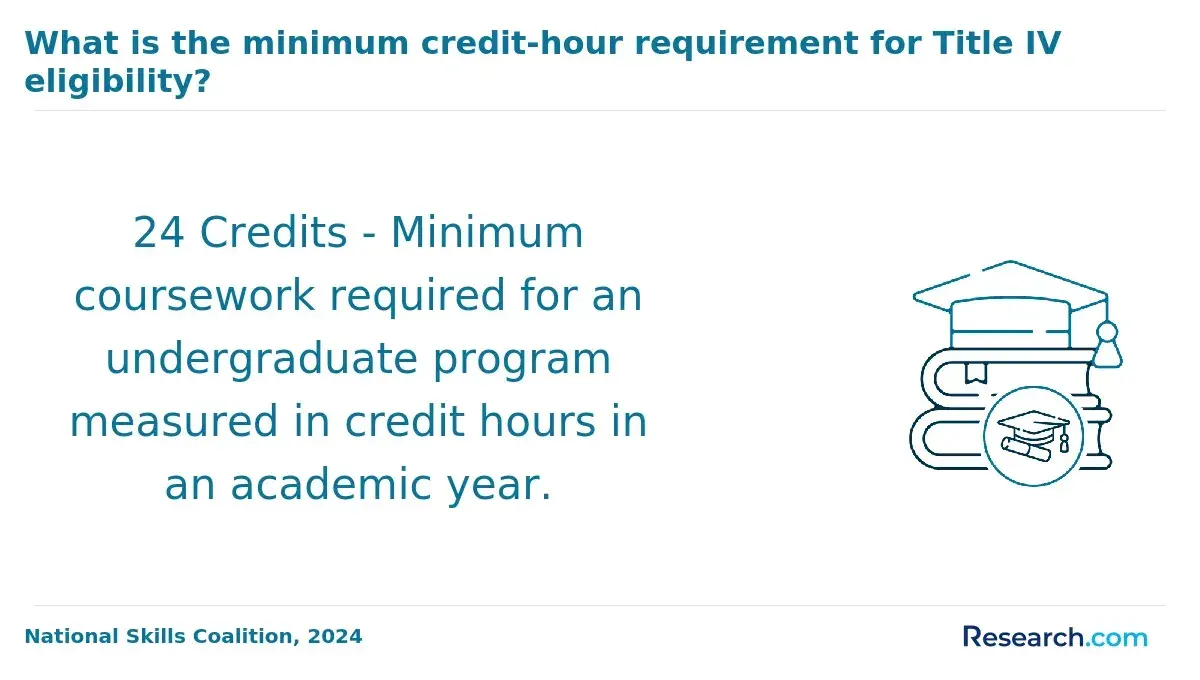
How Many Credit Hours Are Required for Fashion Merchandising Licensure by State?
Graduate credit hour requirements for fashion merchandising licensure differ across states, with most licensing boards requiring between 30 and 45 semester credit hours at the master's level. This range establishes the baseline for eligibility and professional preparation in the field. Below are five key factors that influence how many credits online fashion merchandising master's students must complete to comply with state licensing rules.
- Minimum Total Credit Hours: Nearly all states mandate a master's degree with a minimum of 30 graduate credits, though specific requirements may approach or exceed 45.
- State-Specific Variations: Each state's regulatory body sets its own threshold, so students should verify the exact credit-hour expectation applicable to their location.
- Credit Acceptance of Online Programs: Many states recognize credits earned entirely online, provided the institution is accredited and approved by the state's board, but confirming eligibility beforehand is essential.
- Consistency with Graduate Standards: Programs must align total credits with the state licensure criteria, ensuring all coursework fulfills advanced graduate-level benchmarks.
- Verification Prior to Enrollment: To prevent obstacles in obtaining licensure, prospective students must confirm their program meets local requirements, including credit hours and recognition of online formats.
Students exploring credit hour requirements for online fashion merchandising master's programs should also consider their degree's role in qualifying for some of the highest paying jobs in the industry.
Coursework requirements for fashion merchandising licensure differ across states, but around 70% of states with licensing rules outline specific academic standards for online master's programs. Licensing boards generally expect these programs to provide both practical skills and theoretical knowledge necessary for professional success. The following key coursework areas are commonly mandated by state licensure authorities:
- Retail Management: Emphasizes operational strategies and customer relations; some states require applied case study components to ensure real-world readiness.
- Fashion Marketing and Merchandising: Focuses on brand positioning and market dynamics; coursework often includes consumer behavior analyses essential for state compliance.
- Textile Science: Involves study of fabric characteristics critical for product decisions; certain states demand in-depth knowledge of material properties.
- Supply Chain and Inventory Control: Covers logistics and effective stock supervision; regulatory details can vary depending on state mandates.
- Business Ethics and Legal Issues: Addresses regulatory frameworks and ethical standards within retail; emphasis differs according to local laws.
Before enrolling, students should carefully review whether online programs explicitly cover these required topics to meet their state's licensure standards.
When asked about his experience, a licensed professional who completed an online fashion merchandising master's program shared insights on navigating the licensing process. He recalled that verifying course content alignment with his state's regulations was initially overwhelming, especially since some subjects required deeper legal and ethical understanding than expected. "I had to cross-check everything with the licensing board's guidelines to avoid missing critical elements," he explained. The flexibility of the online format helped him balance work and study, but the real challenge was ensuring the curriculum met state-specific demands. Ultimately, he felt confident that the program's targeted coursework gave him a solid foundation to pass licensure requirements and succeed professionally.
Completing supervised practicum and internship hours is essential for licensure eligibility in fashion merchandising, with requirements differing widely by state. Typically, candidates must fulfill between 400 and 1,200 supervised hours, depending on local regulations. These hours bridge theoretical knowledge with practical industry experience, a cornerstone for online master's programs aiming to meet licensure standards. The key training areas usually encompass the following:
- Practicum in Retail Merchandising: Involves direct involvement in managing product displays and customer interactions, sharpening operational expertise. Some states specify documentation and verification by licensed supervisors for these hours.
- Inventory and Supply Chain Management Internship: Focuses on mastering inventory control and vendor coordination, providing crucial insight into logistical operations vital for successful merchandising careers.
- Market Analysis and Trends Experience: Centers on evaluating consumer behavior and industry patterns, essential for developing strategic merchandising plans. Certain states may place greater emphasis on this area.
- Visual Merchandising Supervision: Requires practical application in designing compelling product presentations to boost sales, with supervised oversight ensuring professional standards are maintained.
- Ethics and Professional Practice Shadowing: Entails observing ethical business conduct and client relationships, increasingly emphasized in some state licensure processes to uphold integrity within the profession.
Online master's programs typically collaborate with approved retail entities and employ virtual supervision to fulfill these practicum components, ensuring flexibility while satisfying varied state-mandated supervised hour requirements.
Licensing exams are mandatory across all states for graduates of online master's degree programs in fashion merchandising, but the specific exams and passing criteria differ widely. About 60% of states administer a national exam, such as the National Fashion Merchandising Certification, while the remainder use state-developed exams tailored to local standards. These variations require graduates to thoroughly research licensure requirements in the state where they plan to work. Below are five important factors to consider regarding these exams.
- Exam Type: Some states mandate a national exam, while others have their own custom tests. This affects not only content but also the scope and difficulty of the exam, which students should confirm before enrolling in any program.
- Passing Score: Minimum passing scores fluctuate significantly by state, ranging from approximately 70% to as high as 85%. Prospective candidates need to verify these thresholds determined by their licensing board.
- Exam Format: Exams may be computer-based or paper-based, and a few states require practical assessments alongside written tests, impacting how candidates prepare.
- Retake Policies: States vary on how many retakes are allowed and mandatory waiting periods between attempts, both of which influence study strategies and timelines.
- Verification Process: Many states demand proof that the candidate's online master's program complies with specific curriculum standards before permitting exam registration, so confirming such program alignment is essential.
When discussing these distinctions with a graduate of an online fashion merchandising master's program gearing up for her state licensure exam, she reflected on the complexity encountered. She shared that navigating the differences was challenging but ultimately rewarding: "Knowing that my state required a unique exam format meant I had to adjust my study plan and materials significantly. It felt reassuring to confirm upfront that my program's curriculum met all local criteria, which made the application process smoother." Her experience highlights the critical importance of early research and tailored preparation for those pursuing licensure after online graduate studies.
Submitting a complete application for a fashion merchandising license demands precise documentation to confirm the applicant's qualifications. Industry reports indicate that nearly 30% of submissions encounter delays or rejections due to missing or improperly prepared paperwork. Below is a list of essential documents typically required for licensure.
- Official Transcript: This document verifies completion of the online master's degree and confirms the program's compliance with state educational standards. Graduates should ensure transcripts are official and, if necessary, sent directly to the licensing authority.
- Proof of Identity: A valid government-issued identification is necessary to establish the applicant's identity and legal status within the U.S. Adhering to notarization and state-specific requirements helps prevent processing issues.
- Signed Application Form: The properly completed form, including the applicant's signature, certifies the accuracy of the submitted information and acts as a formal request for licensing consideration.
- Professional Resume or CV: This outlines the applicant's relevant academic background and work experience. It supports eligibility by illustrating qualifications aligned with professional standards in fashion merchandising.
- Background Check or Fingerprint Report: Required by most states to confirm applicants meet ethical and legal standards, these reports must follow state guidelines for submission and verification.
Online master's program graduates should pay close attention to official formats and state-specific instructions for each document to avoid common pitfalls and facilitate a timely licensure process.
The timeline for obtaining a fashion merchandising license approval varies widely by state, influenced by factors such as application completeness and the processing speed of the licensing authority. On average, applicants can expect an approval period of about 6 to 12 weeks. Several elements contribute to this timeframe, impacting the overall efficiency of the licensure review process.
Key factors affecting average approval time for online fashion merchandising license applications include:
- Application Completeness: Submitting a thorough and accurate application is crucial. Incomplete or incorrect information typically causes delays, as applicants must provide missing details before processing continues.
- State Processing Speed: Each state's licensing board handles applications according to its own workflow and staffing. States with higher workloads or fewer resources may experience slower approvals.
- Background Check Requirements: Many states require criminal background checks or fingerprinting, which can extend wait times depending on the agencies involved and their efficiency.
- Document Verification: Verification of educational qualifications and any mandated supervised experience often involves third parties, adding to the overall processing duration.
- Licensing Board Meeting Schedules: Some states approve licenses only during scheduled board meetings, which may be monthly or quarterly, creating unavoidable waits between application submission and final approval.
For students pursuing an online master's degree in fashion merchandising, it is essential to meticulously verify all application materials and stay informed of their state's specific licensing timelines. Doing so can minimize delays and streamline the path to licensure. Prospective candidates may also benefit from exploring related fields, such as edd educational leadership, to broaden their understanding of program structures and approval processes.
Licensure costs for fashion merchandising differ widely by state and generally include several fees related to the application, examination, and initial licensure process. On average, total expenses range from $150 to over $500, reflecting varying state requirements. Below are five primary cost components that applicants should consider when examining fashion merchandising license application fees by state.
- Application Fee: This required fee covers the administrative processing of your licensure application. It typically ranges from $50 to $150, depending on the state's regulatory framework and processing expenses.
- Examination Fee: Often necessary to verify competency, this fee usually falls between $100 and $250. States with multiple or more rigorous exams charge toward the higher end of this spectrum.
- Initial License Fee: Once exams are passed and approvals granted, this fee activates your license. It commonly ranges from $100 to $200, varying according to state policies.
- Background Check Fee: Some states mandate fingerprinting or background investigations to ensure compliance and safety standards. These checks generally cost between $30 and $75, reflecting third-party service charges.
- Renewal Fee: Although separate from initial licensure, renewal fees maintain your license's active status. They are usually $50 to $150 annually or every two years, depending on state renewal intervals.
Being informed about these licensure expenses assists prospective students pursuing online fashion merchandising degree master's programs aligned with state licensure mandates. Investigating how much does fashion merchandising licensure cost in each state helps in budgeting for these essential fees.
For those interested in related fields, additional insights can be found in research about construction degrees and their cost structures and career pathways.
Moving a fashion merchandising license to another state after completing an online master's program involves meeting the unique requirements set by each state. Since only about 40% of states have reciprocity agreements allowing direct license transfer, graduates must thoroughly understand these differences before applying. Below are important factors to consider when planning a license transfer:
- Reciprocity Agreements: Determine if the new state accepts licenses from your current state. Reciprocity is limited and varies significantly, so confirming recognition before proceeding is crucial.
- Application Process: Each state mandates specific forms and documentation, often including proof of your online degree and current licensure. Familiarize yourself with these requirements early to avoid delays.
- Continuing Education: Some states require evidence of recent continuing education credits. These requirements can differ in subjects covered and the amount needed, so verify what the target state expects.
- License Standing Verification: Many states ask for official confirmation that your license is active and free of disciplinary actions. This typically involves submitting a letter or certificate from your current licensing board.
- Unique State Criteria: Additional conditions, such as background checks or ethics tests, may be imposed by some states regardless of prior licensure. Check for any extra steps that must be completed before approval.
Careful review of the destination state's licensing rules ensures a smoother transfer and helps online master's graduates maintain compliance when practicing fashion merchandising professionally across state lines.
What Graduates Say About Online Fashion Merchandising Degree Master's Programs That Meet State Licensure Requirements
- Aldo: "Choosing an online fashion merchandising master's degree was the best decision for me given my busy schedule and the need to meet my state's licensure requirements. The flexibility allowed me to balance work and study without compromising the depth of learning. Navigating state mandates was challenging at times, but the program's guidance made the process manageable and rewarding."
- Harry: "Completing my master's online in fashion merchandising gave me invaluable insight into state licensure regulations and industry standards. While fulfilling the practical requirements from a distance was demanding, the curriculum's focus on real-world applications helped bridge the gap. This degree truly elevated my career prospects and credibility within the competitive market."
- Micah: "As a licensed professional, I appreciate how my online fashion merchandising master's degree prepared me comprehensively for the licensure exam and state criteria. The program's structure was rigorous yet adaptable, making it easier to fulfill specific state obligations. Earning this degree not only enhanced my expertise but also boosted my confidence in advancing my professional journey."
Other Things You Should Know About Fashion Merchandising Degrees
Graduates with a master's in fashion merchandising can pursue roles such as brand managers, retail buyers, product developers, and merchandising directors. Many also work in fashion marketing, trend forecasting, and supply chain management, where their advanced knowledge helps businesses connect with consumers and optimize product lines.
While some online programs include internships or require practical experience, this varies by school and state licensure rules. Many programs offer virtual internships or partnerships with retail companies to provide hands-on training, essential for understanding real-world fashion merchandising environments.
Yes, if the program is approved by the state education agency and includes the required pedagogy coursework, supervised fieldwork, and any content-area credits the state mandates. In many states, teacher licensure also requires a passing score on tests such as Praxis and a background check.
- Online Master in Fashion Management | Rome Business School https://romebusinessschool.com/master-online-in-fashion-management/
- Fashion Merchandising & Retail Management, MPS https://catalog.limcollege.edu/preview_program.php
- Apparel and Textiles Merchandising Certificate https://www.ucmo.edu/academics/programs/undergraduate-certificates/apparel-and-textiles-merchandising/index.program.xml
- Fashion Merchandising and Design | Major, Minor https://www.cmich.edu/program/Fashion-Merchandising-and-Design-(Major-Minor)
- Digital Merchandising https://online.missouri.edu/degrees-programs/mu/arts-and-sciences/digital-merchandising/grad-cert
- Application Process https://www.fitnyc.edu/admissions/graduate-applicants/application-process.php
- Fashion Merchandising & Buying Course - Master | Polimoda Fashion School https://www.polimoda.com/courses/master/fashion-merchandising-buying/
- Why it Matters https://ps.sckans.edu/news/view/109/
- Fashion Merchandising and Retail Management, MPS https://www.limcollege.edu/academics/degrees/fashion-merchandising-and-retail-management-mps
- Fashion Design and Merchandising https://illinoisstate.edu/academics/fashion-design-merchandising-masters/


