2027 Online Entrepreneurship Associate Degree Programs That Do Not Require SAT or ACT Scores

Co-Founder and Chief Data Scientist
Students comparing online entrepreneurship associate degrees often face a practical admissions problem: their SAT or ACT scores are missing, outdated, or not strong enough to represent them well. The good news is that many associate-level business and entrepreneurship pathways now rely on transcripts, placement, and readiness support instead. National Student Clearinghouse data released in 2024 showed community college enrollment rising 5.9%, signaling renewed demand for flexible, career-focused credentials. This guide explains how no-test admissions work, which program types to consider, and how to apply confidently without standardized test scores.
Key Things to Know About Entrepreneurship Associate Degrees Without Testing Requirements
- Test-optional means SAT/ACT scores are not required but may be submitted; test-free means they are not considered; open-admission community and technical colleges often skip SAT/ACT requirements entirely for associate applicants.
- Most entrepreneurship associate degrees require about 60 credits and can usually be completed in two years of full-time study, with online formats often allowing part-time pacing for working students.
- Common App data released in 2024 showed fewer than half of applicants on its platform submitted test scores in the 2023-24 cycle, reinforcing a broader admissions shift toward transcripts, coursework, and placement measures.
Are test-optional or test-free programs common for online Entrepreneurship associate degrees?
Yes, no-test admissions are common for online entrepreneurship associate degrees, especially at community colleges, technical colleges, and open-access public institutions. At this level, colleges are usually trying to determine whether you are ready for college-level English, math, and business courses, not whether you can compete in a highly selective freshman class.
It helps to separate three admissions models because they affect how much preparation you need before applying.
| Admission model | What it means | How it affects entrepreneurship applicants |
| Test-optional | You may submit SAT or ACT scores, but they are not required. | Useful if your transcript is stronger than your test scores or if you never tested. |
| Test-free | The college does not use SAT or ACT scores in admission decisions. | Good for applicants who want the school to evaluate high school completion, GPA, coursework, and readiness instead. |
| Open admission | Applicants with a high school diploma, GED, or equivalent are generally admitted, though program placement rules may still apply. | Often the most direct route for online associate students, but you may still need placement advising or developmental coursework. |
The trend is strongest in associate programs because many are workforce-oriented and designed for students entering from high school, returning as adults, or changing careers. For entrepreneurship, that can be a strong fit: the degree typically emphasizes practical business planning, accounting basics, marketing, sales, customer discovery, and small-business operations rather than test-based admissions screening.
A test-optional program makes sense if your high school record, work experience, or motivation is stronger than your standardized testing history. A test-free or open-admission program may be better if you want the simplest path to enrollment and are willing to complete placement steps before registering for classes.
What are the best online Entrepreneurship associate programs without testing requirements?
The "best" online entrepreneurship associate program without SAT or ACT requirements is the one that is accredited, clearly online enough for your schedule, affordable after aid, and aligned with your goal, whether that is launching a small business, transferring to a bachelor's program, or building entry-level business skills. Because admissions policies and online availability can change, treat published school information as something to verify with an admissions advisor before applying.
The examples below are useful starting points because they reflect common no-SAT/ACT pathways at U.S. community and technical colleges offering entrepreneurship, small-business, or closely related associate-level business options online or in flexible formats.
| School or system | Relevant associate pathway | Why it may fit no-test applicants | Best for |
| Northcentral Technical College | Small Business Entrepreneurship Associate Degree | Technical college admission commonly focuses on high school completion, placement, and program readiness rather than SAT/ACT scores. | Students who want a direct small-business curriculum with online-friendly delivery. |
| Madison Area Technical College | Entrepreneurship or small-business associate pathway | Community and technical college applicants are typically evaluated through open-access admission steps and course placement. | Wisconsin students or online learners seeking a practical entrepreneurship credential. |
| Gateway Technical College | Small Business Entrepreneurship Associate Degree | Applicants can generally start through standard technical college admission and placement processes without relying on SAT/ACT scores. | Students who want applied training in business ownership and operations. |
| Cerro Coso Community College | Business entrepreneurship associate pathway | California community colleges generally use open-access admission for eligible applicants and separate placement from admission. | Students seeking a public community college route with transfer-aware business coursework. |
| Rio Salado College and Maricopa Community Colleges | Small business, management, or entrepreneurship-related associate options | Open-access community college admission can be a strong fit for applicants without national test scores. | Students who need highly flexible online business coursework. |
If you are open to a broader business pathway, an affordable online business degree can also lead into entrepreneurship, especially if the curriculum includes accounting, marketing, management, and business-plan development. This can be a better choice than a narrow entrepreneurship major if you may transfer later or want a wider range of entry-level business options.
Before you apply, confirm four things directly with the school: whether the entrepreneurship major is fully online or only partially online, whether SAT/ACT scores are required for admission or only optional for placement, whether out-of-state online students pay different tuition, and whether credits transfer into a bachelor's program. A program that looks convenient can become less valuable if it does not transfer well or if required courses are only offered on campus.
How do colleges handle no-test-score admission for Entrepreneurship associate programs?
Colleges that admit entrepreneurship associate students without SAT or ACT scores usually shift attention to proof of high school completion, prior coursework, placement readiness, and advising. This is often called holistic admission at selective schools and open-access enrollment at many public two-year colleges.
The table below shows the documents and checks commonly used when SAT or ACT scores are not part of the admission decision.
| Requirement | Why the college asks for it | What you should prepare |
| High school transcript or GED | Confirms you meet the basic education requirement for associate-level admission. | Official transcript, GED record, or homeschool documentation if applicable. |
| College transcripts | Helps evaluate transfer credit and academic standing if you previously enrolled elsewhere. | Official transcripts from every college attended, even if you did not finish. |
| Placement information | Determines whether you can begin college-level English, math, or accounting courses. | High school GPA, prior college grades, placement test results, or advisor-approved alternatives. |
| Residency and identity documents | Determines tuition classification and eligibility for certain aid or programs. | State residency details, legal name, date of birth, and identification documents requested by the school. |
| Program advising | Helps match you with the right course sequence for entrepreneurship, business, or transfer goals. | A short explanation of your goal, availability, and whether you plan to transfer. |
For entrepreneurship applicants, the most important issue is not whether the school ignores test scores; it is whether you can start in the courses that keep you on track. If your math placement is low, for example, you may need a support course before accounting or business statistics. That does not mean you are not admitted, but it can affect time to completion and total cost.
Students who may later continue into an online business administration degree should pay special attention to transfer pathways. A test-optional associate program can be a smart first step, but only if the credits apply cleanly toward the bachelor's degree you may want next.
Yes, placement tests can be used instead of SAT or ACT scores, but they usually serve a different purpose. SAT and ACT scores are admissions tests; placement tests are used after or during admission to decide which English, math, and sometimes reading courses you should take first.
Common placement tools include ACCUPLACER, ALEKS, school-created writing assessments, high school GPA review, and transcript-based placement. Some colleges let recent high school graduates use GPA or course grades instead of taking a placement exam, while adult learners may be asked to test if their transcripts are old or incomplete.
Placement matters in entrepreneurship because business courses often build on practical math and writing skills. You may need to write a business plan, calculate break-even points, read financial statements, estimate startup costs, and present market research. Strong placement can help you move directly into credit-bearing courses, while lower placement may add one or more support courses to your plan.
Before you assume a program is "no test," ask the school exactly which tests it means. A good admissions question is: "Are SAT or ACT scores required for admission, and are there separate placement requirements before I can register for business, accounting, or math courses?" That wording prevents confusion between admission testing and course placement.
Work experience can sometimes strengthen an application or support placement decisions, but it usually does not replace the basic requirement to show high school completion or equivalent preparation. In open-admission associate programs, work experience is more likely to help with advising, credit for prior learning, or choosing the right business electives than with formal admission.
This is especially relevant for adult learners who have already helped run a family business, managed employees, handled bookkeeping, sold products online, worked in retail supervision, freelanced, or started a side business. Those experiences can show motivation and practical readiness even if you do not have recent test scores.
If you have business or leadership experience, use it strategically during the application and advising process.
- Ask whether the college offers credit for prior learning, portfolio review, industry credentials, military training, or workplace training.
- Prepare a short summary of business-related duties, such as budgeting, customer service, scheduling, inventory, marketing, sales, or vendor communication.
- Tell the advisor whether your goal is self-employment, promotion, transfer, or a career change so they can recommend the right entrepreneurship or business pathway.
- Do not assume experience automatically shortens the degree; credit rules vary by institution, department, and accreditor.
Students with operational or team-leadership experience may also compare entrepreneurship with a project management degree, especially if they prefer coordinating people, budgets, timelines, and deliverables over launching a business. The better fit depends on whether your long-term goal is ownership, management, transfer, or a specialized business role.
Minimum GPA rules vary. Many open-admission community and technical colleges do not require a competitive GPA for general admission if you have a high school diploma, GED, or equivalent, but selective programs, scholarships, honors options, and transfer-focused pathways may use GPA thresholds.
For test-optional entrepreneurship associate programs, GPA is often most important because it can affect course placement, financial aid standing after enrollment, and scholarship eligibility. A weak GPA does not always block admission, but it may signal that you should strengthen your readiness plan before taking a full course load.
The table below can help you interpret your GPA situation without assuming every school uses the same cutoff.
| Academic profile | Likely admissions impact | Decision guidance |
| Strong GPA with no SAT/ACT scores | Usually a favorable profile for test-optional admission and transcript-based placement. | Apply now and ask whether your GPA can waive placement testing. |
| Average GPA with solid business-related courses | Often acceptable for open-admission programs, with placement review likely. | Apply, but be ready to discuss math and writing placement. |
| Low GPA but diploma or GED completed | May still qualify for open admission, though support courses may be recommended. | Consider part-time enrollment, tutoring, and an academic success plan. |
| Incomplete transcript or missing graduation proof | Can delay admission or financial aid processing. | Resolve documentation issues before focusing on program comparison. |
If your GPA is low, retaking the SAT or ACT is usually not the first solution for an associate entrepreneurship program unless the school specifically recommends it. You may get more value from completing a placement review, taking a refresher course, or starting with a manageable course load that helps you build college-level momentum.
Most online entrepreneurship associate programs do not require an admissions interview, especially at open-admission community and technical colleges. However, you may still have a required advising appointment, orientation session, program planning meeting, or financial aid consultation before you register for classes.
When interviews do occur, they are usually used for selective scholarships, cohort-based business programs, honors tracks, adult learner services, or special entrepreneurship incubator opportunities. The tone is often practical rather than intimidating: the school wants to understand your goals, schedule, readiness, and support needs.
If an interview or advising meeting is required, prepare for questions in these areas.
- Your reason for choosing entrepreneurship instead of general business, marketing, accounting, or management.
- Your experience with business tasks such as selling, customer service, budgeting, social media, inventory, or supervising others.
- Your weekly availability for online coursework, group projects, deadlines, and proctored assessments if required.
- Your plan for handling math, writing, technology, or time-management challenges.
- Your long-term goal, such as launching a business, growing a side venture, transferring to a bachelor's program, or qualifying for a promotion.
Avoid treating advising as a formality. For students without test scores, advising can determine whether you start in the right math course, choose the right business sequence, and avoid unnecessary credits that do not support your goal.
A test-optional policy is only one part of choosing a good online entrepreneurship associate degree. You also need to judge whether the program is credible, affordable, flexible, transfer-friendly, and realistic for your current academic readiness.
College Board's 2024 pricing data reported average published tuition and fees of $4,050 for in-district students at public two-year colleges for 2024-25. That figure does not include books, technology, fees, or living costs, but it shows why community college entrepreneurship pathways can be financially attractive compared with many four-year options.
Use the criteria below to compare programs beyond the phrase "no SAT or ACT required."
| Selection factor | Why it matters | Red flag to avoid |
| Accreditation | Regional or institutional accreditation affects financial aid, transfer, and employer trust. | A school that is unclear about accreditation or credits that rarely transfer. |
| Online delivery | Some "online" programs still require campus labs, proctored testing, or synchronous meetings. | Required in-person sessions you cannot realistically attend. |
| Entrepreneurship curriculum | Look for business planning, accounting, marketing, sales, legal basics, and operations. | A program that uses the entrepreneurship label but offers mostly unrelated electives. |
| Transfer pathway | Important if you may continue into a bachelor's degree later. | Credits that apply only as electives at common transfer universities. |
| Student support | Online students benefit from tutoring, advising, library access, career services, and tech support. | Limited support outside business hours if you study evenings or weekends. |
| Total cost | Tuition is only part of the price; fees, books, software, and repeated courses matter. | Choosing the cheapest tuition without checking required fees or transfer value. |
For students who are not fully committed to business ownership, a broader business pathway may be safer than a narrow entrepreneurship major. If you want transfer flexibility, compare entrepreneurship associate degrees with general business, management, accounting, and online business administration options before deciding.
Common mistakes include applying without confirming the test policy, assuming open admission means no placement requirements, choosing a school based on reputation alone, and ignoring whether credits transfer. A program is only a good investment if it fits your schedule, budget, academic starting point, and long-term plan.
Deadlines for test-optional online entrepreneurship associate programs are often more flexible than deadlines at selective four-year colleges, but they still matter. Many community and technical colleges use rolling admission, multiple start dates, or semester-based entry, while financial aid and scholarship deadlines may arrive earlier than the course registration deadline.
The table below summarizes common deadline types so you can avoid being admitted too late to get the schedule, aid package, or placement review you need.
| Deadline type | Why it matters | Typical planning concern |
| Application deadline | Determines whether you can be admitted for the next term. | Rolling admission can still close once classes fill. |
| Transcript deadline | Official records may be needed before placement, transfer credit, or financial aid review. | High schools and prior colleges may take days or weeks to send records. |
| Placement deadline | Math and English placement can affect your first-semester schedule. | Waiting too long may leave you with limited course options. |
| Financial aid deadline | FAFSA processing, verification, and state aid can take time. | Late filing may reduce access to grants, work-study, or payment planning. |
| Scholarship deadline | Institutional scholarships may close before general admission deadlines. | Test-optional applicants may still need essays, GPA records, or recommendations. |
| Registration deadline | Controls whether you can enroll in the courses you need. | High-demand online sections can fill before the term begins. |
If you want to start quickly, ask whether the school has late-start courses, eight-week sessions, or multiple online terms. If speed is a major priority, compare associate options with an accelerated business degree online, but be realistic: accelerated pacing can be difficult if you also need placement support, work full time, or have been out of school for several years.
A practical target is to apply at least several weeks before the term begins, even at rolling-admission schools. That gives you time to submit transcripts, complete placement, file financial aid forms, meet with an advisor, and choose courses that fit your work and family schedule.
How can you prepare to apply for Entrepreneurship associate programs if you don't have SAT/ACT scores?
You can prepare a strong application without SAT or ACT scores by making the rest of your profile clear, complete, and easy for the college to evaluate. The goal is to remove uncertainty: prove that you meet admission requirements, understand the program, and are ready for online college work.
Follow these steps before submitting applications or scheduling advising appointments.
- Request official high school, GED, homeschool, and prior college records early so missing documents do not delay admission or financial aid.
- Confirm whether the program is test-optional, test-free, or open admission, and ask whether placement testing is separate from admission.
- Review the degree plan and identify courses that may require math, accounting, writing, presentations, or group projects.
- Prepare a short goal statement explaining why you want entrepreneurship and whether you plan to launch a business, transfer, or improve job options.
- List relevant experience, including part-time work, family business duties, selling online, volunteering, leadership, budgeting, customer service, or marketing tasks.
- Check technology requirements for online learning, including webcam rules, proctoring, learning platform access, software, and reliable internet.
- Compare total cost after financial aid, not just tuition, and include books, fees, software, and any required campus visits.
- Meet with an advisor before registering so your first courses match your placement results and long-term plan.
If you are worried about academic readiness, do not wait until classes begin to seek help. Ask about tutoring, writing support, math refreshers, online orientation, disability accommodations, and first-year success courses. These supports can matter more than test scores once you are enrolled.
Retaking the SAT or ACT usually makes sense only if a specific school, scholarship, or transfer plan rewards strong scores. For many online entrepreneurship associate programs, your time may be better spent completing documentation, improving placement readiness, and choosing a program with strong online support.
Other Things You Should Know About Entrepreneurship
They can be, especially when the school is accredited and the curriculum includes practical business skills such as accounting, marketing, sales, and operations. Employers usually care more about the institution, skills, experience, and results than whether you submitted SAT or ACT scores during admission.
Yes, if the school is eligible for federal student aid and you meet aid requirements. Complete the FAFSA, check state aid programs, and ask the college about scholarships for business, adult learners, first-generation students, or online students.
No. Test-optional or test-free admission is not printed on your diploma or transcript. Your record will show the credential earned, courses completed, grades, credits, and institution, not whether standardized scores were used in admission.
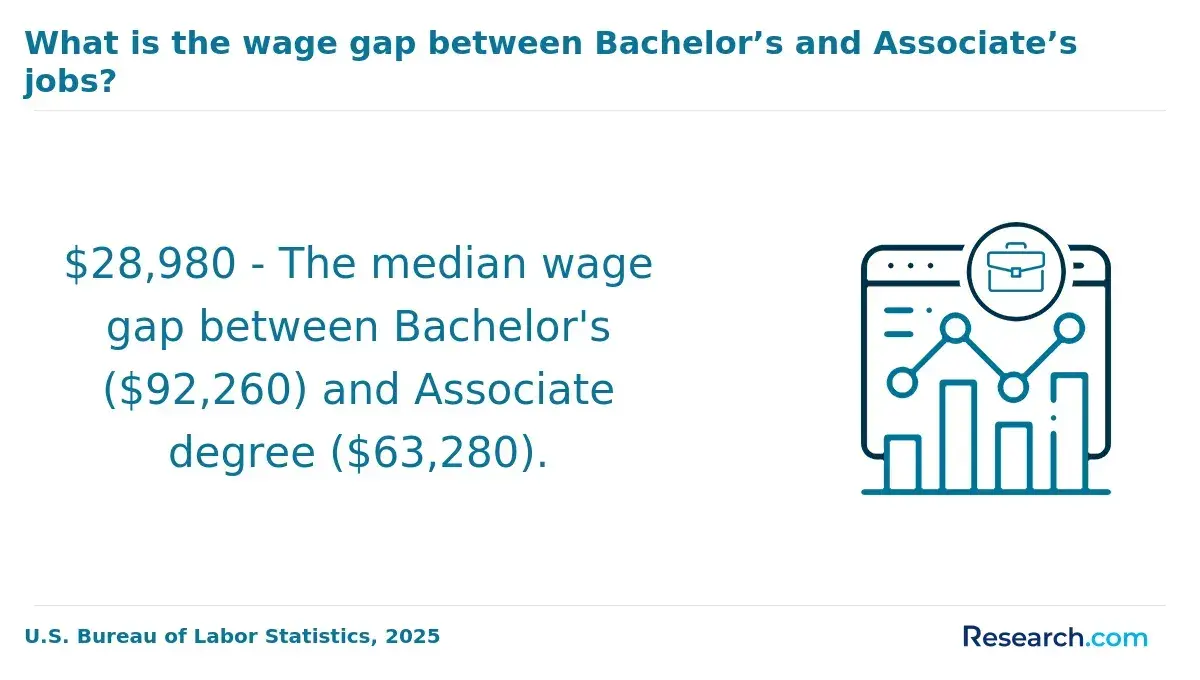
It may support entry-level or advancement paths in small-business operations, retail management, sales, customer service leadership, marketing support, bookkeeping support, or self-employment. According to U.S. Bureau of Labor Statistics data for May 2024, business and financial occupations had a median annual wage of $80,920, but associate-level outcomes vary widely by role, experience, location, and industry.
- Test-Optional to Test-Preferred: Why SAT/ACT Scores Matter Again in 2025 College Admissions — Score At The Top https://www.scoreatthetop.com/blog/z2idsad5po7h0et0kbdn44z4x7zxbt
- Admissions https://esmt.berlin/mba-programs/full-time-mba/admissions
- Online MBA Entrepreneurship & Innovation Degree + Best AACSB No GMAT | OnlineMBAPage.com https://onlinembapage.com/entrepreneurship-mba/
- Top 75 Great Value Colleges for an Online Associate in Business Administration https://www.greatvaluecolleges.net/rankings/online-associates-business-administration-degree/
- What Are the Requirements to Get Into Business School Graduate Program? https://freemannews.tulane.edu/2025/01/30/what-are-the-requirements-to-get-into-business-school-graduate-program
- Online Associate Business Degrees | University of Phoenix https://www.phoenix.edu/online-business-degrees/associate.html
- Admissions Requirements https://www.clarkson.edu/academics/schools-colleges/business/graduate-programs/admissions-requirements-graduate-business-programs
- Requirements https://www.hec.edu/en/mba-executive-mba/mba/admissions/requirements
- How to Get Into Business School https://www.allbusinessschools.com/how-to-get-into-mba-program/
- Affordable Associate Degrees Online https://www.accreditedschoolsonline.org/online-colleges/affordable-associate-degrees/