2027 Online Digital Photography Associate Degree Programs That Do Not Require SAT or ACT Scores

Co-Founder and Chief Data Scientist
Applicants to online digital photography associate programs often need a clear path when SAT or ACT scores are missing, outdated, or not strong enough to support the application. Test-optional and test-free policies matter because many colleges now evaluate readiness through transcripts, placement tools, portfolios, and advising instead. FairTest reported that more than 1,900 U. S. bachelor-degree-granting institutions did not require ACT/SAT scores for fall 2025 admission, reflecting a broader shift in admissions. This guide helps high school students, recent graduates, and adult learners apply with confidence.
Key Things to Know About Digital Photography Associate Degrees Without Testing Requirements
- Test-optional means you may choose whether to submit SAT/ACT scores; test-free means the college does not use them at all, while open-admission associate programs often rely on a diploma, GED, placement, and advising instead.
- Common App's 2023-24 end-of-season report, released in 2024, showed that about 47% of applicants reported test scores, which means applying without scores is now common rather than unusual.
- The strongest no-score applications usually include a solid high school transcript, evidence of visual or creative work, readiness for college writing and math, and confirmation that the online photography program is accredited and transfer-friendly.
Are test-optional or test-free programs common for online Digital Photography associate degrees?
Yes, no-test-score admission is common for online digital photography associate degrees, especially at community colleges, open-admission institutions, and adult-focused online colleges. Associate programs are usually designed to expand access, so they often care more about whether you have completed high school or earned a GED and whether you are academically ready for college-level coursework.
For this topic, the terms matter. Test-optional means SAT or ACT scores may be submitted but are not required. Test-free means scores are not considered, even if you have them. Open admission generally means applicants with a recognized high school credential can be admitted, though they may still need placement tests, advising, orientation, or prerequisite support.
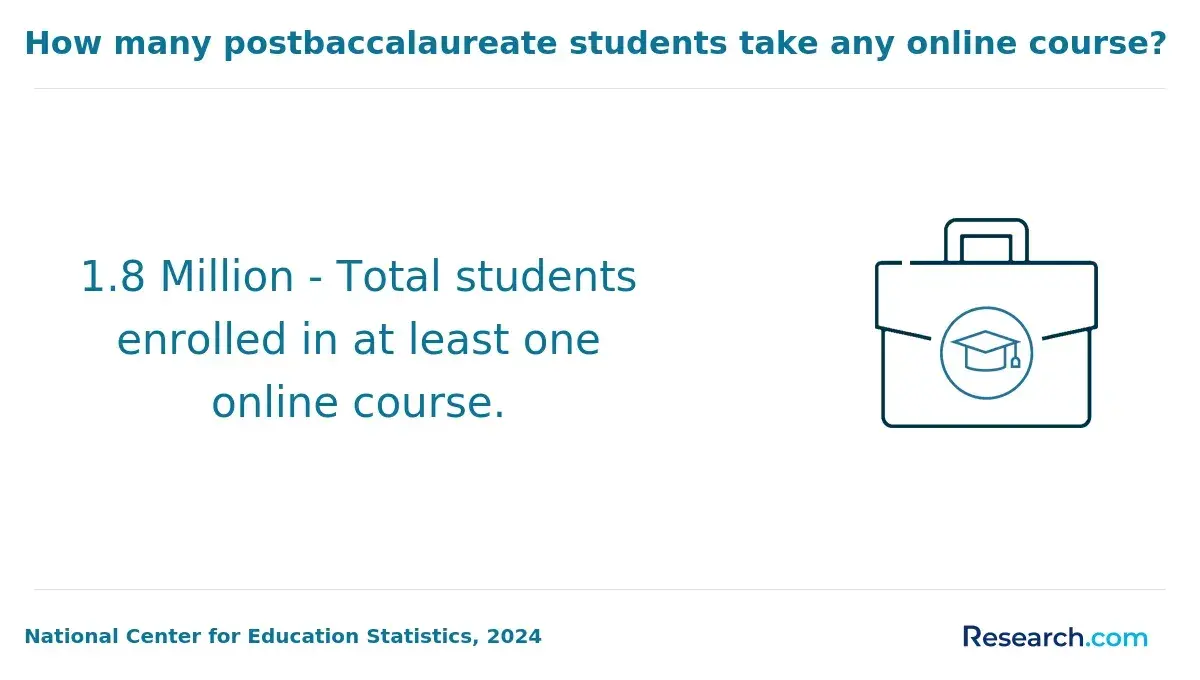
NCES distance education reporting released in 2024 shows that a large share of U.S. undergraduates continued taking at least one online course after the emergency remote-learning period. For a prospective photography student, that matters because online delivery is no longer a niche option; it is a mainstream format colleges have had time to support with learning management systems, virtual critique spaces, file-sharing tools, and online academic advising.
The trade-off is that "no SAT/ACT required" does not mean "no standards." Digital photography coursework may involve image editing, visual composition, digital asset management, art history, business practices, and general education requirements. If your transcript shows weak writing, math, or technology preparation, the college may still admit you but place you into support courses first.
Students who are also comparing creative business paths may want to look beyond photography alone. For example, programs in visual communication, content marketing, and social media degree programs can overlap with photography careers that involve brand content, product imagery, and digital campaigns.
What are the best online Digital Photography associate programs without testing requirements?
The best program is not simply the one with the most recognizable name. For a student applying without SAT or ACT scores, the better fit is a program that clearly publishes its admissions policy, offers online studio-style support, has appropriate accreditation, and matches your goals in photography, editing, transfer, or freelance work.
The table below summarizes examples of U.S. online or online-friendly associate-level photography programs that have historically aligned well with no-SAT/ACT pathways. Always confirm current admissions rules directly with the college before applying because testing, placement, and program availability can change.
| School | Program type | SAT/ACT fit | Best for | Important note |
| Southern New Hampshire University | Online Associate of Arts in Digital Photography | No SAT/ACT scores are typically required for undergraduate admission | Students who want a fully online, transfer-oriented photography associate degree | Check technology, camera, and software expectations before enrolling |
| Academy of Art University | Online Associate of Arts in Photography | Admissions pathways generally emphasize prior education rather than SAT/ACT scores | Students seeking a studio-focused art school environment online | Review total cost, transfer policies, and portfolio expectations for later study |
| Sessions College | Online associate-level digital photography program | Designed for online creative students and generally does not center admission on SAT/ACT scores | Students who want a career-focused online creative curriculum | Confirm accreditation type and how credits may transfer to bachelor's programs |
| Dakota College at Bottineau | Photography-focused associate pathway with online coursework options | Community-college-style admission may not require SAT/ACT for entry, though placement may apply | Students seeking a public college option with career and transfer potential | Verify whether the exact photography courses you need are available fully online in your intended term |
Use this list as a starting point, not a final ranking. A program that is excellent for a student planning to transfer into a bachelor's degree may not be the best option for someone who wants to start freelancing quickly, build an e-commerce product photography portfolio, or combine photography with marketing work.
When comparing options, prioritize the factors that affect both admission and long-term value. A practical shortlist should include programs that meet most of these conditions:
- The college clearly states that SAT/ACT scores are not required for admission to the online associate program.
- The program includes digital photography courses, not only broad art or general studies electives.
- The curriculum teaches editing workflow, lighting, composition, visual storytelling, and portfolio development.
- The institution is accredited by a recognized accreditor, and transfer policies are published.
- The online format includes instructor feedback, peer critique, and access to academic or technical support.
- The total cost makes sense after financial aid, fees, software, camera equipment, and transfer plans are considered.
How do colleges handle no-test-score admission for Digital Photography associate programs?
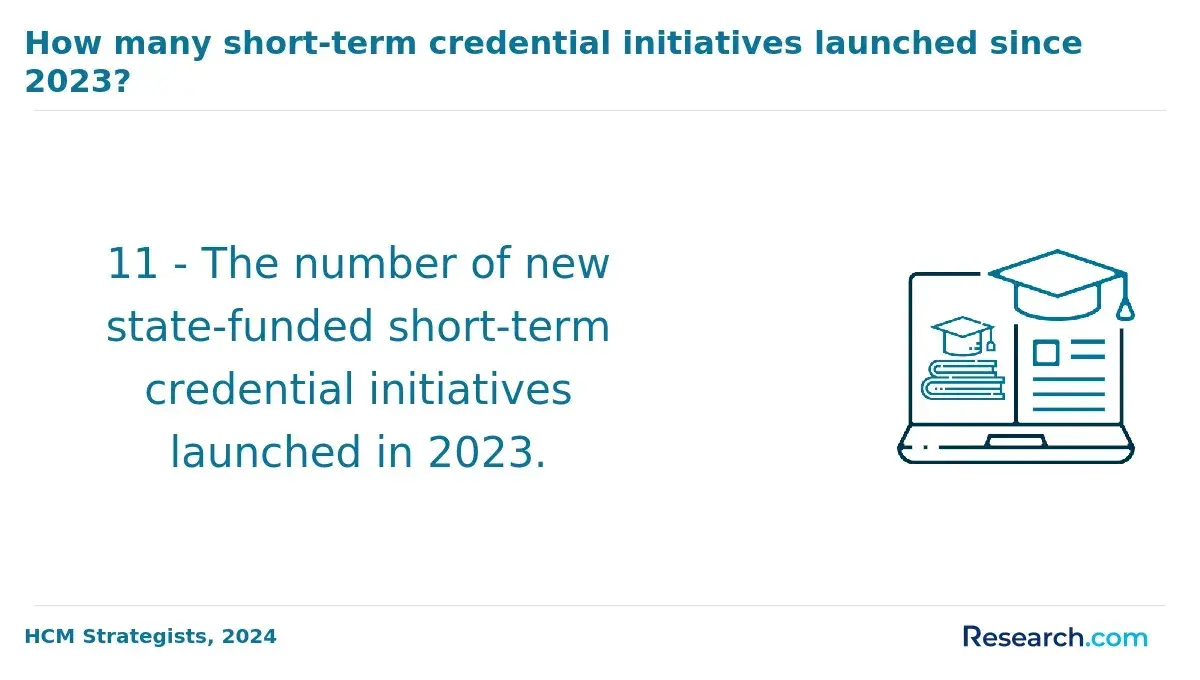
Colleges that admit digital photography associate students without SAT or ACT scores usually shift attention to other evidence of readiness. They are trying to answer two questions: whether you meet basic admission eligibility and whether you are prepared to succeed in first-term courses.
Instead of standardized test scores, admissions and advising teams commonly review the following materials. These items help the college place you appropriately and identify support before classes begin.
| Requirement or review item | How it is used | What it means for applicants without scores |
| High school transcript or GED | Confirms completion of secondary education and may show course readiness | Grades and course patterns may matter more when test scores are absent |
| College transcripts | Evaluates transfer credit and prior academic performance | Prior credits can reduce course load and strengthen the application |
| Placement assessment | Determines writing, reading, or math course placement | It may affect first-semester classes but is not the same as an SAT/ACT requirement |
| Portfolio or sample work | May be used for advising, scholarship review, or advanced placement in creative courses | A simple, organized portfolio can show motivation even when not required |
| Admissions advising | Clarifies goals, technology needs, and course sequencing | It can help students avoid enrolling in the wrong program format |
Holistic review is also becoming more common in test-optional admissions. In practice, that means colleges may look at grades, course rigor, personal goals, prior work, military training, creative experience, or life circumstances together rather than treating a single score as the main filter.
Students should avoid one common mistake: assuming that test-optional admission makes the rest of the application unimportant. If you do not submit scores, your transcript, application accuracy, and communication with admissions become more visible. Missing documents or vague goals can slow down admission even at schools with flexible policies.
Yes, placement tests can often be used instead of SAT or ACT scores, but they serve a different purpose. SAT and ACT scores are traditionally used for admissions review, while placement tests are usually used after application to decide which English, math, or reading courses you should take first.
For digital photography students, placement matters because associate degrees still include general education courses. Even if your major courses focus on cameras, lighting, editing, and visual storytelling, you may need college writing, quantitative reasoning, communication, or business-related classes to graduate.
Placement can lead to several outcomes. Understanding these possibilities helps you interpret a placement requirement without assuming it is a barrier to admission.
- You may be placed directly into college-level English or math if your transcript or placement results show readiness.
- You may be placed into a corequisite support model, where you take a college-level course with added help.
- You may need a developmental or refresher course before taking a required general education class.
- You may be exempt from placement testing if you have prior college credit, qualifying high school grades, AP credit, or other approved documentation.
Do not treat placement testing as a reason to delay your application automatically. If the program is open admission or test-optional, applying first may connect you with an advisor who can explain whether you need placement and how it affects your first-term schedule.
Work experience can strengthen your application, but it usually does not replace the basic academic requirement of a high school diploma, GED, or equivalent credential. For adult learners, however, professional or creative experience can help admissions staff, faculty advisors, and scholarship reviewers understand why you are ready for a photography program even without test scores.
Relevant experience may include freelance photography, social media content creation, yearbook work, retail product photography, event coverage, military media training, customer-facing creative work, or self-taught editing practice. The value is not just that you have taken photos; it is that you can show discipline, feedback, deadlines, and improvement.
If you have work experience, present it in a way that supports your readiness rather than simply listing tasks. The following items are especially useful for adult applicants and recent graduates with nontraditional backgrounds:
- A short resume that highlights creative, technical, customer service, and project-based responsibilities.
- A small portfolio with 8 to 12 images that show range, consistency, and basic editing judgment.
- A brief goal statement explaining whether you want transfer preparation, freelance skills, studio work, or marketing-related photography skills.
- Evidence of software exposure, such as Adobe Lightroom, Photoshop, Capture One, Canva, or other editing and asset-management tools.
- References from supervisors, teachers, clients, or mentors who can speak to reliability and follow-through.
Work experience can be especially powerful if you plan to connect photography with business, marketing, or operations. Students thinking about creative production management may also compare photography training with a project management degree, especially if they want to coordinate campaigns, studios, shoots, or creative teams in the future.
Sometimes, but many online digital photography associate programs either use open admission or set a modest minimum academic requirement. The exact GPA rule depends on the college, the program, and whether you are applying as a first-time student, transfer student, homeschooled student, or adult learner.
GPA matters more when SAT/ACT scores are not submitted because it becomes one of the clearest indicators of academic consistency. A strong GPA can reassure a college that you are ready for online coursework. A weaker GPA does not always block admission, but it may lead to placement testing, advising requirements, limited course loads, or academic support during the first term.
The table below shows how different GPA situations may affect your application strategy. It is not a universal admissions rule, but it can help you decide whether to apply now or strengthen your record first.
| Academic profile | Likely application concern | Best next step |
| Strong overall GPA with completed English and math | Admissions concern is usually low if documents are complete | Apply to several accredited online programs and compare transfer value |
| Mixed grades but improvement in later semesters | College may want to see readiness and consistency | Highlight the upward trend and ask whether placement or advising is required |
| Low GPA with missing core courses | First-term success may be the main concern | Consider open-admission colleges, corequisite support, or a lighter first-term load |
| GED or homeschool background | Documentation and placement may need extra review | Confirm accepted records and ask how writing and math placement are handled |
| Prior college credit | Transfer GPA and course applicability may matter more than high school grades | Send official transcripts early and request a transfer evaluation |
If your GPA is weak, retaking the SAT or ACT is rarely the only solution for associate-level photography programs. In many cases, you will get more value from completing missing documents, preparing for placement, taking a community college starter course, or building a stronger academic plan with an advisor.
Most online digital photography associate programs do not require a formal admissions interview, particularly if they follow open-admission or broad-access policies. However, many colleges require or strongly encourage an admissions conversation, advising appointment, or enrollment call before registration.
These conversations are not usually designed to reject applicants. They are meant to confirm that you understand the online format, technology expectations, tuition and fees, transfer options, and course sequence. For photography students, that can be important because equipment, software, file storage, and critique participation affect the learning experience.
You should take advising seriously even when it is not selective. Before the call, prepare a few direct questions so you can identify whether the program fits your goals.
- Is the digital photography associate program fully online, or are any studio, internship, or campus requirements involved?
- Are SAT or ACT scores completely optional, ignored, or required only for placement exemptions?
- What camera, computer, storage, and software tools are expected in the first semester?
- How do online critiques work, and how often do students receive instructor feedback?
- Will the associate degree transfer into related bachelor's programs in photography, design, marketing, or visual communication?
- Are portfolio reviews used for admission, scholarships, course placement, or graduation only?
A red flag is an enrollment conversation that focuses only on starting quickly without answering questions about accreditation, costs, transfer, or support. Fast admission can be helpful, but it should not replace careful program evaluation.
Look for a program that treats no-test-score admission as one part of a larger student-support system. The best fit should help you enter without unnecessary testing barriers while still giving you the technical, creative, and academic structure needed to complete the degree.
Program quality is especially important in photography because career value depends heavily on demonstrable skills and portfolio strength. BLS wage data updated with May 2024 figures reported a median annual wage of $42,520 for photographers in the U.S.; this figure is not a guarantee for degree holders, but it shows why students should evaluate cost, skills, and portfolio outcomes carefully before borrowing or enrolling.
The table below compares selection criteria that matter most when choosing a no-SAT/ACT online photography associate program. Use it to separate convenience from real educational value.
| Selection factor | Why it matters | Potential red flag |
| Accreditation | Affects financial aid eligibility, transfer, and employer confidence | The school is vague about accreditation or uses unfamiliar claims without documentation |
| Curriculum depth | Shows whether the program teaches photography as a discipline, not just software use | Few actual photography courses appear in the degree plan |
| Portfolio development | Helps students show work to clients, employers, or transfer schools | No structured critique, capstone, or portfolio review is included |
| Online student support | Improves the chance of staying on track in a remote format | Advising, tutoring, or technical help is unclear or limited |
| Transfer pathway | Important if you may pursue a bachelor's degree later | Credits do not transfer easily or the school will not provide transfer guidance |
| Total cost | Determines whether the credential fits your expected career path | Tuition looks affordable but fees, software, and equipment are not disclosed |
Students interested in combining photography with campaign planning, brand content, or creative operations may also compare options outside the arts department. An affordable project management degree online can be relevant for learners who want to manage photo shoots, creative timelines, clients, vendors, or digital production workflows.
Do not choose a program based on ranking, speed, or tuition alone. A low-cost program with weak feedback and poor transfer options may cost more in the long run if you need to repeat credits or rebuild your portfolio elsewhere.
Deadlines vary widely because online associate programs may use rolling admission, monthly starts, eight-week terms, semester starts, or cohort-based schedules. Test-optional policies can make applying simpler, but missing document, financial aid, or registration deadlines can still delay your start date.
For planning purposes, separate the application deadline from the enrollment deadline. You may be admitted quickly, but you still need time for transcript processing, placement, financial aid review, advising, technology setup, and course registration.
The timeline below gives a practical planning window for students applying without SAT or ACT scores. Use it as a checklist to avoid last-minute problems.
- Eight to twelve weeks before your preferred start date, identify accredited online digital photography associate programs and confirm that SAT/ACT scores are not required.
- Six to eight weeks before the start date, request official high school, GED, homeschool, or college transcripts because processing can take longer than expected.
- Four to six weeks before the start date, complete the admission application and ask whether placement testing, orientation, or advising is required.
- Three to five weeks before the start date, file or update the FAFSA if you plan to use federal financial aid and confirm whether equipment or software costs are covered.
- Two to four weeks before the start date, meet with an advisor, register for courses, and confirm your camera, computer, editing software, and internet requirements.
- One to two weeks before classes, log into the learning platform, review syllabi, and organize storage for large image files.
Rolling admission can be convenient, but it can also tempt students to rush. If your transcript is incomplete, your technology setup is not ready, or your financial aid is unresolved, starting one term later may be the better decision.
How can you prepare to apply for Digital Photography associate programs if you don't have SAT/ACT scores?
Preparation should focus on proving readiness in ways that matter for an associate-level photography program. Since you are not relying on test scores, your goal is to make the rest of the application complete, coherent, and aligned with the program's expectations.
Start by checking whether you are applying to an open-admission, test-optional, or test-free program. Then build an application package that reduces uncertainty for the college and helps you choose the right first-term schedule.
- Request unofficial transcripts first so you can review grades, missing courses, name mismatches, and graduation status before sending official documents.
- Create a basic photography portfolio, even if it is not required, using a small set of images that show composition, lighting, editing restraint, and visual variety.
- Write a short goal statement explaining why you want the associate degree and whether your goal is transfer, employment, freelancing, or creative business development.
- Ask admissions whether SAT/ACT scores are optional for admission only or also used for placement exemptions, scholarships, or honors eligibility.
- Prepare for placement by reviewing college writing basics, reading comprehension, and math topics rather than trying to retake a national exam unnecessarily.
- Compare total cost, including tuition, fees, camera equipment, editing software, cloud storage, printing, and any required subscriptions.
- Confirm transfer agreements if you may continue into a bachelor's degree in photography, design, marketing, media, or visual communication.
Students who want photography skills for brand, e-commerce, or content strategy should also compare the degree against related business and marketing pathways. For example, a cheapest online marketing degree search can help longer-term planners understand how visual content skills may connect with broader marketing education later.
Finally, be realistic about fit. A test-optional digital photography associate degree is a strong option if you are ready to learn online, accept critique, manage files carefully, and practice consistently. It may not be the right first step if you need extensive academic remediation, cannot yet access required technology, or are unsure whether you want photography as a serious area of study.
Other Things You Should Know About Digital Photography
Yes, SAT or ACT scores are generally not required for federal financial aid. Eligibility usually depends on factors such as the school's accreditation, your FAFSA information, enrollment status, citizenship or eligible noncitizen status, and satisfactory academic progress.
Employers typically do not see whether you submitted SAT or ACT scores. For photography-related roles, they are more likely to evaluate your portfolio, editing skills, reliability, client communication, and ability to deliver usable images.
They can, but transfer is not automatic. Regionally accredited colleges with published transfer pathways usually provide clearer options, while highly specialized or nationally accredited programs may require closer review by the receiving school.
Not always. Many programs list minimum camera, computer, and software requirements after admission or before the first photography course. Before buying equipment, ask the program which camera features are required so you do not overspend or purchase incompatible gear.
- Can You Get Financial Aid For Online College? | AccreditedSchoolsOnline https://www.accreditedschoolsonline.org/financial-aid/
- Online Photography Degrees https://www.affordablecollegesonline.org/degrees/best-online-bachelors-in-photography-programs/
- The Photography Institute https://www.thephotographyinstitute.com/us/en/course
- Computer graphic arts - digital photography https://www.starkstate.edu/academics/explore-all-programs/digital-photography-major/
- Online Photography Degree | Associate Degree (AOS) https://www.sessions.edu/online-degrees/digital-photography/
- SAT and ACT Policies and Score Ranges for Popular Colleges and Universities https://www.compassprep.com/college-profiles/
- 2025 Most Affordable Online Associate Degrees https://www.onlineu.com/most-affordable-colleges/associate-degrees
- Can You Get Financial Aid for Online College? Finding Out https://beal.edu/can-you-get-financial-aid-for-online-college/
- Colorado's College for Photography - Colorado Mountain College https://coloradomtn.edu/programs/professional-photography/
- Accredited Online Photography Degree Programs https://www.accreditedonlinecolleges.org/photography/