2027 Online Data Science Degree Programs With No Letters of Recommendation Required

Co-Founder and Chief Data Scientist
Applicants who lack recent professors or supervisors often want an online data science degree without the delay and uncertainty of securing recommendation letters. These programs can be practical for working adults, career changers, and transfer students, but "no letters required" does not mean no admissions standards.
The U.S. Bureau of Labor Statistics reports a $112,590 median annual wage for data scientists in May 2024, making program quality and career alignment especially important. This guide explains how to find, verify, compare, and apply to credible online options.
Key Things You Should Know
- No letters of recommendation required means every applicant can submit without letters; it is different from letters that are optional, waived only for certain applicants, or requested after review.
- Legitimate online programs may still require official transcripts, a minimum GPA, math or programming prerequisites, a resume, a statement, placement evidence, or prior college credit; recommendation-free admissions are not guaranteed admissions.
- Compare institutional accreditation, total tuition, curriculum, student support, transfer rules, and outcomes - not just application convenience. Data scientists had a $112,590 median annual wage in May 2024, but a degree alone does not guarantee a role or salary.
Which Online Data Science Degree Programs Require No Letters of Recommendation?
Online data science programs without recommendation letters are most common at the undergraduate level and in adult-focused institutions with standardized admissions. Some master's programs also use transcript- or performance-based review, but graduate policies vary more widely and may change by term.
Start with the program-specific admissions page rather than a university-wide graduate admissions page. A school may waive letters for one online degree while requiring them for a related analytics, computer science, or on-campus program.
| Program type | Where no-letter policies are more common | What to confirm |
| Online bachelor's degree | Transfer-friendly and adult-serving universities | High school or college transcript policy, placement requirements, and transfer evaluation |
| Online master's degree | Professional, applied, or performance-based programs | Whether the policy applies to all applicants and whether a resume, essay, or prerequisites replace letters |
| Degree-completion program | Programs designed for applicants with prior credits | Minimum transferable credits, residency requirement, and major-course transfer limits |
Examples of schools that have historically used streamlined online admissions for some data or analytics pathways include competency-based and adult-serving institutions, but applicants should not rely on old lists. Ask an admissions representative to confirm in writing: "Are recommendation letters required, optional, or waived for the exact online data science degree and start term I am applying to?"
Students seeking a compressed graduate format can also compare 1 year online masters options, while confirming that an accelerated schedule still includes the statistics, programming, and machine-learning preparation employers expect.
What Are the Admission Requirements for Online Data Science Degree Programs With No Recommendation Letters?
A no-recommendation application is usually a streamlined application, not an application with fewer academic expectations. Schools use documents that they can assess consistently across applicants, particularly for online programs serving students with varied educational histories.
The following materials commonly replace or supplement recommendation letters. Requirements differ by degree level, prior education, and whether an applicant needs prerequisite coursework.
| Common requirement | What it helps admissions assess | Typical applicant action |
| Official transcripts | Prior coursework, grades, degree completion, and GPA | Request records early from every college attended |
| Quantitative prerequisites | Readiness for statistics, calculus, linear algebra, or programming | Document completed courses or ask about approved equivalents |
| Resume or work history | Technical experience, professional maturity, and career context | Describe tools, projects, and measurable responsibilities accurately |
| Statement of purpose | Goals, preparation, and fit with the curriculum | Explain a specific data-focused goal and any preparation gaps |
| Test or skills assessment | Academic readiness when transcripts are limited or older | Verify whether it is required, optional, or used for placement |
For a bachelor's program, applicants may need a high school diploma or equivalent and may be asked for prior college transcripts. For a master's program, a completed bachelor's degree is generally required; schools may also expect coursework in statistics, programming, or quantitative methods. A GRE-free policy is separate from a no-letter policy, so verify both.
Do not assume that a general technology credential satisfies data science preparation. Data science curricula commonly combine Python or R, SQL, probability, statistical modeling, machine learning, data visualization, ethics, and communication.
Are Online Data Science Programs With No Letters of Recommendation Easier to Get Into?
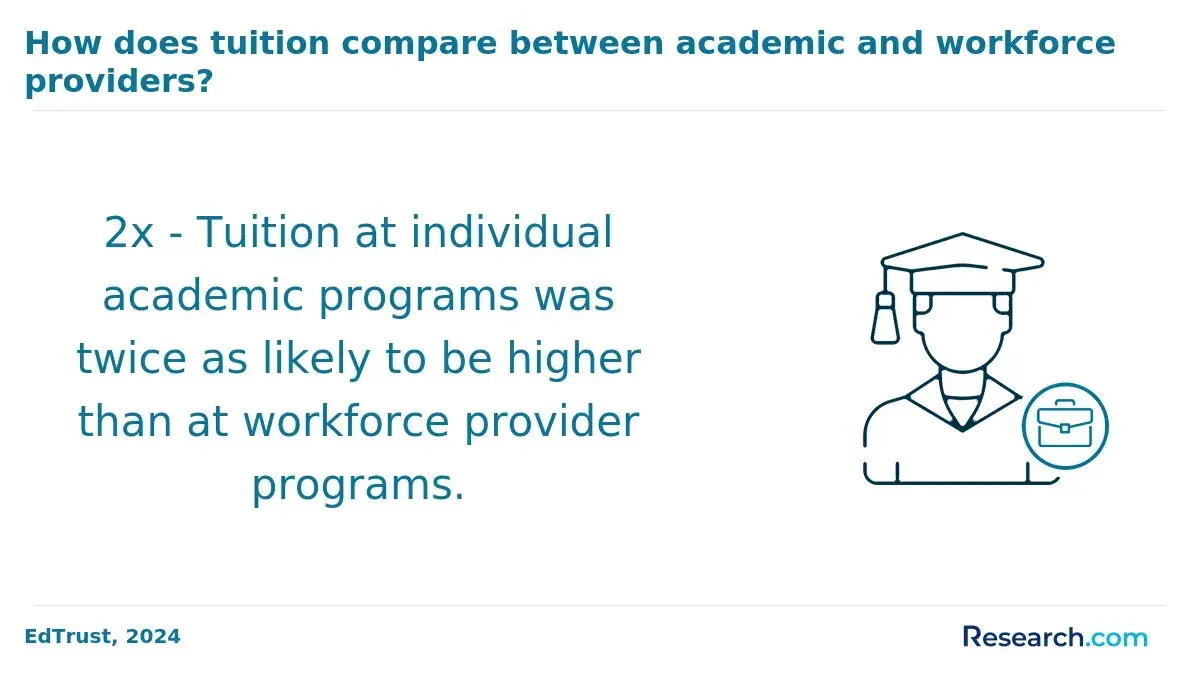
Not necessarily. Removing recommendation letters reduces administrative friction, especially for applicants who have been out of school for years, work independently, or cannot reasonably contact former instructors. It does not show that a program has lower academic standards, a higher acceptance rate, or fewer technical expectations.
Admissions selectivity depends on the whole review process. A program may offset the absence of letters by applying firm GPA thresholds, requiring quantitative prerequisites, reviewing a detailed statement, or admitting students conditionally until they demonstrate success in foundational courses.
Use this distinction when judging fit: a streamlined application may be more accessible, while the coursework can remain demanding. Applicants who have weak preparation in algebra, statistics, coding, or academic writing should plan to strengthen those areas rather than treating a no-letter policy as evidence that preparation is unnecessary.
A common mistake is choosing the quickest application without reviewing course sequencing and support. If you need prerequisite coursework or a career change, a program with tutoring, faculty office hours, introductory coding support, and a clear project sequence may be more valuable than one with the fewest application fields.
People considering other accelerated fields can see how pace and prerequisites vary in a fast track psychology degree online program comparison; acceleration is a delivery choice, not a universal measure of difficulty or admissions standards.
What Do Online Data Science Programs Evaluate Instead of Letters of Recommendation?
Without letters, admissions teams look for direct evidence that an applicant can complete quantitative, project-based coursework in an online environment. The strongest applications make that evidence easy to verify through transcripts, work history, and concrete examples.
Applicants can strengthen a no-letter application by focusing on evidence that is relevant to data science.
- Match completed courses to the program's stated prerequisites, including statistics, programming, calculus, or databases where applicable.
- Use a concise resume to identify technical tools, analytical responsibilities, dashboards, research, automation, or data-informed decisions.
- Write a focused statement connecting prior experience to a realistic goal, such as analytics, business intelligence, data engineering, or entry-level data science.
- Provide a portfolio only when the school permits it, using work that you can explain and that does not disclose employer-confidential information.
- Address gaps directly, such as an older GPA or missing prerequisite, and describe completed preparation rather than making unsupported claims.
For career context, data scientists typically collect, clean, analyze, model, and communicate findings from data. Adjacent roles include data analyst, business intelligence analyst, database specialist, analytics engineer, and machine learning practitioner. The U.S. Bureau of Labor Statistics projects 36% employment growth for data scientists from 2023 to 2033; that outlook signals demand, but candidates still need job-relevant skills, projects, communication ability, and experience.
How Can You Tell if an Online Data Science Degree With No Recommendation Requirement Is Accredited and Legitimate?
A recommendation-free policy says nothing by itself about legitimacy. The most important check is whether the degree-granting institution holds recognized institutional accreditation and whether the exact online program appears in the school's official catalog.
Use these steps before paying an application fee or enrolling.
- Find the institution in the U.S. Department of Education's Database of Accredited Postsecondary Institutions and Programs and confirm that the accreditor is recognized.
- Read the institution's official catalog entry for the exact degree title, delivery format, credit total, tuition basis, and graduation requirements.
- Confirm that the school, not an unaffiliated marketing company, will award the degree and provide the transcript.
- Ask whether online students receive the same degree title, faculty access, library resources, career services, and complaint-process information as other students.
- Review the curriculum for statistics, programming, data management, machine learning, ethics, and a project or capstone that fits your target role.
Institutional accreditation is generally the key credential for data science degrees because data science does not have a universal programmatic-accreditation requirement comparable to some licensed professions. Be cautious of schools that promise guaranteed employment, hide total tuition, pressure applicants to enroll immediately, or cannot clearly identify their accreditor and degree-granting entity.
Accreditation is also useful when comparing professional doctorates. Readers evaluating leadership-focused education pathways can review affordable online EdD programs while applying the same checks for accreditation, published costs, and delivery details.
How Much Do Online Data Science Degree Programs With No Letters of Recommendation Cost?
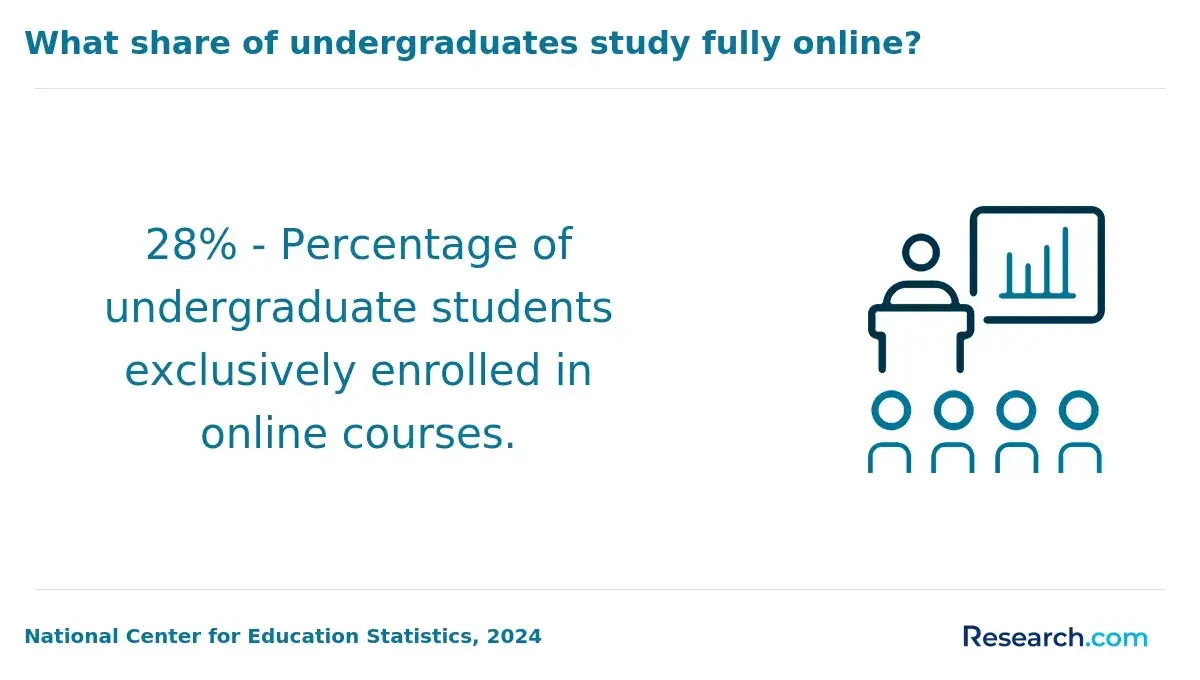
Cost varies more by institution, degree level, residency policy, transfer credit, and pacing model than by recommendation-letter policy. No-letter admissions should not be treated as a price signal; some streamlined programs are economical, while others carry high per-credit or technology-related costs.
For context, College Board reported average published tuition and fees of $12,596 for in-state students at public four-year institutions in 2024-25. That benchmark is not an online data science price quote, but it helps applicants recognize why a program-specific total-cost calculation matters.
Ask each school for a written estimate that includes the items below, using your expected transfer credits and attendance pattern.
- Tuition per credit or flat-term tuition, plus the total credits remaining after transfer review
- Mandatory university, distance-learning, technology, proctoring, and graduation fees
- Costs for textbooks, software, cloud-computing tools, hardware, and required exams
- Whether tuition can change during enrollment and whether a lock applies to continuing students
- Employer reimbursement timing and whether reimbursement affects payment-plan choices
Competency-based pricing may work well for highly self-directed students who can complete multiple courses in one term, but it can cost more than expected if work or family responsibilities slow progress. Per-credit pricing may be easier to forecast when taking one or two courses at a time.
Can You Get Financial Aid for an Online Data Science Degree With Streamlined Admissions?
Eligible students can generally pursue federal financial aid for an online degree if the institution and program participate in federal student aid programs and the student meets eligibility rules. Admissions simplicity does not remove FAFSA requirements, satisfactory academic progress rules, enrollment-status effects, or annual and aggregate loan limits.
The maximum Federal Pell Grant for the 2025-26 award year is $7,395 for eligible undergraduate students. Pell eligibility is need-based and does not usually apply to master's students, so graduate applicants should plan around federal Direct Unsubsidized Loans, Grad PLUS Loans where appropriate, employer support, scholarships, and personal savings.
Before accepting aid, compare the net price rather than the published tuition alone. Ask the financial aid office how online attendance, part-time enrollment, repeated courses, accelerated terms, and transfer-credit evaluation affect eligibility and disbursement timing.
Use borrowing carefully. A data science degree can support career development, but job outcomes vary by prior experience, local market, portfolio quality, and role. Estimate monthly repayment under more than one income scenario before borrowing for a higher-priced program.
How Long Does an Online Data Science Degree With No Letters of Recommendation Take to Complete?
Completion time depends on degree level, required credits, transfer credits, prerequisite gaps, and course availability. A full bachelor's degree commonly requires about 120 semester credits, while many master's degrees require roughly 30 to 36 credits, though exact totals vary by school.
| Pathway | Typical pacing considerations | Best fit |
| Bachelor's degree | General education, major requirements, and possible transfer credit shape the timeline | Students beginning college or changing fields without a prior bachelor's degree |
| Master's degree | Prerequisites, cohort sequence, capstone timing, and part-time enrollment affect completion | Applicants with a bachelor's degree and adequate quantitative preparation |
| Competency-based format | Progress may depend on demonstrating mastery within a subscription-like term | Experienced, disciplined learners able to devote consistent weekly time |
Confirm whether courses begin monthly, in standard semesters, or in a lockstep cohort. Also ask whether difficult courses are offered every term and whether a capstone can delay graduation. A stated "fast" timeline may assume full-time study and no prerequisite work.
Students looking at structured professional programs in other fields may find useful pacing comparisons in office administration courses, particularly when weighing self-paced study against scheduled terms and instructor-supported coursework.
Can You Transfer Credits Into an Online Data Science Degree Program With No Recommendation Letters?
Many online bachelor's programs accept transfer credit, and some master's programs accept a limited number of graduate credits. Transfer policies are separate from admissions policies: a school can require no letters while still applying strict rules about course equivalency, grade minimums, age of coursework, and residency credits.
Request an official transfer evaluation before making enrollment decisions whenever possible. An unofficial estimate may be useful for planning but is not a binding award of credit.
- Send transcripts from every postsecondary institution, including schools where no credential was earned.
- Keep course descriptions, syllabi, and assignments for statistics, coding, database, and math courses that may need detailed review.
- Ask whether lower-division courses can satisfy upper-division major requirements and whether certifications or prior learning can earn credit.
- Confirm the minimum grade required for transferred courses and whether credits must be recent.
- Compare the number of credits accepted with the number that must be completed through the new institution.
Transfer is especially important for career changers who have completed calculus, statistics, Python, or SQL elsewhere. However, do not assume a course with a similar title will transfer; content, credit level, and learning outcomes matter.
How Should You Compare Online Data Science Degree Programs That Do Not Require Letters of Recommendation?
The right choice balances admissions accessibility with academic fit, cost, and career preparation. Build a short list of programs that explicitly state no recommendation letters are required, then compare the same facts for each program before applying.
| Comparison factor | What to look for | Why it matters |
| Admissions policy | Written confirmation that letters are not required for your exact program and term | Prevents relying on outdated or institution-wide information |
| Academic preparation | Prerequisites, GPA policy, placement process, and conditional-admission terms | Shows whether you can start successfully without unexpected remedial work |
| Curriculum | Statistics, programming, SQL, machine learning, visualization, ethics, and capstone work | Connects coursework to the skills requested in data roles |
| Quality signals | Recognized institutional accreditation, transparent faculty information, and official catalog details | Supports degree legitimacy and transfer or aid planning |
| Total cost and pace | Net price, fees, transfer credits, term structure, and expected time to completion | Helps evaluate affordability without assuming a short program is cheaper |
| Career support | Portfolio guidance, internships, employer connections, interview preparation, and alumni information | Can matter when moving into a competitive technical field |
Choose a no-letter program if you have the academic preparation and want an application process that does not depend on external references. Consider a program with more individualized review if your transcript needs context and a recommender can credibly explain your growth, technical ability, or academic potential.
Before submitting, save a copy of the current requirements page, confirm deadlines and time zones, and ask about prerequisites, total cost, transfer credit, and online student services. Avoid choosing solely on "no GRE," "no letters," or "fast completion" marketing language.
Program delivery can differ substantially across disciplines; an best online architecture degree comparison also illustrates why students should examine curriculum structure, required experiences, and professional expectations rather than admissions convenience alone.
Other Things You Should Know About Data Science
Yes, if the program accepts applicants without recommendations and you meet its degree, GPA, and prerequisite requirements. Use your resume and statement to explain relevant work experience, and complete missing math or programming preparation before applying if needed.
They can be. Some programs list letters as optional but may request additional materials for borderline cases. Ask whether letters are categorically not required, merely optional, or potentially requested during review.
Sometimes, but not automatically. A certificate can demonstrate preparation, yet schools may still require transcripted coursework in statistics, calculus, or programming. Obtain written confirmation before assuming a certificate meets an admission condition.
Check when you build your shortlist, then check again immediately before submission. Requirements, prerequisite rules, and document deadlines can change by intake term, and the official program page is more reliable than third-party listings.
References
- How Teacher Recommendation Letters Impact College Admissions https://toptieradmissions.com/teacher-recommendation-letters-how-they-impact-college-admissions/
- College Admissions Rec Letters are a Waste of Time - Tex Admissions https://www.texadmissions.com/blog/2025/5/1/college-admissions-recommendation-letters-are-a-waste-of-time
- Choosing a master's degree: data science or artificial intelligence | edX https://www.edx.org/resources/choosing-a-masters-degree-data-science-or-artificial-intelligence
- Data Scientist https://www.mastersindatascience.org/careers/data-scientist/
- New York Data Science Degree Programs https://www.datascienceprograms.org/in/new-york
- Does the Letter of Recommendation Still Matter in College Admissions? https://www.saraharberson.com/blog/letter-of-recommendation-still-matter-college-admissions
- Masters in Data Science Admission Requirements 2026 https://admit-lab.com/blog/masters-in-data-science-requirements/